Culture
THE MOST UNUSUAL MONUMENT IN RIGA
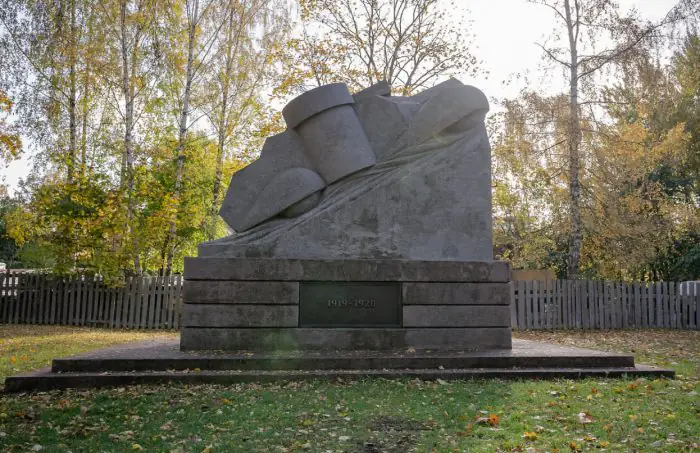
The monument depicts an armored car carved from stone from the time of Latvia’s struggle for independence (1918–1920). It is named Zemgalietis, after one of the country’s historical regions.
The sculpture was created based on a project by architect Verners Vitands and unveiled in 1939 to mark the 20th anniversary of the Armored Car Regiment of the 1st Armored Division. The monument survived World War II and the Soviet occupation and was restored in 2009.
Its dynamic artistic design is characteristic of the Art Deco period. Industrial design of that period gravitated toward the so-called streamline style—a style associated with speed and aerodynamic forms.
MUSEUM STORAGE FACILITY
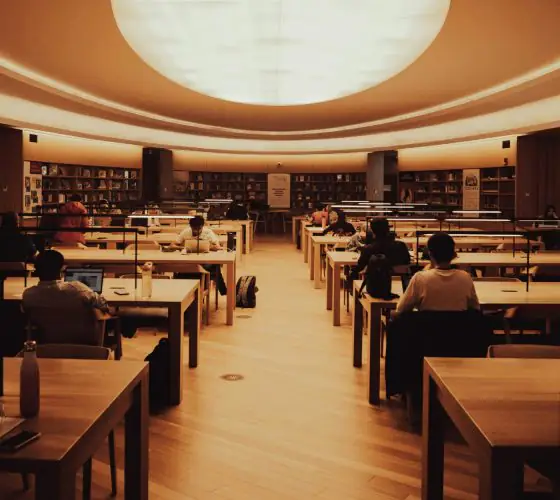
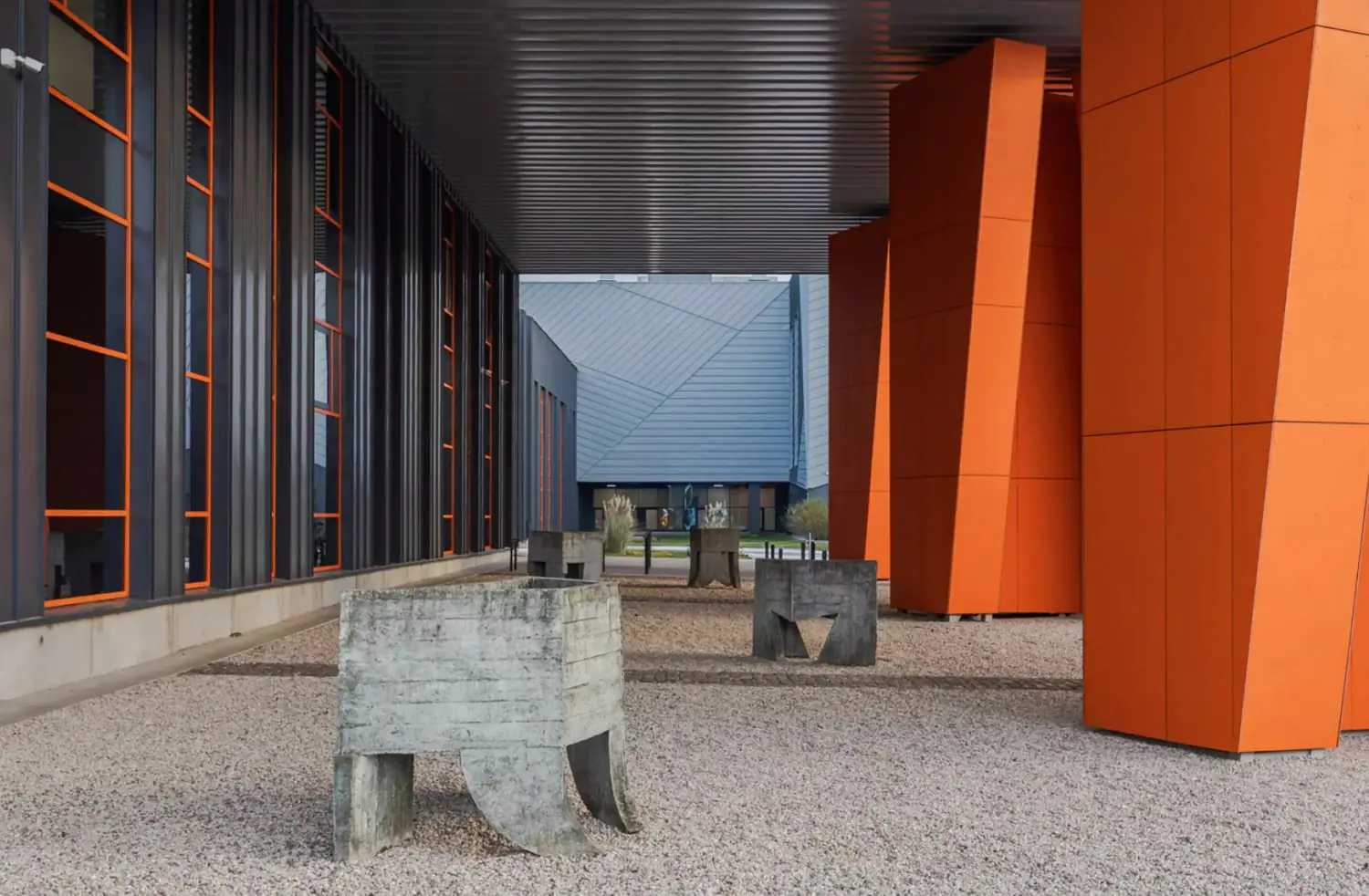
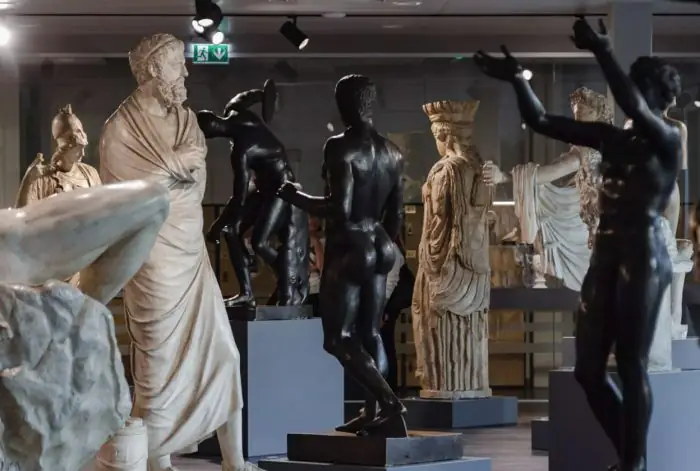
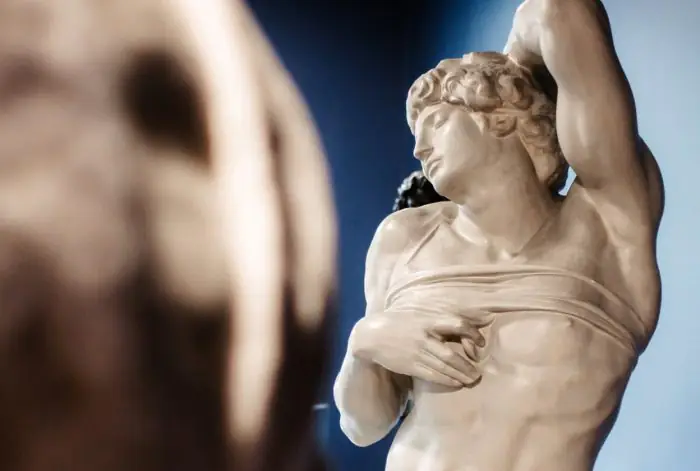
Built in 2019 according to a project by the architectural bureau Krasts, this building houses the archives of four Riga museums. Most of the premises are closed to the public, but visitors can attend temporary exhibitions (free of charge) or sign up for guided tours. Even if you are not planning to join a tour, it is worth stopping by to see the sculptures displayed outdoors on the grounds of the complex. Information about upcoming events and tours can be found on the museum storage facility’s website. Tours should be booked at least two weeks in advance. Guides are available in Latvian and other languages—the current list is also best checked on the website.
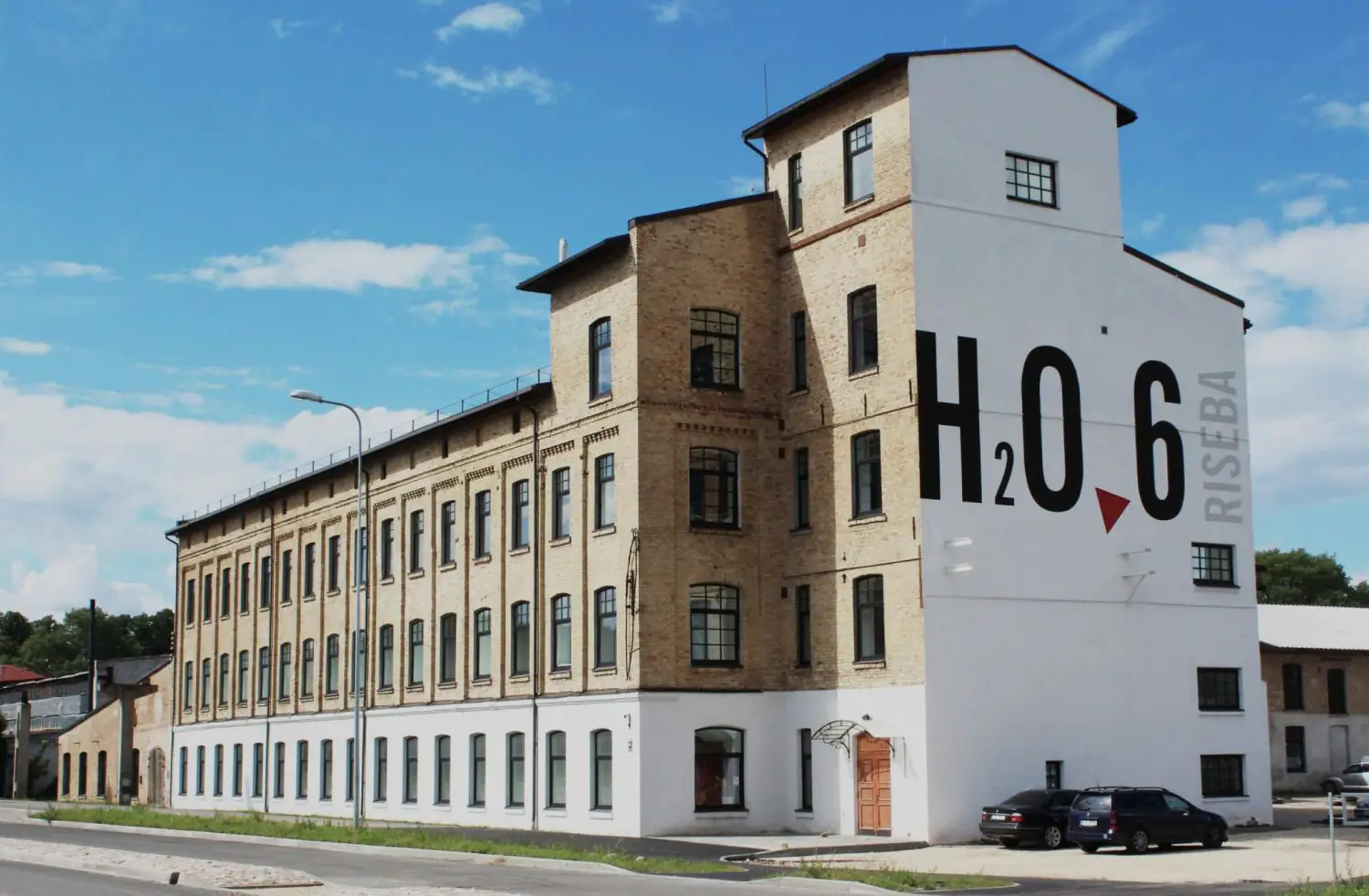
The architectural university RISEBA is permanently located within the quarter. A well-known Riga Instagram blogger Nikita Merkushin studies here; he gained popularity thanks to his unusual drawings made using the textures of city manhole covers and other urban objects. Recently, in collaboration with the HouseEurope! collective, he has been creating truly magical street installations around Riga, attracting hundreds of thousands of views.
You can learn more about other creative quarters in Riga and Latvia in our previous articles.
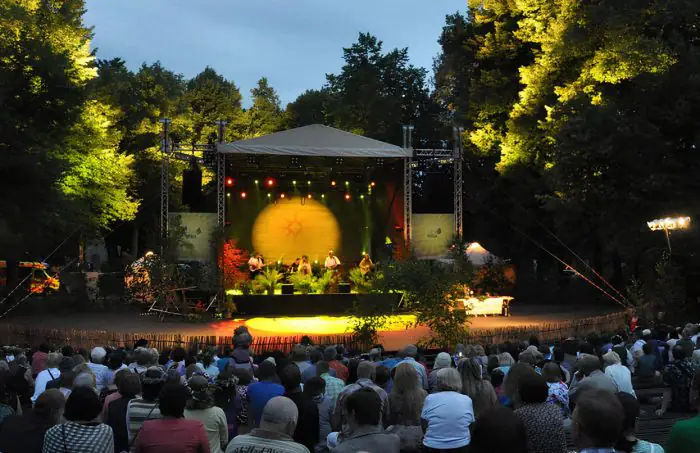
DZEGUŽKALNS OPEN-AIR STAGE
Latvia has hundreds of open-air stages. More than a year ago we even published a text highlighting some of the most interesting architectural examples.
The stage in Dzegužkalns already existed here during the interwar period. Even then, the audience seating was arranged along the hillside—a solution that fits naturally into the landscape. Today, city festivals and concerts are regularly held here. It becomes especially crowded during the summer Līgo celebration. According to tradition, a burning wheel is rolled down the hillside—an ancient ritual that organizers now try to conduct as safely as possible.
Walks
THE HIGHEST HILL IN RIGA
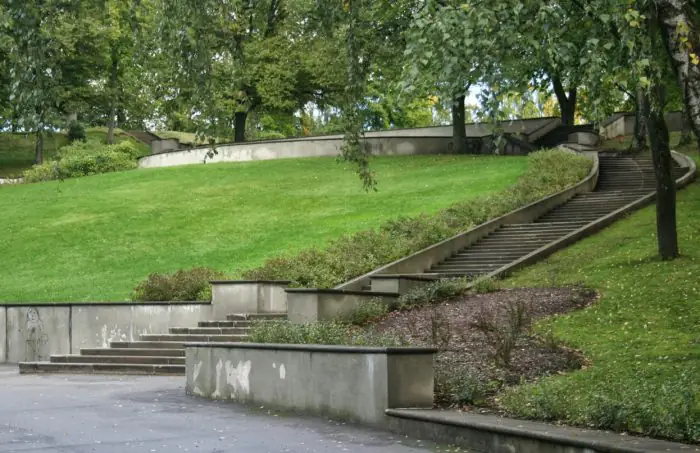
Dzegužkalns rises 28 meters above sea level, making it the highest point of Riga’s natural terrain. For comparison, the artificial mound Dreiliņkalns in the Pļavnieki district reaches 35.6 meters.
From the top of Dzegužkalns you can spot the spires of Old Riga. It is especially pleasant to walk here during the golden autumn season: most of the trees were planted at the beginning of the 20th century and have large, expressive leaves.
It is important to remember that this is not a single hill but a chain of long-overgrown sand dunes. So it’s best to wear comfortable shoes and clothes you don’t mind getting dirty if you happen to slip.
INSPIRATION PARK OF RIGA STRADIŅŠ UNIVERSITY
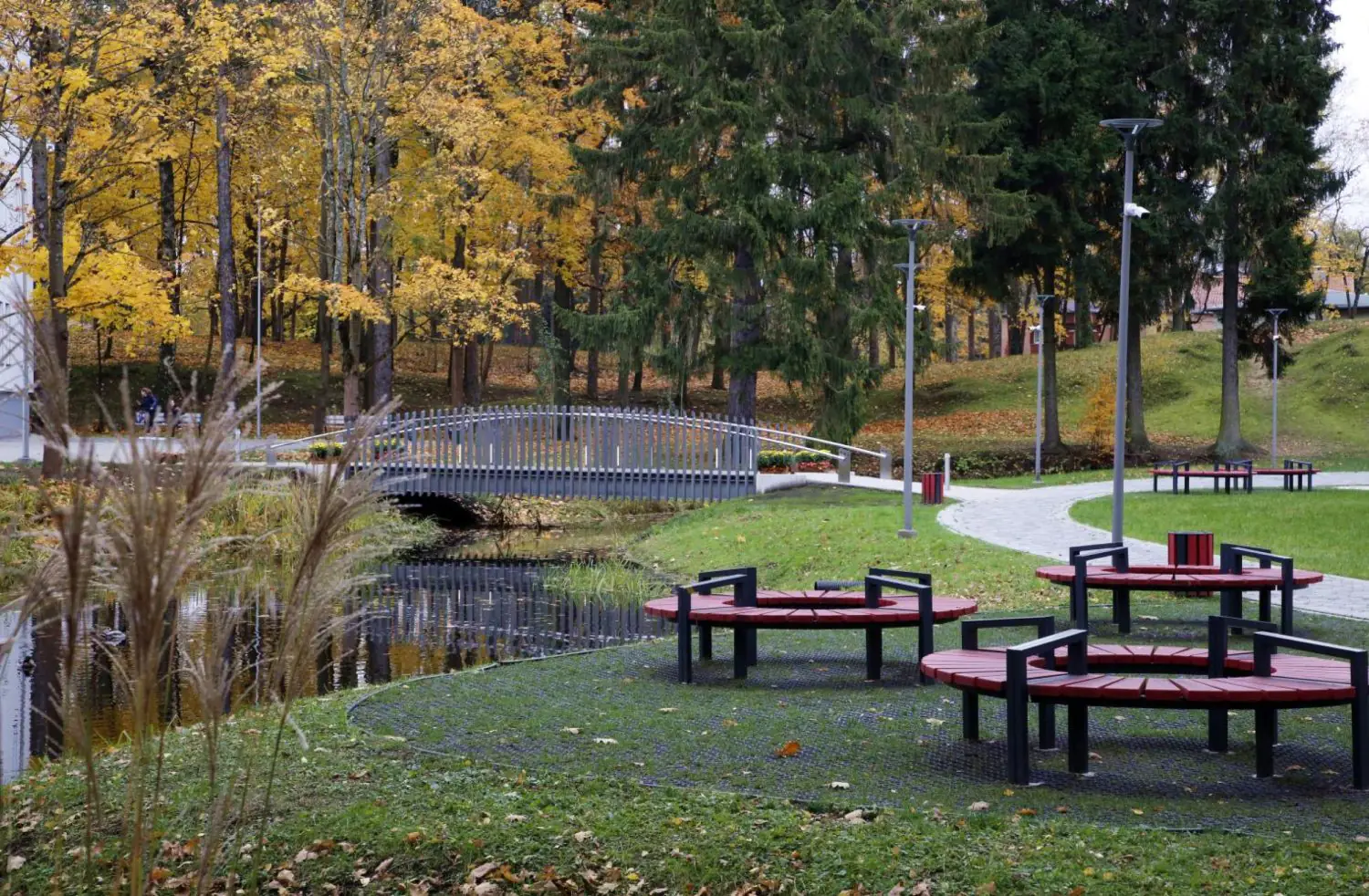
A small landscaped park with a pond and fountain is hidden behind the buildings of Riga Stradiņš University. Despite being located on university grounds, the park is fully open to visitors, so you can freely stop by during a walk around the district.
After the park, it is worth visiting the nearby streets Ķiršu iela (Cherry street) and Bumbieru iela (Pear street). Here it is easy to forget that you are in a large city: quiet houses and green courtyards create the feeling of a cozy little village.
Eat & Drink
CIEMAKUKULIS BAKERY
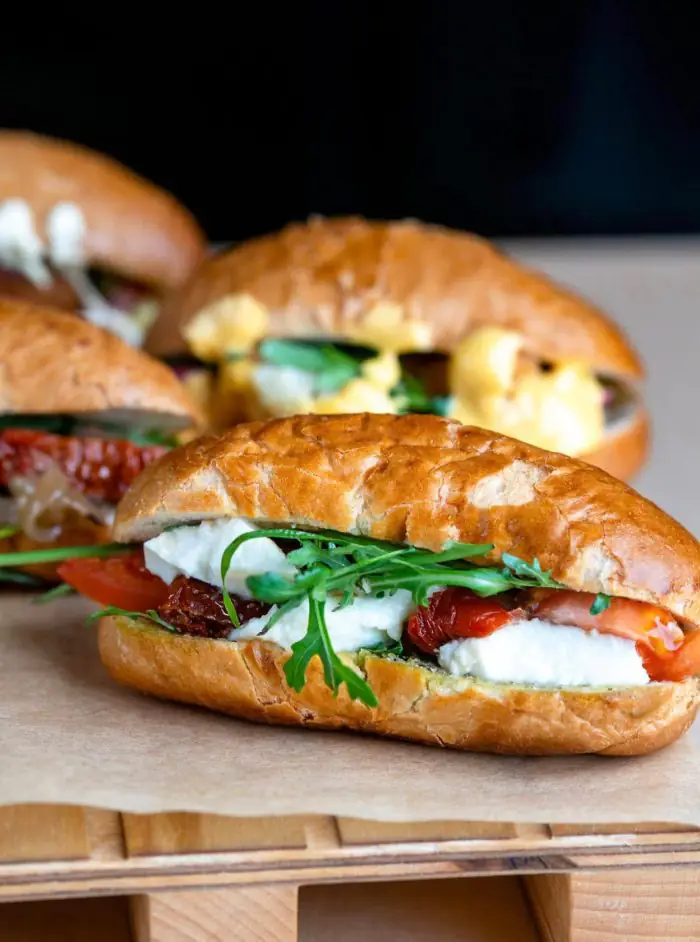
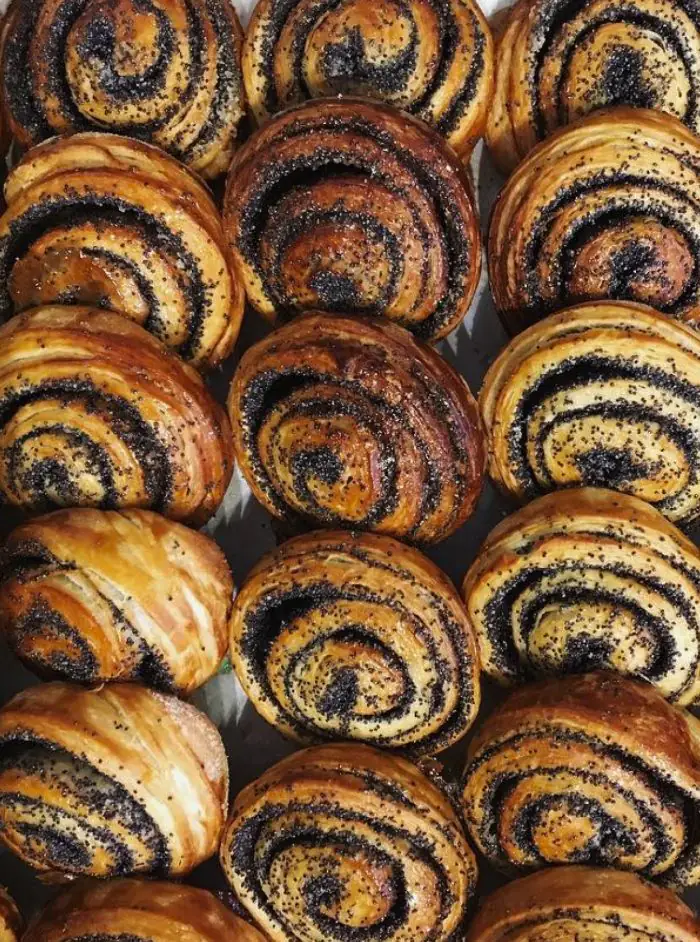
This bakery is a convenient place to start your walk around Dzirciems. Although it is part of a small chain (there are three in Riga), each café feels unique thanks to its homely atmosphere and varied décor. There is a large selection of buns, pastries, and simple dishes like soup or sandwiches. It’s worth noting that this is not a specialty-coffee format café. It’s more like the kind of place that might appear if your grandmother decided to open a bakery: cozy, warm, and without unnecessary pretension.

PIGA GASTROBAR
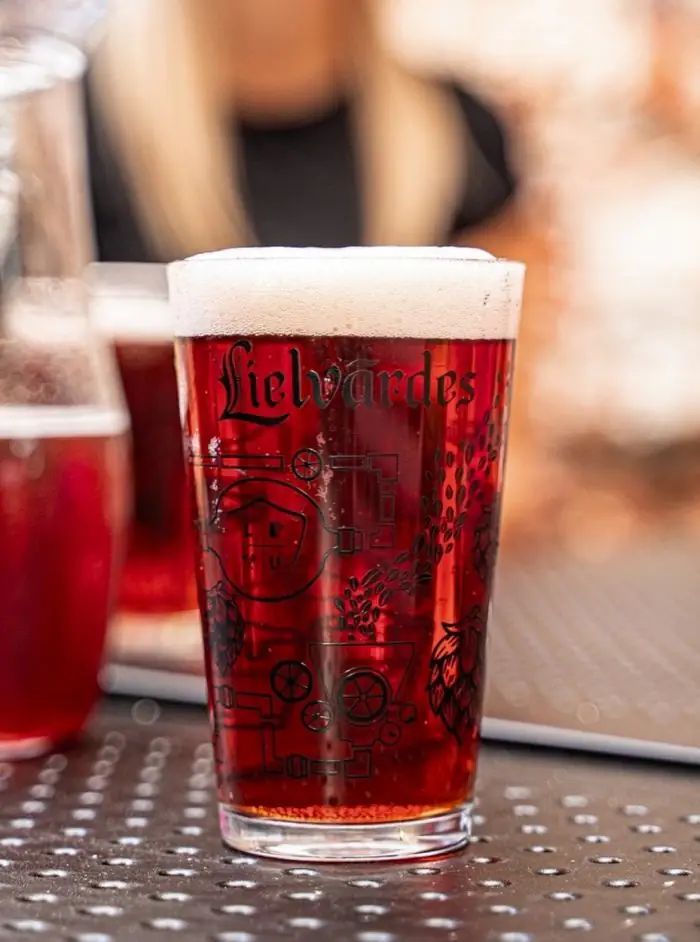
One of the three Riga bars in this chain. It’s a rare case where a decent selection of alcoholic and non-alcoholic drinks—beer, wine, cocktails, and more—is combined with the possibility to eat well at a low price. Where else can you find burgers for around €6 and a glass of beer for just over €2? At the same time, you won’t be sitting in interiors stuck somewhere in the early 2000s—the setting is quite modern. It’s a good place to end your walk around the district and relax after conquering the highest hill in Riga.