Saunas and bathhouse rituals are clearly making a comeback worldwide. Why do you think social saunas are becoming so popular today?
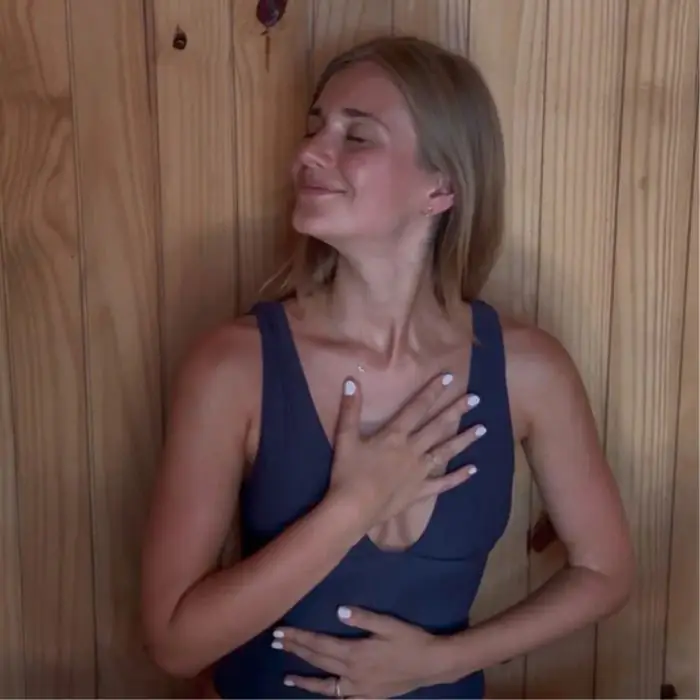
Anželika
I’m from Latvia, and sauna culture has been a part of my life since childhood. My grandmother always said that I should come and enjoy the benefits because it’s good for me. I think it’s becoming more relevant today because we’re so digitalised and constantly online that we miss spaces where real, in-person connections can happen.
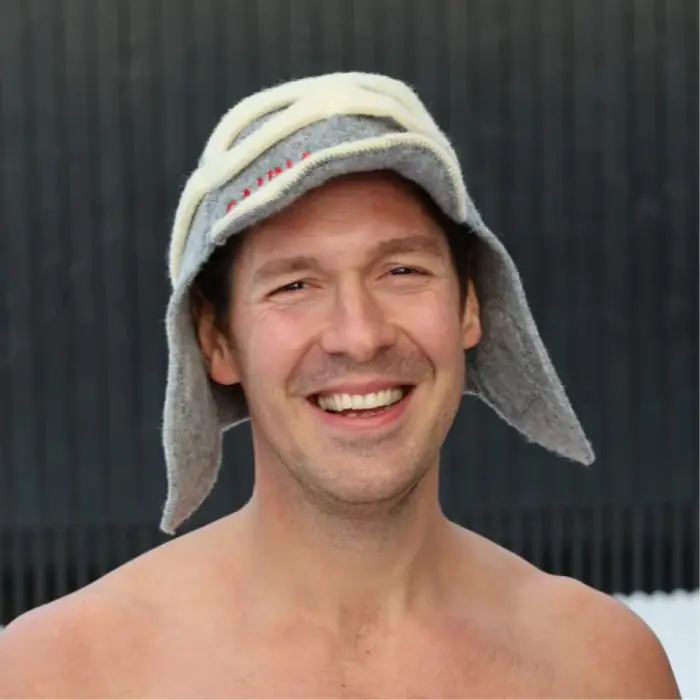
Casper
As for me, I’m from Denmark, and sauna culture wasn’t really part of everyday life there. I went to a sauna in a summer house once as a child, but it wasn’t something we did regularly. I started going to saunas because of the new hot-cold concept, and I really enjoyed the contrast therapy. The sessions were guided and set to music, almost like a shared ritual.
It was also completely different because, with my ADHD, I would normally get bored just sitting in a sauna. I liked this more dynamic approach and felt it was something we could bring to Latvia.
Anželika
We are seeing this trend grow in Denmark, across Scandinavia, in the US and in cities like London. People crave real connection and new physical spaces.
Casper
People are tired of meeting only to eat or drink, and alcohol consumption is decreasing. The sauna is very inclusive—anyone can come and relax. It’s a simple and healthy way to spend time together.
Let’s clarify the difference between public and social saunas, which may not be obvious to everyone.
Anželika
In Latvia, public saunas can be found in hotels or gyms. You come in, use the sauna, and relax — usually in the presence of other people who are using the space at the same time.
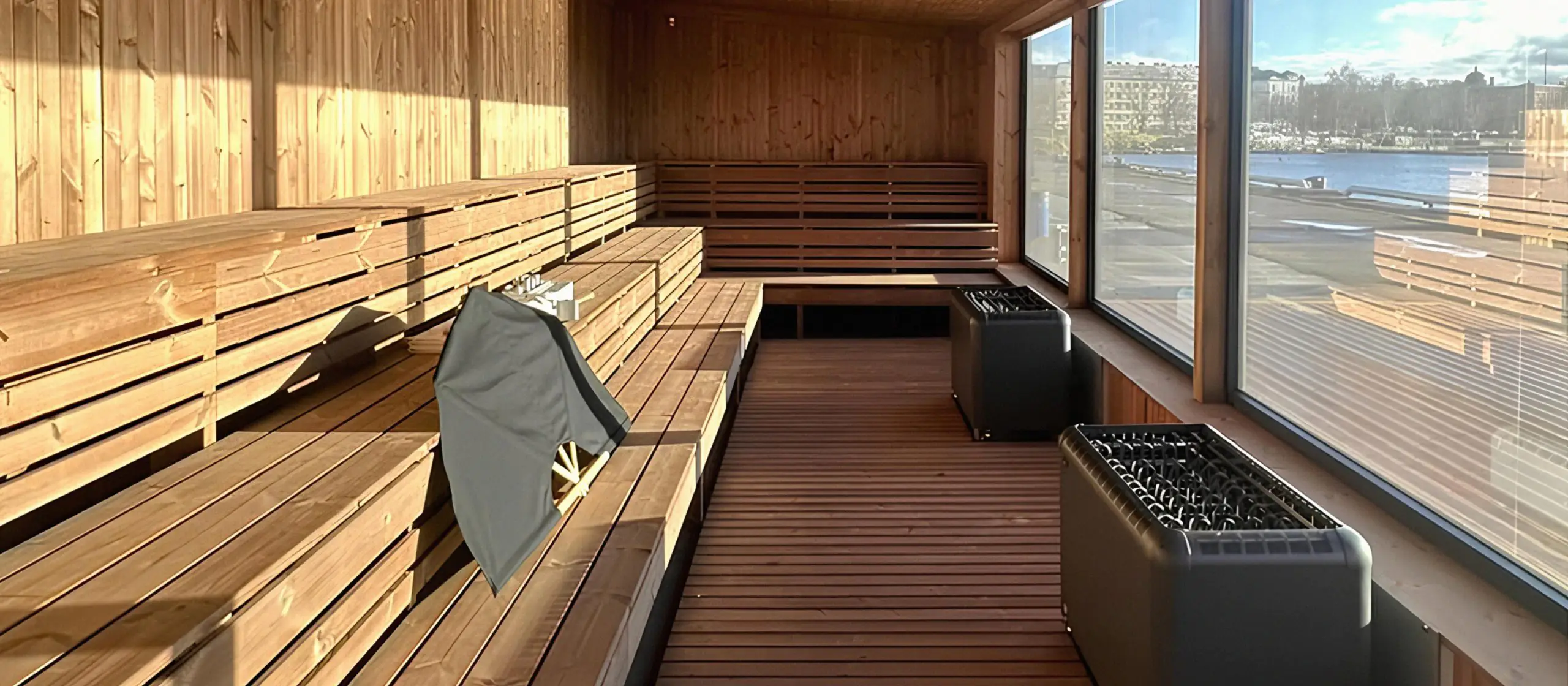
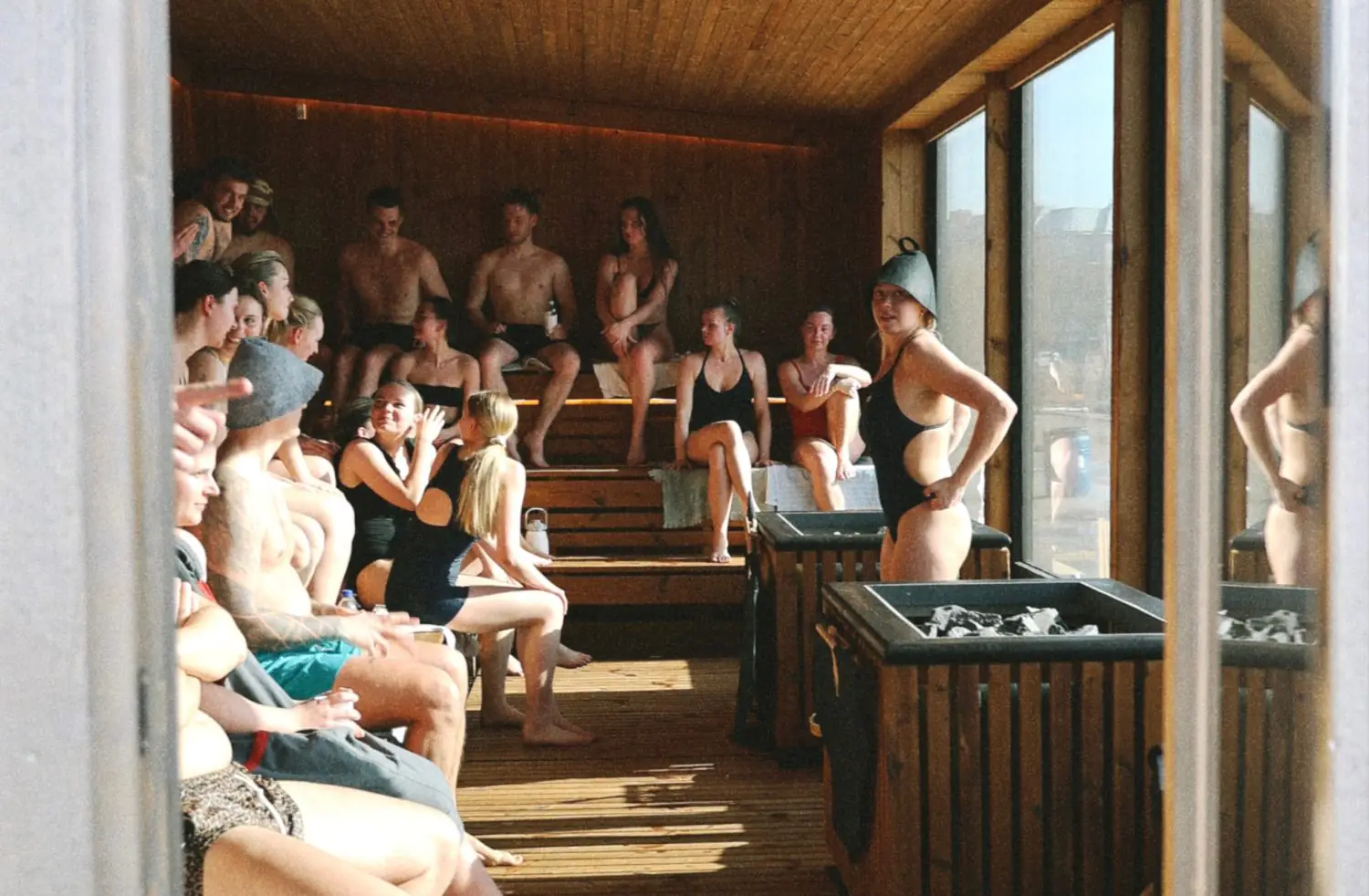
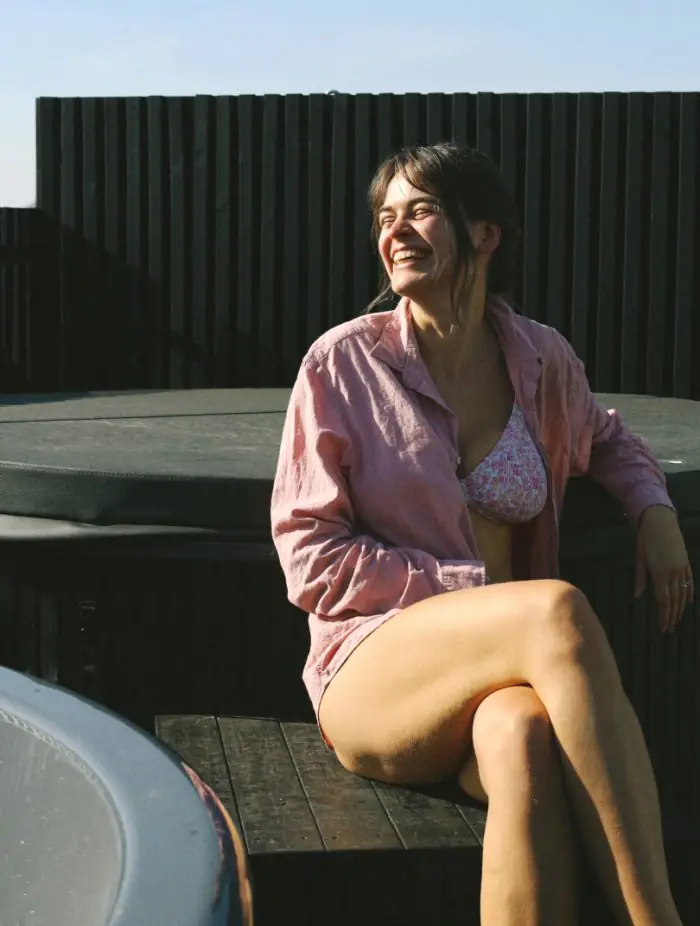
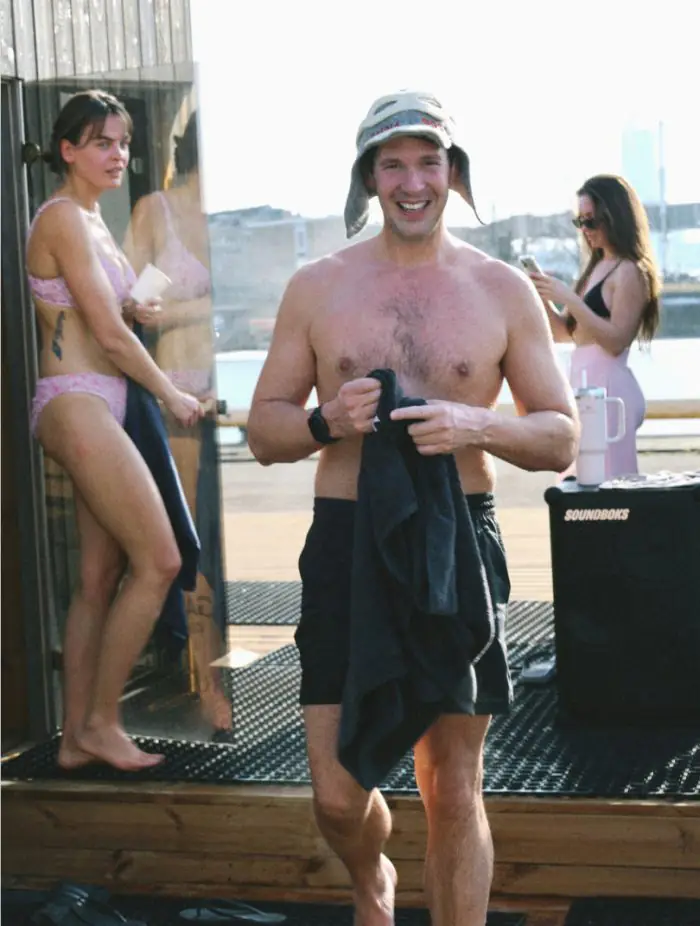
With a social sauna, however, the experience goes a step further. We create the atmosphere and experience through ritual. You take part in a 75-minute hot-cold ritual, followed by about 30 minutes of social time, when people can chat with friends or meet new people. Sharing an intense experience often helps people open up and form new connections, and it’s always lovely to witness that.
One thing that stands out about social saunas is the group experience. How does this differ from traditional sauna culture in Latvia?
Anželika
In Latvia, saunas are often small and intimate spaces shared with family or close friends. What I found fascinating in Denmark was seeing young people embrace sauna culture as something important for health and wellbeing—but also as a social activity.
Casper
And that collective energy is powerful. When 35–40 people go through the ritual together, it creates a completely different atmosphere. You simply can’t replicate that with a smaller group.
But if someone just wants to come alone and doesn’t want to socialise much, that’s fine too, right?
Casper
That’s a good question. In Copenhagen, I mostly used the sauna on my own after stressful days at work. The difference with a place like ours is that you are guided through a ritual.
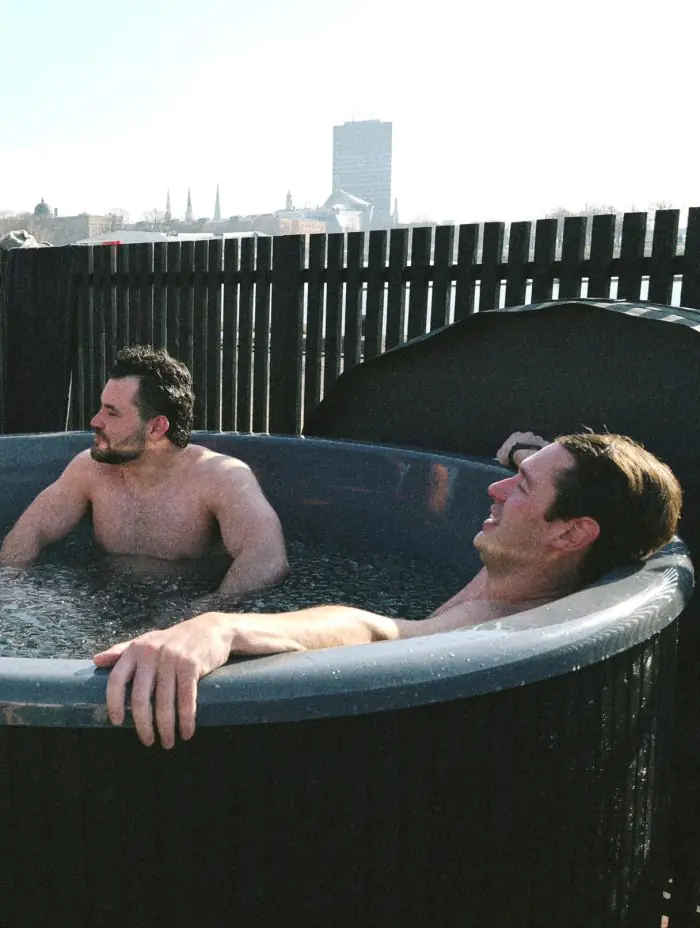
You follow a routine: about 12–15 minutes in the sauna, then a cold shower, and then you repeat the cycle. In that sense it’s actually easier to come alone, because the whole session has a clear structure. I see many people coming on their own.
A little more about rituals. You mentioned that you have different programmes, and the main idea is the contrast between hot and cold. What are the main differences between them?
Anželika
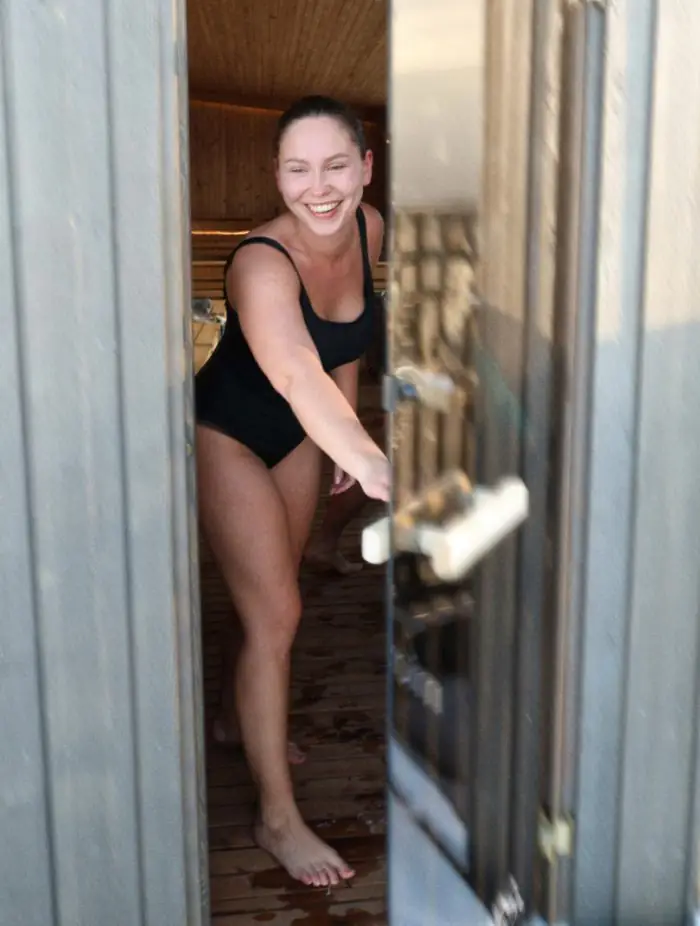
The structure is always the same: 15 minutes in the sauna, followed by 8–10 minutes outside. This is repeated three times.
We have three different rituals: Calm, Flow and High. The difference lies in the mood, music and aromatherapy.
Calm is very meditative and closer to the traditional Latvian sauna experience. High is almost like a sauna party, with high-energy music and facilitators encouraging the group. Flow is somewhere in between—more dynamic, with some freedom to move around.
Casper
The sauna master sets the pace. Some people prefer high-intensity sessions, while others enjoy a calmer atmosphere. Guests often follow a specific master, similar to how people follow their favourite yoga teacher in fitness classes.
We train them in safety and the basics, but after that each master interprets the ritual in their own way. Some tell stories, others ask reflective questions during the session.
Do you also have group sessions?
Casper
Yes, groups can book the entire sauna with a sauna master for occasions such as birthdays, stag parties, or gatherings of colleagues or friends. In a way, you can celebrate almost anything in a sauna.
Some people avoid the sauna because of stereotypes. How do you address this issue?
Anželika
For example, some people think a sauna is a place where you have to be naked, where people are drinking, or something you only do with a very close-knit group of friends. That can make saunas feel intimidating for many.
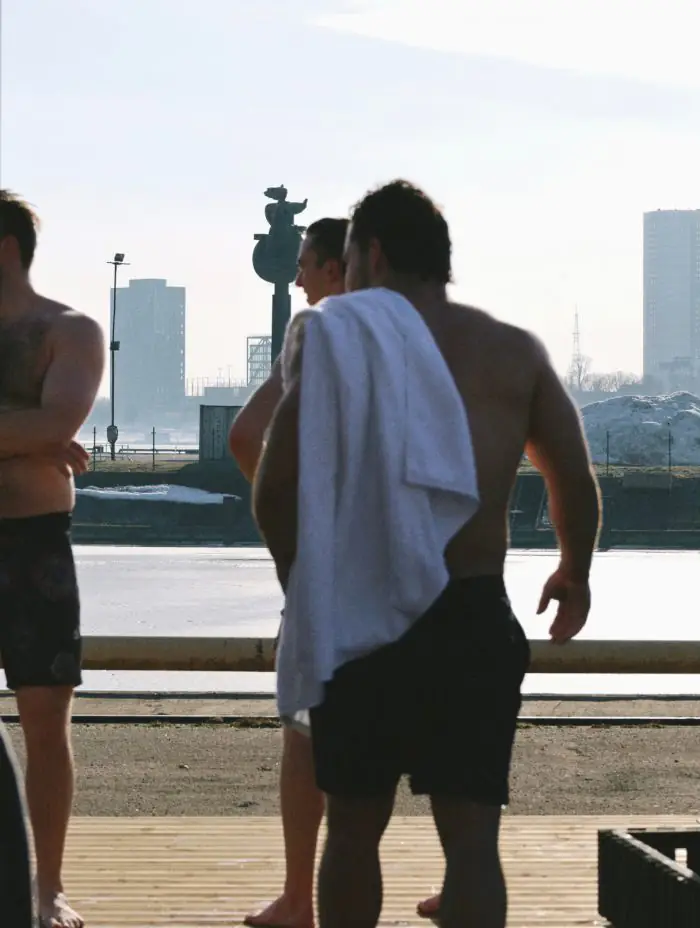
At Miers, we challenge these stereotypes. We keep our swimsuits on, and it’s also a sober space. We focus on creating a welcoming environment where people feel comfortable being part of the experience.
Casper
A few years ago, people in London or Copenhagen might have said “no” to saunas. Now they are becoming a new, healthy way to spend free time. It can definitely be something you do with close friends, but we also wanted to create a space where, even if you come alone, you still feel included.
Talking about Miers as a project, what did you imagine it would be like, and how does it compare to reality? Is it exactly what you wanted to achieve?
Anželika
Well, of course we are still very much at the beginning, and things are still evolving. But the rituals are about 95% what we originally imagined. The remaining challenge is helping people understand the hot-cold therapy ritual. Once they experience it, however, it usually becomes exactly what we had hoped it would be.
What was the most challenging part of creating the project?
Casper
Right now we are very dependent on the weather. The idea is that the experience should happen partly outdoors, under the open sky, with outside showers and fresh air between sauna sessions. Riga had particularly difficult weather this year, which created additional challenges.
Anželika
This is actually our first physical business—our background is in the digital sector. Of course that brought its own challenges, but we really wanted to bring this project into the real world.
How do you see in general the future of public saunas?
Anželika
As more and more people look for ways to live healthier and more balanced lives, saunas will undoubtedly become a popular choice. We also believe they will increasingly become a kind of “third space” for social gatherings.
That’s why we’re planning to open several more locations across the Baltic States.
In fact, one of my favourite books right now is the popular science book Outlive: The Science and Art of Longevity by Dr Peter Attia. He argues that we should focus much more on preventing disease rather than only treating illness. We believe that saunas can be one small but meaningful part of that healthier lifestyle.