A Brewery That Didn’t Stay a Brewery
The Latvian word duna describes a low, continuous hum—the kind of sound that emerges when people gather, talk, and gradually fill a space.
In many ways, this definition explains the philosophy and the story behind DUNA more precisely than any formal description. What began as a small brewery in Kuldīga has gradually evolved into something that extends far beyond production—into people, place, and shared experience.
You’re known as a brand from Kuldīga. What role does the city play in shaping what you do?
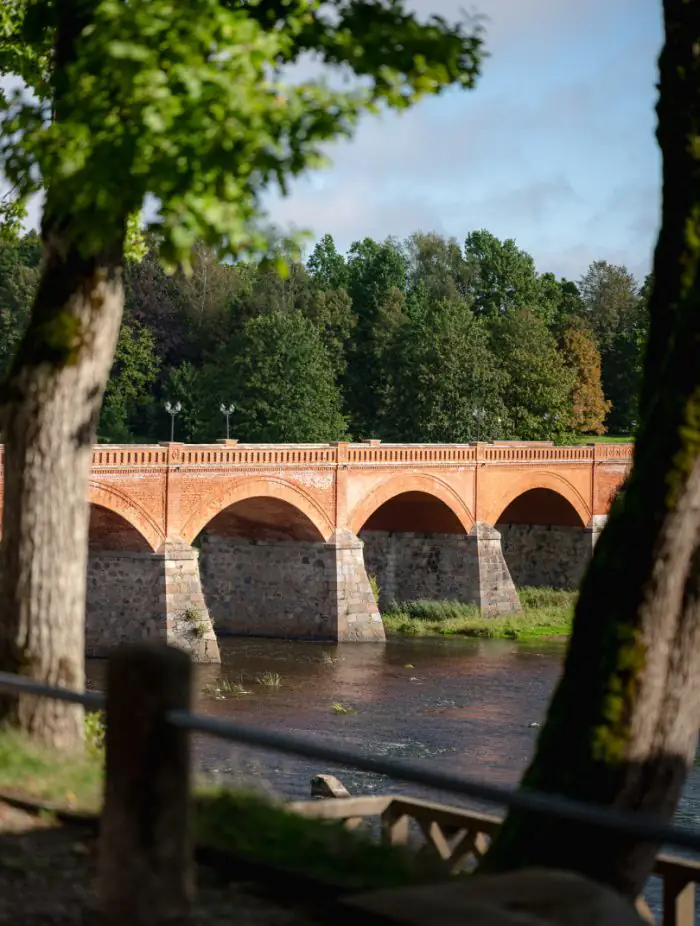
Roberts: It was never a strategic decision—it’s simply where we’re from. But at the same time Kuldīga has a certain soul. It’s calm, but not empty—there’s something raw about it, something unpolished and real. There’s also a strong sense of continuity, a quiet character that stays with you.
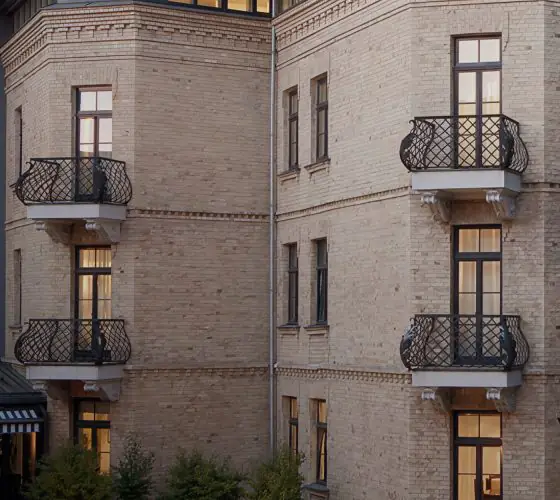
And in a broader sense, it also explains why people come here. Kuldīga is still very real. People actually live here—it’s not a staged environment. Everything is close and walkable; you can move through the whole town in about fifteen minutes.
There is also a strong sense of individuality—small cafés, workshops, local projects. Many things are created independently, and together they form a very specific atmosphere.
That natural context didn’t just influence the brand—it slowly expanded the way we think about what we are building. It’s not something we tried to construct; it was already there.
DUNA didn’t begin as a fully formed idea. Looking back, how did it actually start?
Toms: The idea came quite naturally. At the time, we were working on the AUSMA Hotel in Kuldīga’s old town, and our architect suggested creating a brewery as part of the project. At that stage, it was meant to be something small and local. But we quickly realized that it wouldn’t be possible to establish a brewery within the hotel premises in the old town.
So we started looking for another place and eventually found a more suitable location—an abandoned, degraded area that later became the home of DUNA and Kaļķu Kvartāls.
But step by step, it started to grow. Not because we planned it that way, but because new layers kept appearing—new ideas, new people, new opportunities. At some point, it simply became bigger than we had originally imagined.
At what point did the focus shift from product to something broader?
Roberts: In the beginning, it was very much about the product. We knew we would focus on making beer and developing the product itself.
But quite quickly it became obvious that this alone is not enough. You can create a technically perfect product, but if there are no people around it—no context, no interaction—then it loses meaning.
So the focus shifted almost on its own. It became about people meeting, spending time together, creating memories. About the atmosphere that forms around the product, rather than the product itself.
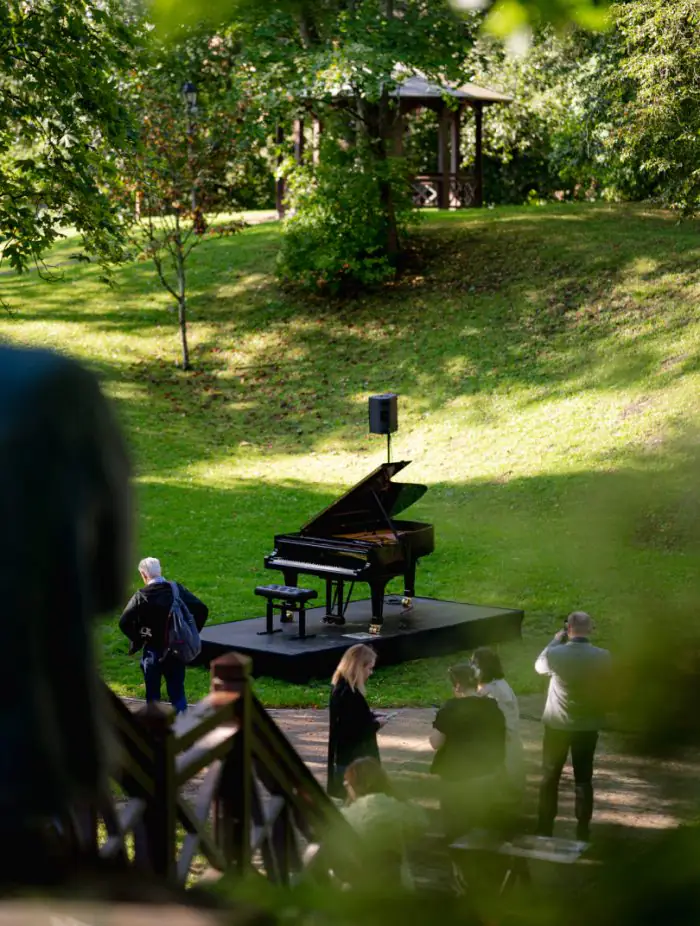
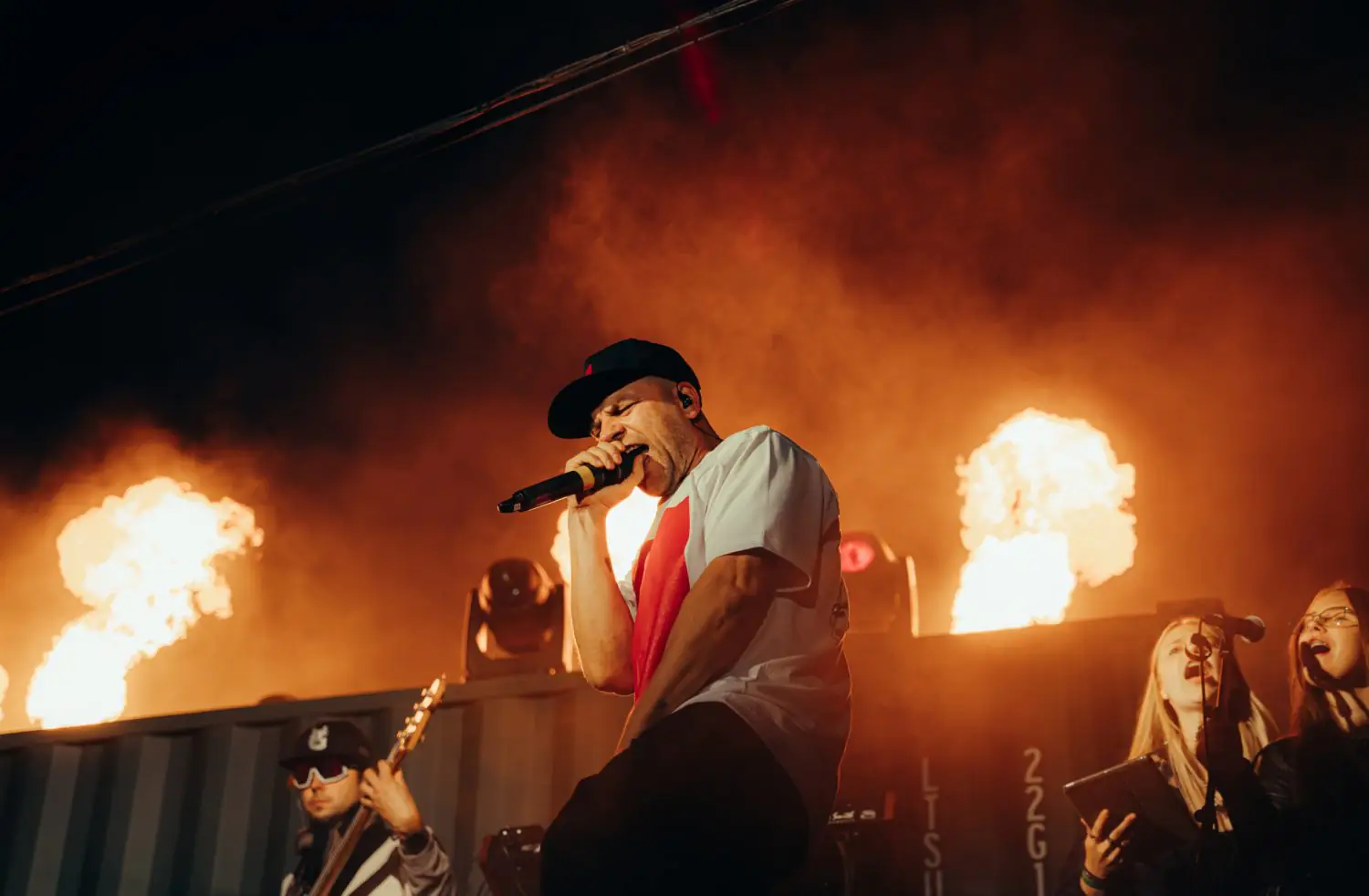
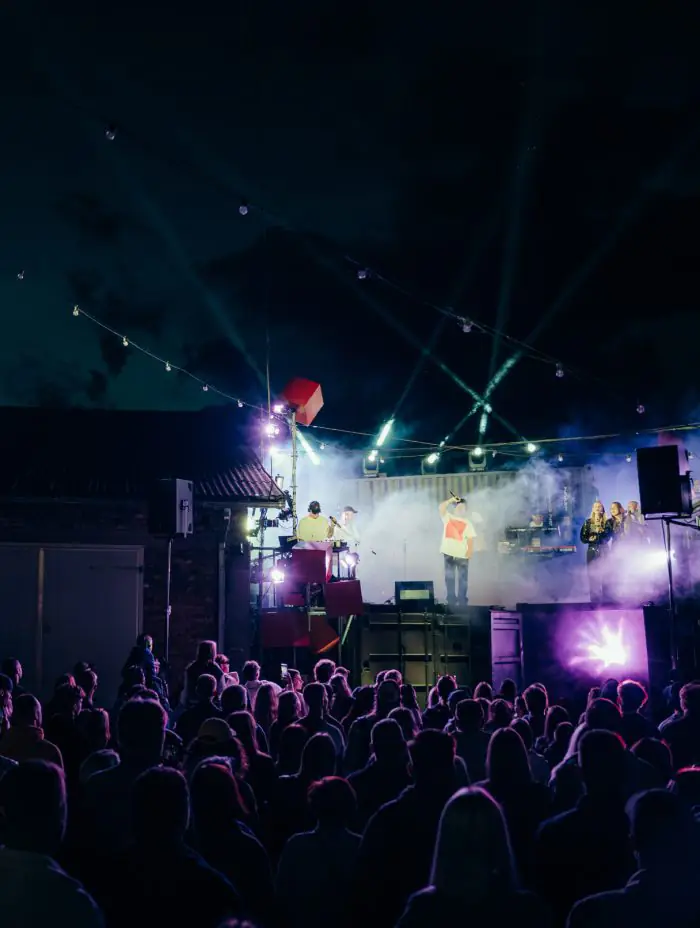
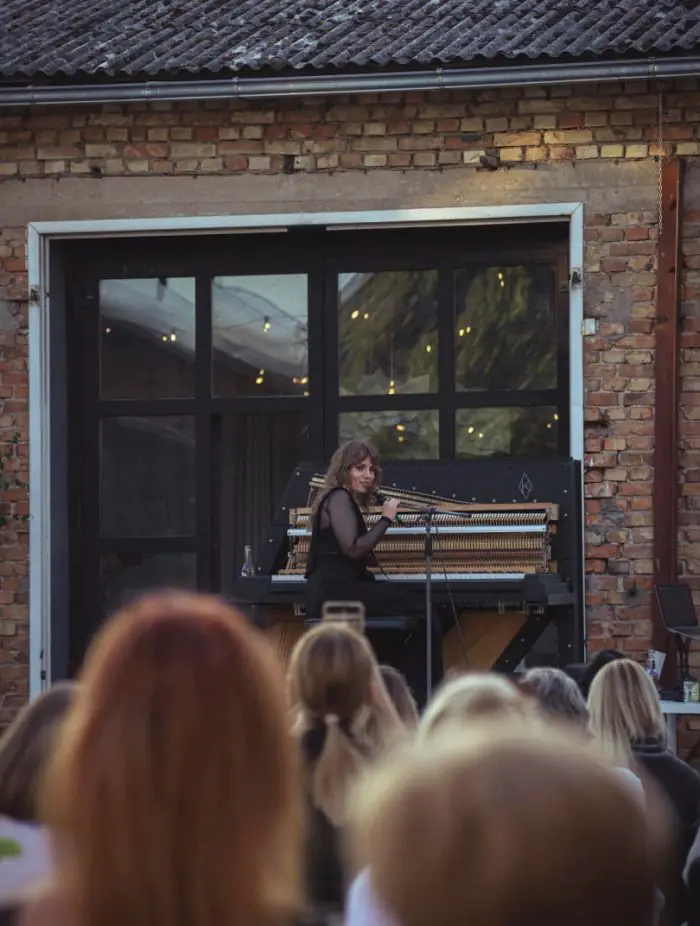
Toms: This means that it’s become more important to us than just creating a beer or lemonades.We create a reason to come, stay, and have new experiences. In the summer especially, with events and concerts, it becomes clear that what people take with them is not just what they tasted, but the experiences they shared and the emotions they lived.
A Quarter Without a Master Plan
Over time, this way of thinking started to take a physical form. Around the brewery, new functions began to appear—small workshops, production spaces, places to eat and spend time.
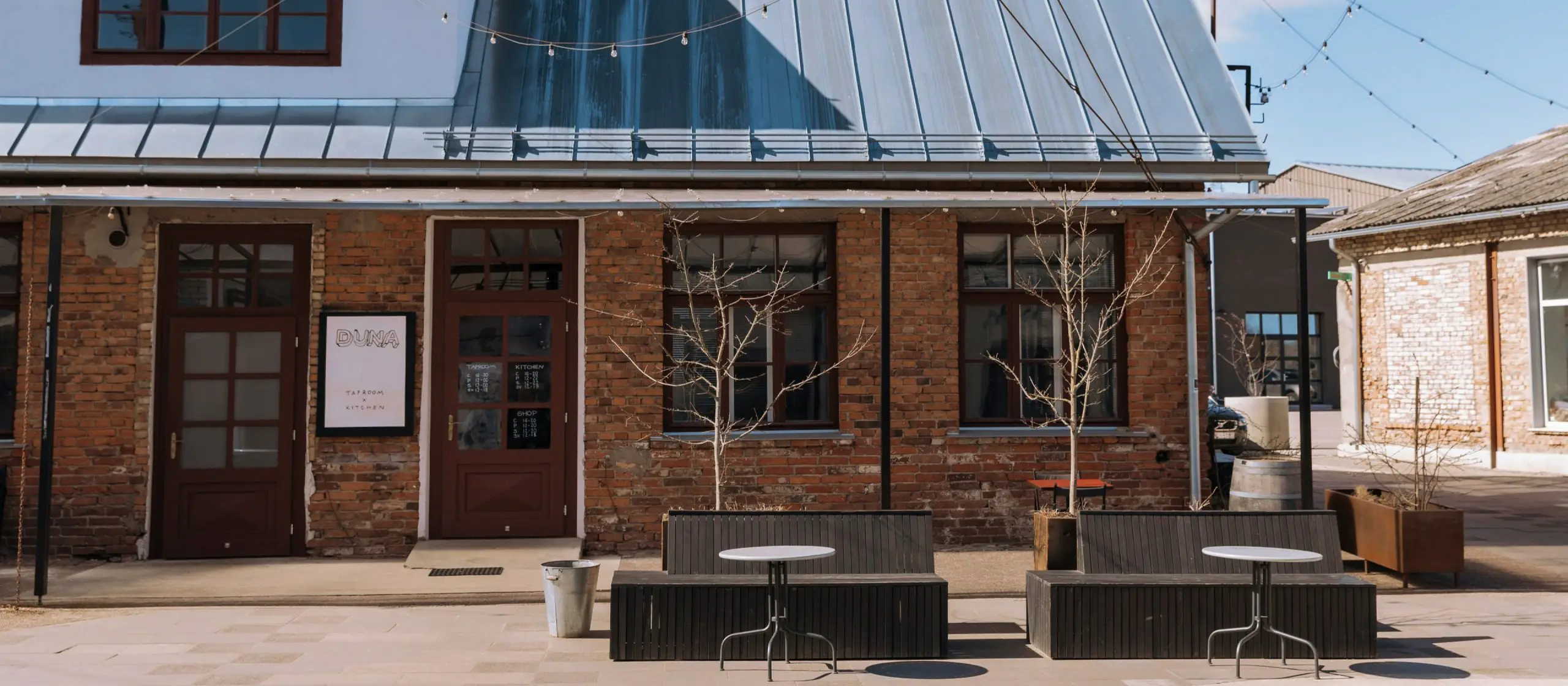
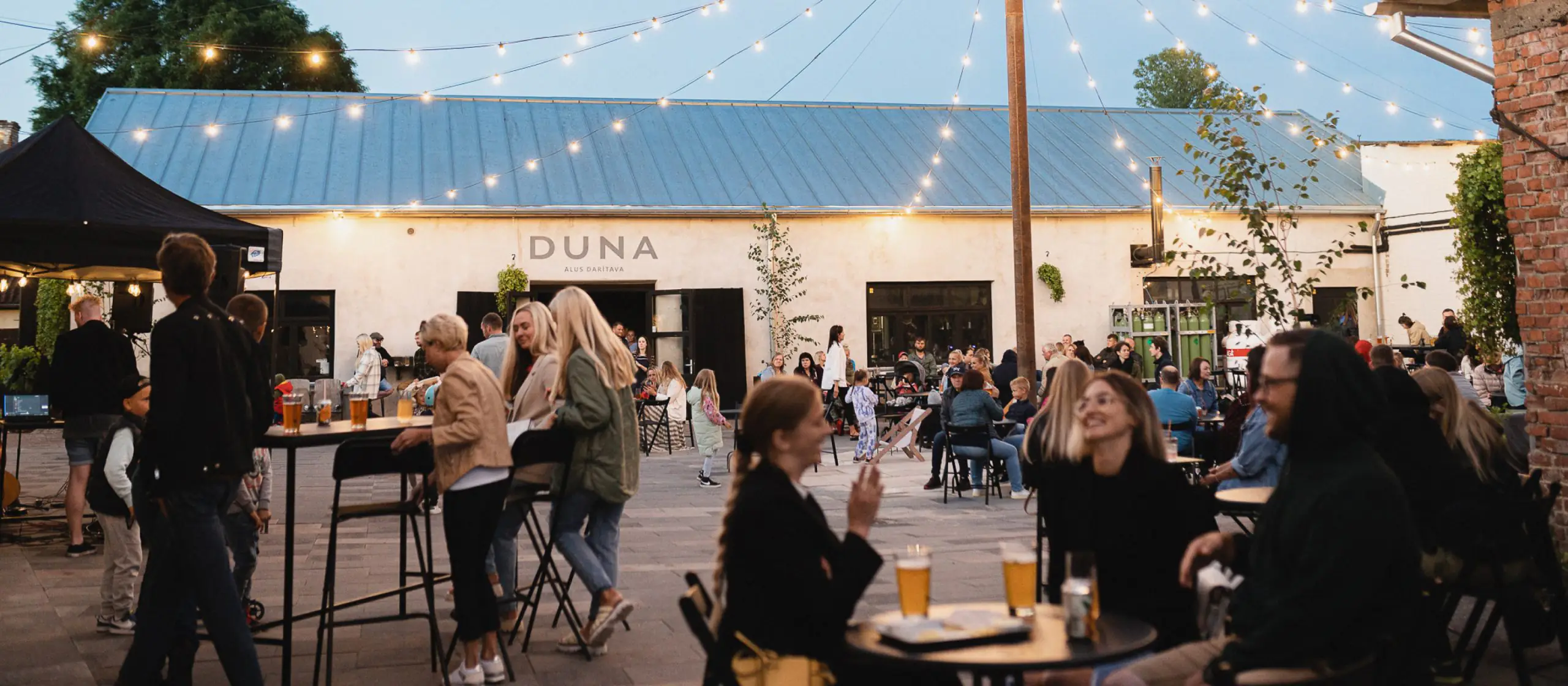
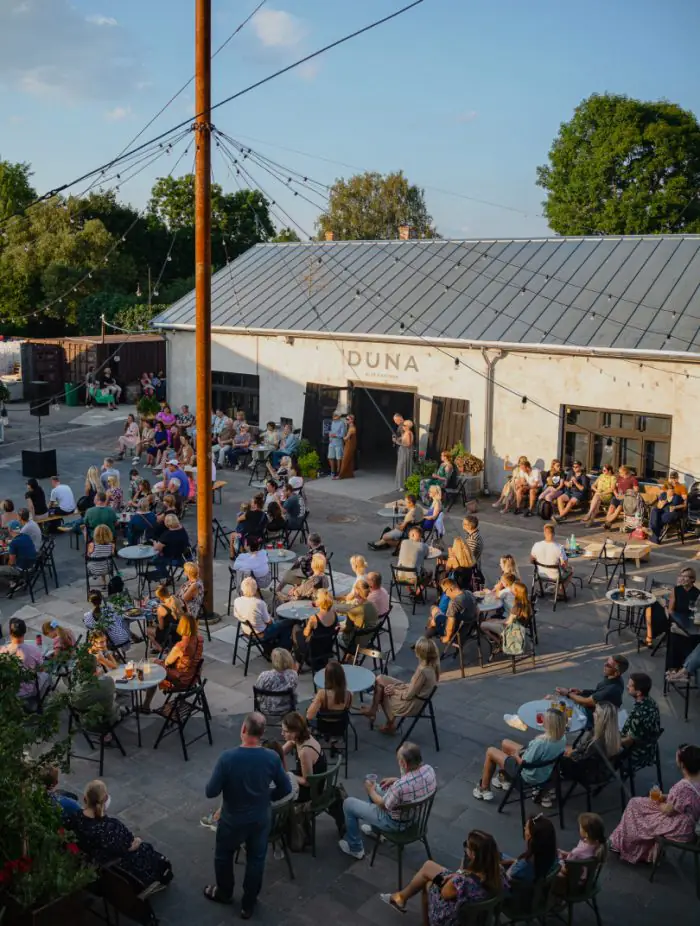
Today, this area is known as Kaļķu Kvartāls—a compact cultural and industrial quarter on the edge of Kuldīga, where production, hospitality, and events exist side by side.
How did Kaļķu kvartāls begin? Was it planned as a cultural space from the start?
Toms: It wasn’t planned as a cultural quarter. The original idea was simply to create a space for the brewery. At first, there was an intention to be in the old town, but that turned out to be too restrictive in terms of space and regulations.
So we moved to this territory and started with production. Everything else came later.

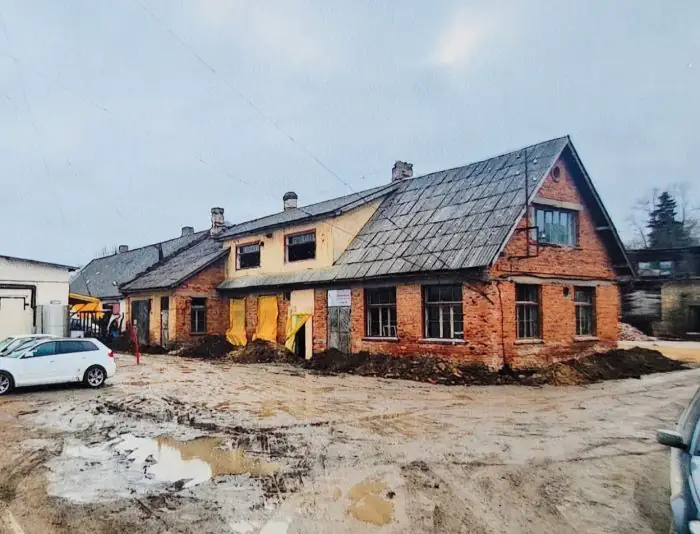
What was this place like when you first saw it—and when did it stop being only about the brewery?
Toms: It was almost abandoned when we first came here. A kind of ghost territory—mud, empty buildings, and old industrial infrastructure that hadn’t been used for years.
There was nothing to preserve in a romantic sense. But there was scale, space, and potential. You could clearly feel that something could be built here.
We started renovating the space step by step. And at the same time, people began to come—small businesses, workshops, producers—asking if there was space for them.
Instead of building everything first and then looking for tenants, it worked the other way around. The place started to fill itself, and we adapted it step by step.
How did you approach planning the territory? Was there a master plan?
Toms: There was no single master plan or one architect designing everything.
The vision formed in the process. We worked step by step—solving infrastructure, then buildings, then public space. Sometimes with engineers, sometimes with designers, often just by doing.
One of the biggest challenges was infrastructure. We had to rebuild almost everything—electricity, water, roads. It was almost like building a small city inside the city, without prior experience.
What is Kaļķu kvartāls today?
Roberts: It’s a combination of different functions. Production, small businesses, hospitality, cultural events—they all exist in the same territory. Different uses, but somehow they work together in one space.
In that sense, it really functions like a small city inside the city.
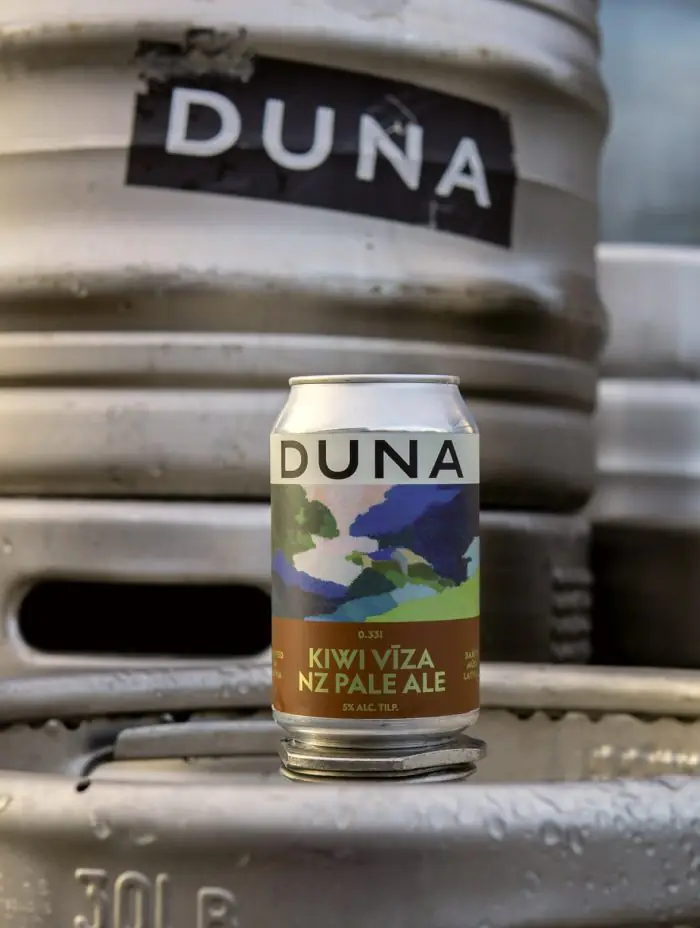
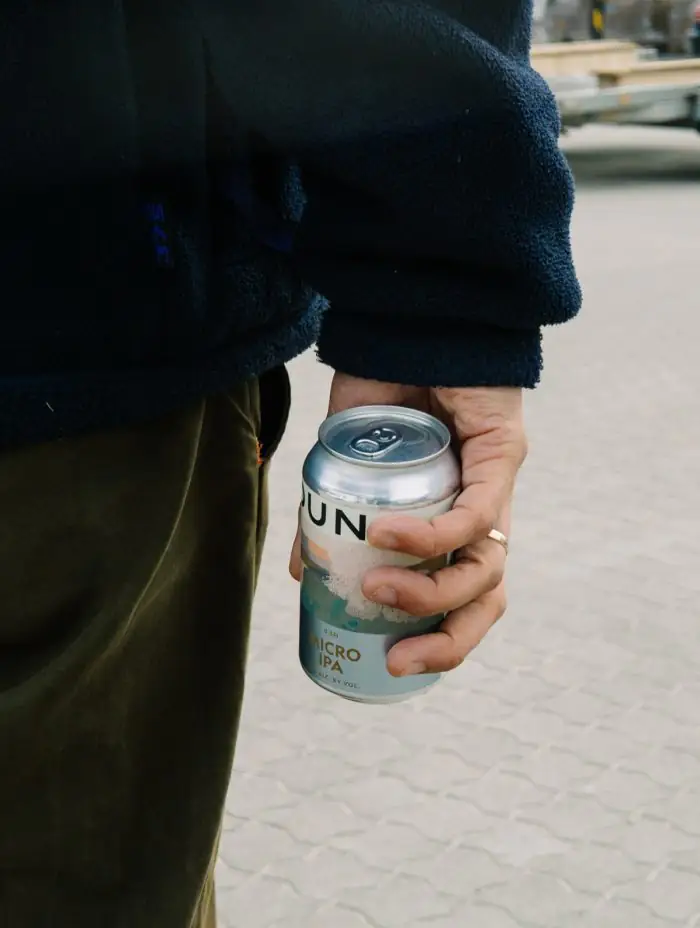
How do you decide what belongs in Kaļķu kvartāls—and what do you want it to become in the future?
Toms: In the beginning, we were much more open. The focus was on creative people, small production, anything that could add something meaningful to the place.
Over time, the direction became clearer, and we started to make more deliberate choices about what fits and what doesn’t.
There was a moment when someone proposed building a large shopping center in one of the main buildings. From a purely business perspective, it made sense. But at the same time, it would have changed the atmosphere of the place. So we decided not to do it.
Today, the intention is to continue developing Kaļķu kvartāls as a creative hub—a place where different industries meet, where international events can naturally take place, and where both locals and visitors feel equally at ease. Not just a venue, but a working ecosystem.
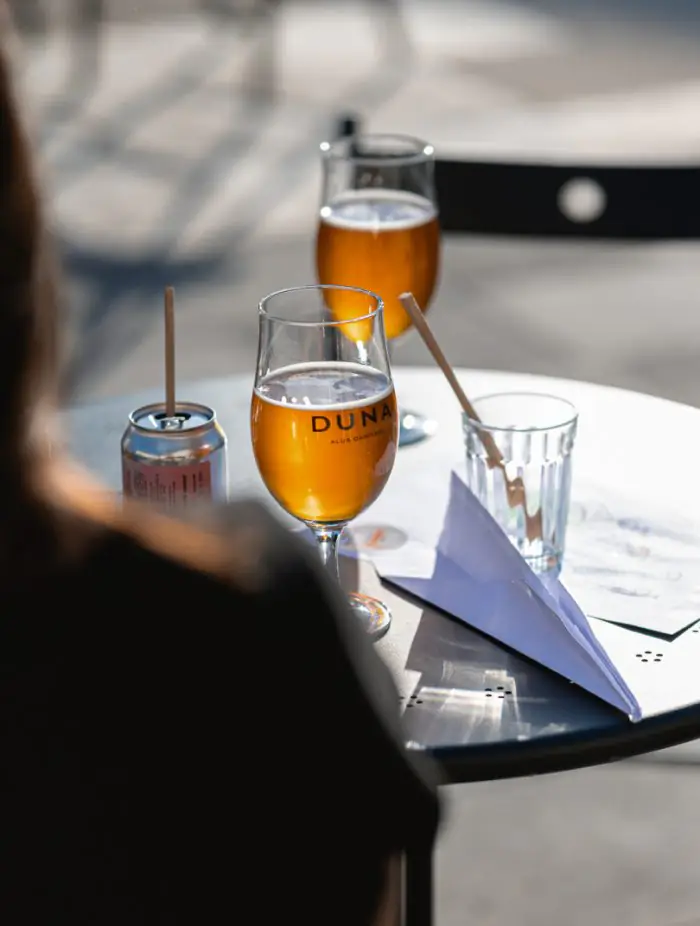
facebook.com/kalkuielaskvartals
facebook.com/kalkuielaskvartals
facebook.com/kalkuielaskvartals
What It All Adds Up To
Looking at Kaļķu kvartāls today, it is difficult to separate DUNA as a product from everything that has grown around it.
Over time, it has grown into a connected system—where production, space, and experience are closely intertwined, and where taste, place, and people are part of the same logic.
DUNA is a family business. How does that influence the way decisions are made?
Roberts: As a family business, DUNA benefits from trust-based, fast, and long-term decision-making. There is a clear alignment around values, quality, and direction, which helps the company move quickly and develop ideas with confidence.
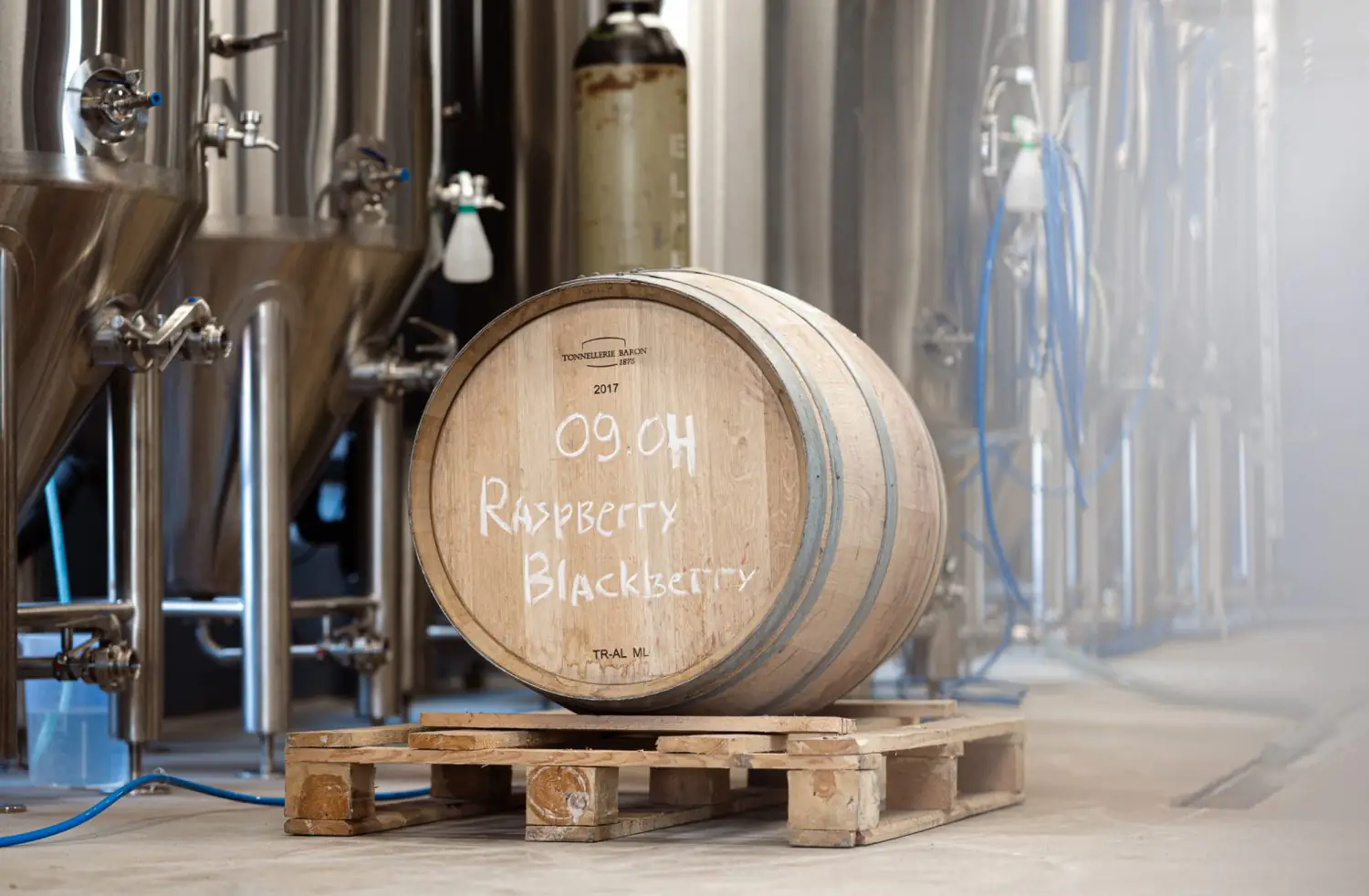
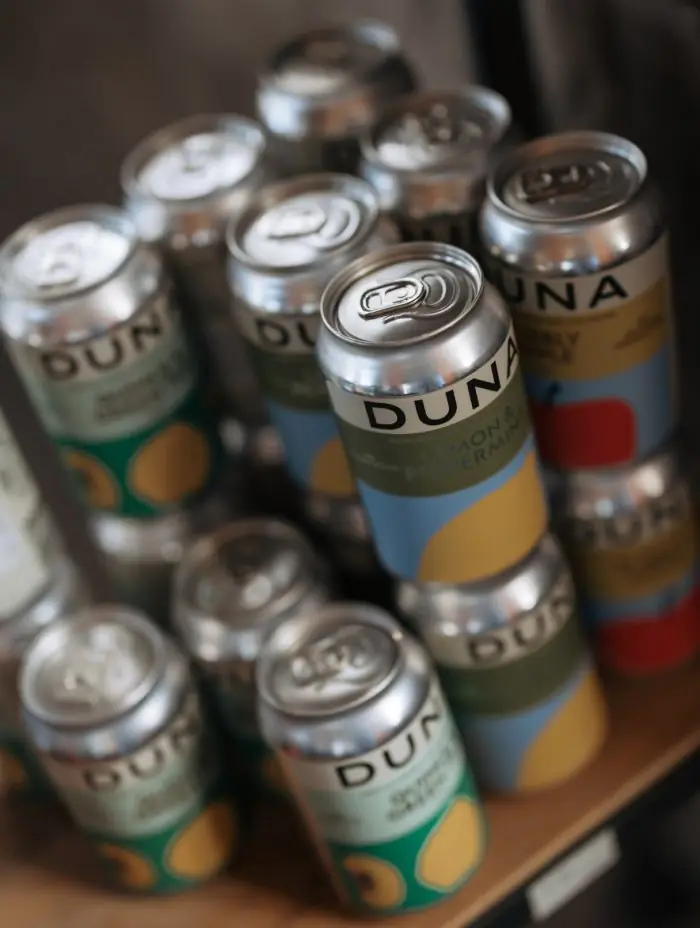
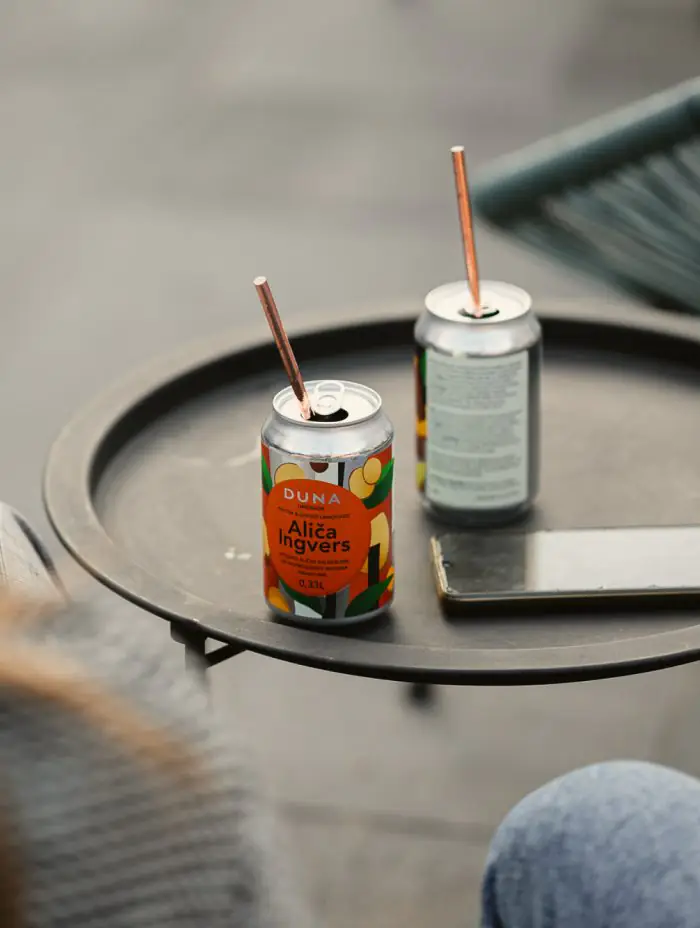
We started with the product, I want to go back to the product. Your flavour combinations often bring together very different ingredients—Latvian plum with Chinese ginger, green tea from Guangzhou with local quince. How do these pairings come together?
Roberts: It always starts with whether it tastes good. If something feels too simple or not interesting enough, it won’t stay. So the first step is making something we actually enjoy ourselves.
From there, it becomes a process of understanding what works together. Some combinations might seem unusual—like Latvian plum with Chinese ginger, or green tea from Guangzhou with quince—but the goal is not to make something unusual for the sake of it.
It’s about balance and quality. If we use an ingredient like tea from Guangzhou, it’s because it’s a high-quality product. Then we look for a way to connect it with something local.
So it becomes international in a way, but still grounded in where we are.
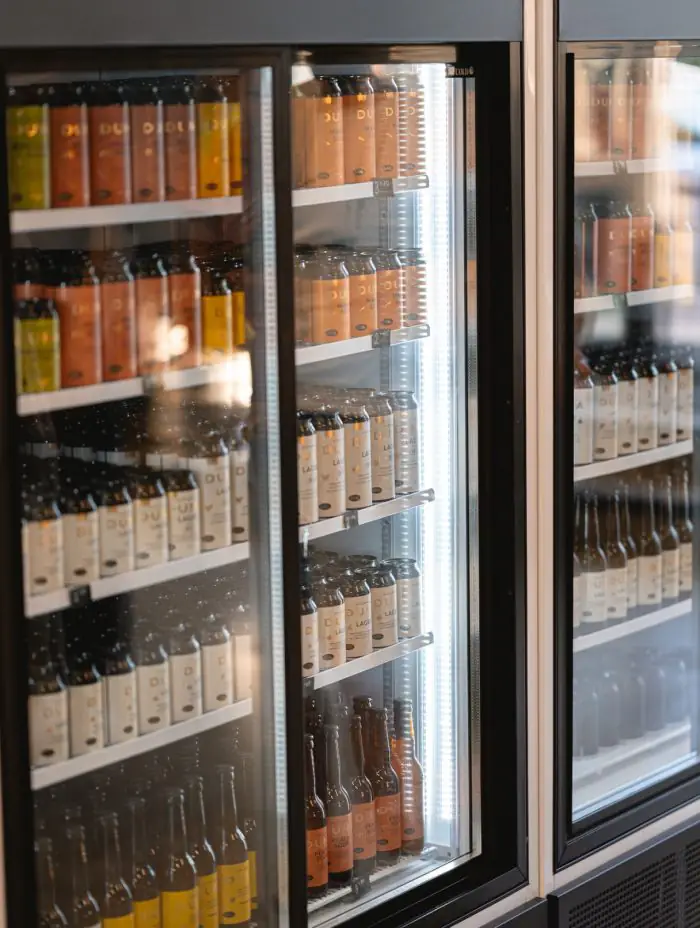
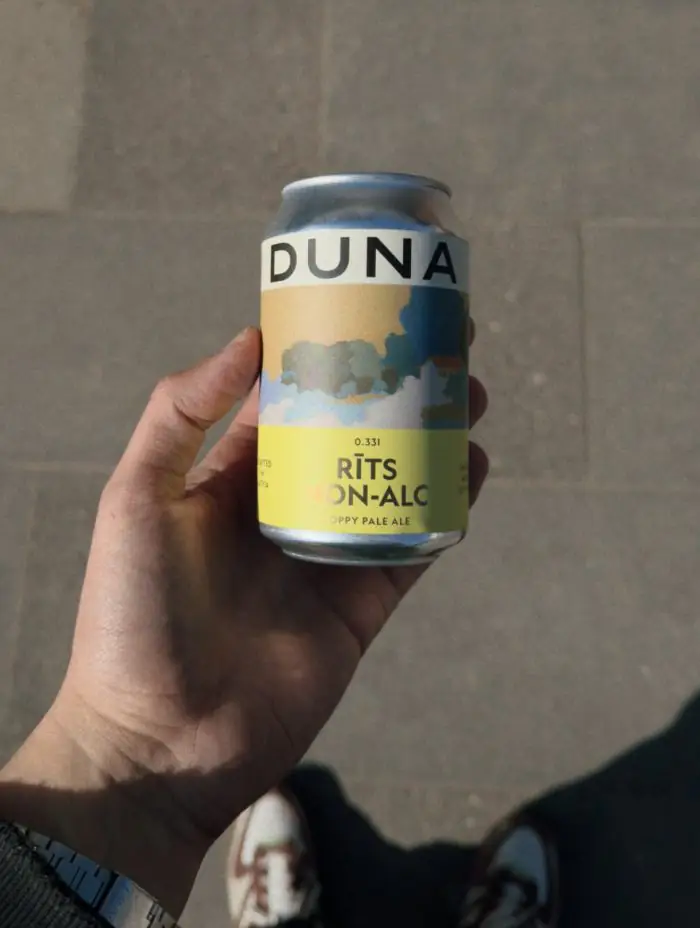
You’re also developing non-alcoholic drinks, including a non-alcoholic Pale Ale “RĪTS”. Why is this direction important for you?
Roberts: The whole industry is changing, and people are drinking less alcohol. At the same time, they still want something that has character and taste.
For us, it’s important not to make compromises. Non-alcoholic beer is harder to get right, but the goal is the same—to make something that actually tastes good.
Toms: The Pale Ale we released is a good example. People reacted well to it, and we already had to produce another batch.
We also see these drinks not only as standalone products. They can work in different ways—as something you drink on its own, or as a base for cocktails. So it’s about offering more options, without lowering the standard.
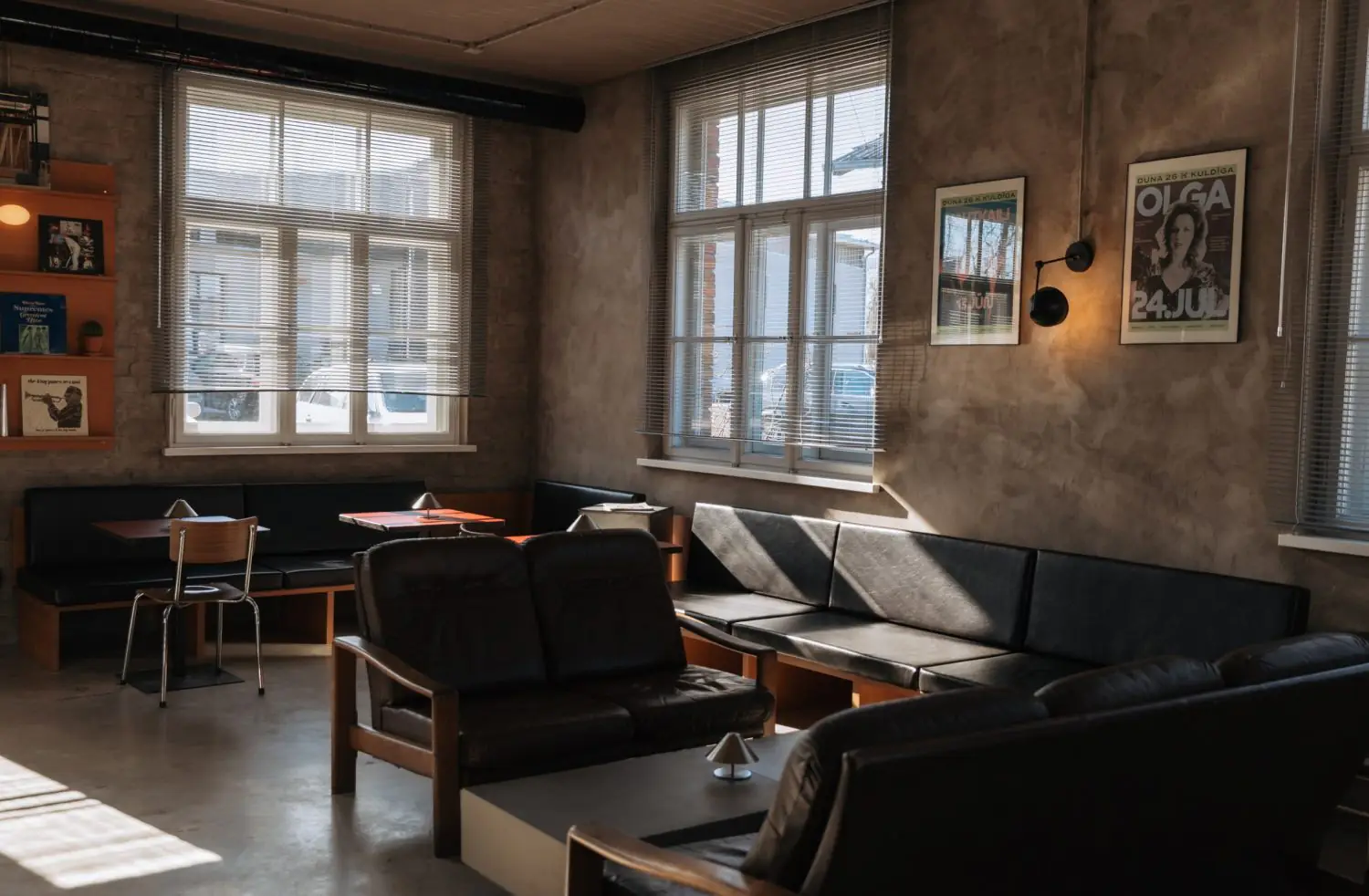
I know you are currently working on the development of DUNA Taproom & Kitchen. How did it take its current form—and what role does it play today?
Roberts: We grew as a brewery and we needed extra space, so we rebuilt a space.
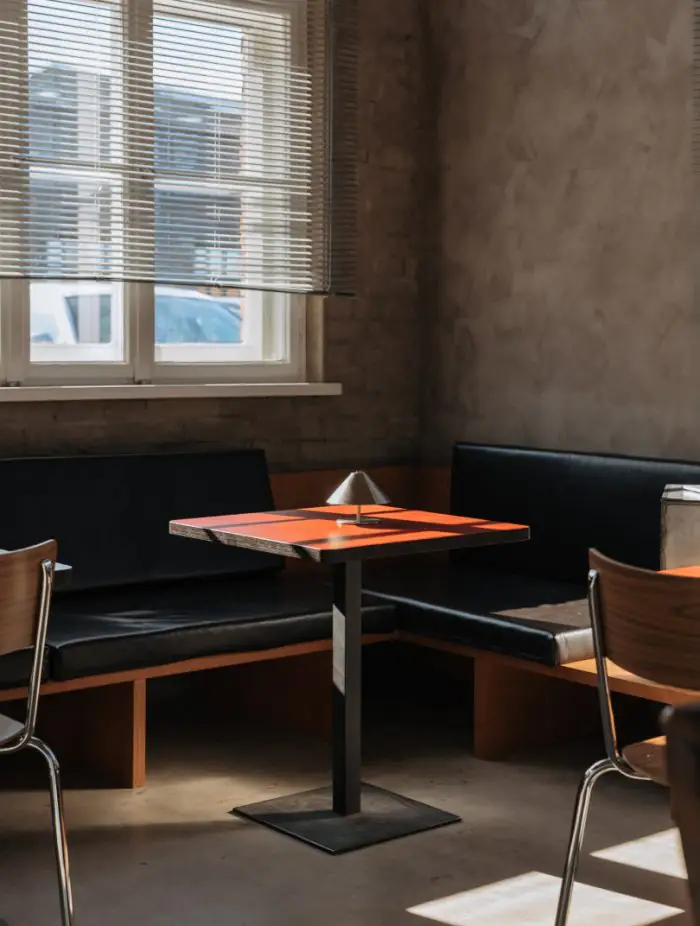
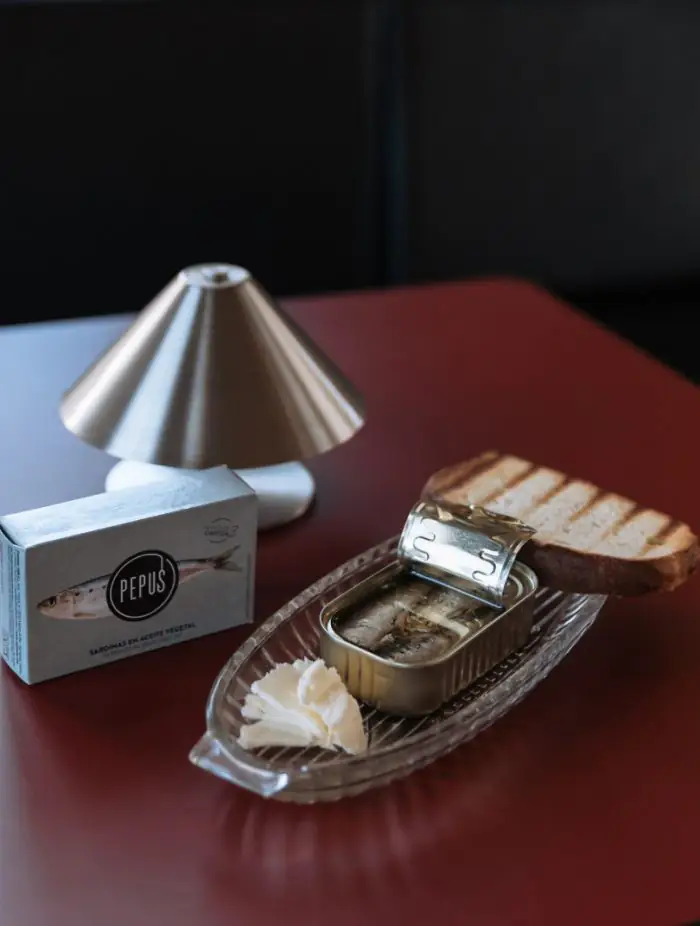
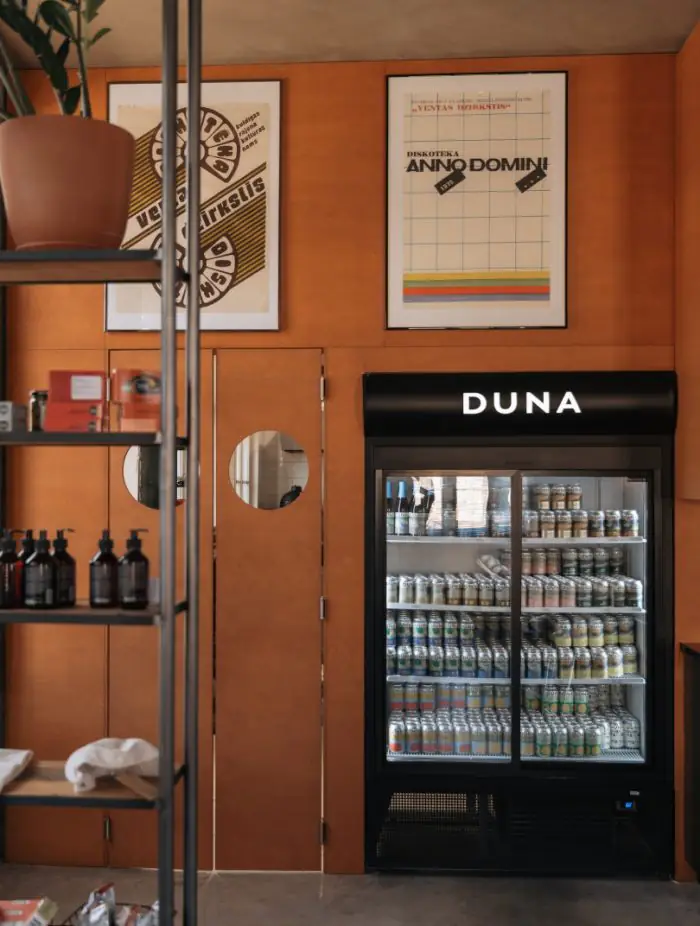
DUNA Taproom & Kitchen has grown into a natural and important part of the DUNA brand. Today, it connects the brewery, the taproom, and the kitchen into one experience, giving people the opportunity to enjoy our drinks, food, atmosphere, brewery excursions, and beer tastings in a single place.
It plays a key role in how people get to know DUNA—not only through the products themselves, but through the environment and hospitality around them. What matters most is that it feels genuine, welcoming, and true to who we are.
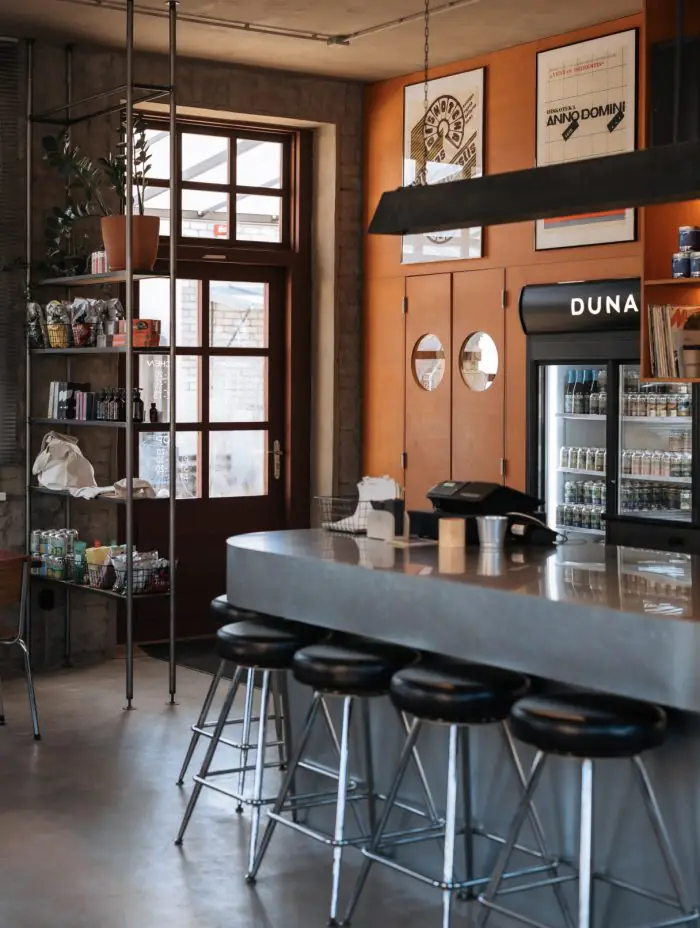
The space itself is very simple—sofas, vinyl, a good sound system. Nothing overly formal. It is just a place to be.
And somehow, that is exactly why it works.