Kíce
The idea for a second restaurant had been in the minds of Max and Natalia Cekot long before Kíce opened its doors. Following the success of Max Cekot Kitchen, they always knew they wanted to create another project, though the journey took longer than expected. Initial work began in 2023, but the demanding period that followed the restaurant’s Michelin recognition left little room for launching something new. They returned to the idea only when they felt they could give it the attention it deserved.
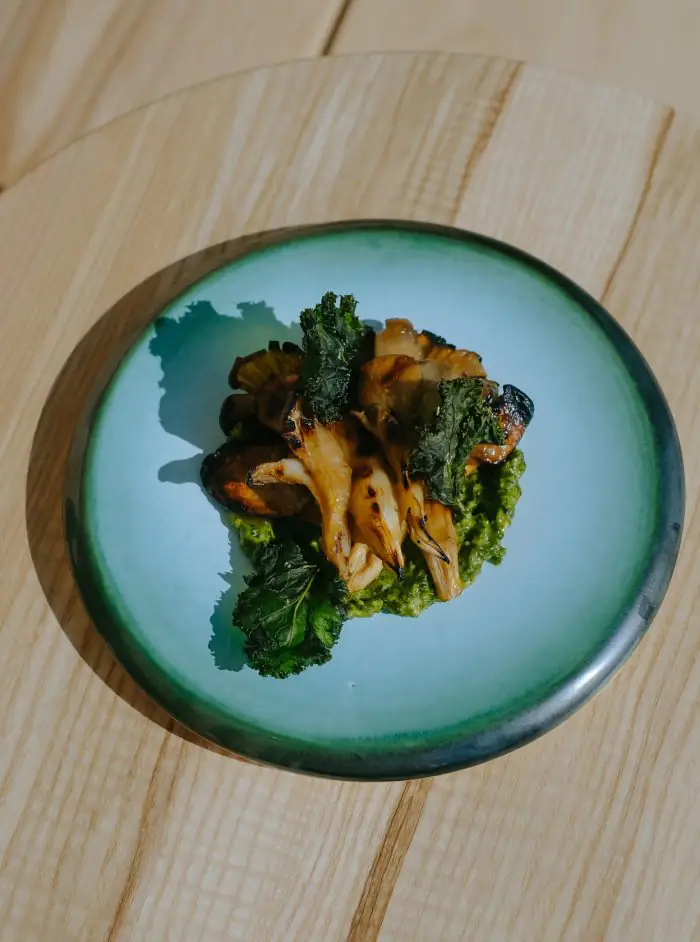
Like much in their lives, Kíce grew out of a partnership between two very different people. Natalia leads the restaurant’s development, communication, and long-term vision, while Max oversees the kitchen, quality, and day-to-day operations. They often joke that Natalia is always ready to move faster, while Max prefers to make decisions only after every detail has been carefully considered. It is this combination of ambition and precision that allows them to take on projects that many might consider too complex or too ambitious.
Although Kíce was conceived as a more relaxed and flexible concept than Max Cekot Kitchen, the commitment to quality remains exactly the same. For Max, one of the greatest challenges is trusting a young team while maintaining the standards guests associate with his name. For Natalia, it is about building a system where both the guest experience and the wellbeing of the team matter equally.
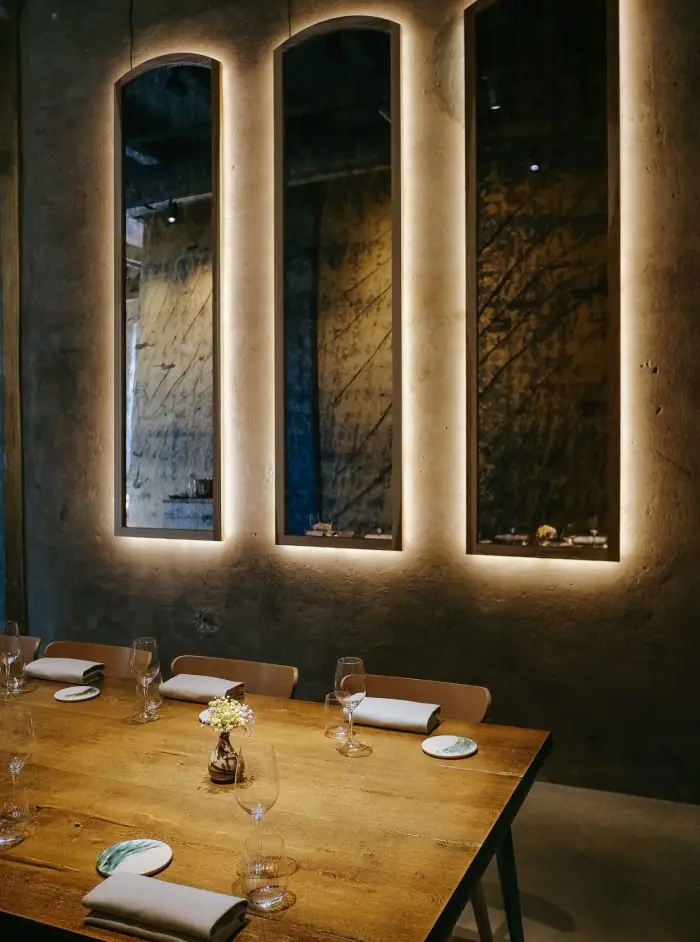
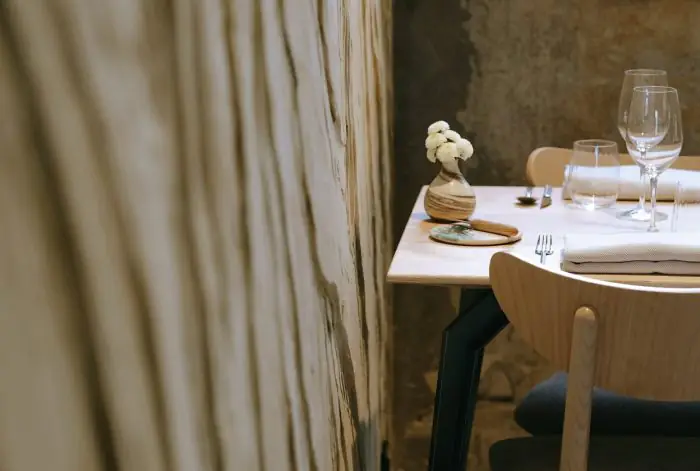
That philosophy is reflected throughout the restaurant itself. The menu changes with the seasons and invites guests to create their own journey through vegetable, fish, and meat dishes. Natural materials, handcrafted details by local artisans, and a calm, unhurried atmosphere make Kíce a place where guests are encouraged to slow down and stay awhile. It is a restaurant built not around a single dish or a single idea, but around two people who deeply believe in each other and in what they are creating together.
Neighborhood choice: Cod fillet with kohlrabi, trout caviar and chanterelle
More info
B7
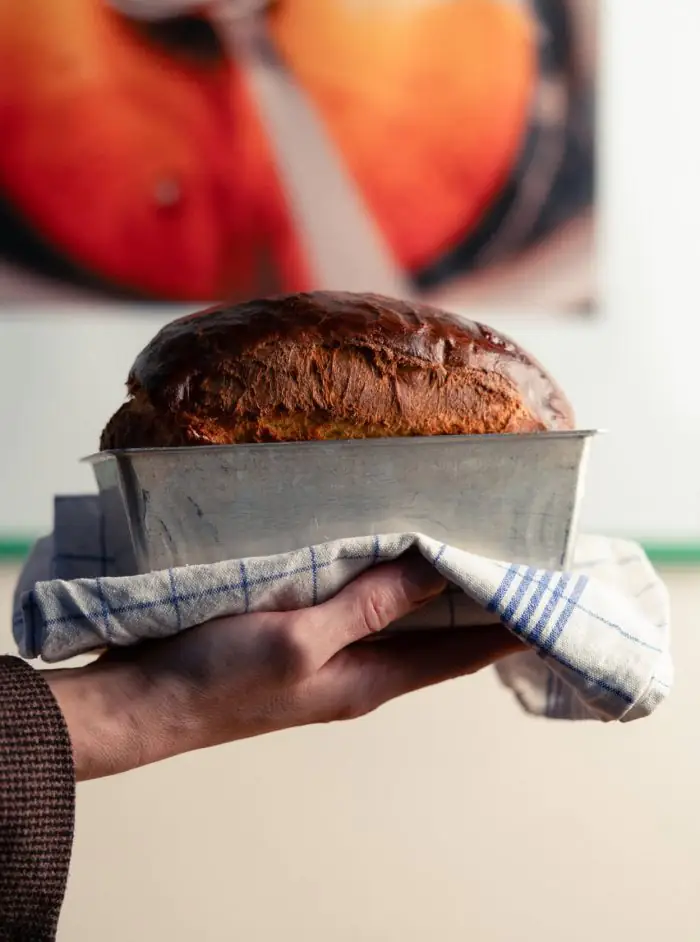
Every evening, just before five o’clock, fresh bread comes out of the oven at B7.
Bread has been part of the restaurant’s identity since day one. Depending on the season, the recipe changes—this summer, it’s a sourdough focaccia. It’s a small detail, but one that says a lot about the place: careful, unhurried, and rooted in the simple pleasure of feeding people well.
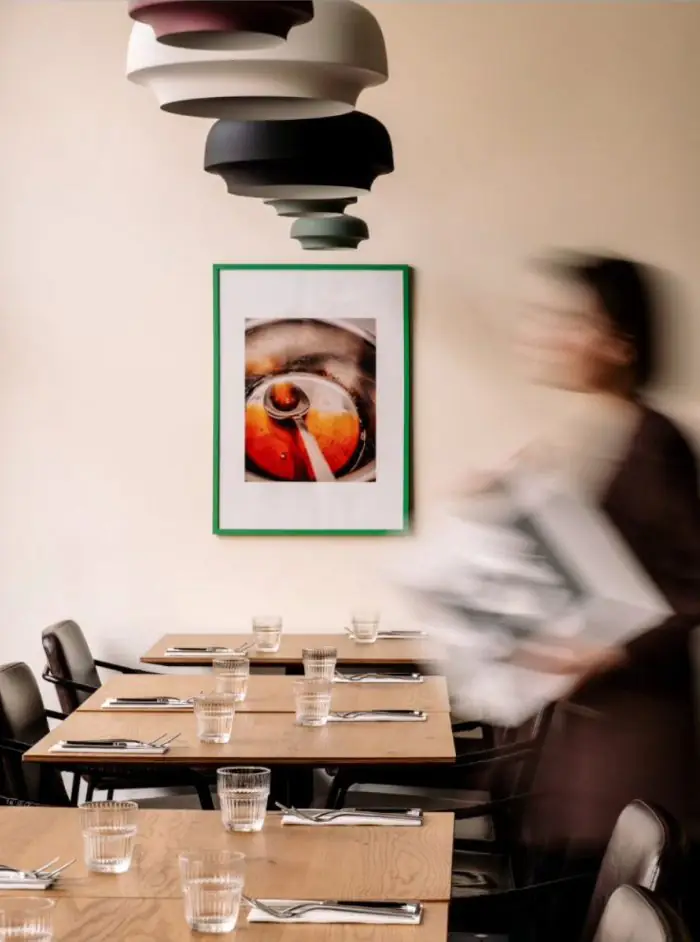
B7 opened in autumn 2024, when chef Valters Zirdziņš decided to create the kind of neighbourhood restaurant he felt Riga was missing. Together with his wife Rūta and a close-knit team, he built a modern bistro centred on good ingredients, thoughtful wines, beautiful music and genuine hospitality. Don’t be surprised if the owners themselves are the ones welcoming you at the door or bringing dishes to the table.
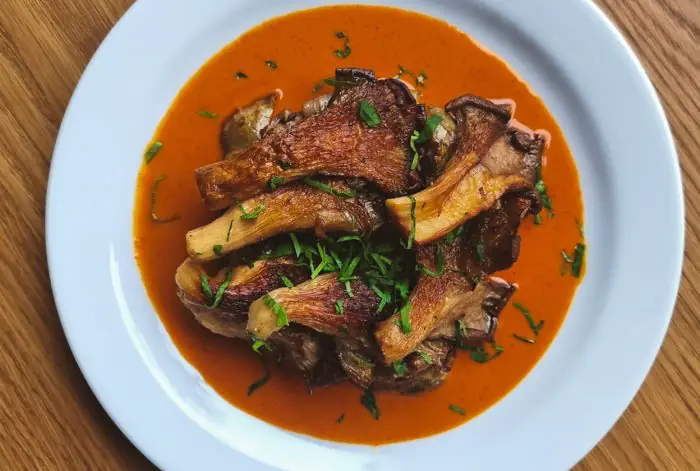
The menu changes with the seasons and follows flavour rather than geography. Local products play an important role, but influences travel freely between countries and traditions. Alongside fresh fish that may change several times a week, regulars return for dishes that have been on the menu from the beginning: organic chicken liver pâté with Armagnac plums and cornichons, and a hazelnut-chocolate tiramisu finished with Zacapa rum.
Hidden behind the name is both the restaurant’s address and its philosophy: a contemporary brasserie where good food, good wine and good company matter equally.
Neighborhood choice: Monkfish with artisan bread
KEST
The restaurant takes its name from an old Livonian word meaning “across” or “on the other side”—a reference to the historic settlement from which Cēsis eventually grew. The idea still shapes the experience today. Just as merchants once brought new goods and ideas across the Gauja River, KEST invites guests to cross familiar culinary borders and discover something unexpected.
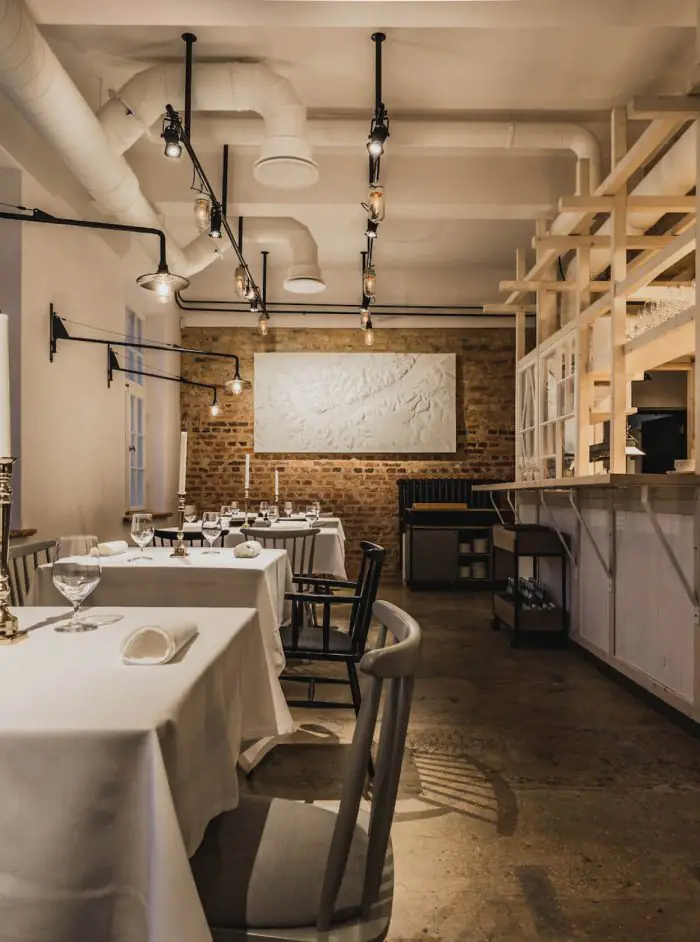
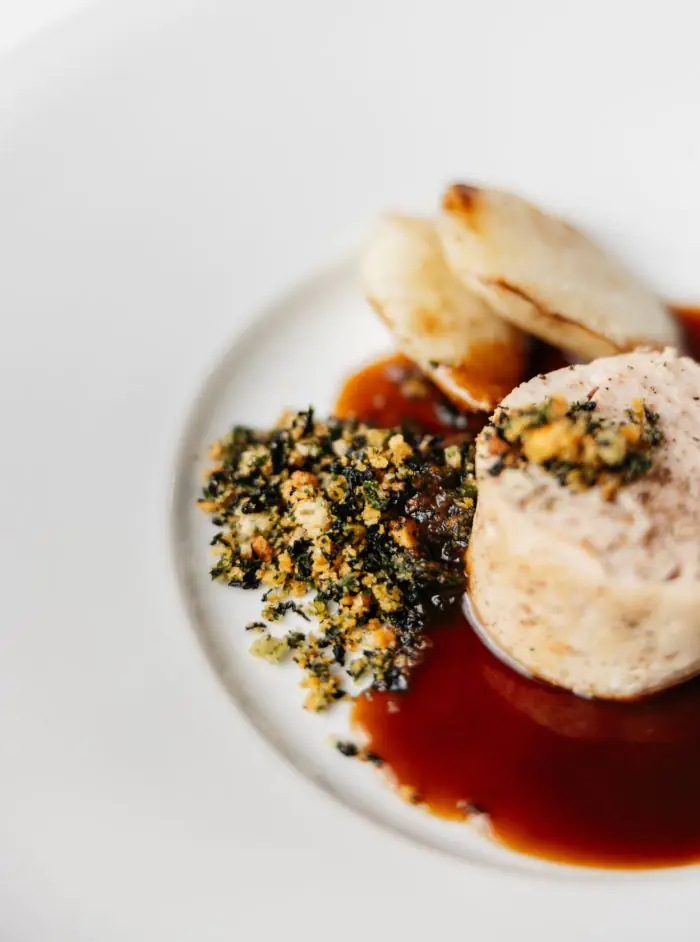
What started as a traditional restaurant evolved into one of the region’s most ambitious tasting-menu concepts. Instead of choosing from an à la carte menu, guests are guided through a six-course evening where each dish builds on the last. Local ingredients meet influences from further afield, while classic techniques are reimagined through a contemporary lens.
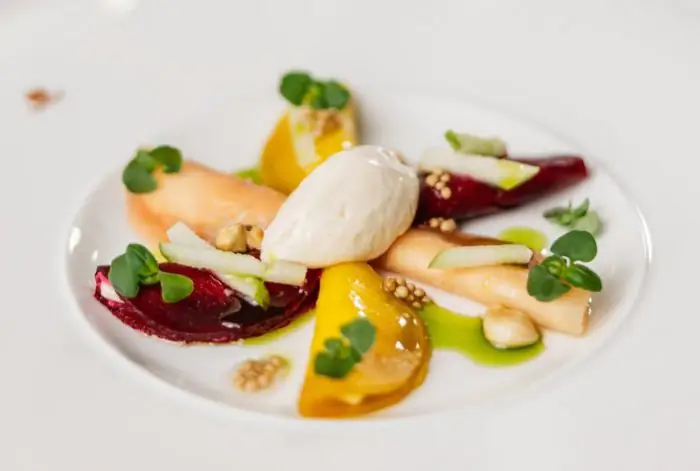
The menu opens with lightly cured sea bass, brightened by a rhubarb–caper ponzu and grapefruit sauce. A beet tartare follows, layered with sunflower seed cream, lightly salted kohlrabi and a hint of pine, before locally farmed sturgeon arrives with smoked mushroom cream, green asparagus and a caper velouté.
The main course pairs tender lamb loin with potato cream, Korean-style aubergine and a rich red wine sauce, while dessert celebrates the season with berries, pine ice cream, chocolate–ginger mousse and sea buckthorn.
But the experience doesn’t end with the final course. As the evening unfolds, guests are invited to continue into KEST’s after lounge—a concept with no equivalent in the Baltics, inspired by the atmosphere of a New York jazz bar, where conversations linger long after dinner is over. It’s a natural extension of the restaurant’s philosophy: dining not as a meal, but as an evening to be experienced from beginning to end.
Neighborhood choice: Latvian Sturgeon with Lemon Velouté & Parsnip Crème Caramel
Pavāru Māja
Set in a former maternity hospital—a building that has long been dear to the people of Līgatne—in the historic heart of the town, the restaurant is surrounded by everything that shapes its menu: forests, meadows, the Gauja National Park, local farms, and even its own garden and beehives. Together with farmers and the Slow Food Straupe community, the team works to preserve and reintroduce ingredients that are slowly disappearing from Latvian tables—from sour cherries and yellow rutabaga to Burtnieki lake zander and heritage varieties of herbs and vegetables.
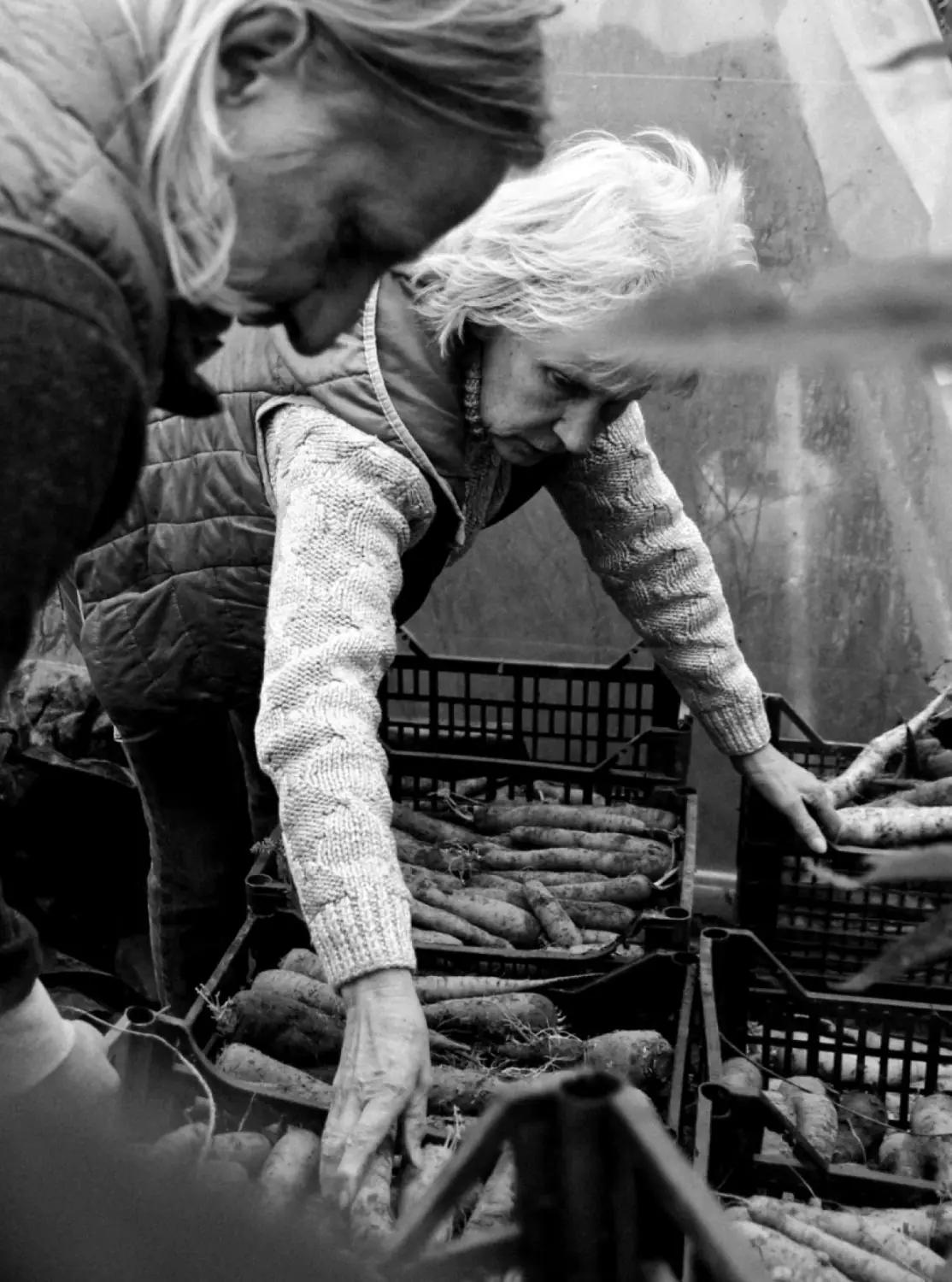
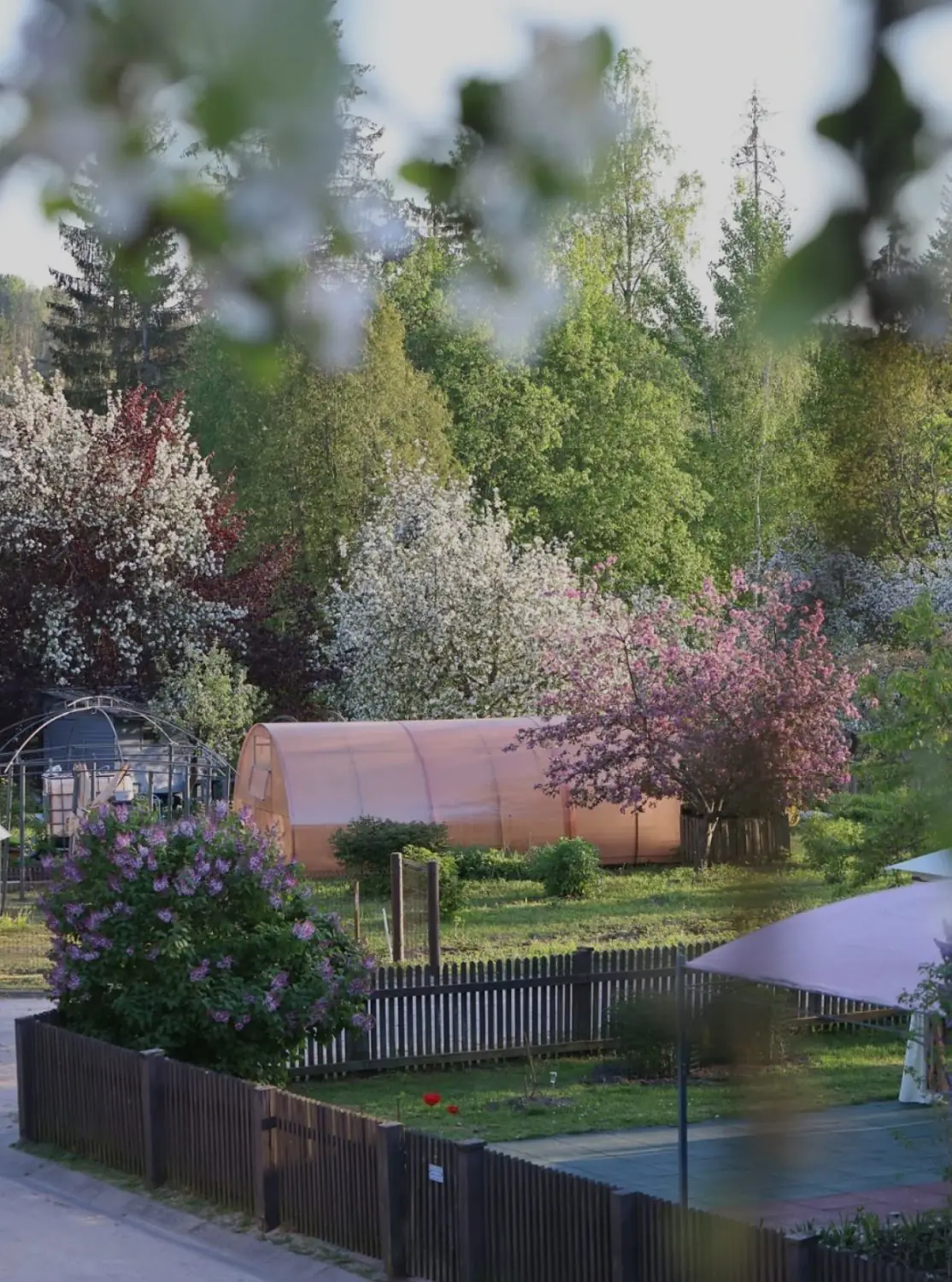
Seasonality isn’t a trend here but a way of working. Depending on the time of year, the menu may feature asparagus, wild garlic blossoms, strawberries, chanterelles, wild meadow weeds, and other fleeting ingredients that define the Latvian growing season. Many products come from nearby farms, while others are foraged from the surrounding wilderness with a careful respect for biodiversity and natural cycles.
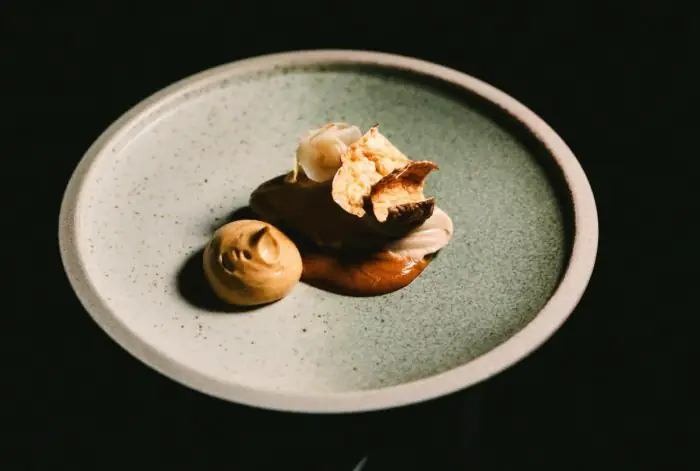
The kitchen follows a thoughtful “nose-to-tail” philosophy, making full use of ingredients wherever possible. Yet despite the serious commitment to sustainability, the food never feels preachy. It feels generous, deeply connected to the place, and full of curiosity about what the region has to offer.
Start with Pavāru Māja’s homemade leek and grain bread, served with birch sap syrup and rapeseed oil. If available, don’t miss the Burtnieki zander with the restaurant’s cider sauce, or the acorn dessert—a dish that captures the team’s talent for turning local ingredients into something unexpectedly elegant.
Neighborhood choice: Special dinner degustation menu
Māsa
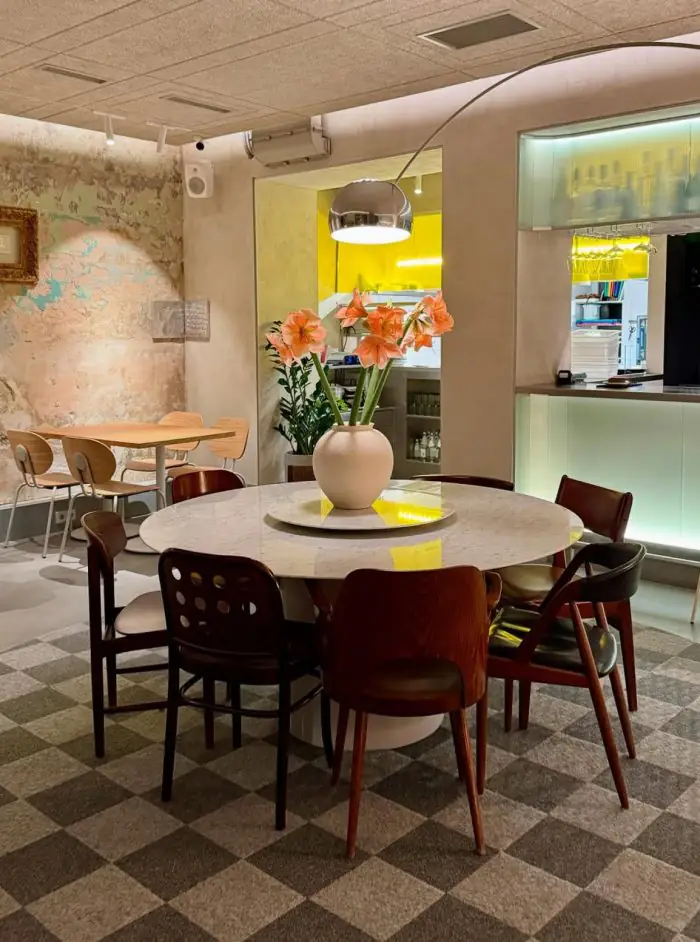
The restaurant grew out of Better Bread—a bakery that many Riga residents already know and love. The two spaces sit just a few steps apart, but Māsa’s home had a different life before. It started as a gambling hall called “Blue Diamond,” later became a warehouse, and for a while, the team jokingly referred to it as “Dimantiņš.” They even considered naming the restaurant after it, but eventually chose something closer to their heart: Māsa, or “sister.”
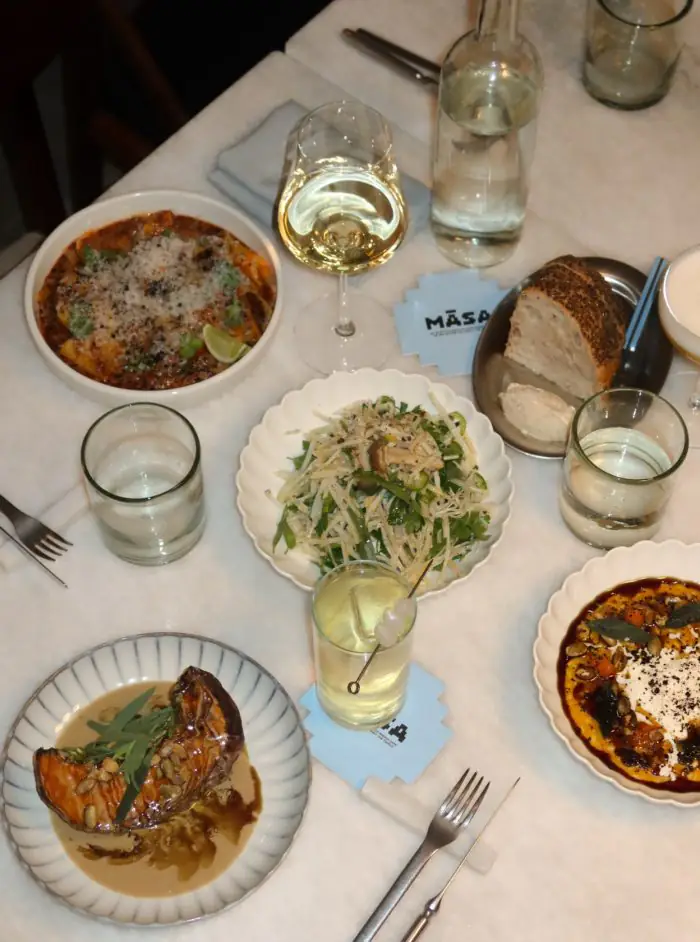
Seasonality guides the menu throughout the year. Ingredients arrive from local farmers, producers, and markets, and dishes are designed to let them shine without unnecessary complication. Depending on the season, you might find sea bass tartare brightened with fermented lemon and sorrel, a cucumber and spring vegetable salad with sorrel sauce and ajo blanco, or a comforting fish stew filled with summer produce.
The same approach carries through to heartier dishes. Organic chicken liver pâté is paired with cherry-rhubarb compote and toasted hazelnuts, local veal cheeks arrive with polenta, rhubarb gremolata, and roasted red pepper, while the Māsa spaghetti combines wild prawns, preserved lemons, herbs, bisque oil, and Parmigiano Reggiano.
What ties everything together is the atmosphere. Light, music, food and drinks are all given equal attention, creating a place that feels just as welcoming for a long lunch as it does for a relaxed evening with friends. Our goal is not just to feed our guests, but to give them true enjoyment and a desire to return again and again.
Neighborhood choice: Organic chicken liver pâté with cherry-rhubarb compote and toasted hazelnuts