Your company is now 16 years old. What was the original idea behind the project, and how has it developed over time?
The idea came about in 2008 during the economic crisis. I was working as a broker when I lost my job. Wanting to update my wardrobe but with limited options, my friends and I decided to organise small sales of our clothes. There were about twenty of us and it wasn’t conceived as a business venture, but rather as a natural initiative that evolved from a group of friends.
For the first five or six years, we only met in person, but the project was called Andele Mandele even then. Over time, I created a Facebook group and a website for private sales. Unlike the usual classifieds boards, it was important to us not just to sell things, but also to create a space where people could meet, communicate, and find like-minded individuals.
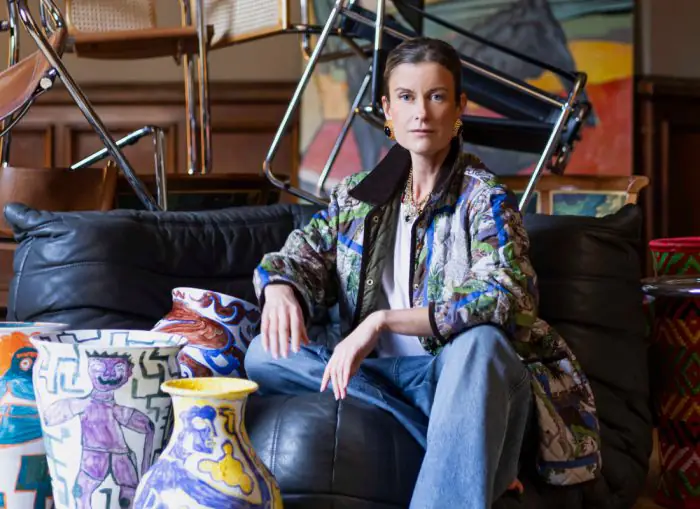
When I was administering the group, I made sure that the posts were neat and tidy, with good photos and clear descriptions. This idea has been retained on the website, where we pay attention to the quality of the adverts. An additional filter is the small posting fee of 30–50 cents. This sometimes raises questions, but experience shows that this model makes participants more attentive: they try to present their goods better, engage more readily in dialogue and care about buyers. Some even wrap items beautifully or add small gifts, which helps shape the communication culture that is important to Andele Mandele.
WHAT VALUES ARE IMPORTANT TO ANDELE MANDELE BESIDES A STRONG COMMUNITY? CAN WE TALK ABOUT RECYCLING AND LOW FASHION?
Although recycling and low fashion have indeed become popular, such practices are often quite expensive. For us, the most important thing was helping people to save money. For example, if you can buy ten items for 50 euros instead of just one, that makes a big difference.
At the same time, Andele Mandele is a fully fledged commercial project. We recouped our investment within the first few years, enabling us to invest in new areas. What is particularly pleasing is that we achieved this without large-scale advertising; people came to us because they already knew about the project.
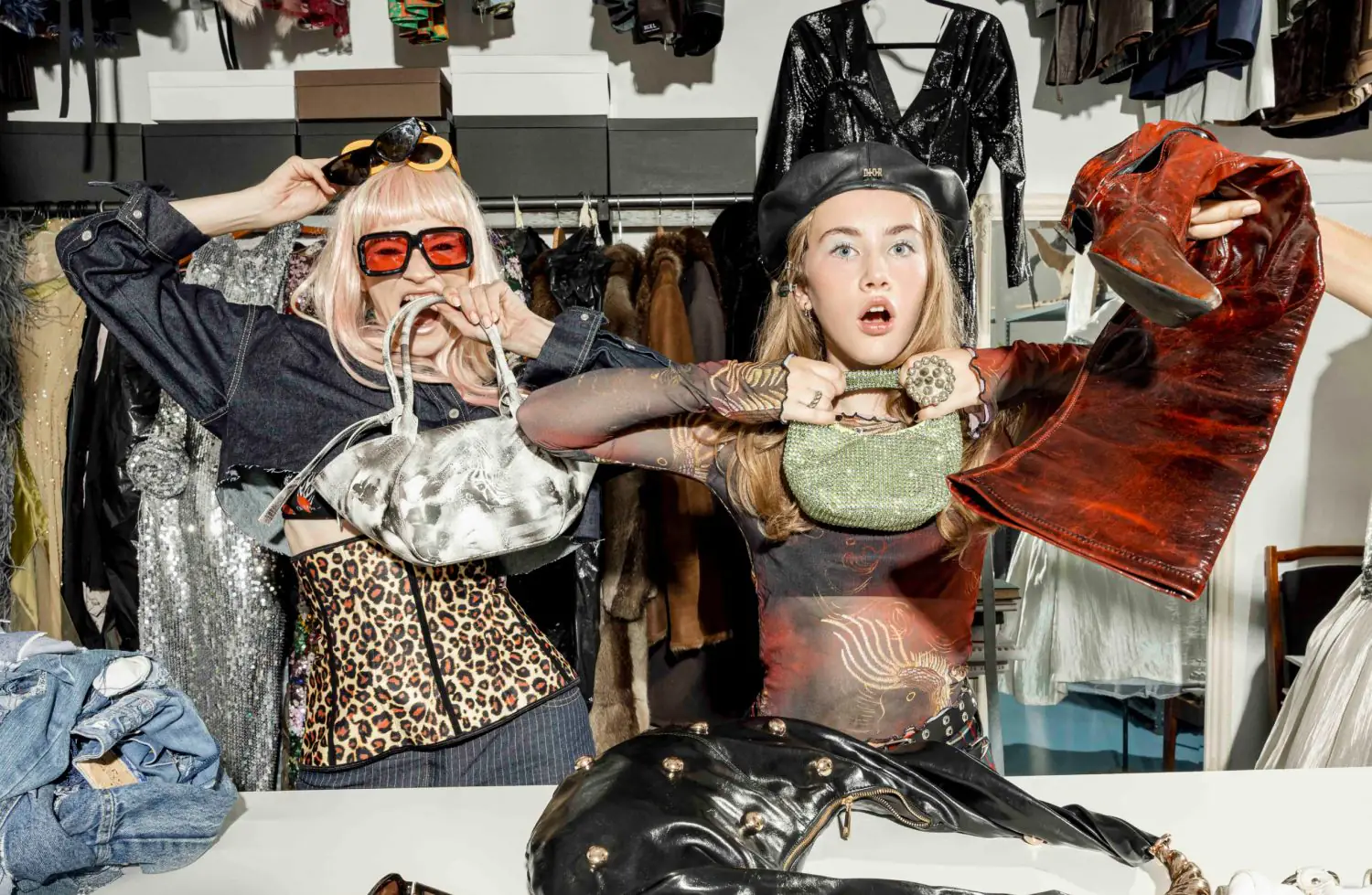
Nevertheless, there are major competitors in the European market. What is your secret for standing out and attracting an audience?
I think it’s important that the project grew gradually and naturally. Before launching the online platform, I spent six years organising offline events. During that time, trust was built and a lively, non-anonymous space was established.
Many large projects in Europe and the US started with significant investment, often from abroad, and quickly ‘bought’ their audience — but it remained impersonal at the same time.
For us, however, it was different. The capital was entirely Latvian, we did not attract any foreign investors or funds, and I financed a large proportion of the investments myself. This was fundamental to me. I value my country very much and wanted Andele Mandele to grow with local support, remaining part of the Latvian environment.
It may sound old-fashioned, but creating a ‘unicorn’ was never my goal. Had we gone down that path, we would hardly have been able to build the community we have today.
Do you still organise offline events?
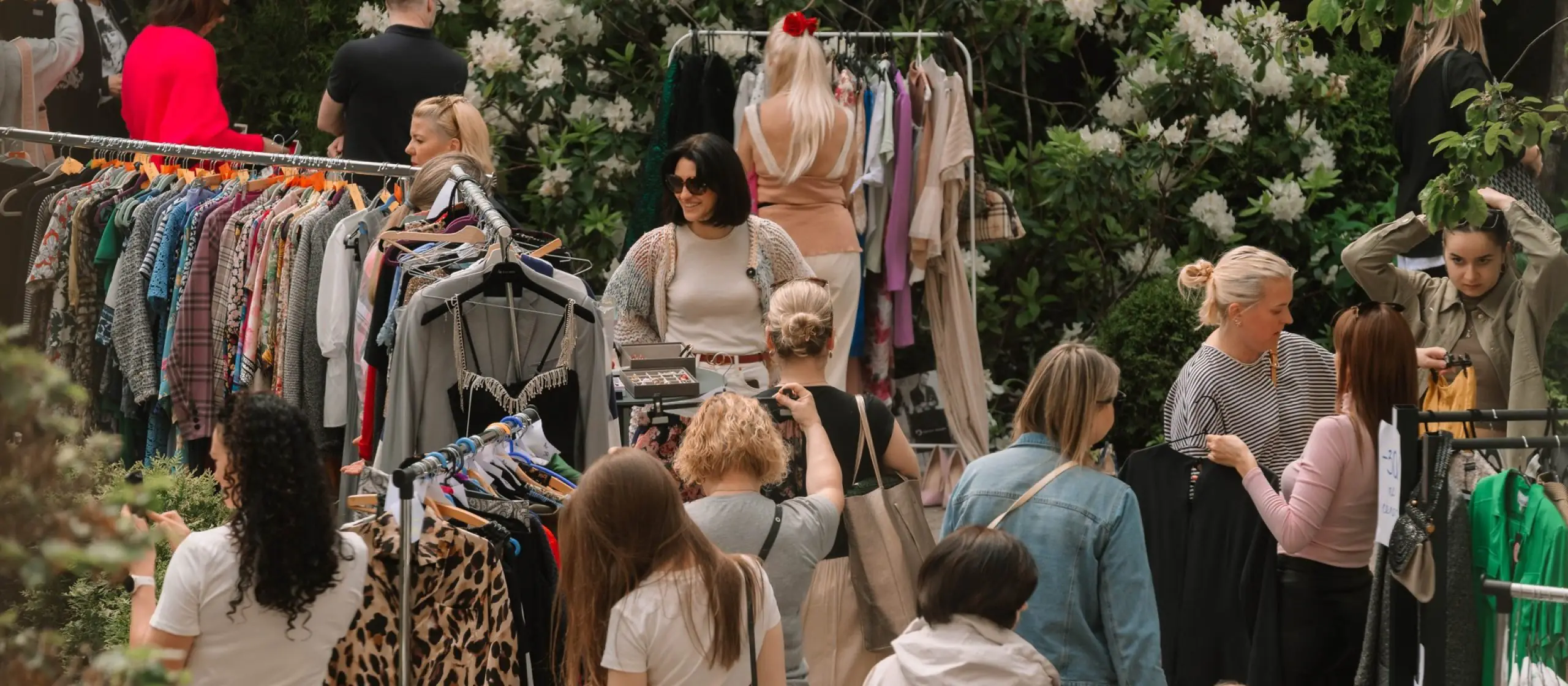
Yes, but they have long outgrown friendly gatherings. Whereas 20–200 sellers would previously get together, now 500–1,000 people participate and we have to rent large venues for this purpose. Before the pandemic, we tried to meet four times a year; now, it’s a little less often — two large events and two smaller ones.
When I first rented a large hall many years ago, before the transition to the euro, it cost 1,000 lats (about 1,500 euros), and 750 traders came to the event. It was difficult for me because I had no experience. I couldn’t have imagined that so many people would come.
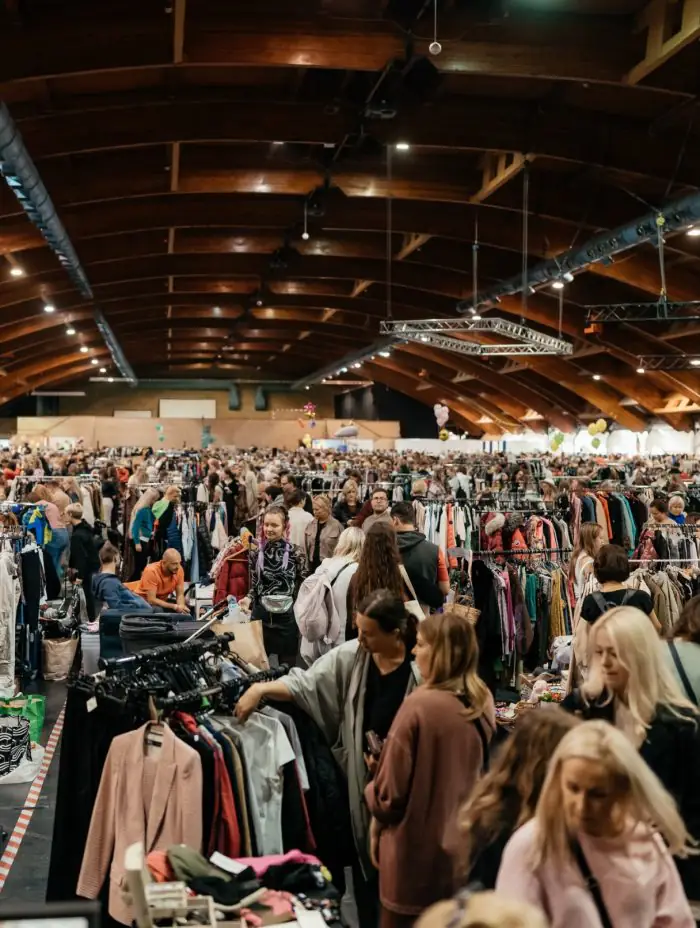
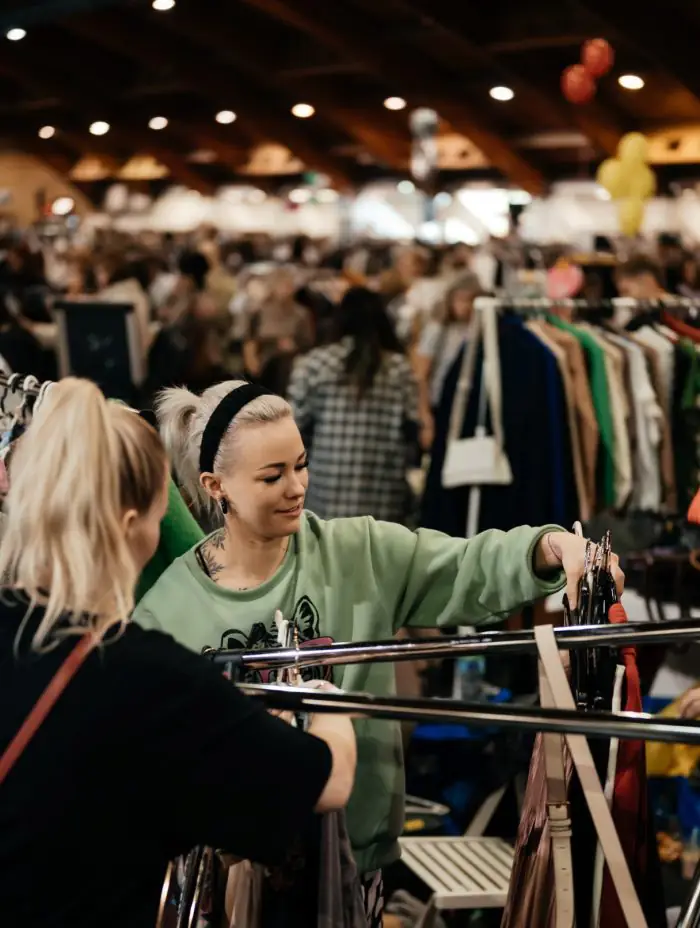
How are such events organised? Surely you don’t interview every participant? Does that mean that anyone can become a salesperson?
We have created a registration system in which each participant adds a couple of photos of their stand, which helps to prevent fake brands and purely commercial trade. Before the market opens, we send out ‘tips and tricks’ — instructions and advice on how to boost sales, select a spot at the market and manage queues.
As well as adults, there is a special area for children where they can sell their products, such as biscuits, jewellery and crafts. These are usually children aged 5 to 12, and at large events there can be up to 70 of them. This helps them to understand that they can earn their own money from an early age.
After each event, we donate some of the unsold items to charity.
What about online sales? Do you use postal services, or do you have your own delivery service?
We work with parcel terminals and postal services, including Omniva, DPD and Latvijas Pasts, and have integrated them directly into the mechanics of our website. Everything is connected to our system, so you can track your parcel and view your delivery address on the website.

Tell us about your immediate plans — what innovations can we expect?
Over the next few months, we will be launching a new product: the Andele Mandele Pay internal payment system. Funds earned on the online marketplace can be deposited into a special wallet and spent on the site.