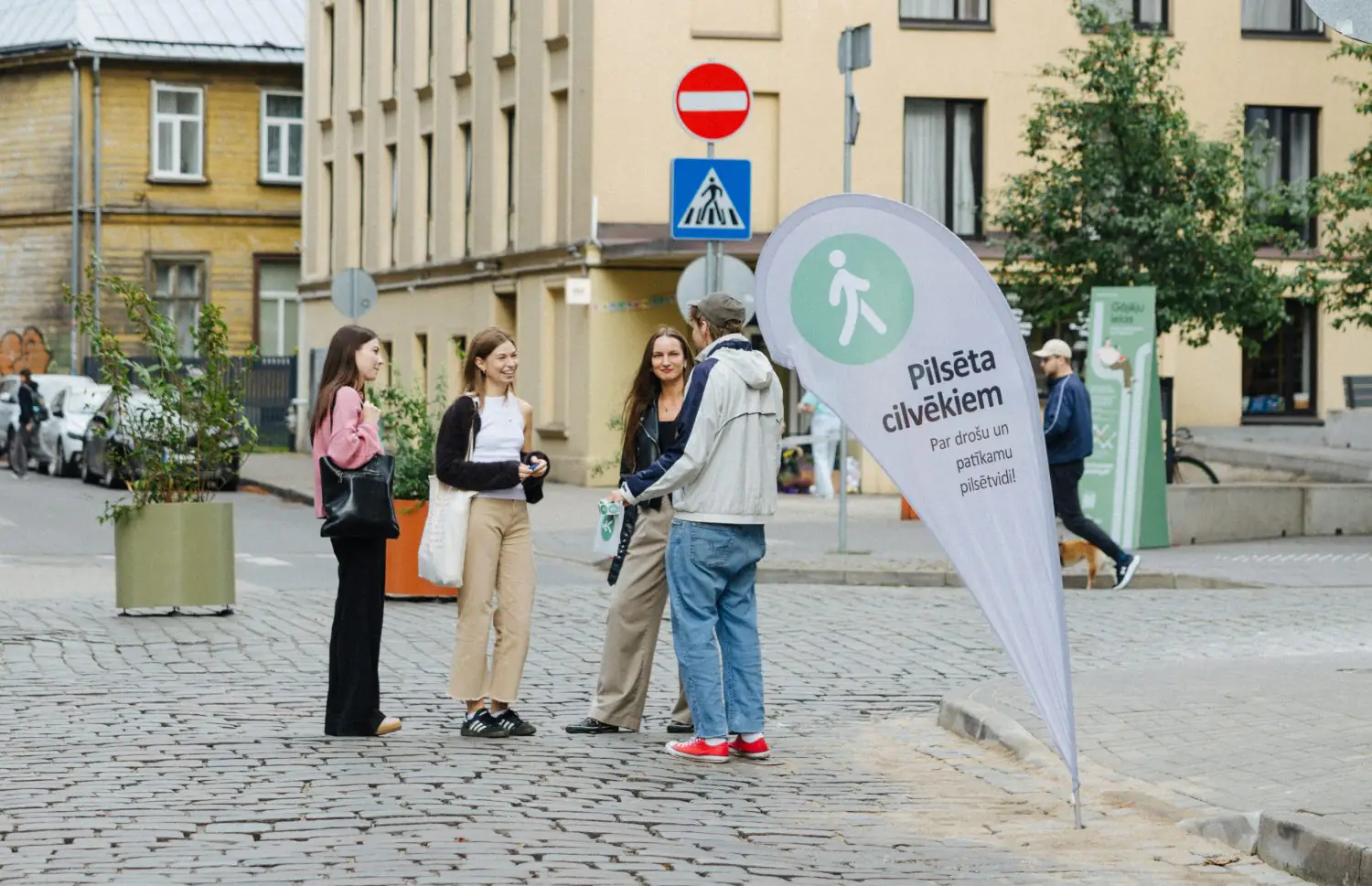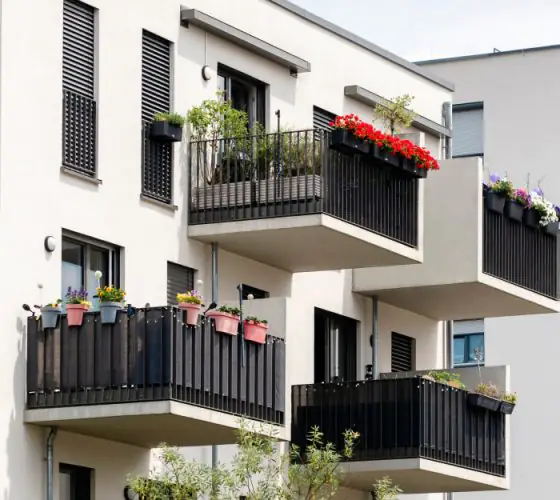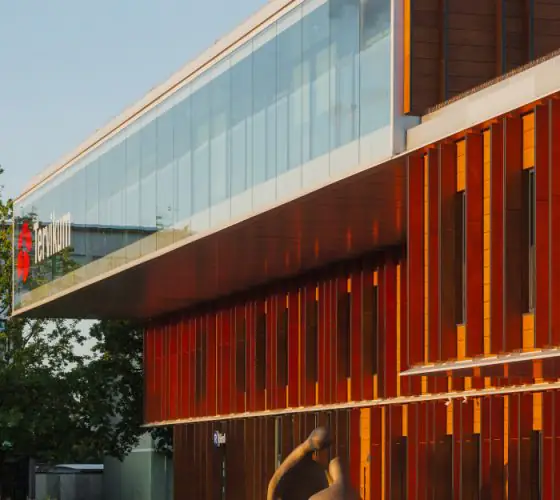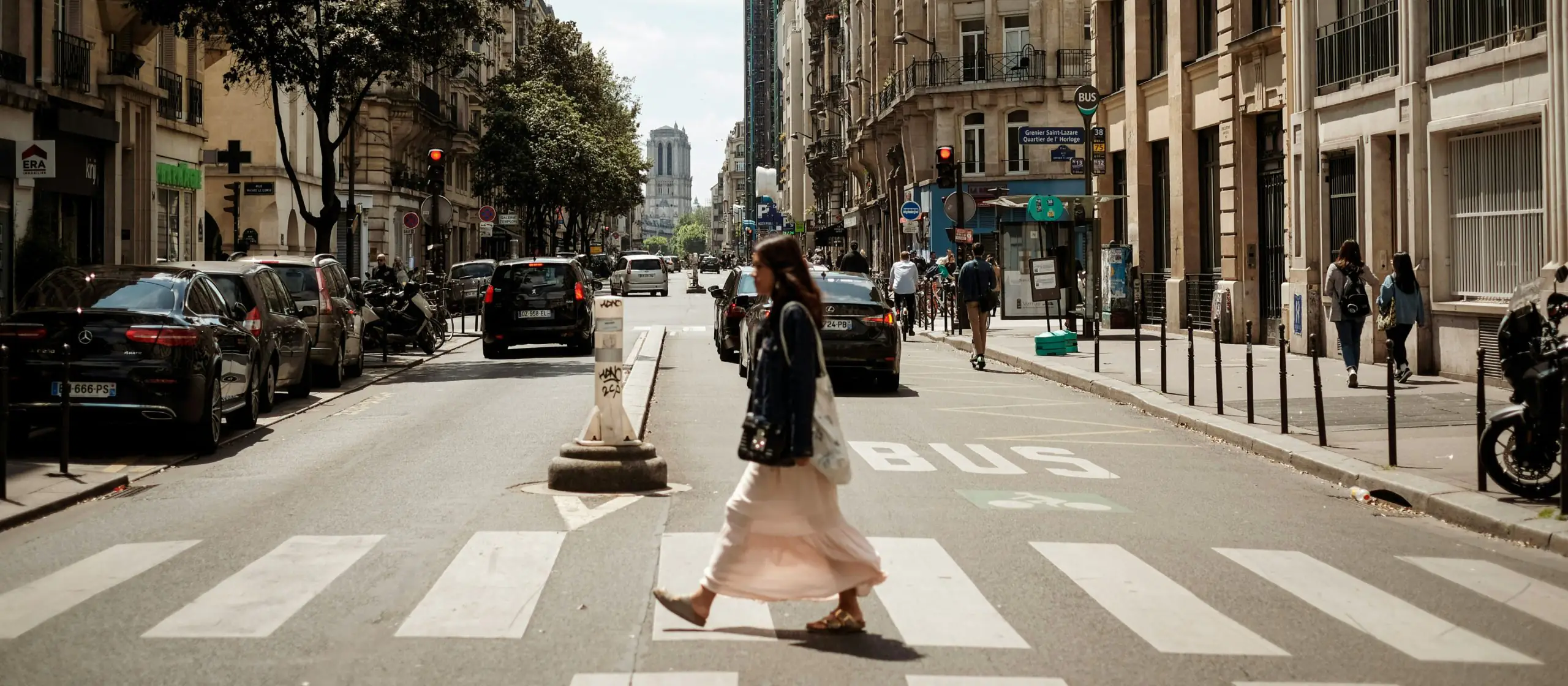
A city is never a neutral backdrop. It shapes everyday life, and for women that experience often comes with invisible complexities. Street layout and lighting, a sense of safety, access to transport, the design of public spaces — all of this directly affects how freely and actively women can participate in city life.

Integrating a female perspective into architecture and urban planning is not just about comfort — it is a tool for development. Cities that take women’s experience into account become not only safer and more convenient, but also more attractive for investment: such environments retain their value longer and foster more resilient communities.
Invisible Challenges: When Details Shape Experience
Contemporary cities have largely inherited a structure built around a traditional model of work and transport — one that rarely reflects the real rhythm of women’s lives, where professional, family, and social roles are intertwined.
- The complex logistics of everyday life
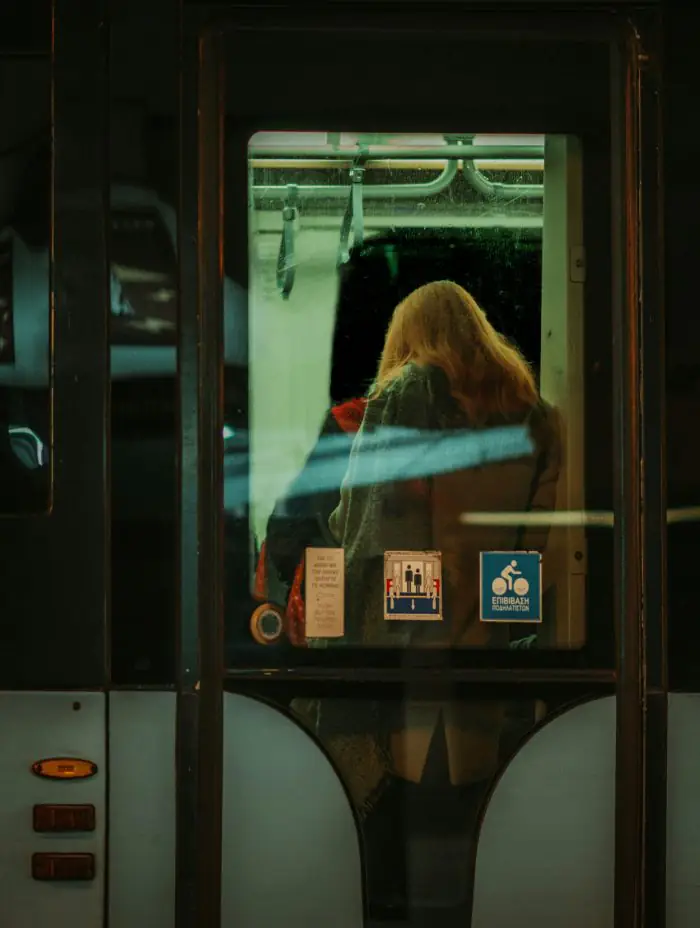
Urban transport and street infrastructure are still designed for linear “home–work–home” routes, ignoring the actual daily chain of tasks — daycare drop-off, groceries, clinic visits, sports, social meetings. The lack of convenient transfers and safe crossings makes this system inefficient and exhausting.

- Access to basic services
Safe playgrounds, clinics, schools, and cafés within walking distance are not minor conveniences, but part of equal access to the city. When they are missing, the burden on women grows, and their mobility is constrained.
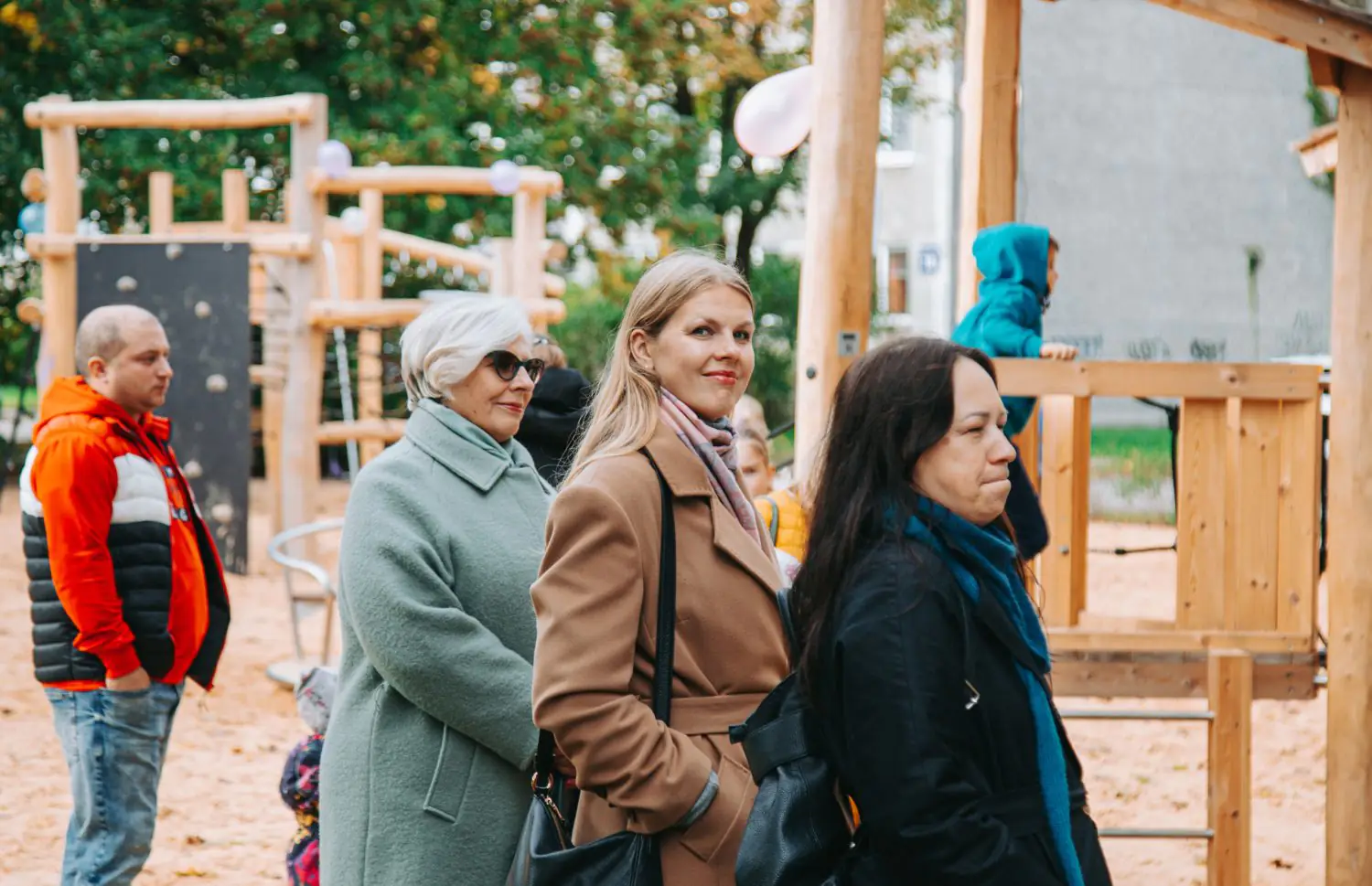
A city where planning begins with an understanding of human experience — including women’s experience — becomes more flexible, fair, and attractive for everyone.
Safety and Freedom: Design That Restores Confidence
A sense of safety is the foundation of full urban life. For women, it is often far less assured: unlit parks, empty streets, deserted stops force them to change routes and cut back on evening activities. Spaces that should bring people together turn into zones to be avoided.
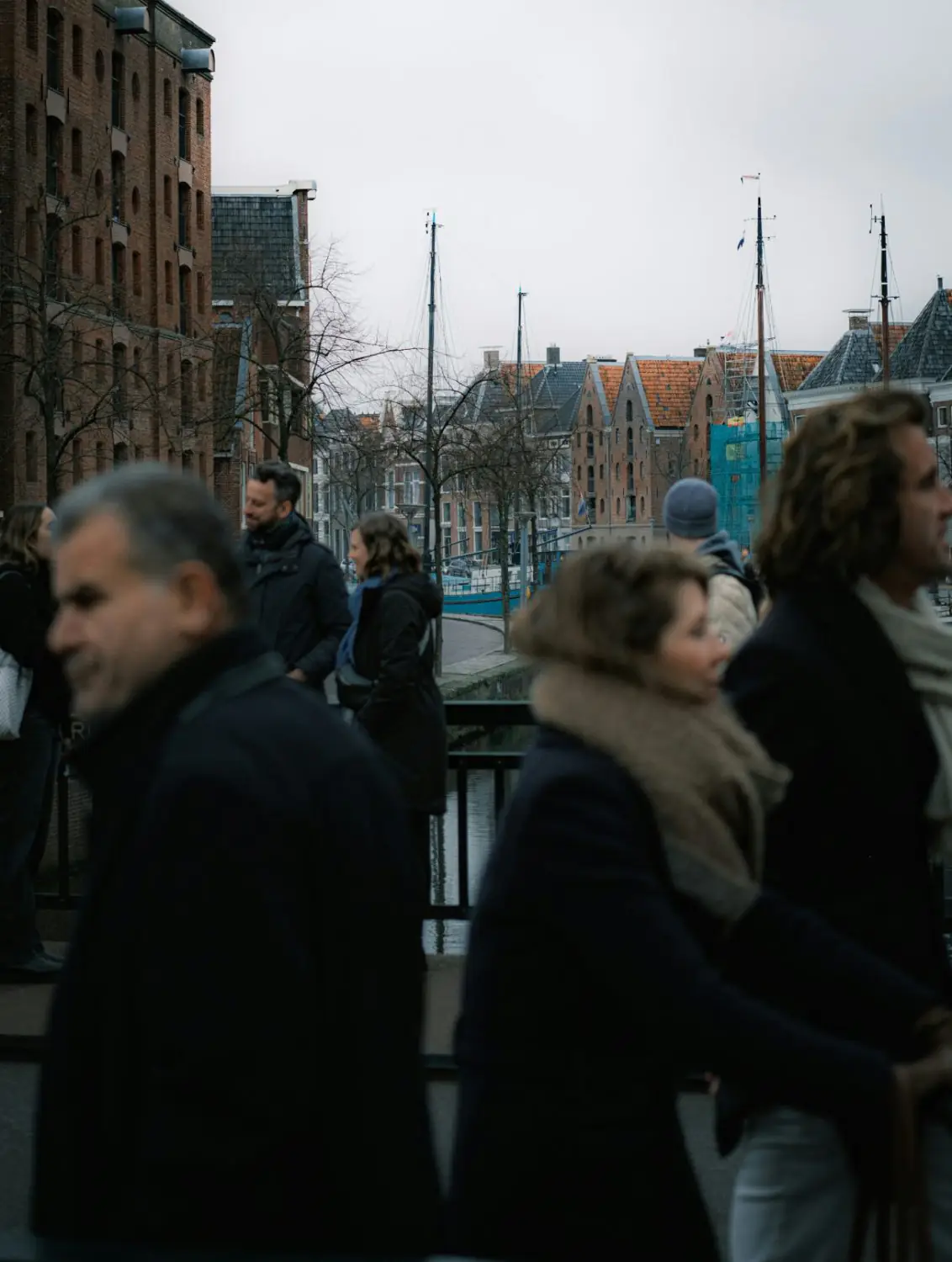
Contemporary design can change this reality. Thoughtful lighting, active ground floors, clear sightlines, the use of shopfronts and transparent structures — these are simple measures that reduce anxiety and make the city more accessible.
Safety is not born out of isolation, but out of presence — of people, light, and activity.
Innovation and Adaptive Urbanism
A sustainable city is impossible without rethinking familiar solutions. The concept of adaptive urbanism treats complexity not as a limitation, but as a driver of development. At its core is flexibility — the ability of urban spaces to evolve in response to new needs and functions.
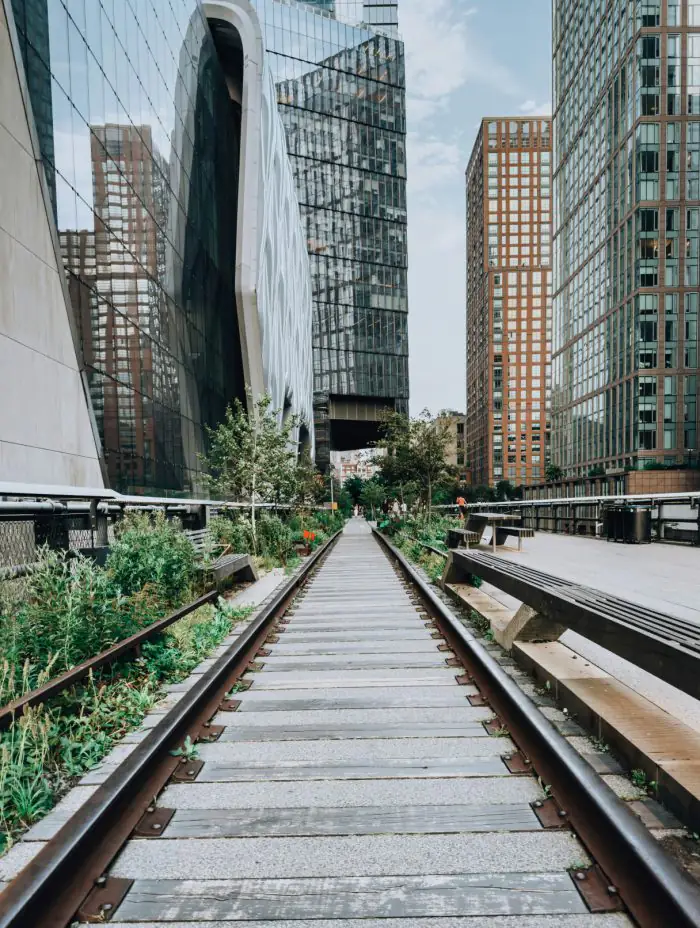
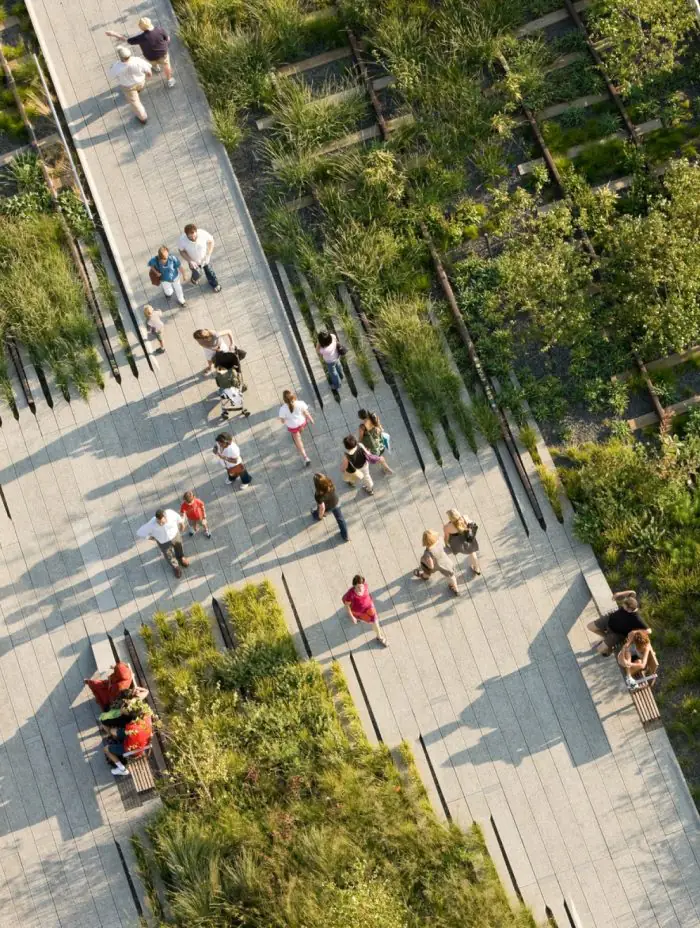
Contemporary architecture creates scenarios rather than just forms: places that can be used for rest, work, and social interaction at the same time. A vivid example is the High Line in New York — a former railway viaduct that has become a green park, a public route, and a cultural space.
Such projects do more than simply improve the city — they make it predictably safe, vibrant, and human-centred.
Living Spaces and Balance
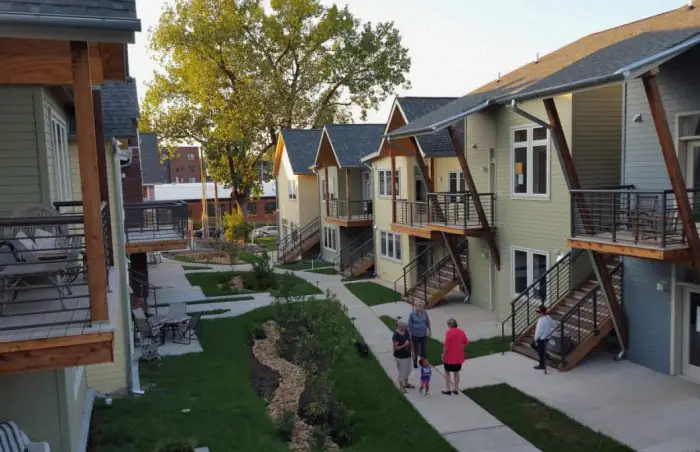
New housing formats also play a role in social sustainability. Co-housing communities, which first emerged in Denmark, demonstrate how architecture can support balance in everyday life. In settlements such as Saettedammen or Jernstoberiet, residents share common kitchens, workshops, and playrooms, redistributing domestic responsibilities and creating an environment of mutual support. This is not just a form of communal living, but an architectural model of equality and participation.

Technology in the Service of Comfort
The city is becoming a living system of data and interactions. “Smart” technologies — adaptive lighting, cameras with anonymous analytics, sensor networks — are already being used to monitor movement, optimise transport, and enhance safety. Digital platforms enable residents to take part in neighbourhood planning, report problems, and propose solutions.
When technology works in favour of transparency and engagement, it becomes part of a trust-based relationship between the city and its residents.
Human-centred — and women-centred — urbanism
A truly sustainable city emerges when it recognises and respects the diversity of its residents. Women’s experience is a key indicator of how well the urban environment actually works: is it safe, is it comfortable, is it accessible, does it leave room for equal opportunities?
Human-centred urbanism is impossible without a gender perspective. Women are more likely to combine multiple roles — professional, family, social — and therefore feel the quality of urban infrastructure especially acutely. If a city works for women, it works for everyone.
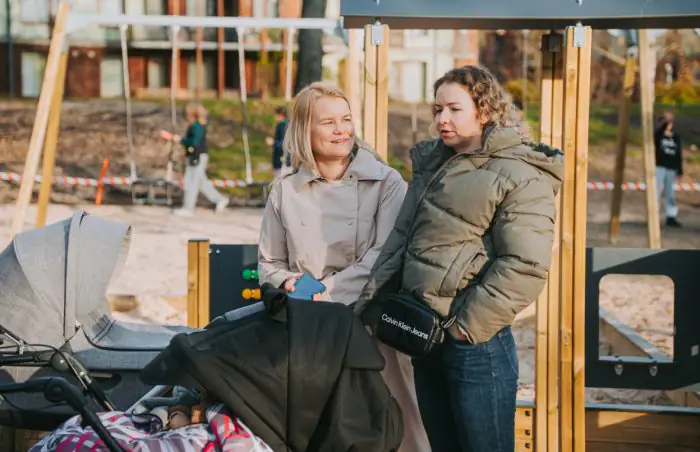
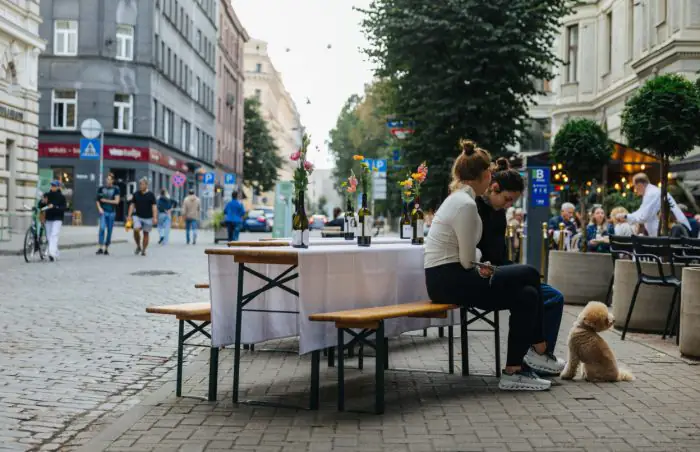
Solutions that make the city fairer and more comfortable:
- Lighting and open spaces
Thoughtful street lighting, transparent façades, and active public areas reduce anxiety and make evening city life more accessible.
- Transport that reflects real life
Public transport should follow the real dynamics of daily life — not only “home–work–home” routes, but also the many everyday stops: daycare, pharmacy, sports, errands, meetings.
- Multifunctional spaces
Parks, squares, and courtyards where you can walk, work, relax with children, or meet friends all in the same place create a sense of freedom and belonging.
- Women’s voices in planning.
The presence of women in planning processes — from municipal working groups to architecture offices — makes decisions more realistic and grounded. This is not just a question of “representation”; it is a question of the quality of the urban environment.
A city where women feel confident, safe, and included becomes more than just convenient — it becomes strong.
Such a city attracts talent, investment, and fosters resilient communities.
When attention to women’s experience becomes part of the strategy, the city stops being a mere backdrop to life and transforms into a space of opportunity and equality.