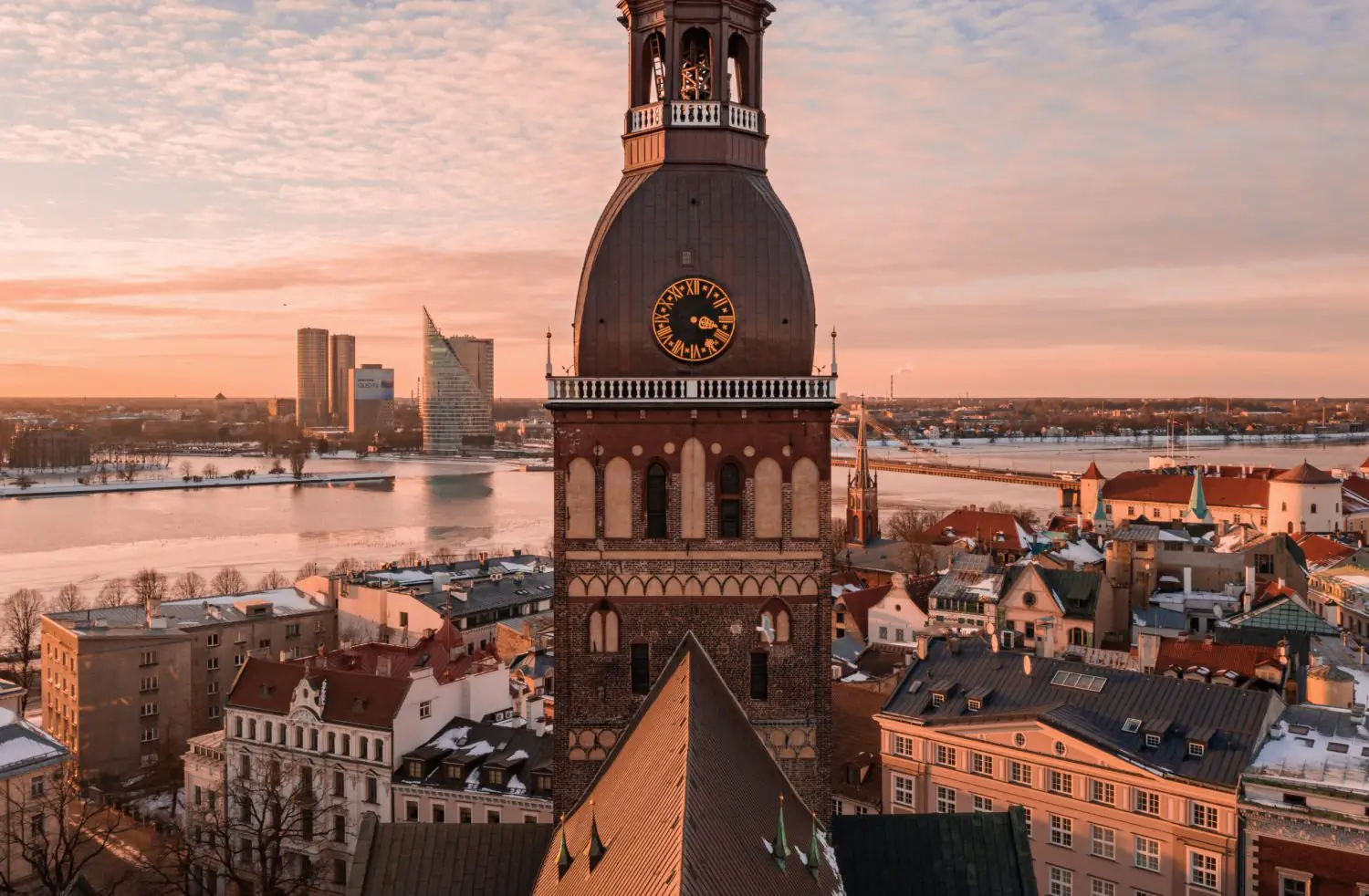
So why does this diversity still confuse even attentive lovers of urban scenery? The challenge lies in the details. Many styles share visual features, while later movements — such as Neoclassicism — deliberately imitate their “ancestors.” Get ready to learn a set of visual “cheat codes” that will help you identify an architectural style almost instantly, by noticing just one or two key elements.
We will explore a broad spectrum of buildings, from the city’s oldest churches to the glass giants of the 21st century. For each style, we will highlight a distinctive visual marker and support it with clear examples. Forget memorising dates and terminology. After reading, you won’t just walk through Riga — you’ll be able to read its history as an open book, written in stone and brick. Shall we begin?
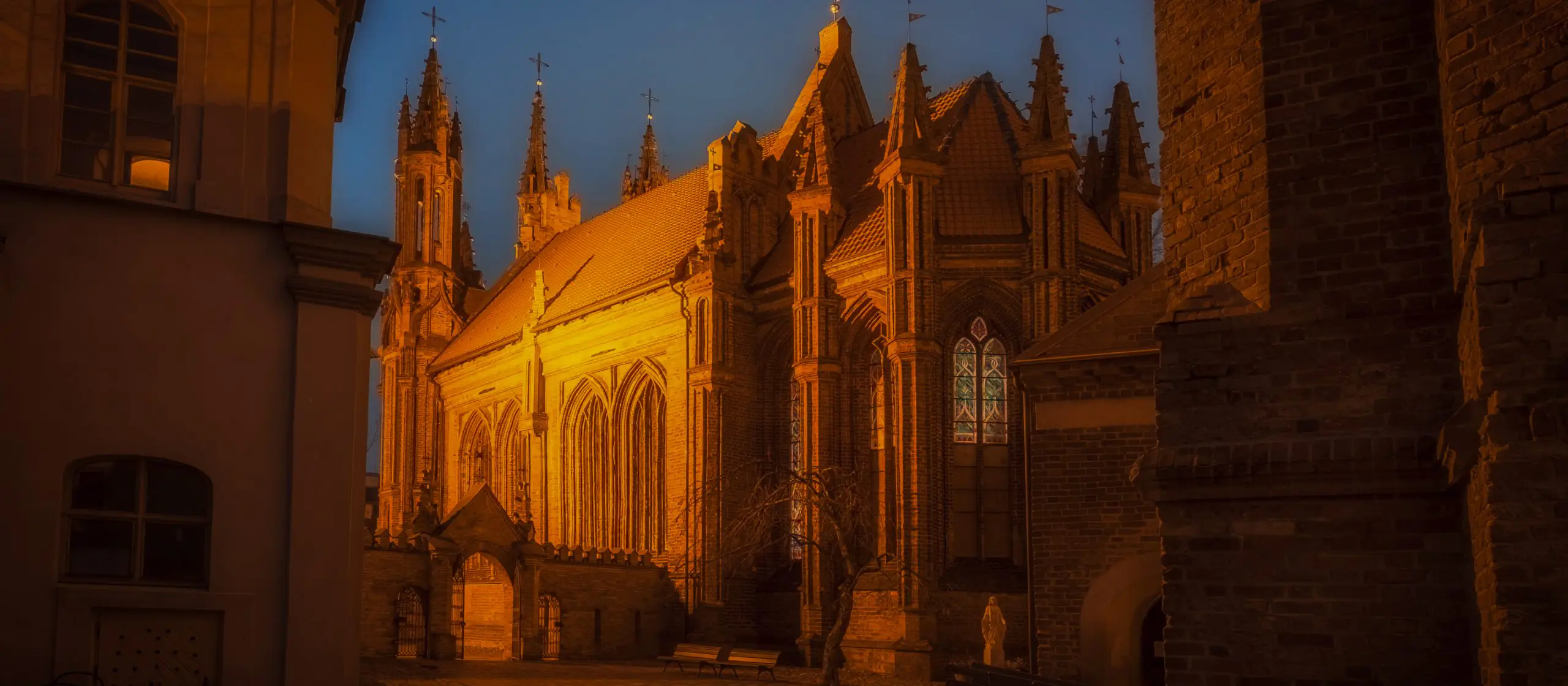
Medieval architecture in the Baltics is dominated by Brick Gothic — often referred to as Hanseatic Brick Gothic — a style characteristic of cities of the Hanseatic League. It is defined by functionality, solidity, and a strong upward aspiration.
Quick visual guide: what to look for
Pointed “arrows.”
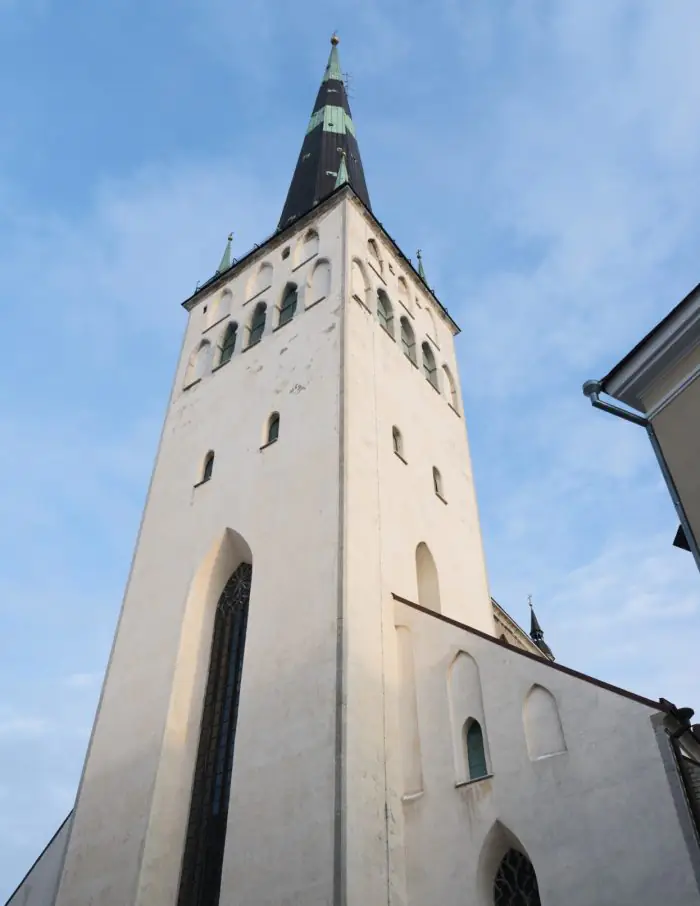
The clearest identifier is the pointed, lancet-shaped arch and window. Sharpened at the top like a drawn bow or a spearhead, these elements always pull the eye upward.
Red brick.
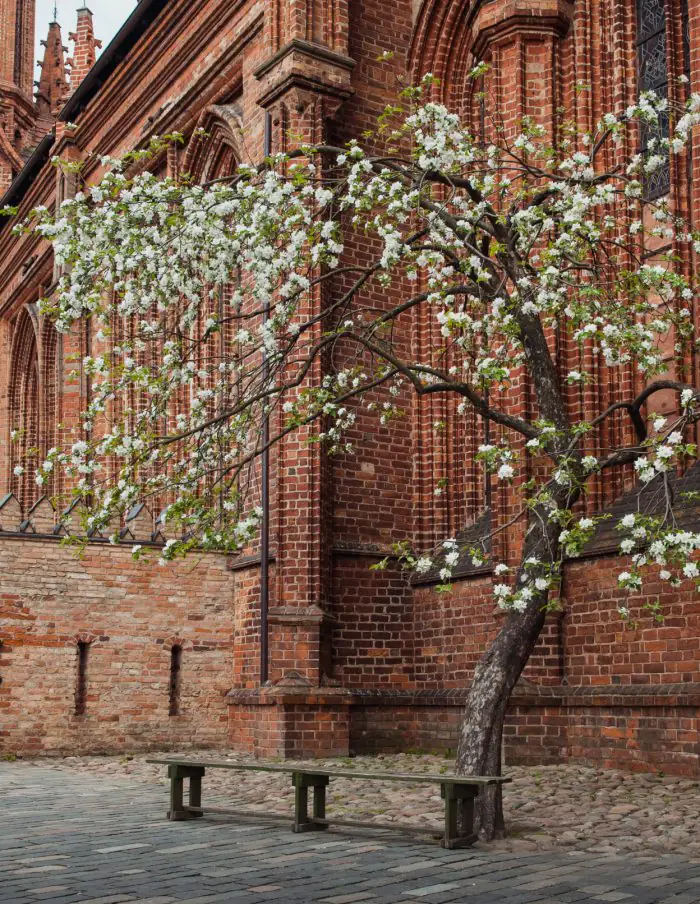
Buildings are usually unplastered, openly displaying the rough yet powerful texture of red brick.
Buttresses.
Examine the exterior walls, especially of churches. You’ll notice massive vertical projections — buttresses — that carry the weight of high vaults, allowing walls to be thinner and taller.
Vertical emphasis.
Everything about the building stresses verticality. This sense of upward movement — a “vertical flight” — is one of Gothic architecture’s defining features.
The austere beauty of the Baltic Middle Ages
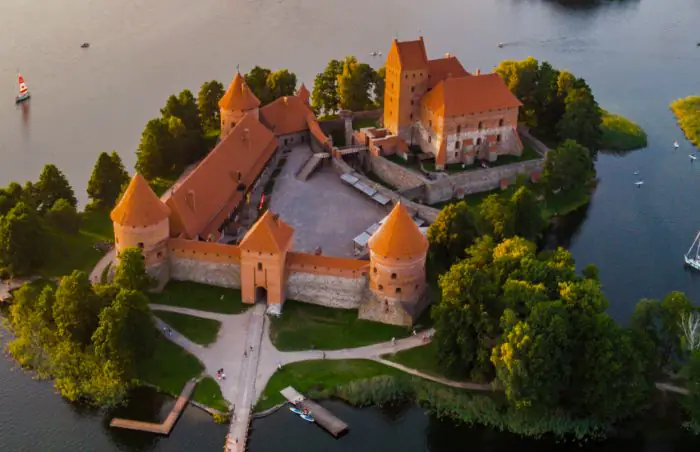
Our architectural journey begins with the oldest and most evocative style — Medieval Gothic. Unlike the richly ornamented stone cathedrals of Western Europe, Gothic architecture in Latvia, Lithuania, and Estonia developed a distinct character. Natural stone was scarce here, while clay for brickmaking was abundant. This gave rise to Baltic Brick Gothic — a style that shaped not only monumental churches and formidable castles, but also the silhouettes of prosperous cities such as Riga, Tallinn, and Vilnius.
Let’s identify the key hallmarks of Baltic Gothic:
Brick as the ruling material
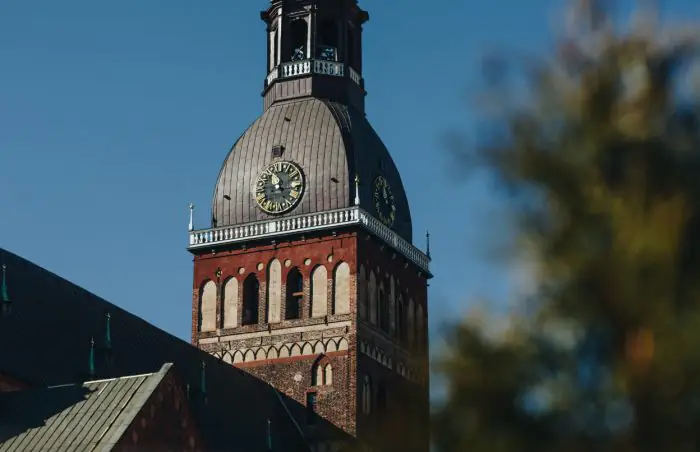
The true protagonist of Baltic Gothic is red brick, often left unfinished. It is not only the primary construction material, but also the main decorative tool. Patterned brickwork and sculpted details created entirely from brick give façades their texture and rhythm.
Pointed arches and windows
The unmistakable signature of Gothic architecture. Look for lancet arches and windows that sharply taper upward, creating a strong sense of vertical movement toward the sky.
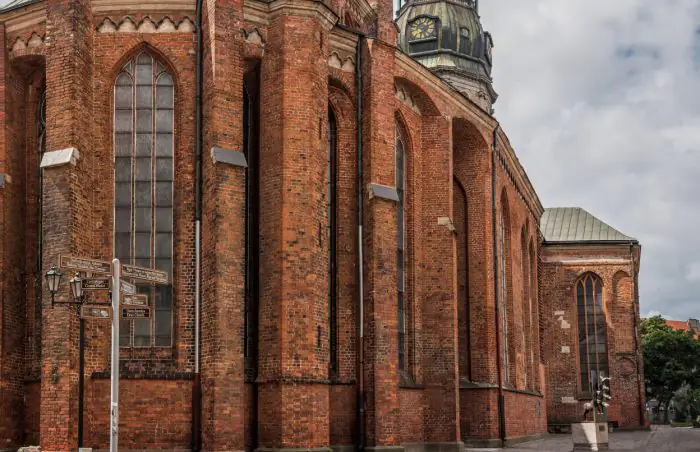
Buttresses — powerful supports
On the exterior walls of major structures, especially churches, you’ll find massive vertical supports. These buttresses stabilise tall walls and vaults, redistributing weight and allowing for larger windows and slimmer walls.
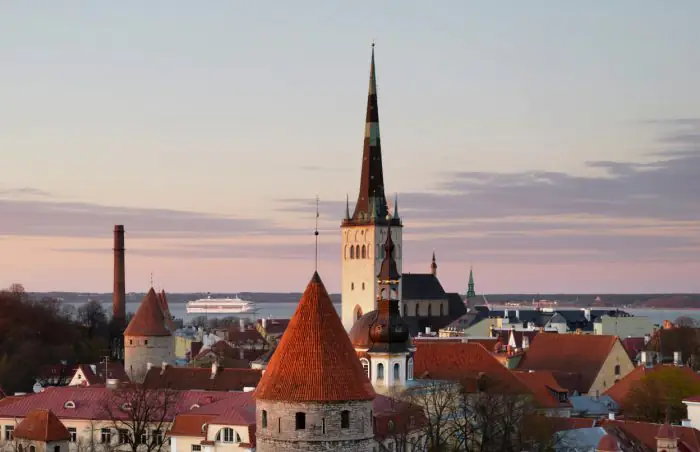
Verticality and restraint
The overall silhouette always reaches upward: tall towers, elongated windows, and vertical divisions dominate. Compared to Western European Gothic, decoration here is often more restrained, relying on the expressive power of brickwork rather than sculptural excess.
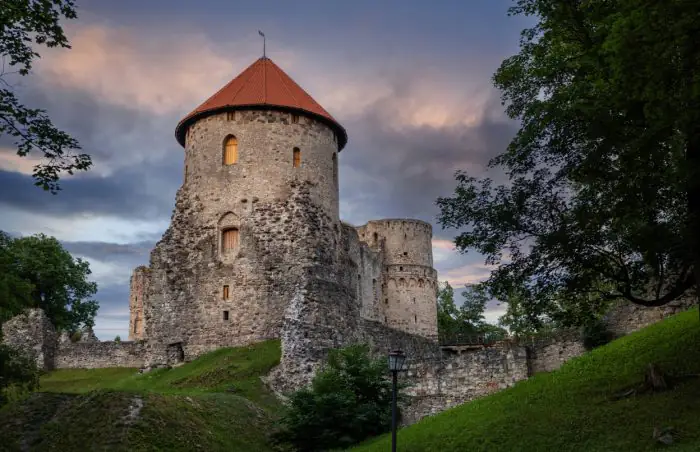
A fortress-like character
Don’t be surprised to find defensive features in Gothic churches or even residential buildings: thick walls, small slit-like windows on lower levels, and a sense of solidity. In the Middle Ages, many religious and urban buildings also served defensive purposes.
A Legacy of Centuries
A journey through the world of Medieval Gothic reveals images of elevated craftsmanship — from the mighty castles of the Livonian Order to the elegant merchant houses of the Hanseatic League, from austere city fortifications to church spires reaching toward the sky. Brick Gothic, this uniquely Baltic phenomenon, did more than leave its mark in brick and clay; it shaped the cultural landscape and identity of many cities as we know them today.
Yet the architectural story of the Baltics does not end in the Middle Ages. From the severity of Gothic, we move into an era that introduced a new understanding of beauty, symmetry, and drama. In the next article, we will explore how the ideals of the Renaissance and the exuberance of Baroque transformed Baltic cities, adding layers of elegance and theatrical expression to their urban fabric.