A Reason to Head Out to Bolderāja
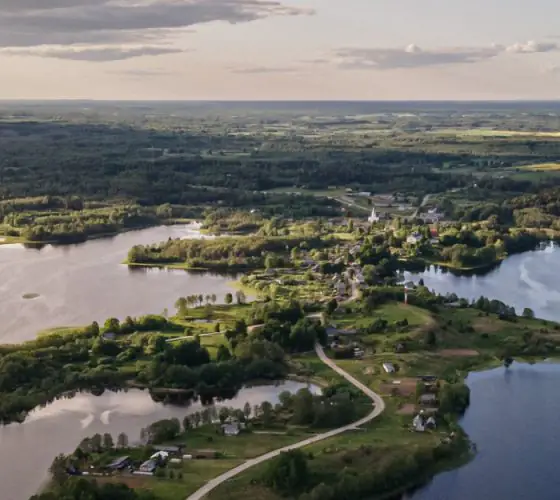
These days, Daugavgriva and Bolderāja are two of the trickiest neighborhoods to get to in Rīga. Sure, city buses run there regularly, but for a lot of people, heading out to this part of the capital feels like going to a whole different town. It’s pretty cut off from the main city by fields and forests.
Even with that out-of-the-way feeling, there are plenty of reasons to make the trip. You’ve got a nice sandy beach on the Gulf of Rīga, the pretty banks of the Bullupe River, pine forests, a quarry with steep cliffs—but the main draw is the mix of old buildings: military and industrial sites, port stuff, churches from different denominations, classic old wooden houses, an Art Deco-style school, built in the 1930s, and some Soviet-era apartment blocks with unexpected decorative touches.
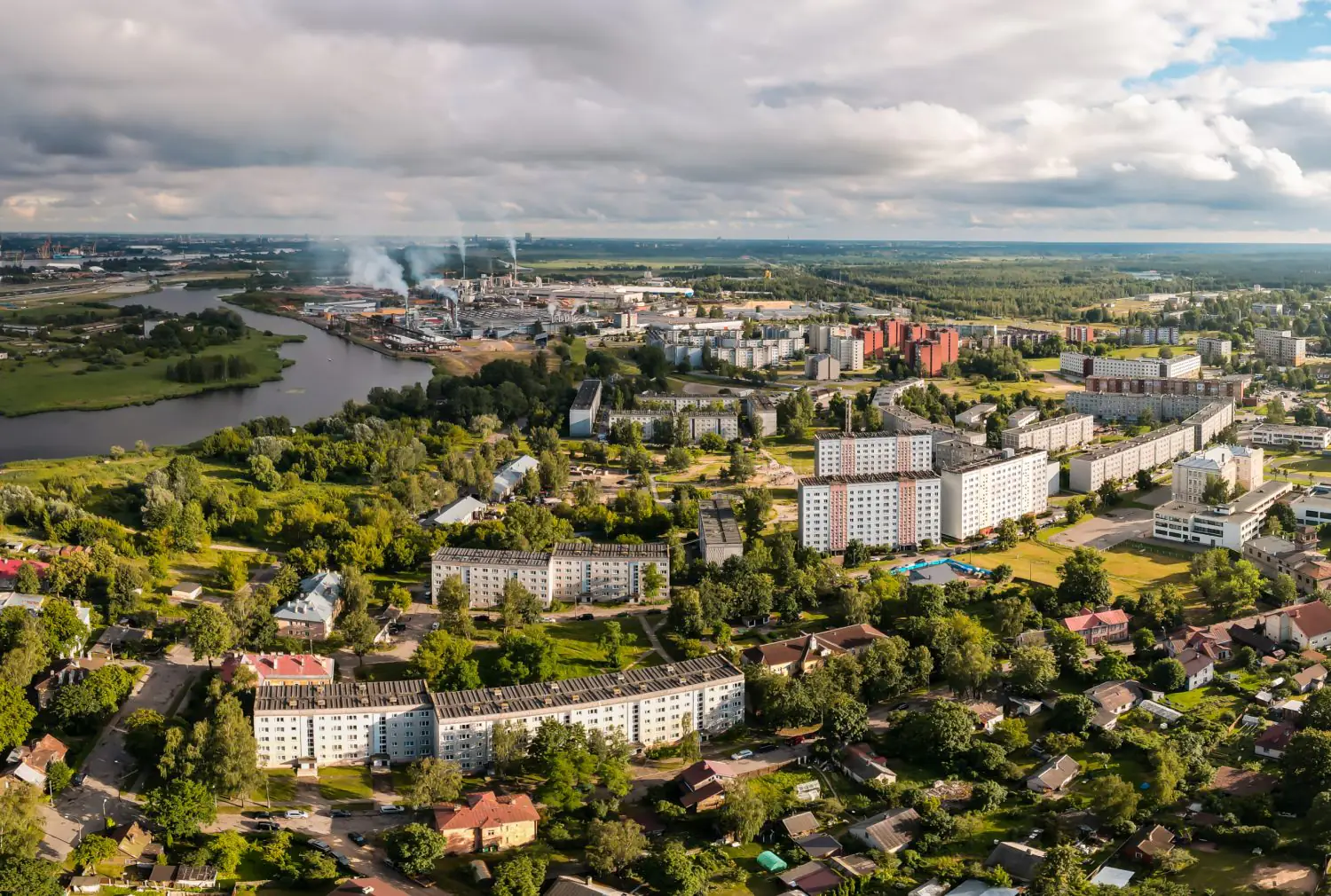
Since Daugavgriva and Bolderāja sit right at the mouth of the Daugava River, this is where the main water route into Riga begins. For centuries, that made this spot a key military location. No surprise, then, that one of the biggest fortresses ended up being built here, and parts of it are still used for defense even now.
What the Fortress Looks Like
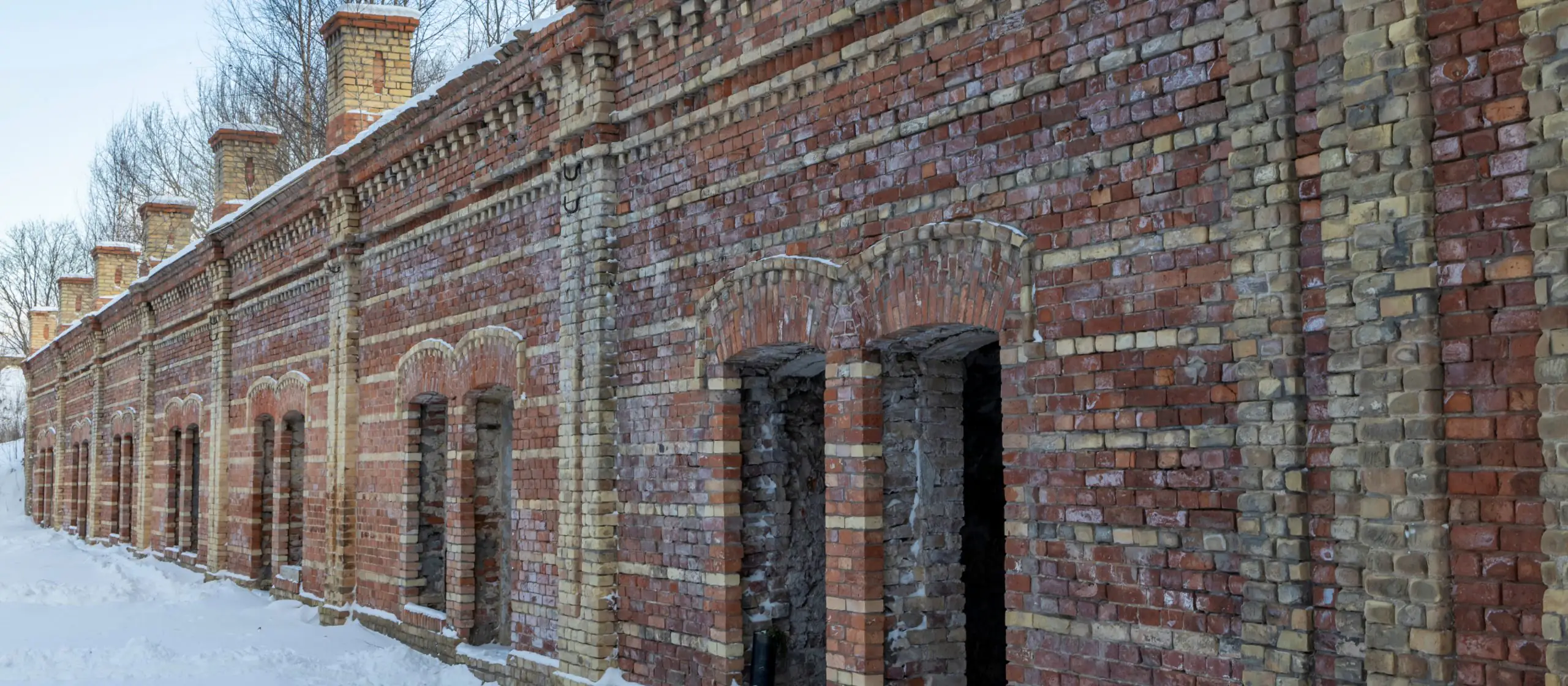
If you look at Daugavgriva Fortress from above, it’s shaped like a six-pointed star, or maybe a snowflake. This kind of defensive setup first appeared in Italy at the end of the 15th century and then spread all over Europe and beyond. It came about because of cannons—those low, angled bastions (the multi-sided bumps along the edges) could take way more punishment than old-school stone or brick towers. You can see another fortress with this same star shape in Daugavpils.
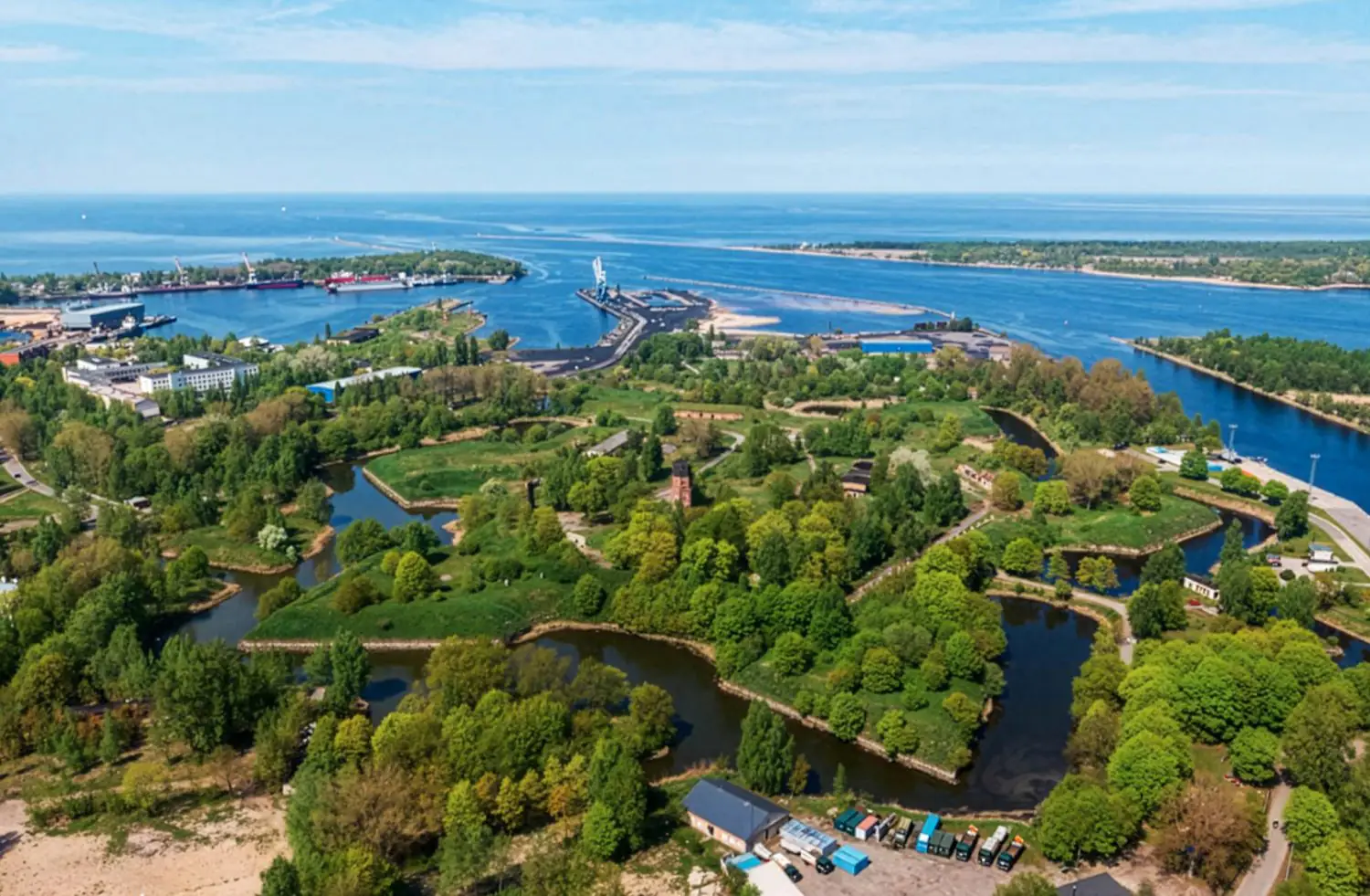
The fortress we see today, with its six bastions, mostly took shape when the Swedes were in charge, back in the last part of the 17th century. They kept building it right up until the Great Northern War kicked off in 1700. When that war ended, Bolderāja and Rīga ended up under Russian control.
Emperor Peter I gave orders to modernize the place, but its military importance started to fade because of nature. The Daugava River carries a lot of silt and sand, which gradually built up at the river mouth. Over time, the fortress ended up sitting a few hundred meters back from the water’s edge. That’s why they built a new fort called Kometa right on the Gulf shore in 1765. Then, between 1783 and 1788, they put in a causeway to connect the two forts.
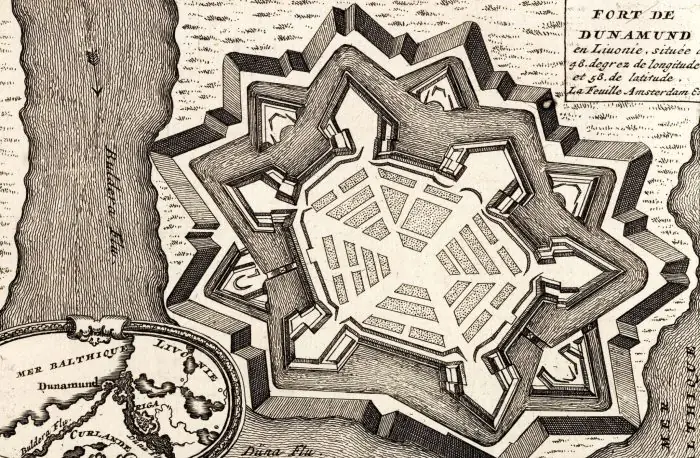
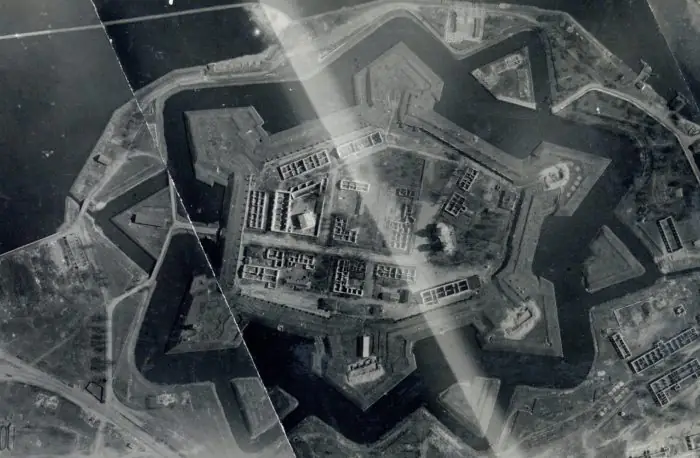
The biggest makeover probably happened just before World War I. That’s when new defensive positions went up around the fortress to protect the entrance to the Daugava—and therefore Rīga itself. They also installed long-range Canet cannons for six artillery batteries. But for all the effort put into updating it, the fortress had to be handed over to the Germans in 1917, after first blowing up those brand-new forward defenses.
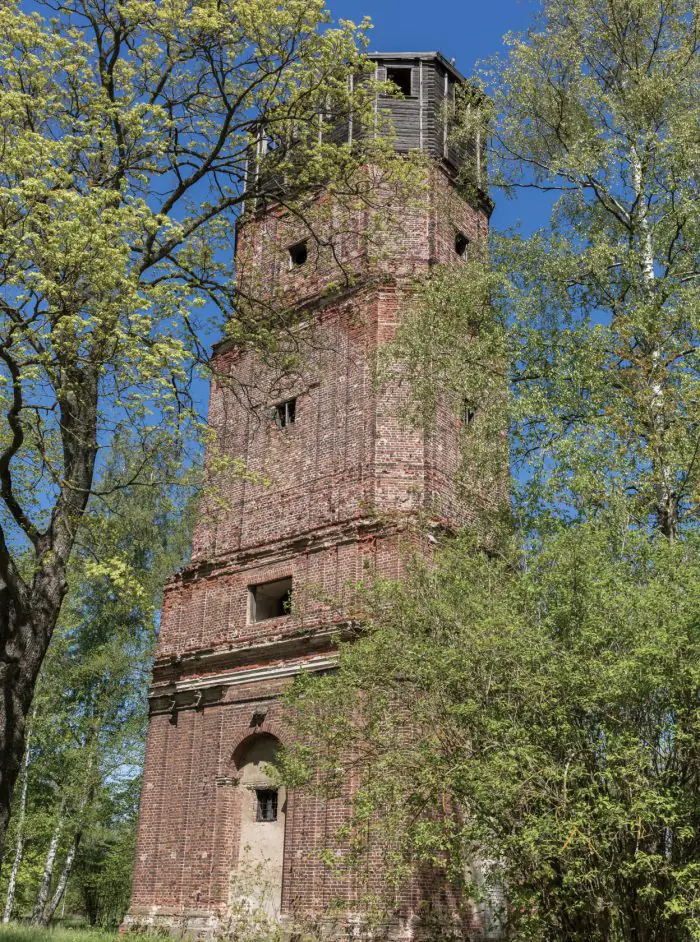
The main landmark you can see from a distance, a church built between 1772 and 1778, got hit hard during the war. When Latvia was independent the first time around, the ruins were partly cleared away, but part of the bell tower was left standing. After the Soviets moved in, they converted that old bell tower into a water tower. That’s pretty much how it looks today.
Here’s a cool bit of history: before this church, there was another one here, dating back to the Swedish era. Back in 1680, a guy named Ernst Glück was ordained as a pastor in that church. He’s famous for being the first person to translate the Bible into Latvian (with some help from his students). And get this—his adopted daughter was Marta Skavronska, who went on to become Catherine I, wife of Russian Emperor Peter I.
What Went Down Here?
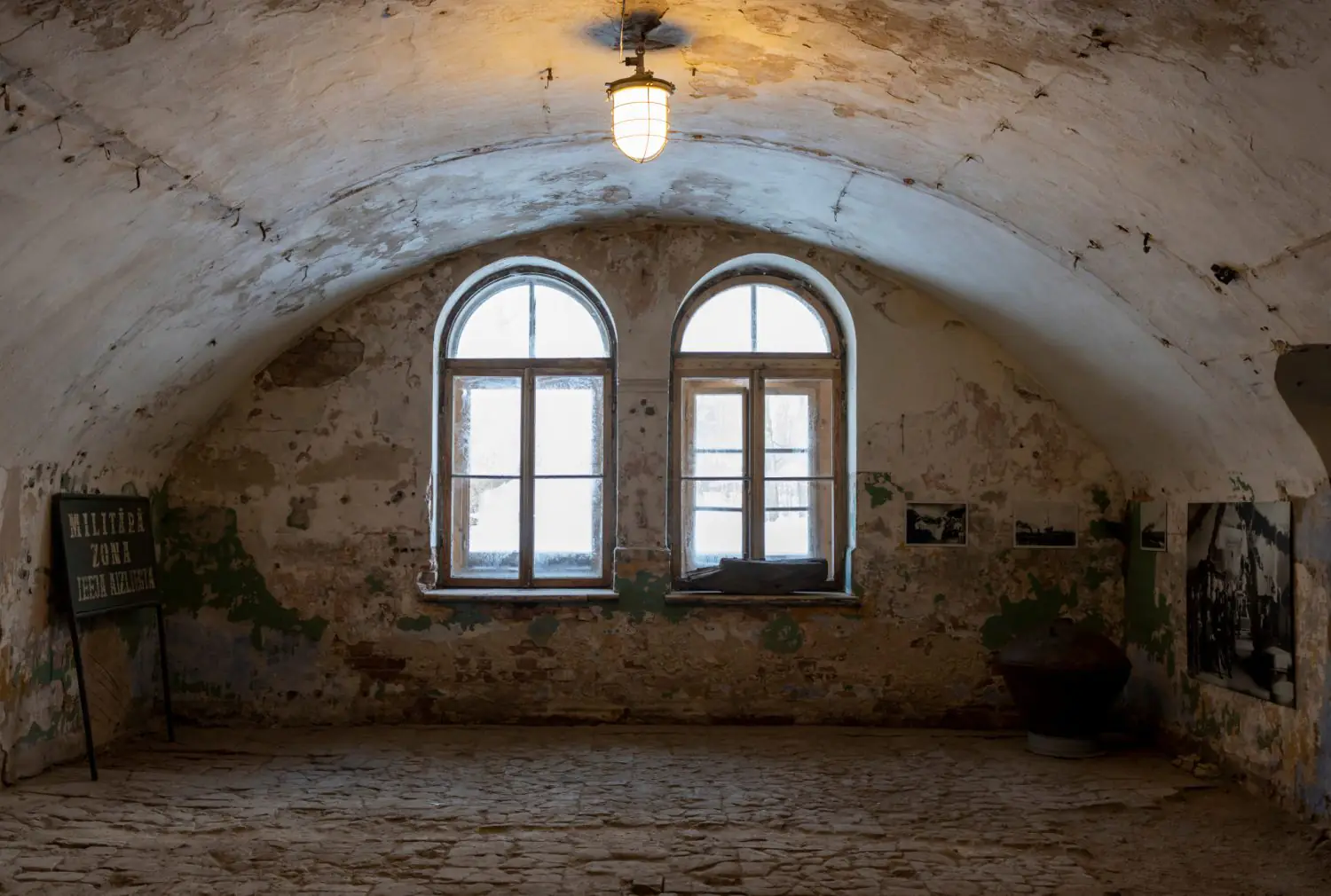
During the Crimean War in the 1850s, Russia was worried about an attack from France, Britain, and the Ottoman Empire. So they went around upgrading a bunch of fortresses. As part of that, in 1852, they ran a telegraph line out to Daugavgriva Fortress—which was a pretty big deal technology-wise back then.
Like a lot of other Russian Empire forts, it was used as a prison during peacetime, and it held some notable inmates. For instance, in 1742, they locked up the deposed Tsar Ivan VI and his family here.
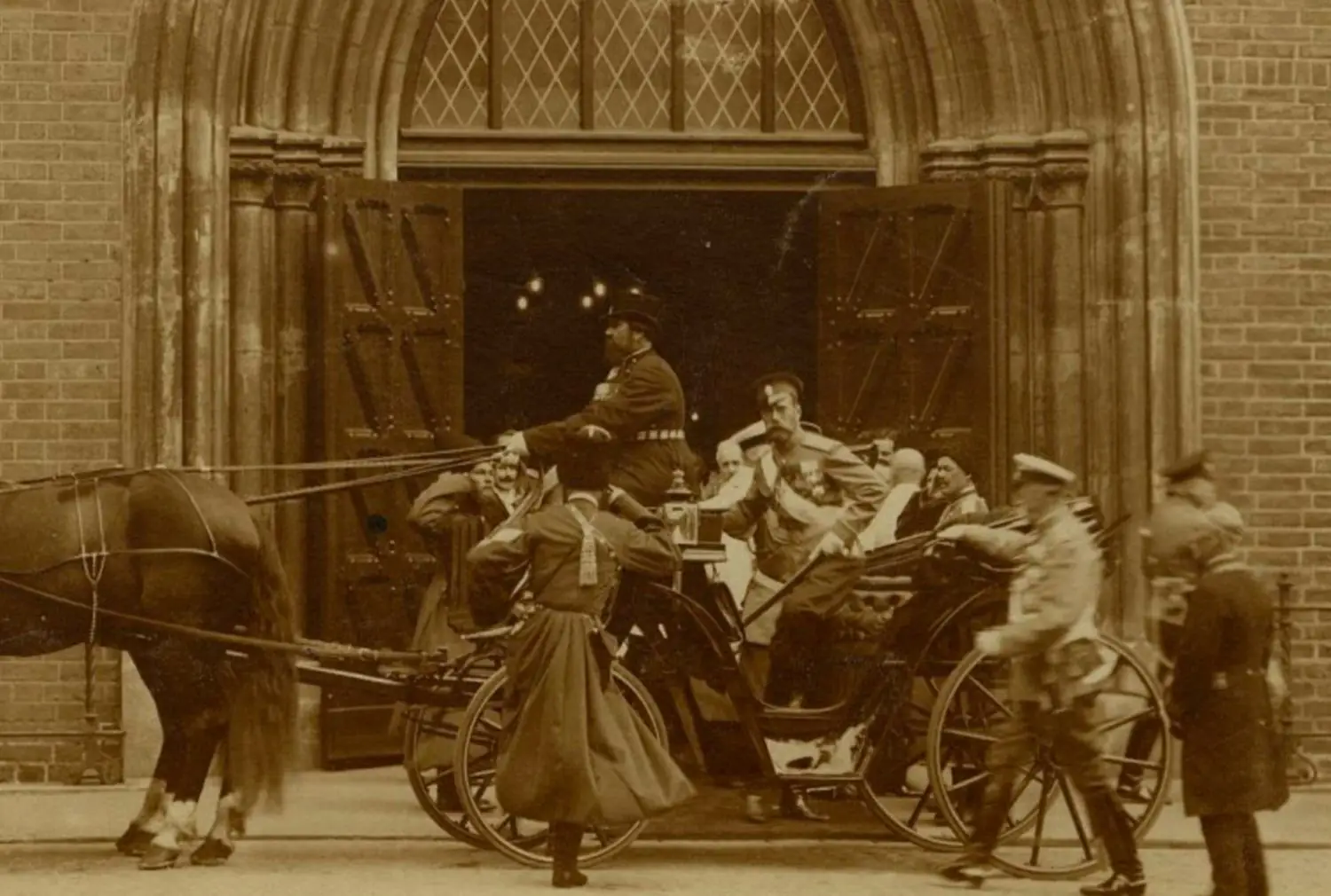
The last Russian emperor, Nicholas II, also stopped by during his visit to Rīga in 1910. After his visit, they decided to modernize the place, and when World War I started, they began preparing for a serious defense.
What’s Next for the Fortress?
During the Soviet era, the army held onto it—so it was still basically doing its original job. In 1993, it was handed over to the Latvian military. It was officially designated an architectural monument in 1995, but sadly, that didn’t lead to anyone actually preserving or restoring it. There’s a whole complicated story about different groups passing the buck on who’s responsible for keeping it up, but the short version is that nobody with deep pockets has stepped up, so there’s no money. Right now, it’s owned by the Economics Ministry, and there’s talk of selling it.
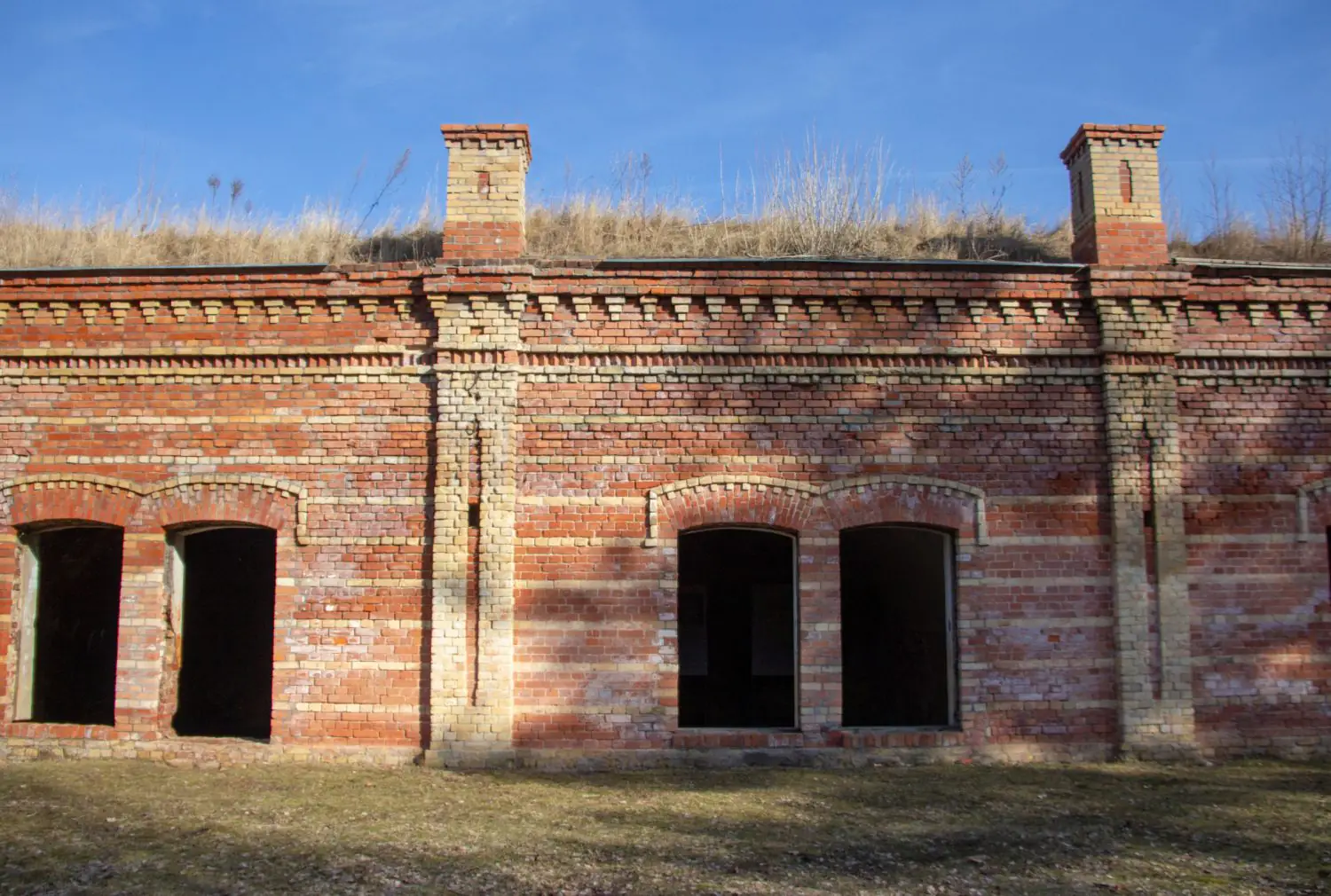
For a long time, people have talked about turning it into a Maritime Museum to draw tourists out to Daugavgriva. But that would take millions, and that kind of cash isn’t showing up anytime soon.
They are trying to make Bolderāja easier to reach by public transport. For a few years now, there have been plans to run a diesel train out here, and eventually an electric one. But something always seems to get in the way, and the dates keep getting pushed back. At first, they were saying early 2026, but now it sounds like it’s been delayed again—maybe the end of this year or the beginning of next. So we’ll just have to wait and see.