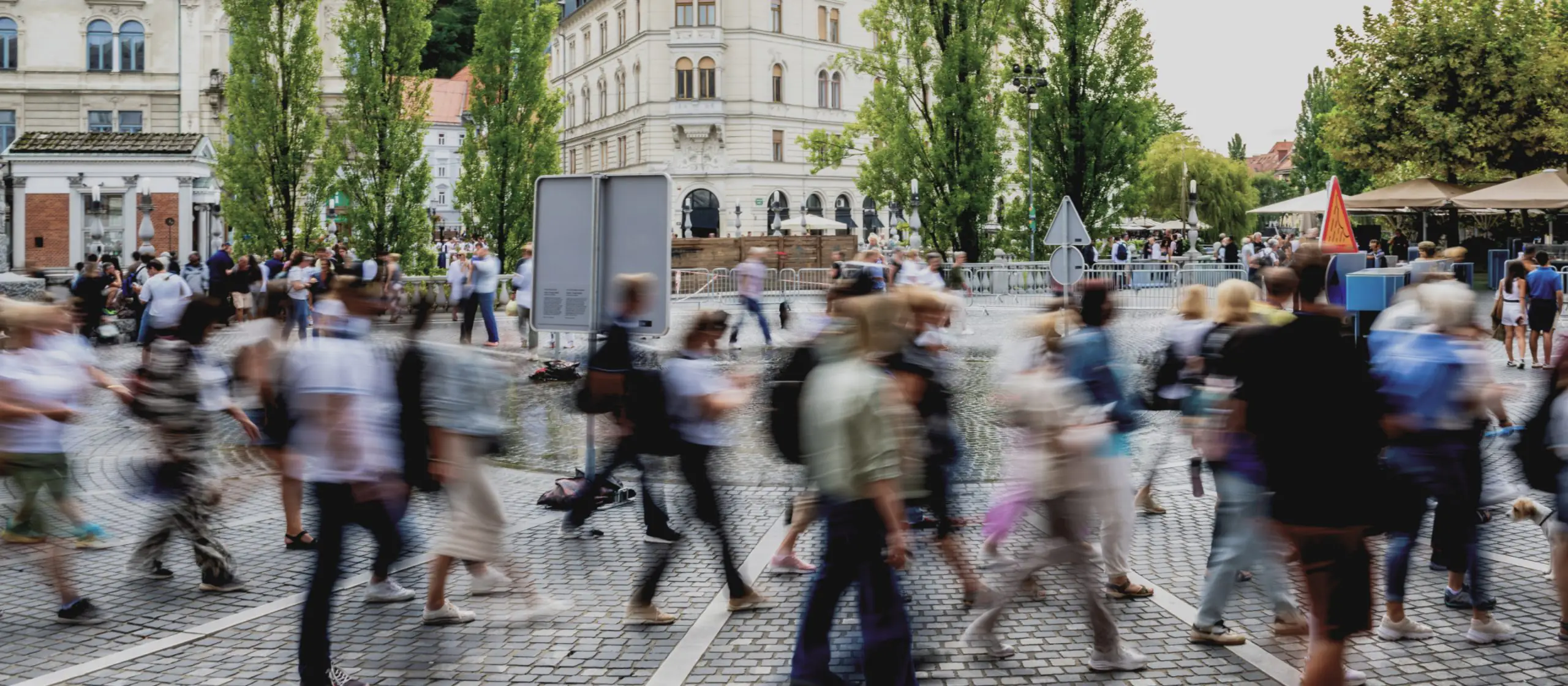
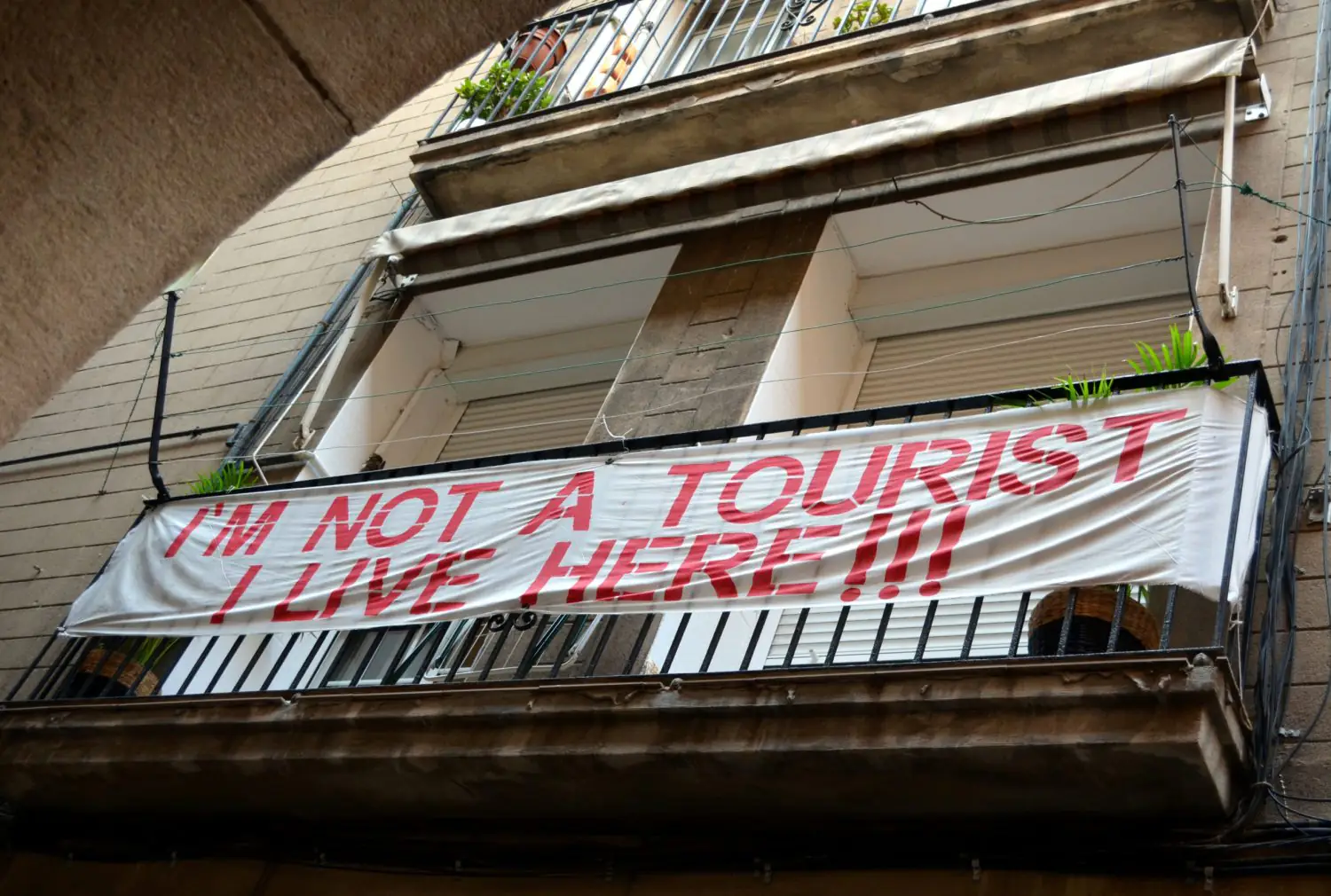
In 2025, residents of many European cities staged protests: they took to the streets across Spain, protested against a billionaire’s wedding in Venice, and even forced the closure of the Louvre due to a staff strike.
What united them was their frustration at the influx of tourists to their cities. An excessive focus on tourism means that cities no longer serve the people who live there, but instead cater exclusively to visitors. Historic centres become stage sets, housing becomes an investment asset and everyday urban life becomes an inconvenience.
How Tourism and “Overtourism” Emerged
The term ‘tourism’ originated in the United Kingdom in the early 19th century. It can be traced back to the tradition of the Grand Tour, whereby young British aristocrats would embark on extended journeys to study culture and pursue self-discovery from around the 1720s onwards. Over time, this practice spread more widely across Europe and the concept of tourism evolved significantly, especially with the establishment of social institutions and the introduction of paid holidays.
In the 21st century, travel has become far less of a privilege. The prestige of travel has been reduced by low-cost airlines, rental platforms such as Airbnb, and the gradual blurring of the boundaries between everyday life and leisure. With more flexible working hours, tourism has ceased to be seasonal, and cities themselves now attract crowds of travellers all year round. Social media also plays a part, with the hashtag #travel being one of the ten most-used on Instagram worldwide.
Beata Zawrzel, NurPhoto/Getty Images
According to the UN World Tourism Organization, the number of international tourists in Europe increased by 180% between 2005 and 2024, growing from 416 million to 747 million. This represents approximately half of all tourists worldwide (1.4 billion).
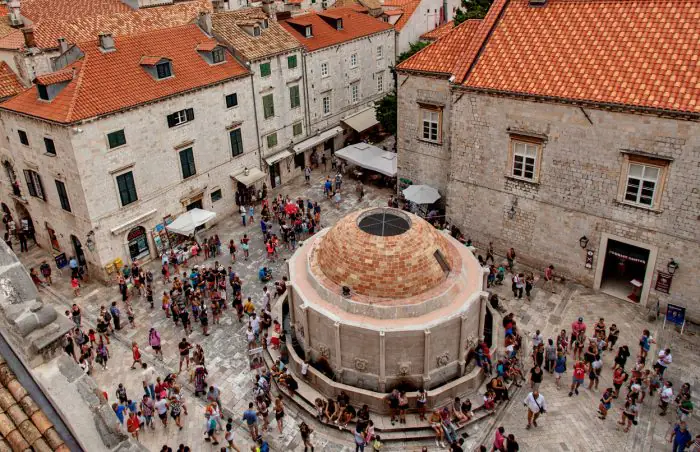
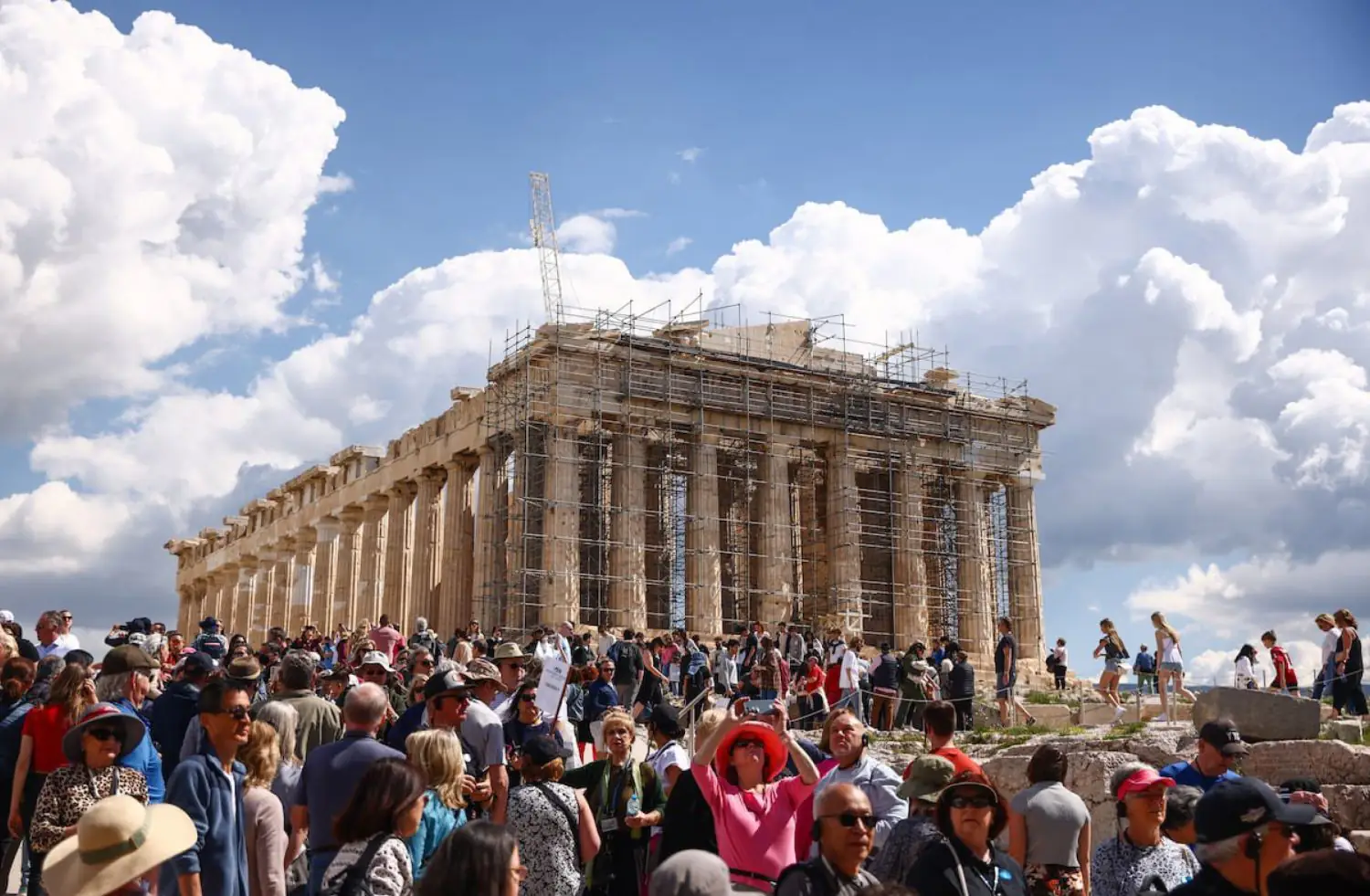
Consequently, the level of visitation at some of the most popular sites, such as the Acropolis in Athens and the Old Town of Dubrovnik, has become ‘excessive’, harming the environment, biodiversity and historical/natural heritage while diminishing the quality of life for local residents and the tourist experience. This type of tourism is referred to as ‘overtourism’.
A Ghost City
Venice is the most obvious and almost caricature-like example of the impact of overtourism. Tourism is the backbone of the local economy, generating up to three billion euros annually. From 2000 to 2020, estimates suggest that the city welcomed between 20 and 100 million visitors each year, with numbers steadily increasing (declines only occurred after 2008 and during the pandemic). For such a small, fragile city, this influx of visitors is enormous, and residents have begun comparing it to a plague that has turned their home into a ghost city. Many have moved to the mainland. While Venice had 170,000 residents in the 1950s, by 2009 that number had dropped to 60,000, and today it stands at around 50,000.
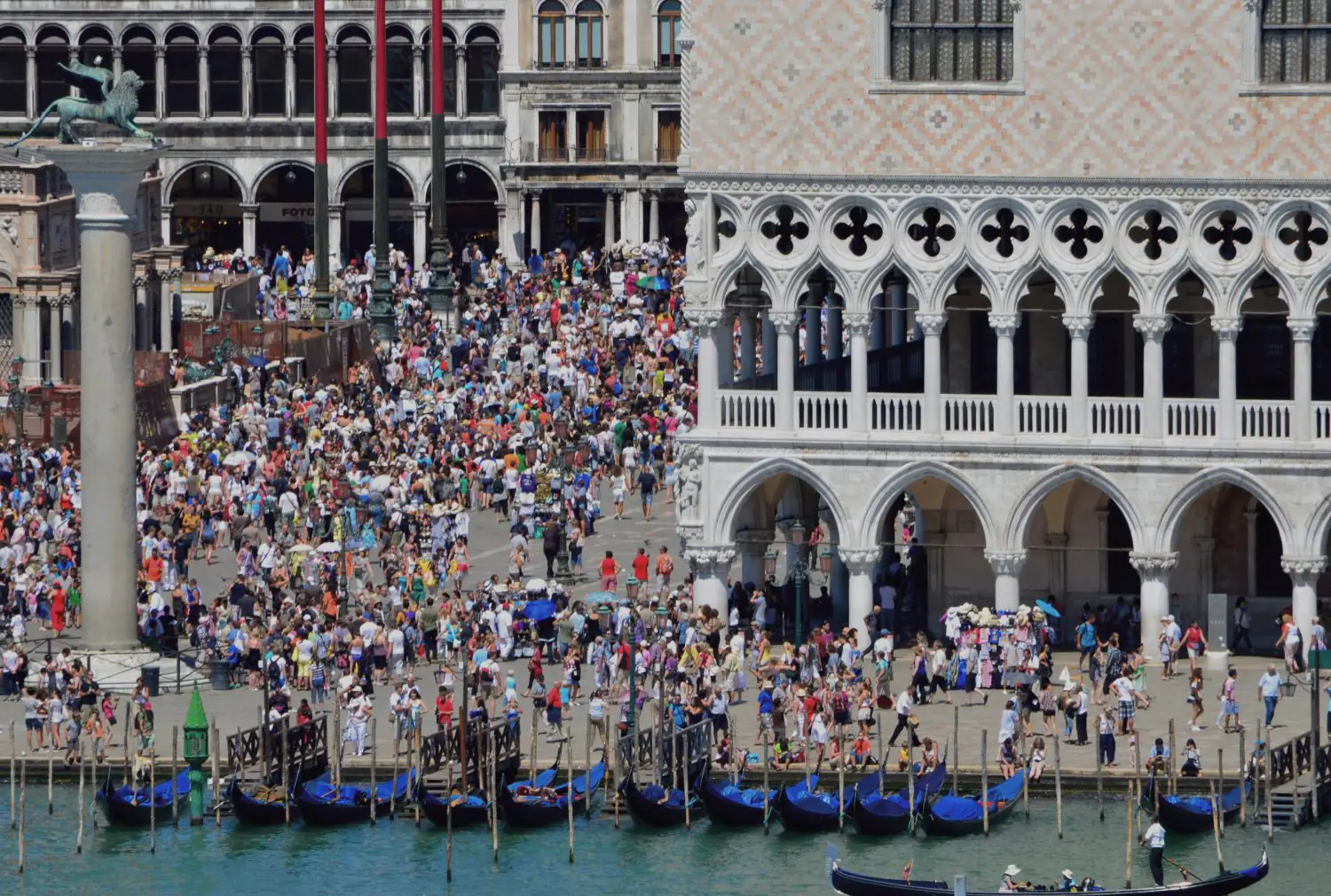
The tourism sector has taken over most other areas of city life. According to locals, traditional businesses such as butchers and bakeries may one day be replaced by souvenir shops or restaurants. It is easier to book a hotel room than to get shoes repaired or have keys made. Rental prices have skyrocketed, making short-term rentals far more lucrative than long-term housing.
But Venice is far from unique. Similar dynamics are observed in Barcelona, Amsterdam, Lisbon, Dubrovnik, and Prague. Short-term rentals push out permanent residents, prices rise, local shops and services vanish, replaced by uniform cafés and souvenir stores.
The paradox is that tourists usually travel there seeking an “authentic” experience and the city’s genuine atmosphere, yet mass tourism is destroying exactly that.
What Can Be Done
There is also a less visible infrastructural dimension to overtourism. Historic city centres were not designed to accommodate millions of additional visitors every day, which leads to rapid wear and tear of the water supply, transport systems, sewage systems, waste management systems and more. Many cities are trying to push back by imposing rental restrictions, regulating cruise tourism, redistributing visitor flows and raising tourist taxes.
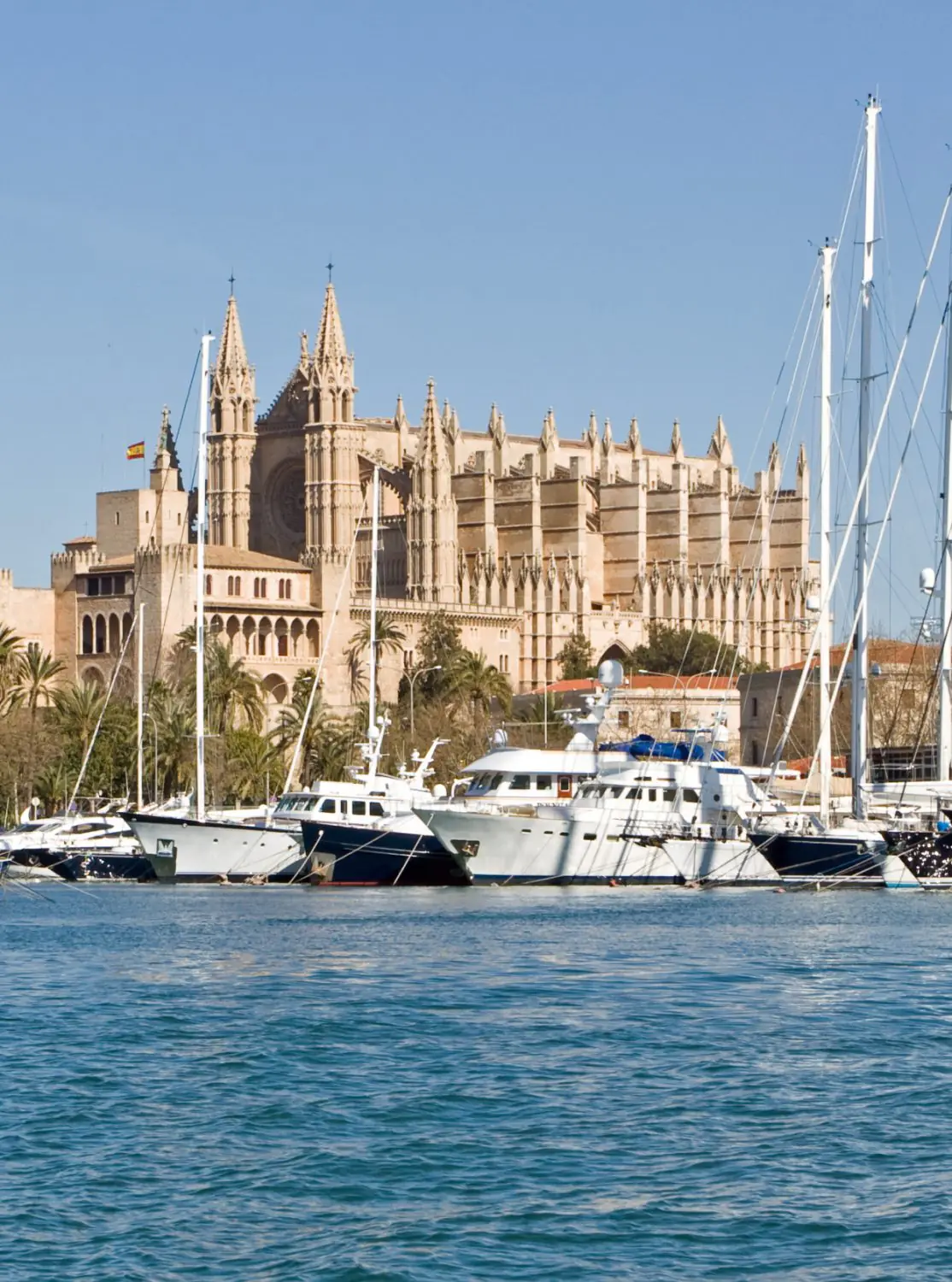
For instance, the Spanish city of Palma runs ‘image campaigns’ and places ads condemning antisocial tourist behaviour at resorts. In 2022, the city limited cruise ship arrivals to three per day, despite the port being able to accommodate six (Barcelona has done the same, announcing the closure of two out of seven cruise terminals starting in 2026). The government in Palma has also banned short-term apartment rentals and Airbnb accommodation in residential buildings in the city centre, and has set a cap of 12,000 hotel beds: opening a new hotel requires the closure of another.
In Italy, experts propose tackling overtourism by redistributing tourist numbers. They argue that the problem is not the country’s capacity to handle the number of travellers, but that everyone goes to the same places. In 2025, the state tourism agency Visit Italy launched the ‘99% Italy’ campaign, encouraging travellers to visit lesser-known destinations ranging from Genoa to Tropea. Ruben Santopietro, the CEO of Visit Italy, says they promoted the campaign on social media because that is where everyone wants to go: Rome or Venice, for example. It will take time to see the results of regional marketing campaigns, but they will become clear in the long term.
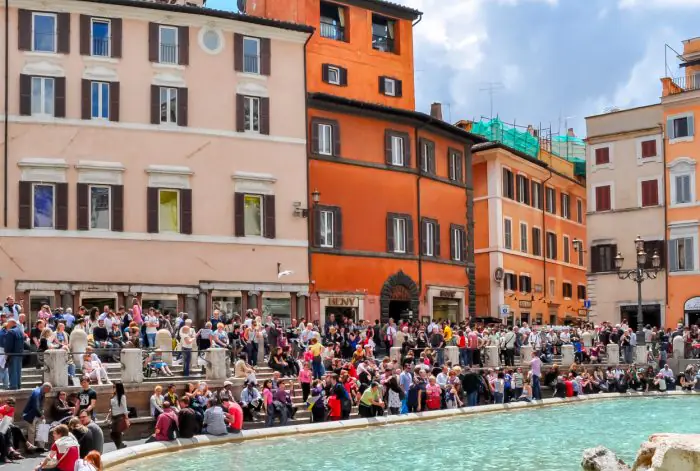
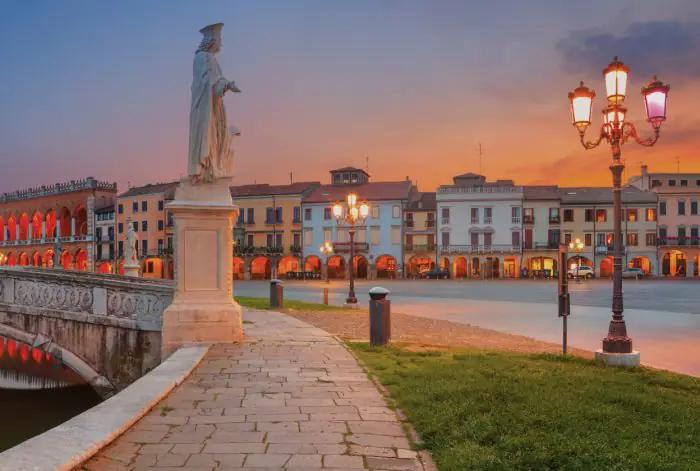
All of these measures are reactive. The bigger question is much harder: who is the city really for? Is it for the economy and Instagram-worthy images, or for the people who live there, go to work or school, visit the pharmacy, and return home in the evening? Does it really matter if a city isn’t entertaining, convenient, or visually pleasing?
Many city authorities are beginning to understand this and are trying to prioritise the well-being of their residents. In Parma, for example, some hotels are being purchased and converted into green spaces or residential housing. Free cultural events are being organised for locals, including organ concerts, theatre performances, city tours and children’s days at the Joan Miró’s workshop. According to local politicians, these initiatives help “strengthen a sense of belonging and pride in being a citizen”.