The coziness of old architecture
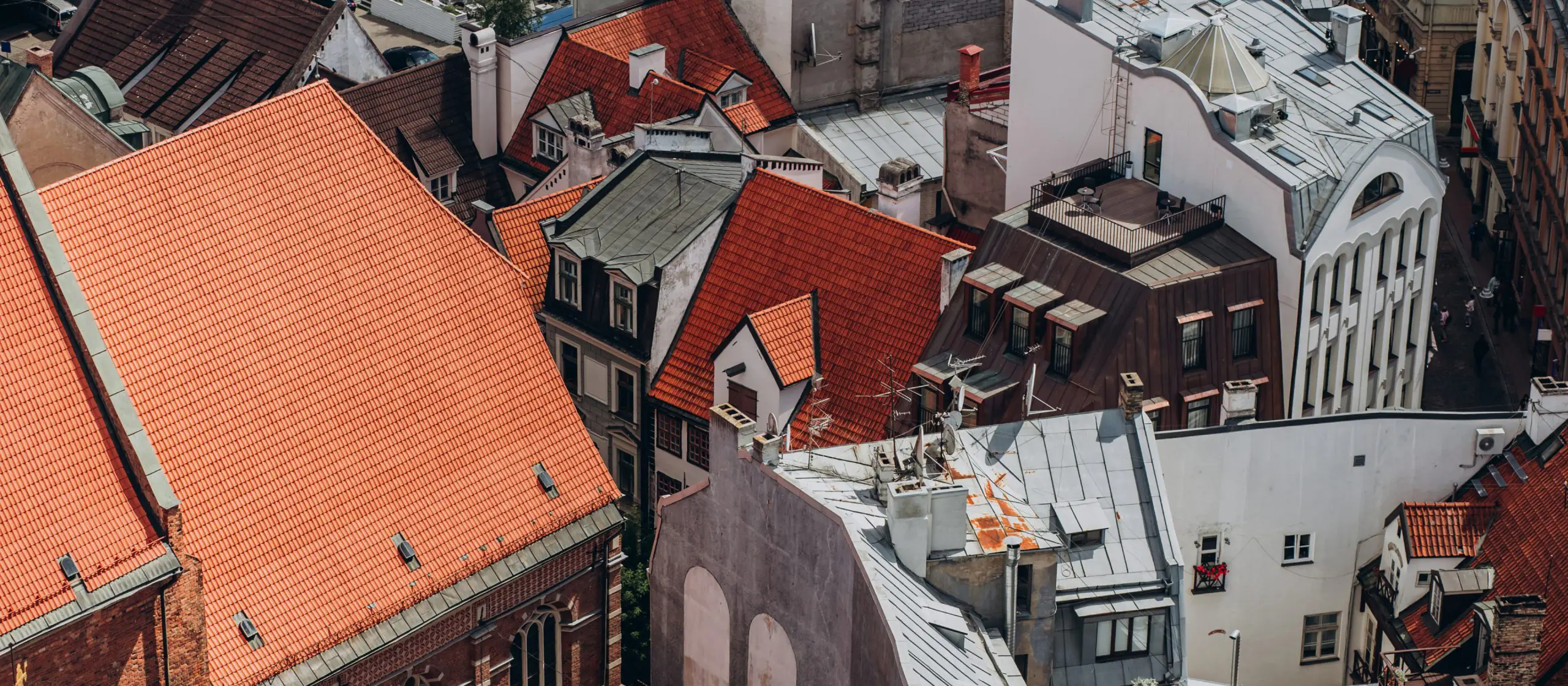
The appearance of roofs strongly influences a city’s image. It is enough to look, for example, at the historic centers of Dubrovnik in Croatia or Koper in Slovenia—the rooftops there have a vivid red-orange hue that favorably highlights the historical areas against the surrounding development. In many countries there are even specific regulations governing roofing materials, their color, and form.
stock.adobe.com
Traditionally Latvian roofing materials include red ceramic tiles, wooden shingles, and reed thatch. The latter two are rarely used in mass construction today, while textured fired-clay tiles remain very popular. Their renaissance came in the 1980s, when many non-standard projects referenced national architectural heritage—from medieval steeply pitched roofs to the so-called folk “bear ass” (Latv. lāča pakaļa).
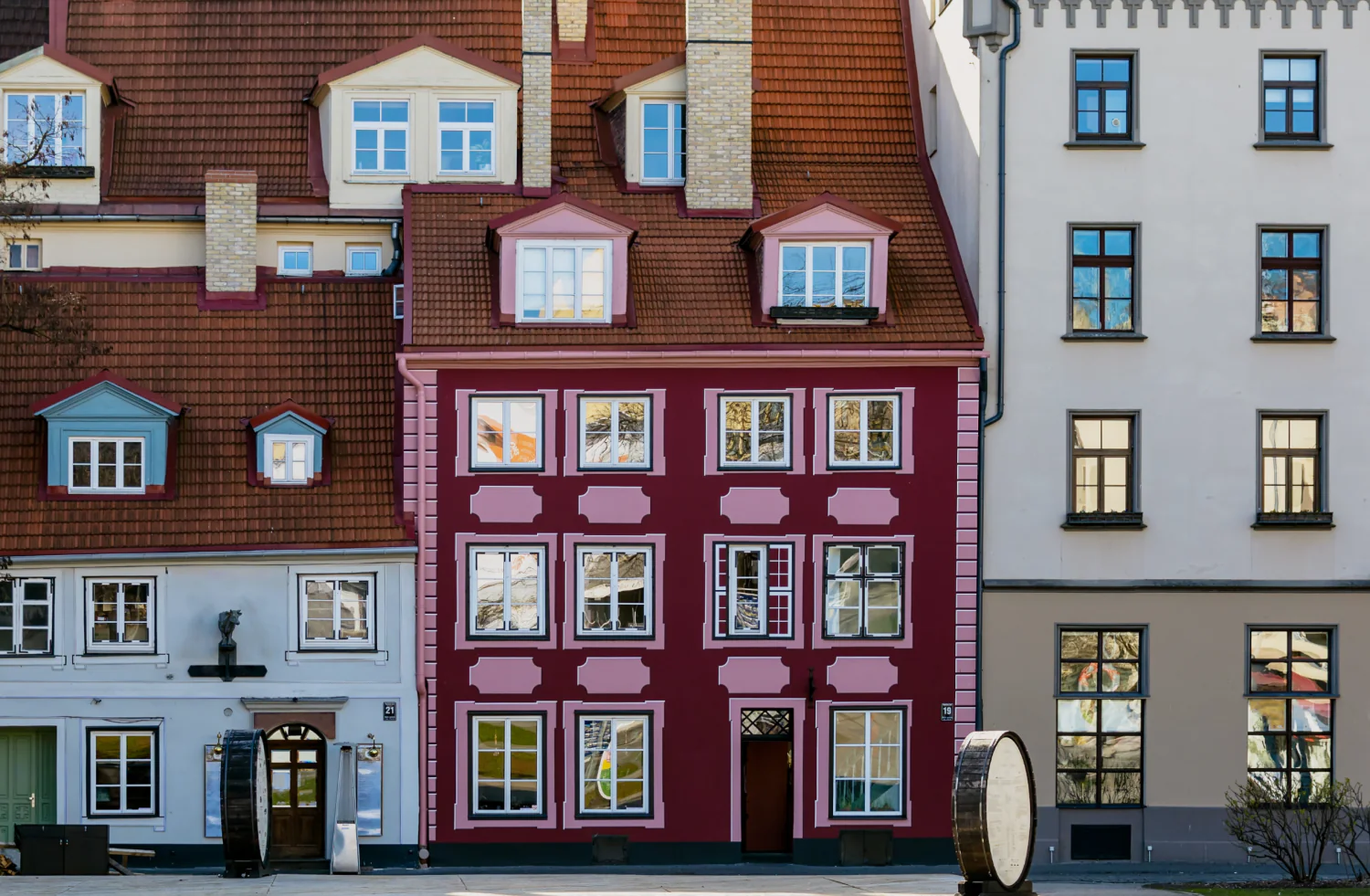
In Old Riga, on Meistaru Street 19–23, houses built in the 17th–18th centuries have been preserved (a major restoration was carried out in 1989). What stands out here is an expressive cascade of tiled roofs with mansards and chimneys, clearly visible from Līvu Laukums.
A synthesis of old and new
wikipedia.org
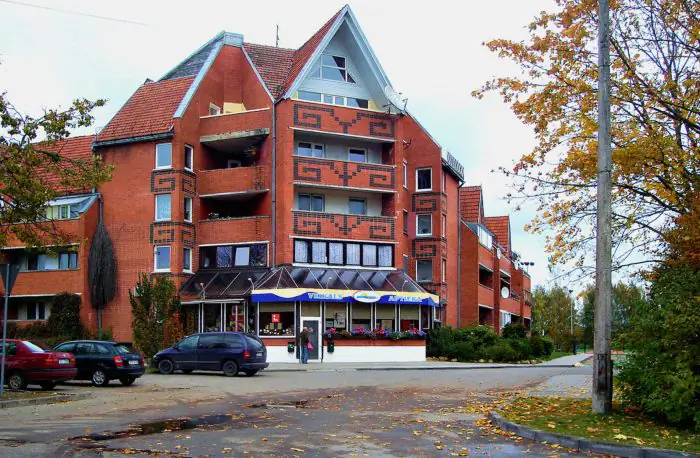
A fine example of the synthesis of architectural styles in a postmodern style is the residential housing in the settlement of Jaunmārupe. These buildings were designed by architects Ausma Skujiņa and Anita Marinska in the early 1980s. They were based on the standard housing series No. 103, enriched with interesting wall reliefs, windows of various shapes, ornamental motifs, and—most importantly—a complexly organized roofscape reminiscent of the pattern of roofs in an old town.
A cultural feature of Latvia is its open-air concert stages. They are distinguished by artistic diversity and acoustic qualities. We previously wrote in more detail about this architectural phenomenon here. In the context of the current theme of the “fifth façade,” we would especially like to highlight the Vējturu nams concert hall in Jūrkalne. Its cylindrical form is divided into several functional sectors: a stepped cascade where one can simply relax or perform choral songs; an upper observation deck; and a space beneath a wave-like wooden roof where people can shelter from bad weather—all arranged around a dead tree.
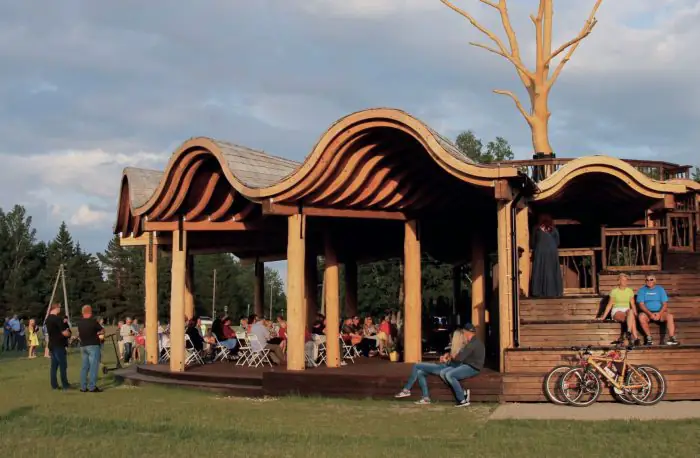
The first concepts of this unconventional concert hall were conceived by the artist and musician Igo as early as 2003. The contemporary project was realized only by the end of 2019.
Contemporary architectural solutions
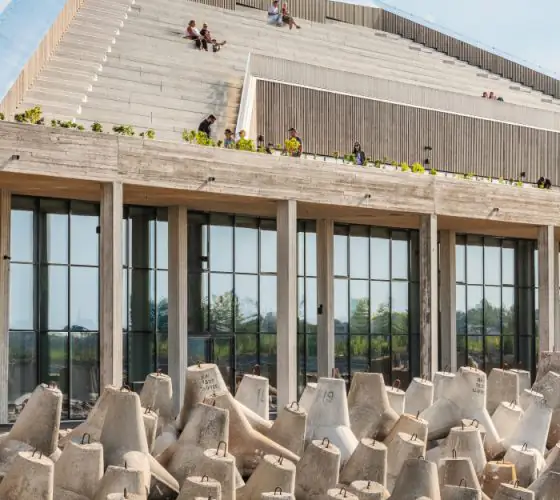
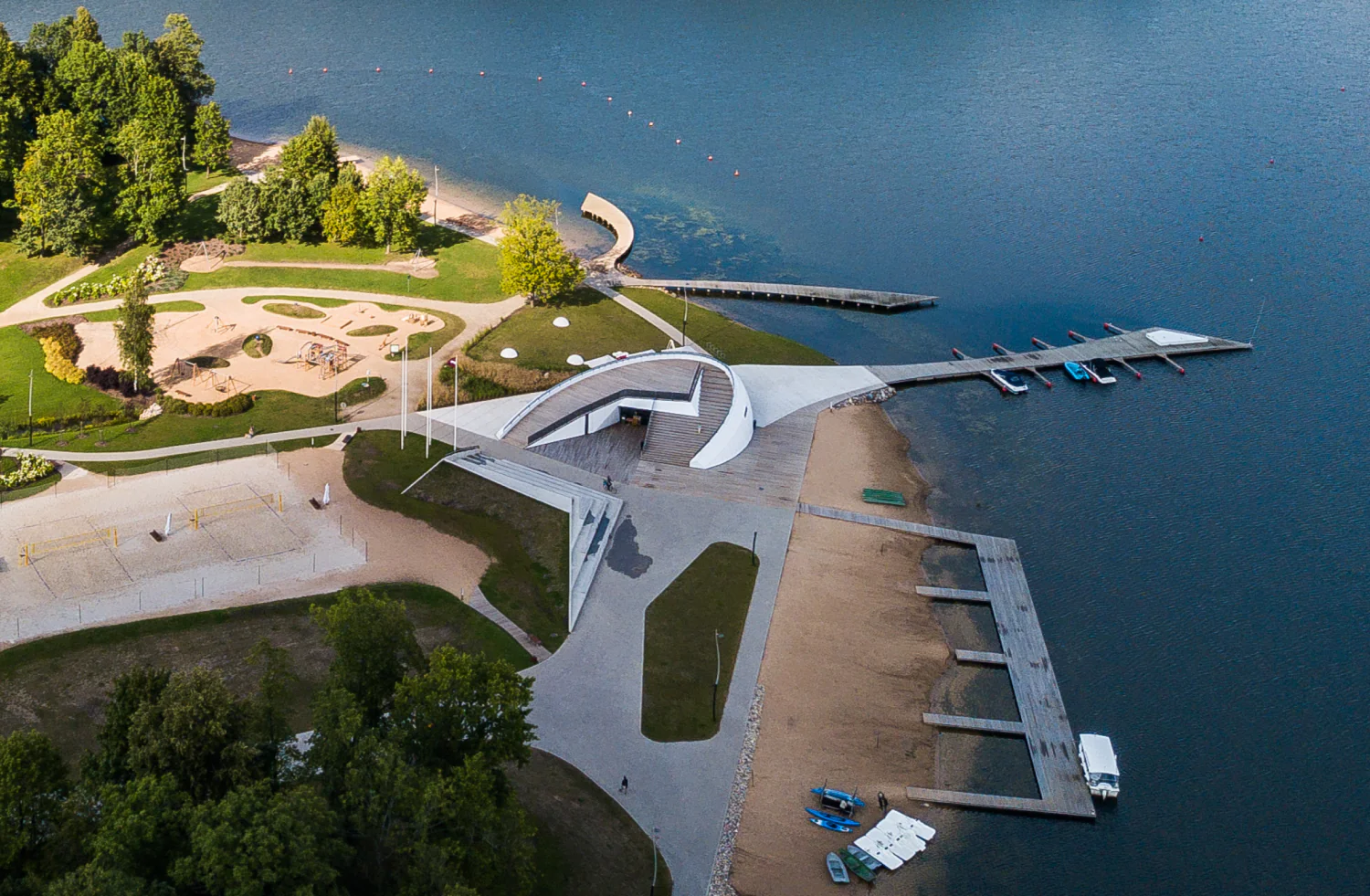
As part of the redevelopment of the beach on Castle Island (Pilssala) in the town of Alūksne, an expressive arc-shaped building was constructed, with a small amphitheater arranged on its roof. It houses a café and the environmental organization ALJA. The building’s style reveals artistic motifs of the Space Age (the period of space exploration that began in 1957 and influenced many areas of culture).
stock.adobe.com
The project was implemented in 2016–2018 based on designs by the Latvian architectural bureau Nams, whose portfolio includes the Riga Port Authority building in Kronvalda Park and the laboratory building of Daugavpils University. More about the architecture of Alūksne can be read in our previous article.
wikipedia.org
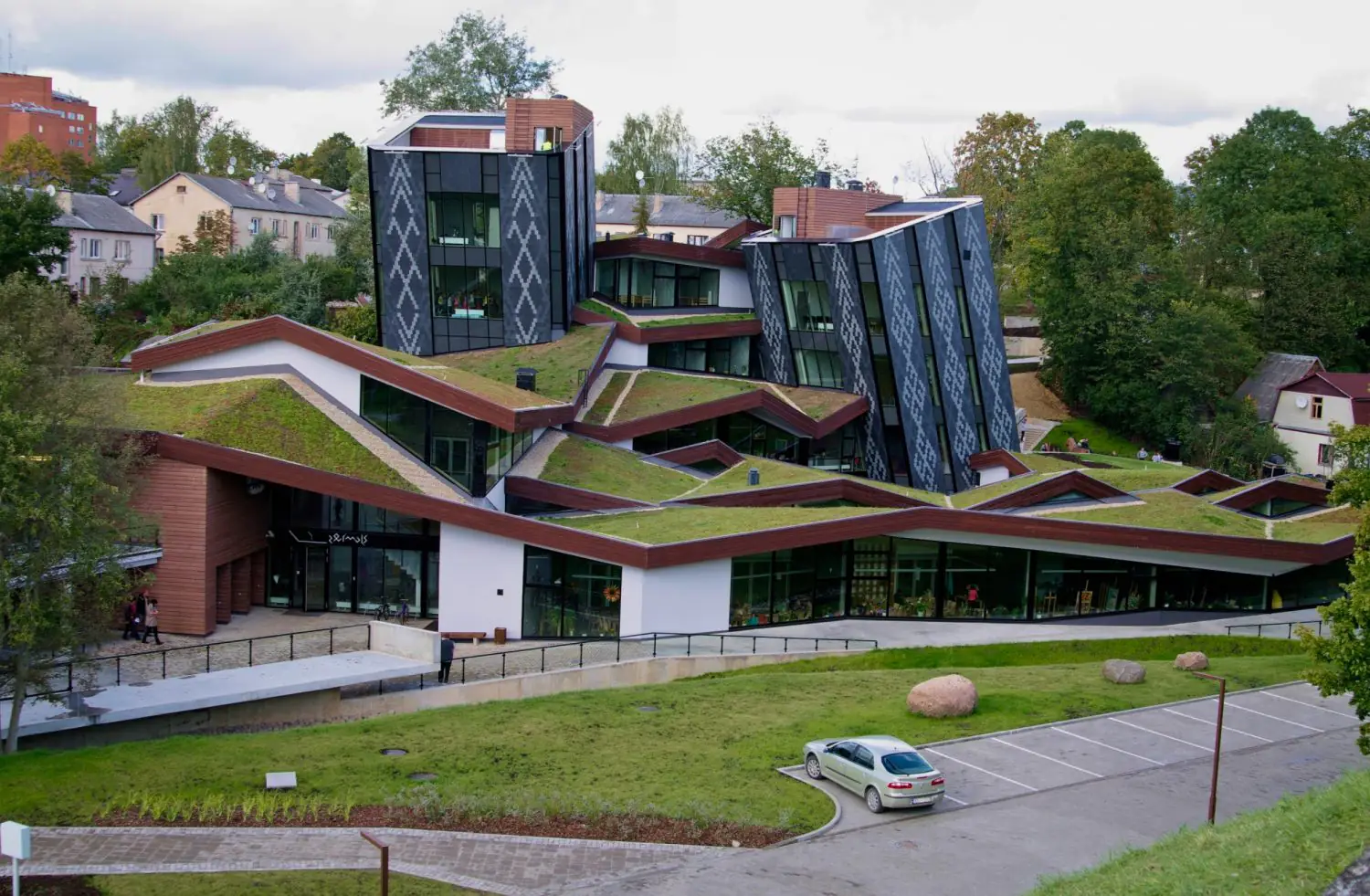
One of the most expressive roofs in Latvia is located in the city of Rēzekne. In 2012, the Eastern Latvia’s centre of creative services Zeimuļs was built there—the name translates from the locally widespread Latgalian language as “Pencil”. The roof of this building consists of many segments set at different angles and levels. The total roof area reaches 3,000 m².
The project began to be developed at the SAALS architectural bureau in as early as 2006, but was realized only six years later—the global economic crisis had a strong impact on contemporary architecture.
This is one of those rare cases when an original roof can be seen not only from a bird’s-eye view but also from the ground—just a few meters from the creative center there is an elevation with castle ruins. This hill is relatively low, but it offers an excellent view of the city and neighboring buildings.
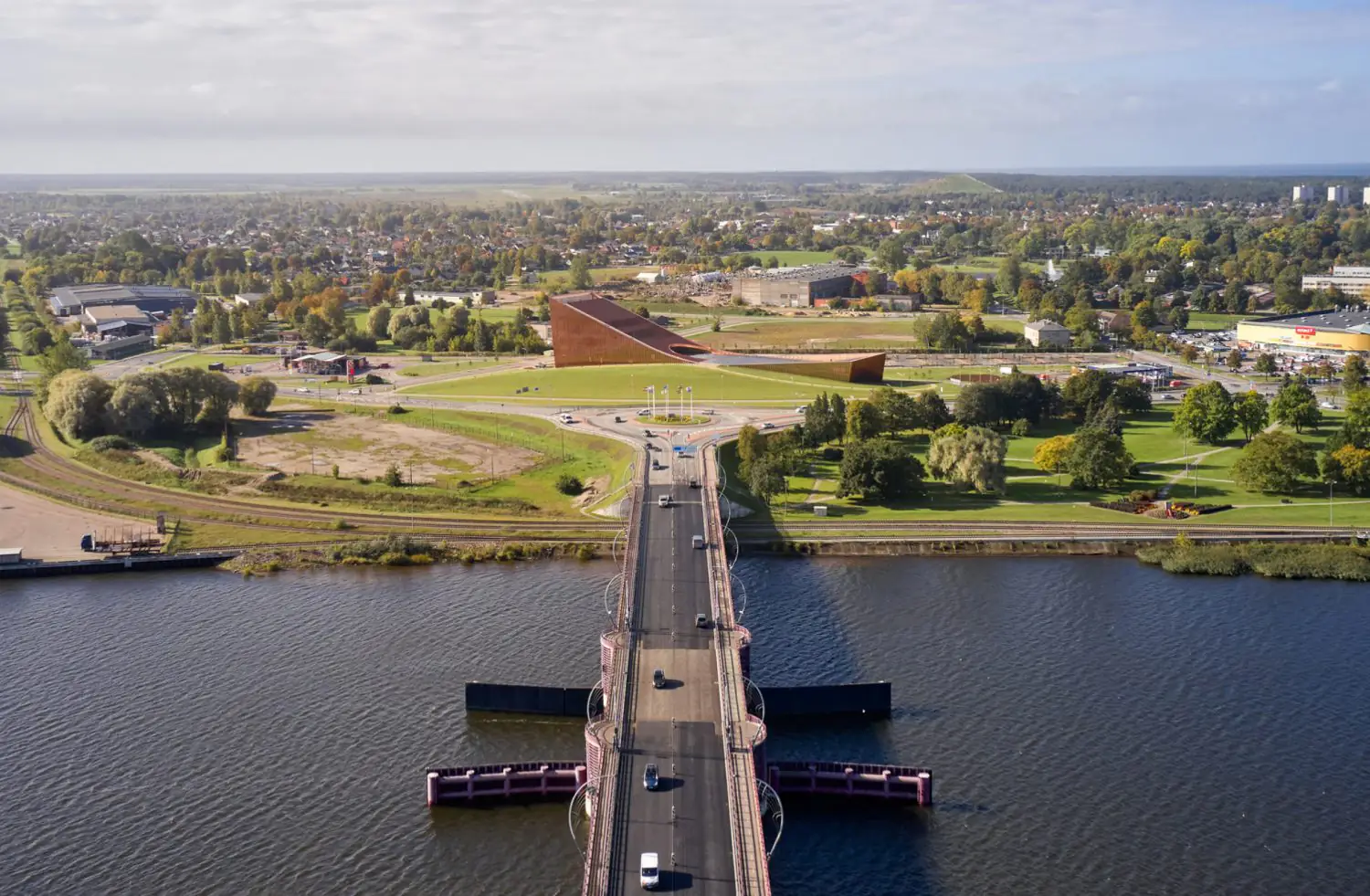
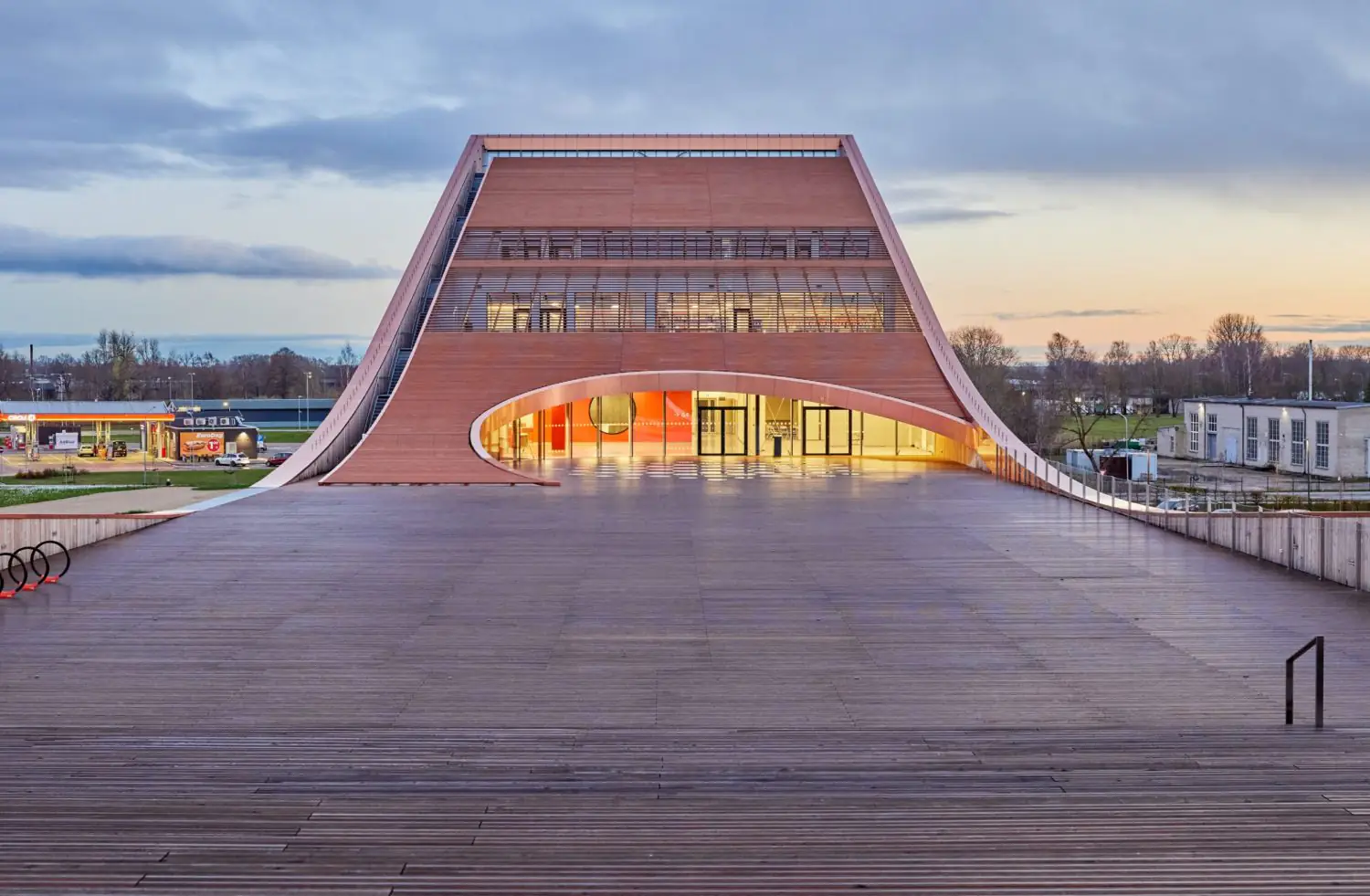
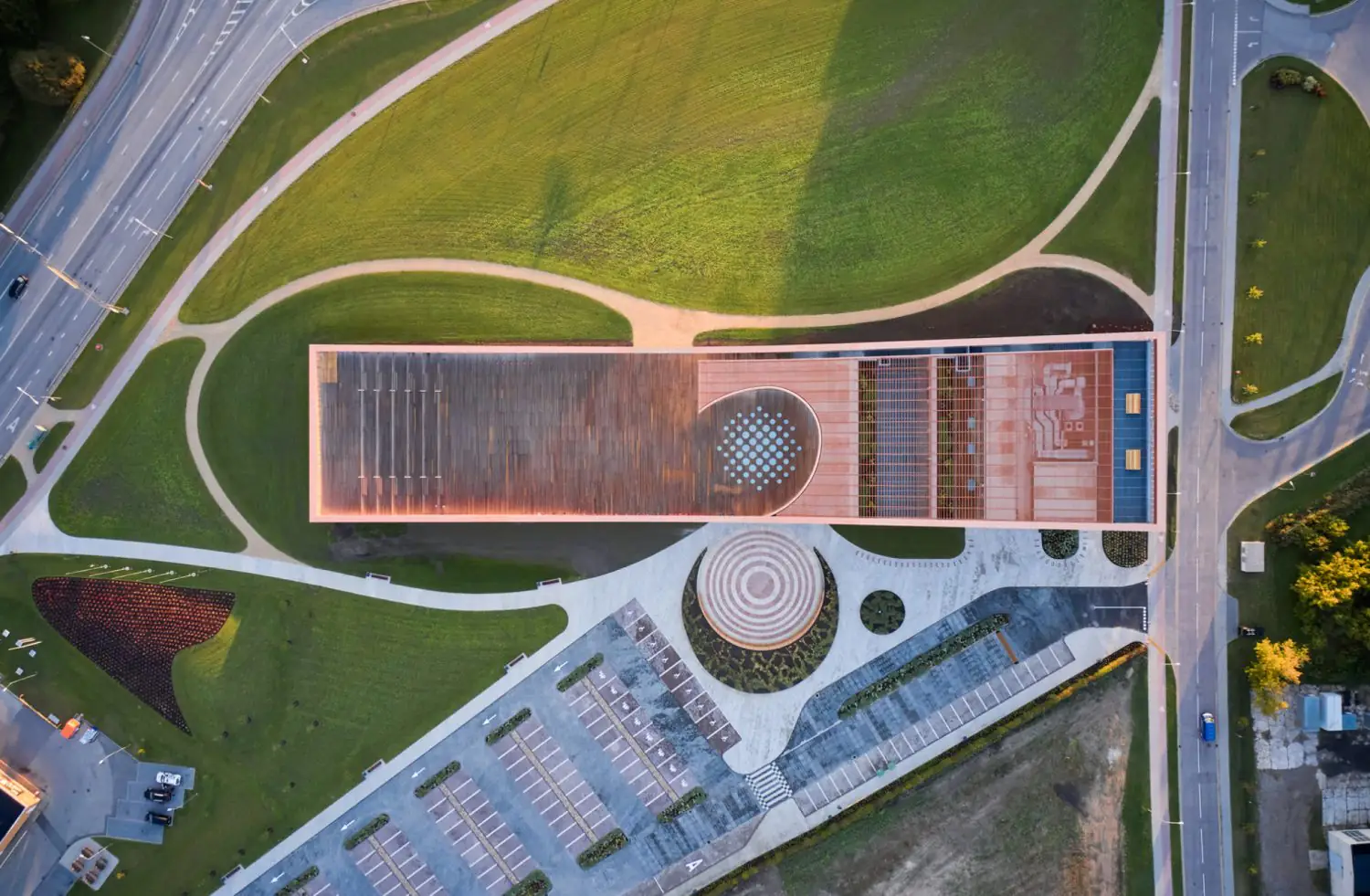
In 2022, the VIZIUM Science Center opened in the city of Ventspils. For a city with a population of 33,000, this project can truly be called grand—the building area is 6,653 m². A small amphitheater is located on part of its roof. The architectural concept was developed by the Lithuanian bureau Audrius Ambrasas Architects.
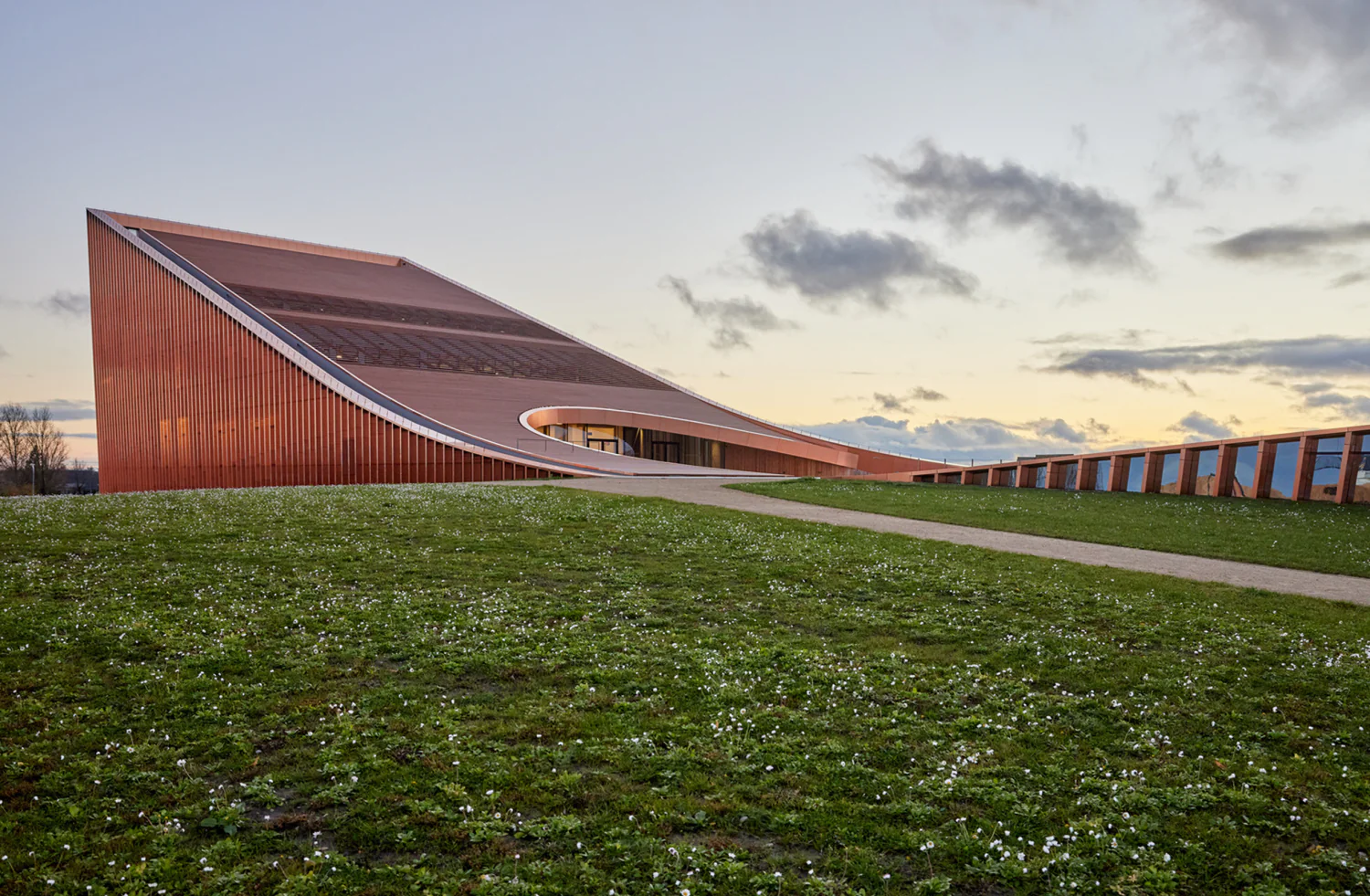
VIZIUM, Rēzekne
archdaily.com
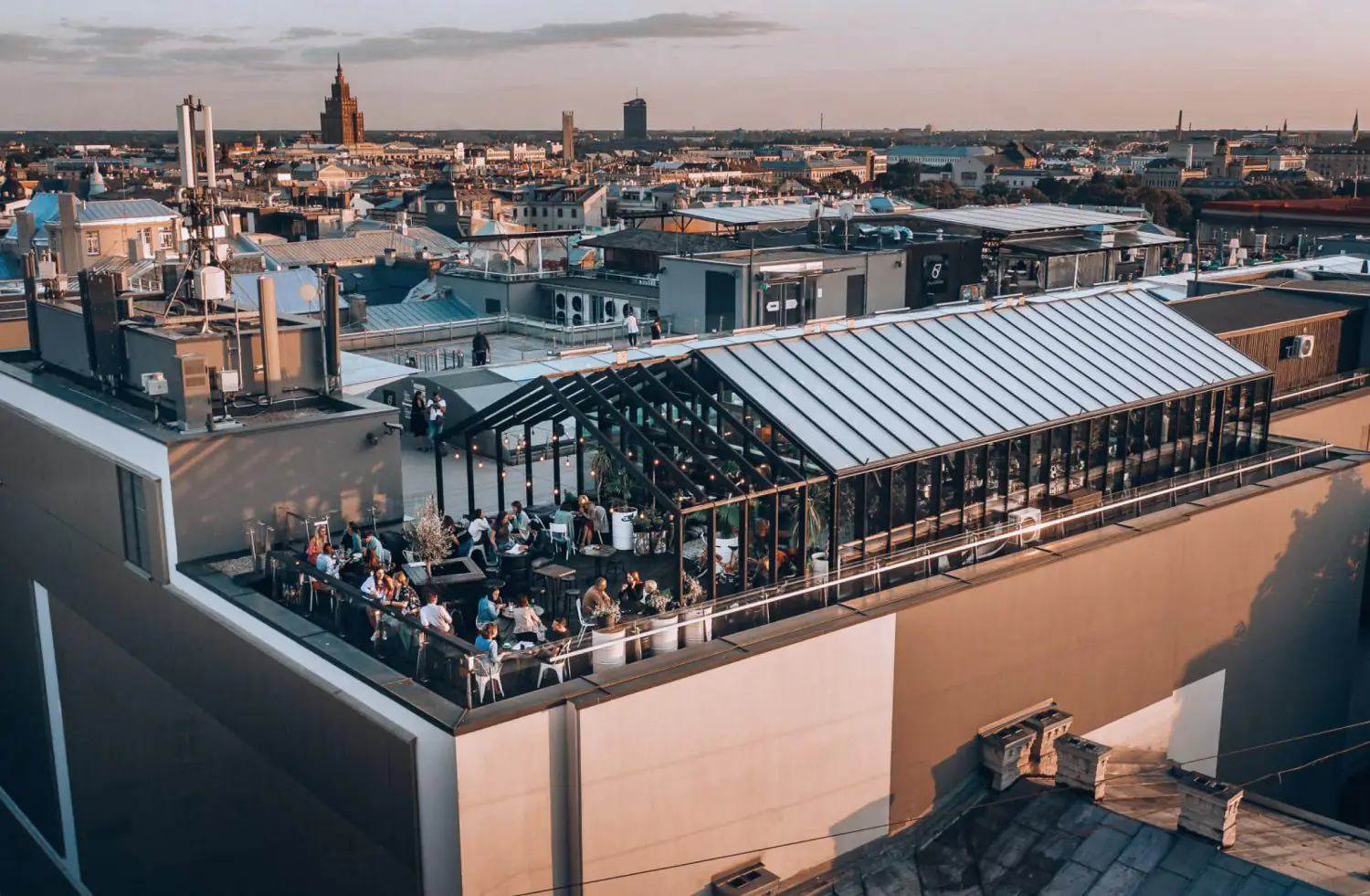
One of the few publicly accessible roofs in Riga is located at the Galleria Riga shopping center on Dzirnavu Street 67. At present it looks rather sad—temporary fences and a restaurant building block the city panoramas. However, reconstruction is planned to begin in spring 2026. As a result, it should become the highest public space in Riga. The terrace will be free to access for visitors year-roun.
galleriariga.lv