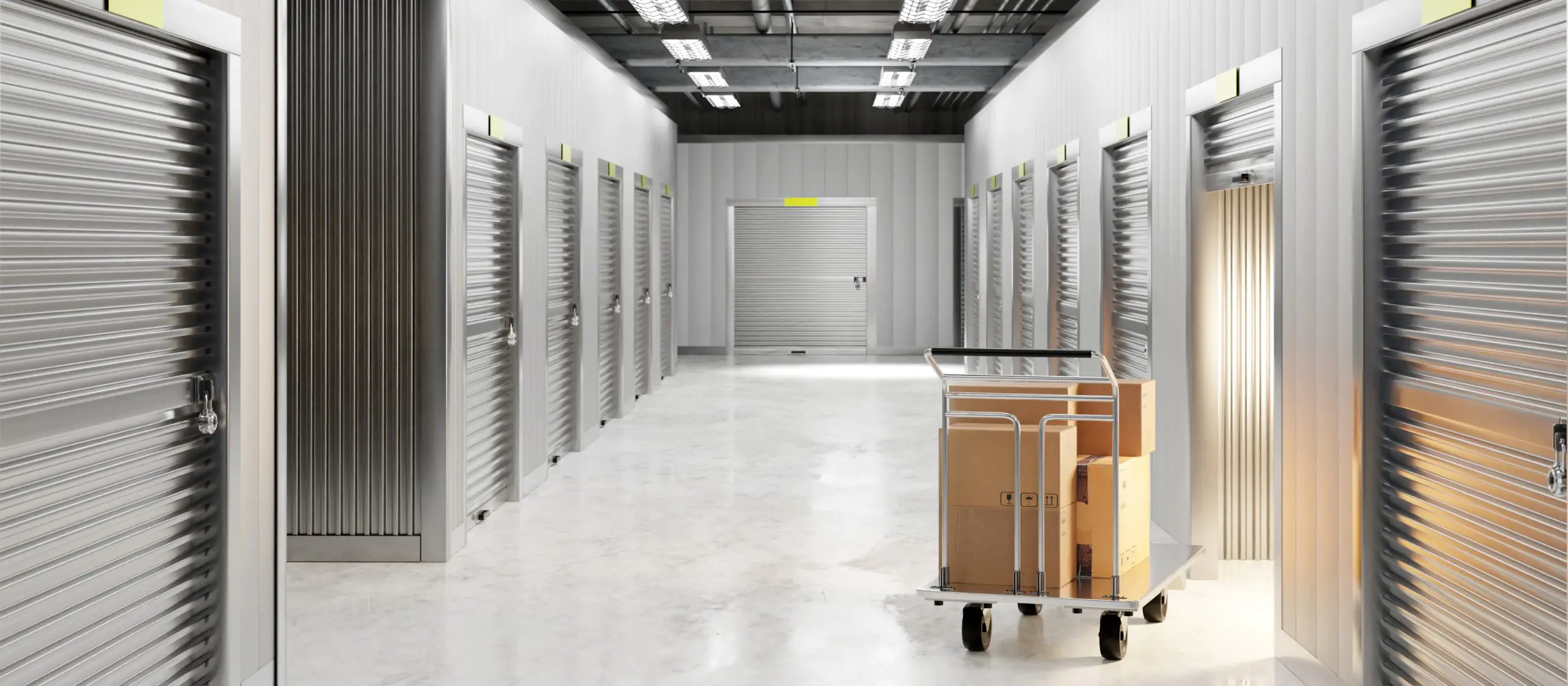
Self-storage (individual storage facility) is a service through which individuals or businesses rent small units to store their belongings. These may consist of units, storage lockers, or containers of varying sizes. Put simply, items that were once kept in garages, basements, or on balconies can now be housed in a dedicated space that is easily rented whenever home or office space becomes constrained.
How individual storage became a part of urban life
While various forms of collective storage have existed for a long time, the modern self-storage format took shape in the USA during the 1950s and 1960s, emerging as a response to the growing demand for off-site storage: apartments were becoming smaller, and people moved frequently in search of work and a better life. Personal storage facilities arrived in Europe in the early 1980s and eventually evolved into a standalone industry with thousands of facilities across the continent.
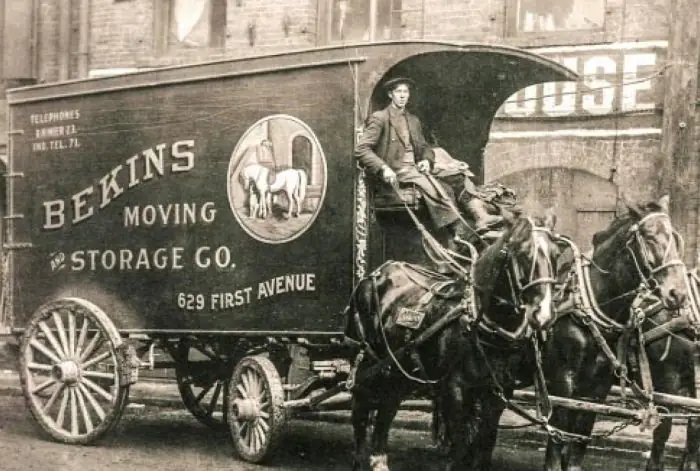
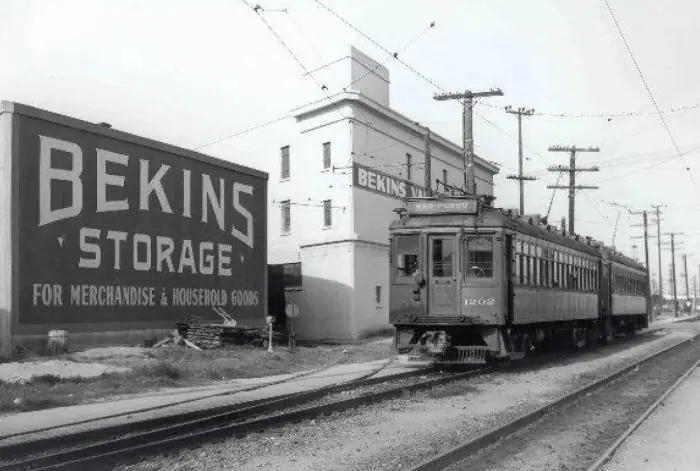
In Latvia, individual storage services appeared relatively recently by global standards: one of the first major operators, BOX STORAGE, began operations in 2006, offering storage units for rent to individuals and companies. The format quickly took hold; however, the organization acknowledges that in Riga, and the Baltic states as a whole, this market is still in its developmental stage. “Against the backdrop of Western Europe and Scandinavia, the supply per resident remains relatively small. Therefore, we have to inform the public and educate them on the fact that such a product exists and what problems and needs it is capable of addressing,” says Pēteris Guļans, Chairman of the Board at BOX STORAGE.
Mobility and “Hyper-consumption”
Professor of Social Geography at the University of Oxford, Danny Dorling, asserts that we now possess “six times more things than the previous generation.” Clothing, furniture, electronics, and various trinkets must be squeezed into small dwellings, the cost of which rises annually. Compounding this is the dwindling number of homes with basements—which are increasingly being replaced by underground parking. The millennial generation plays a distinct role: many of them postpone purchasing their own homes, rent apartments more frequently, and are in no rush to take on long-term mortgage obligations. As a result, a large demographic is emerging whose belongings are in a state of “limbo”—between rental apartments, relocations, and the anticipation of greater financial stability. In these circumstances, storage facilities become a temporary, yet often quite long-term, solution.
SAFE BOX notes that while their clients are primarily private individuals, businesses are increasingly joining their ranks. “The reasons for using storage vary widely: from the desire to declutter the home to renovations, moving, receiving an inheritance, or selling real estate,” says a company representative. For legal entities, such facilities often serve as a flexible micro-warehouse—for instance, to store inventory, archives, equipment, and tools—to which employees can gain access via a mobile app. The average storage period ranges from two months to a year, and sometimes longer.
The growth of small businesses, particularly e-commerce via marketplaces, has also played a crucial role. For these sellers, self-storage units have become a convenient alternative to traditional commercial leasing—one can both store goods and fulfill orders within the same space. Most importantly, there are no long-term contracts or intermediaries, and the square footage can be easily scaled up or down as needed.
How Self-Storage is Transforming the Urban Environment
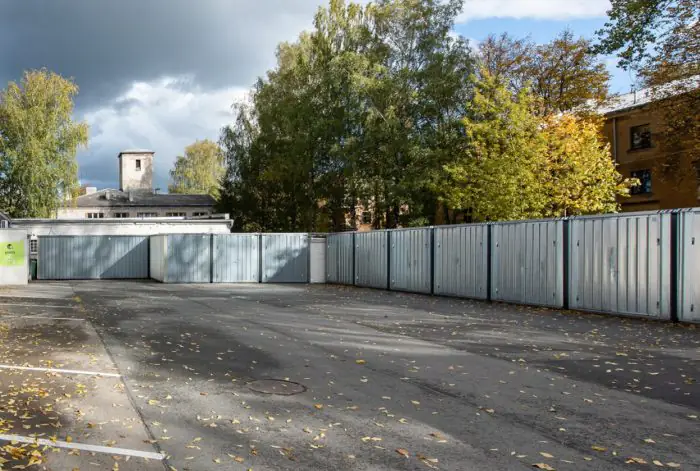
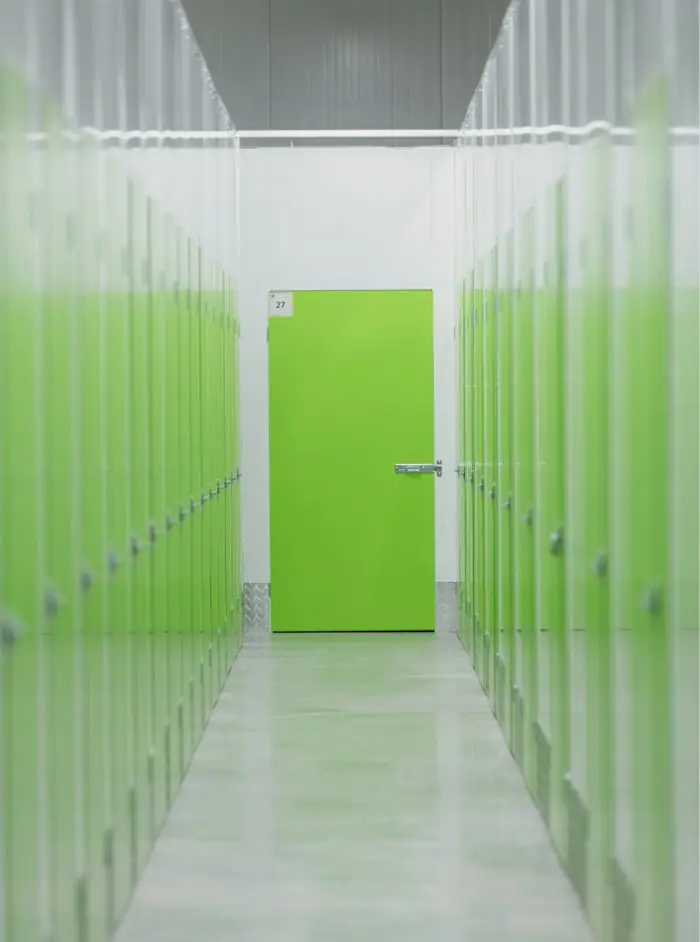
Self-storage is a relatively new building typology within the city, and a highly specific one at that. Consider the facts: these facilities produce nothing, sell nothing, and offer no entertainment; they create few jobs and generate modest tax yields. This form of architecture serves almost no public function, yet it occupies prime real estate. Furthermore, while they were initially located primarily on the periphery or within former industrial zones, they have gradually migrated toward city centers. Consequently, in many American and European cities, the proliferation of self-storage has been met with wariness from local authorities, who find it more advantageous to preserve land for residential or commercial use. Additionally, storage facilities often feature unappealing designs that mar the streetscape and fail to foster a vibrant urban realm. In response, some cities have begun implementing specific zoning requirements and aesthetic standards.
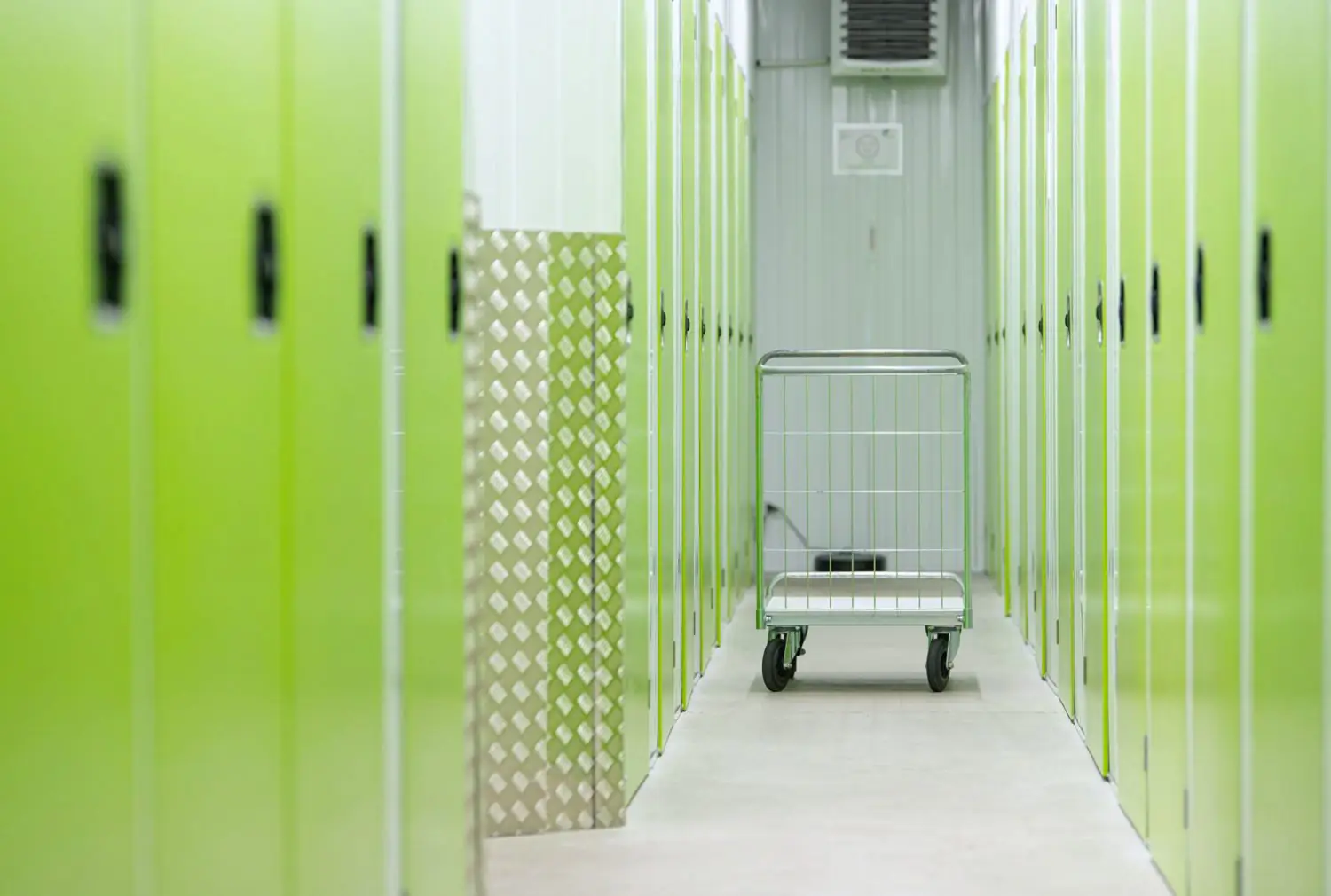
“From the perspective of Latvian legislation, personal storage is a relatively new phenomenon, and by default, these facilities are usually classified as industrial warehouses—a classification that creates certain obstacles,” industry representatives at SAFE BOX acknowledge.
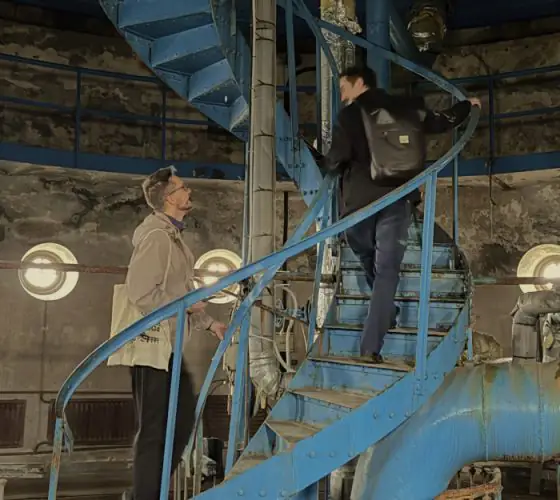
On the other hand, personal storage facilities can also have a positive impact on a city’s appearance. Such projects are rarely built from the ground up; more often, they involve the adaptive reuse of existing structures, some of which have stood vacant for years. For instance, one prominent player in this market breathed new life into the former Go Planet entertainment center building in Riga, investing 6 million euros into the project. Today, it stands as one of the largest self-storage facilities in the Baltic region.
Symptom or Inevitability?
Urban storage can be viewed in various ways. From an investor’s perspective, it is a near-perfect product. From a user’s perspective, it is a response to reality. From the city’s perspective, it represents a contentious use of land and offers a near-zero contribution to the creation of public space. However, all three parties must acknowledge that urban storage facilities have become a vital component of urban infrastructure, making the daily lives of their users significantly more convenient. This is not merely a secondary service, but a mirror of the modern city—one in which space has become a scarcity and transience has become the norm.