Five years after the relaunch, where is Dzintars today?
When the new owners took over around five years ago, we basically had to restart the business. There had been a long period when the company wasn’t operating as it had before, so we had to rebuild the assortment and many parts of the business.
At the same time, we had this very strong brand with more than 70 years of history. So there were already very high expectations and a lot of memories connected to Dzintars.

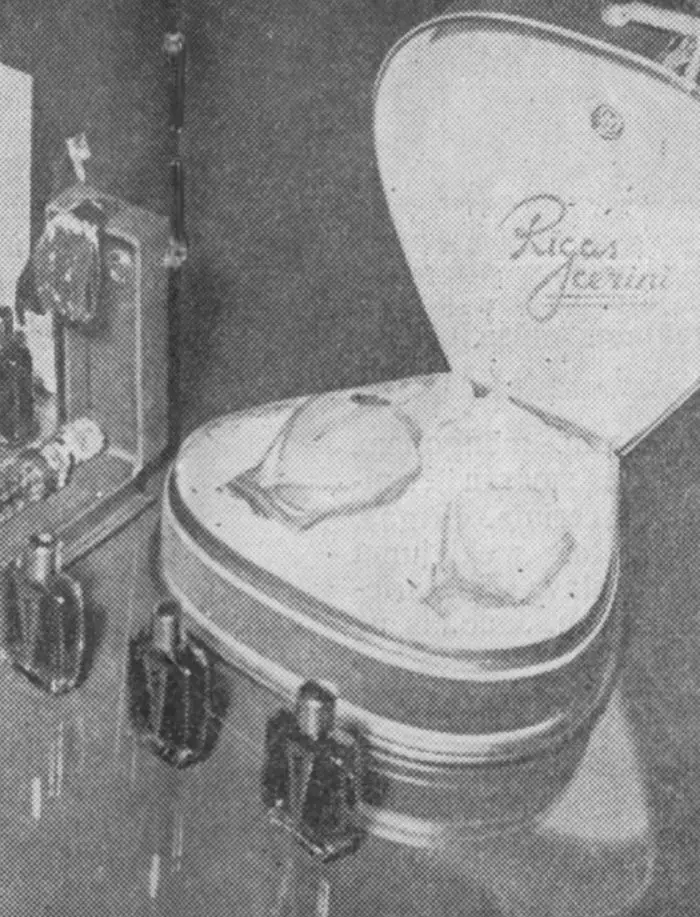
For us, quality is still at the heart of everything. We want to keep the things people valued about Dzintars, while also improving the products as technology, ingredients and production methods evolve.
When we restarted the brand, the ambition was quite big. But, of course, first we need to keep growing, strengthen our position in Latvia and continue building the business internationally.
The local market is very important to us. When you’re a Latvian brand, people at home are the first ones to look at what you’re doing and how you’re developing.
I think we’ve made a good start, but we’re still building. There is still a lot to do.
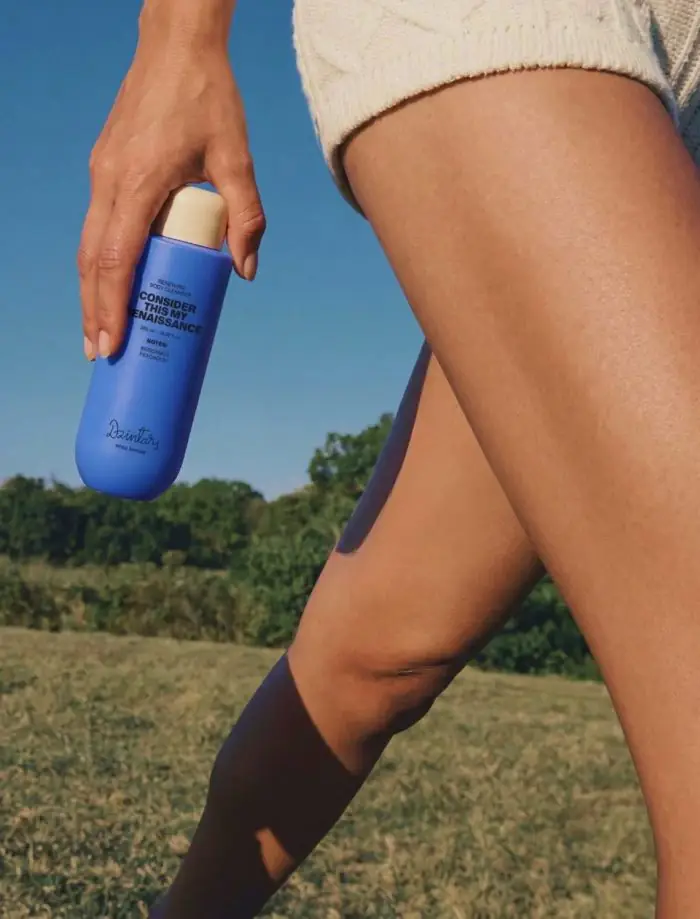
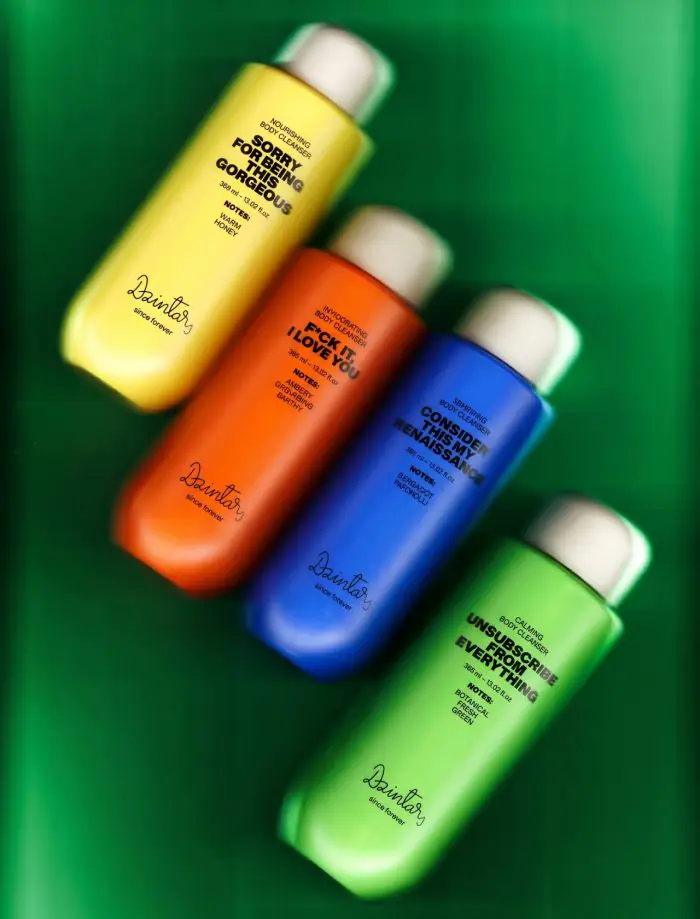
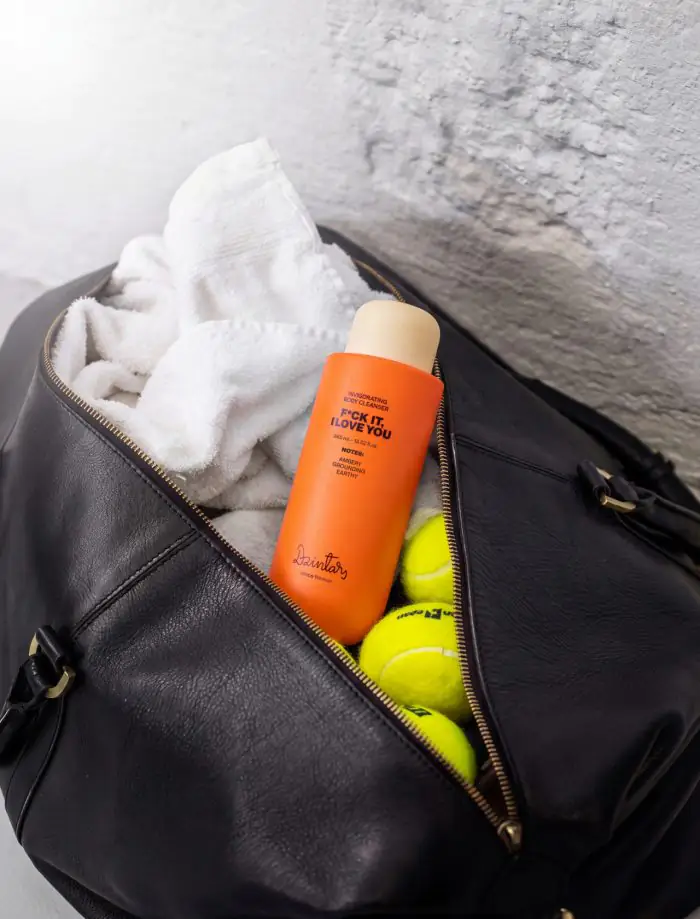
The new direction feels very different from the Dzintars many people remember. The new Dear Body line, with its colourful packaging and bold names like “Fck it, I love you” or “Sorry for being this gorgeous”, is a long way from the brand’s traditional image. Was that a conscious risk?
Every day is a risk. We knew that not everyone would like it. Some people will love it, some people won’t. And that’s completely fine.
The worst thing is when people are indifferent to what you do. If they don’t notice you at all, you just disappear among all the other brands.
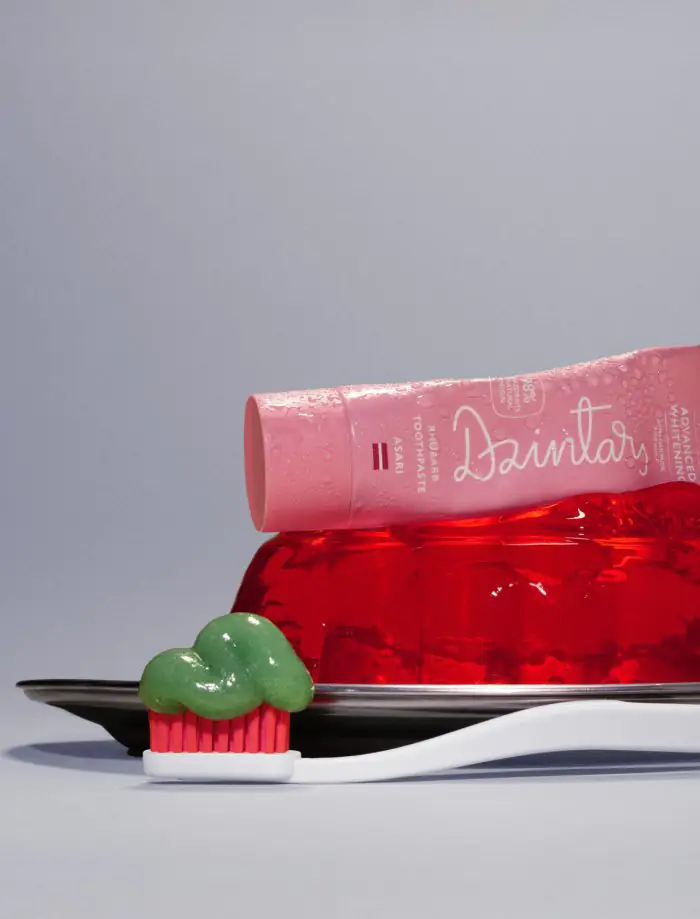
So yes, with Dear Body and some of the other new products, we wanted to be bolder. We wanted to try something that perhaps people wouldn’t expect from Dzintars.
There will be haters. There will be lovers. That’s great. At least they saw you.
We also have to remember that we are trying to speak to people who may have never used Dzintars before. If you want to reach a younger audience, you can’t always communicate in the same way you did 20 or 30 years ago.
For us, it’s about trying things, seeing how people react and learning from it. We don’t have to get everything right the first time.
But then it almost feels as if the Dzintars people remember and this new, much brighter version of the brand are two different people. So if Dzintars were a person today, who would it be?
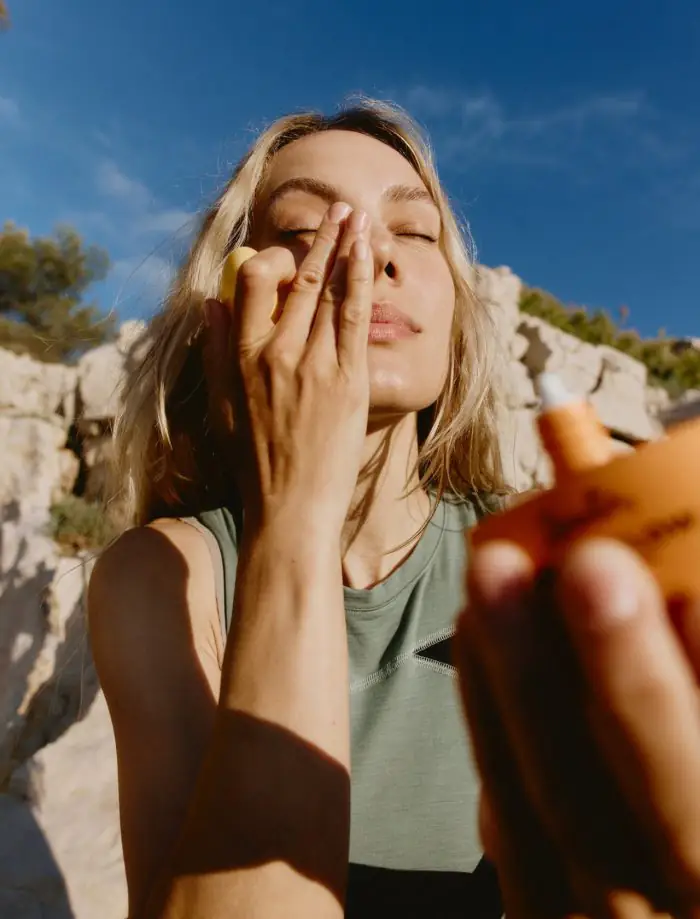
That’s actually something we’ve discussed ourselves. And I think the answer is that Dzintars would be many different people.
We don’t want to define one very specific persona and say: this is our customer. If you wake up at five in the morning and do yoga, you’re a Dzintars person. If you wake up at one in the afternoon, drink coffee and work from home, you’re also a Dzintars person.
We want people to feel that there is a place for them in the brand.
In marketing, people often say that if you’re trying to speak to everyone, you’re speaking to no one. But we don’t completely agree with that. We believe there can be a brand that’s meant for everyone.
We are not defining what beauty is. For us, it’s more about creating a feeling that people can connect with. Different people have different lifestyles, but they can still find something in the brand that feels relevant to them.
You often use the word “wellness” when talking about Dzintars. What does it mean to you?
Wellness is much broader than fitness or beauty. It can be physical, but it can also be mental. It can be going to the gym, doing yoga, going for a walk, reading a book, sleeping more, spending time with friends or simply taking care of yourself.
We don’t want to tell people how they should live. Everyone has their own way of feeling good. And this is also the principle we use when choosing companies and people to collaborate with. We look for partners who share this broader understanding of wellbeing.
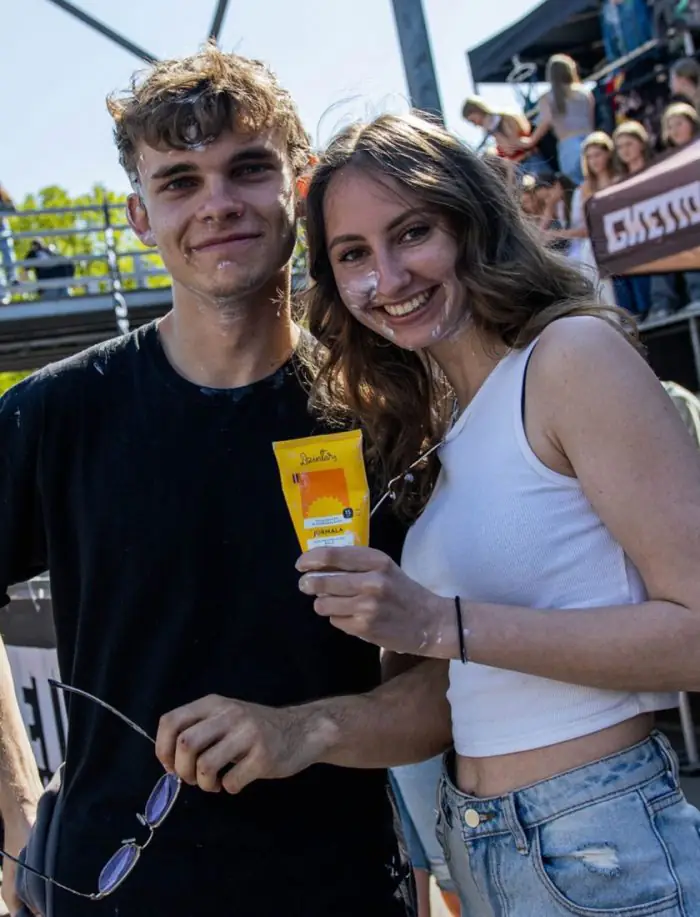
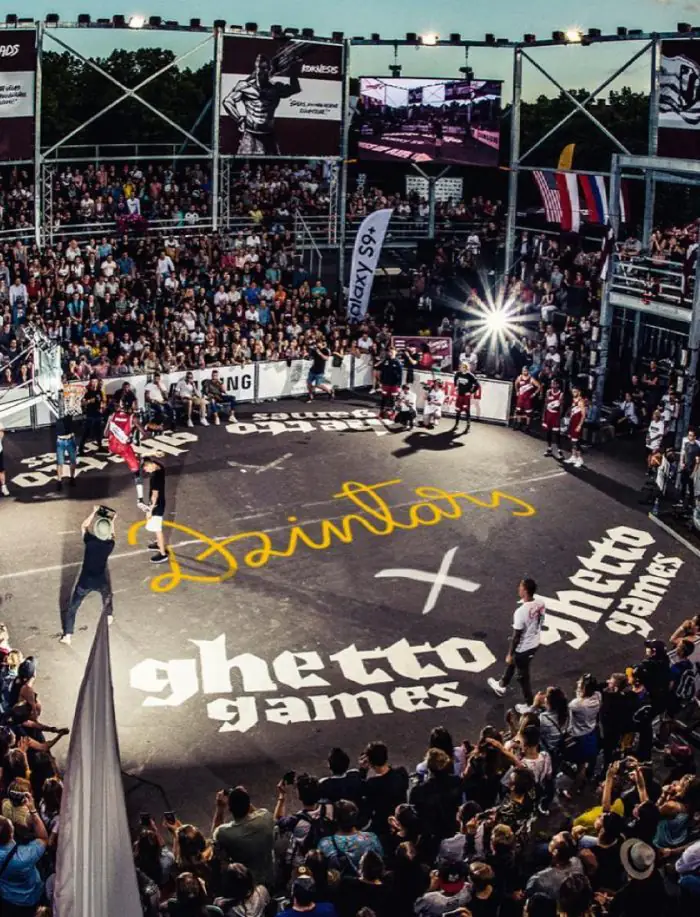
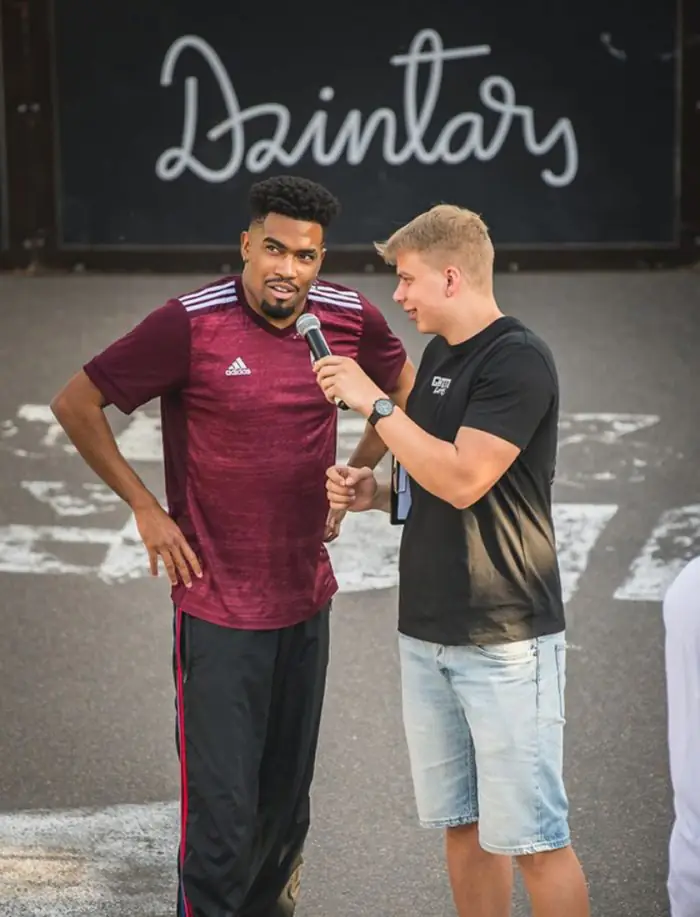
For example, Ghetto Games is a Latvian street sports and lifestyle organisation. Working with them allows us to talk about movement, energy and wellbeing in a completely different way than a traditional beauty brand might.
I think our main job is to find these connections. We are building bridges.
We want to bring more joy into what we do. Again, we don’t want to teach people how to live. We want to create products, communication and collaborations that make people feel something.
And at the same time, Dzintars has such a strong heritage. How do you work with it without becoming trapped in nostalgia?
We like to highlight our heritage. We don’t want to drag it along anymore. When we relaunched the brand in 2021, heritage was very important. It was one of the main things we could talk about because people already knew the name and had memories connected to it.
But now we understand that we can’t continue doing only that. We should write our own story. But we have great basics.
And those basics are important. We have a lot of knowledge, experience and expertise behind the brand. We have our chemists, our formulations and our understanding of what makes a good product.
So we don’t want to forget the past. We just don’t want the past to be the only story we tell.

Can you give an example of something from the past that you would still bring forward?
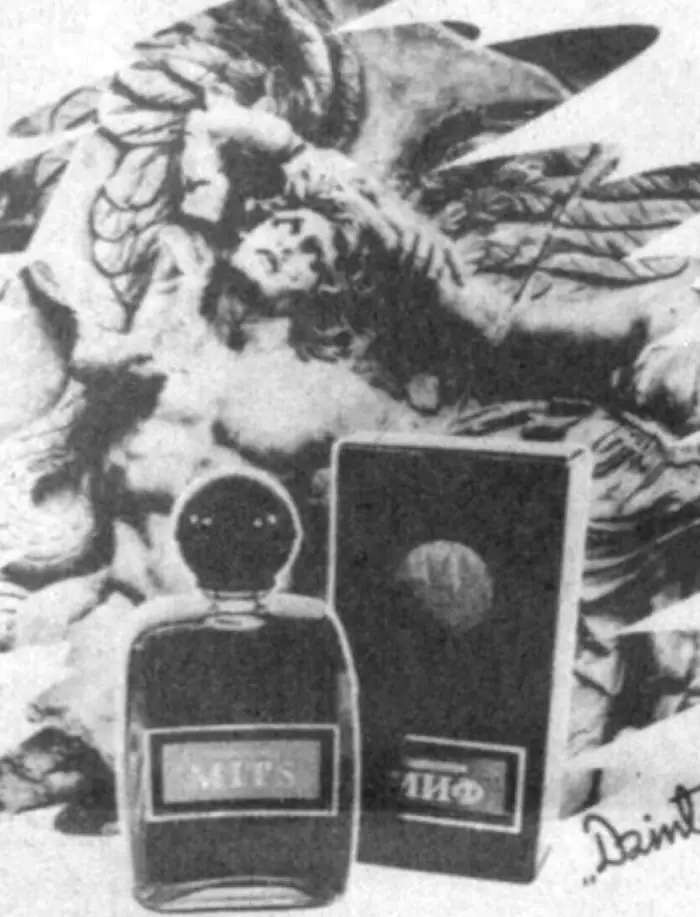
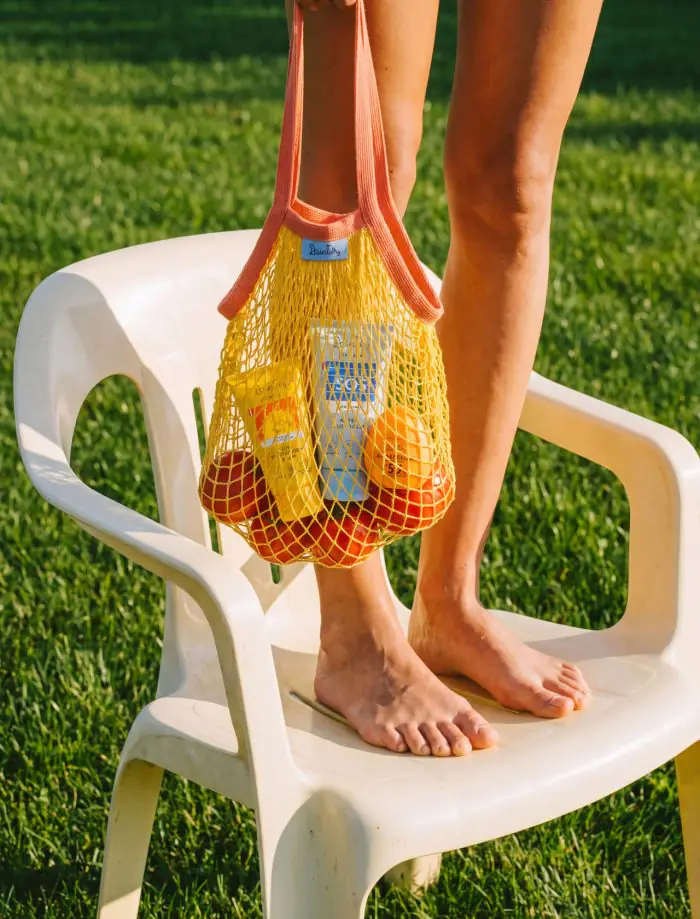
One good example is one of our oldest products, which was first launched in 1951. We are bringing it back in special packaging to celebrate its anniversary. The formula is still based on the original one, but of course some things have changed over the years. Certain ingredients are no longer available, and regulations have changed, so we have to adapt.
That’s actually a good example of how we see heritage. We can preserve something that was good and meaningful, but we also have to make it relevant and appropriate for today.
It’s not about recreating the past exactly as it was. It’s about understanding what made it special in the first place.
Dzintars is a Latvian brand, but around 70% of its production is now exported. What does Latvian identity mean when you’re building an international brand?
Our roots are from Latvia, but we are aiming for everyone.
The name Dzintars itself means amber, and amber is very connected to the Baltic Sea. We are a Baltic brand, and that’s something we are proud of.
Latvia also has a very strong connection with nature. We have four seasons, very different weather, forests, and the sea. I think all of this influences us more than we sometimes realise.
When we go to other markets, we can tell the story of a brand that comes from the Baltic Sea. But we don’t want to make the brand only about Latvia. We want people in other countries to find something of their own in it.
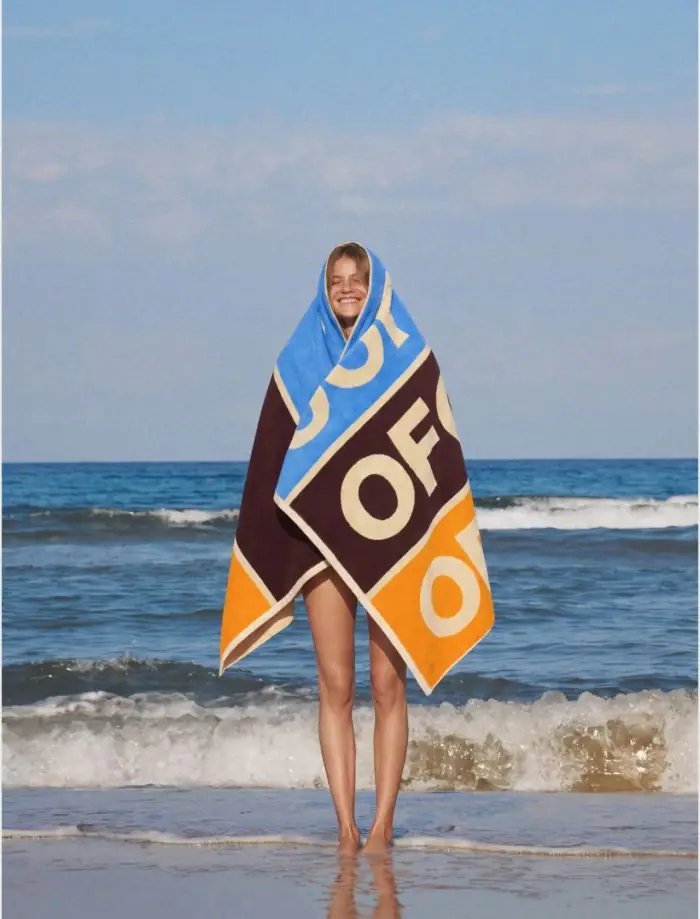
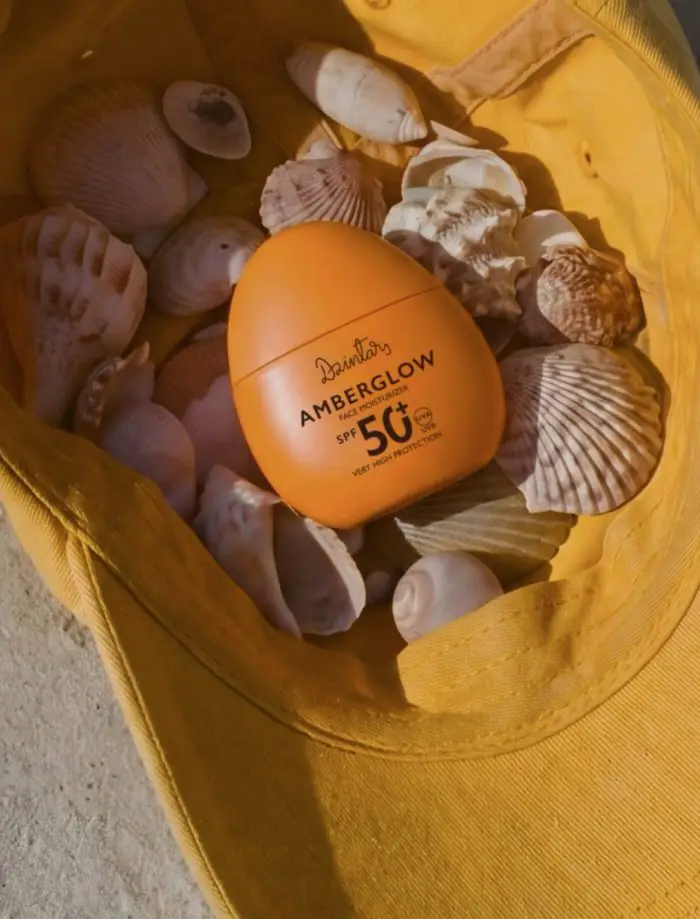
There is also something special about seeing a brand from a small country succeed internationally. When a small country does something significant and the world notices, you become more proud of where you come from.
Today we are working in markets including Poland, Turkey, Georgia, Uzbekistan and the United Arab Emirates. Poland has been a particularly important milestone for us. We are now in Rossmann, after many years of work to get there.
And we continue to learn from every market. Different countries have different expectations, different skin and hair needs, different climates and different consumer habits. As we expand, all of this becomes part of how we develop the products.
You are also working with new product categories. How much of that development is about attracting people who don’t have a previous connection with Dzintars?
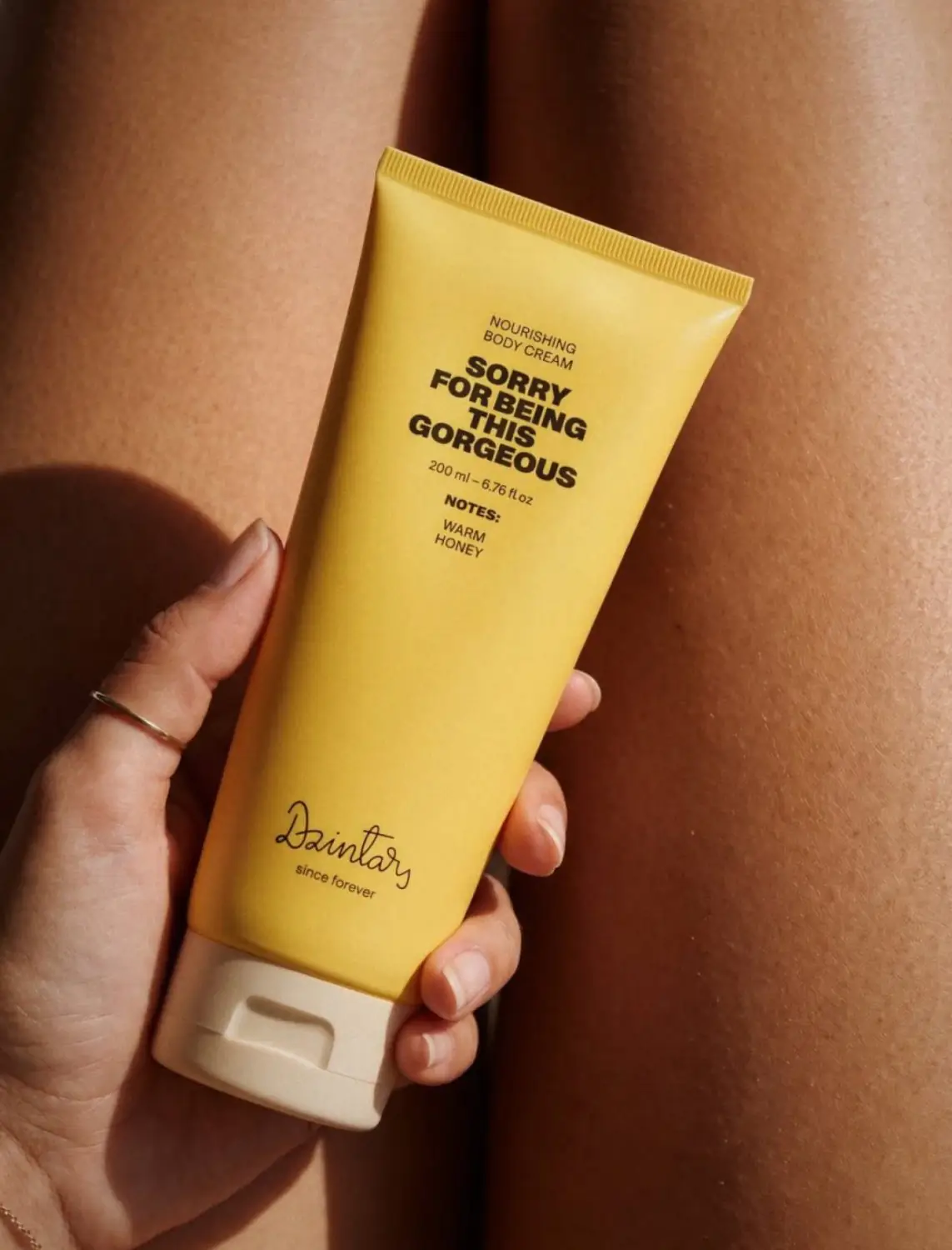
It’s very important. We have people who grew up with Dzintars and already have an emotional connection to the brand. But there are also people who only know it as something that was on their grandmother’s or mother’s shelf.
We want both groups to be curious. Dear Body was an important step for us because it showed that we can speak in a different way and still be Dzintars. And this is only the beginning of what comes next.
We’re continuing to develop the line, including new skincare products, and we’re also looking at other categories. There are new deodorants in development, candles, and we’re taking our first steps back into decorative cosmetics.
Makeup is particularly interesting because Dzintars has such a strong history in that category. For example, we’re working on something special for the holiday season.
The important thing is that we’re not trying to launch something just because it’s a new category. We want to understand what makes sense for the brand and how we can approach it in our own way.
What makes it possible for the company to experiment and move so quickly?
We are still a relatively small team—around 70 people—which is probably fewer than many people would imagine when they think about a brand like Dzintars.
That gives us a certain freedom. We can discuss an idea and start working on it quite quickly. We don’t have too many layers between an idea and the people who can actually make it happen.
Of course, there are also risks in working this way. Sometimes we change our minds. Sometimes we try something and realise it doesn’t work. But I think that’s part of building a brand today.
The world is changing very quickly, and the old rules don’t always apply to the new world.
We want to be able to play a little. To experiment. To try something, learn from it and move forward. Small teams do big things.
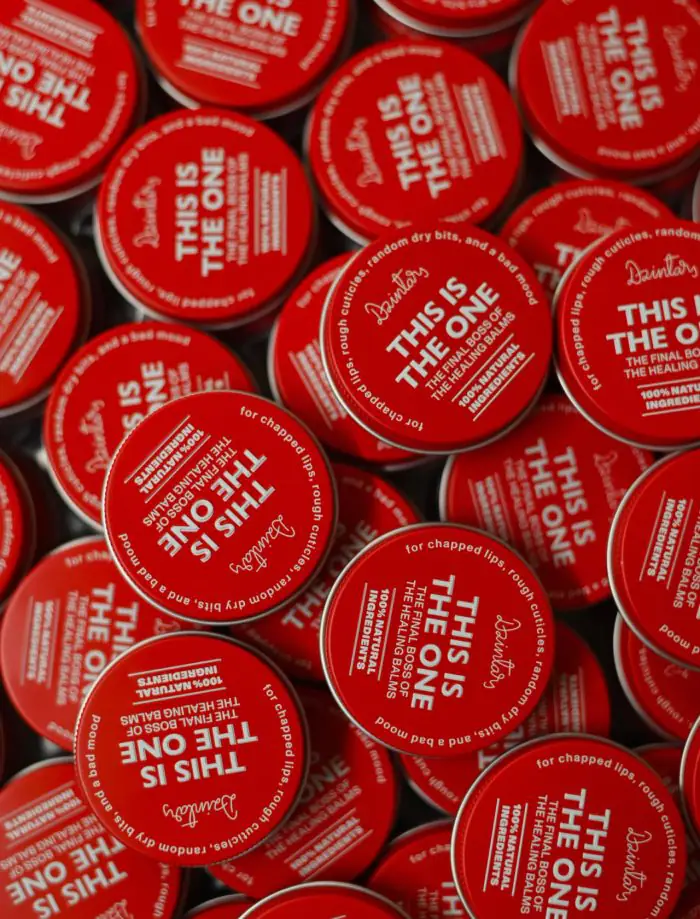
Does Dzintars feel like a finished brand today?
No, I don’t think so. We are still figuring things out. We’re still learning what people respond to and what the next version of the brand should look like.
You can’t polish it perfectly and then say, okay, now it’s finished. It will always evolve. And I think that’s the exciting part.
We have the history. We have the knowledge and the products that gave us a strong foundation. But now we have the opportunity to build something of our own.
We don’t want to bring back the nostalgic feeling just for the sake of nostalgia.
We want to bring forward the great things, the great memories—and then add something new to them.
That’s the story we’re writing now.