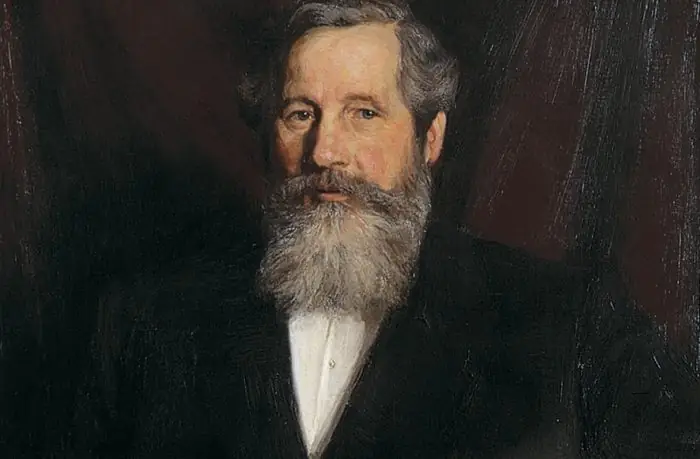
A new chapter began in 1992, when Kristaps Bergs’ descendants regained ownership of the family property. They could have sold the real estate in the very centre of Riga, but instead chose to restore the quarter created by their ancestor. Their aim was not to turn it into a historical replica, restore the original network of passageways and give the buildings new functions.
The reconstruction took years and gradually brought Berga Bazārs back into the life of the city. We explore how the quarter was revived, why some buildings were saved despite experts recommending their demolition, and how 19th-century architecture was combined with contemporary urban life.
From a Shopping Arcade to a Forgotten Quarter
Berga Bazārs was developed by entrepreneur Kristaps Bergs between 1887 and 1900, with a significant number of its buildings designed by architect Konstantīns Pēkšēns. The passageways connected several streets in central Riga. Shops and commercial premises occupied the ground floors, while apartments and offices were located above.
Under Pēkšēns’ direction, a unique ensemble of six large masonry buildings and several wooden structures was created, covering an entire city block. This architectural maze of pedestrian passageways, courtyards and shopping arcades became the first and largest multifunctional pedestrian complex of its kind in the Baltics. At its peak, the quarter was home to around 130 shops and businesses.
Kristaps Bergs was more than an entrepreneur. He also knew how to promote his project. From 1893 to 1907, he published Berga bazāra kalendārs (Berga Bazaar Calendar), which featured information about the quarter and promoted its shops and businesses.
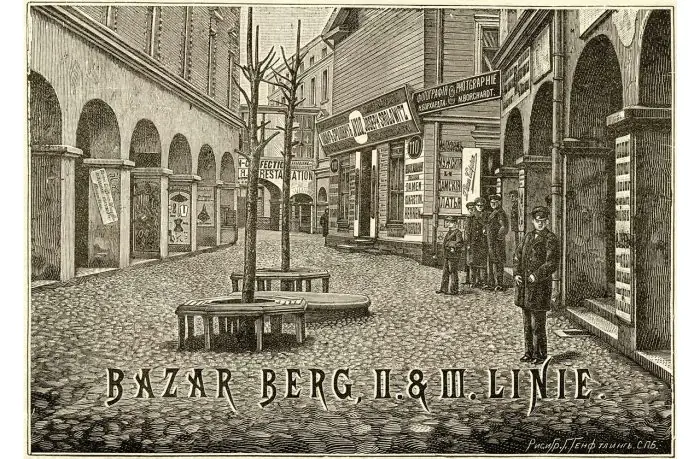
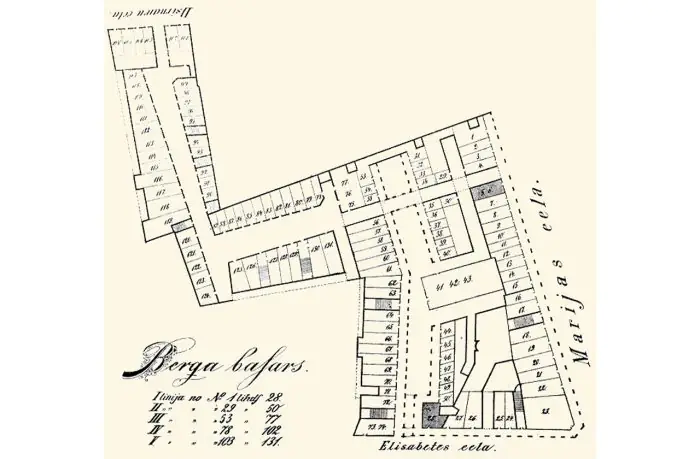
From the very beginning, Berga Bazārs was more than a shopping and residential quarter. Alongside its shops and workshops, it was home to various businesses, including a printing house.
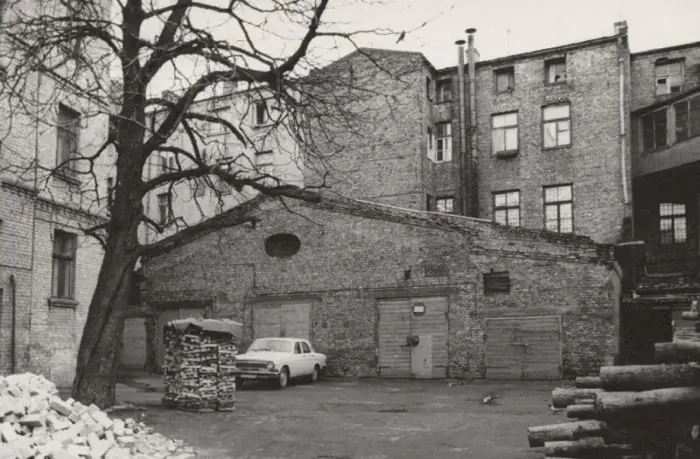
During the Soviet period, the property was nationalised and the arcade’s unique retail concept was dismantled. Spacious rental apartments were divided into crowded communal flats, while ground-floor shops and arcades were closed off and converted into warehouses and workshops. Printing operations continued in the quarter, but the courtyards gradually filled with utility buildings and sheds.
Returning to Stay
In 1992, during the privatisation process, Berga Bazārs was returned to the descendants of Kristaps Bergs, including his great-grandchildren Justs Karlsons, his sister Ieva Laukers and their cousin Mārtiņš Bergs. After the war, the family had gone into exile—some settled in the United States, others in England. Justs Karlsons and his sister personally oversaw the restoration of Berga Bazārs and invested their own funds in the project.
“It was a great joy to return to this place, where at the time only the old chestnut tree remained untouched, and to begin restoring the old wooden houses, combining them with contemporary architecture while preserving the historic buildings. For example, today’s Garage restaurant really was a garage for my father’s car. Riga’s first petrol station was also once located here—today, the spot where it stood is marked by the Pumpītis fountain created by artist Ilmārs Blumbergs.” (TVNET, “Berga Bazārā atklāj kāpostlauku”).
JUSTS KARLSONS
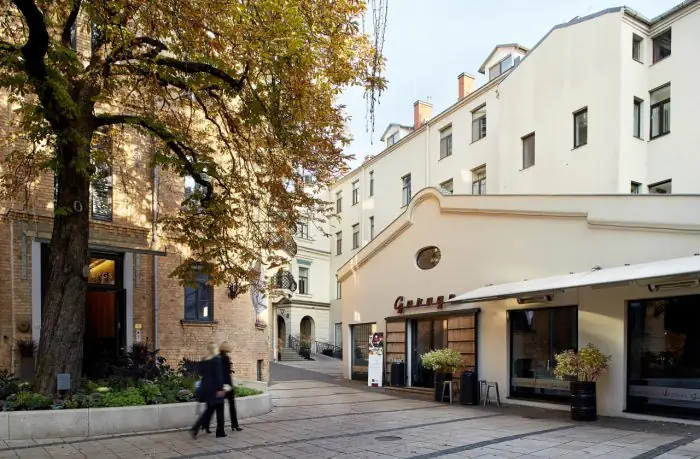
The family partnered with architect Zaiga Gaile, who developed the regeneration concept for the complex. They chose Gaile because her approach to preserving cultural and historical heritage matched their own vision. The heirs did not want to create a modern imitation of the past. Their aim was to preserve the quarter’s authentic character while adapting it to contemporary needs.
“The main principle behind the restoration of Berga Bazārs was gradual development. Everything has been done step by step, in line with the available budget.“
ZAIGA GAILE
Work began on the ground floors along the outer perimeter of the quarter. Retail spaces were created there, and tenants arrived quite quickly. One of the first was the Bergs department store for women, on the corner of Elizabetes iela and Marijas iela.
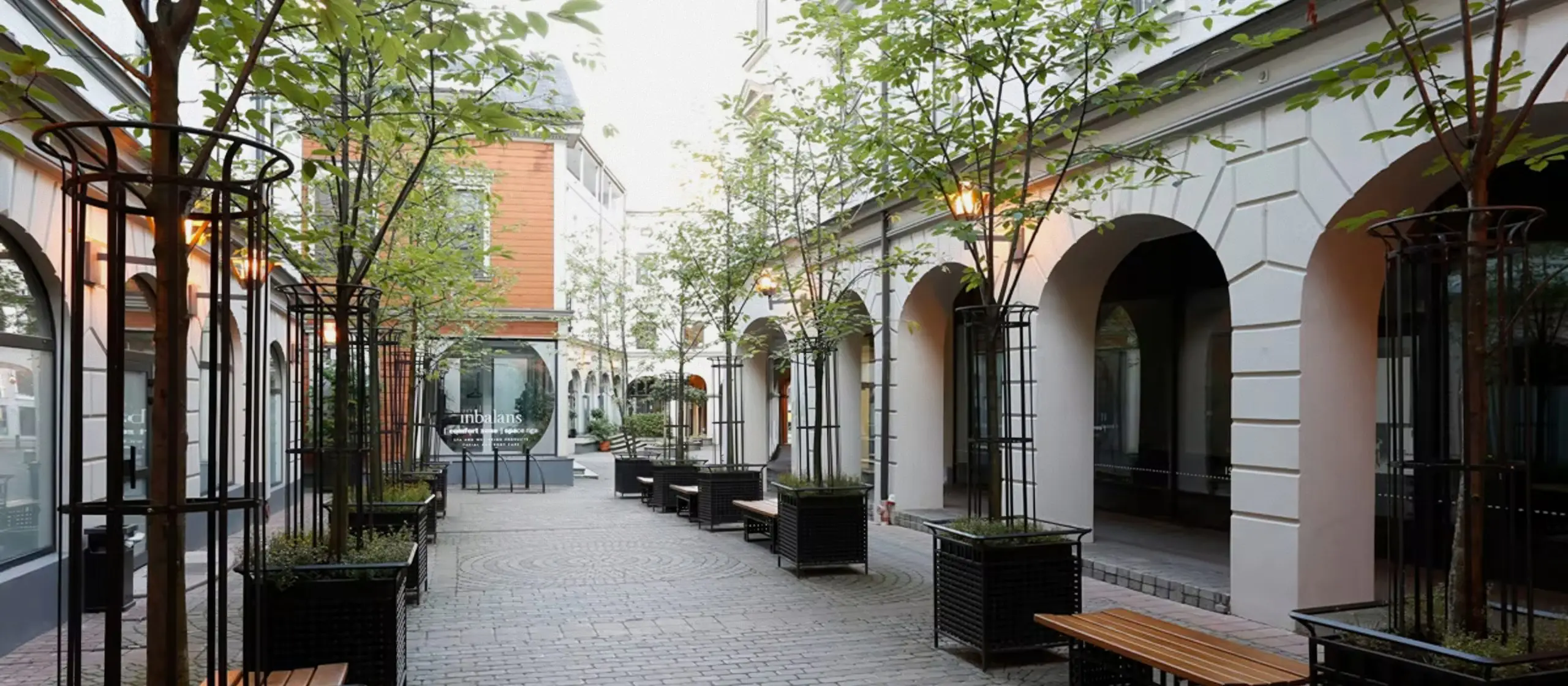
The next stage focused on the small streets inside the quarter. They were paved and landscaped: trees and flowers were planted in containers, benches were made, lamps installed, and signs, maps and flags placed at the entrances. The ground floors of the buildings were divided into shops and restaurants, offices occupied the second floors, and apartments the upper floors.
The House They Decided Not to Demolish
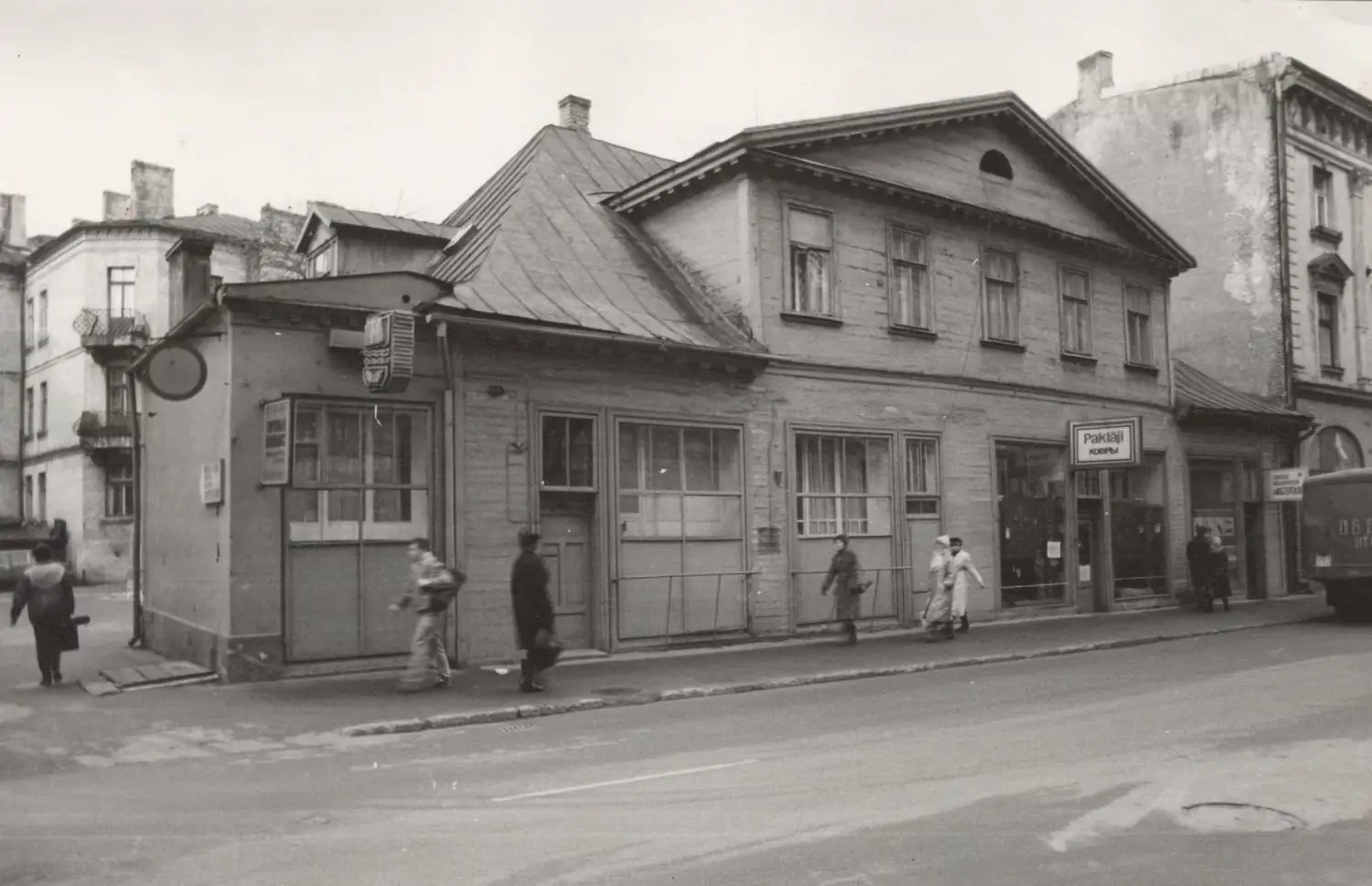
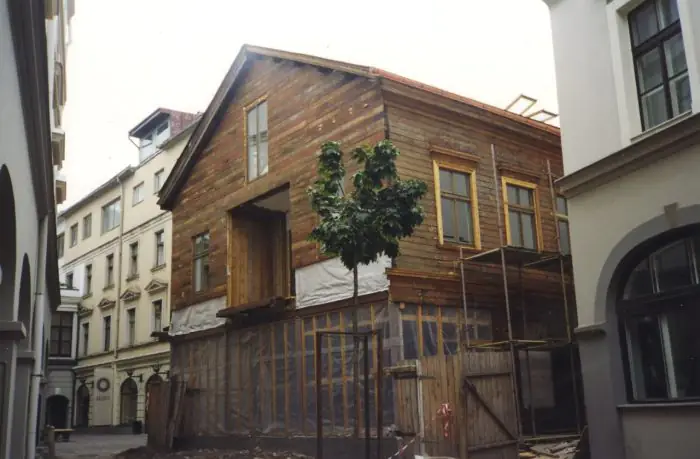
One important decision was to preserve the wooden house built around 1840 in the courtyard of Berga Bazārs, at Marijas iela 13 k-4. Its demolition had already been planned during the Soviet period. After the property was returned to the family, a building survey also recommended demolition because of the structure’s poor condition.
Zaiga Gaile proposed restoring the house instead. It was renovated between 1998 and 2000, with office and retail spaces created inside. This decision helped shape the approach to the rest of the quarter: rather than removing the old, the aim was to find new uses for it.
“In 2000, we moved into the restored wooden house, which became the centre of Berga Bazārs and housed the owners’ office, while the architects’ office was located in the attic. The work continues to this day. In 2003, we opened Hotel Bergs, our largest project at the time.” (LSM.lv, “Kur steidzīgie paskrien garām, bet gruntīgie uzkavējas—Berga bazāra likteņgaitas”).
ARCHITECT ZAIGA GAILE
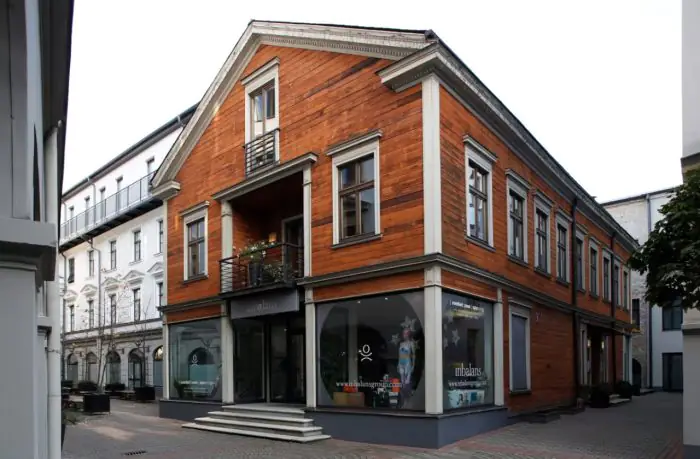
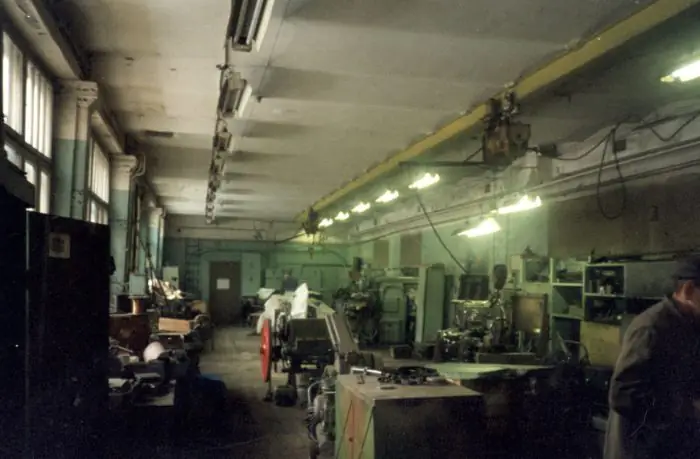
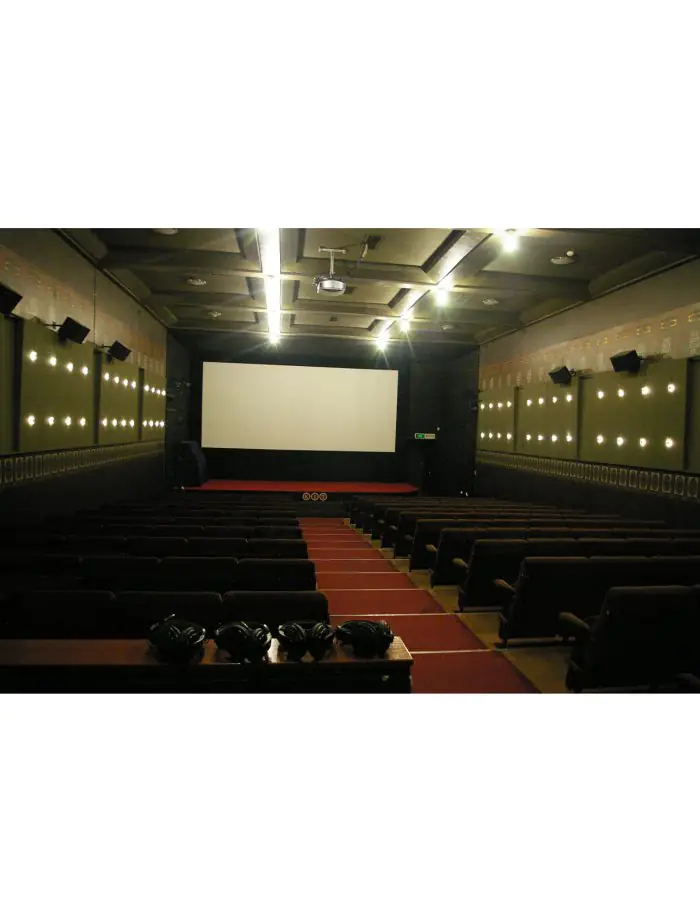
The spaces that today house the K.Suns cinema and Andalūzijas Suns restaurant were previously used as printing workshops. Before the revolution, they had served as the stables and grain stores of Berga Bazārs. When Kristaps Bergs’ heirs regained the quarter and began its extensive restoration, the heavy printing equipment was removed. Zaiga Gaile completely redesigned the former industrial spaces: part was converted into a restaurant, while a new cinema hall was created from scratch in another section. K.Suns has operated here since 2003.
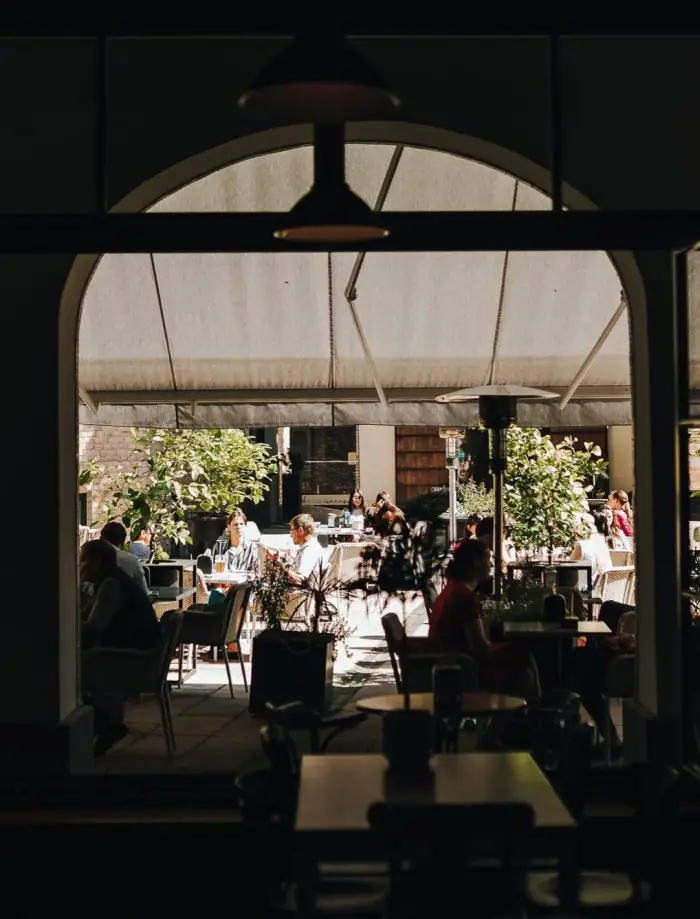
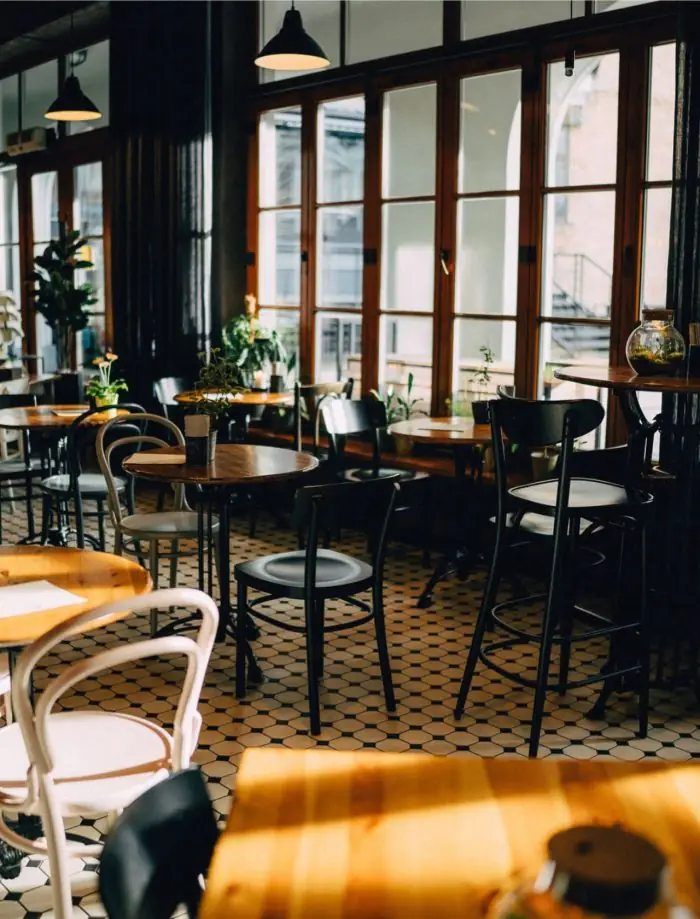
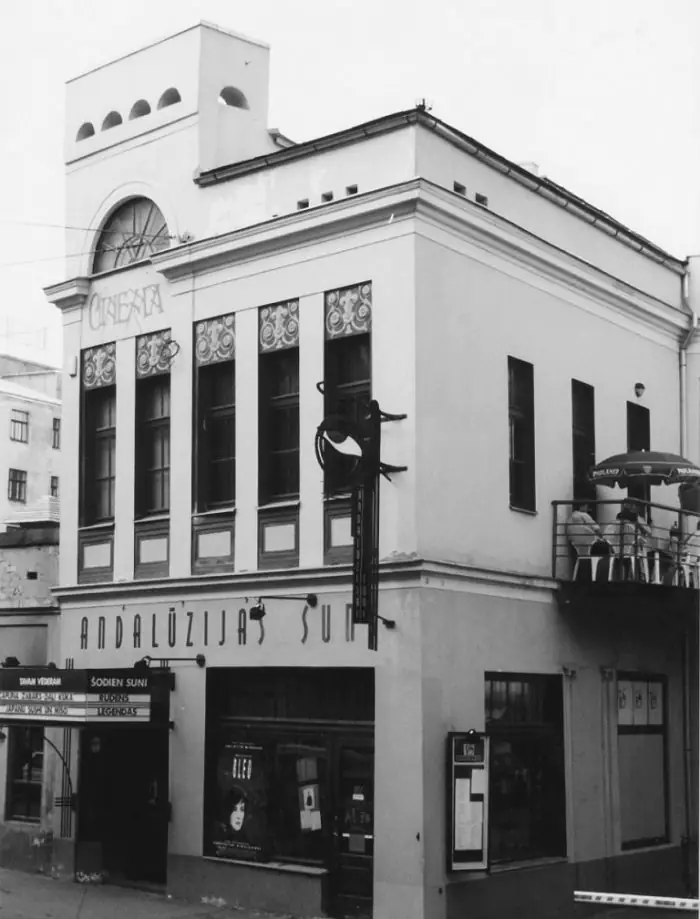
Kino Suns
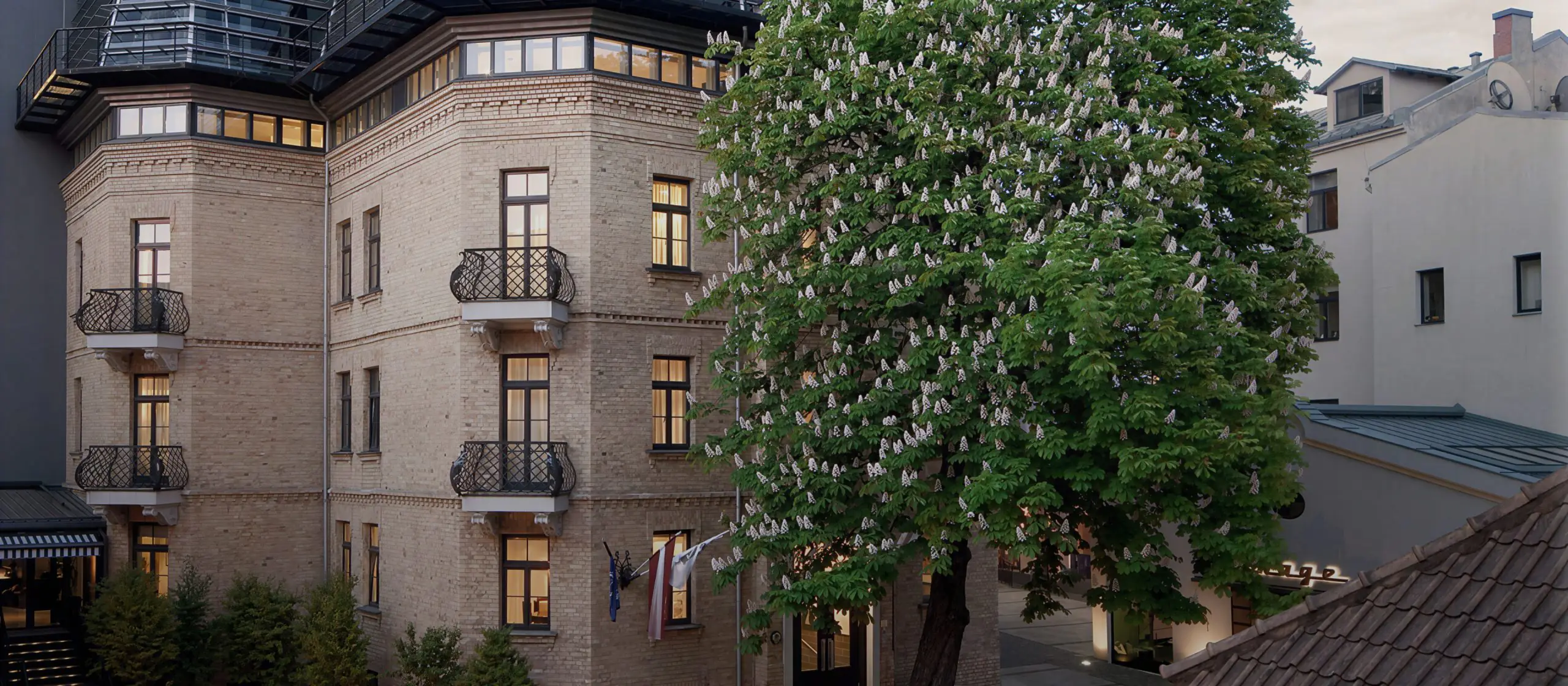
Hotel Bergs
Brick, Glass and Cabbage
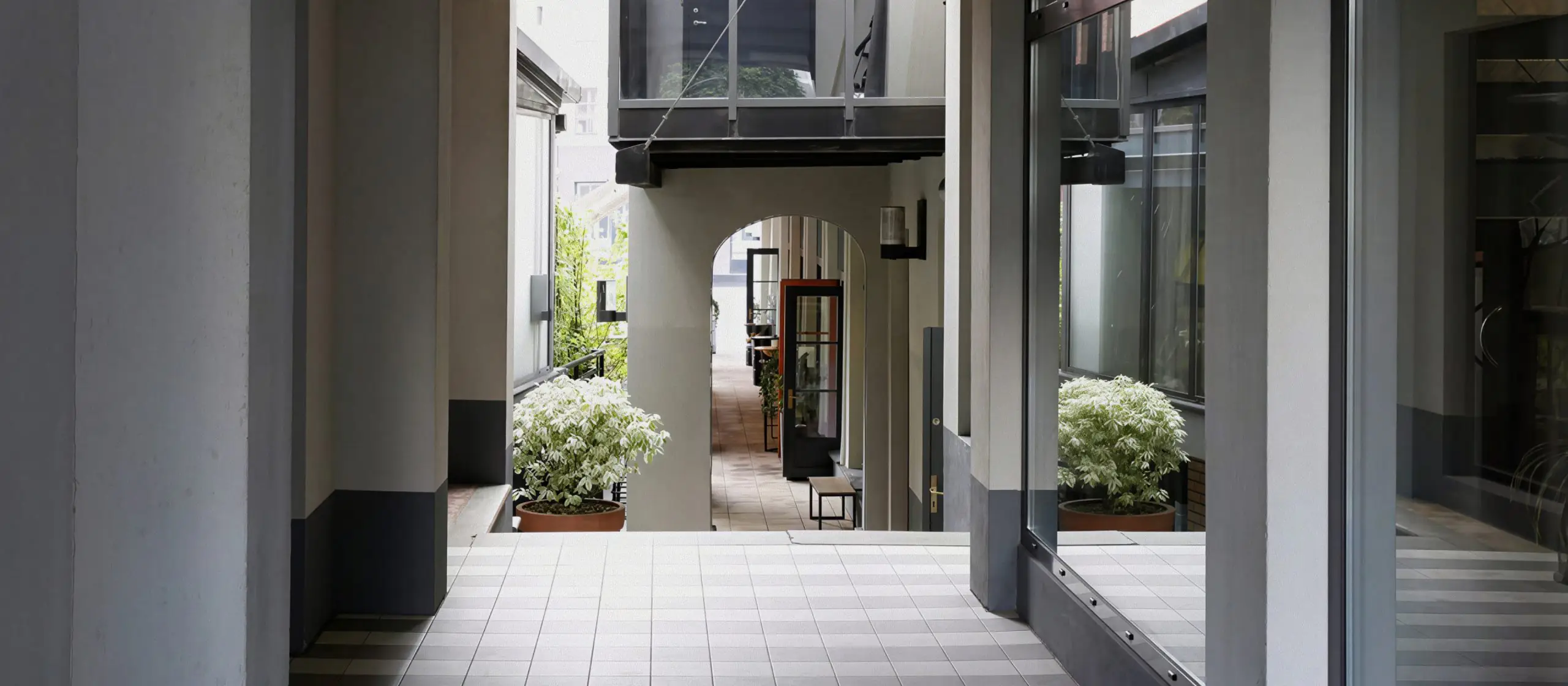
There was no attempt to turn Berga Bazārs into a recreation of the year 1900. The brick buildings were restored, arcades and shop windows that had been closed off during the Soviet period were reopened, and passageways, courtyards and internal streets were renewed. At the same time, contemporary architectural elements were introduced alongside the historic buildings.
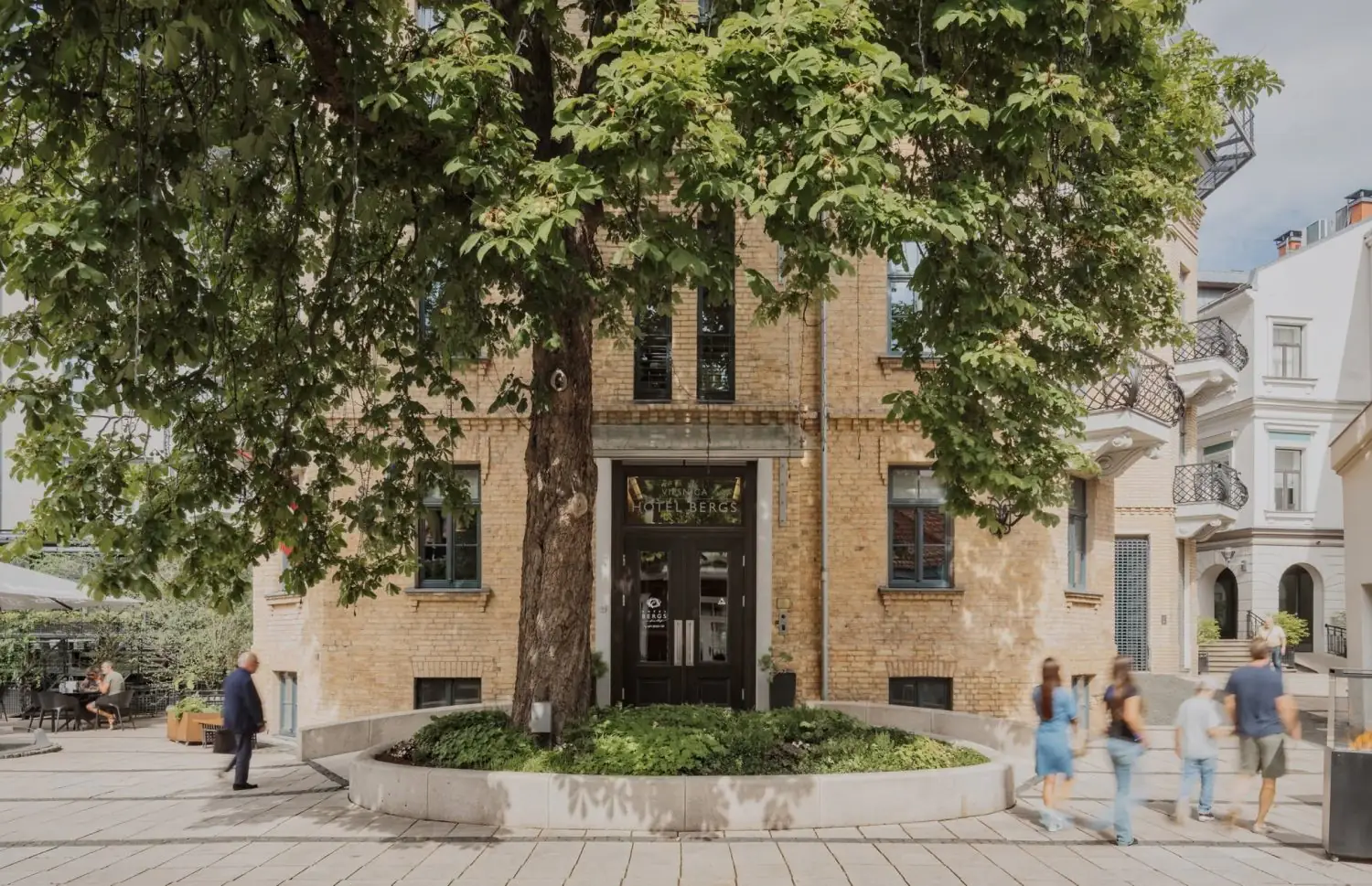
Hotel Bergs was created in the same spirit: two historic residential buildings were connected with glass elements. The cabbage became the hotel’s symbol, recalling the vegetable gardens that once occupied the site before the quarter was built.
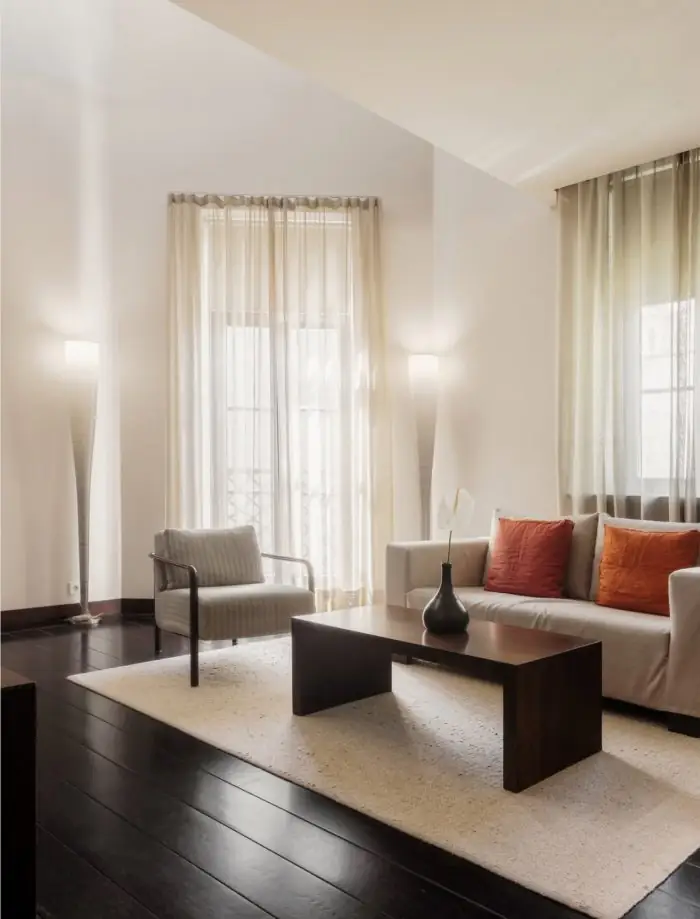
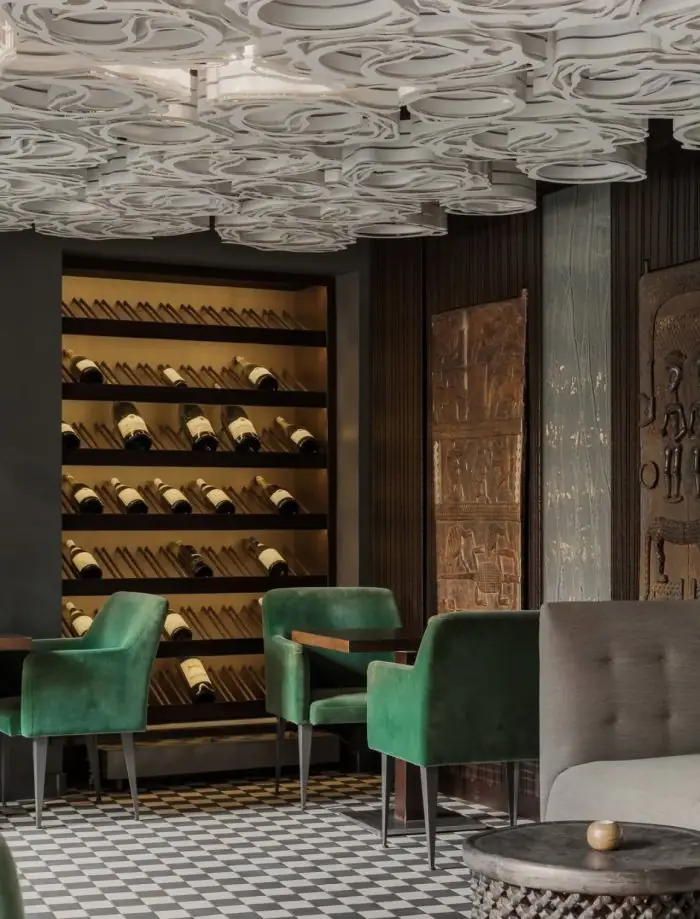
The restoration project had neither a single predetermined budget nor a strict deadline. Bank financing was limited, while the cost of restoring historic buildings was difficult to predict. As a result, the work progressed as funds allowed. The reconstruction of the main part of the complex took around 15 years.
The Quarter Returned to the City
The reconstruction transformed not only the buildings but also the spaces between them. Entrances once again connected the quarter with the surrounding streets, courtyards were opened to the public, and greenery, benches, lighting and art installations were introduced. Shops, cafés, restaurants and galleries returned to the ground floors, while offices and residential spaces occupied the floors above.
The Karlsons family and Zaiga Gaile also established a Saturday farmers’ and artisans’ market, which became a popular meeting place for Riga’s intellectual and creative community.
“We restored the buildings and gave people the opportunity to start a life or a business here at a minimal cost. This is why this part of central Riga continues to thrive—it remains accessible to people. It gives me such joy to see children playing in our courtyard by Ilmārs Blumbergs’ fountain, while their parents sit in the green courtyard <…> And what makes me happiest is that we can still afford to maintain the high standards of Berga Bazārs.” (Laiks, “Vēsturiskā atmiņa ir spēcīga”, 15 December 2025.)
JUSTS KARLSONS TOLD LAIKS MAGAZINE
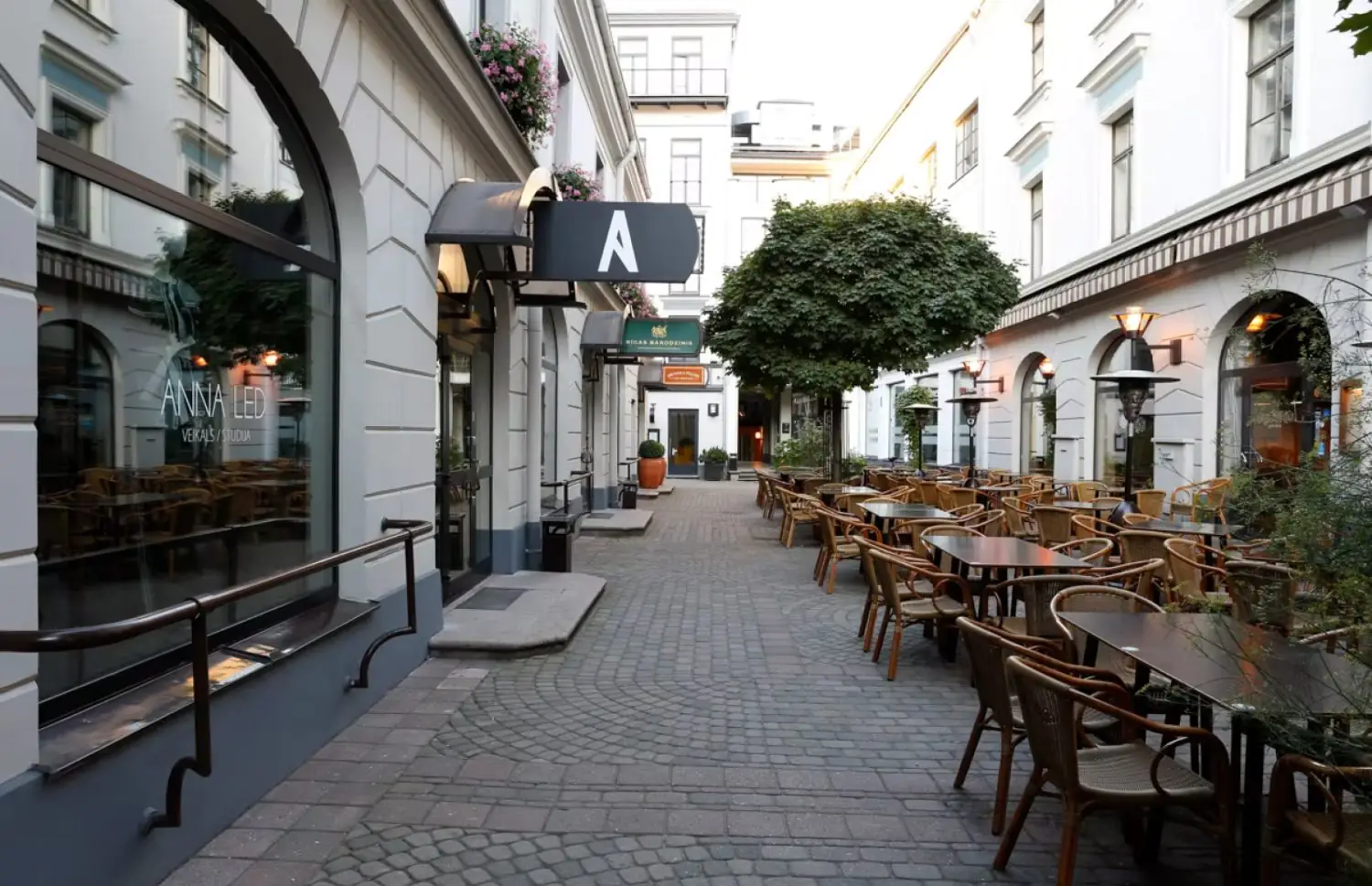
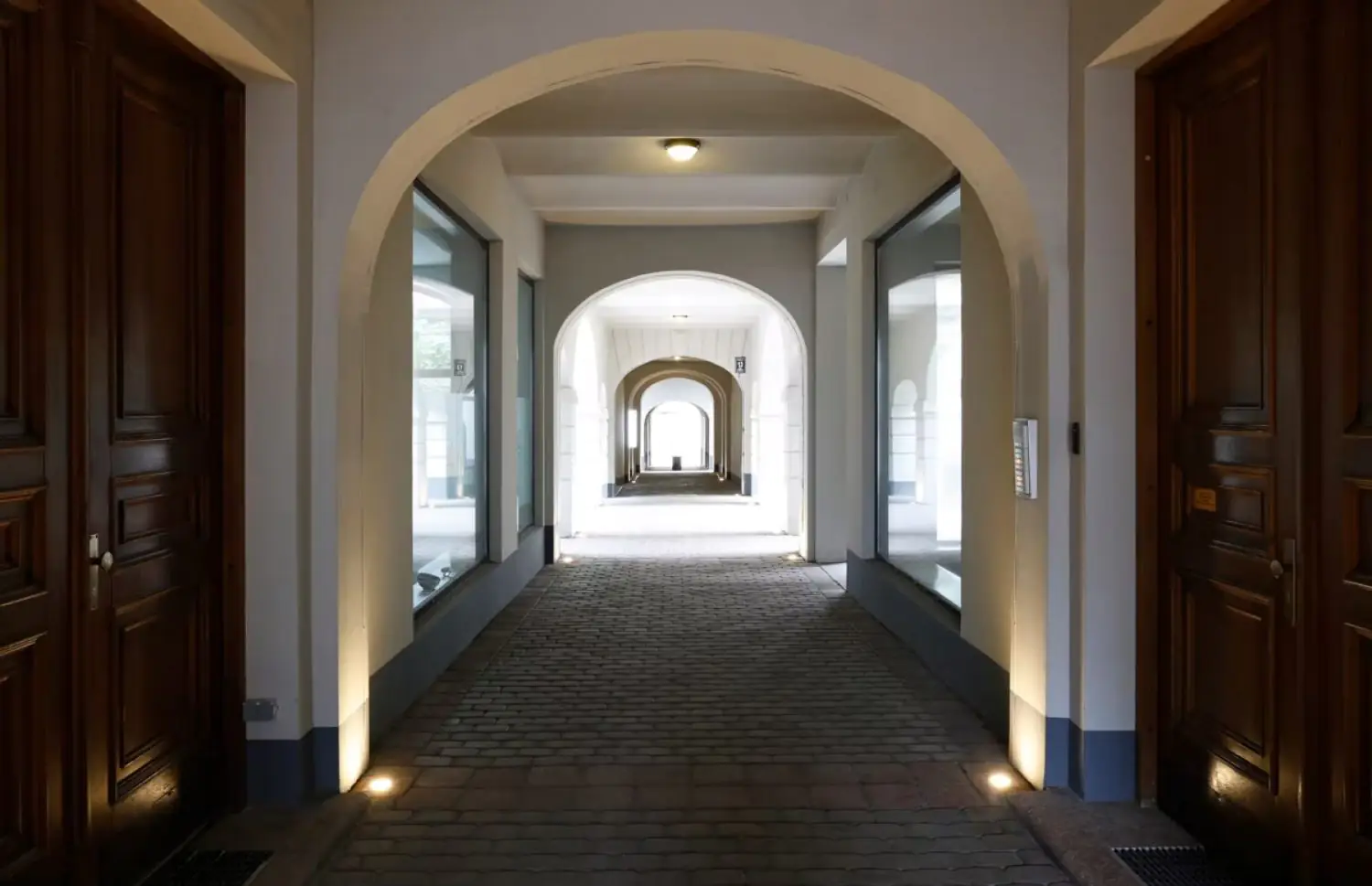
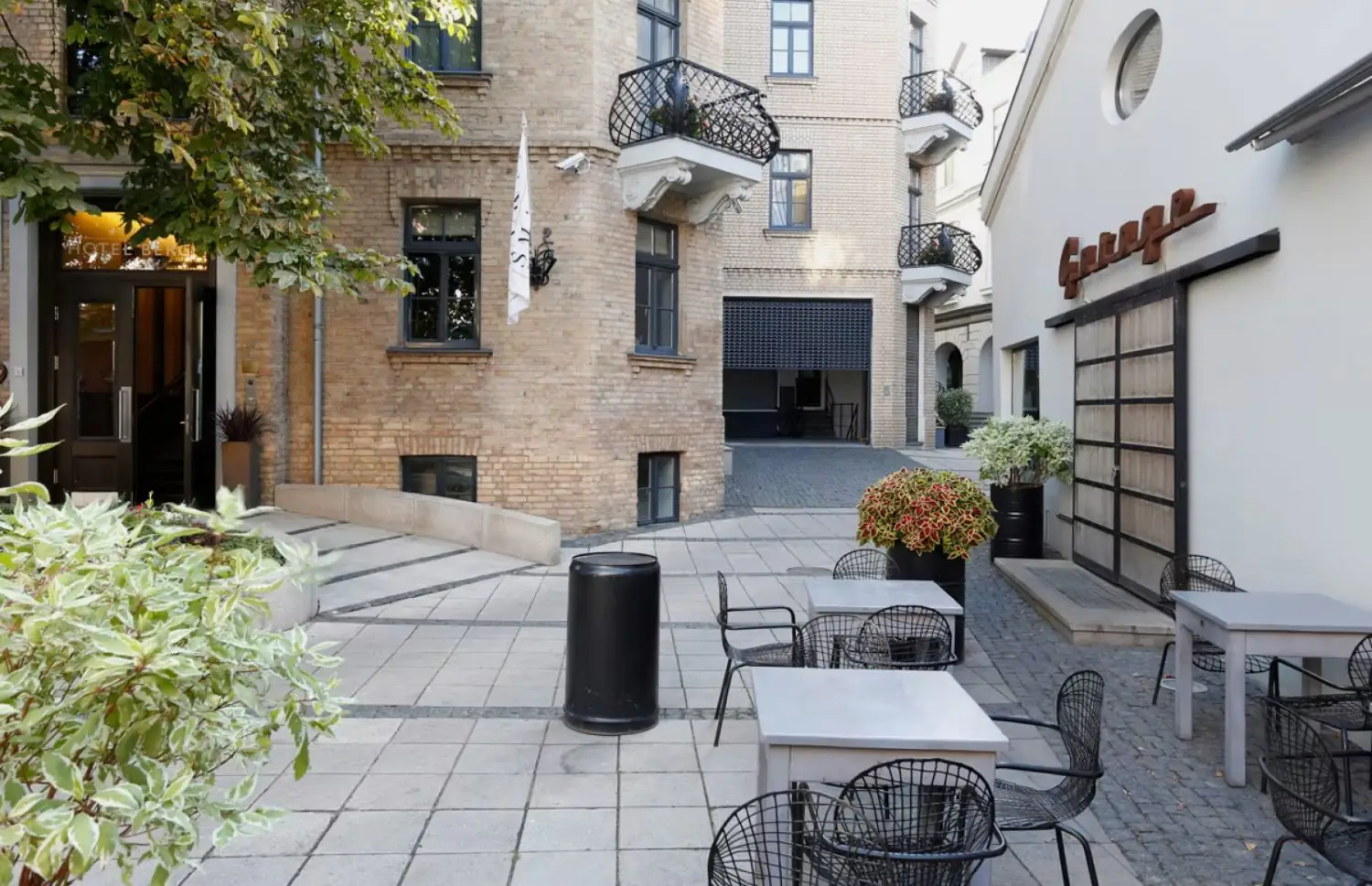
In 1997, Riga’s historic centre was inscribed on the UNESCO World Heritage List. For Berga Bazārs, where restoration was already underway, this provided further confirmation of the importance of the chosen approach: preserving the historic fabric while bringing it back into contemporary urban life.
“Berga Bazārs is one of the earliest and most characteristic examples of these changes, where the advantages of the new system became apparent sooner than elsewhere, creating the conditions for the development of an urban model that is both Latvian and Western. <…> The new model of Berga Bazārs in a sense repeats what happened here a hundred years ago: numerous small shops and cafés are concentrated around the passageways within the quarter, creating an interesting multifunctional centre for shopping, business, culture and leisure.”
AS ARCHITECT ANDREJS ĢELZIS WROTE IN LATVIJAS ARHITEKTŪRA MAGAZINE IN 1998