Fewer Property Transactions
According to real estate company Latio, approximately 12,450 apartment and private house transactions were registered in Latvia in the first half of 2026, down 5% year-on-year. The total transaction value reached €775.8 million, while the median transaction price increased by 5% to €38,350. Meanwhile, house prices in Q1 were 10.9% higher than a year earlier.
“The number of housing transactions is indeed declining, even as prices continue to rise. The desire for better living conditions is running up against a shortage of quality housing at affordable prices. This is neither a buyer’s nor a seller’s market. It is a market of reality—quality at a reasonable price.”
EDGARS ŠĪNS, CHAIRMAN OF THE BOARD AT LATIO
Key trend. Homebuyers are becoming more cautious and paying closer attention to costs, but the decline in transactions has yet to translate into lower prices. Quality properties at affordable prices remain in demand.
Rīga: Buyers Shift Towards More Affordable Housing
The number of apartment transactions in the capital fell by 6% in the first six months of 2026 compared with the same period a year earlier. The sharpest declines were recorded in the primary market for new-build apartments (−15%), as well as in the city center, Skanste, Mežaparks and Ķīpsala (−12%). At the same time, buyers increasingly turned to more affordable options: sales of apartments in unrenovated pre-war buildings rose by 9% year-on-year.
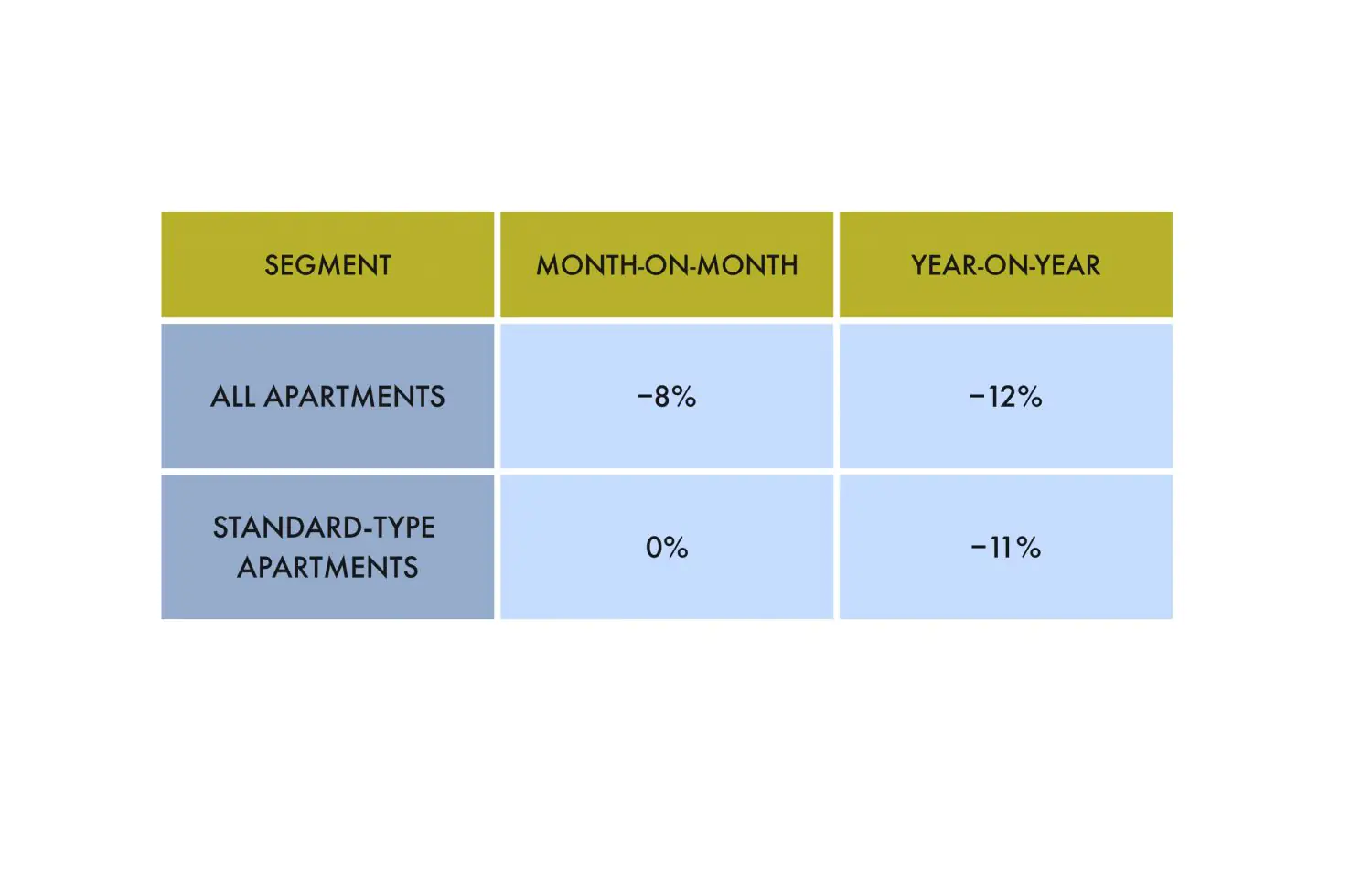
August data from Cenu Banka confirms the slowdown in market activity: the number of apartment transactions in Riga was 12% lower than in August 2025. The sharpest decline was recorded in new residential projects, with transactions falling by 18% month-over-month and 13% year-on-year. Meanwhile, transaction volumes in the secondary market for Standard-type apartments remained virtually unchanged compared with the previous month.
Serial Apartments: Prices Back to 2006 Levels
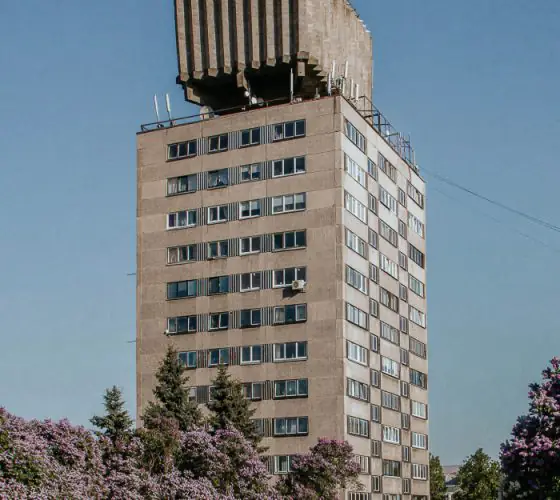
Serial apartments account for approximately half of all housing transactions in Riga. New residential projects and renovated buildings represent around a quarter, while pre-war buildings account for approximately 15%. According to Latio, 3,626 transactions involving Serial apartments were registered between the beginning of 2026 and October. The average price remains below €1,200/m²—roughly the same level as in 2006.
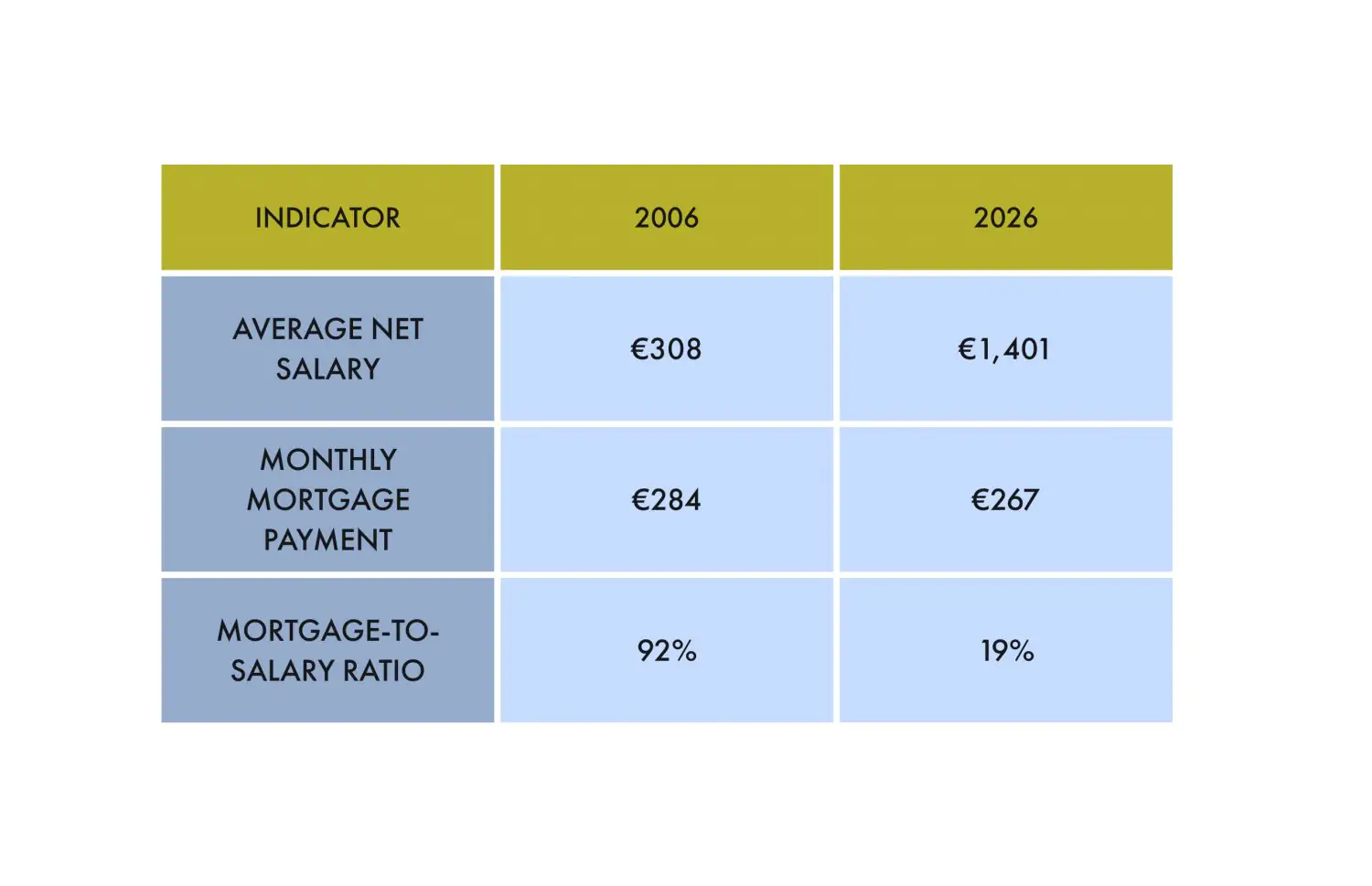
Buying a Serial apartment in Riga has become considerably easier. Prices for this type of housing are approximately the same as 20 years ago, while the average net salary has more than quadrupled. In 2006, a monthly mortgage payment accounted for 92% of the average net salary. Today, it represents just 19% (see table).
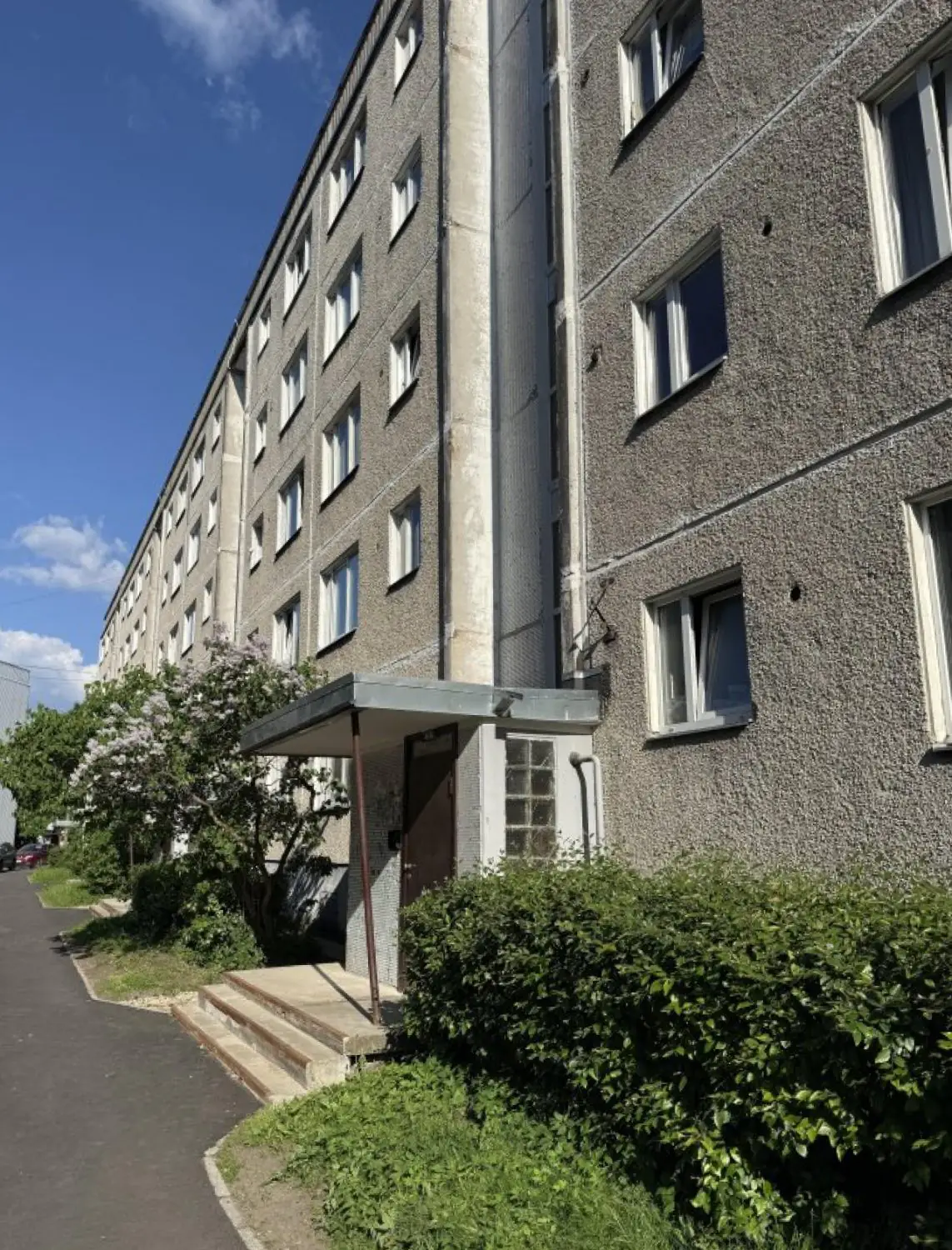
Prices for Serial apartments are rising gradually. Since the beginning of the year, prices per square metre have increased by almost 7% in neighborhoods on the left bank of the Daugava, approximately 4% on the right bank, and 2% in central Riga.
Prices vary considerably between neighborhoods. In Āgenskalns, the average price reaches €1,380/m², followed by Šampēteris at €1,320/m² and Zolitūde at €1,240/m². On the right bank of the Daugava, the most expensive apartments in this segment are found in Teika (€1,280/m²) and Čiekurkalns (€1,260/m²). In Purvciems and Dārzciems, the average price stands at €1,180/m².
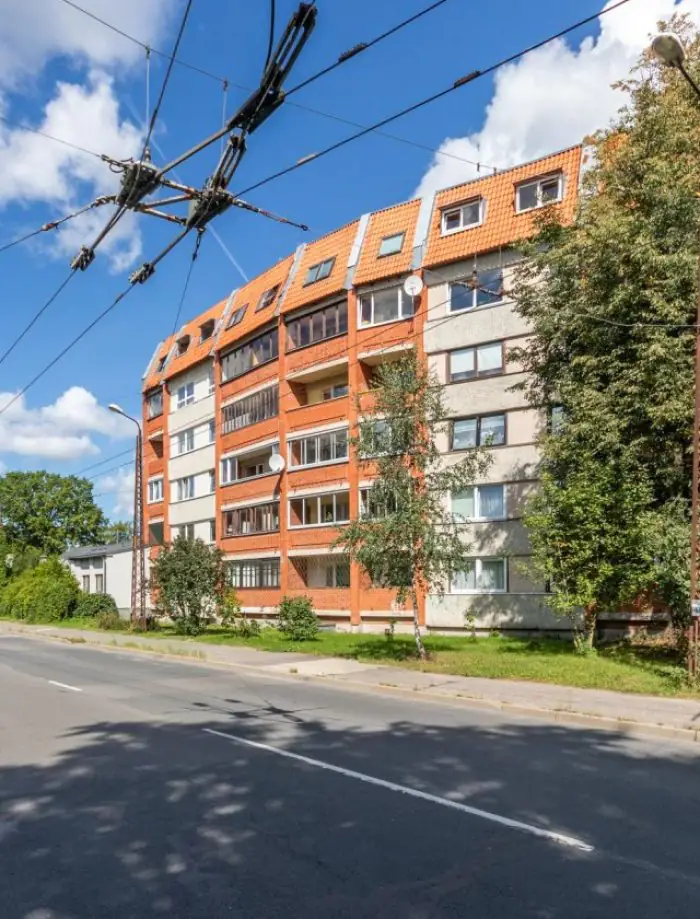
According to ARCO REAL ESTATE, the average price of Serial apartments in Riga’s residential neighborhoods reached €978/m² in September 2026, up 0.6% month-over-month and more than 10% since the beginning of the year. The strongest price increases were recorded in Imanta (+13%) and Āgenskalns (+12%). Teika remains the most expensive neighbourhood (€1,163/m²), while Bolderāja is the cheapest (€728/m²). Nevertheless, prices are still 40% below their 2007 peak.
The supply of apartments in Riga has declined by 15% year-on-year, and by 20% in the largest residential neighborhoods. Two-room apartments in 119-series and 104-series buildings cost €58,000–62,000, compared with €33,000–51,000 in Khrushchev-era buildings and €34,000–50,000 in Lithuanian-design apartment blocks.
New Residential Projects: Prices and Sales Leaders
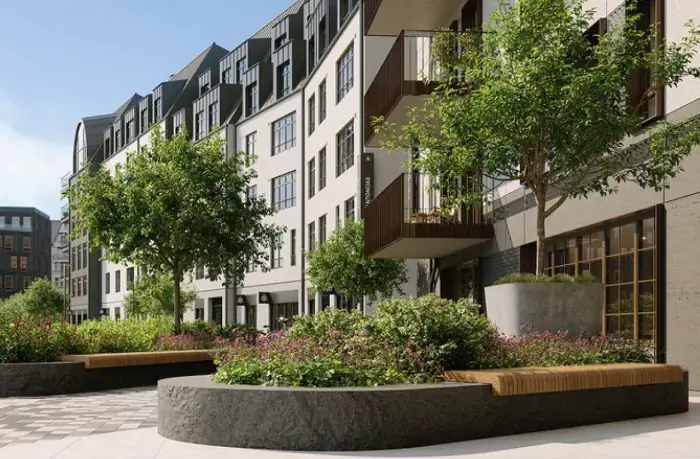
According to Latio, the average asking price in the primary market reached €3,220/m² in Q2 2026, while the average actual transaction price was approximately €2,780/m². Projects with the highest number of transactions included Pīlādžu mājas, Deglava Gleznotāju rezidence, Kaivas kvartāls, Parka kvartāls and Ezerjugla. Average transaction prices in these developments ranged from €2,380 to €2,650/m².
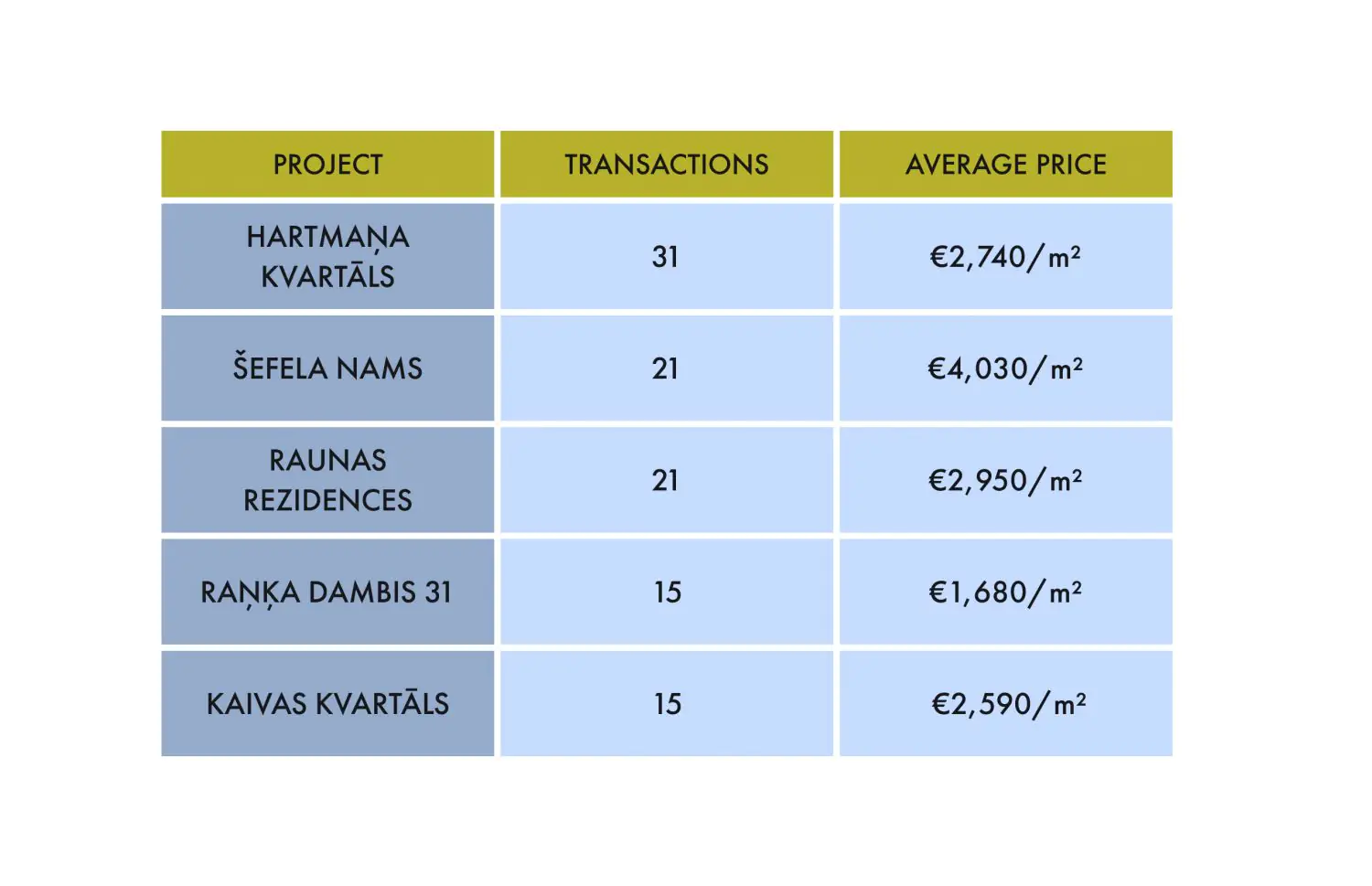
In Q3, according to Cenu Banka, Hartmaņa kvartāls in Torņakalns led the market by the number of apartments sold. The five most active residential projects also included Šefela Nams, Raunas Rezidences, Raņķa dambis 31 and Kaivas kvartāls (see table).
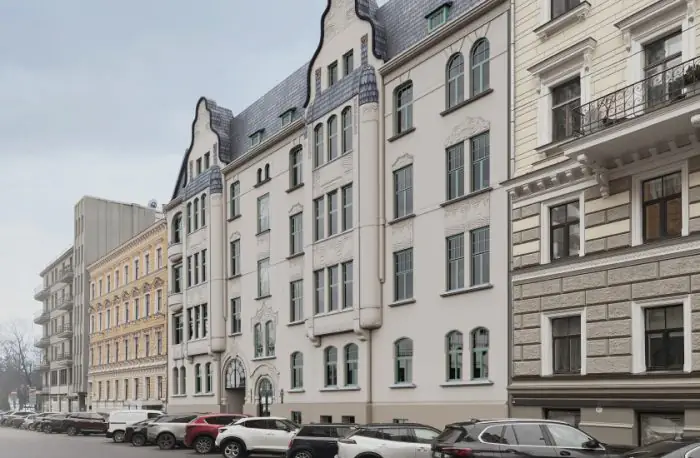
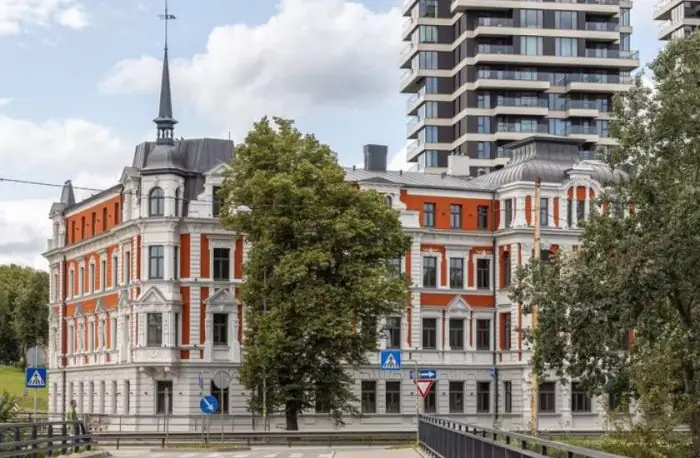
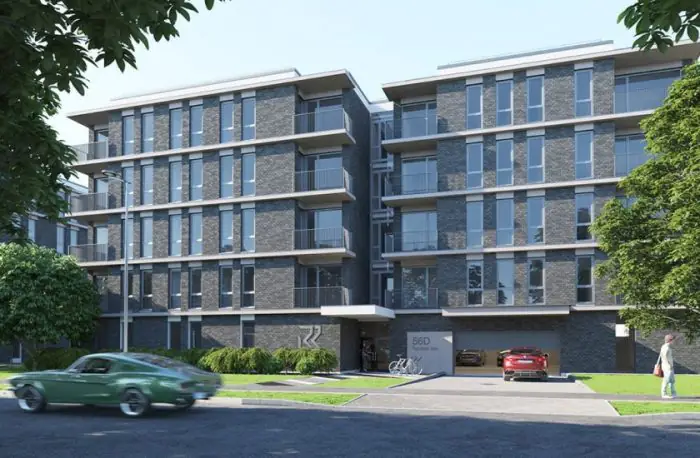
Meanwhile, prices for apartments in new residential developments continue to rise. In the secondary market for recently built apartments in central Riga, the average price per square metre increased from €2,550 to €3,160. According to Cenu Banka, transactions in Parkers, Magdalēnas kvartāls and Merks Viesturdārzs contributed to this increase.
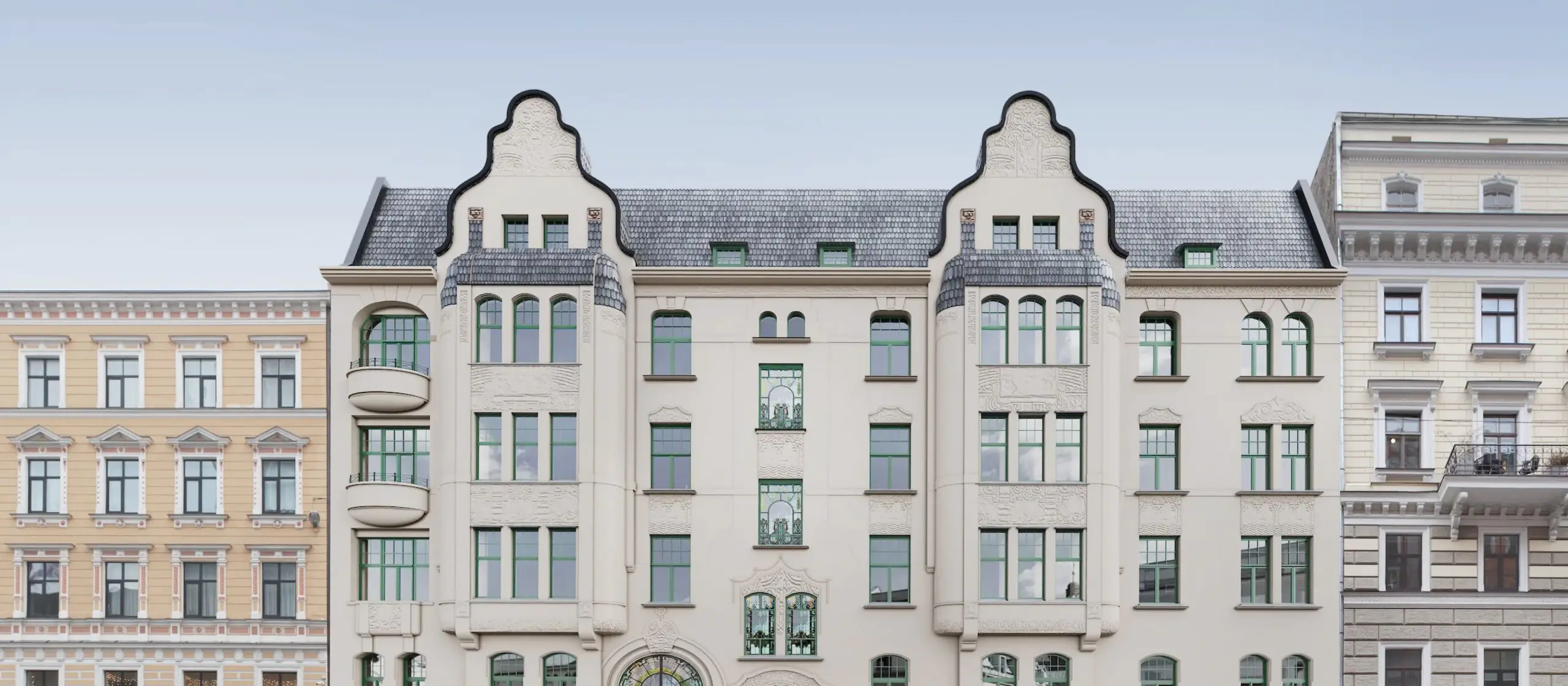
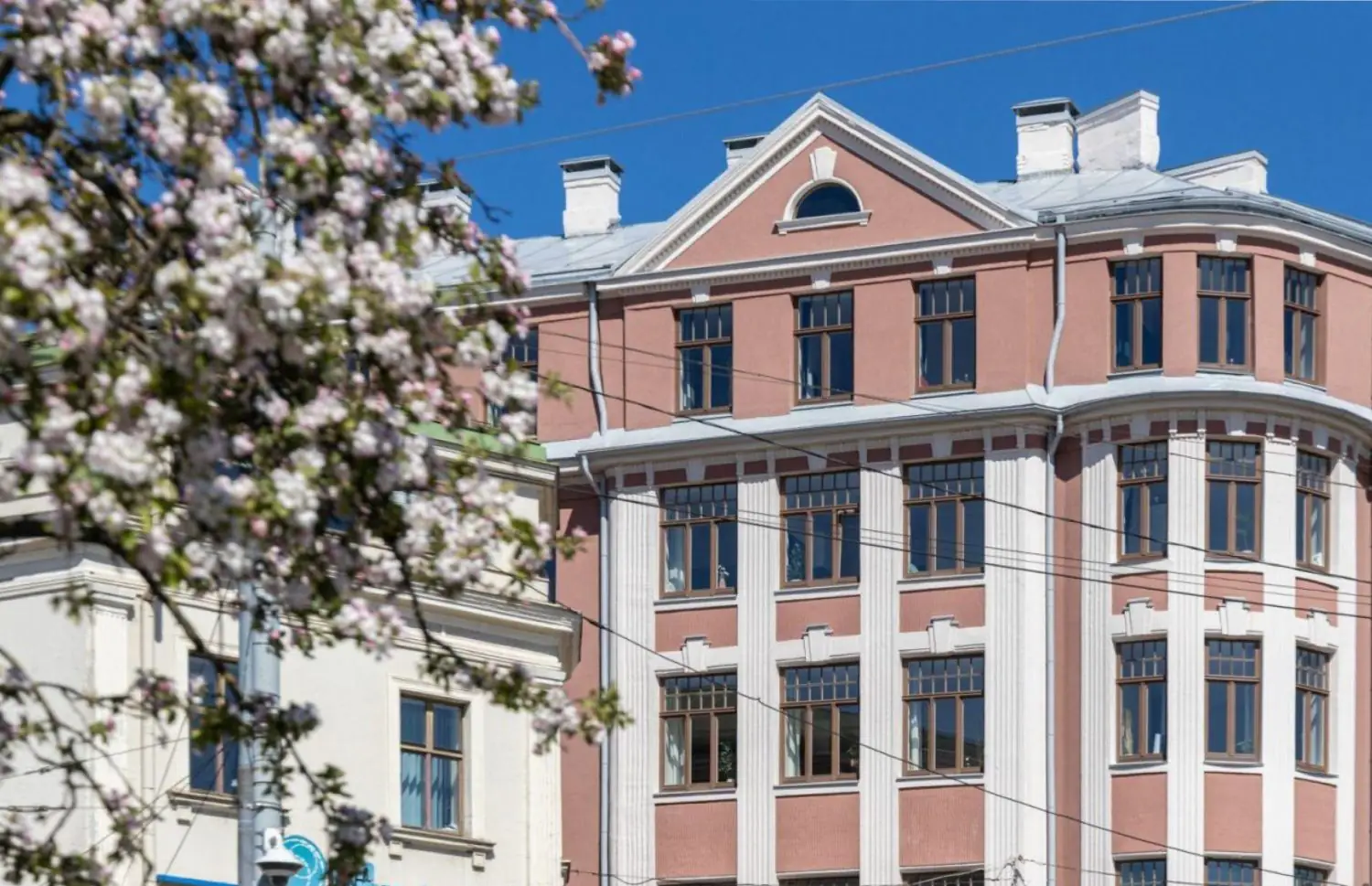
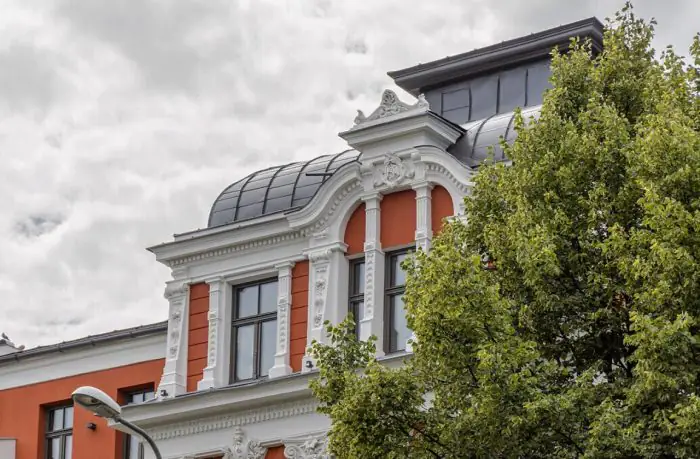
Apartments in renovated historic buildings remain in demand, while prices are declining in older buildings in central Riga that have not yet undergone major renovation.
Half the Price of Vilnius and Tallinn
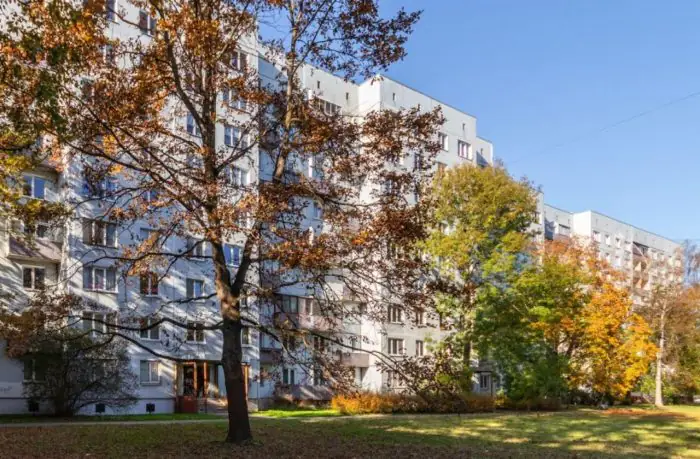
Serial apartments in Riga cost approximately 2.5 times less than in Vilnius and half as much as in Tallinn. According to Lithuanian real estate company Inreal, the average price of such housing in Vilnius approached €3,000/m² in Q3 2026, compared with €1,200/m² in Riga. In Tallinn, apartments in buildings constructed between 1971 and 1990 sold for an average of €2,430/m². For comparison, a 44 m² two-room apartment in a prefabricated panel building in Vilnius’s Žirmūnai neighbourhood was listed for €145,000, while a comparable apartment in Riga’s Purvciems cost approximately €52,000.
The price gap also extends to new residential developments. In Riga, the average apartment price is around €2,800/m², compared with €3,800/m² outside central Vilnius and approximately €4,700/m² in Tallinn. However, new apartments in Riga are generally sold fully finished, while partial finishing is more common in Vilnius. In Tallinn, finishing standards vary by project, although fully finished apartments are also widely available. Experts attribute higher prices in Vilnius to population growth, increased purchasing power and a shortage of new housing.
“As long as rental demand remains strong in a particular neighbourhood and apartments in new developments remain too expensive, the standard-type housing market will stay active. Buyers aim to purchase apartments at relatively low prices, rent them out and eventually sell them at a profit. However, rising prices in Vilnius and Tallinn do not mean that prices in Riga will automatically follow. The economic conditions and investment dynamics here are different. Standard-type apartments can be a good investment, but investors need to be patient.”
KSENIJA IEVĻEVA, ANALYST AT LATIO
Rīga Suburbs: How Much Do Private Houses Cost?
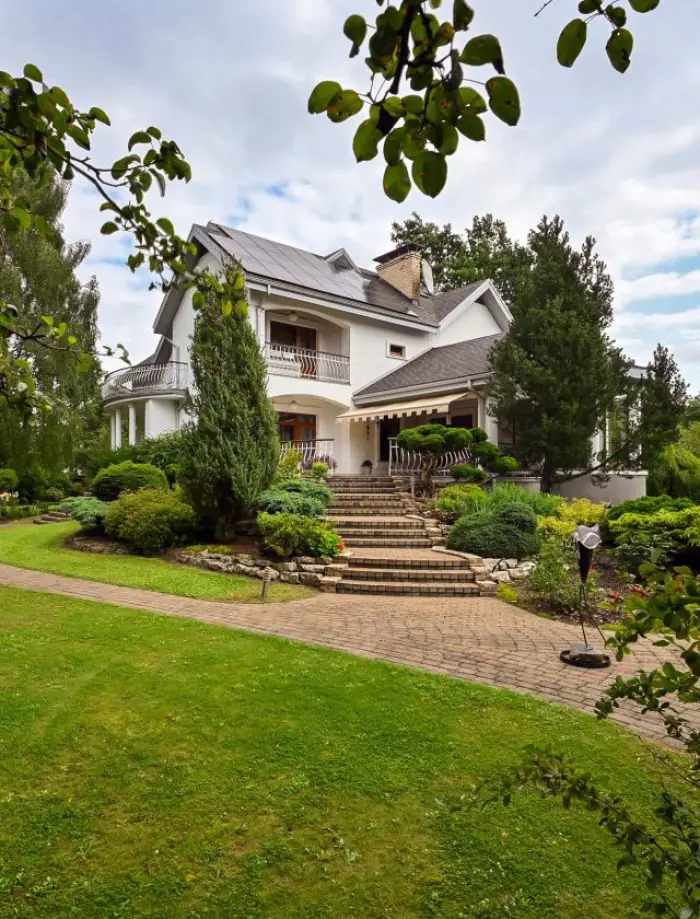
Detached houses account for a significant share of the housing market in Riga’s suburbs. According to Latio, private houses ranging from 70 to 220 m² are in the highest demand in Mārupe, Ādaži, Ķekava, Ropaži, Salaspils and Jūrmala.
Prices depend on the size and year of construction. Houses of up to 100 m² built after 2000 cost approximately €145,000 on average. Houses measuring 100–150 m² cost around €230,000, while those measuring 150–200 m² average €260,000. Larger houses of 200–250 m² cost approximately €335,000.
What’s next. Experts predict that buyers will increasingly focus on energy efficiency, technical condition, location and maintenance costs. Properties that require no significant additional investment and are offered at realistic prices will retain a competitive advantage.
Latvia’s Regions: A Shortage of Quality Housing
Key trend. Housing demand remains steady outside Riga, but quality properties are in short supply. Buyers favour smaller detached houses, renovated apartments and properties with low maintenance costs.
Zemgale. Approximately 1,250 property transactions worth €40 million were registered in the first half of 2026, down 10% year-on-year. New and renovated houses of up to 130 m² are in demand, along with apartments offering three or more rooms. Several new apartment developments are planned in Jelgava, with two already under construction.
However, sellers do not always price their properties realistically. According to Latio, asking prices in some cases exceeded market values by approximately 40%, making properties more difficult to sell.
Vidzeme. The total transaction value reached €54.1 million, while the number of transactions fell by 6% and prices increased by 5–6%. Valmiera and Cēsis have the most active housing markets. Buyers are looking for spacious apartments and houses of 100–120 m². Interest is also growing in properties outside urban centers with good transport connections.
Kurzeme. Although the number of transactions declined by 6%, their total value increased by 11% to €59.4 million. Suitable detached houses are in short supply, prompting some buyers to build their own homes. Interest is also growing in properties intended for tourism, rental and business use.
Latgale. Unlike other regions, the number of transactions increased by 2% to 1,430, while their total value rose by 8% to €22.9 million. The median transaction price increased by 15%. Renovated apartments with three or more rooms are particularly sought after.
The number of transactions involving apartments priced at €700/m² or more increased by almost 40% year-on-year. Meanwhile, the supply of apartments with three or more rooms is approximately half that of one- and two-room apartments.
What’s next. Experts predict that the development of regional housing markets will depend on housing supply, employment opportunities and infrastructure. New opportunities have emerged following legislation that came into force on 6 March 2026, allowing multi-apartment rental buildings to be constructed on state and municipal land under building rights agreements lasting up to 70 years. This could help increase the supply of affordable housing in Latvia’s regions.