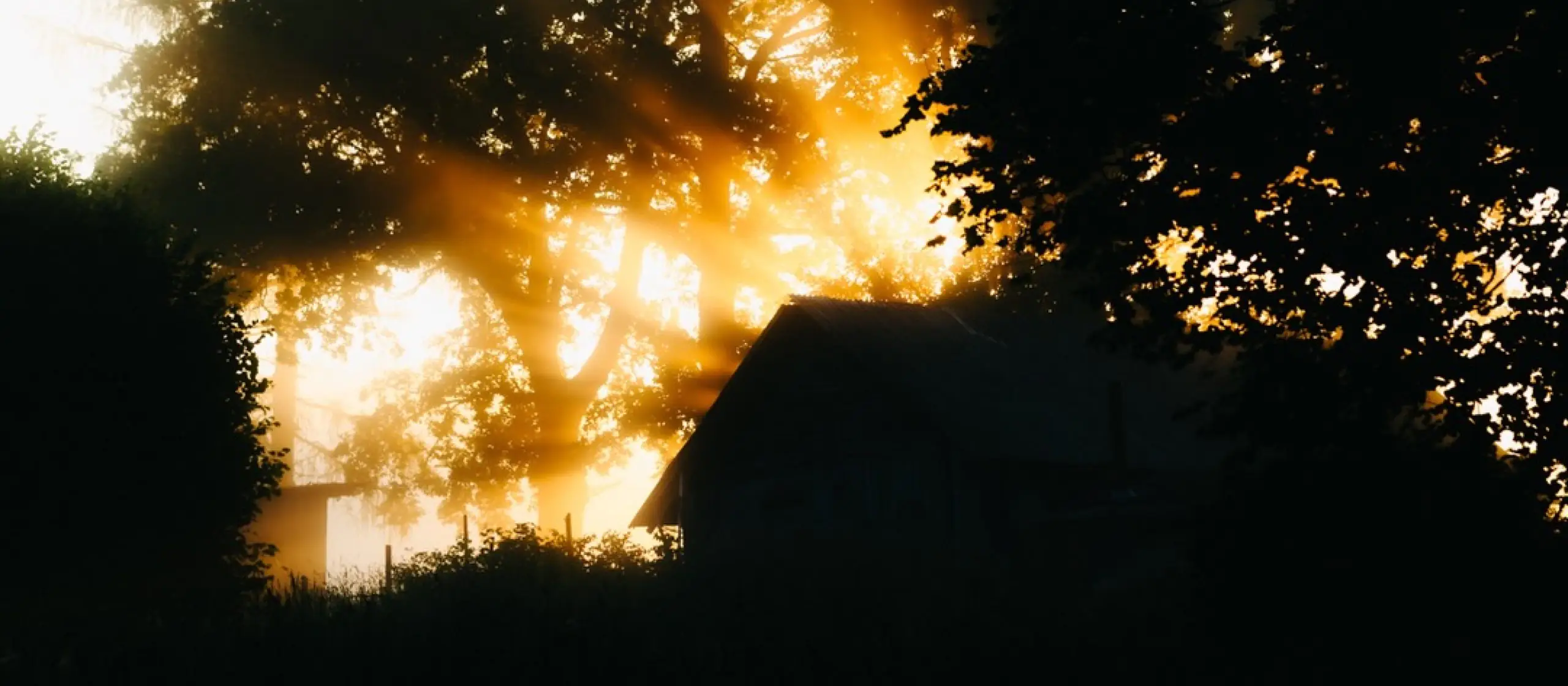
Folk beliefs are a curious phenomenon. We know perfectly well that most of them have no rational explanation, yet we still find ourselves reading them with interest. You don’t have to believe in superstitions to appreciate their value. Like other forms of folk tradition, they offer a glimpse into the past, helping us imagine how people, centuries ago, viewed the world around them, tried to make sense of its workings and found ways to live in harmony with it.
Pēteris Šmits. This name is closely associated with the best-known collection of Latvian folk beliefs. A linguist, mythology researcher and folklorist, Šmits gathered and organised material recorded by collectors of folk traditions in communities across Latvia. His major work, Latvijas Tautas Ticējumi (Latvian Folk Beliefs), is often described as an archive of traditional worldviews. It contains nearly 40,000 beliefs covering an extraordinary range of subjects. We have dipped into this collection and selected a few examples to share. Some of them might even make you smile.
The Sun
In Latvian mythology, the Sun (Saule) is the principal nature deity, a symbol of eternal movement and life. Hundreds of Latvian folksongs, dainas, are devoted to this celestial body, and countless folk beliefs are associated with it.
Kas saulītei lecot esot dzimis, tas esot gudrs.
Those born at sunrise are said to be wise.
Saule noejot esot jāsvētī, tad nevajagot nekādu darbu strādāt.
The time after sunset should be respected, and no work should be done.
Saules aptumšošanās laikā vajaga apspaidīt zirgam jeb arī pašam kārpas un arī citas kaites, tad tās ātri iznīks.
During a solar eclipse, rubbing warts and other ailments on yourself or a horse is said to make them disappear quickly.
Krēslas laiku vajag svētīt, lai govis dabū paēst.
Twilight should be respected and left undisturbed so that the cows have food to eat.
Ja pa sapņiem redz sauli spīdam, būs vispārējs labums.
Dreaming of a shining sun is said to foretell general prosperity.
The Moon
Unlike in many other cultures, the Moon (Mēness) in Latvian mythology is a male figure and is associated with the passage of time and fertility. Observing the phases of the Moon was an integral part of agricultural life, so it is hardly surprising that many folk beliefs revolve around it.
Dilstošā Mēnesī jāapkaro nezāles, lai tās tik ātri neataugtu.
Weeds should be pulled during the waning Moon so that they won’t grow back as quickly.
Ja ap Mēnesi redzams gaišs loks, gaidāma laika maiņa.
A bright ring around the Moon is a sign of changing weather.
Pilnmēness laikā ievāktiem ārstniecības augiem piemītot īpašs spēks.
Medicinal herbs gathered during a full Moon are believed to have special healing powers.
Dilstošā Mēnesī varot vieglāk atbrīvoties no kārpām.
The waning Moon is said to be a good time to get rid of warts.
The Stars
For centuries, the night sky served as a kind of calendar and a source of clues about the weather to come. People looked to the position and brightness of the stars to predict seasonal changes, approaching cold spells and rain. Shooting stars, meanwhile, were associated with wishes coming true, much as they are in many other cultures.
Ja tai brīdī, kad zvaigzne krīt, kaut ko iedomājas jeb vēlas, tad tas piepildās.
If you make a wish when you see a shooting star, it will come true.
Ja reti nozvaigžņojies un dzedrs gaiss, tad būs labs laiks.
If the sky is full of stars and the air is clear, the weather will be fine.
Ja ziemu pie debesīm redz daudz zvaigžņu, tad gaidāms auksts laiks, ja maz – tad silts.
If there are many stars in the winter sky, expect cold weather. If there are few, expect milder temperatures.
Ja greizie rati [lielais lācis] ir skaidri, tad būs sauss laiks, bet ja ir tumši, tad būs mitrums gaisā.
If the Big Dipper is clearly visible, dry weather is expected. If it appears dim, expect humid weather.
Trees
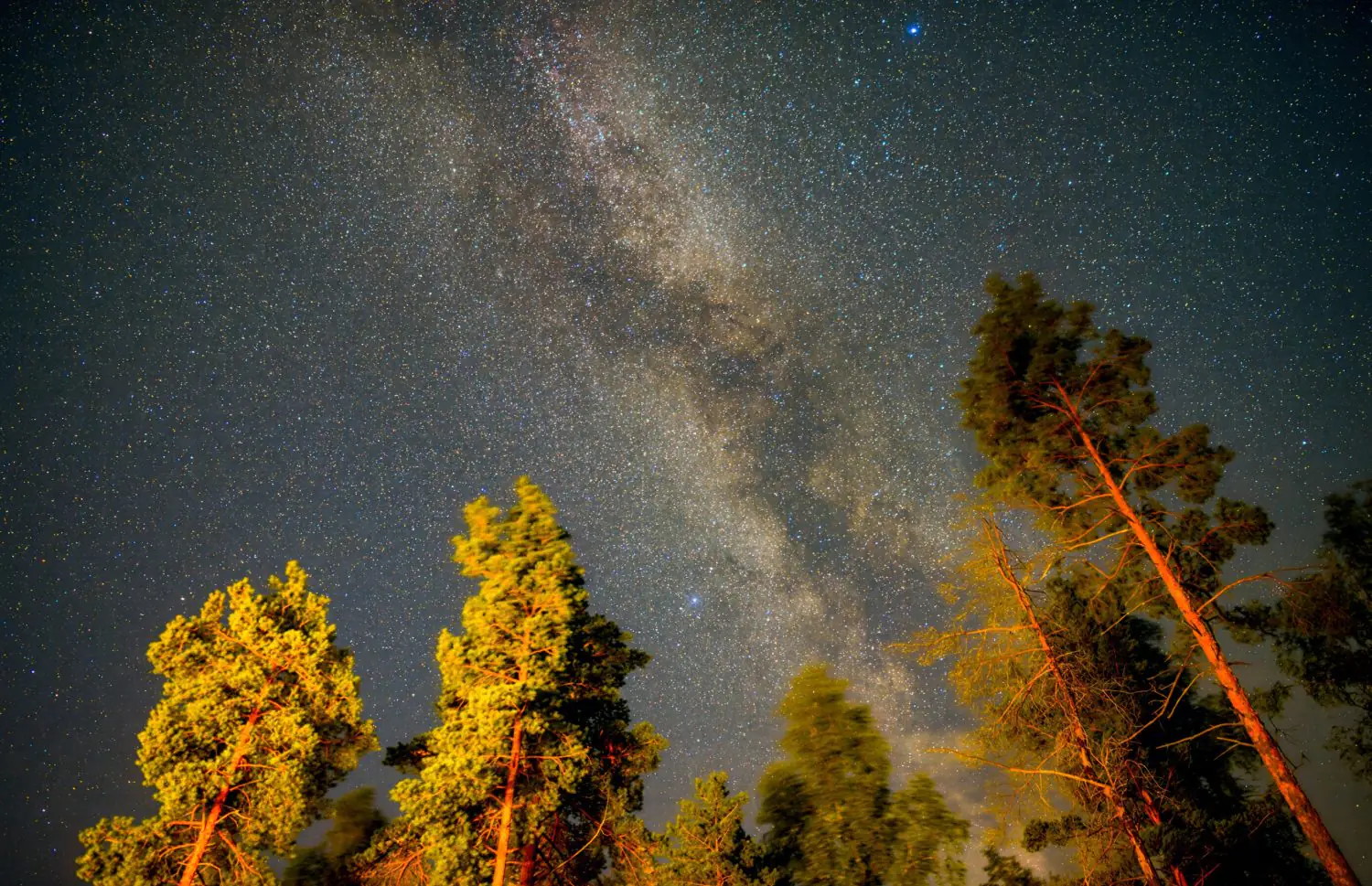
In traditional Latvian life, trees were more than just part of the landscape: they were essential to everyday living. Their wood was used to build houses and make household items and utensils, while the condition of trees offered clues about the coming harvest and the weather. It is no surprise that so many folk beliefs—from practical observations to rather unexpected ideas—are associated with them.
Jaunas ābelītes jāstāda pirmdienās, tad tās nes augļus jau nākošā gadā.
Young apple trees should be planted on Mondays if you want them to bear fruit the following year.
Ja pavasarī eglēm ir čiekuri galotnēs, tad nākošā vasara būs sausa; bet ja čiekuri ir vairāk no apakšas, tad nākošā vasara būs slapja.
If spruce trees have cones at their tops in spring, the coming summer will be dry. If there are more cones lower down, expect a rainy summer.
Ja ozoliem ir daudz zīļu, tad būs priekš Ziemassvētkiem daudz sniega un pēc tam lielas salnas. Ja ozola āboli ir sausi, tad būs sausa vasara; ja slapji, tad arī vasara būs slapja.
If oak trees are heavy with acorns, there will be plenty of snow before Christmas, followed by severe frosts. If oak galls are dry, the summer will be dry; if they are wet, the summer will be rainy.
Veci ļaudis stāsta, ka katrai koku sugai esot tēviņi un mātītes un prot arī vienu no otra izšķirt. Piena traukus vajaga taisīt no mātītēm, tad nostājoties vairāk krējuma.
Old folks say that every type of tree has male and female varieties, and that the two can be told apart. Milk containers should be made from female trees as this is believed to help more cream rise to the top.
Birds
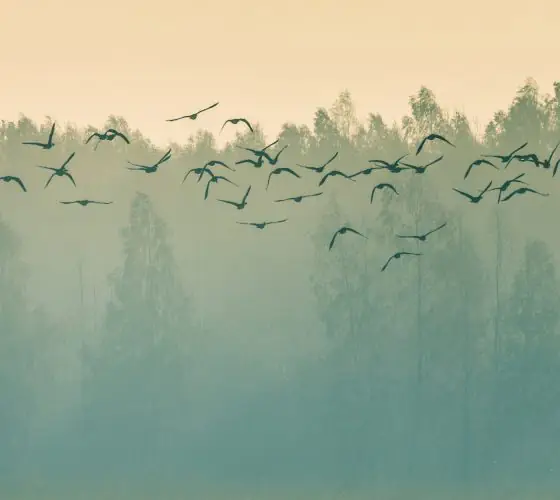
Birds played a special role in traditional observations, too. Their behaviour was believed to offer clues about changing weather, the state of nature and even news yet to come. In rural life, closely tied to the rhythms of the seasons, paying attention to birds was only natural. Some beliefs, however, went beyond simply observing them and concerned how people should behave around their nests.
Ja putns uzmeties uz loga čivina, tad būs kāda ziņa.
If a bird lands on your windowsill and starts chirping, some news is on its way.
Ja meža putni salasās māju tuvumā, tad gaidāms lietus.
If wild birds gather near houses, rain is expected.
Ja putns mazgājas, otrā dienā būs lietus.
If a bird takes a bath, it will rain the following day.
Ēdot nevajag runāt par putniņu ligzdām, jo tad putni atstāj ligzdas.
You should never talk about birds’ nests while eating, or the birds will abandon them.
Pie putniņu ligzdas vajag aizturēt elpu, jo ja uzpūš elpu tiem virsū, tad nobeidzas.
You should hold your breath near a bird’s nest, as breathing on the chicks is believed to cause them to die.
Nav jādzer putnu oliņas, lai vaiga skaistumu nezaudētu.
You should never drink raw bird eggs, or you might lose your facial beauty.
Ja meža putni nāk uz tīrumiem un mājām, tad ir gaidāma laba raža.
If wild birds come to fields and houses, a good harvest is expected.