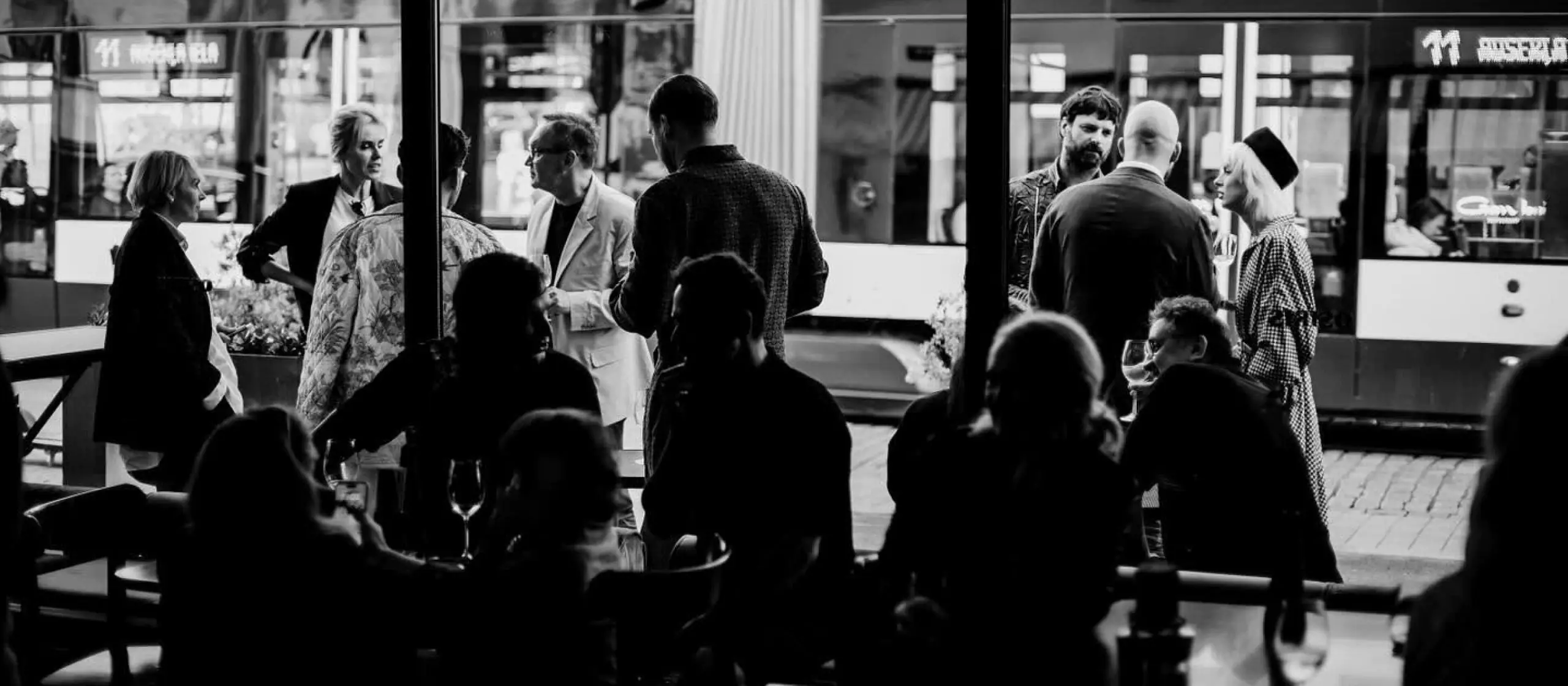
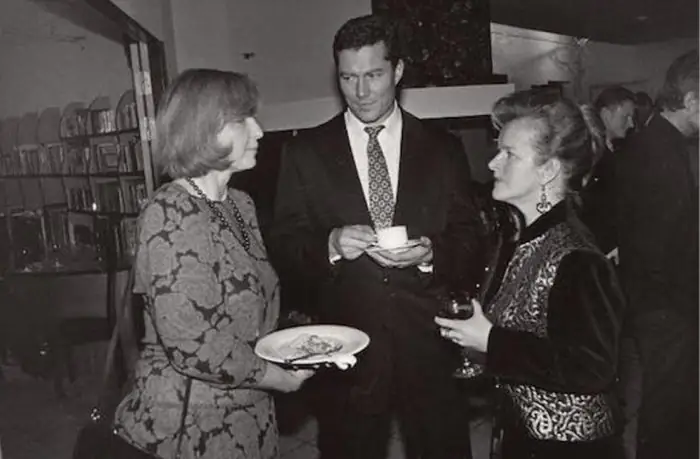
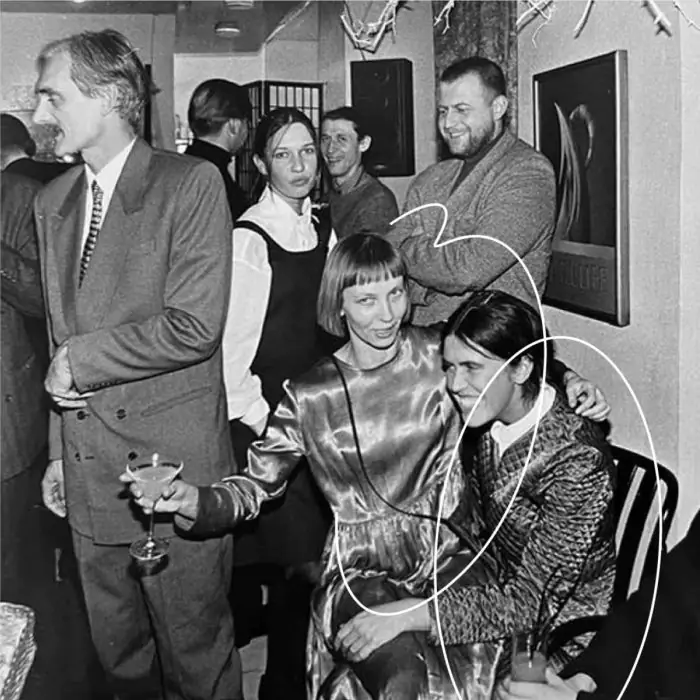
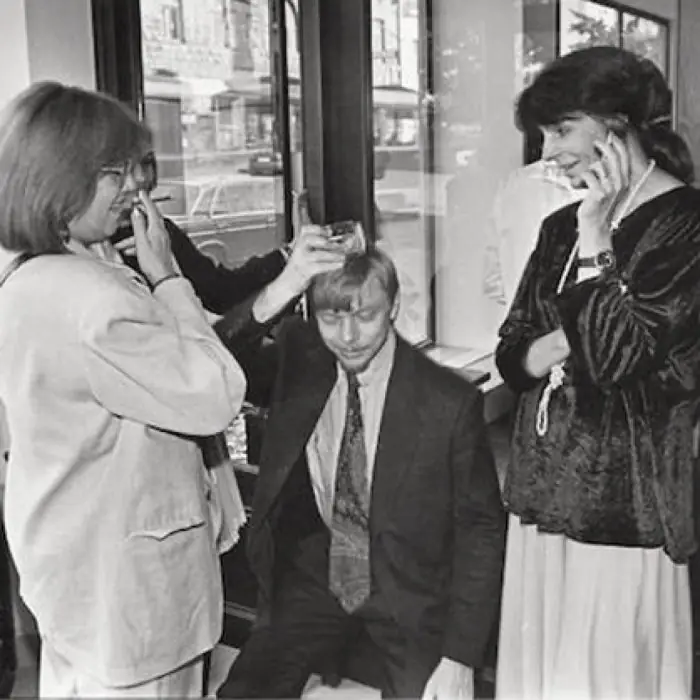
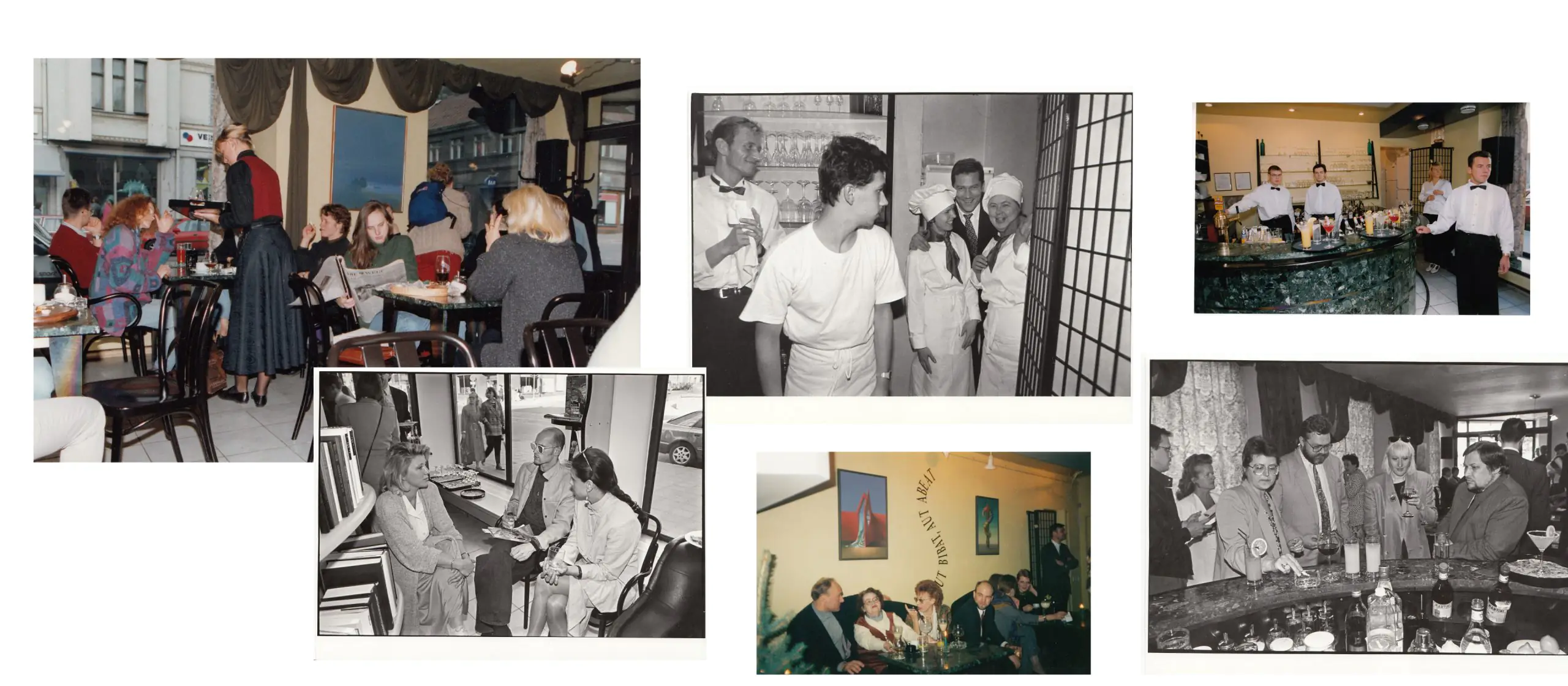
In the 1990s, Riga was changing rapidly, and a new urban culture was taking shape alongside it. Opened in 1994, Osiris soon became one of its notable meeting points. Artists, performers, musicians, politicians and members of Riga’s intellectual community gathered here. They talked about art, current affairs and new ideas, and the restaurant gradually became part of the city’s cultural life.
cafeosiris.lv
Andrejs Žagars played an important role in creating this place. Best known as the long-serving director of the Latvian National Opera, he founded Osiris and brought to the restaurant his own ideas about quality, aesthetics and hospitality. For many, it was more than somewhere to have lunch or a coffee. It was a place that reflected the changes and energy of a new Riga.
Today, Osiris continues to welcome guests while holding on to much of what its regulars value: familiar dishes, works of art, interior details and the restaurant’s well-established rhythm. But it has not stood still. The team updates the menu, hosts brunches and cultural events, and looks for ways to introduce Osiris to a new generation of Riga residents without losing touch with its history.
Behind all this are people who know the restaurant from different perspectives and have been part of its life for many years. For them, preserving Osiris does not mean putting the past under glass. It means continuing to develop a place that has become part of the city’s history and finding new meaning for it in today’s Riga.

Where It All Began
Katrina, you knew Osiris long before becoming one of its owners. What do you remember about the restaurant in its early years, and what did it mean to Riga?
Katrina: I have known Osiris since childhood. My parents and family friends used to come here. It was a place where people were constantly meeting, talking and discussing what was going on. The restaurant brought together the city’s creative and intellectual community.
Osiris opened in 1994, shortly after Latvia regained its independence. It was a completely different time, and a new restaurant culture was emerging. Before that, people were used to Soviet-style cafeterias. Osiris introduced things that were new to Riga at the time: cappuccinos, generous salads and foreign newspapers. It offered a completely different approach to food and to the way people could spend time in a restaurant.
What role did Andrejs Žagars play in creating Osiris? What did he bring to the restaurant?
Katrina: Andrejs had a very precise sense of style and quality. He was elegant and cosmopolitan, and knew how to create a certain kind of environment around himself. I admired him from the time we worked together at the Opera.
He paid attention to everything: the food, the interior, the table settings, the way bottles were arranged, how the restaurant looked and the impression it made on its guests. For him, all these details were part of one whole. Andrejs did not simply open a restaurant; he gave it its character.
Katrina, after Andrejs Žagars passed away, you and your husband decided to take responsibility for Osiris. Why was it important to you to continue its story?
Katrina: We had never planned to go into the restaurant business. But after Andrejs passed away, we realised that we did not want Osiris to close or fall into the hands of people who did not understand what it represented. It was too important a part of Riga to simply disappear.
I think Osiris was born alongside the new Latvia. It is not just a restaurant with a particular history; it is also a place through which you can see how the city has changed and how its contemporary culture has developed. That was what we wanted to preserve and pass on.
Preserving Its Character Without Getting Stuck in the Past
What has been the most challenging part of continuing a project with such a long history? How difficult is it to preserve what regular guests love while also making decisions about change?
Katrina: One of the challenges is that many people already have a strong emotional connection with Osiris. Some guests have been coming here for decades and are used to things being a certain way. They know what they are going to order, where they will sit and how everything should look. Sometimes even a small change can meet with resistance.
For example, if someone has been ordering the same dishes for decades, they may react quite strongly when something disappears from the menu. There have been other changes over the years that were not easy either. The restaurant used to open at eight in the morning, for instance, but eventually we changed our opening hours. Some guests who had been coming here for breakfast for decades were understandably disappointed.
But a restaurant has to take reality into account. There are taxes, salaries, food costs and the expenses involved in maintaining the space. You cannot keep operating according to the same model indefinitely if it is no longer financially sustainable. At the same time, we understand that people come here for more than just the food. They want to meet familiar people, see familiar faces and feel that some things have stayed the same.
The restaurant underwent renovation in 2024. How did you decide what could be updated and what was important to preserve?
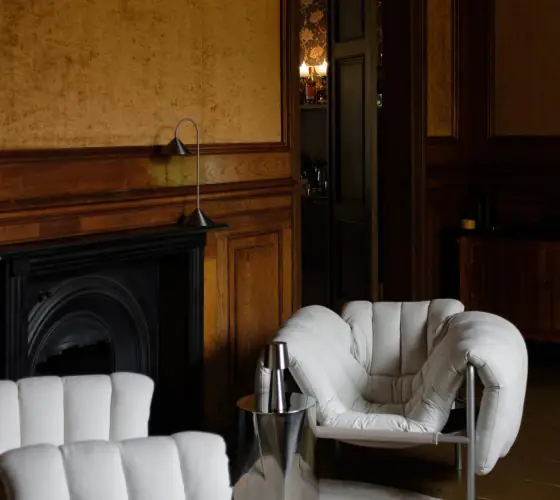
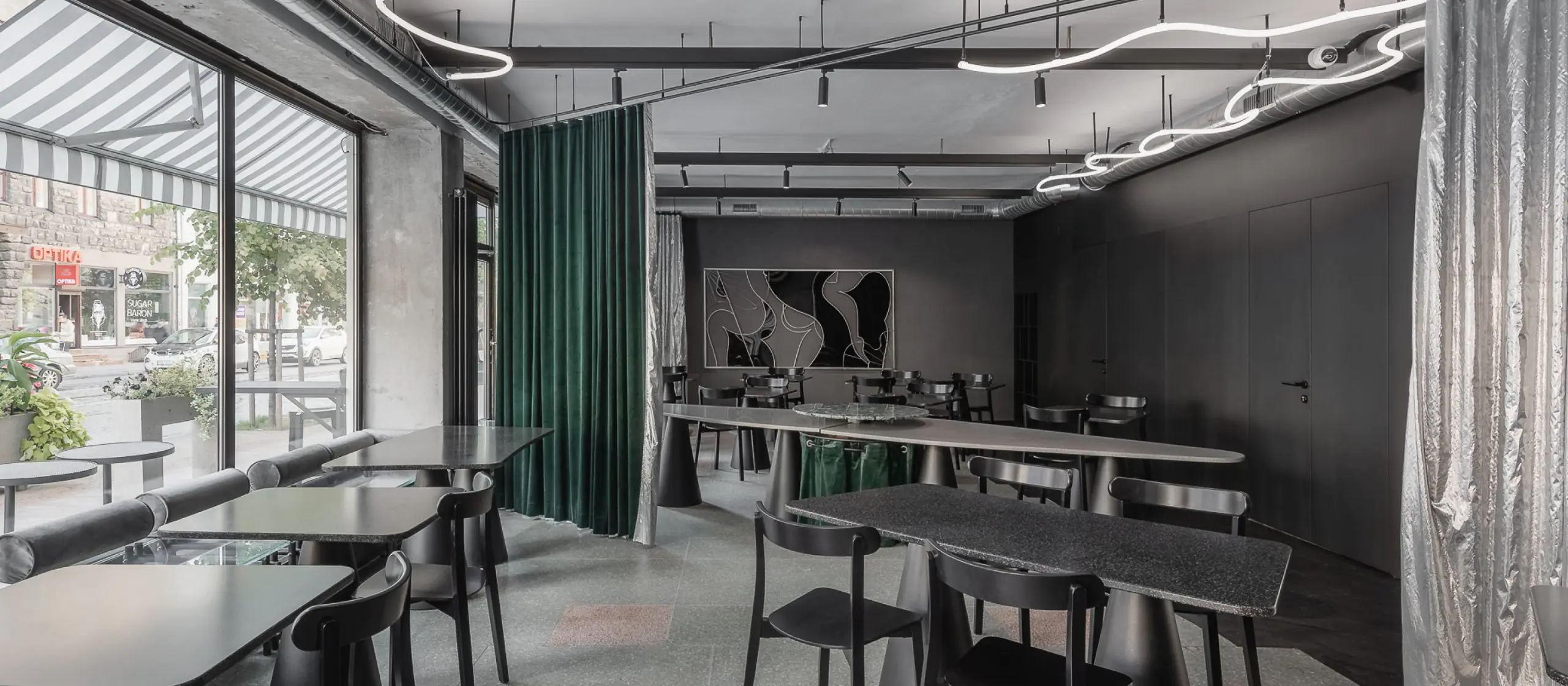
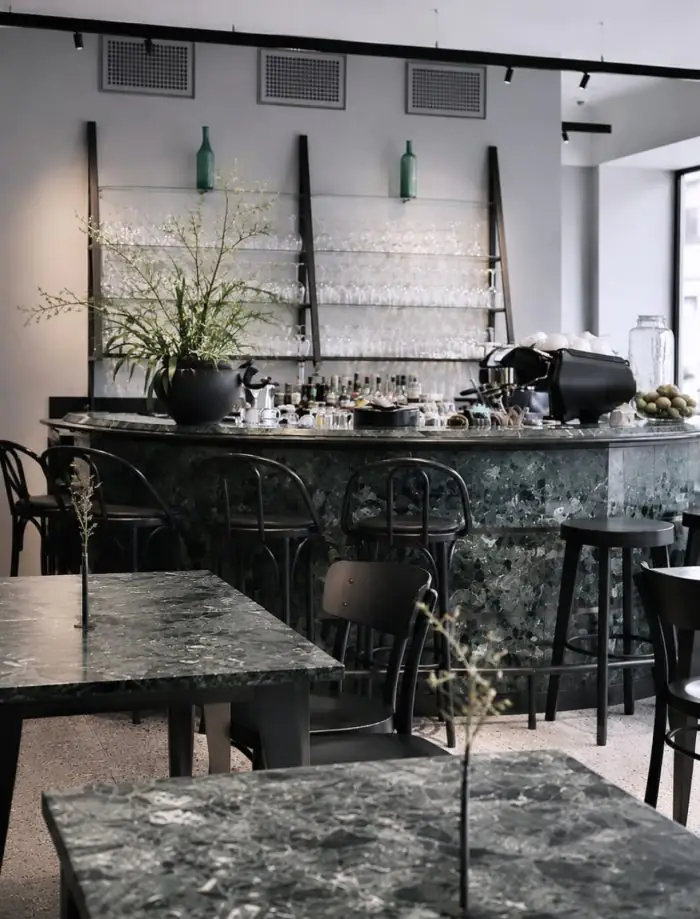
Katrina: We understand that the interior is part of Osiris’s memory. But that does not mean nothing can be changed. The restaurant needs to remain well maintained and comfortable, and reflect contemporary ideas about style. At the same time, it is important not to lose the details that make it recognisable.
The same thing happened with the renovation as with the changes to the menu: not all regular guests embraced them immediately. That is natural. When someone has been coming to the same place for many years, they grow accustomed to it and can take changes almost personally. We have to find a balance between respecting those feelings and recognising the need to move forward.
We feel the renovation worked out well. People would come in and say that something felt different, that things had improved, but they could not quite put their finger on what had changed. The overall feel of the place was still there.
The People Who Make Osiris
When people talk about the history of Osiris, they often mention Andrejs Žagars. But the restaurant has been around for more than 30 years, and many different people have helped shape it over that time. How important is the team in preserving its character?
Katrina: It is very important. Osiris is not just Andrejs Žagars, nor is it just the interior or the menu. It is the people who have worked here for years, and the guests who keep coming back.
Diana, for example, has been working at the restaurant for more than 20 years. She knows the regulars and remembers what they like to order, what they drink, their preferences and even their allergies. That is a particular level of attentiveness that cannot be developed overnight. We also had a pastry chef who worked here for more than 30 years.
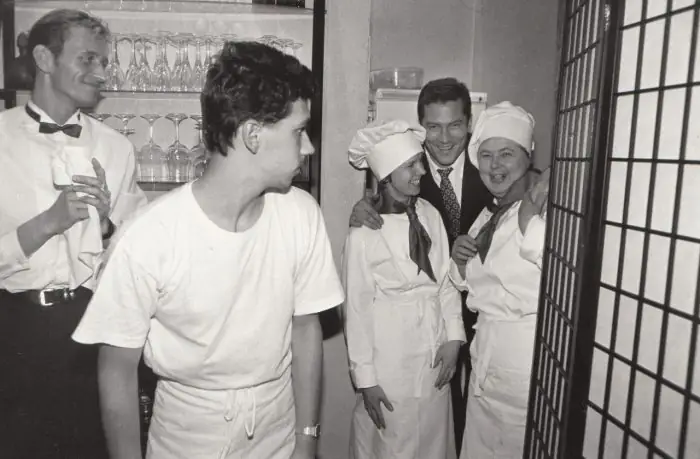
There are families who have been coming to Osiris for four generations. For them, the restaurant is connected to different stages of life, family occasions and gatherings. Of course, our older guests are getting older, and some come less often now. That is why it is important to us that new people discover the restaurant and feel at home here too.
To someone visiting Osiris for the first time, it might seem a little closed-off, like a restaurant where everyone already knows each other. Do you ever get that impression?
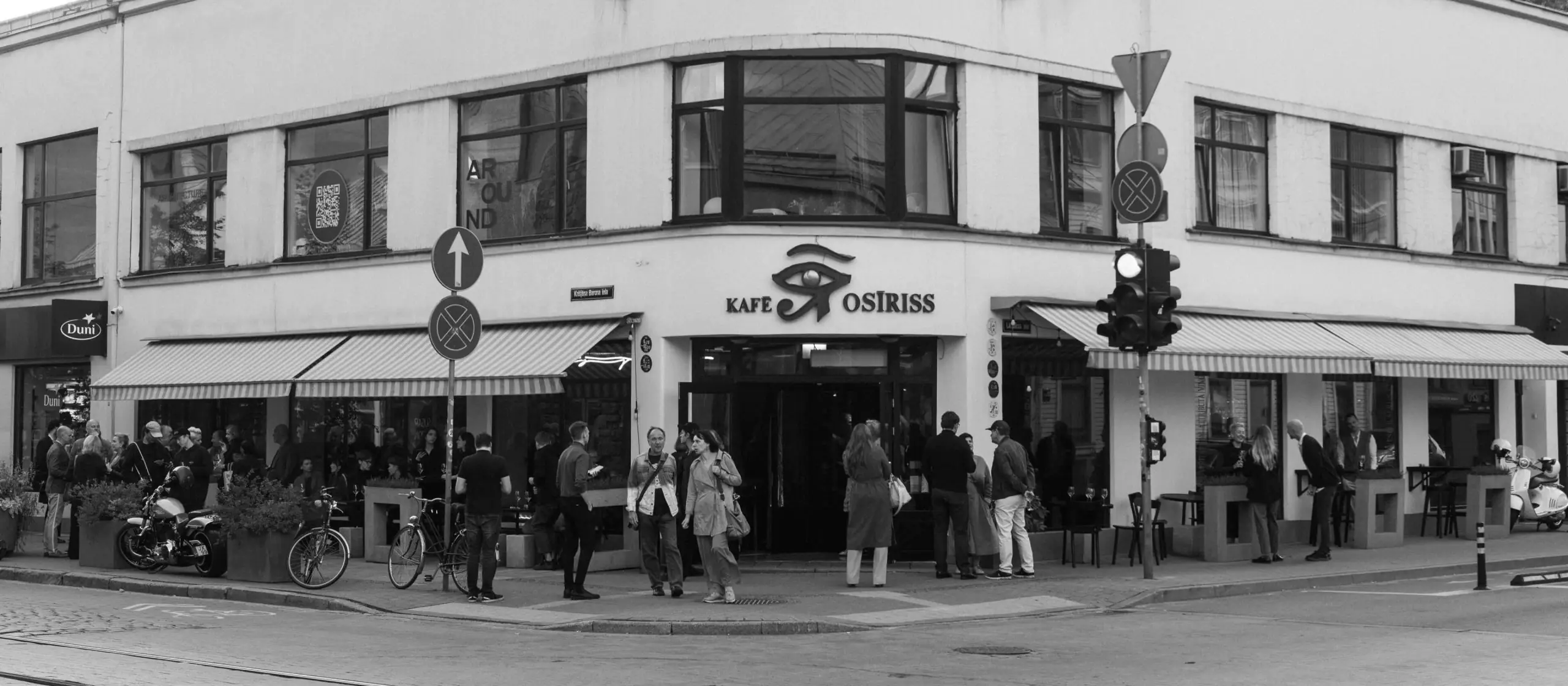
Katrina: Yes, I know what you mean. The restaurant looks quite different from the inside than it does from the street. The windows are dark, so passers-by cannot always tell what is happening inside. And when someone walks in, they might see guests greeting one another, chatting and knowing the staff. It can create the impression that everyone has known each other for years and that it might be difficult for a newcomer to fit in. Almost like a private club.
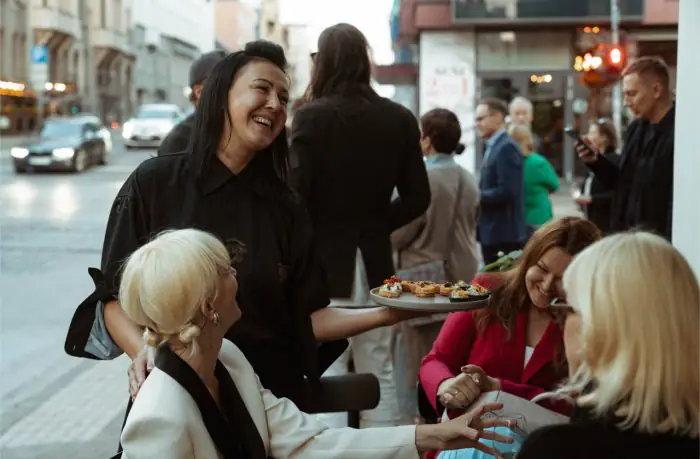
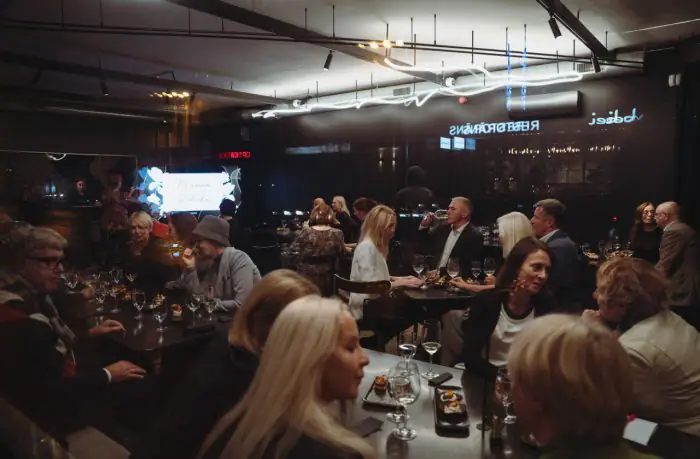
We want to change that, because Osiris is definitely not just for regulars. It is important to us that people who have never been here before come in too: tourists, younger Riga residents and families with children. We reflect this approach to hospitality in both the menu and the service. We have a children’s menu and dishes for people who do not eat meat or dairy products. We try to make the restaurant welcoming to different people without losing its character.
Ultimately, that is our main goal right now: we want as many people as possible to discover this place and become part of its lovely story.
More Than a Restaurant
You have also been gradually developing a cultural programme at Osiris. What kinds of events and activities have you introduced in recent years?
Katrina: We host monthly brunches, jazz evenings and talks about opera, theatre and art. We are also trying to make more active use of social media, create videos and tell the story of the restaurant in new ways.
We have a separate space that can be used for seminars, birthday celebrations, yoga classes, drawing sessions and workshops. If needed, the rooms can be connected to create a larger space for events built around a particular theme. We also work with event organisers who rent the space for their own projects. We may have some of the most beautiful Christmas events in the city, and in summer we occasionally organise pop-up events.
For us, this is a natural continuation of what Osiris has always been. People come here for more than just a meal. They want to meet, talk, spend time together and discover something new. Culture should not be a separate programme introduced simply for promotional purposes; it has always been part of the restaurant’s life.
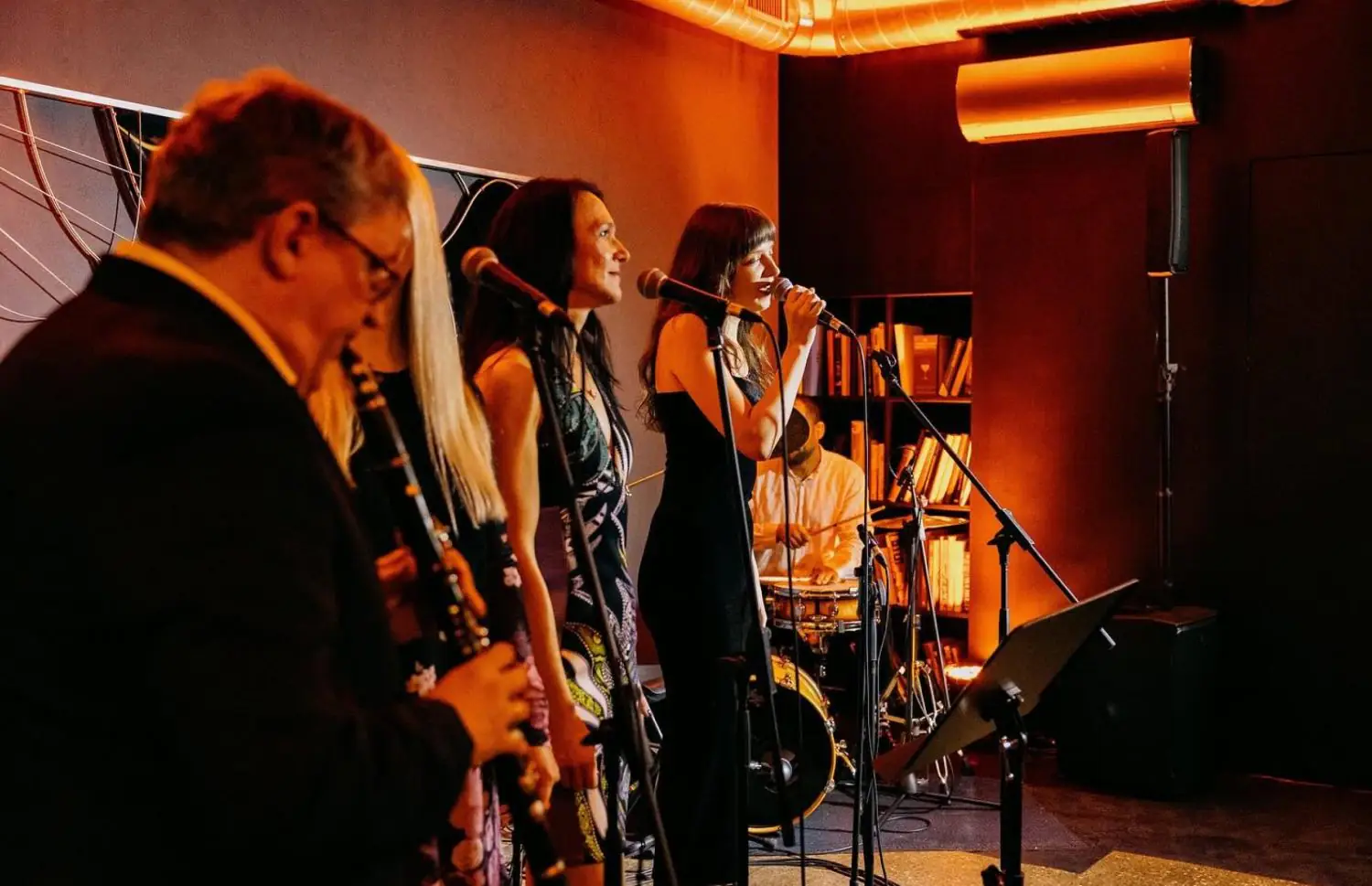
Art also has a visible presence at Osiris. How important is it to you that it remains part of the space?
Katrina: For us, art is not simply decoration for the walls. It is connected to how we understand the restaurant itself. There have always been good works of art here, and it is important to us to continue that tradition. Osiris should remain a place where food, conversation, art and city life exist side by side.
I understand that you have also been working on a book about Osiris, which is now available to see at the restaurant. How did the idea come about, and what did you most want to preserve?
Katrina: I wanted to bring together the restaurant’s history while it was still possible to reconstruct it through documents, photographs and people’s memories. If Osiris were ever to close, all of this should not disappear with it. But I hope the book will do more than preserve an archive; it will also remind people of the significance this place has had for Riga.
The book contains a wealth of archival material: old menus, photographs, documents, business cards, memories and interviews with regular guests. Through the history of Osiris, you can see how a new restaurant culture developed in Latvia after the Soviet era, and how people’s habits and ideas about what a restaurant could be began to change.
It was important to me to tell the story not only of one establishment, but also of the people who created it and brought it to life.
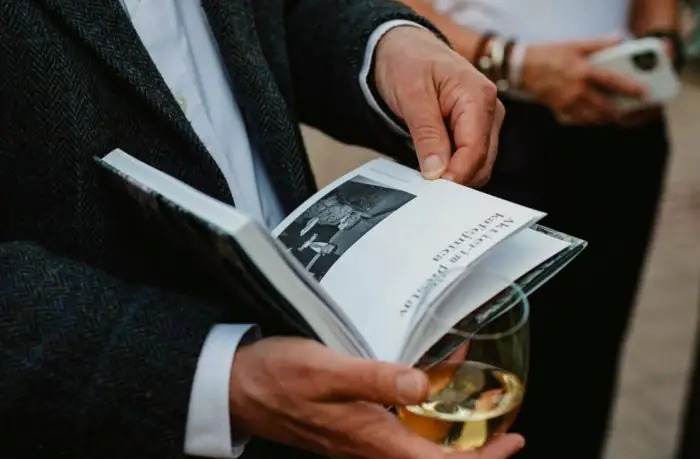
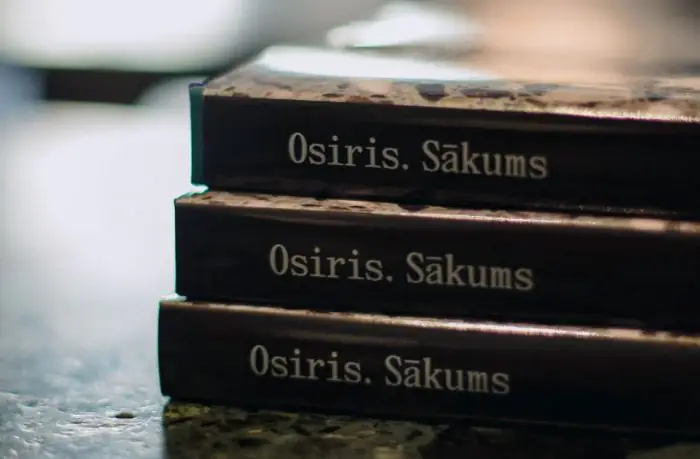
While working on the book, I discovered details I had not known before. For example, the restaurant’s walls were originally yellow, in a sandy shade, and the kitchen was only about ten square metres. Yet the menu was enormous, and the restaurant was open from eight in the morning until ten at night.
But perhaps the most important thing I realised while working on the book is that we need to do everything we can to ensure that Osiris continues to exist. When you bring together so many stories and see how many people are connected to this place, you understand even more clearly that its significance goes far beyond the restaurant business.
Being Part of the City Today
If you had to explain to someone who has never been to Osiris why they should come, what would you say?
Katrina: Osiris is a place where you can get a feel for Riga. It has its own history, but it shouldn’t feel like a museum. You can still meet interesting, talented people here, have a chat with the staff, read the newspapers and magazines, and run into familiar faces. At the same time, new guests come through our doors every day.
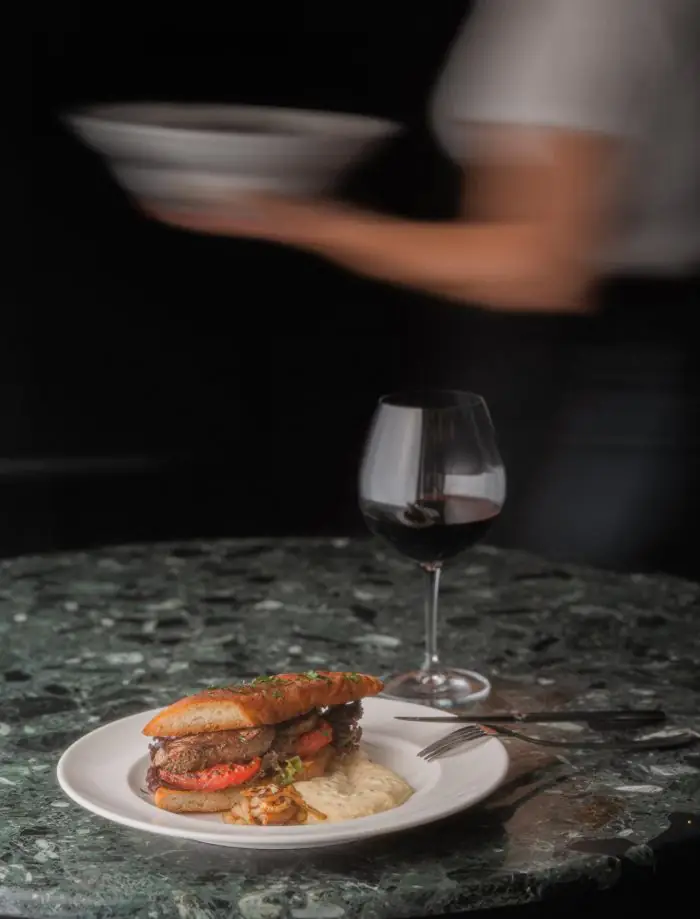
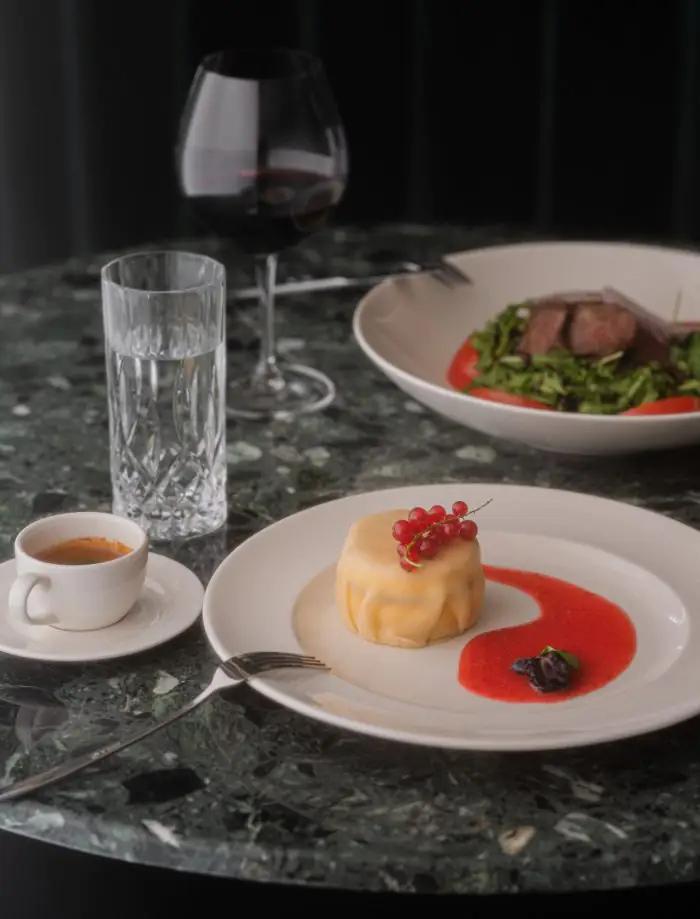
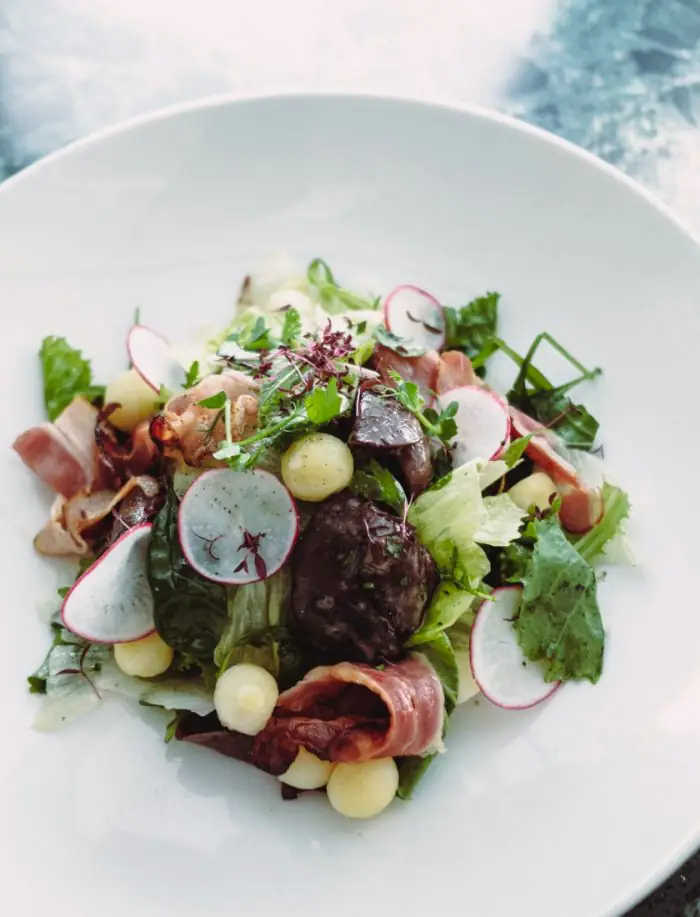
I want someone visiting Osiris for the first time to feel comfortable here. You can simply stop by for a coffee or try something from the menu. For example, I would recommend the chicken liver salad — it’s a favourite among our guests. We also have a calamari salad that has been on the Osiris menu for around 30 years, and a halloumi salad, which I personally love. And for dessert, you should definitely try our marzipan pastry. We make it ourselves: it’s small, beautifully presented and has a texture similar to ice cream. I even ordered it for my own wedding.

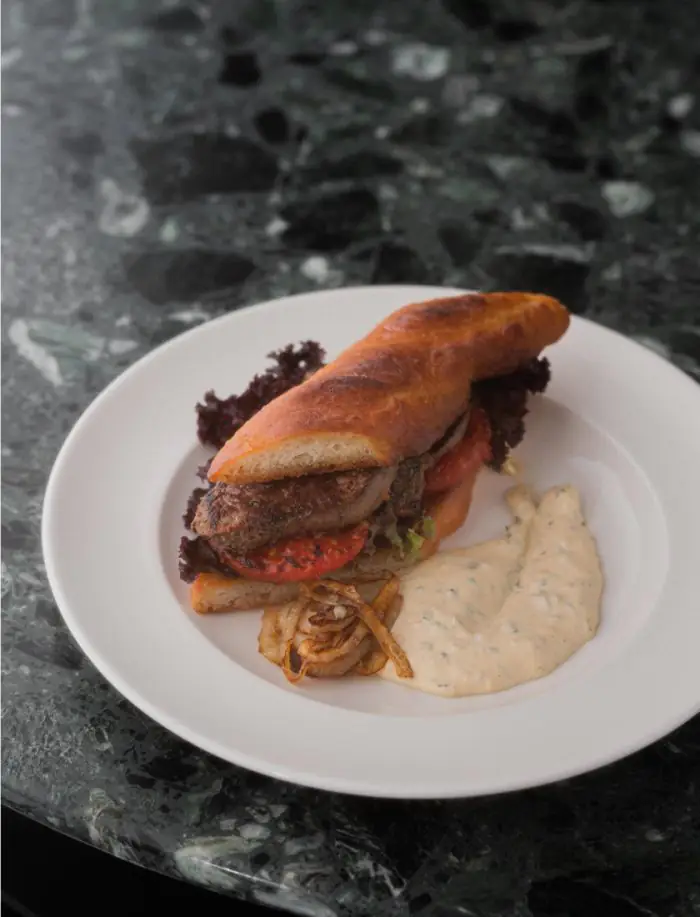
It’s important to me that Osiris remains a place where people don’t feel alone. You can come on your own, take a seat, have a chat with Diana or bump into someone you know. We’re genuinely happy to welcome everyone, even if they’ve only popped in for a coffee or coffee and a pastry. There’s something very Riga about that.
Osiris has always been more than just a restaurant, and I want that to continue.