The historical fabric of a city is subject to certain patterns. It changes in response to demographics, the economy and the housing market, and the greater a city’s growth and development, the greater the impact on its heritage. Conversely, the greater the value of a city’s historical heritage, the more costly compromises and ill-considered decisions will be in the long term.
The examples show how to handle different types of conflict and strike a balance between tradition and modernity, ensuring the city remains dynamic while respecting its past.
Conflicts between historical heritage and new development
Large-scale vs. tiny
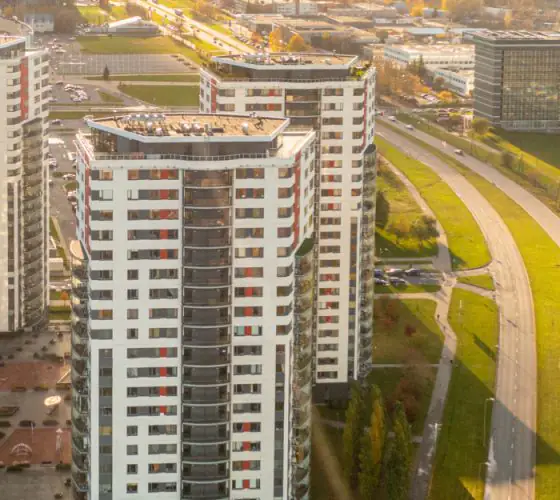
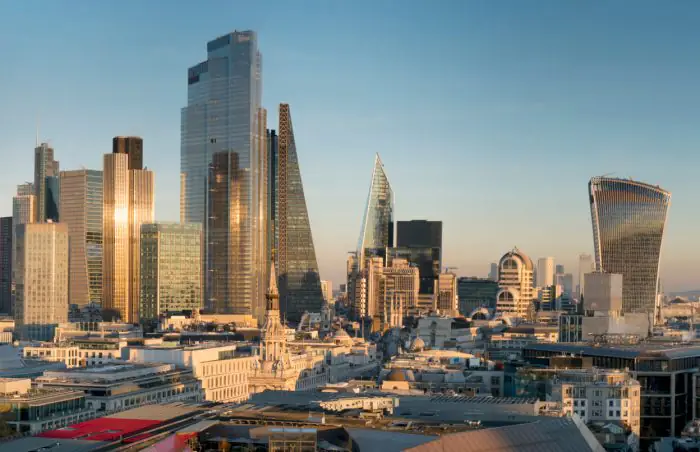
The skyscraper is one of the main symbols of the conflict between old and new in modern cities. One need only think of London, with its lofty City district and the perpetual dissatisfaction of urban conservationists, or the numerous protests against the construction of skyscrapers in close proximity to historic city centres around the world.
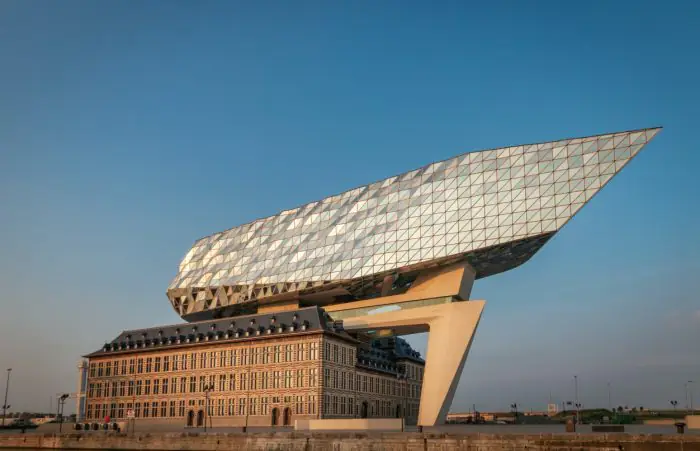
Equally irritating are the iconic buildings designed by famous contemporary architects, such as deliberately expressive museums and theatres, which play an important symbolic role. Zaha Hadid’s architecture is the most obvious example, with some critics considering it inappropriate against the backdrop of historic buildings.
Solutions
In order to protect historic buildings, a number of cities have adopted flexible conservation and zoning regulations. In London, for instance, there are view corridors, or protected vistas, which are legally protected areas where the construction of buildings that would obstruct key panoramic views of the city is strictly prohibited.
Unfortunately, in some cases, the system only kicks in after the event, in the form of punishment and a warning to others. Liverpool, for example, was removed from the UNESCO World Heritage List in 2021 due to the large-scale construction of modern buildings on its historic waterfront.
Global vs. local
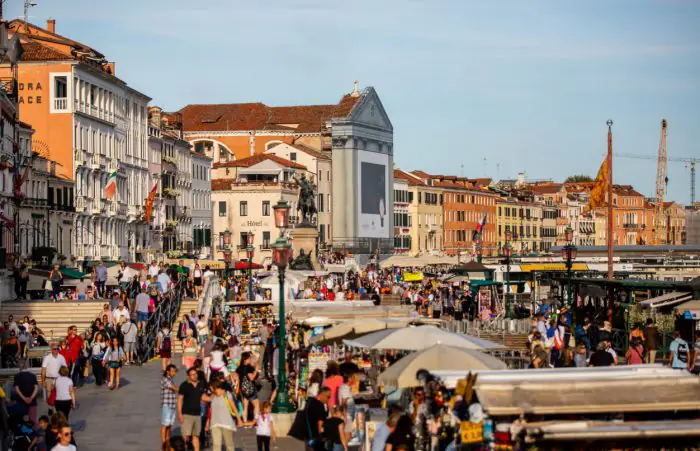
Both residents and activists are outraged by the densification of historic neighbourhoods and their conversion for use by the tourism sector. This is already resulting in the disappearance of historic city centres. For example, while Venice had 250,000 permanent residents in the mid-20th century, this figure has now fallen to around 50,000. People are moving to the mainland either because familiar infrastructure is disappearing or because it is more profitable to rent out their homes than to live in them.
The same phenomenon can be observed in areas that were once poor but then underwent gentrification: there is simply no room left for the original residents. This sparked mass protests in Mexico City in 2025, with demonstrators attacking tourist-oriented coffee shops and boutiques and smashing windows while chanting ‘Fuera Gringo!’ (‘Gringos out!’).
Solutions
At the city level, mechanisms are needed to encourage residents to participate in local politics. At the project level, a participatory design approach is required, involving direct dialogue with city residents throughout the project development process. This format of interaction is widespread in Berlin and has led to real changes in the urban landscape. For example, Park am Gletschereck has had an advisory council of ten citizen, local resident and interested party representatives since 2014, and this council has accompanied the park’s development ever since.
New vs. old
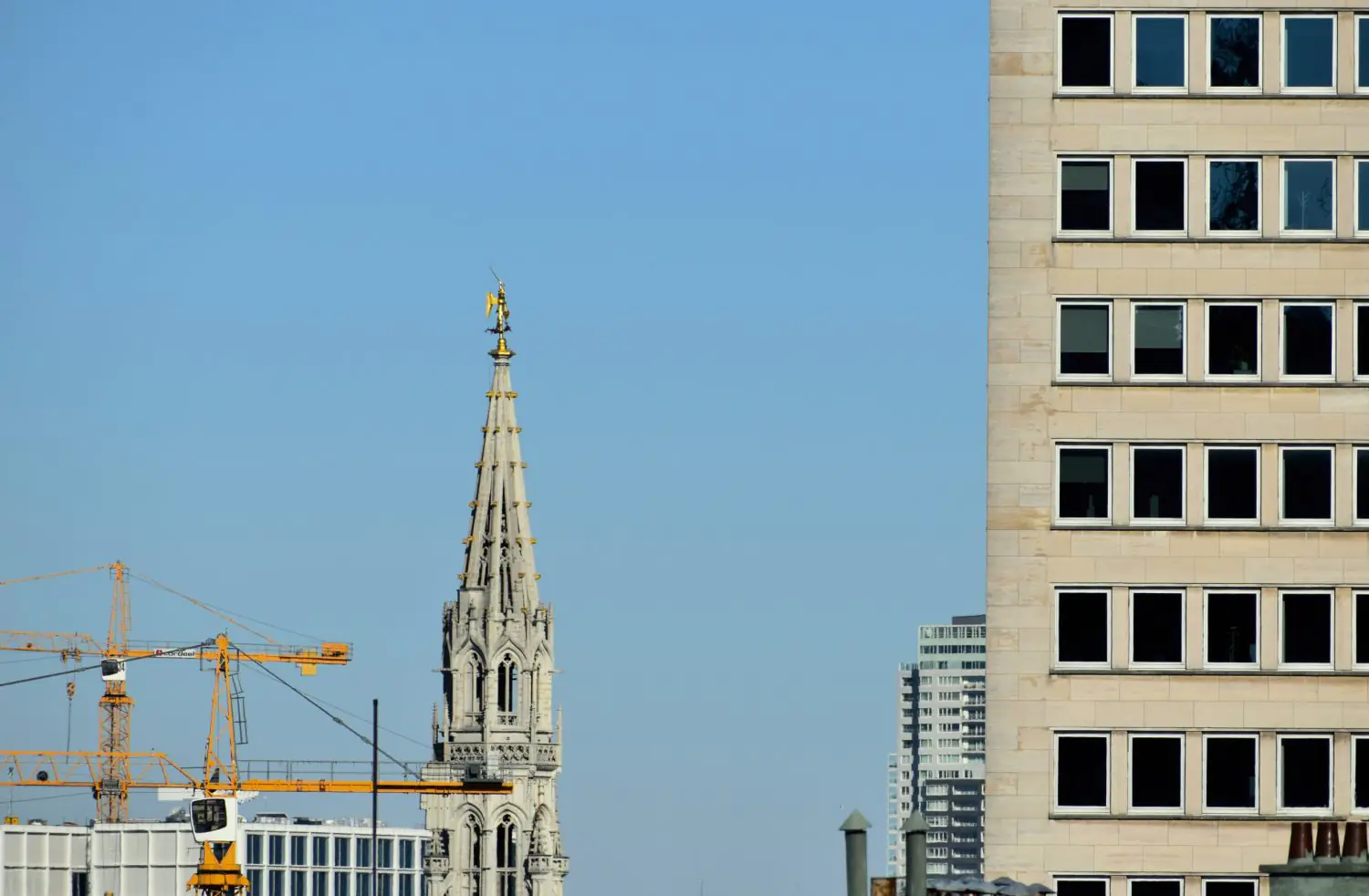
Brussels is a veritable museum of urban planning mistakes. In the 1960s and 1970s, the city underwent extensive redevelopment, but strict conservation laws were lacking. Consequently, many historical sites were demolished and new buildings were constructed haphazardly and without much thought, leading to the unofficial term ‘Brusselisation‘, which has become synonymous with chaotic urban development and redevelopment.
Later, the authorities responded with a ‘compromise’ that seemed reasonable at first: the city would preserve the historic façades, but rebuild the buildings behind them completely (a practice known as ‘facadism‘). The façades became mere decorations, concealing office spaces and car parks.
Solutions
It can be categorised as either mandatory or desirable. The first includes regulations on the adaptive reuse of buildings and selective development. Vienna is a good example of this, combining strict conservation rules with high-quality modern architecture.
The second desirable requirement for developers working with historical heritage is adherence to the Venice Charter, the fundamental principles adopted by restorers around the world. Adopted in the 1960s, this document insists on preserving the authenticity of materials, structures, and historical contexts. It requires minimal intervention and honest differentiation between old and new, while prohibiting the transformation of restoration into stylisation.
Heritage management in the Baltic States: key principles and challenges
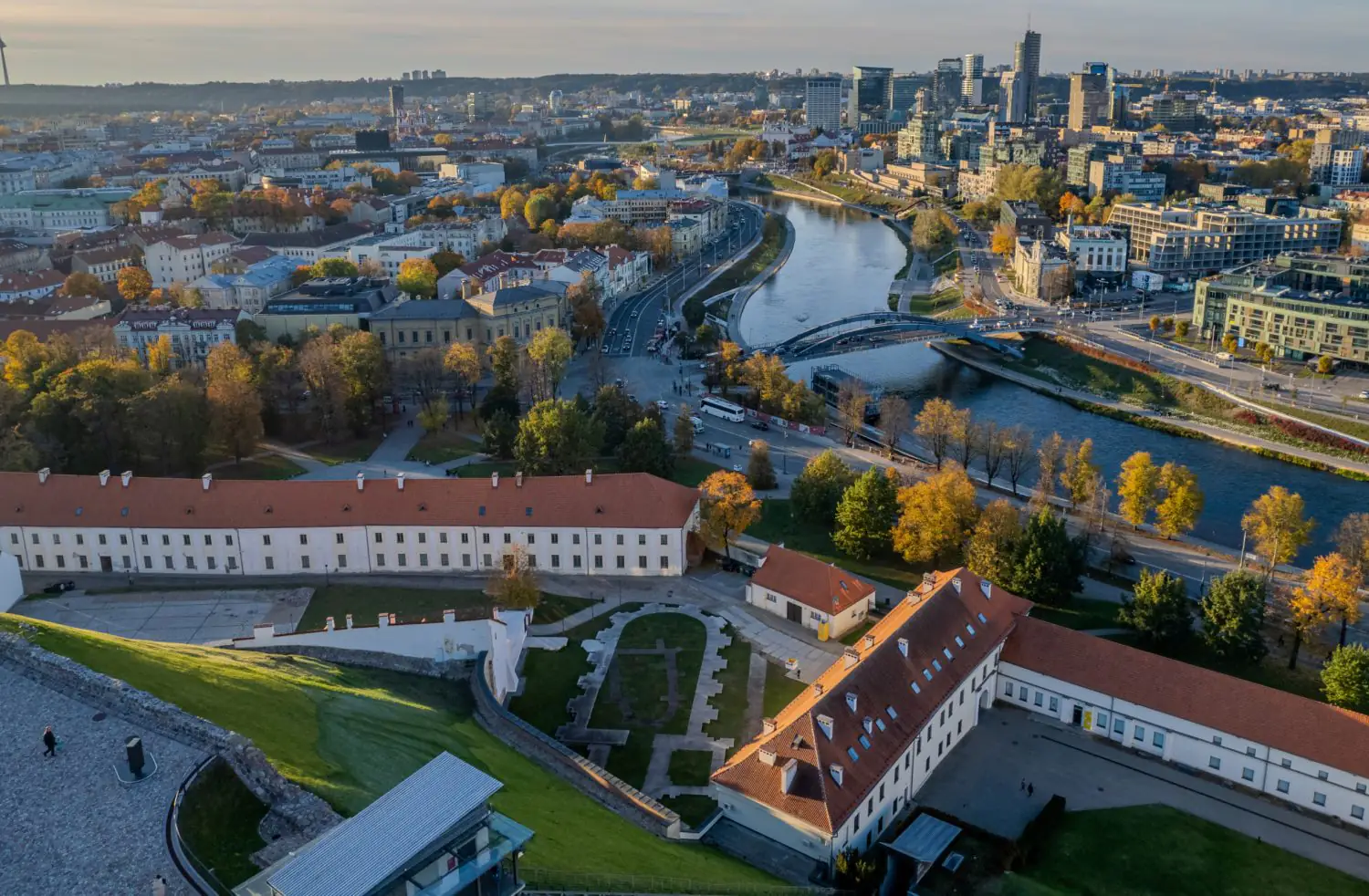
The Old Town of Vilnius is one of the largest UNESCO sites in Eastern Europe. At the same time, the capital is growing rapidly, attracting students, professionals, and immigrants. In 2025, it became the largest city in the Baltic States, with a population of around 607,000–634,000, overtaking Riga, which has a population of around 605,000–607,000.
One of the most controversial topics is therefore what to build around the Old Town and how tall the buildings should be. This issue is all the more pressing given the city’s diverse terrain and differences in elevation. If a new building does not fit into the panorama, it will be visible from many locations. Therefore, the city deliberately does not increase the height of buildings around the Old Town, instead shifting development to the right bank of the Neris River, the Šnipiškės district and the business districts outside the centre.
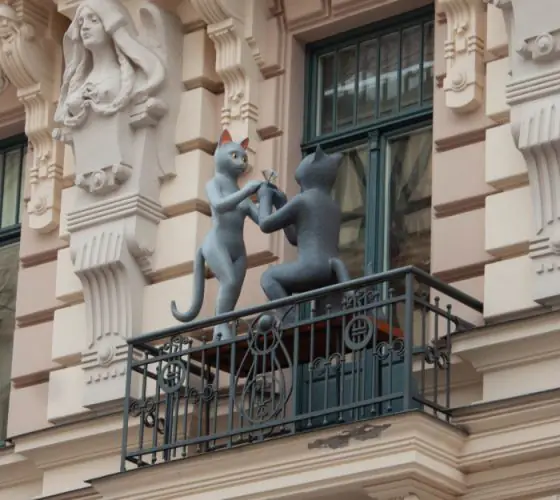
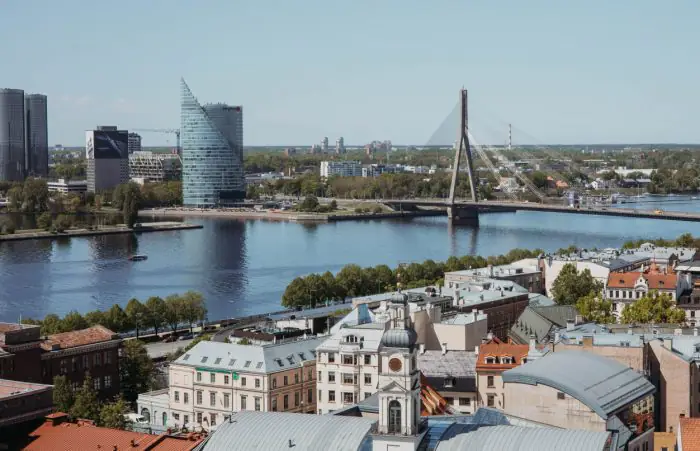
Riga adopted a similar approach, relocating high-rise construction beyond the Daugava River. However, the heritage is not only threatened by skyscrapers, but also by poor-quality renovations, which are particularly noticeable in Jugendstil buildings. The city is virtually unrivalled in terms of the density of its late 19th- and early 20th-century buildings. At the same time, Riga’s economy is weaker than those of Vilnius and Tallinn, and restoring these buildings is complex — stucco, ceramics, stained glass and metalwork require rare specialists, and the work is significantly more expensive than typical repairs, rarely paying for itself quickly. Nevertheless, almost all Jugendstil buildings are catalogued in detail, and most of them have protected status, safeguarding the ensemble as a whole.
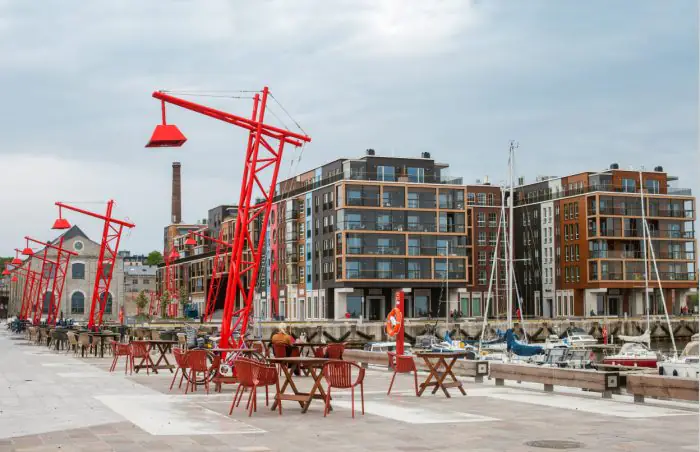
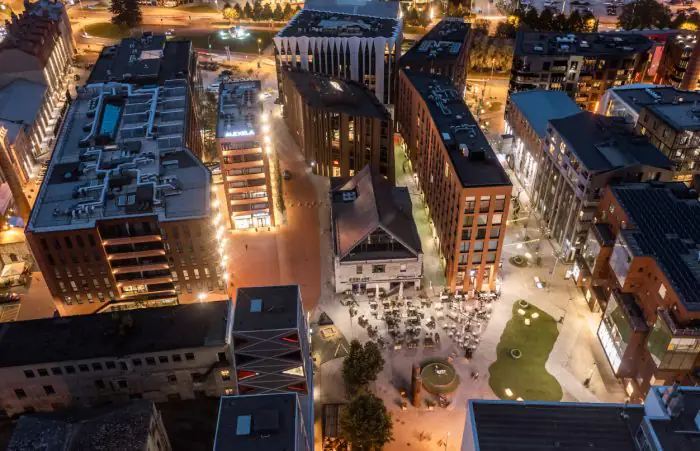
In modern Tallinn, one of the main vectors is the restoration and gentrification of old industrial areas (for example, the Noblessner port or the Rotermanni quarter). From the point of view of architecture and urban image, these projects are well designed: historic buildings have been preserved, new developments are in proportion to the old buildings, and pedestrian areas and an abundance of establishments attract many tourists and city residents. However, the latter are not always happy with such a neighbourhood. The gentrification of working-class and port districts leads to rising prices for housing and services, the displacement of former functions, and a gradual change in the social and urban fabric: ‘unrepresentative’ but lively urban details disappear from it.
There are few universal solutions to the problems of creeping gentrification and loss of heritage. However, there are certain principles that are much more effective than outright bans or emotional urban protection rituals.
Firstly, only things that are clearly and soberly described, studied and classified can be preserved. This applies to both wooden neighbourhoods and late Soviet buildings — without cataloguing and classification, decisions on the demolition or renovation of such buildings are always perceived as political or economic gestures. The second universal step is micro-planning, whereby rules are set not for the entire city at once, but for specific streets, panoramas and typologies.
Thirdly, economic incentives are required for any protection to work: incentives for renovating wooden houses, subsidies for improving the energy efficiency of historic architecture, and so on. Finally, there is the principle that unites successful projects in Tallinn, Vilnius and, less frequently, Riga: the ability of high-quality modern architecture to fit clearly into the context. Examples include the Paupis district in Vilnius, the Kalamaja district in Tallinn, and the upcoming Lačpleša Skvērs project in Riga.