
Now that remote work has become the new norm and the focus has shifted to comfort and well-being, development is changing: “quiet architecture” is no longer just an option for the premium segment, but a basic quality benchmark that directly impacts liquidity and price per square meter. It’s an integrated approach that begins long before the windows are installed.
Quiet architecture is a design approach where acoustic comfort is integrated from the very beginning—from the building’s positioning on the site to the structure of walls, floors, and engineering systems. It is not just about “thick walls,” but about controlling sound at every level: how it enters, propagates, and is attenuated within the space.
Two Enemies of Acoustic Comfort
For people living in Riga, where historic buildings sit right next to busy streets, acoustic comfort stopped being just a nice-to-have a long time ago. When it comes to construction in Latvia, the main fight is against two types of noise:
Airborne noise: Traffic, street noises, loud neighbors.
Impact noise: Footsteps, things dropping, furniture being moved, and structural noise from building systems like elevators, pumps, and ventilation.
Impact noise is still the biggest headache in older buildings and cheap new builds where cutting corners on floor assemblies leads to a full-on “sound collapse.”

The minimum sound insulation requirements in Latvia are set by the regulation LBN 002-19 (“Building Acoustics. Requirements for Sound Insulation of Buildings”). However, the real estate market is moving faster than the legislation. Quality-focused developers are already offering solutions that go well beyond the minimum LBN standards to meet the high expectations of buyers.
| Type of Noise | LBN 002-19 (Minimum Requirement) | Premium Segment/ New Standards |
| Airborne Noise | Around 52 dB (between apartments) | 55 – 58 dB and above |
| Impact Noise | Around 58-60 dB (between floors) | 48 – 52 dB (the lower, the better) |
While the airborne sound insulation index required by LBN just barely lets you avoid hearing your neighbor’s loud conversation, an index of 55-58 dB guarantees you won’t even hear their background music. Quality-focused developers have to exceed the minimum LBN requirements by 3-5 dB just to stay competitive in the comfortable housing market.

Acoustic Zoning
A perfect example of this integrated approach is the principle of acoustic zoning:
- Buffer spaces: Stairwells, bathrooms, and walk-in closets are positioned along shared walls with neighbors or facing noisy streets, acting as sound-insulating barriers for the bedrooms.
- Dual-aspect layouts: Bedrooms and children’s rooms face exclusively onto the quiet, enclosed courtyard, while living rooms and kitchens open onto the noisier street side.
Engineering Solutions Inside the Building
Acoustic comfort is the result of multi-layered protection. Zoning is the first barrier.
The most challenging task is combating impact noise: footsteps, vibrations, and the movement of furniture. This is the primary acoustic issue in older buildings. In modern projects, this is addressed using a “floating floor”—a layer that decouples the floor finish from the load-bearing structure, preventing vibrations from traveling through the building.
Protection against airborne noise—such as traffic or neighbors—depends on the mass and airtightness of the construction. Multi-layered walls and specialized windows with varying glass thicknesses significantly reduce sound transmission, creating a sense of an isolated, tranquil environment.
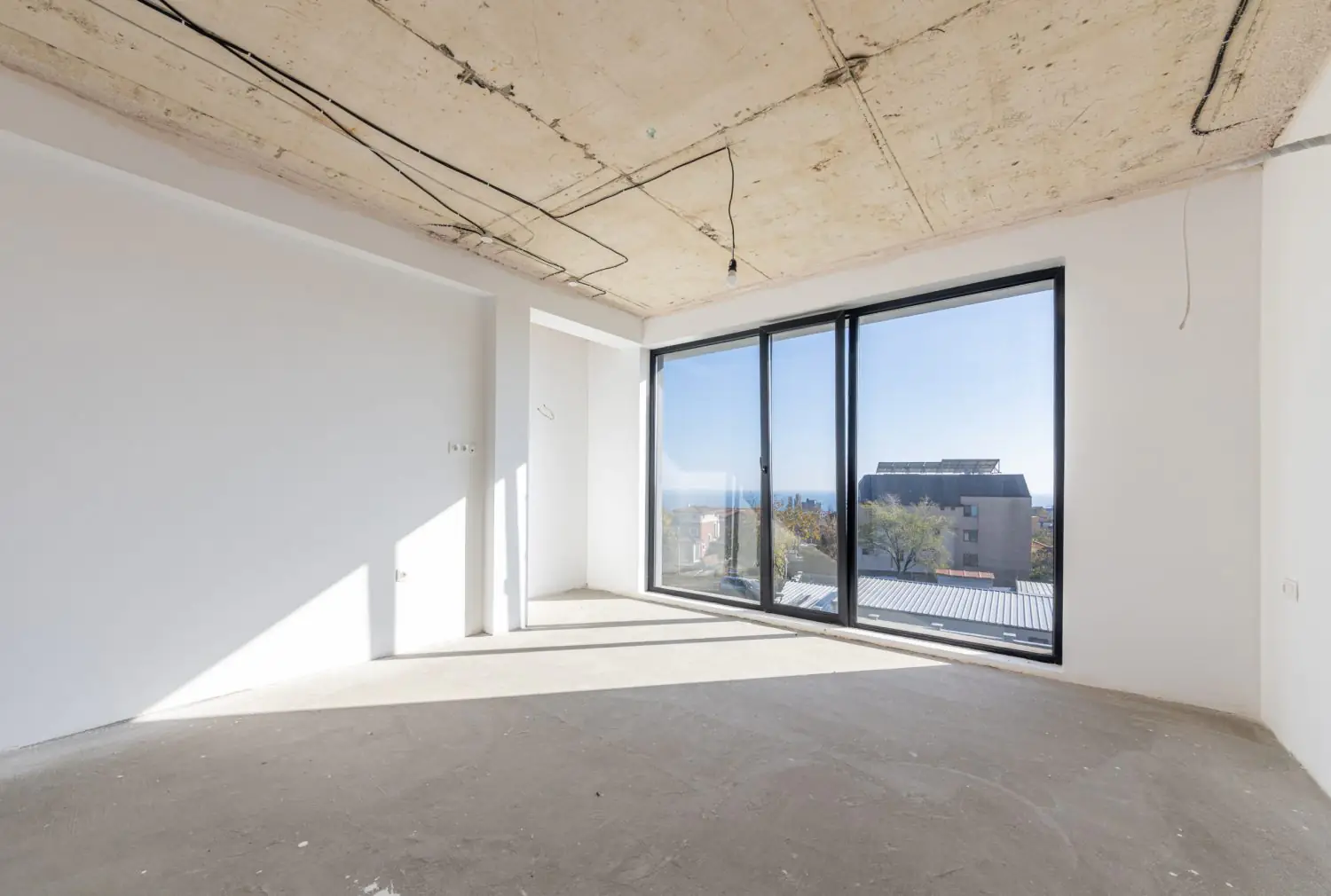
Solutions on the Latvian Market
Acoustic comfort in modern residential projects is the result of a comprehensive approach—from structural design to engineering systems and floor plans. Almost all developers agree on one fundamental: multi-layered wall and floor assemblies provide the necessary baseline for sound insulation. However, the key differentiator lies in how these solutions are enhanced and integrated into the overall project.
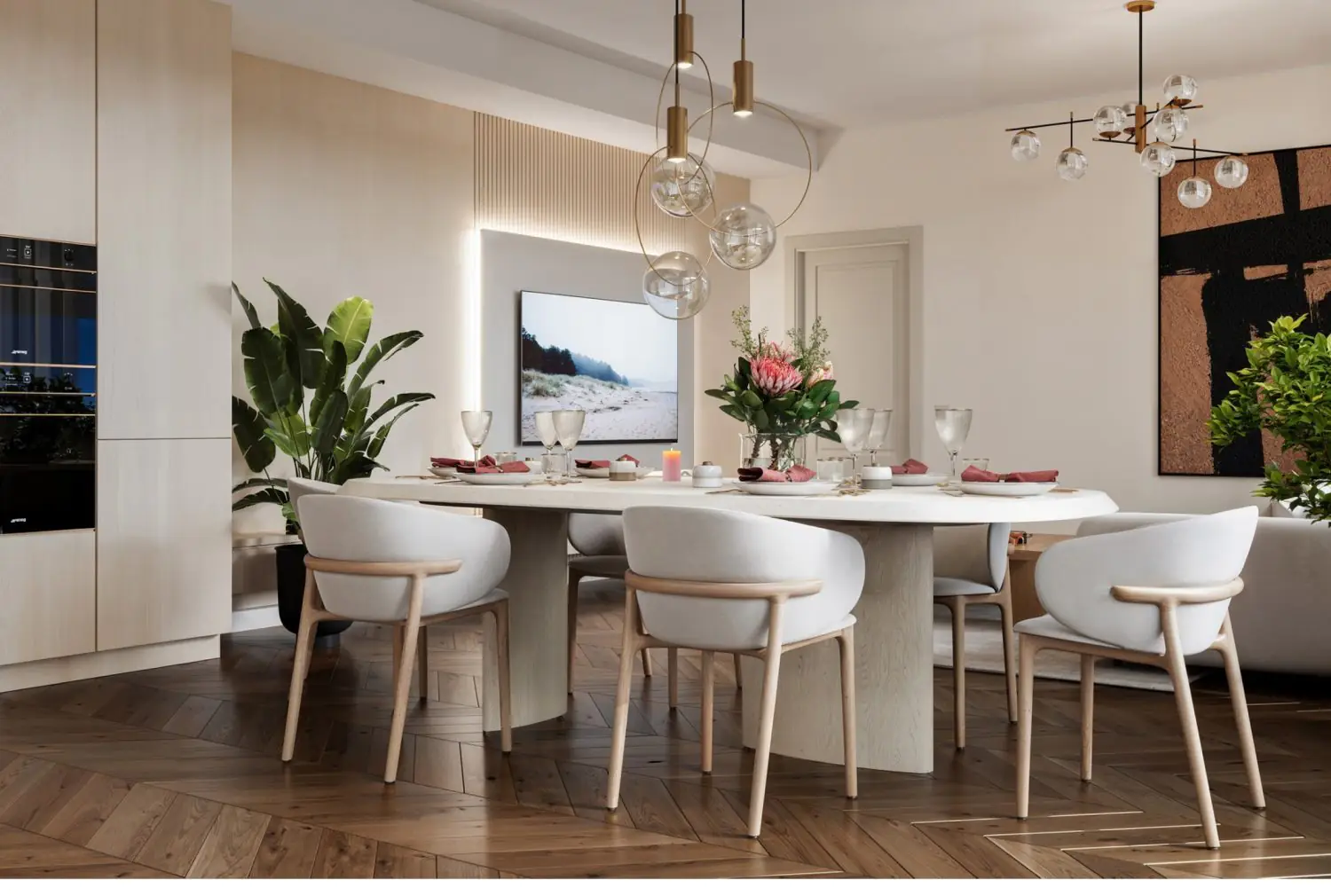
In Hepsor projects, the emphasis is placed on engineering systems. The use of individual mechanical ventilation with heat recovery (MVHR) allows for fresh air without the need to open windows, effectively blocking out street noise. Combined with reinforced soundproofing for doors and walls, this creates a stable and controlled acoustic environment.

Kaamos emphasizes early-stage integration: acoustics are addressed during the design phase through floor plans, room placement, and the isolation of technical zones. Attention to detail is paramount—from the positioning of bedrooms to the calibration of engineering systems and the selection of windows based on the building’s surroundings.
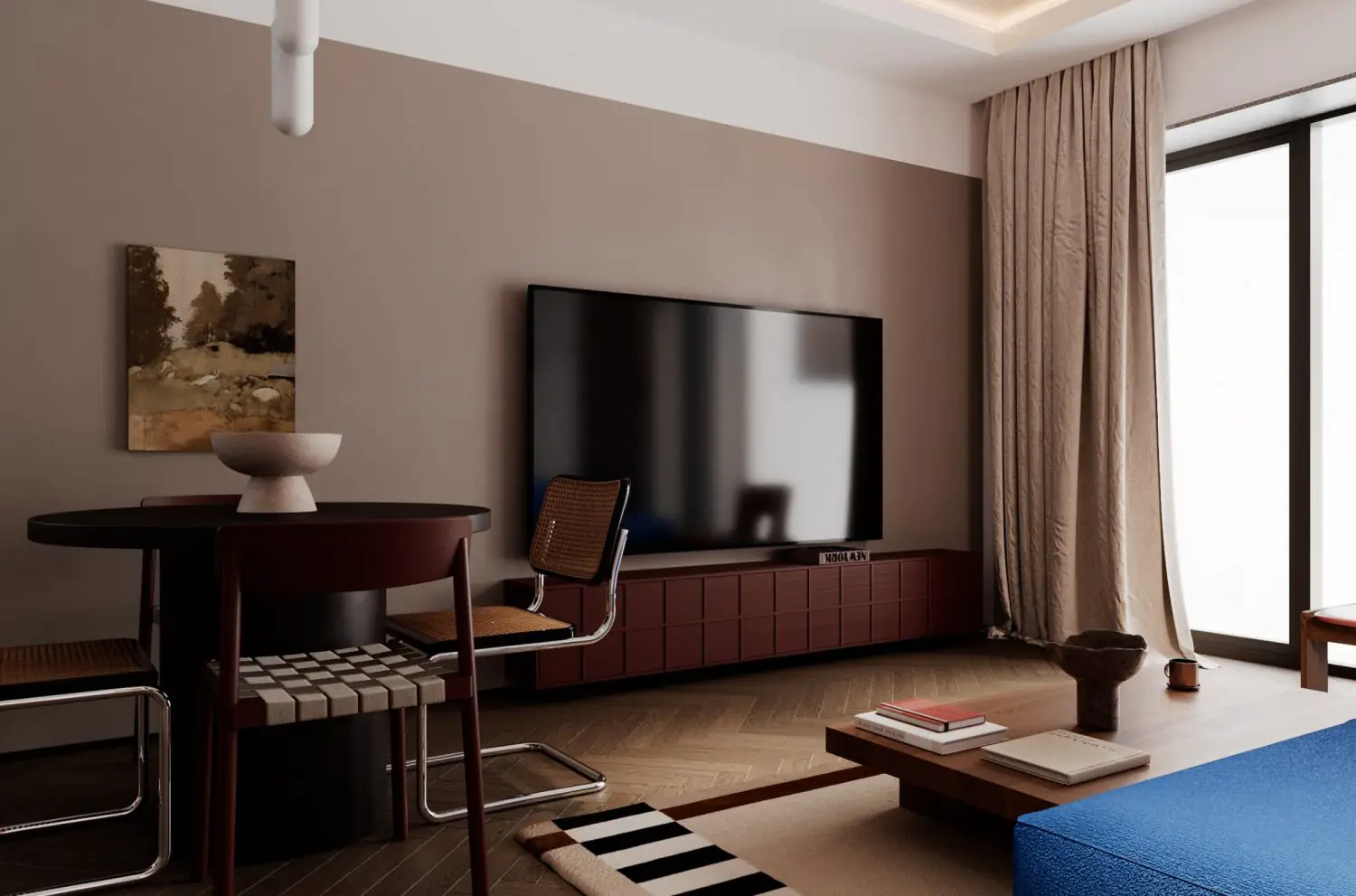
In River Properties projects, the focus is on specific, measurable metrics. Enhanced sound insulation for windows, partitions, and floor slabs ensures a tangible level of privacy and minimizes both airborne and impact noise in daily life.
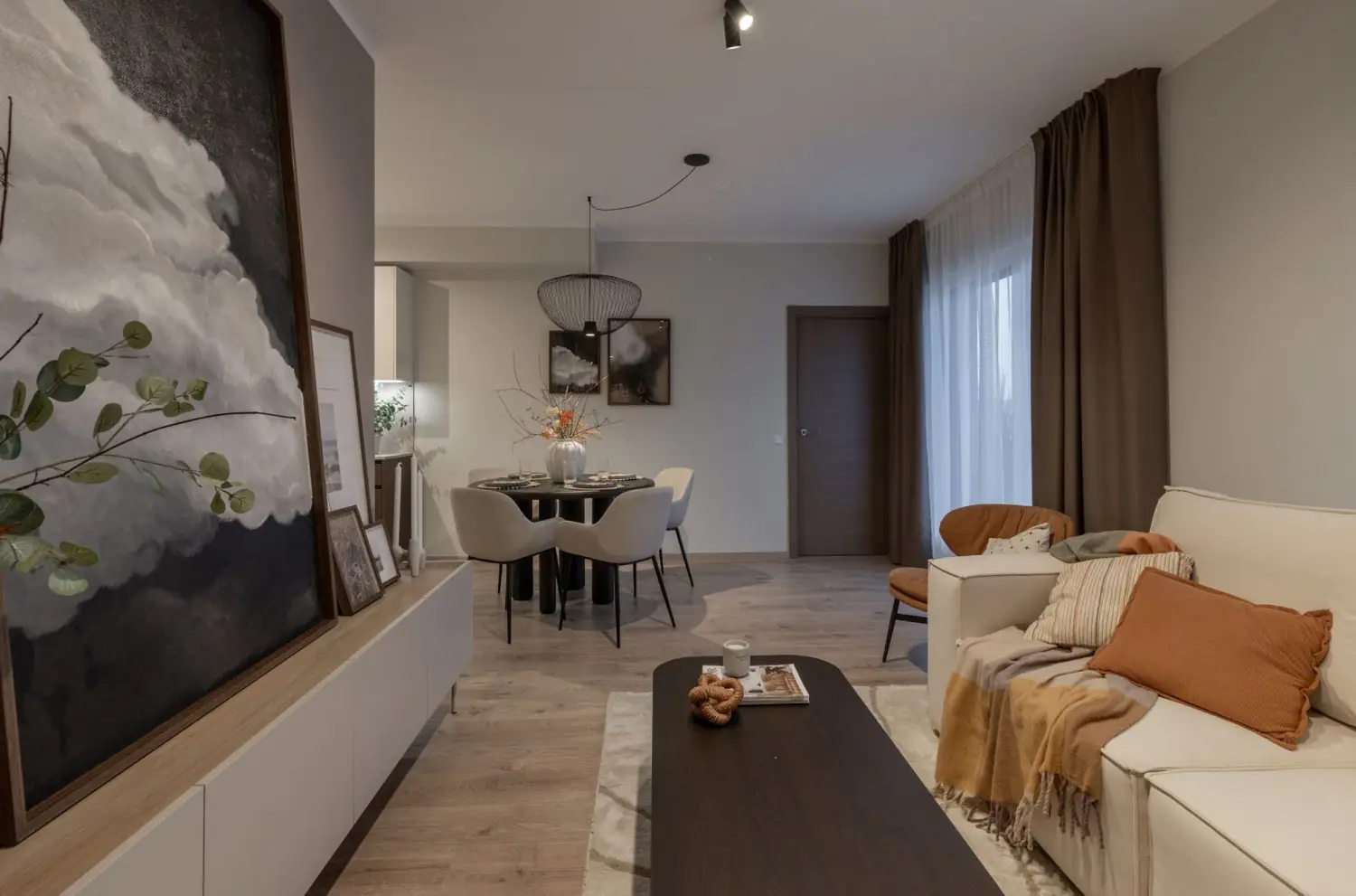
Bonava highlights the importance of a systematic approach and quality control. Acoustic performance is verified before the building is commissioned, as the final result depends not only on the materials but on how all elements function as a cohesive whole.
Consequently, a new standard is emerging in the market: silence is no longer an optional luxury, but a fundamental baseline for high-quality housing.