There are thousands of cinemas across Europe. Despite numerous challenges, many of them have retained, if not their primary function, then at least the building itself. Some are protected as listed buildings, while others are regarded as valuable architectural landmarks by local residents. In such cases, their significant symbolic value is often cited as a reason to oppose their demolition.
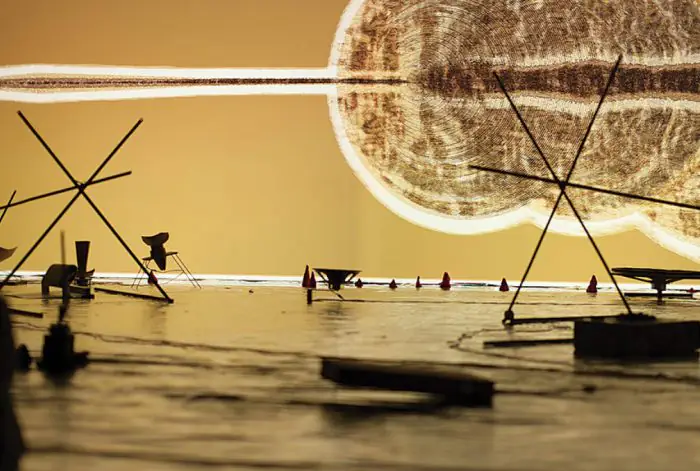
In order to survive, some cinemas are broadening their programming and scope — for instance, by rebranding themselves as cultural centres that host various performances and exhibitions in addition to films. Northern Norway’s oldest cinema, Verdensteatret in Tromsø (opened 1916), is a prime example of this. Its unique atmosphere and acoustics make the cinema a popular venue for concerts, and it also periodically hosts live broadcasts of operas from the Metropolitan Opera in New York, as well as debates and seminars.
At the same time, many cinemas, such as the panoramic Kosmos in Tallinn (built in 1964), have yet to find a viable business model. Despite being listed as a historic monument, the building has been closed for almost four years. It was put up for sale in January 2023, but no buyer has come forward yet. Since then, it has only opened for one day, for a special screening of the film Dr Sander’s Sleep Therapy in 2024.
In many cases, cinemas are being repurposed for uses other than film screenings. There are numerous examples of such renovations in the Baltic region and Northern Europe.
Theatres and concert venues
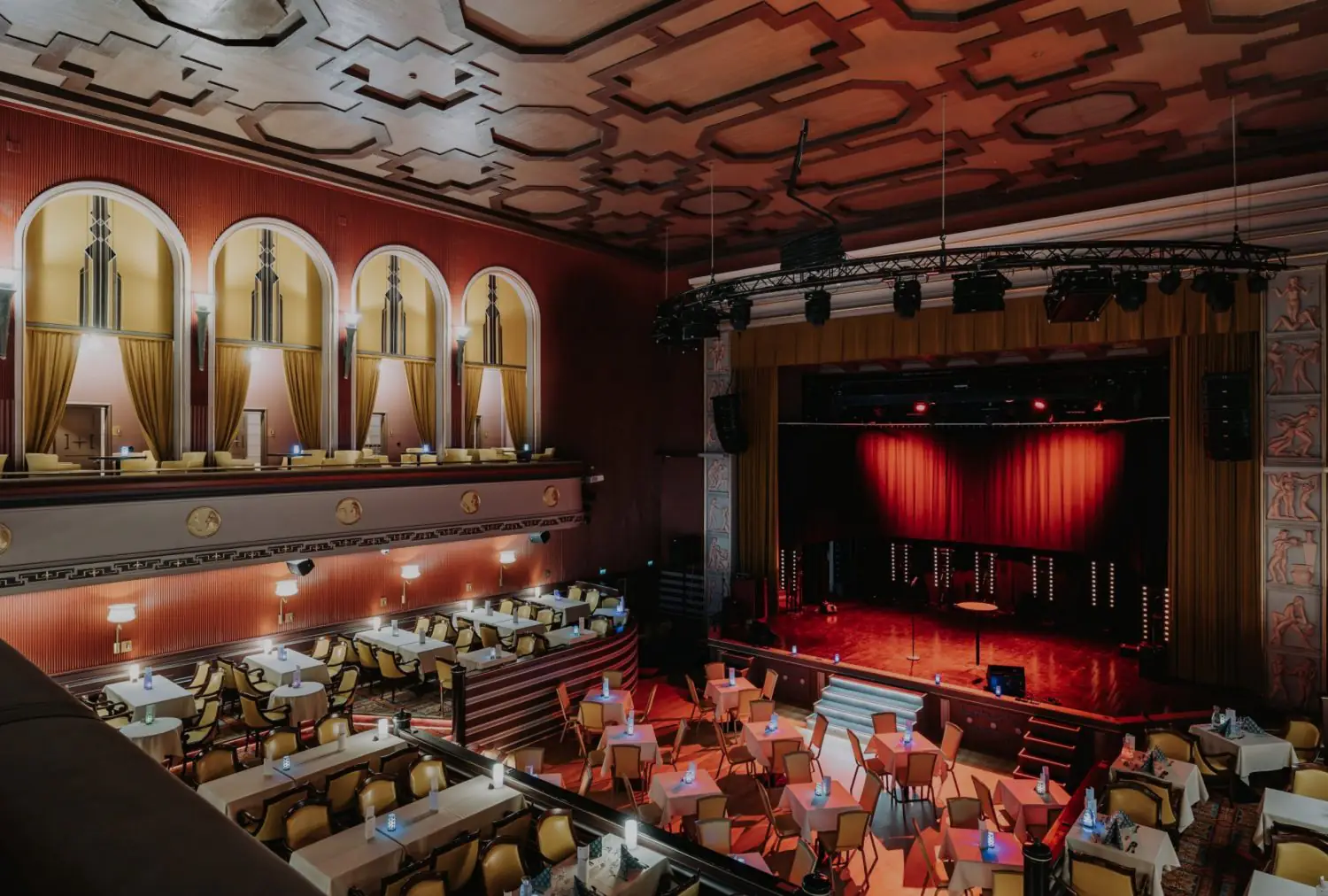
The most obvious option for repurposing is to use the space for various events, as such a project does not require any major structural alterations. The cinema retains its public cultural function, but the former auditorium is transformed into a stage for performances. In Riga, this approach was adopted at the Daile cinema, which operated from 1936 to 2007 on Barona Street. It is now a fully-fledged concert hall, Mūzikas nams Daile, with seating and a stage capable of accommodating up to 440 guests. The Palladium has taken on the same function — in 1986, it became the first cinema in the Baltic states to feature the Dolby Stereo sound system and widescreen format.
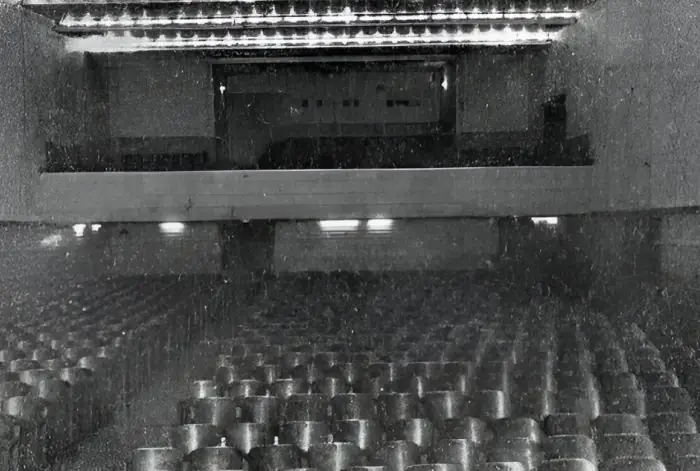
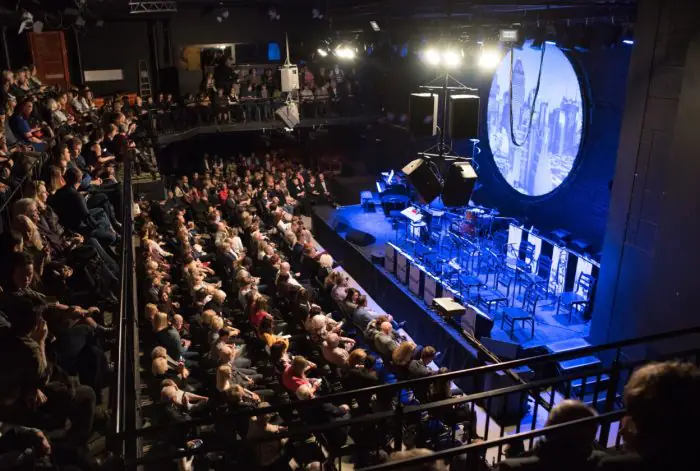
In Tallinn, most cinemas were established on Viiru Street in the Old Town. The first here was the Passage, which opened in 1917. This was later followed by the Helios and the Oktober. The Helios cinema operated until the 1990s, when it closed. It now serves as a venue for various events, and its new name, Helios Hall, is a reminder of its past. Not far from Passage, the luxury cinema Gloria Palace opened in 1926. The hall’s suspended vaulted ceiling is adorned with 13 murals surrounded by gilded plaster relief ornamentation, created by the Latvian painter Hermanis Grinbergs. After 1940, the luxurious complex, which features elements of the eclectic and Art Deco styles, was converted into a theatre and continues to serve this purpose to this day.
The Kino Palasti (‘Cinema Palace’), built in 1929, is one of the most famous cinemas in Tampere, Finland. Its name perfectly encapsulates its atmosphere; it is a magnificent example of the ‘temples of cinema’ from the early 20th century. In 2025, the European Film Academy recognised it as one of the treasures of European film culture. Having been carefully restored, the cinema now serves as a restaurant and events venue. Screenings are also held here occasionally, and there is an exhibition dedicated to the history of the building.
Art spaces
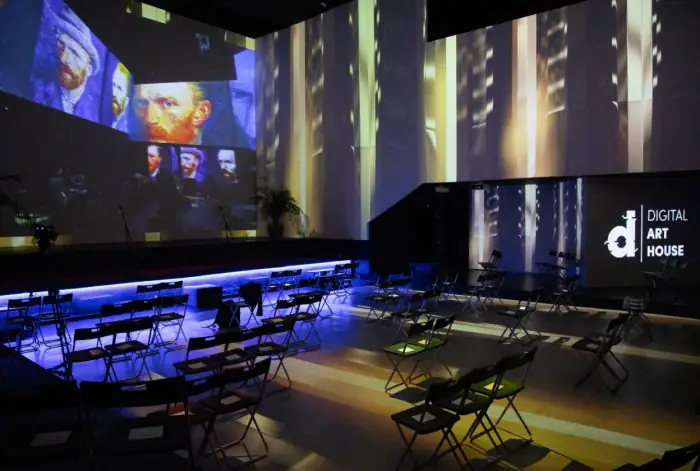
Another popular way of repurposing cinemas is to convert them into exhibition spaces, studios, and workshops. The building that once housed cinema in Riga was dedicated to film screenings for most of its history – initially for adults and later for children. It is now home to the Digital Art House, which showcases installations featuring projection mapping. The venue also hosts music concerts, theatre and dance performances, art festivals, lectures and masterclasses.
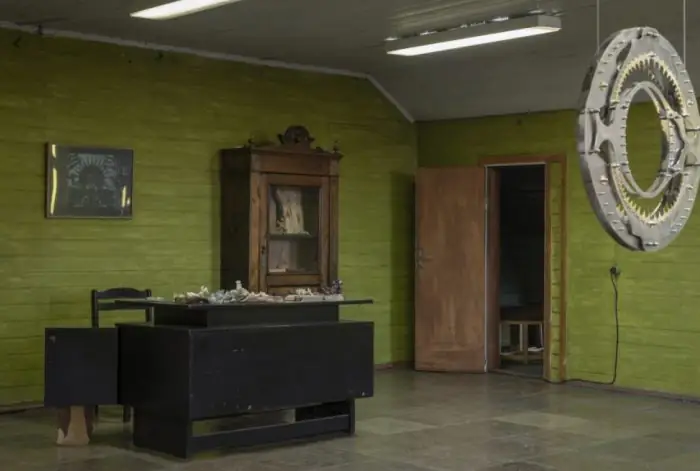
Since 1940, the cinema in Panemunė, Kaunas, has been housed in a former school building constructed a decade earlier. It now serves as an exhibition space and, in 2022 when the city was the European Capital of Culture, it hosted the ‘Geismo Architektūra’ (Lust Architecture) exhibition. A community workshop has also been set up here, where people can make and repair things.
Restaurants
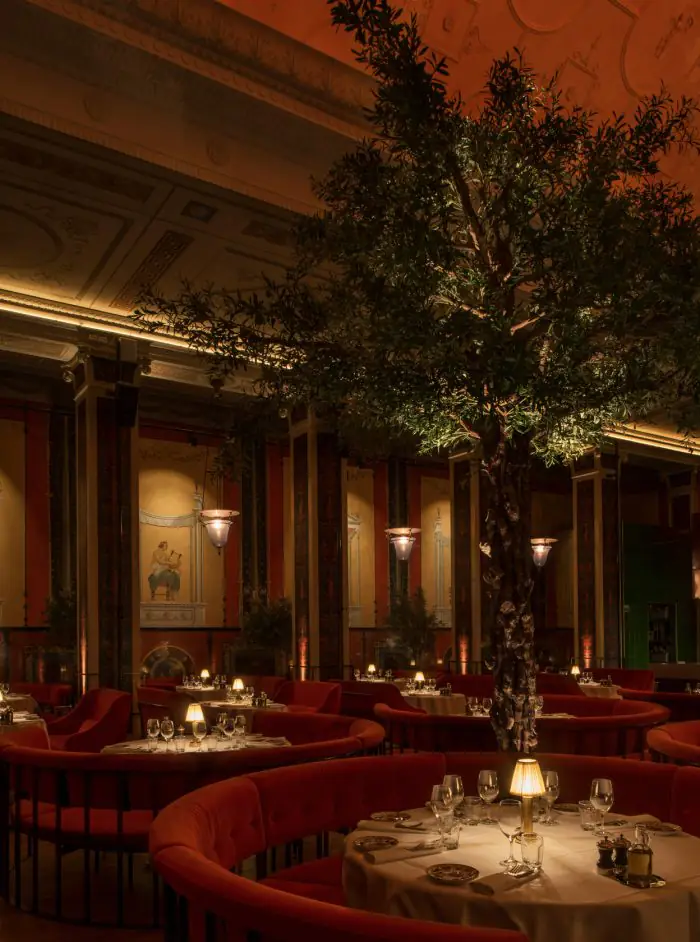
The painted walls at the Italian restaurant L’Avventura, housed in a former 1927 cinema in Stockholm, create a luxurious atmosphere. The building was renovated by a local architectural firm, who preserved its historical features and complemented them with contemporary design elements, such as velvet furniture in elegant colours and a couple of olive trees.
The Astoria cinema was located within the Astoriahuset residential building in Stockholm, which dates back to 1874. Prior to its recent renovation, the building contained workspaces and a cinema auditorium. Following the refurbishment in 2021, the building now houses offices and residential units, with a restaurant on the ground floor. The lobby is located in the former cinema foyer.
Coworkings
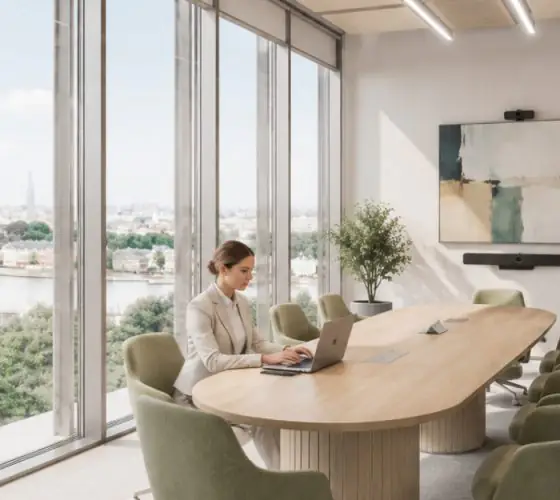
Some cinema buildings are being repurposed from entertainment venues to business premises. In 2026, it was announced in Vilnius that the iconic 1951 ‘Victory’ cinema building (which housed a casino and a concert hall after the cinema closed) would be converted into a co-working space. The building has already closed for major refurbishment, with plans including renovating the façade, replacing the roof and installing panoramic windows. The Talent Garden workspace is set to open there by the end of 2026, which will make it the second such space in the city.
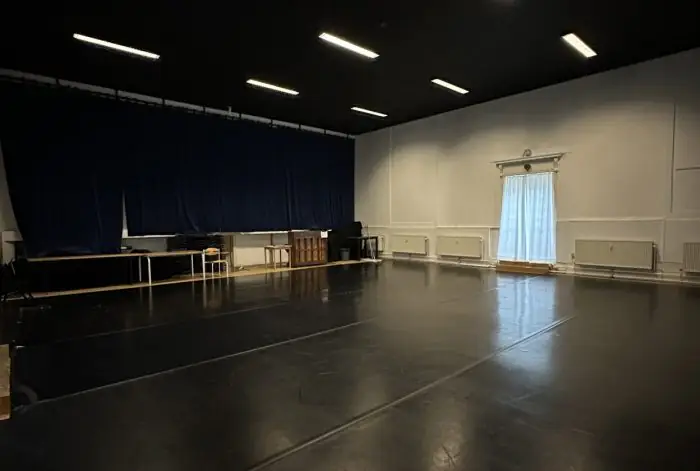
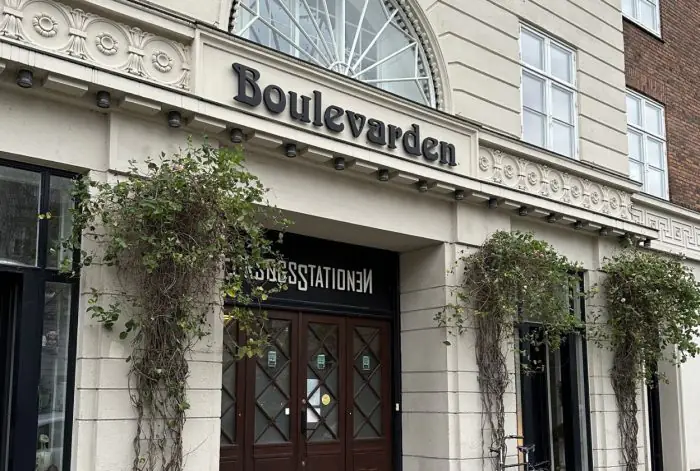
The Boulevard Teatret cinema in Copenhagen, built in 1924, has been partially converted into a large auditorium and three smaller ones, as well as a foyer, kitchen, library, dressing room and office. These spaces can be hired for activities such as dance and singing classes, rehearsals, and other clubs.
Shops
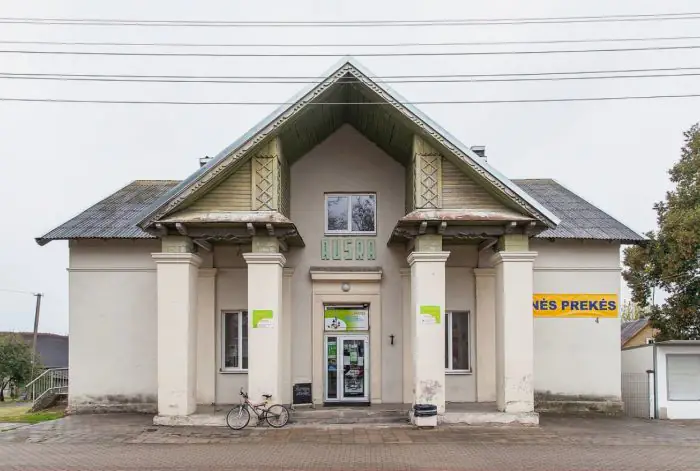
According to film historian Lina Kaminskaitė, Lithuania inherited the largest cinema chain in the Baltic states following the fall of the Iron Curtain. Many of these cinemas have since closed and are now used for a variety of purposes, ranging from veterinary clinics to supermarkets. The Ausra cinema in Ramigala, for example, is now a shop. Judging by the photos, while the exterior façade has been largely retained, the interior has most likely been lost.
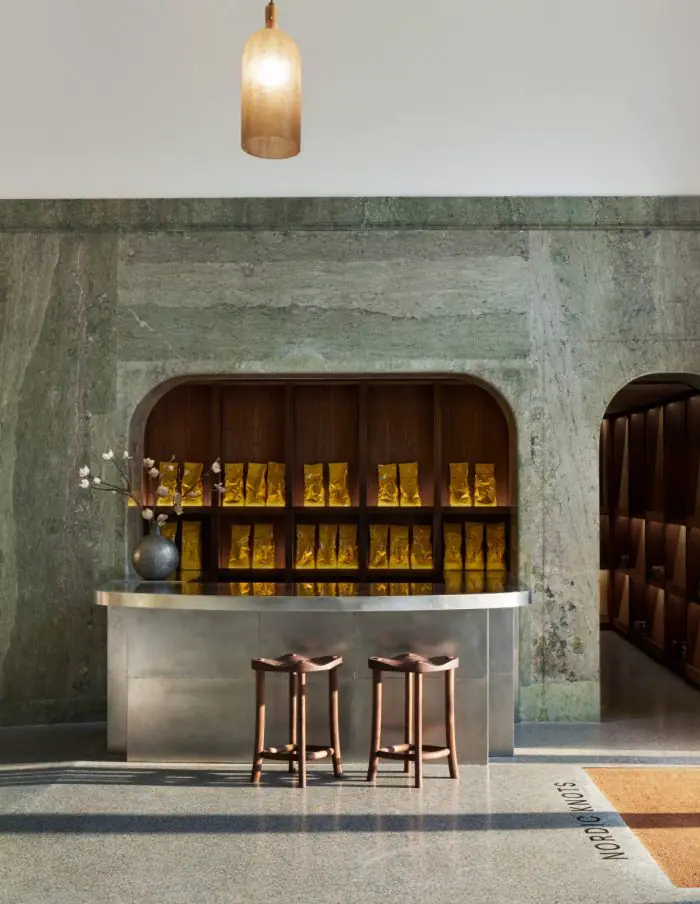
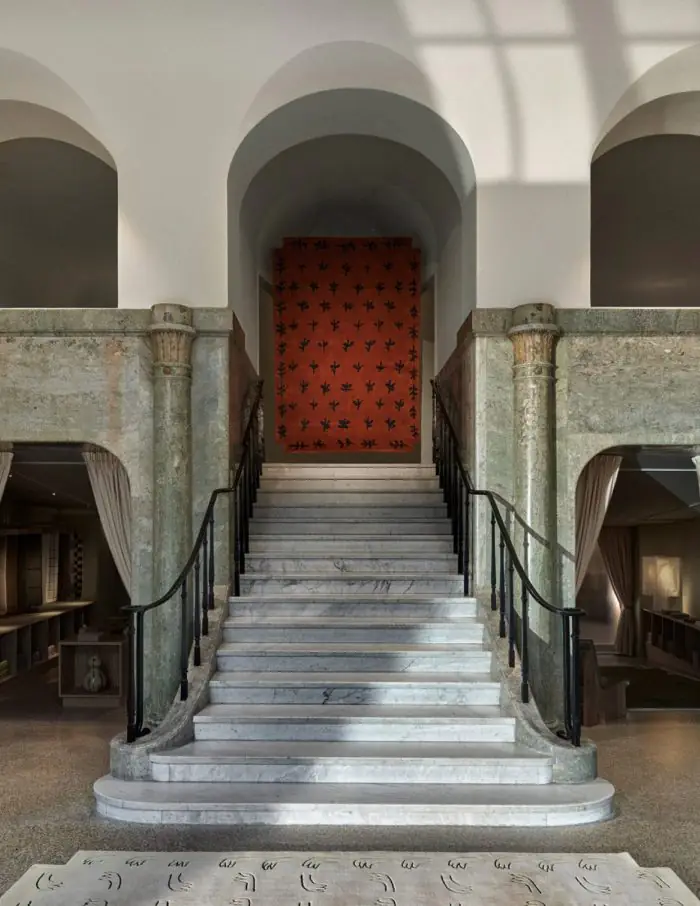
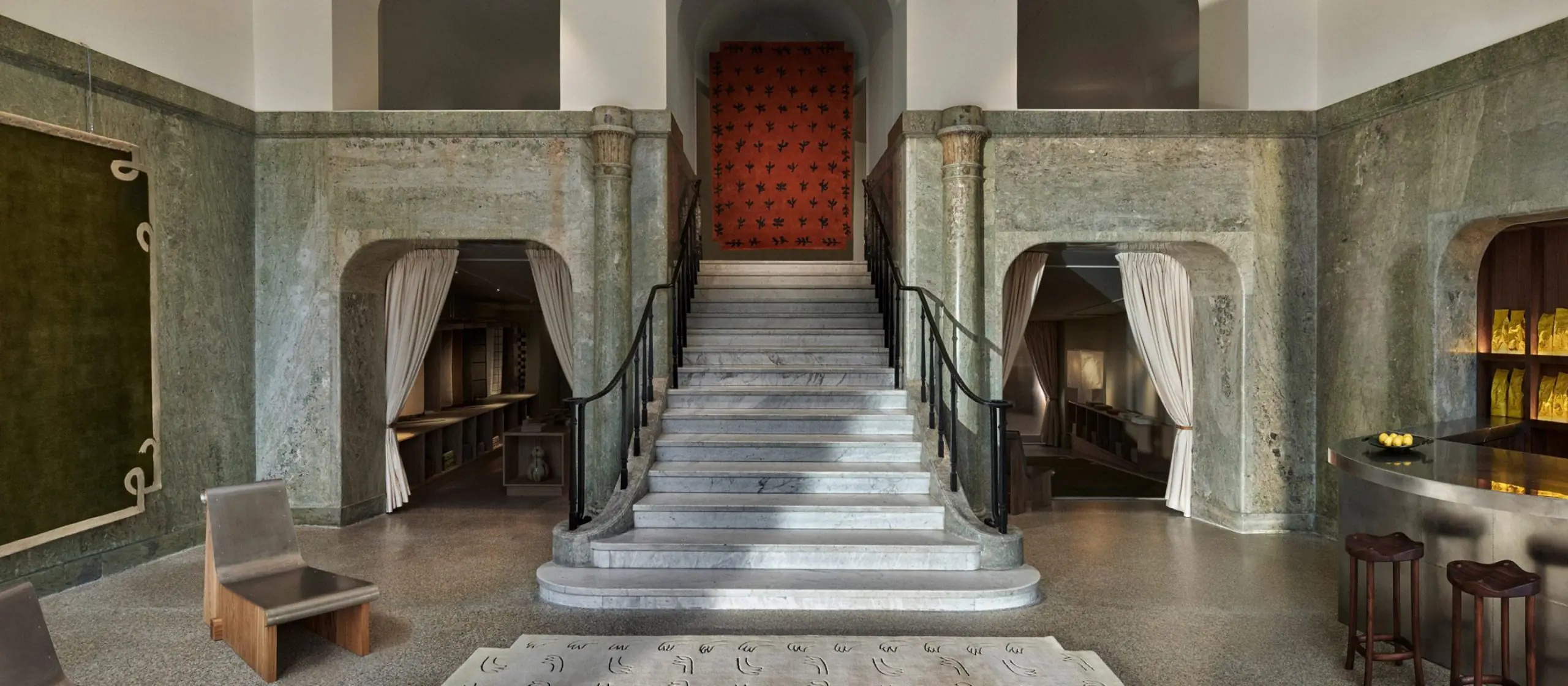
By contrast, a project by the Stockholm-based design studio, Studio Giancarlo Valle, shows how to prevent a cinema from being altered haphazardly when it is put to commercial use. The early 20th-century building now houses the flagship showroom of Nordic Knots, a carpet manufacturing company. The original finishes have been carefully preserved and restored — the walls are clad in traditional Swedish Kolmårdsmarmor stone. Warm tones of wood and polished steel have been added to complement the historic details.