stock.adobe.com
The world is increasingly facing environmental and cultural challenges caused by traditional mass tourism—and in this context, slow tourism offers a more responsible and thoughtful way to travel.
With slow travel, it’s not about the quantity of experiences, but their quality: having conversations with locals, going on aimless strolls and enjoying meals made with seasonal ingredients. In short, it’s about visiting fewer places and engaging more meaningfully with the local culture and landscape.
This approach benefits everyone. Travellers get a more authentic experience, while destinations experience less pressure and receive greater respect for their environments.
Slow tourism has a few key rules:
- Sustainability in the broadest sense
Slow tourism involves taking a more mindful approach to the environment, such as minimising your impact on nature, choosing more eco-friendly modes of transport, supporting local businesses and treating cultural and natural resources with care.
- Cultural authenticity
The focus is on local traditions, lifestyles and everyday life. This provides a richer experience and helps to preserve intangible cultural heritage. In gastronomy, for example, this means using seasonal ingredients sourced from farmers’ markets and preparing local dishes, as opposed to a standardised tourist experience.
- A slow pace
The most obvious item on this list is the emphasis on slowing down. This involves travelling less, spending more time in one place and doing away with the ‘must-see’ list of sights. Slow transportation is also part of this experience. Riding a train and looking out of the window or walking and noticing the details aren’t just ways to reduce your carbon footprint; they’re also a different way of engaging with a place.
- Connecting with the community
Slow tourism involves closer interaction with local residents and independent initiatives. This boosts the local economy and enhances the experience, making it more vibrant and mutually enriching.
- Offline mode
This approach involves limiting time spent on the phone and social media. The focus shifts from documenting experiences to enjoying them in the moment.
This is how slow tourism looks in Latvia
Latvia is the perfect destination for slow travel. It’s not crowded, there’s plenty of nature and it feels spacious; over half of the country is covered in forests and many places remain off the beaten track. These factors naturally create the ideal conditions for slow travel without requiring any heroic effort on the part of the traveller.
NATURE AND SILENCE
Gauja National Park
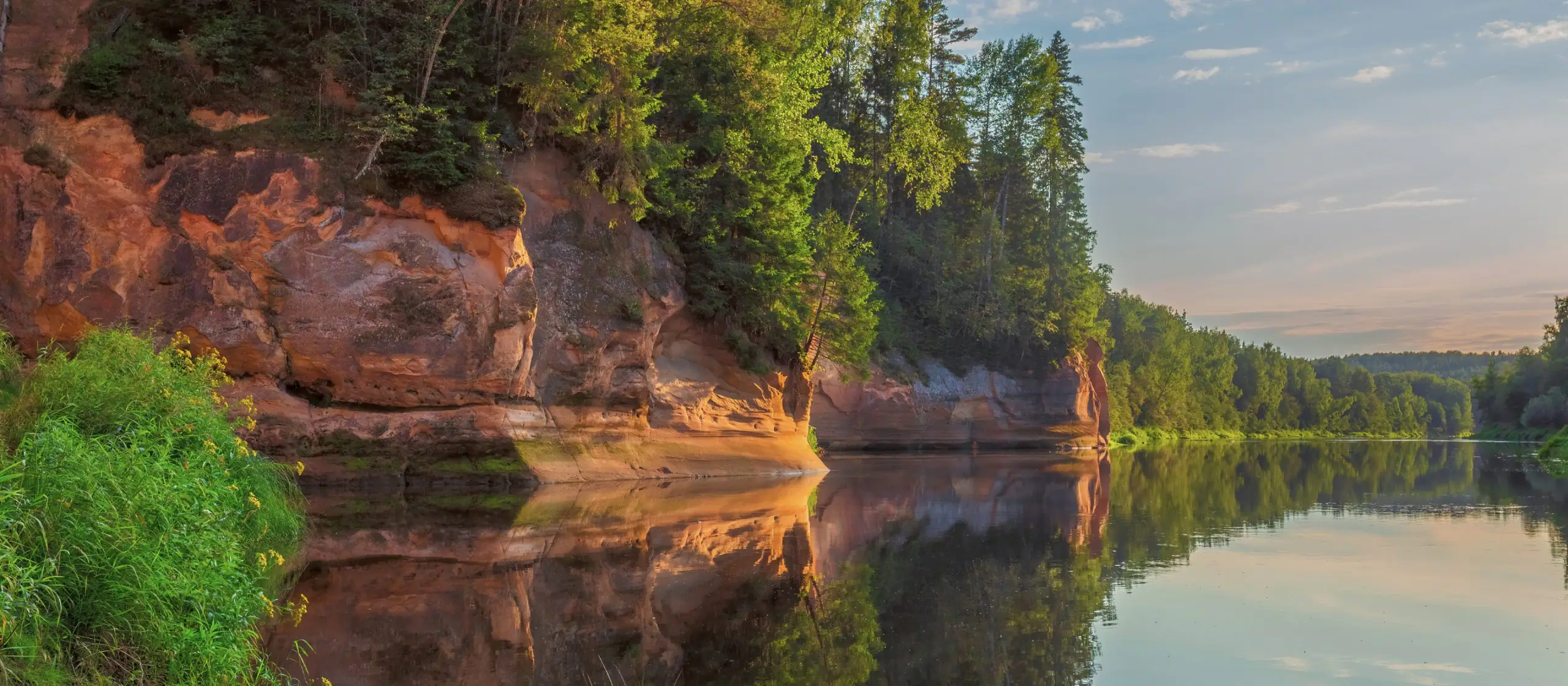
Here, you can enjoy breathtaking views from Ringing Rock and Mount Žagarkalns, as well as a tranquil lake surrounded by Mirror Rocks and the serene northern forest.
stock.adobe.com
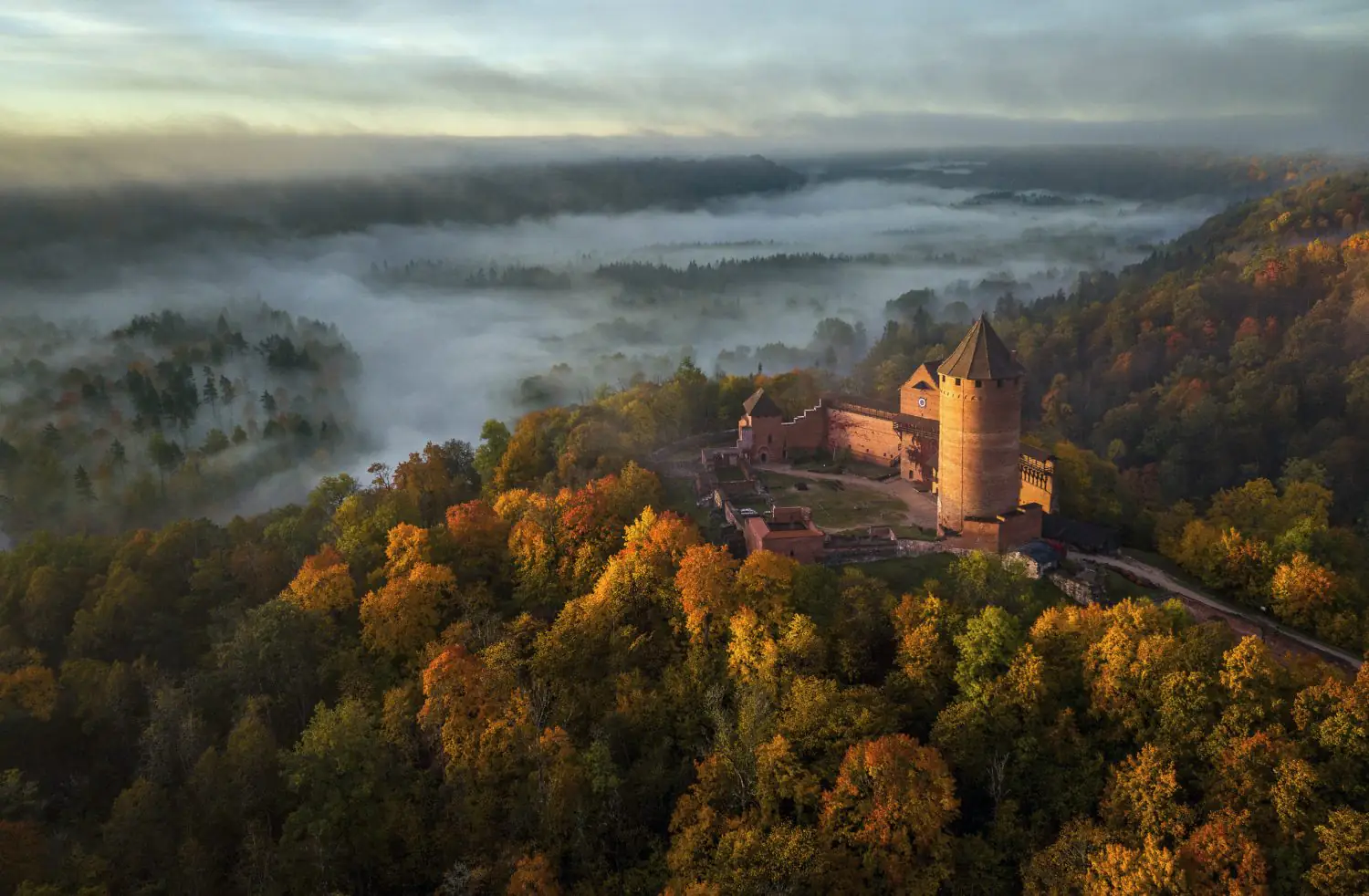
Take a trip to the Dzidravots Spring, enjoy a boat ride on the Gauja River and keep an eye out for wildlife along the Līgatne Nature Trail. You might catch a glimpse of squirrels scampering through the trees or a fox lurking in the distance. If you’re interested in Latvian culture, there are three nearby castles: Turaida, Sigulda and Krimulda. At the latter, you can enjoy impressive architecture and views of the valley, as well as taking part in a tasting tour and enjoying local wine.
stock.adobe.com
Kemeri
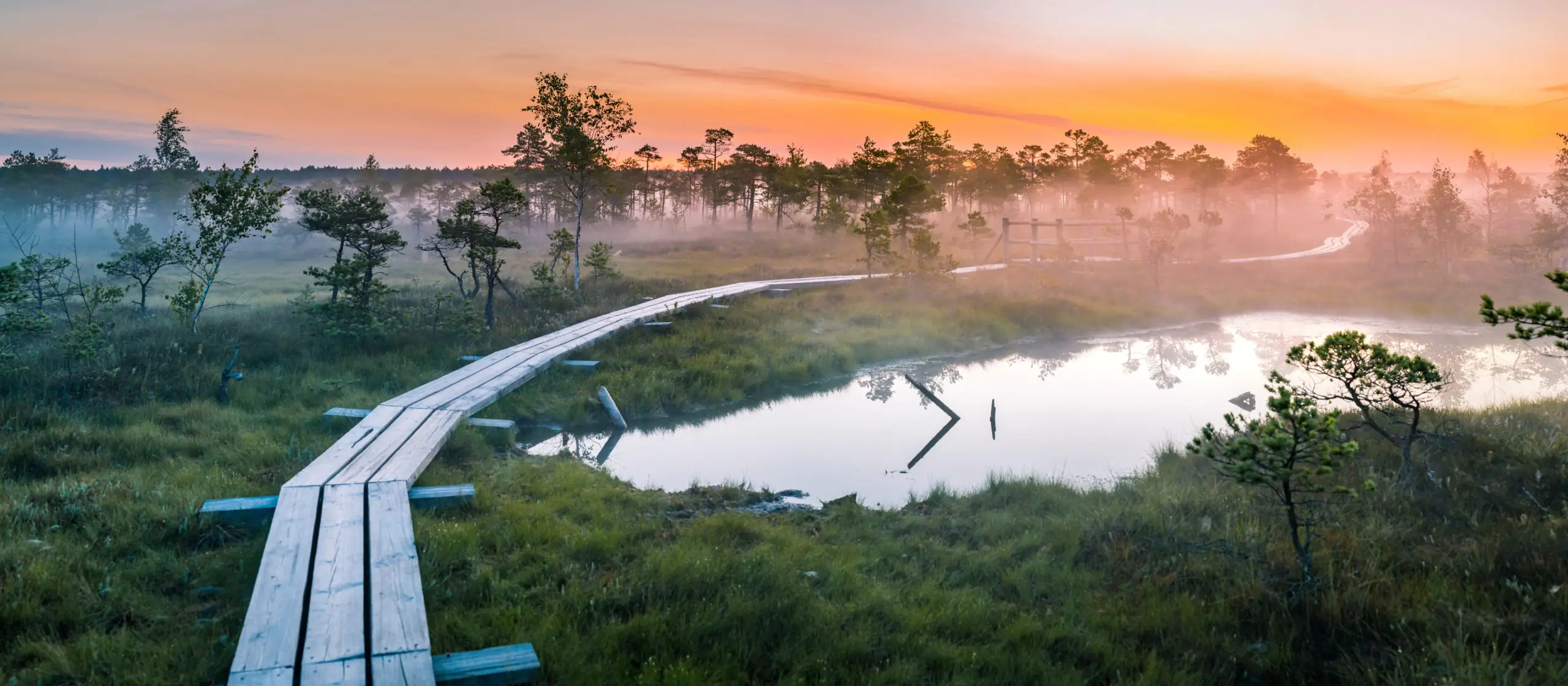
This is one of those places where the air itself feels ‘different’. It is surrounded by mineral springs, therapeutic mud and peat bogs dotted with small lakes. The most popular route is the 3.5-kilometre trail, offering pristine air and shores filled with cranberries. The route is suitable for both beginners and more experienced hikers, with wooden walkways providing access even without special footwear.
stock.adobe.com
Engure
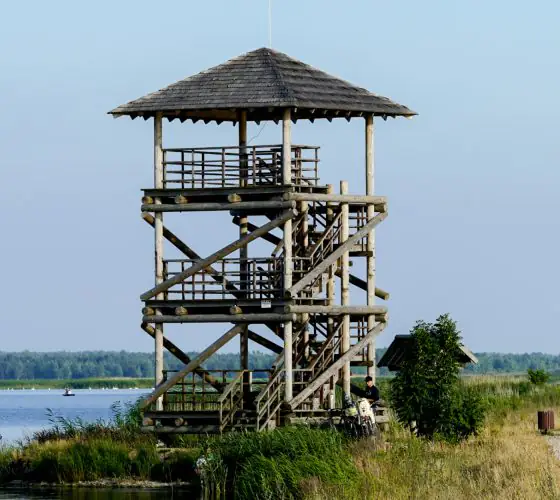
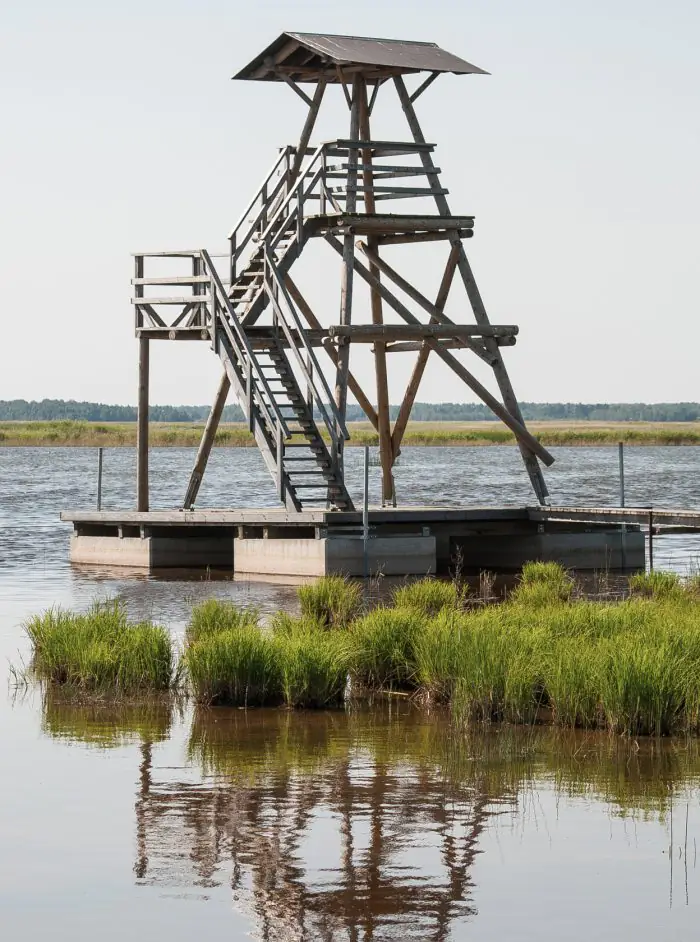
This shallow coastal lake, formed when an ancient lagoon was separated from the sea by sand dunes, is a birdwatcher’s paradise.
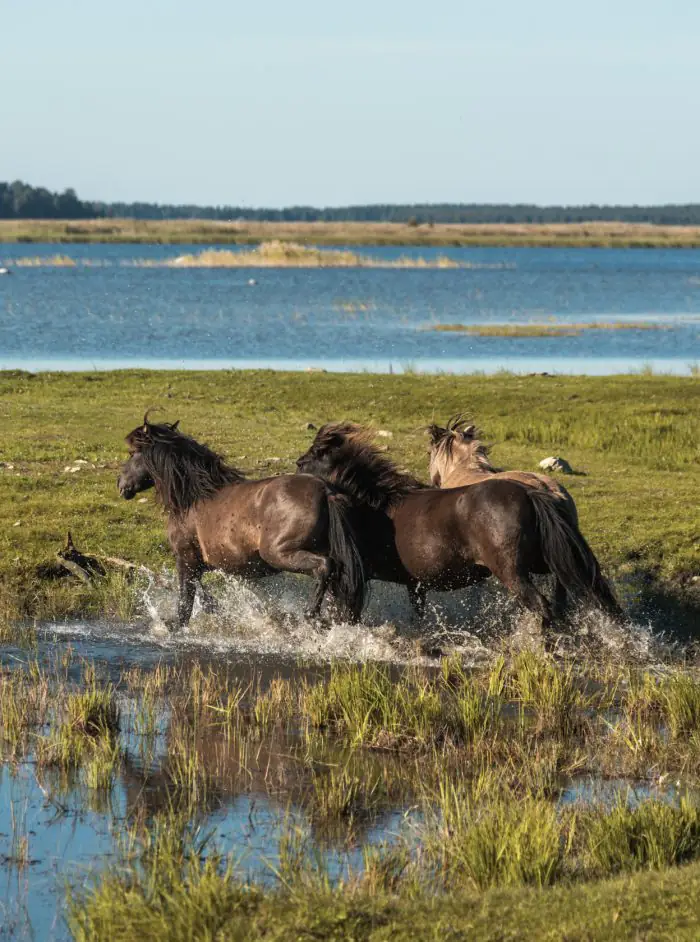
Here, and along the entire Kurzeme coast, amber is often found washed ashore by the sea. During migration periods, cranes, swans and geese fly over the lake and the ever-changing landscape is a sight to behold. Cows and horses grazing freely on the floodplains are a distinct part of local life, almost as if they were part of the scenery.
stock.adobe.com
stock.adobe.com
CHARACTERFUL SMALL TOWNS
Pāvilosta
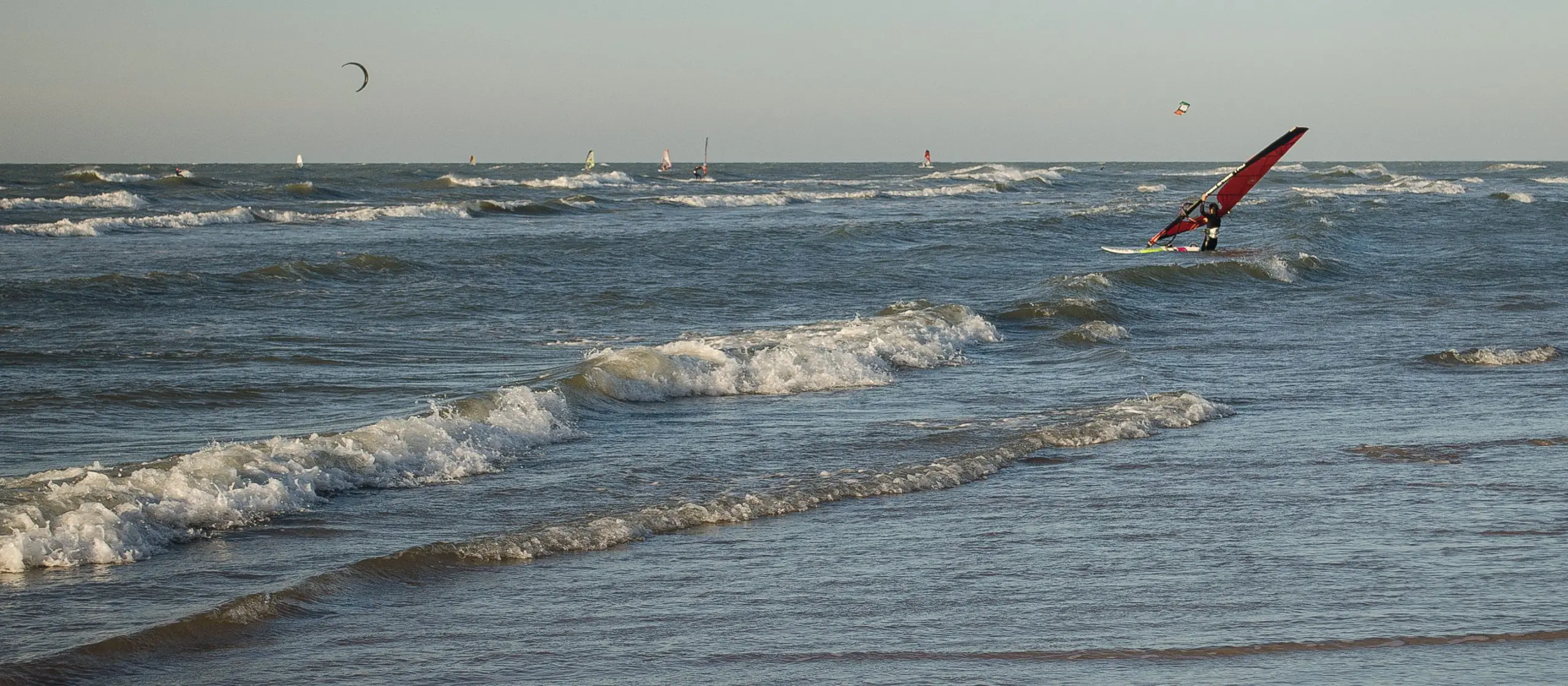
Latvia’s fishing capital, this tiny, almost toy-like port town has been a centre of shipbuilding and fishing since the late 19th century.
Visitors come here for long, contemplative walks, delicious food, windsurfing and art. Nearby is the Grīni Nature Reserve, home to a unique species of marsh heather. If you visit in June, you can see fields of scarlet poppies blooming alongside the road.
stock.adobe.com
Talsi
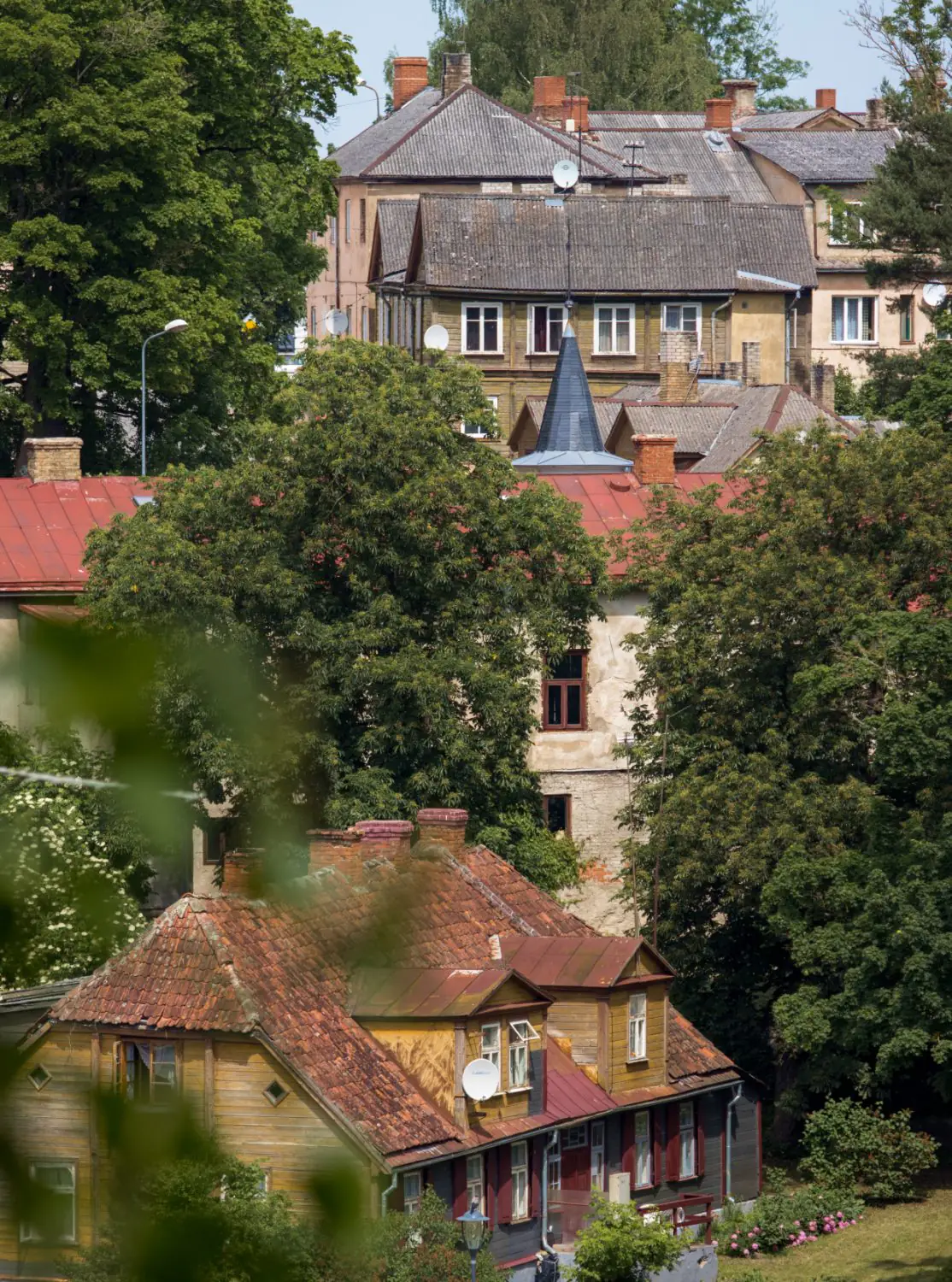
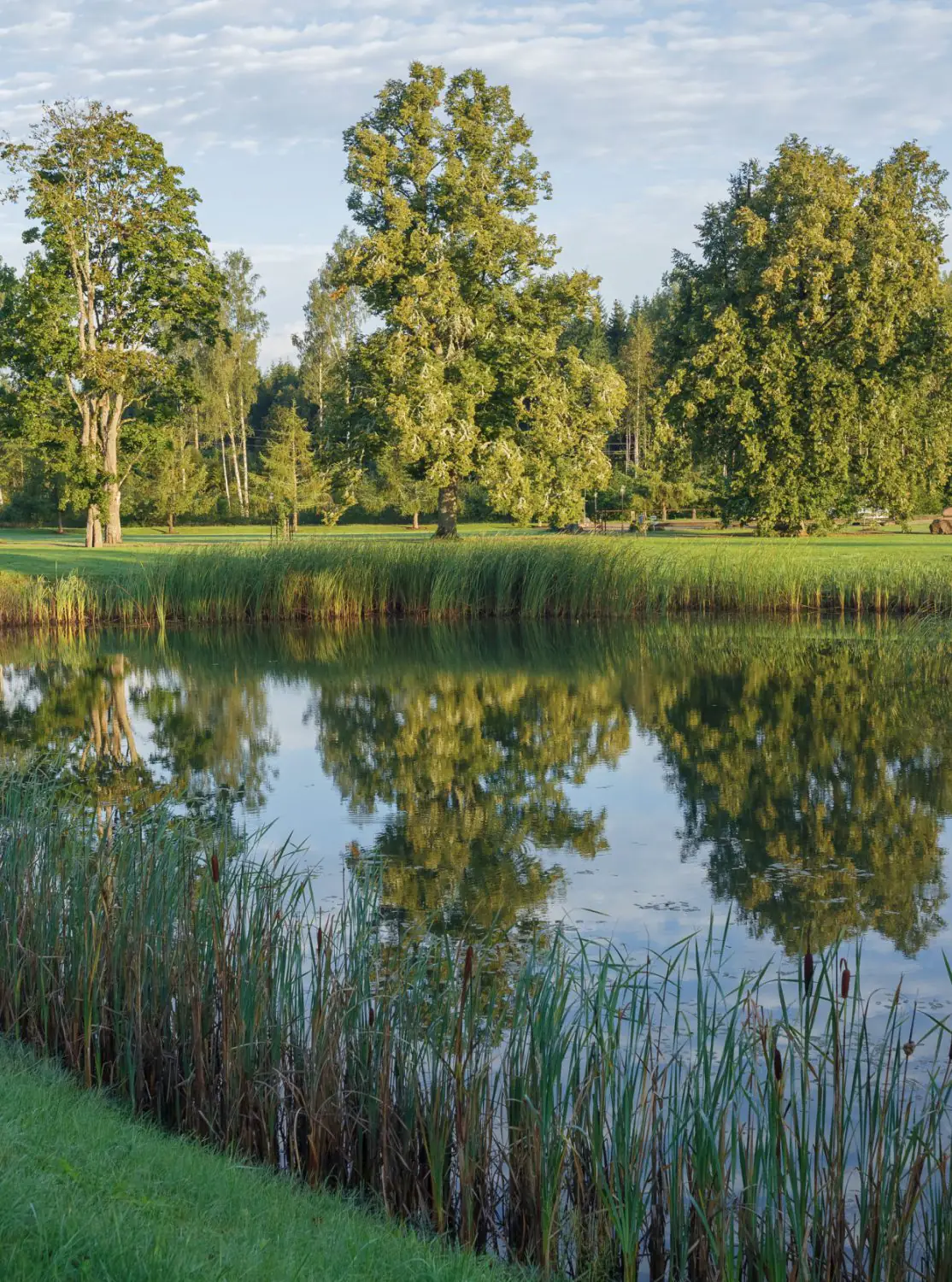
This quiet, enchanting town is not a place where visitors come for specific sights, but for its unique atmosphere. Due to its hilly terrain, the town is sometimes compared to Rome—there are nine hills here, and one of the best views is from Sauleskalns Hill. Winding streets lead to a XVI century Lutheran church, a picturesque cemetery with ancient graves, and the central lake with catamarans.
stock.adobe.com
stock.adobe.com
Cēsis
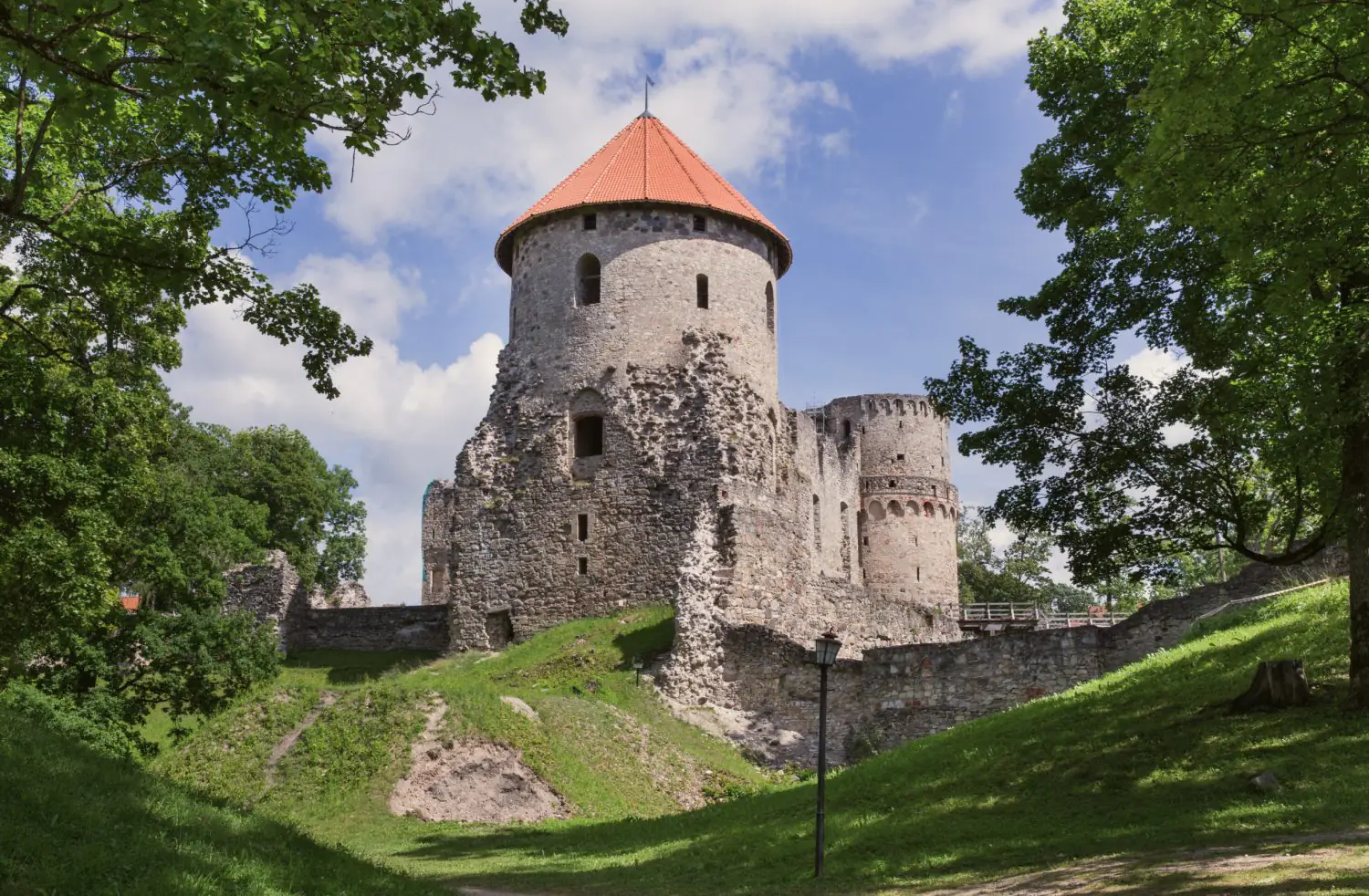
This place is home to a medieval castle, around which countless stories and legends have grown.
Here, you can admire the picturesque ruins, enjoy a coffee in one of the charming local cafés, purchase herbs for tea and pick apples in the orchards. Once you have done all that, you are free to venture beyond Cēsis. You could, for example, visit the Ergļi Cliffs, a gigantic stone wall that rises straight out of the Gauja River. They say that the echo bouncing off these cliffs sounds like an organ.
stock.adobe.com
SERENE SEA
Jūrkalne
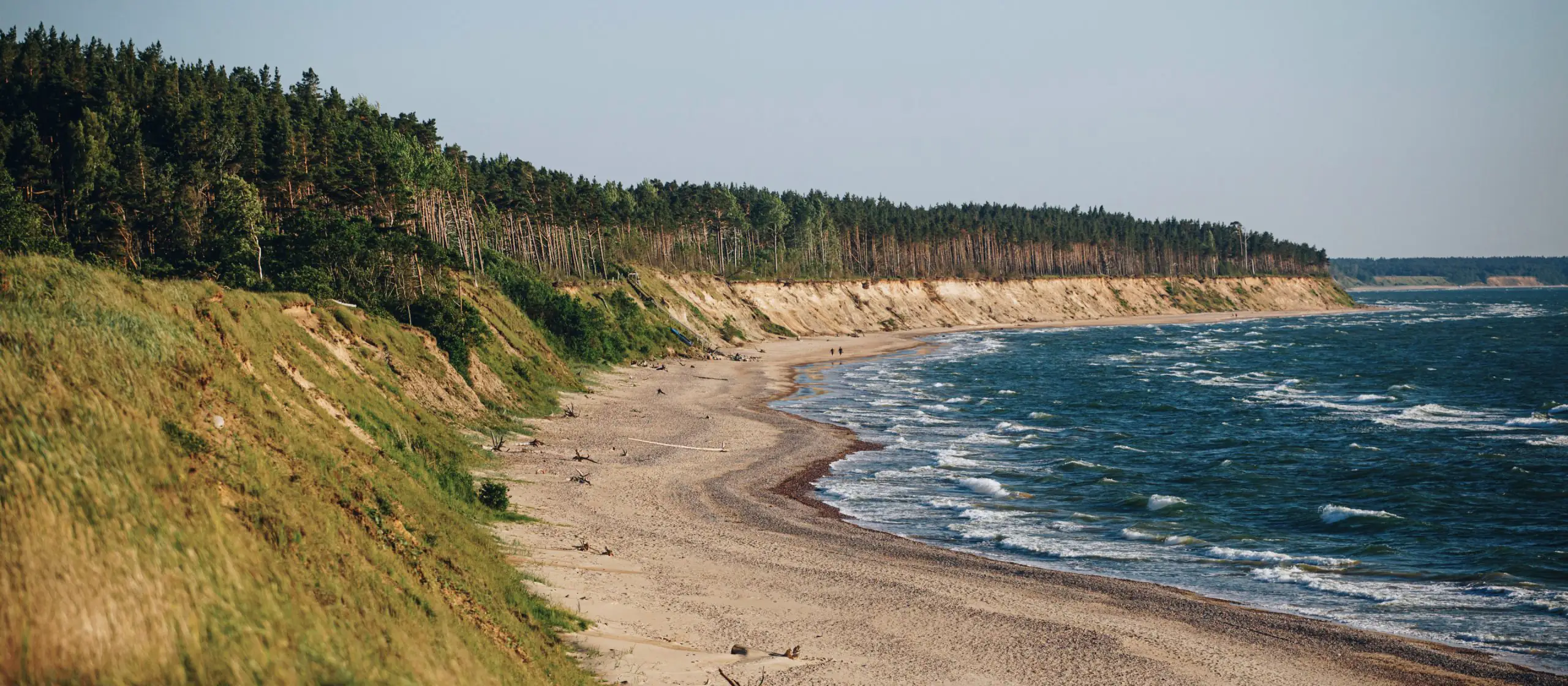
One of Latvia’s most impressive coastlines—yet with very few tourists. The steep cliffs here reach heights of up to 20 meters and are constantly changing: the sea erodes them, and the land gradually recedes. On the summer solstice holiday, Ligo, folk festivals are regularly held here, featuring the launching of a fiery wheel into the water.
stock.adobe.com
Kolka
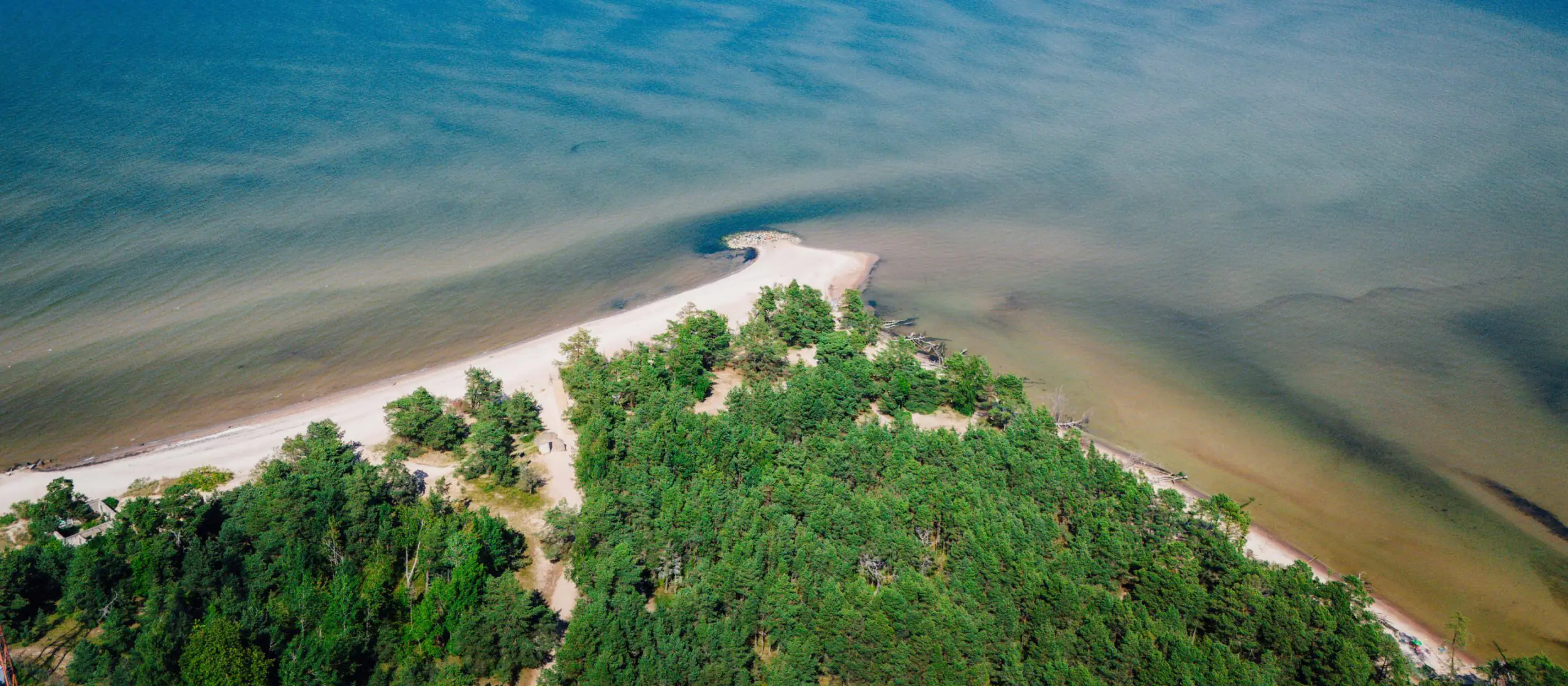
A cape where the Baltic Sea meets the Gulf of Riga—the ‘meeting place of two seas’—where waves crash into one another during storms.
Despite being a popular tourist destination, it’s easy to feel as though you’re at the edge of the world here, and to find solitude. During migration season, tens of thousands of birds fly over the cape. Although there are almost no restaurants, the wooden, barrel-shaped Saules mājas cottages with mirrored windows and views of the sea, the lighthouse and the stars stand right in the middle of the pine-covered dunes.
stock.adobe.com
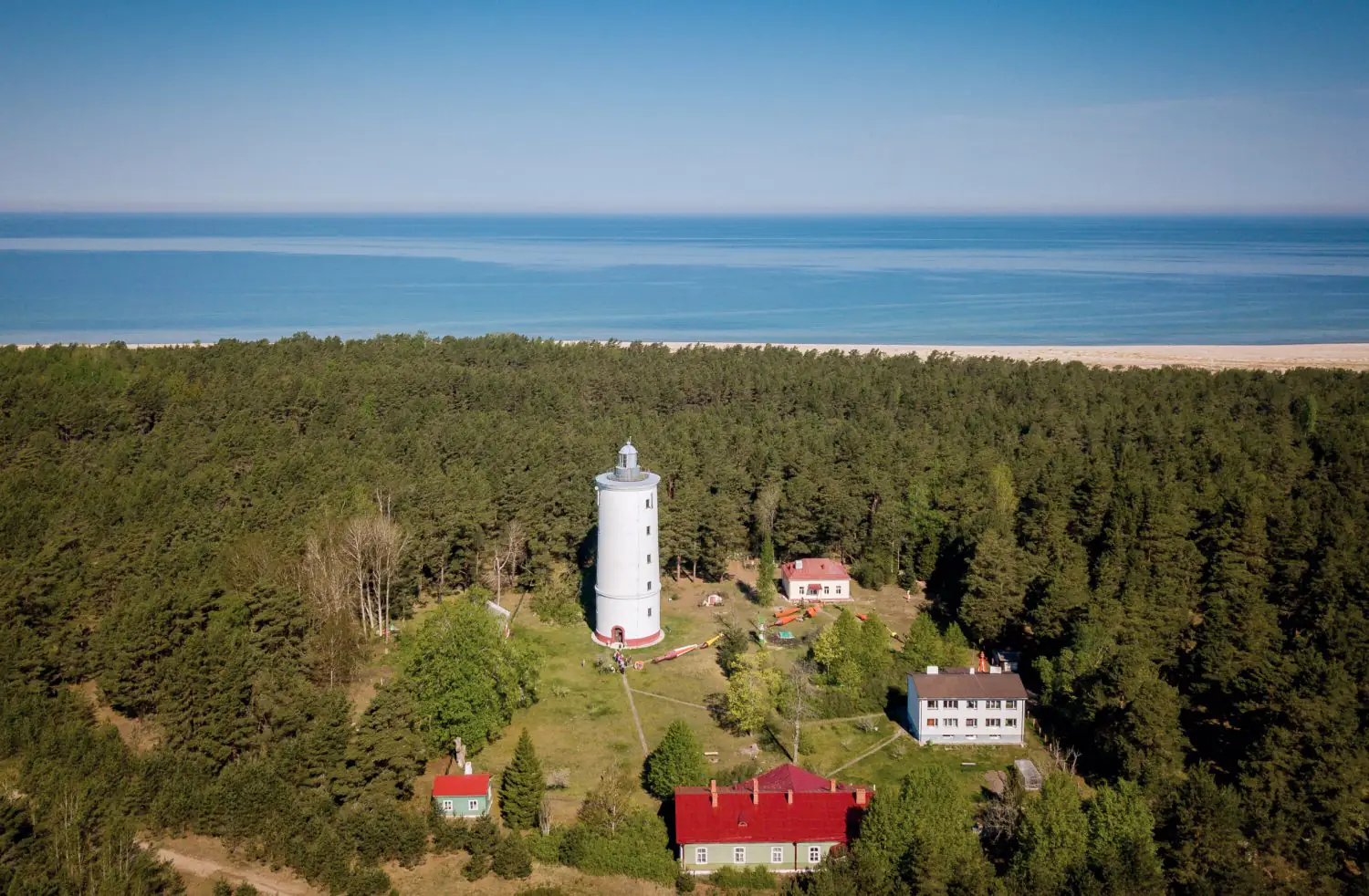
The Oviši Lighthouse
Not only is it the oldest operating lighthouse in Latvia, it is also one of the most desolate places along the entire coast. There is a small maritime history museum nearby, but the main attraction here is the landscape itself: a pine forest stretching right down to the water’s edge, a deserted shore and a horizon devoid of buildings.
wikipedia.org
A LOCAL’S VIEW OF RIGA
Even in the capital, it’s possible to travel at a leisurely pace—you just need to step off the main tourist streets. Rather than rushing from museum to museum, why not take a stroll to buy bread, explore some street art, spend an evening in a community sauna or strike up a conversation with strangers at a community gathering?
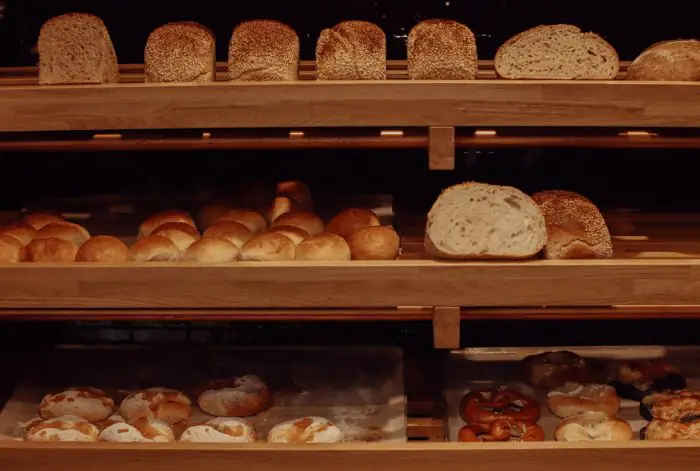
Tasting sourdough bread
The Glückauf bakery is tucked away in a rather inconspicuous spot and doesn’t open every day. But the locals are willing to wait in line for its loaves because artisanal sourdough bread is nothing like the bread you find in shops. Tasting it is like rediscovering what bread can truly be.
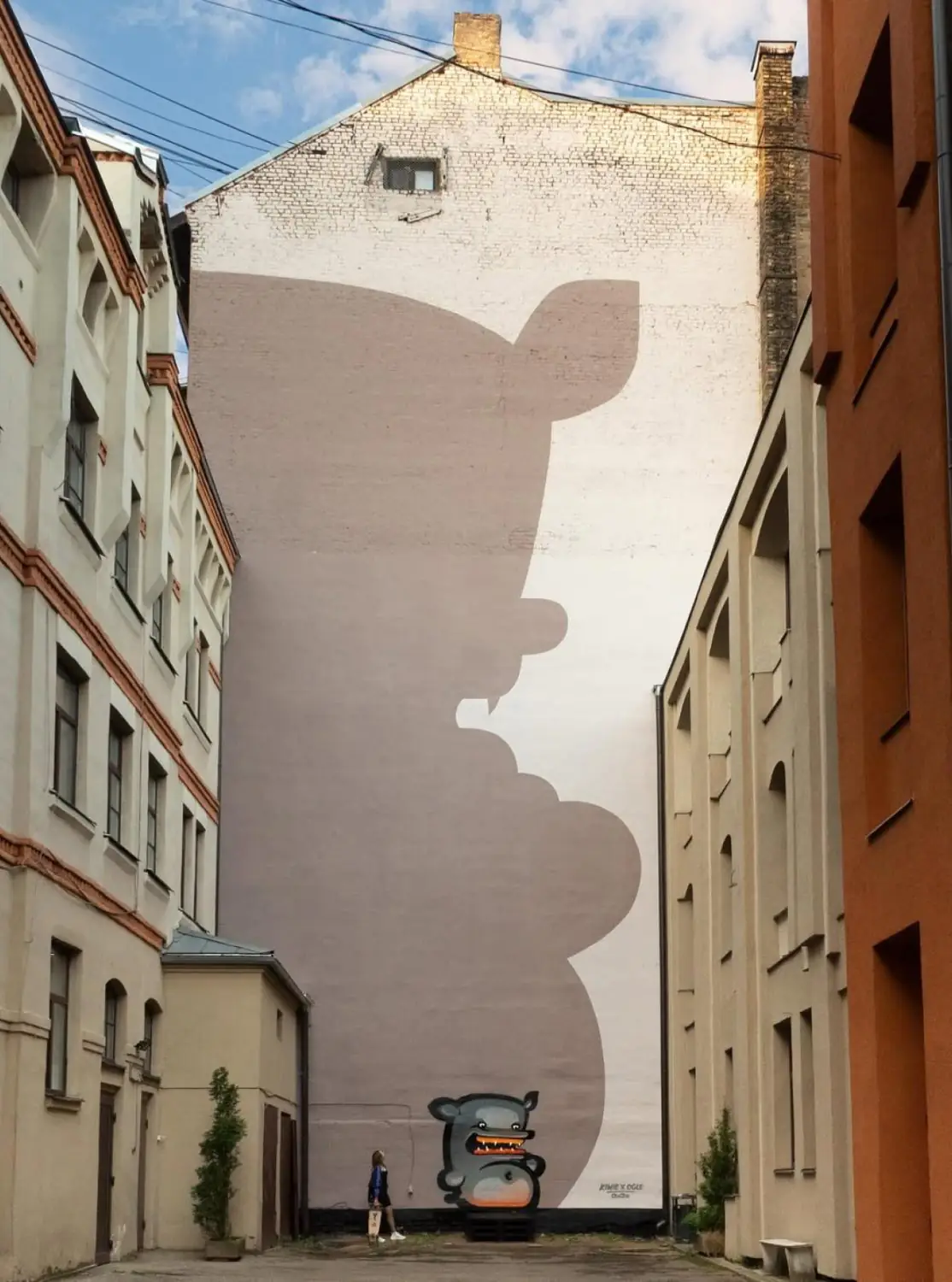
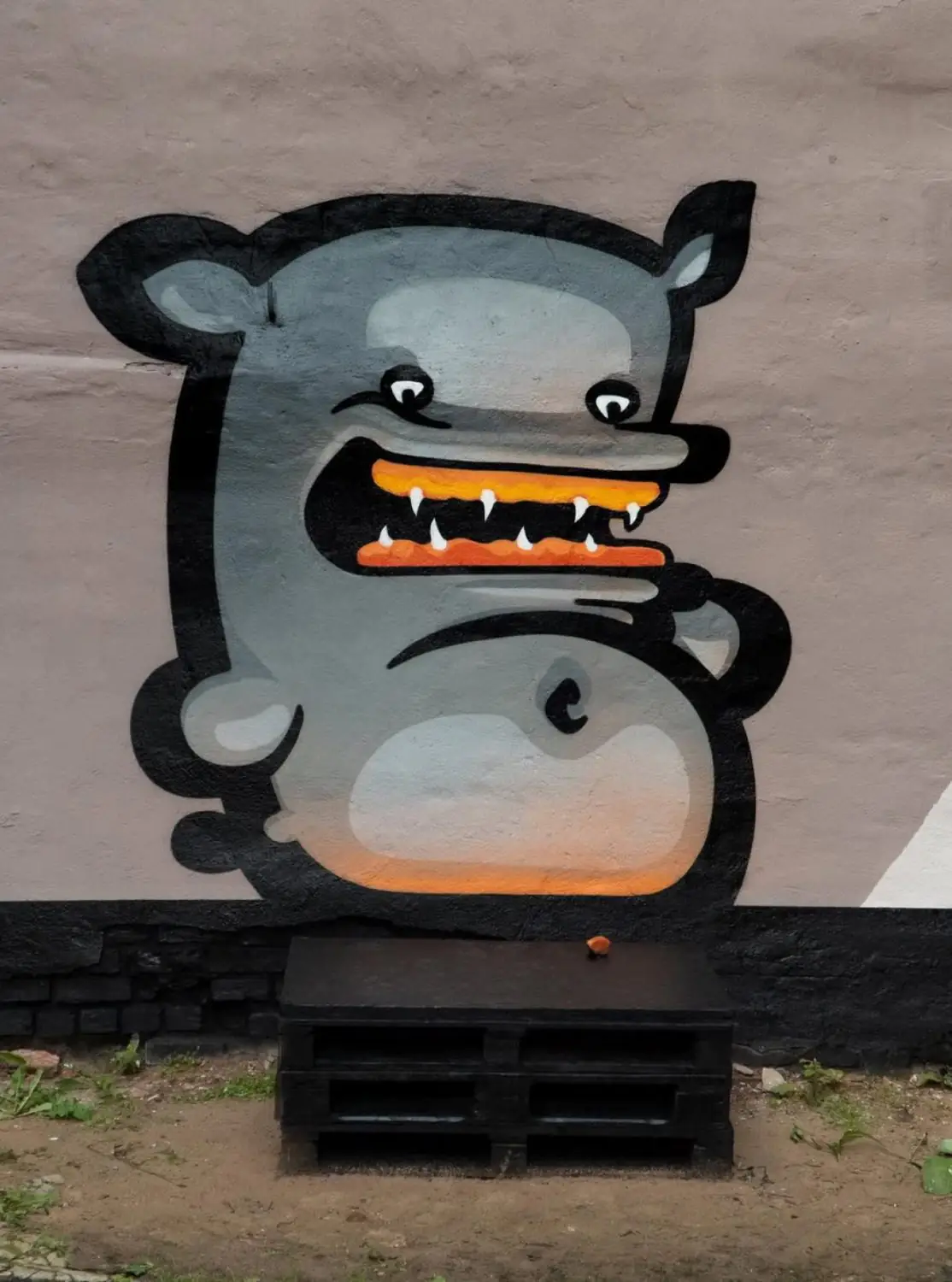
Kiwie’s street art
His murals, adorned with familiar characters and a hint of subtle humour, are scattered across different districts of Riga, from the city centre to residential areas. Searching for these pieces transforms an ordinary stroll into an exhilarating adventure: you look around, notice details and uncover the city’s hidden treasures. Gradually, you realise that art is not only found in galleries, but also in everyday life.
instagram.com/kiwie
instagram.com/kiwie
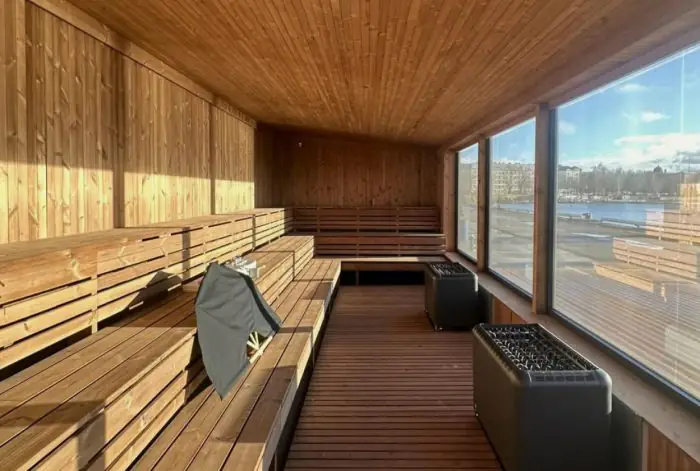
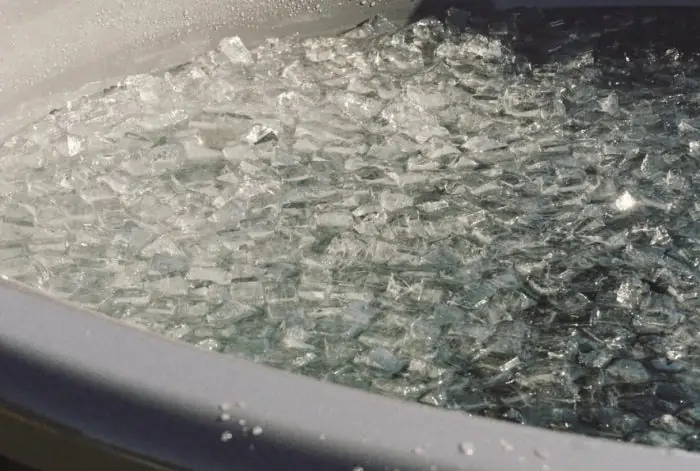
Miers social sauna
The sauna is elevated to a ritual of self-care, free from haste and judgement, in Miers. The atmosphere here is serene, allowing you to slow down, warm up, unwind and enjoy the silence—or savour the company of others; the choice is yours. Even in the heart of the capital, it’s the perfect example of the “slow” approach.
instagram.com/miers.lv
instagram.com/miers.lv
Riga’s communities
There are many open communities in Riga, ranging from drawing nights and dance workshops to hobby groups and conversation clubs. Many of these groups are happy to welcome newcomers to a single meeting, with no obligation to join or pay membership fees. This is a rare opportunity to experience Riga as a vibrant, human place, and to meet locals and become part of the city for a few hours, rather than just observing it from the outside.