For Kaspars, coffee has never been just about caffeine or even flavour. Throughout our conversation, he returned to the same idea: coffee creates a moment. A moment to slow down, pay attention, and experience something through your own senses. In a world that constantly asks us to move faster, Aura Coffee is built around the opposite intention.
Something You Can Feel, But Not Necessarily See
Could you tell us a little more about how Aura Coffee came to life in the first place?
It’s kind of hard to pinpoint when exactly Aura began. It probably dates back to 2016, when I was still living in Amsterdam.
At the time, I found myself in the middle of the third-wave coffee explosion. Many cafés started opening and offering a completely different coffee experience from anything I had known before. It was also the first time I really got the chance to explore different origins, processing methods, and flavours.
I still remember trying a Kenyan filter coffee that completely changed my perception of what coffee could taste like. From that moment on, I became hooked on the whole coffee culture—the community, the spaces, and the experiences that were created around coffee.
Even though I worked in design for many years afterwards, coffee was always somewhere in the back of my mind. Then, last year, things sort of clicked and life gave me an opportunity to finally do something with it. That’s when Aura Coffee was really born.
What does the name Aura mean to you?
It’s about something intangible that’s in the air. Something that you can feel, but not necessarily see. Aura tries to summarise that feeling.
I think the idea extends to the coffee experience as well. Coffee allows you to feel and experience something through your senses, and it’s very hard to put that experience into a concrete frame.
Specialty coffee today is often driven by putting things into boxes. This coffee was grown at this altitude, scored this many points, and should taste like this and that. But I’ve always felt that coffee is much more about how you perceive it subjectively.
At a coffee festival in Tallinn, I watched different people taste the same coffee and describe completely different things. They experienced it in their own way. To one person it tasted like raspberry, to the next—beetroot. I’ve also noticed that if you tell someone a coffee tastes like raspberry, they’ll likely taste raspberry.
So I think there is value in leaving something a little more open-ended. Not trying to define exactly what a coffee should be like, but allowing people to experience it in their own way.
From Passion to Practice
How did the idea of turning coffee into a business take shape in Latvia?
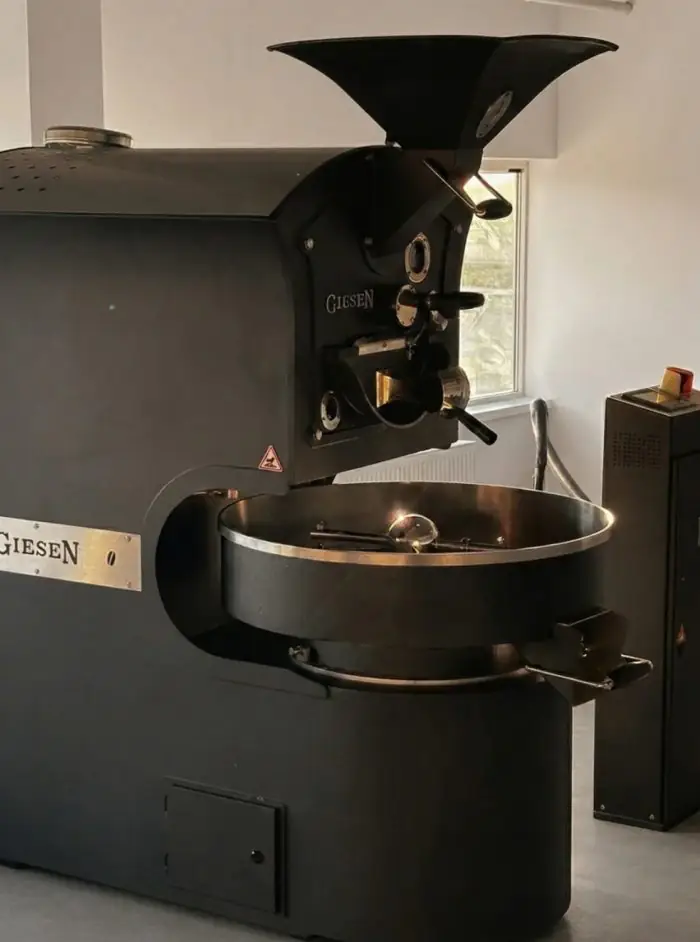
I moved back to Latvia in 2020, still working in my corporate career. Coffee was always something I enjoyed at home. A while back, a friend gifted me a ceramic Japanese coffee roaster, and I started experimenting with roasting beans myself.
Over time I read books, listened to podcasts, and the interest kept growing. Then last year, it felt like a kind of moment where things aligned. I saw people around me making similar decisions—pausing their careers and trying something new. That gave me encouragement.
So I decided to pause my daytime job and explore something unknown, and see where it leads.
What does it mean for you to build this kind of project in Latvia specifically?
I think the coffee culture here has developed a lot in the last five to ten years. More and more people understand specialty coffee and what it tastes like. It’s not just one group of people anymore—it’s quite diverse.
There are many good places already, especially in the city center. That’s also why we were interested in being slightly outside of it. We liked the idea of working on the other side of the city, in a quieter environment, where the pace feels different.
Why did you choose the Botanical Garden as your first café location?
It was a match we realized quite quickly. Kamilla, my partner, saw that the Botanical Garden was looking for a café operator, and at the same time we were also looking for a place.
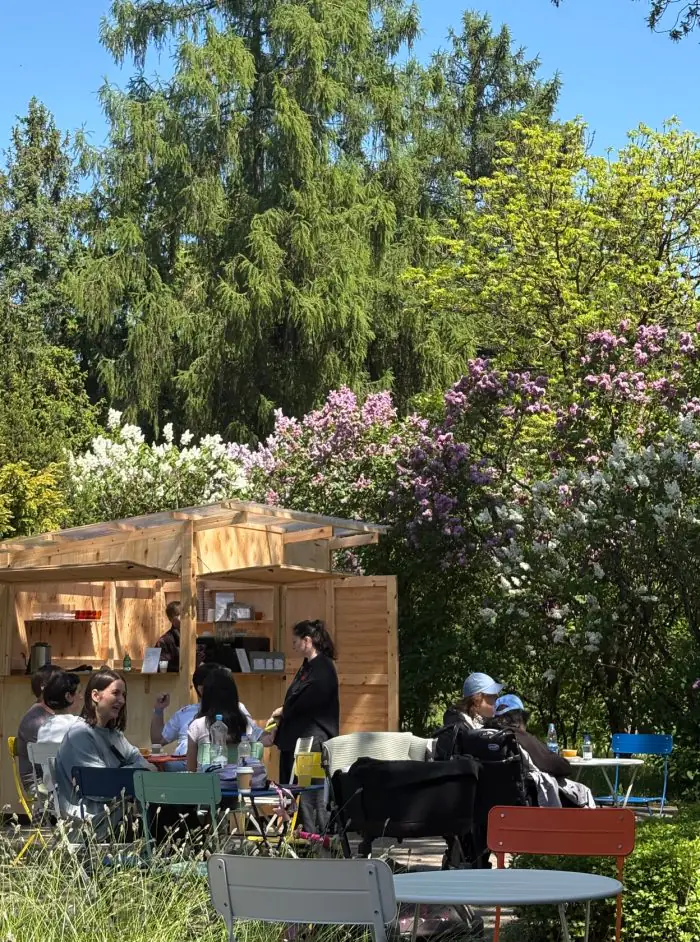
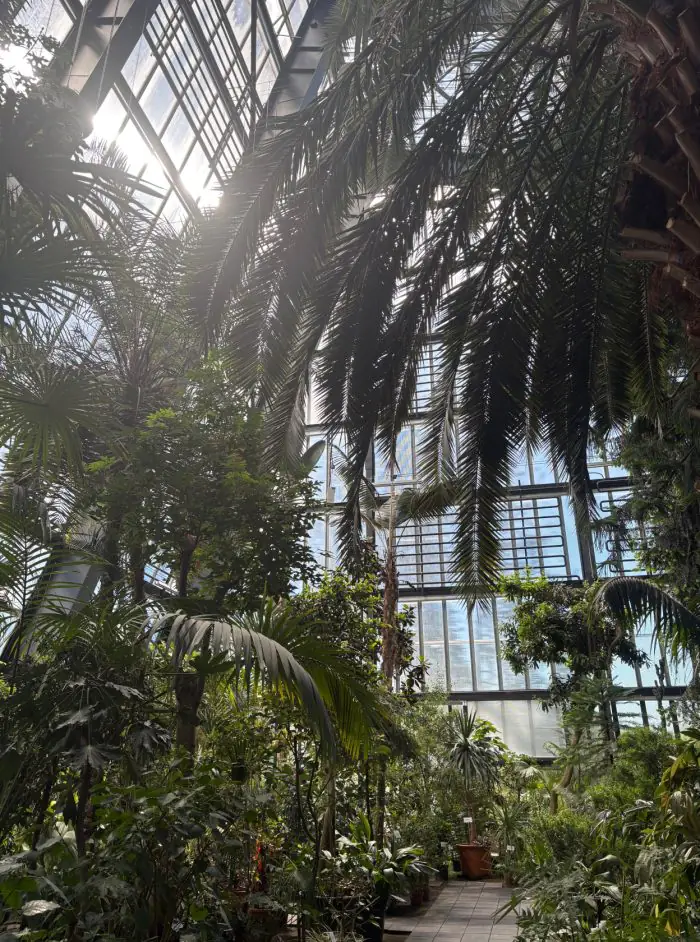
When we visited, we immediately liked the atmosphere. It felt very special—very quiet, very different from anything else. You can really slow down there and have a cup of coffee in a way you can’t really do in the city.
We couldn’t really find any other place like it in Europe—a specialty coffee café inside a botanical garden. So we thought it could become something quite unique, something worth visiting in itself.
Micro-Roastery and Experimentation
How do you approach selecting and developing your coffee?
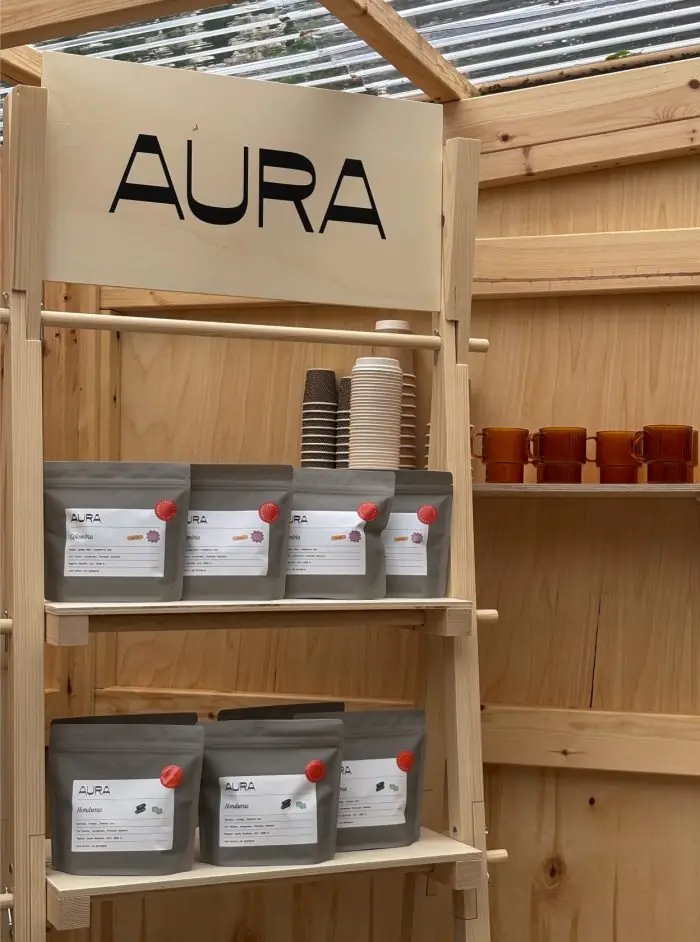
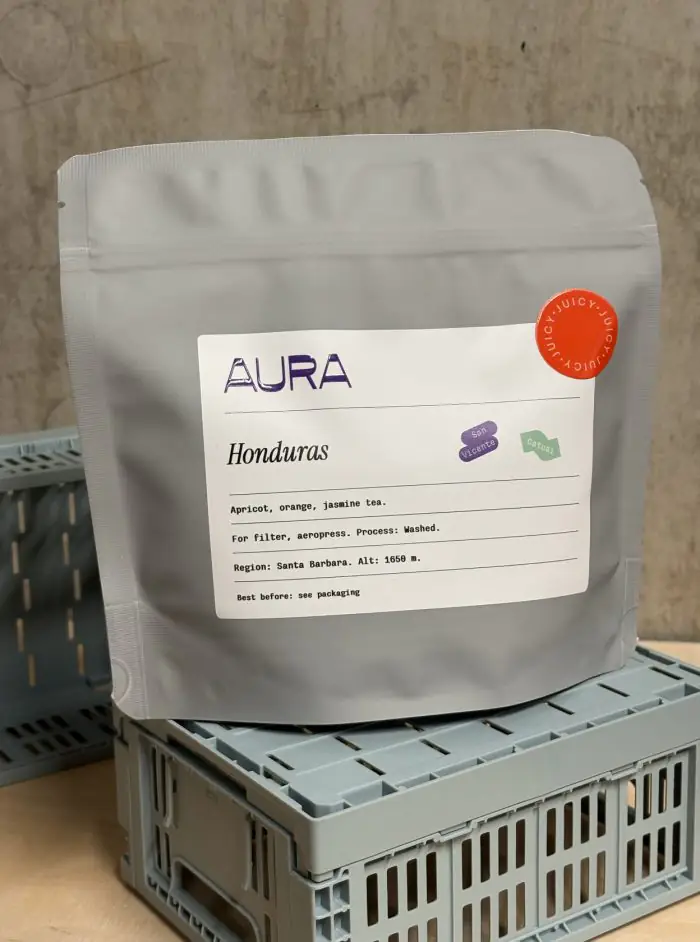
The experimentation is more on the side that customers never really see. We order samples of coffee from suppliers and growers, roast them, and then taste them. This is how we evaluate which coffees we like and which flavour profiles work for us.
So it’s really about exploring raw material—roasting it, tasting it, and understanding it.
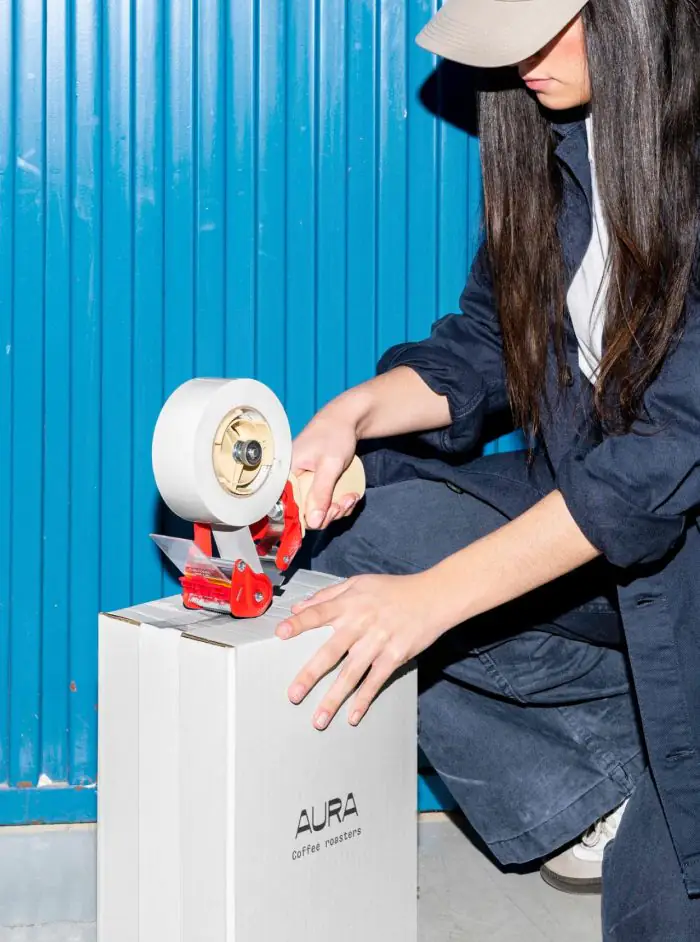
Once we find something we like, we decide to produce it and sell it. That’s when the real work begins.
For me, this is the most fun part. You never really know what you’re going to get.
How has the café been going so far?
Everything went surprisingly fine. There were no big hiccups, so I guess we planned quite well.
Of course, there are still things to improve—stock levels, inventory, small operational adjustments. At some point we had to run to the store in the middle of a shift because something ran out faster than expected.
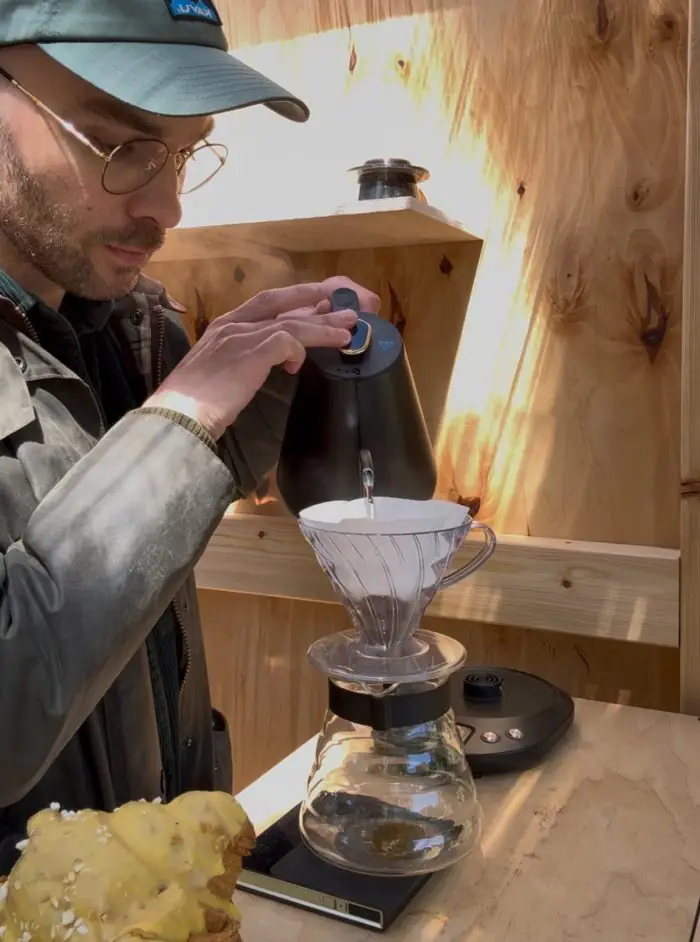
But overall it went well. We have a very talented barista who knows his coffee craft.
Right now, we would like to offer more filter coffees, and also introduce more seasonal drinks—something more refreshing for the summer.
Slowness as a Direction
What is the most challenging part of running Aura Coffee?
The most challenging part is that you are working every day and you can’t really switch off completely. Your mind is always thinking about what to do next, how to fix things, how to improve things.
But at the same time, if you really like what you are doing, it’s not a problem. You still have internal motivation and you get rewards from it.
I don’t see how you could do this long term if you are not interested in it.
Closing Thought
Is there something you would like people to take away from Aura Coffee?
What I hope is that this whole experience of enjoying coffee becomes something unique—a moment where you slow down.
Here in the Botanical Garden, you are surrounded by palm trees, fresh air, and butterflies. You are able to step away from screens and distractions, and just enjoy the moment.
It becomes almost meditative.
And I hope that when people leave, they take that feeling with them—and maybe next time they drink coffee somewhere else, they remember it and slow down for a moment again.