stock.adobe.com
History
The canal linking Ķīšezers lake with the Daugava river dates back to 1266. It was dug by the monks of Daugavgrīva Monastery to power watermills—giving rise to its historic German name, Mühlgraben, or “Mill Canal.” The monastery belonged to the Cistercians, a Catholic order known for combining an austere lifestyle with active economic enterprise. It was here that the first watermills in Livonia were built on an artificial canal.
National Archives of Latvia “See, Hear Latvia!”
wikipedia.org
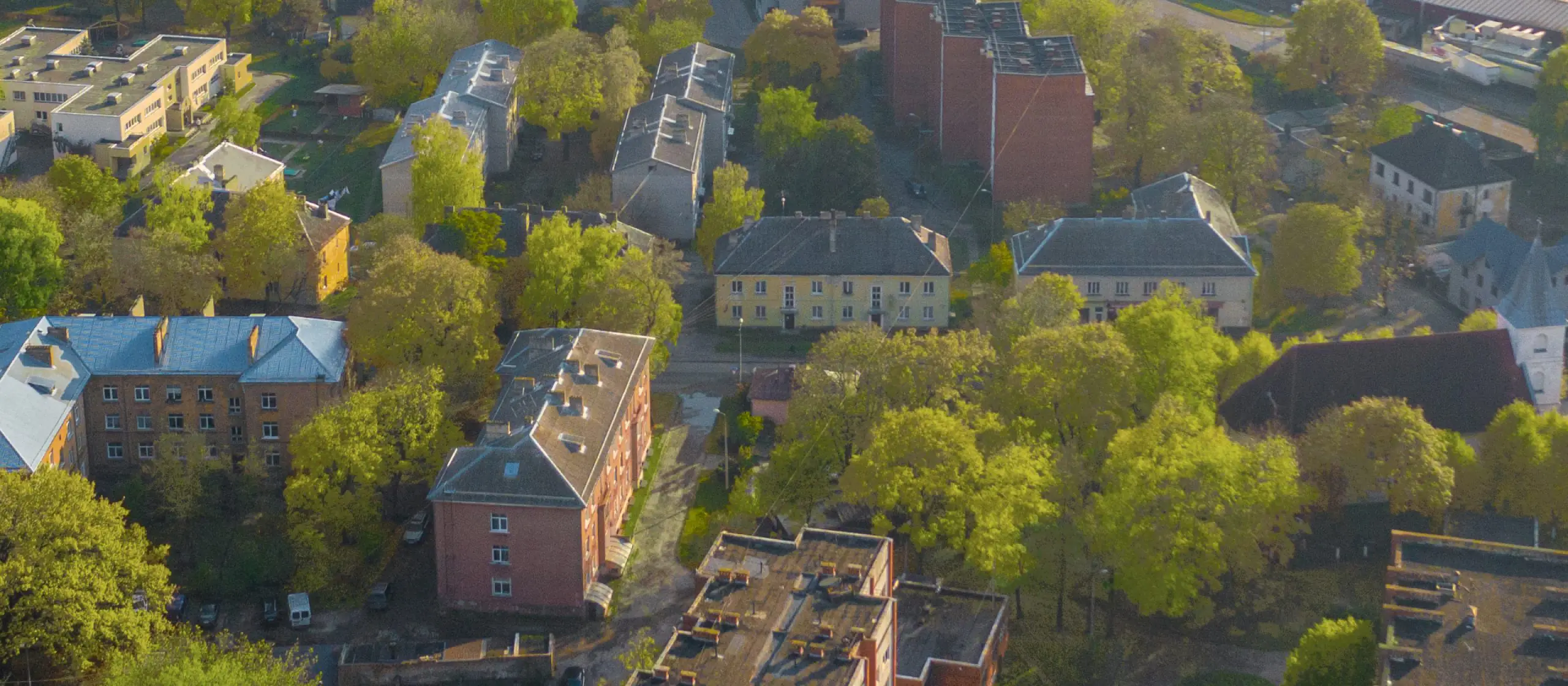
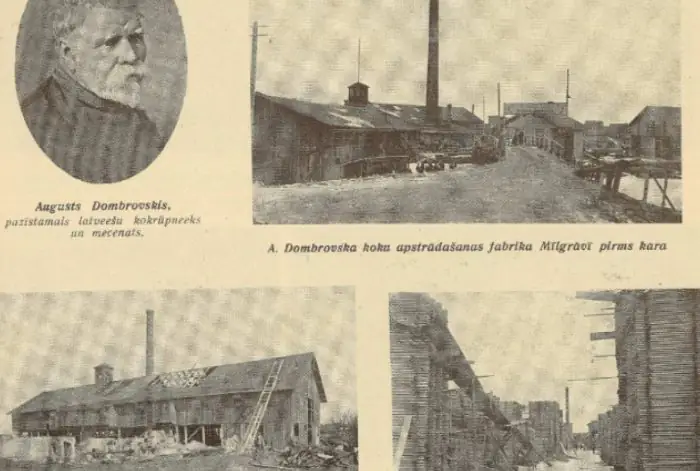
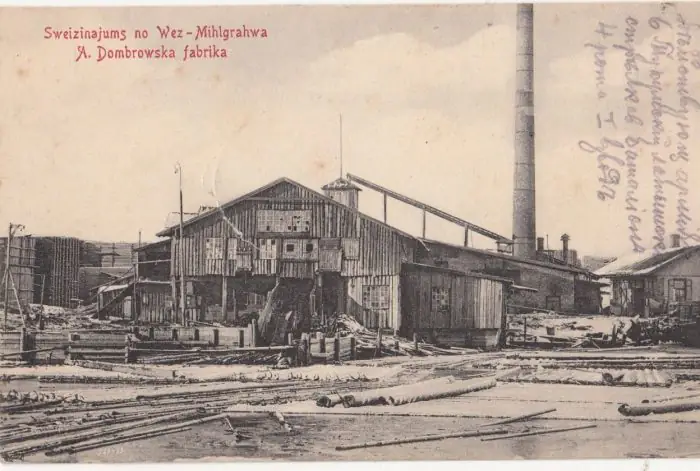
Vecmīlgrāvis itself began to develop rapidly only in the second half of the 19th century. In 1887, Latvian entrepreneur Augusts Dombrovskis established a sawmill here that soon became one of the area’s main economic engines. Despite repeated fires and destruction, the factory was rebuilt several times and continued operating until 1999.
Dombrovskis also played a major role in shaping the local community. With his support, a primary school and kindergarten were founded, and residents could receive loans to build homes—a remarkably progressive and socially minded initiative for its time.
forum.myriga.info
forum.myriga.info
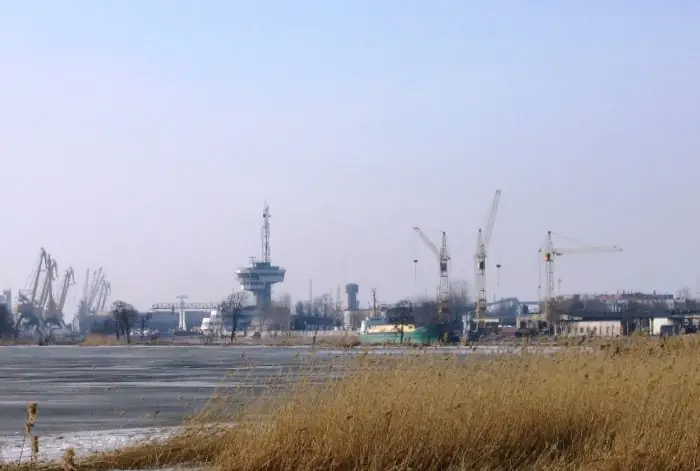
By the early 20th century, the district had grown into an important industrial and maritime center. In 1913, the German company Schichau began constructing a shipyard here, where destroyers were built during World War I. In 1924, part of the district was officially incorporated into Riga, and a decade later a bridge across the Mīlgrāvis canal connected both shores.
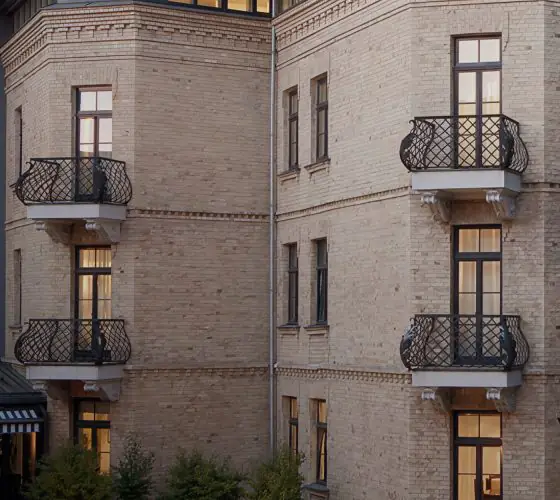
After World War II, industrial development accelerated even further. In 1944, the shipyard was almost entirely rebuilt and later transformed into a major shipbuilding complex. A fishing port opened in 1948, eventually giving rise to a large fish-processing industry. From the 1950s onward, apartment blocks replaced much of the historic wooden architecture, though the surviving fragments still vividly preserve the spirit of old Mīlgrāvis.
citariga.lv
Landmarks
Ziemeļblāzma Culture Palace
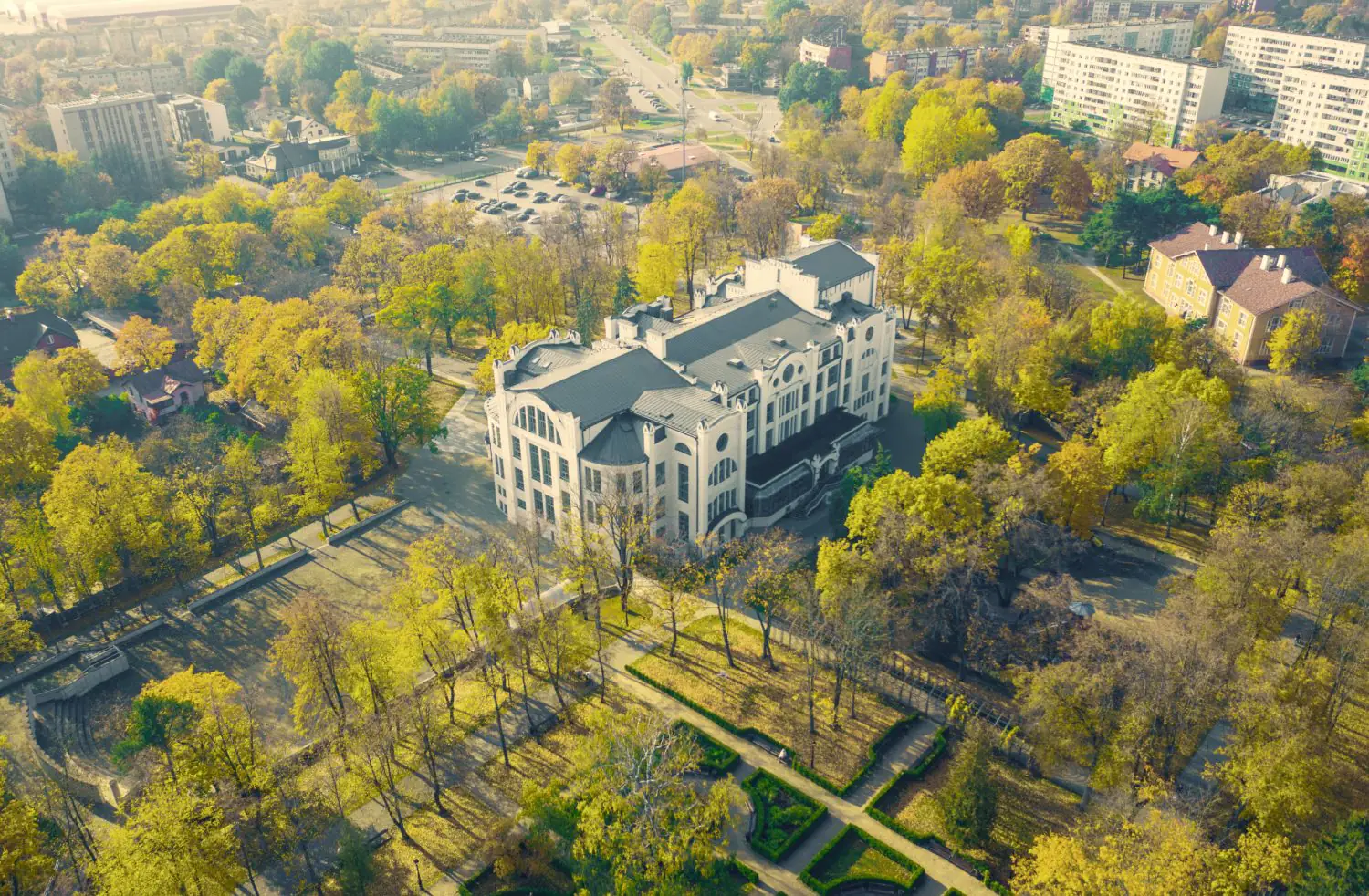
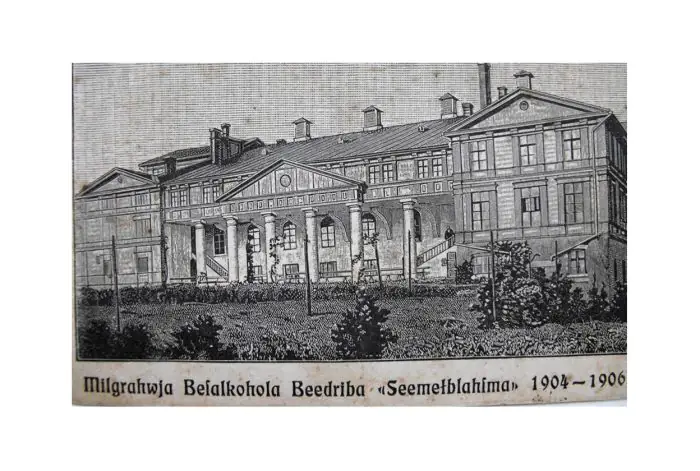
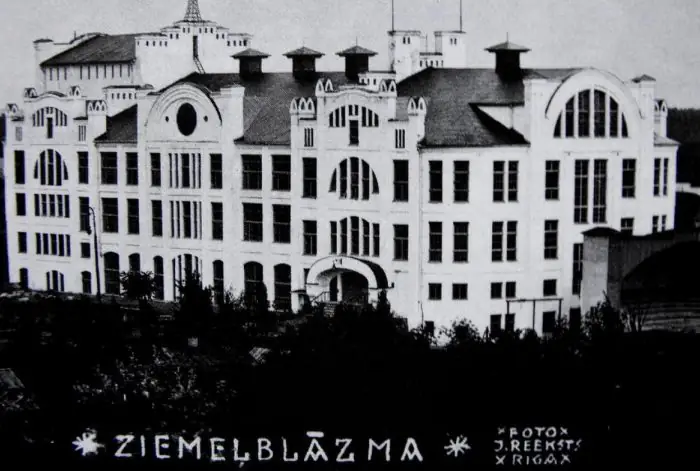
A passionate advocate of sobriety and public education, Dombrovskis originally built a wooden “House of Sobriety” called Ziemeļblāzma. During the 1905 Revolution, the building was burned down by a punitive expedition. The current reinforced-concrete Ziemeļblāzma Culture Palace was completed in 1910 and remains one of the district’s defining landmarks.
Remarkably modern for its time, the building—including much of its furniture and interior details—was designed using non-flammable materials such as reinforced concrete and metal.
adobe.stock.com
buvbaze.lv
buvbaze.lv
Observation Tower
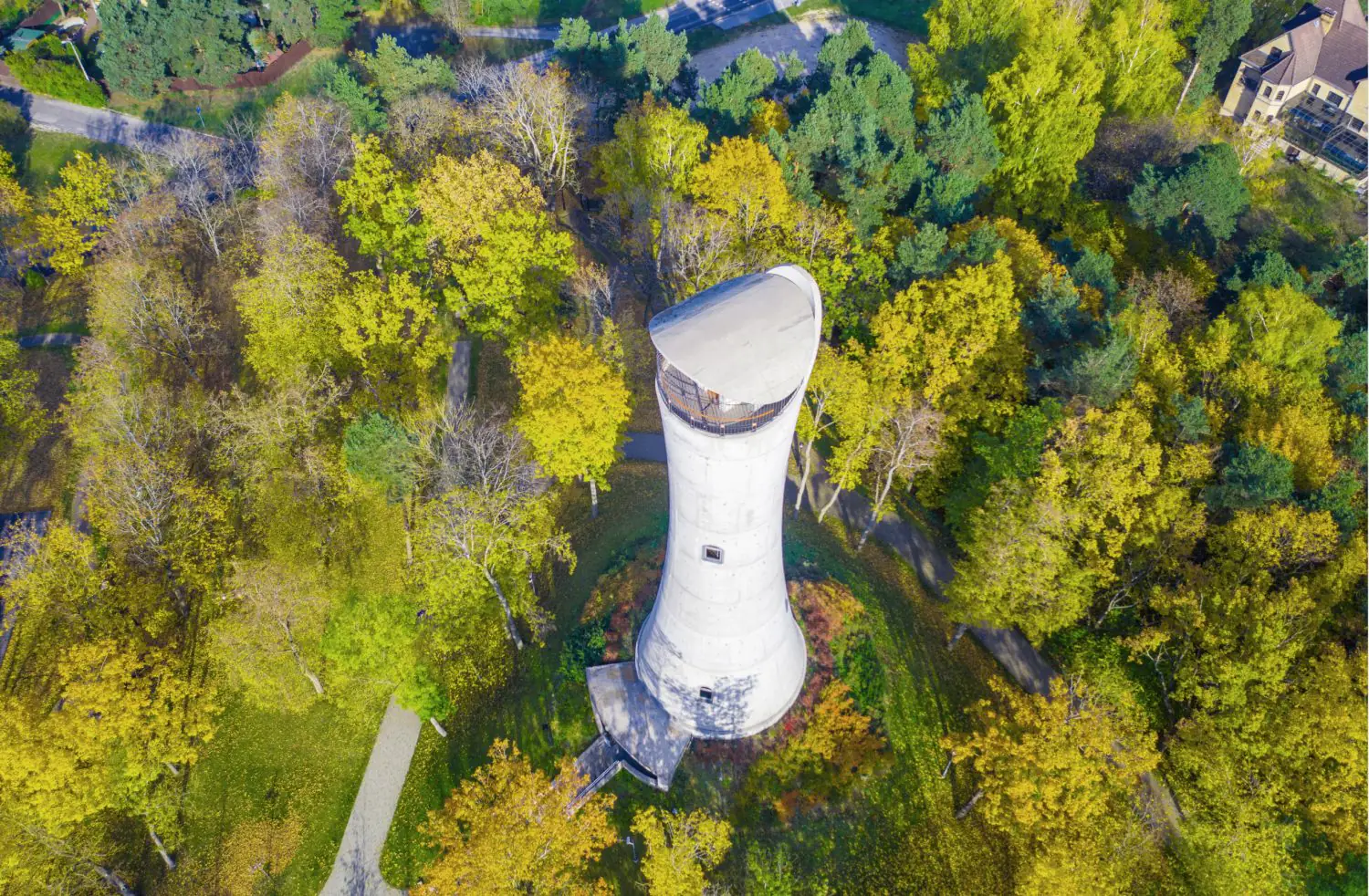
The modern observation tower has become the visual centerpiece of Ziemeļblāzma Park. Visitors can reach the top either by elevator or stairs, where sweeping views reveal the district’s striking contrasts: industrial port infrastructure beside towering pines, the calm waters of Ķīšezers lake, and the winding Daugava river.
The tower was built in 2013 to a design by architect Juris Monvīds Skalbergs.
adobe.stock.com
facebook.com/Augusta Dombrovska Rīgas Mūzikas skola
Augusts Dombrovskis Music School
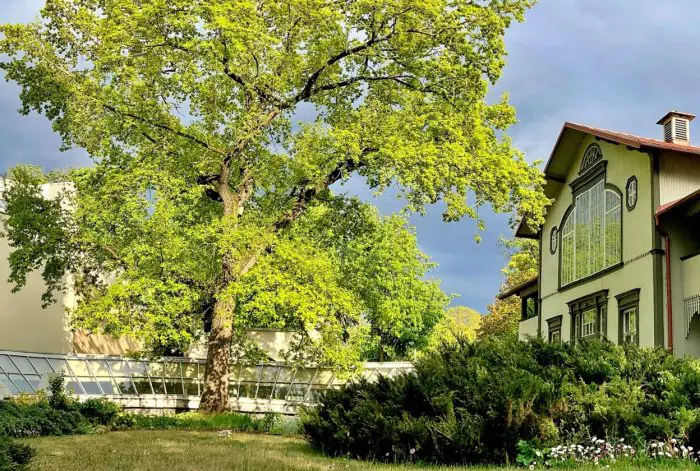
In 1908, Dombrovskis also established a boarding house for writers, musicians, and cultural figures known as Burtnieku House, today home to the August Dombrovskis Music School. Many prominent Latvian intellectuals stayed here over the years, including folklorist Krišjānis Barons.
Daugavgrīva White Lutheran Church
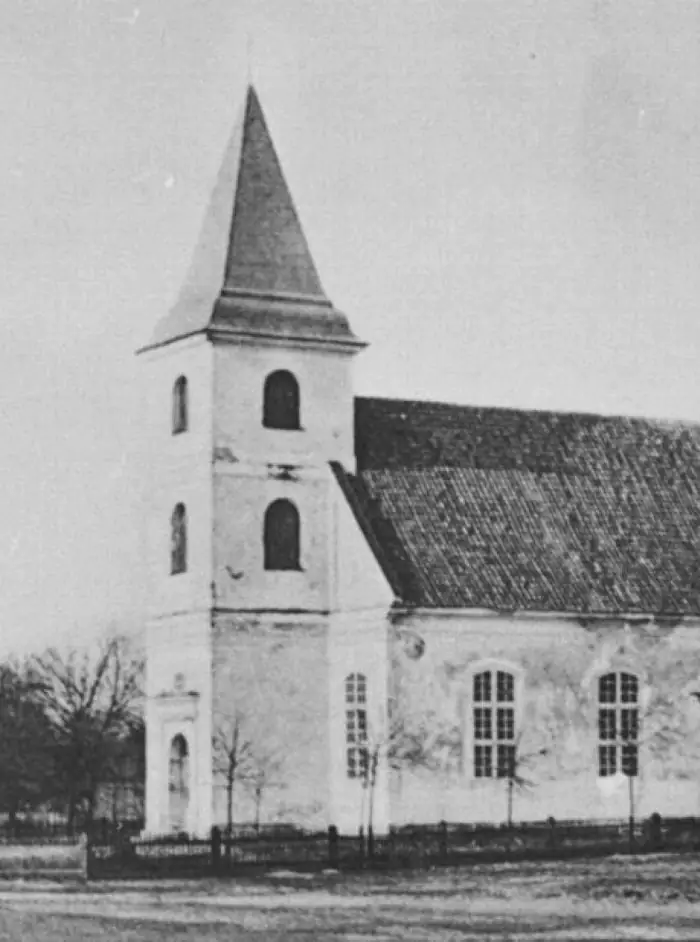
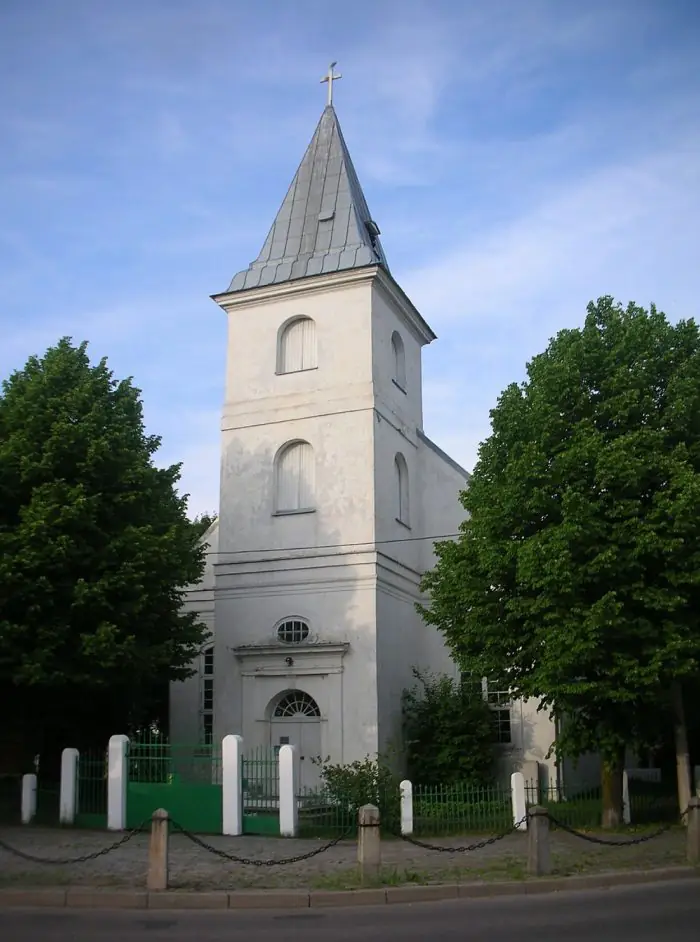
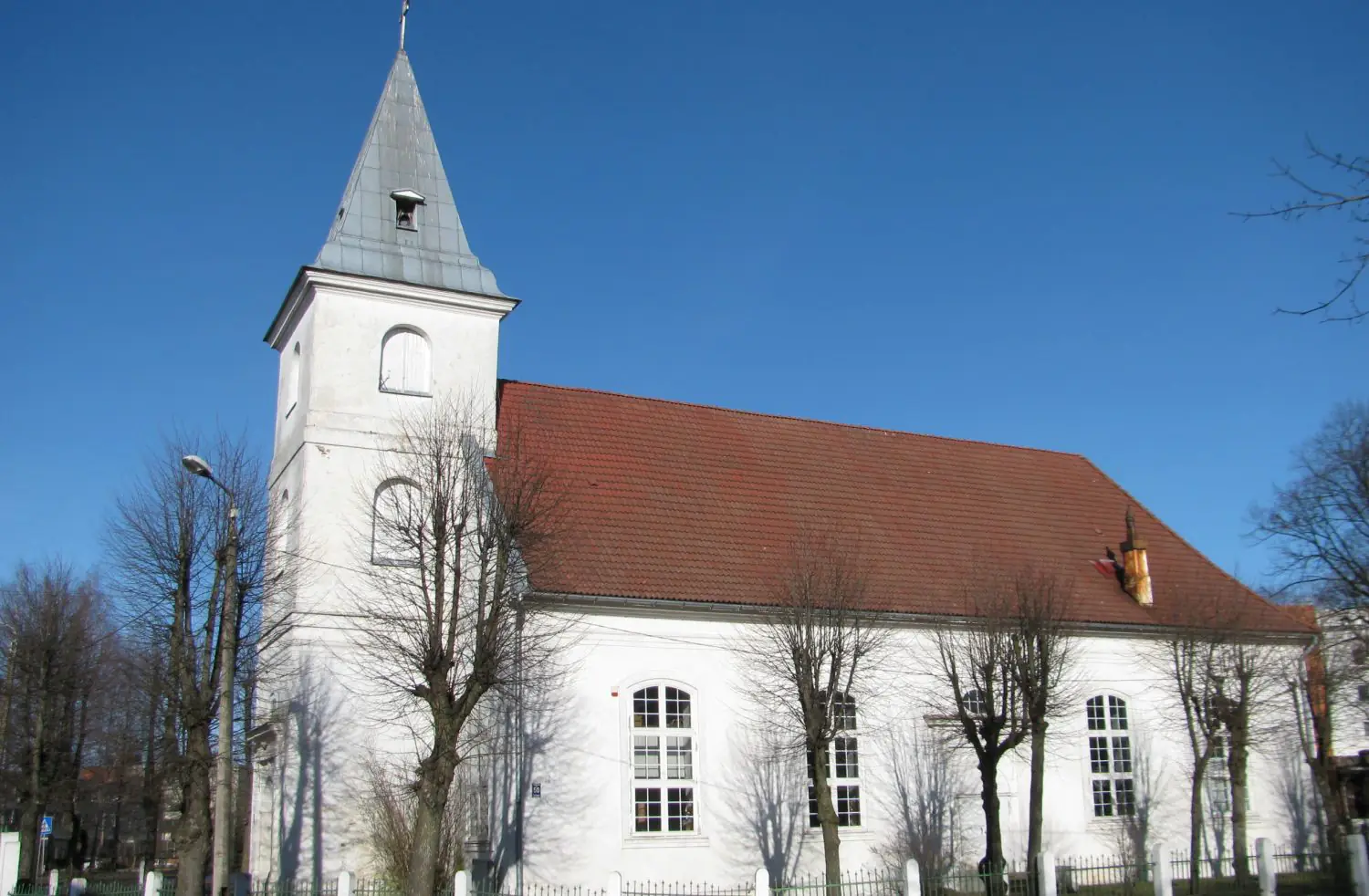
Built in 1788, the church long served as a navigational landmark for ships approaching Riga’s port and remains one of the area’s most recognizable historic buildings.
Its restrained yet elegant appearance combines Baroque architecture with elements of Classicism. Against the backdrop of dark water and pine forest, the bright white walls stand out dramatically—earning it the local nickname “The White Church.”
facebook.com/Augusta Dombrovska Rīgas Mūzikas skola
Where to walk
Ziemeļblāzma Park
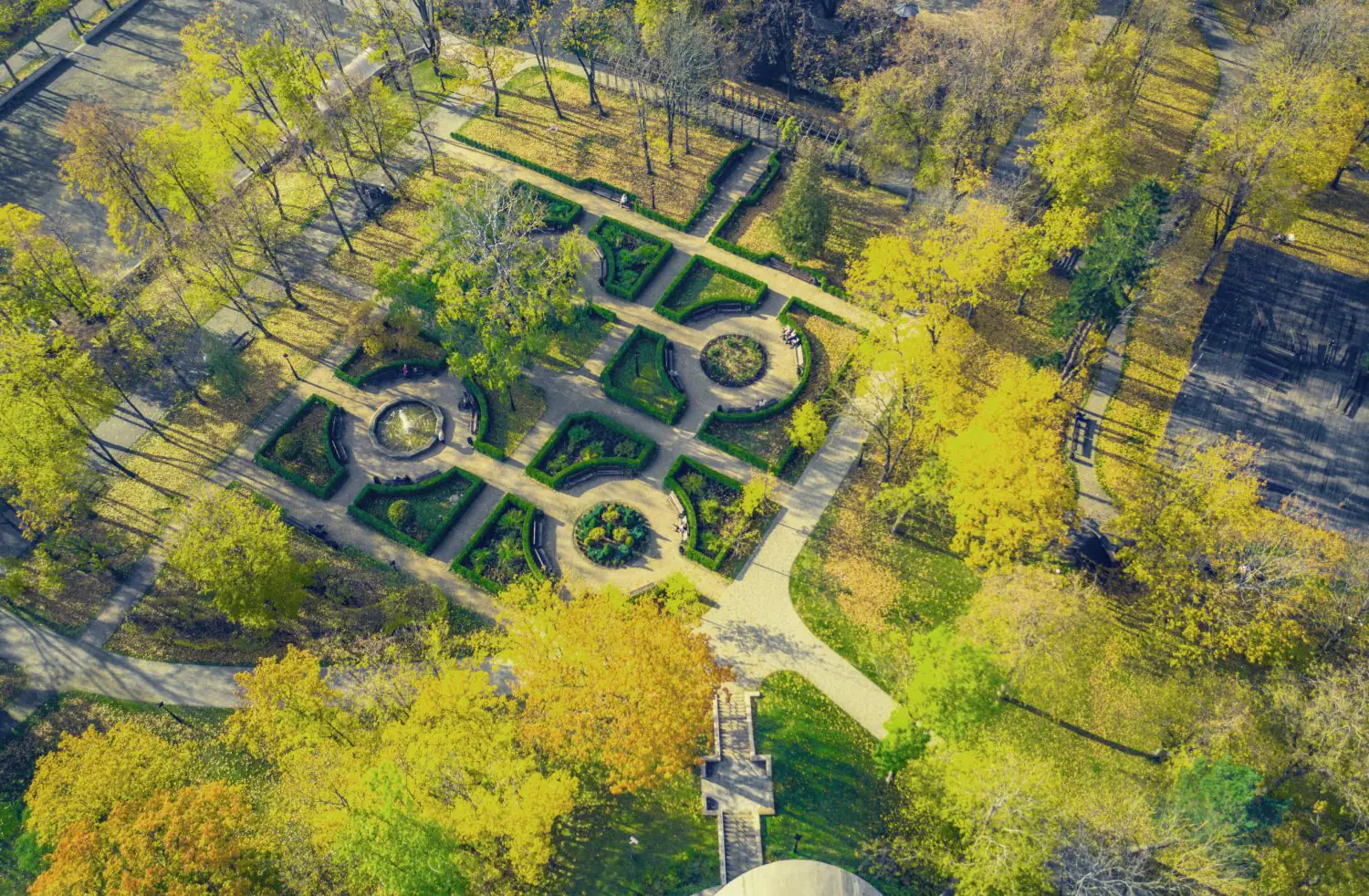
Surrounding the culture palace is a formal French-style park—a surprisingly tranquil green oasis amid the industrial landscapes of northern Riga. The park preserves both a historic rotunda and the famous “mushroom” pavilion, assembled from columns salvaged from the original House of Sobriety destroyed by fire.
These architectural remnants are more than decorative details; they symbolize the continuity and resilience of the neighborhood itself.
adobe.stock.com
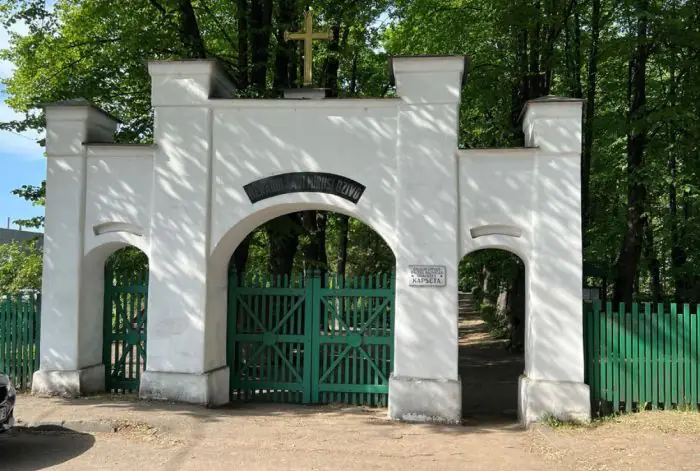
The churchyard and cemetery of the White Church
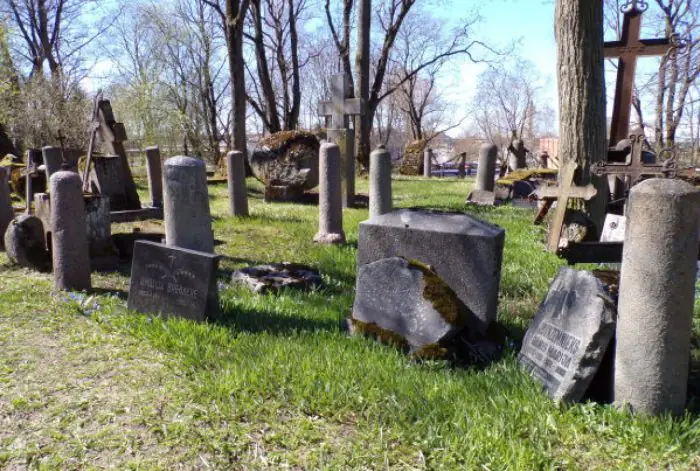
The old cemetery beside the White Church creates one of the district’s most atmospheric spaces. This quiet necropolis tells the story of Vecmīlgrāvis through the names and gravestones of pilots, captains, fishermen, and local residents whose lives were tied to the sea for generations.
Old wrought-iron crosses, tall pines, and the nearby water create a rare sense of stillness and suspended time. From the shoreline, visitors can watch modern cargo ships and passenger liners glide past the centuries-old church—a scene where Riga’s past and present seem to merge into a single landscape.
memorialservices.lv
timenote.lv
Where to eat
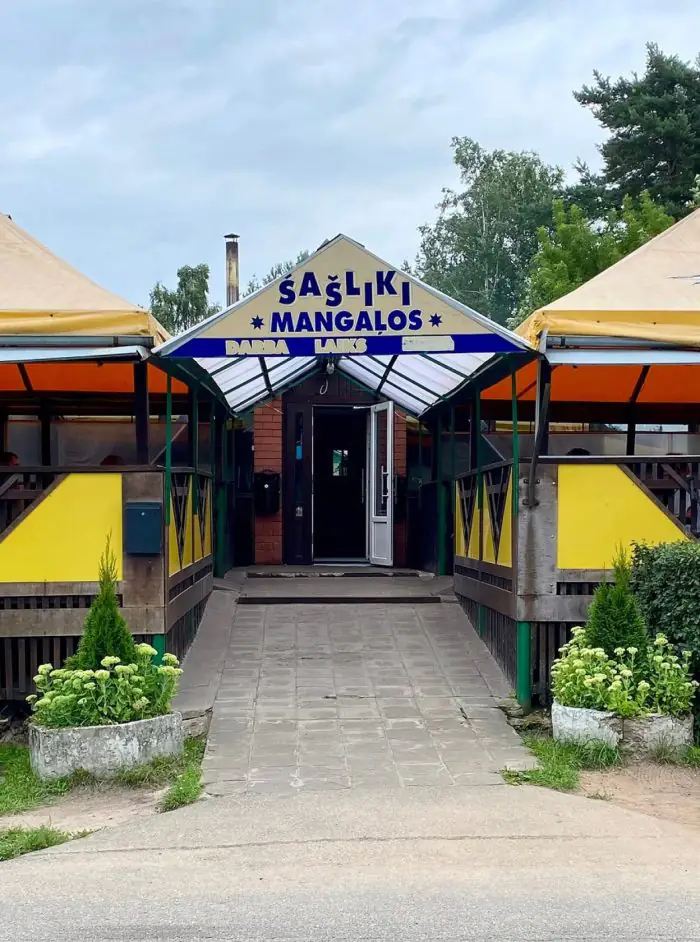
Šašliki Mangaļos
A true local institution, Šašliki Mangaļos has remained one of Riga’s best-known destinations for charcoal-grilled meat for decades. People come here not for stylish interiors or modern presentation, but for the unmistakable flavor many Riga residents associate with childhood memories and family gatherings.
tripadvisor.lv

TikTok.com / airitata
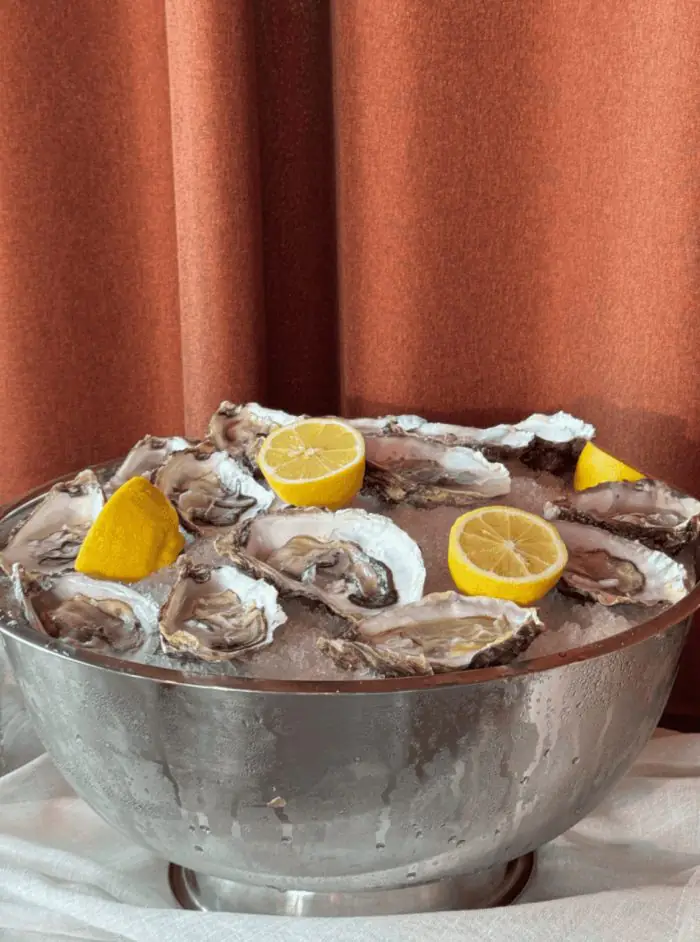
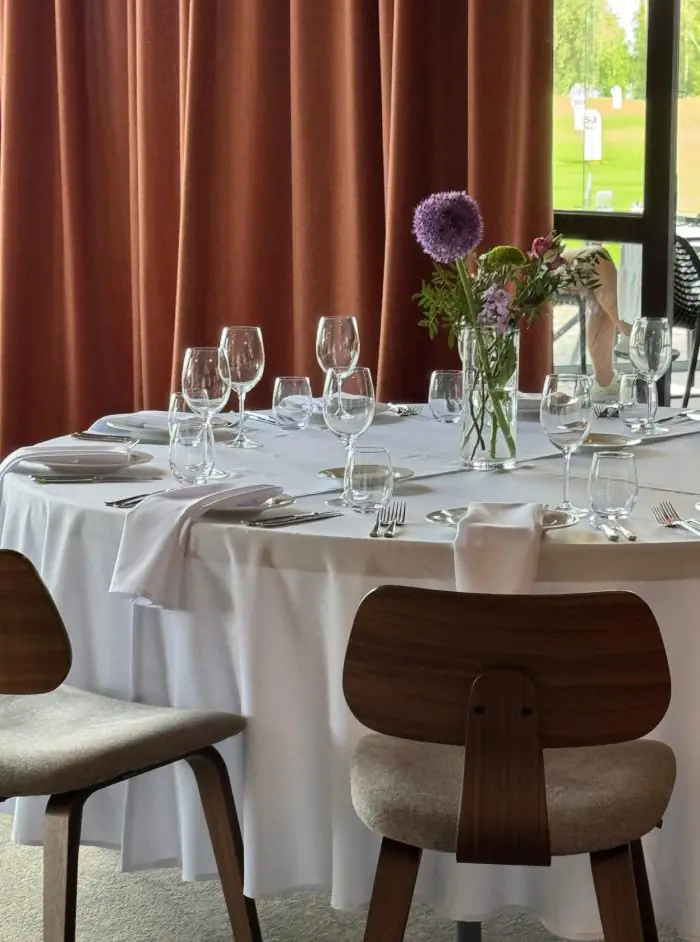
Restaurant at Ozo Golf Club
The restaurant at Ozo Golf Club offers a completely different side of northern Riga. Here, industrial scenery gradually fades into green fairways and a peaceful lakeside atmosphere. The city feels distant, replaced by views of the golf course and Ķīšezers lake.
The restaurant’s understated interior deliberately avoids distracting from the surrounding panorama—one of the main reasons visitors come here, even beyond the food itself.
ozogolf.lv
ozogolf.lv
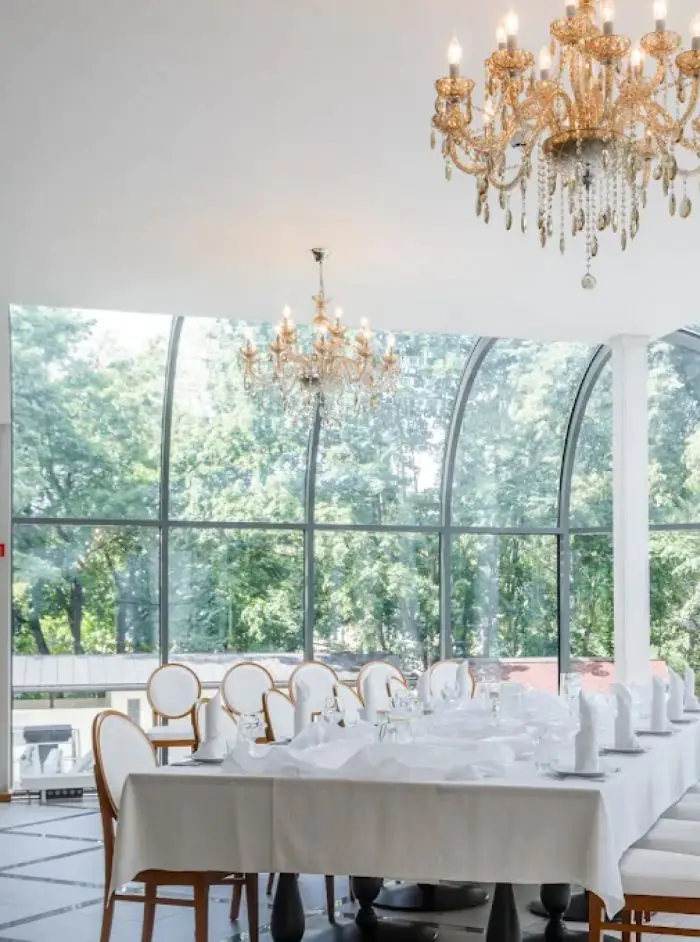
Café at Ziemeļblāzma Culture Palace
Far removed from the noise of chain cafés and the rush of central Riga, this small café is an ideal stop after a walk through the park, an exhibition visit, or a climb up the observation tower.
With a cup of coffee by the window, it is easy to imagine Riga’s intellectuals arriving here a century ago in search of fresh air, music, and the quiet charm of suburban life by the sea.
precos.lv

precos.lv
Sports
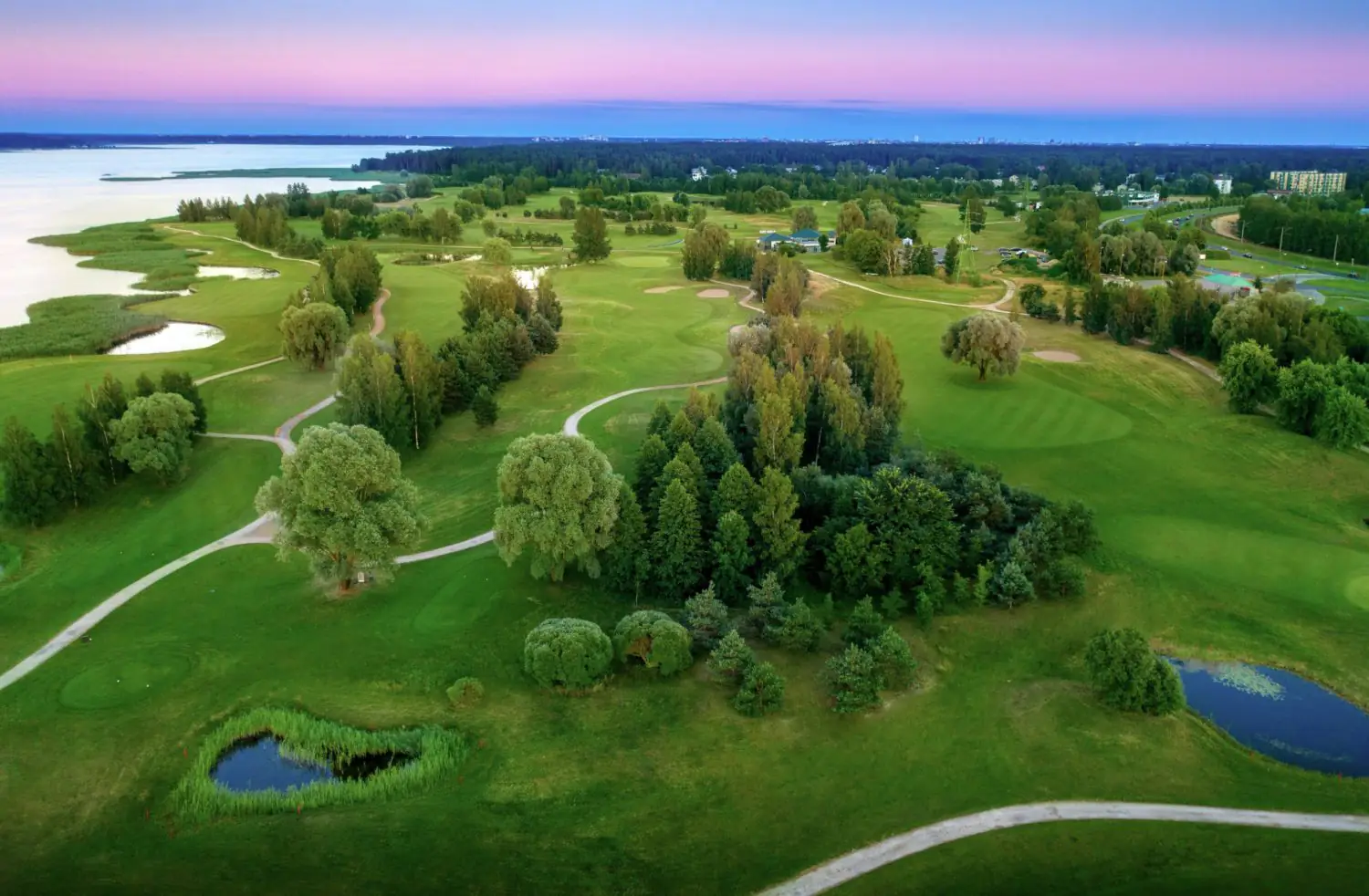
Ozo Golf Club
Located on the shores of Ķīšezers lake, Ozo Golf Club is considered one of the finest and most technically advanced golf courses in Northern Europe. Designed by American architect Rob Svedberg, the course combines elements of coastal terrain with forest landscapes, creating a setting that feels both natural and distinctly nordic.
ozogolf.lv