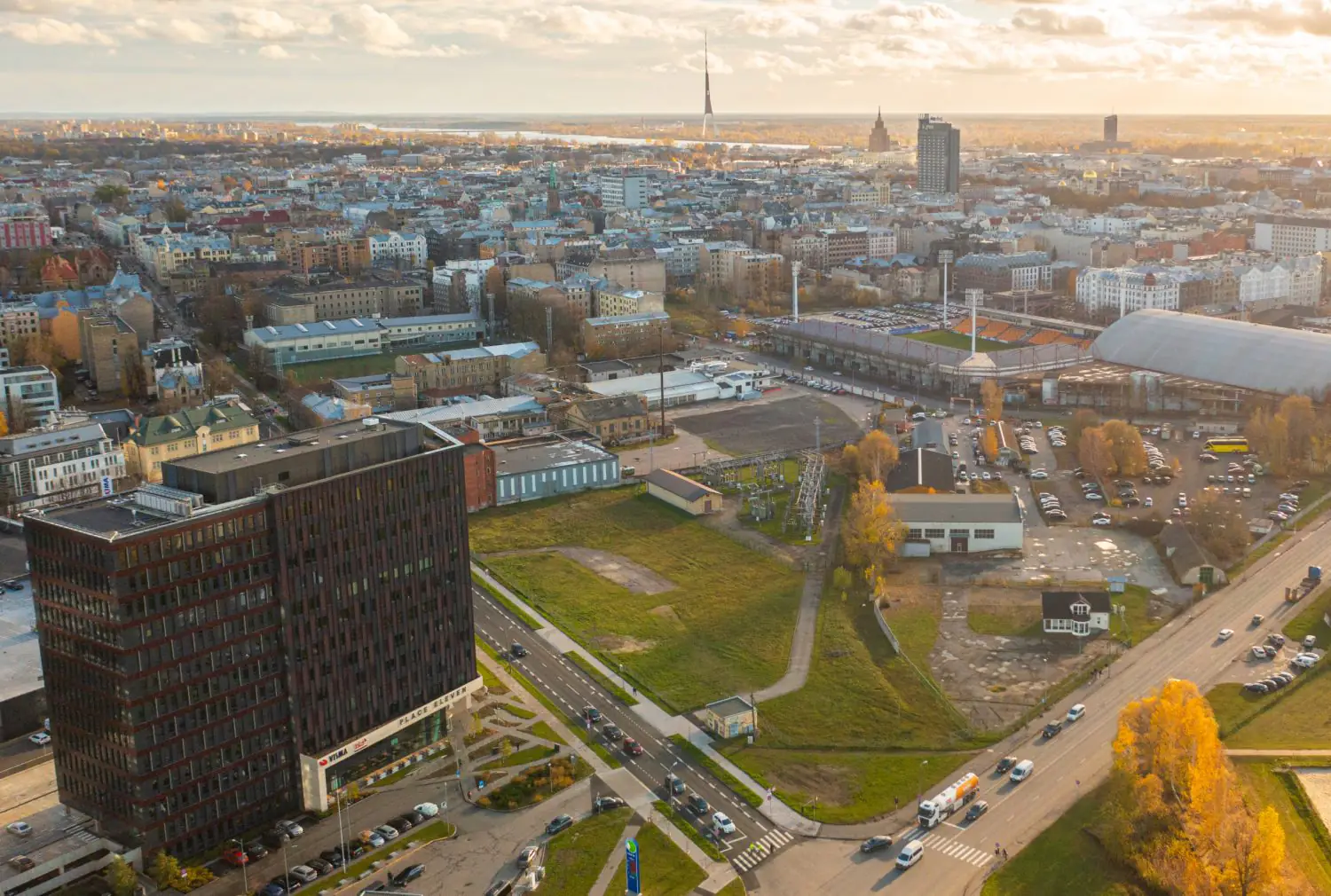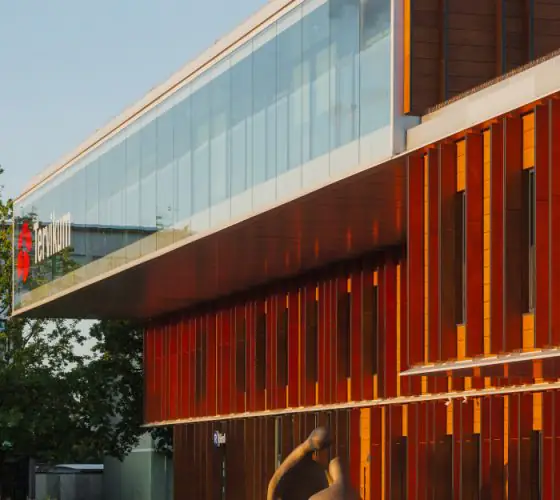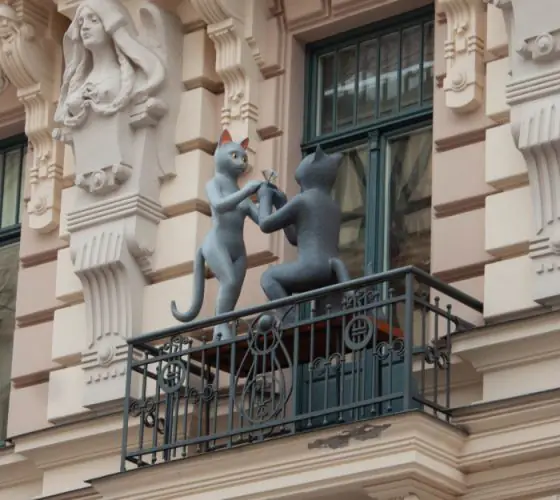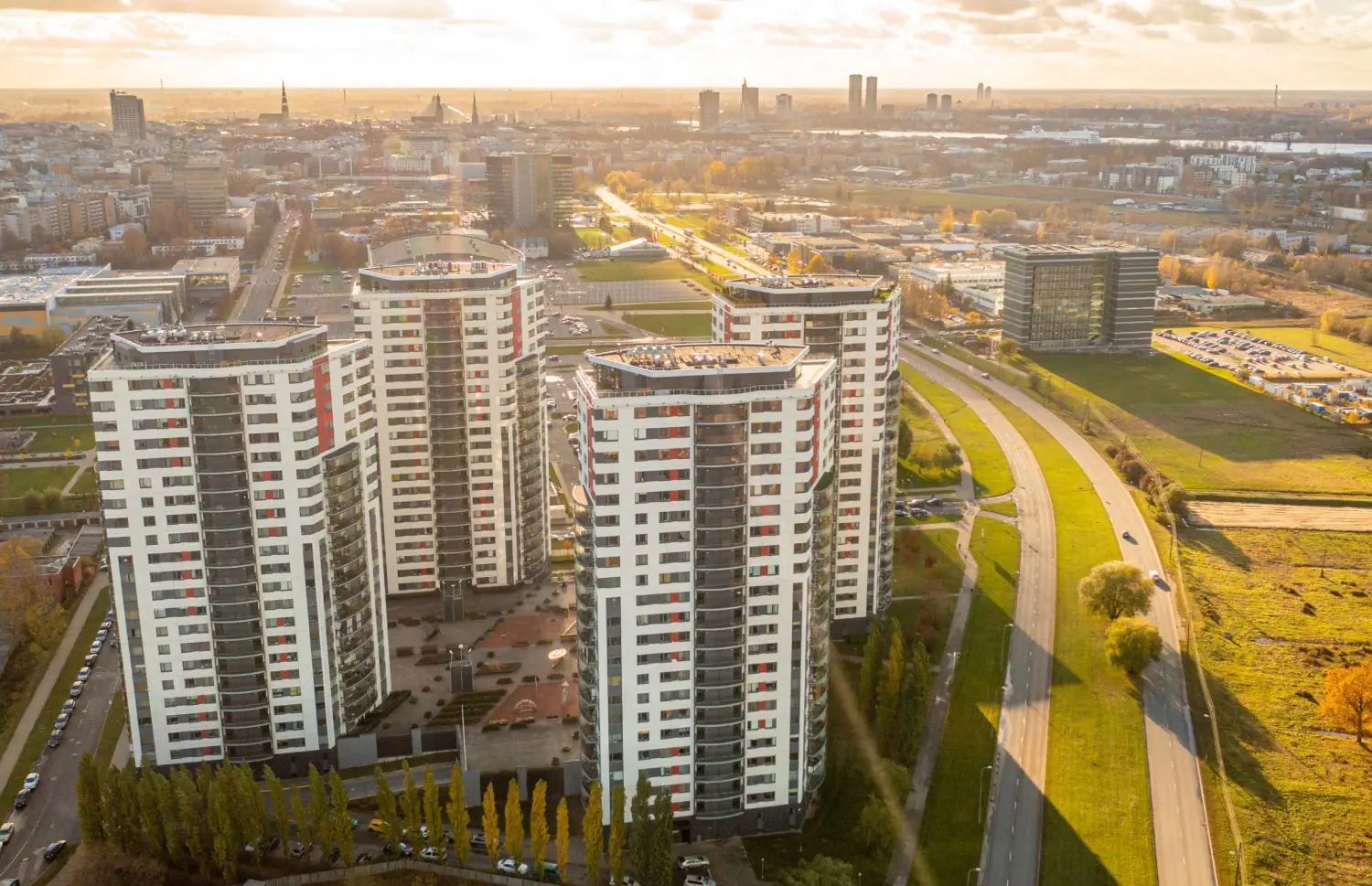
Riga’s historic centre is one of the most recognisable in Europe. However, for over a decade the Latvian capital has been actively developing a new area that is gradually becoming an alternative city centre. This area is Skanstes rajons — a neighbouring district next to the historic centre, where modern offices, residential complexes, cultural venues, sports infrastructure and new public spaces are taking shape.
Today, Skanste is considered one of the fastest-developing districts in Riga. Yet not so long ago, this area looked very different.
Beyond the City Walls
The first references to the area now known as Skanste date back to the Middle Ages. In the 13th and 14th centuries, land beyond the city walls was used as pasture, where Riga’s residents grazed livestock and horses. The district’s name derives from the word “skansts” — referring to the earthwork fortifications built here in the 18th century.
By the late 19th century, the area had taken on a new role. In 1891, the Riga Society for Equestrian Sports opened a racecourse here. A second hippodrome followed, and for decades the district became closely associated with horse racing and related sporting infrastructure.
Hanzas iela, one of Skanste’s key historic arteries, played an important role in shaping the district’s urban structure. First mentioned under its current name in 1902, it originally served as a road linking the former Imperial Garden (now Viesturdārzs Park) with the city pastures. The street was named after the Hanseatic League — a medieval trading alliance of Northern European cities, of which Riga was an important member. Over time, Hanzas iela became a vital link between the historic centre and the northern parts of the city, with infrastructure gradually developing along its route.
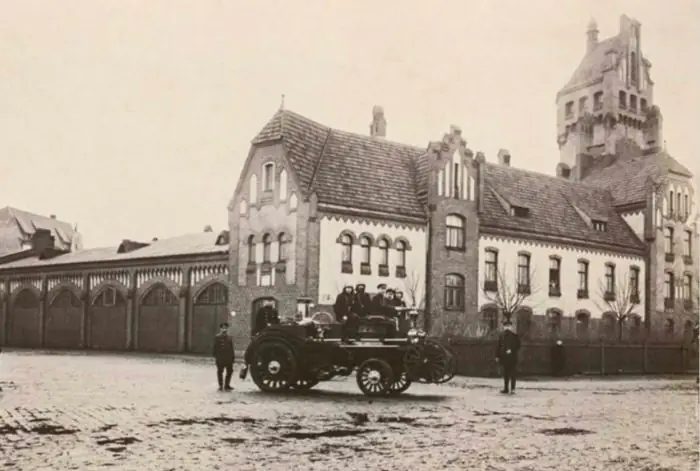
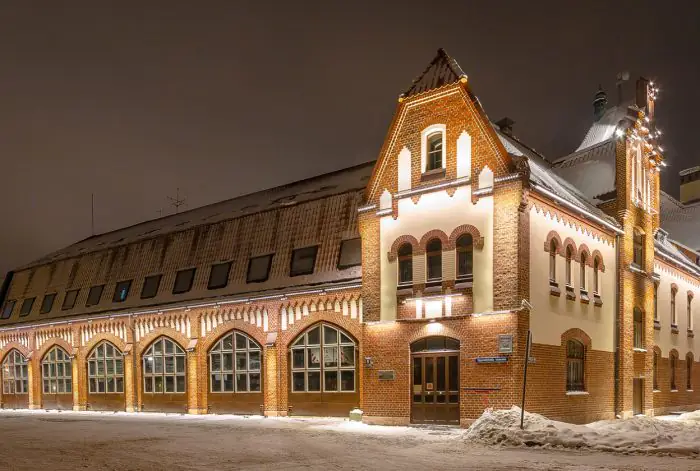
By the early 20th century, public and servie buildings had begun to appear along the street. One of the most notable was the fire station at Hanzas iela 5, built between 1909 and 1912 to the design of architect Reinhold Schmeling. Today, it houses the Latvian Firefighting Museum.
The Road to a Modern Skanste
After the Second World War, much of the area remained largely undeveloped. It was occupied by allotment gardens, vegetable plots and open fields surrounding the hippodrome. Residential buildings and urban infrastructure were limited to the outskirts. In the 1960s and 1970s, housing blocks were constructed near Vesetas and Tomsona streets, but large parts of the district still remained undeveloped.
A turning point came in the early 21st century. In 2005, a decision was made to build a multifunctional arena here for the Ice Hockey World Championship. In 2006, Arena Riga — now Xiaomi Arena — opened, becoming one of the city’s largest sports venues. From that point on, the area began to integrate more fully into the urban fabric.
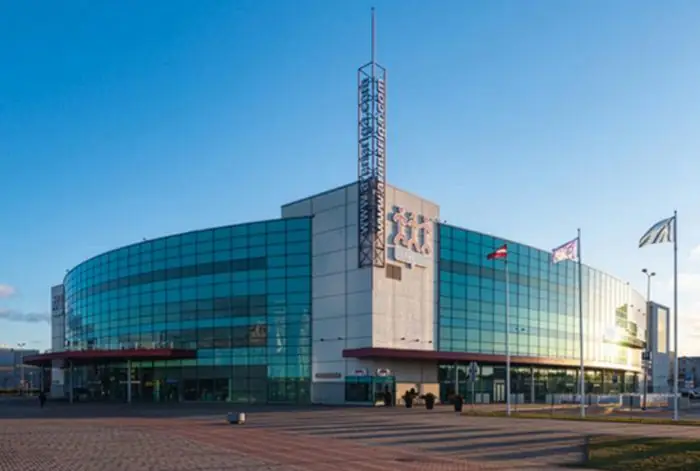
Skanstes rajons today
Today, Skanste is one of Riga’s fastest-developing areas. In the city’s development strategy up to 2030, the district is identified as a priority development zone and a future business centre of the capital. Plans include creating a modern urban quarter with offices for international companies, new residential developments and public spaces.
One of the symbols of the district’s transformation is Hanzas Perons. A former freight railway terminal has been converted into a cultural venue hosting concerts, exhibitions and urban events.
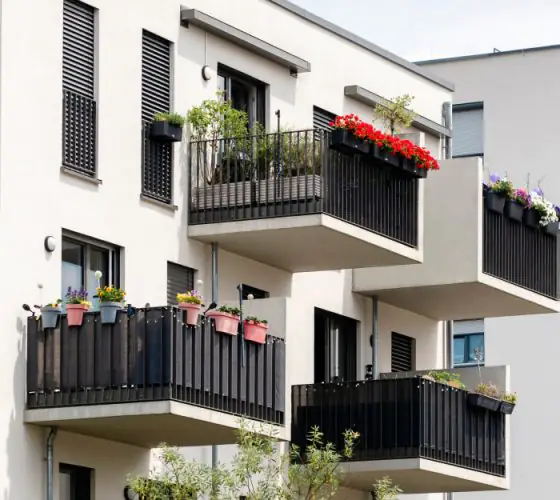
The Skanste district is also witnessing a range of residential developments — both in historic buildings and new constructions — creating a comfortable and well-planned living environment in the city centre. Below are some notable examples.
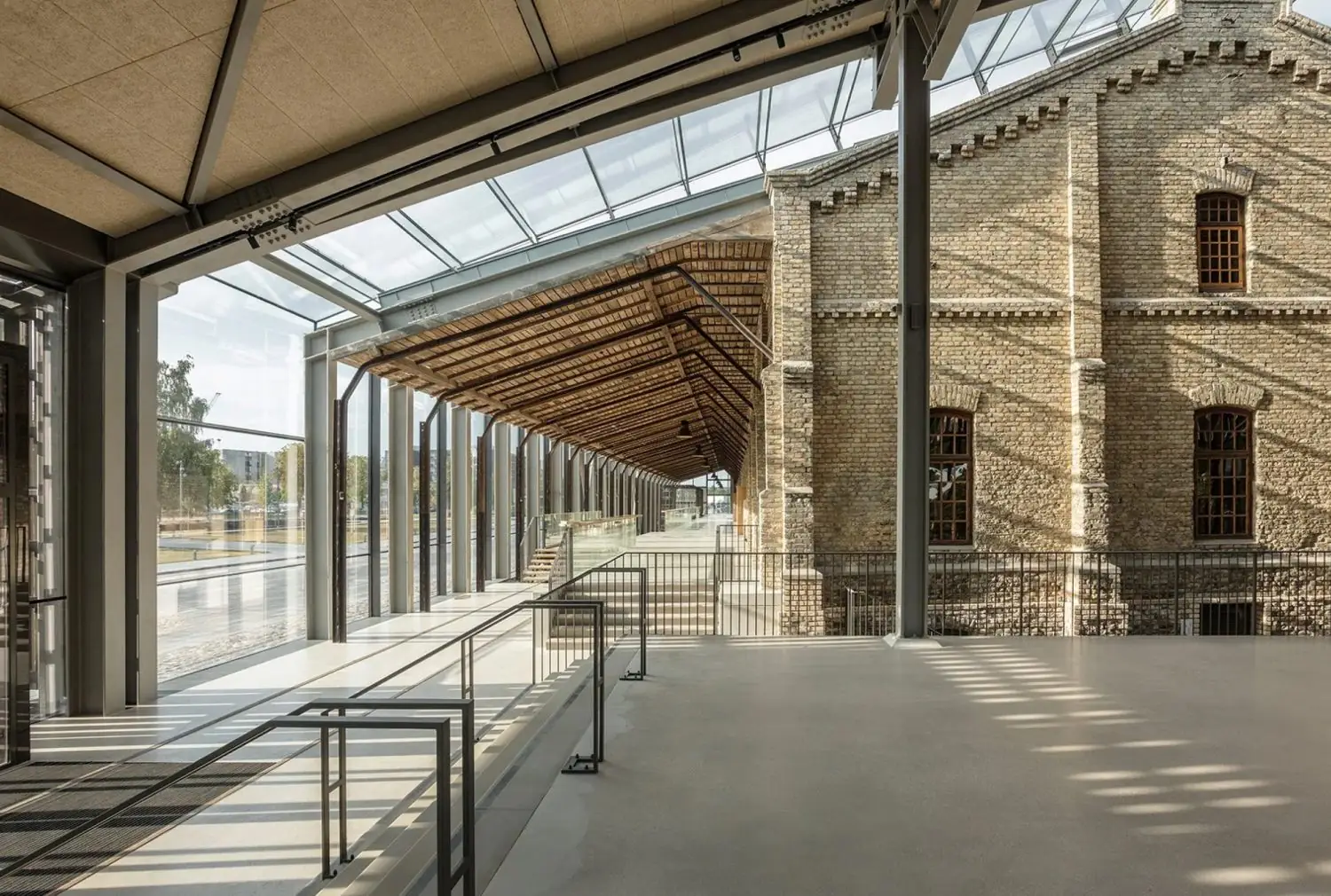
Contemporary Developments
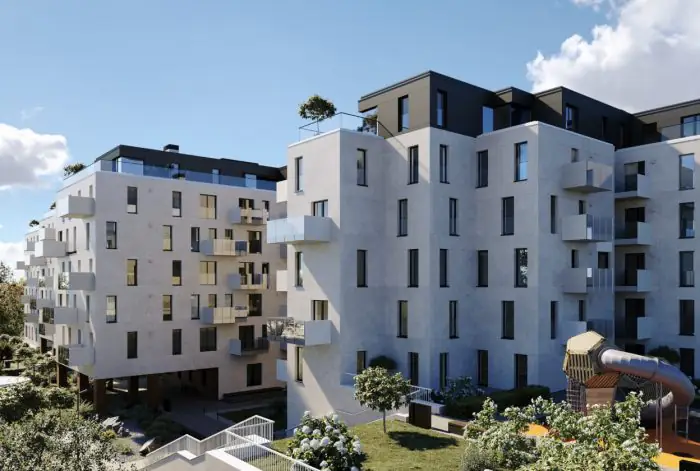
Heart of Hanza
Developer: LNK Properties
The Heart of Hanza project is located adjacent to one of the neighborhood’s main historic thoroughfares—Hanzas iela—and is designed as a high-quality, sustainable urban environment for a fulfilling lifestyle.
The complex features 127 apartments, with commercial spaces on the ground floor that add vibrancy to the block and provide convenient everyday infrastructure. A private courtyard with a green relaxation area balances the active pace of the city center with peaceful daily living.
Its proximity to the city center and the neighborhood’s new cultural venues makes this project an integral part of the broader transformation of the Skanste area.
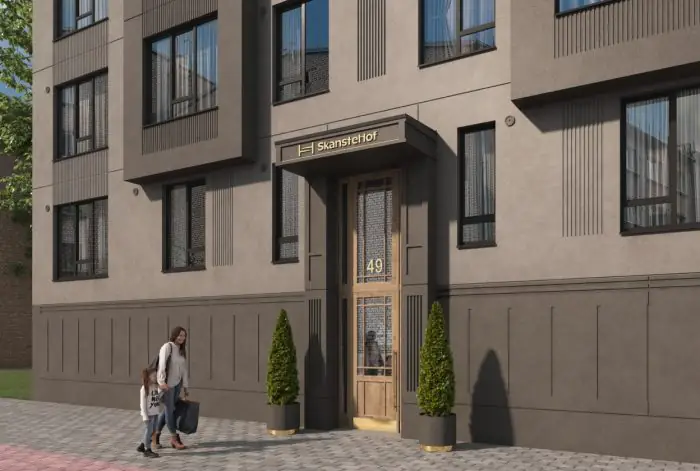
SkansteHof
Developer: InCity Capital
SkansteHof is a smaller-scale residential project on the edge of Riga’s centre and the Skanste district. The development includes 33 apartments, mainly two- and three-room units with balconies and terraces. Thoughtfully designed compact layouts make it possible to buy an apartment with one extra room — without compromising functionality.
The focus is on functionality: well-designed layouts, storage spaces, bicycle facilities and a landscaped courtyard with a children’s playground.
Its location away from main traffic flows offers a quieter living environment within a rapidly developing area.
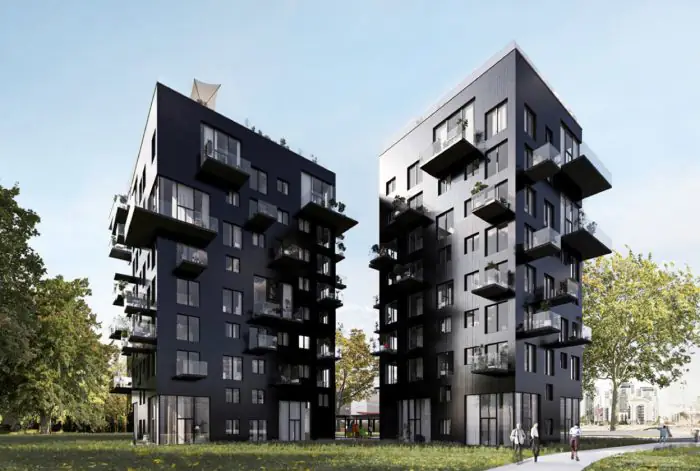
Skanstes Rezidences
Developer: Reterra, Invego
Skanstes Rezidences is a premium residential complex located near the centre of Riga.
The project includes two buildings and 66 apartments, ranging from compact studios to spacious family homes. The architecture is designed to maximise natural light and offer panoramic views of the city.
The development meets energy efficiency class A standards and includes underground parking, as well as a landscaped courtyard area.
The project is being developed by Reterra and Invego — companies actively operating in the Baltic real estate market.
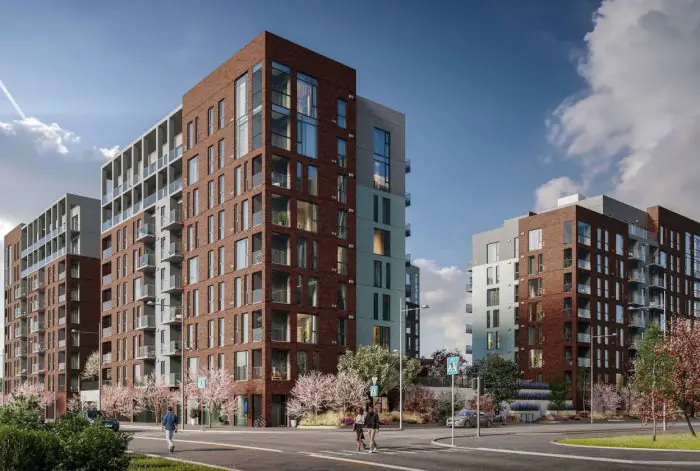
New Hanza Apartamenti
Developer: Pillar Development
New Hanza Apartamenti is one of the largest residential projects in the Skanste district.
The development includes four residential buildings with 258 apartments of various formats — from two-room units to large family homes.
The project includes commercial premises on the ground floors, underground parking and a new urban park, New Hanza dārzs.
All buildings meet modern energy efficiency standards, and the apartments are equipped with smart home systems.
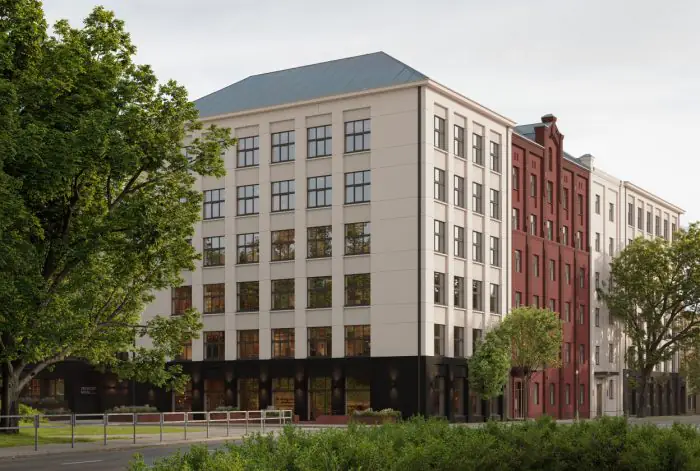
Hanzas iela 18-Rūpniecības iela 30
Developer: One Development
The historic building from 1958 at Hanzas iela 18 was acquired by One Development in 2025 as part of a broader project related to the relocation of Rosme. The developer has commenced the renovation of the building, transforming it into high-end residential apartments while preserving its signature architectural features—high ceilings of up to three and a half meters, large windows, and open-plan layouts.
The restoration of historical architecture is another essential component of the transformation of this part of Riga, maintaining the characteristic architectural and design elements that create a dialogue between different eras.
A District of the Future
The story of Skanste illustrates how urban areas can radically transform their role. From pastures and gardens beyond the city walls to a modern urban district, it has undergone a transformation spanning several centuries.
Today, a new centre of Riga is taking shape here — a place where living, business and culture come together. Although development is still ongoing, it is already clear that projects such as Heart of Hanza, Skanstes Rezidences, New Hanza Apartamenti, and other new quarters are shaping the future of Skanstes rajons — one of the most dynamic districts in the Latvian capital.