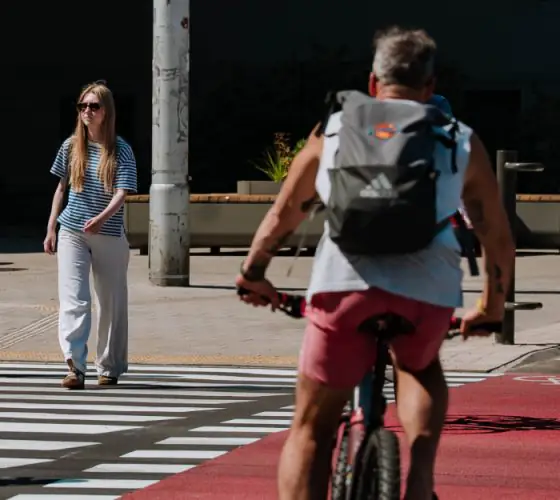
This strategy is known as traffic calming—a range of measures designed to reduce vehicle speeds while making streets safer and more comfortable for pedestrians and cyclists. Many European countries have become pioneers in transport policy, introducing numerous initiatives over recent decades aimed at giving public space back to people. In recent years, the topic has also gained increasing attention in Latvia.
After the Second World War, European cities rapidly reshaped themselves around private vehicles. As car ownership grew, however, so did its consequences: road fatalities increased, streets became noisier, and public spaces gradually gave way to parking lots.
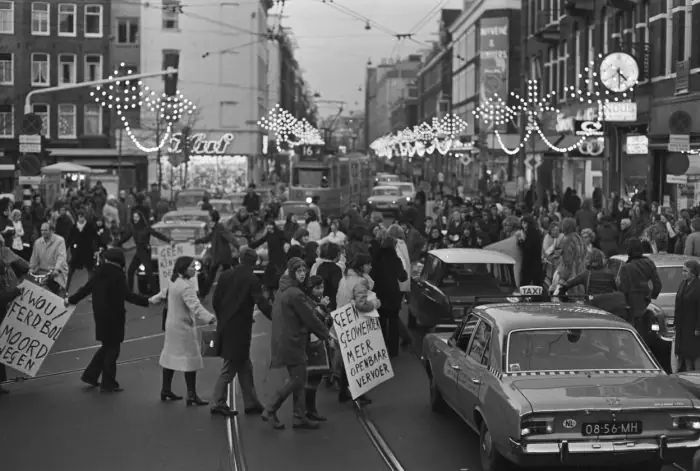
The turning point came in the 1970s, when several countries began openly questioning the cost of car-oriented planning. The debate was particularly intense in the Netherlands, where the number of children killed in road accidents rose dramatically. In 1971 alone, more than 3,200 people lost their lives on Dutch roads, including around 500 children.
This tragedy gave rise to the Stop de Kindermoord (“Stop the Child Murder”) movement, as parents took to the streets demanding safer cities. The 1973 oil crisis further exposed how dependent cities had become on fossil fuels and private transport. Together, these events marked the beginning of a broader reassessment of the role of the automobile in urban life.
How Cities Calm Traffic
One of the most common traffic-calming measures across Europe is reducing urban speed limits. The principle is straightforward: lower speeds reduce the likelihood of fatal crashes, decrease noise levels, and create a more comfortable urban environment.
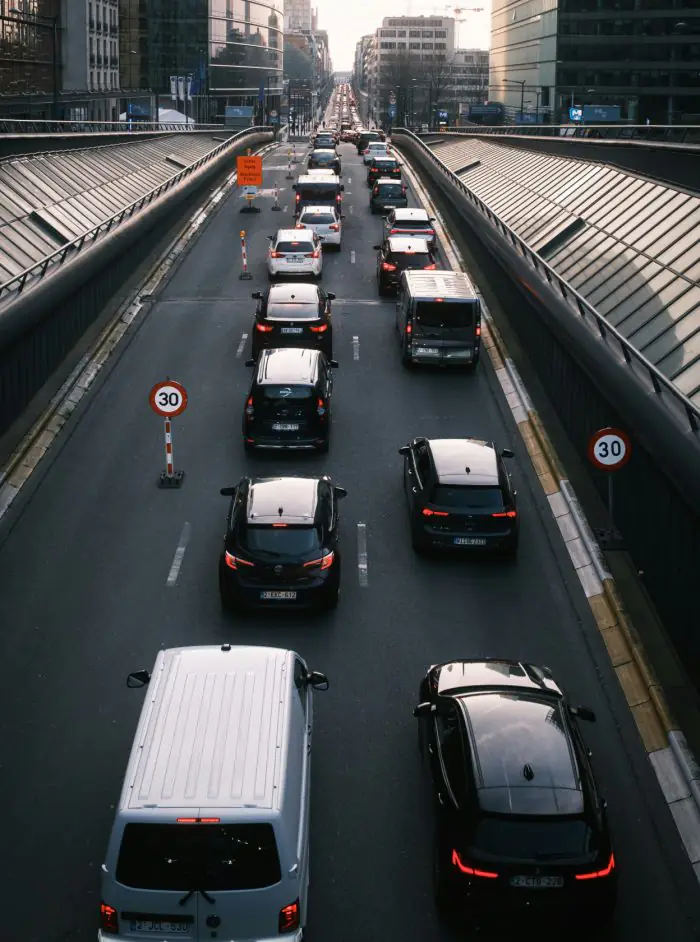
Perhaps the best-known example is Brussels, where almost the entire city became a 30 km/h zone in 2021, with exceptions made only for major arterial roads. Within two years of the change, authorities reported roughly a 12% reduction in serious traffic accidents. At the same time, Brussels Environment regularly monitored noise levels across the city and found that urban noise had declined noticeably over the following three years.
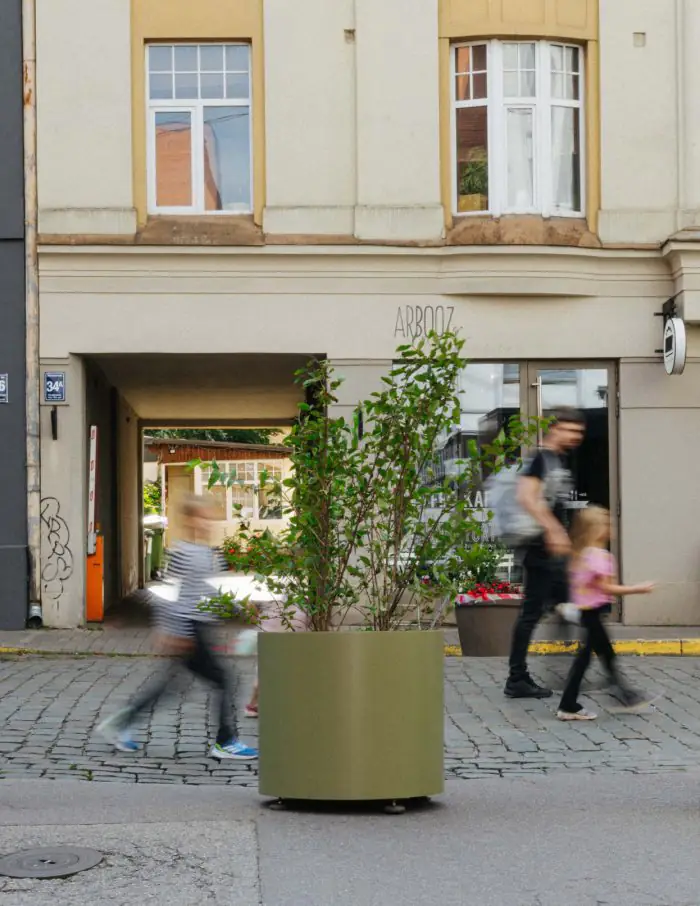
Speed limits alone, however, are rarely enough. Many European cities therefore rely on physical traffic-calming measures that naturally encourage drivers to slow down, including raised intersections, speed humps, pedestrian refuge islands, and narrowed lanes near crossings. These solutions are particularly common around schools and public spaces.
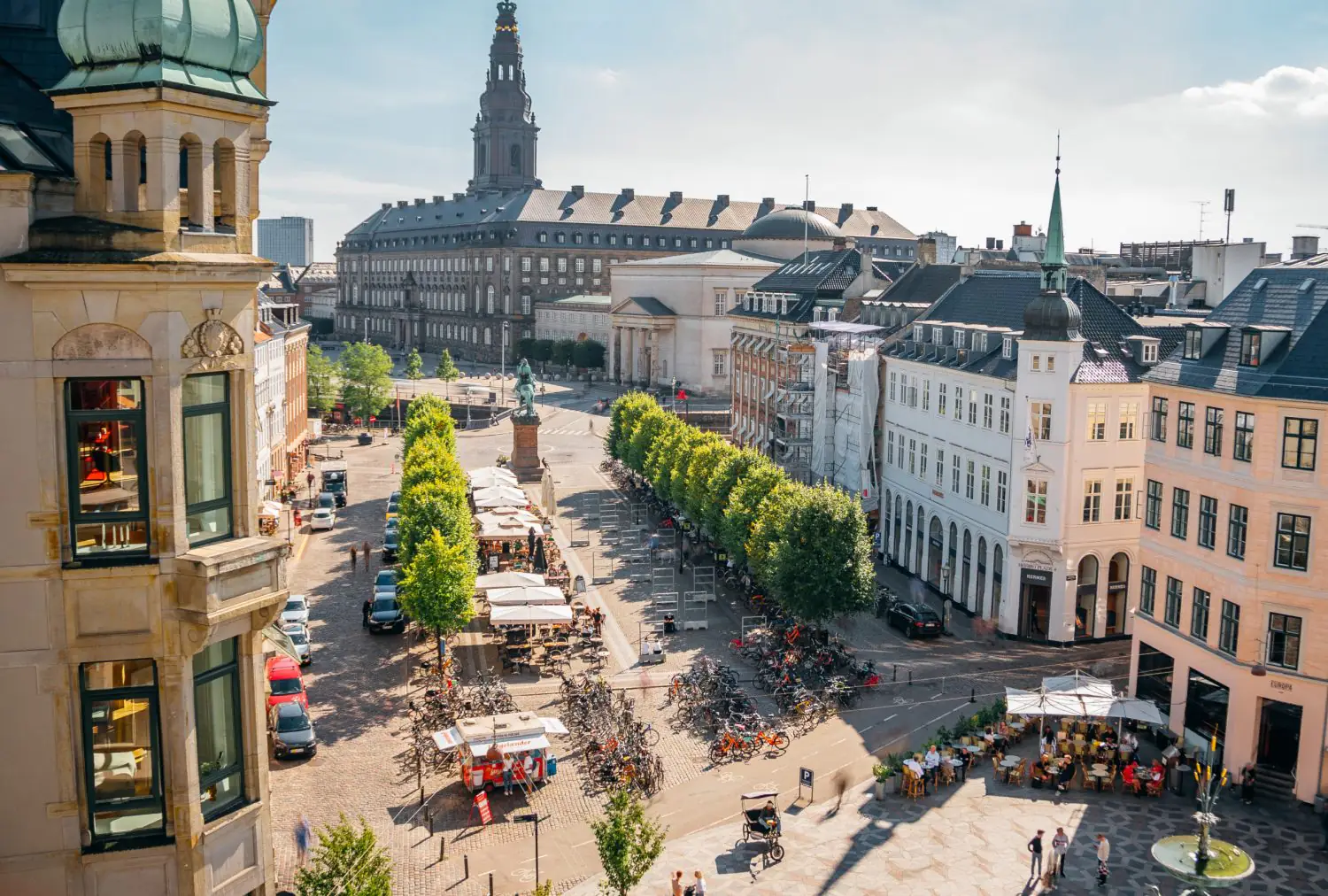
Another highly visible example of traffic calming is the pedestrianisation of city streets. Strøget in Copenhagen, one of Europe’s first major pedestrian streets, remains a classic case. When the street was closed to cars in the 1960s, many shop owners feared losing customers. The opposite happened: the area evolved into one of the city’s liveliest destinations, attracting pedestrians, cafés, and vibrant street life.
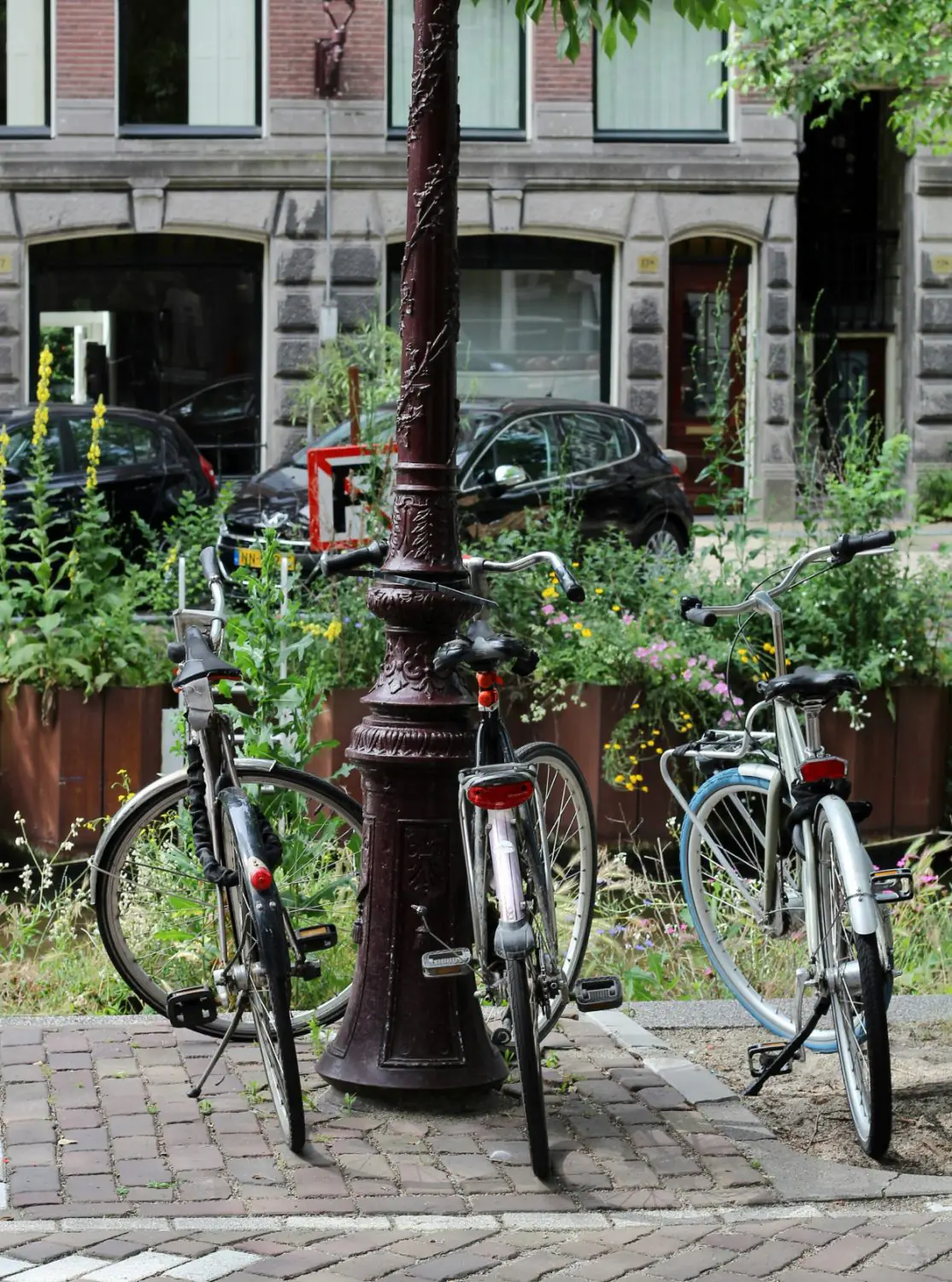
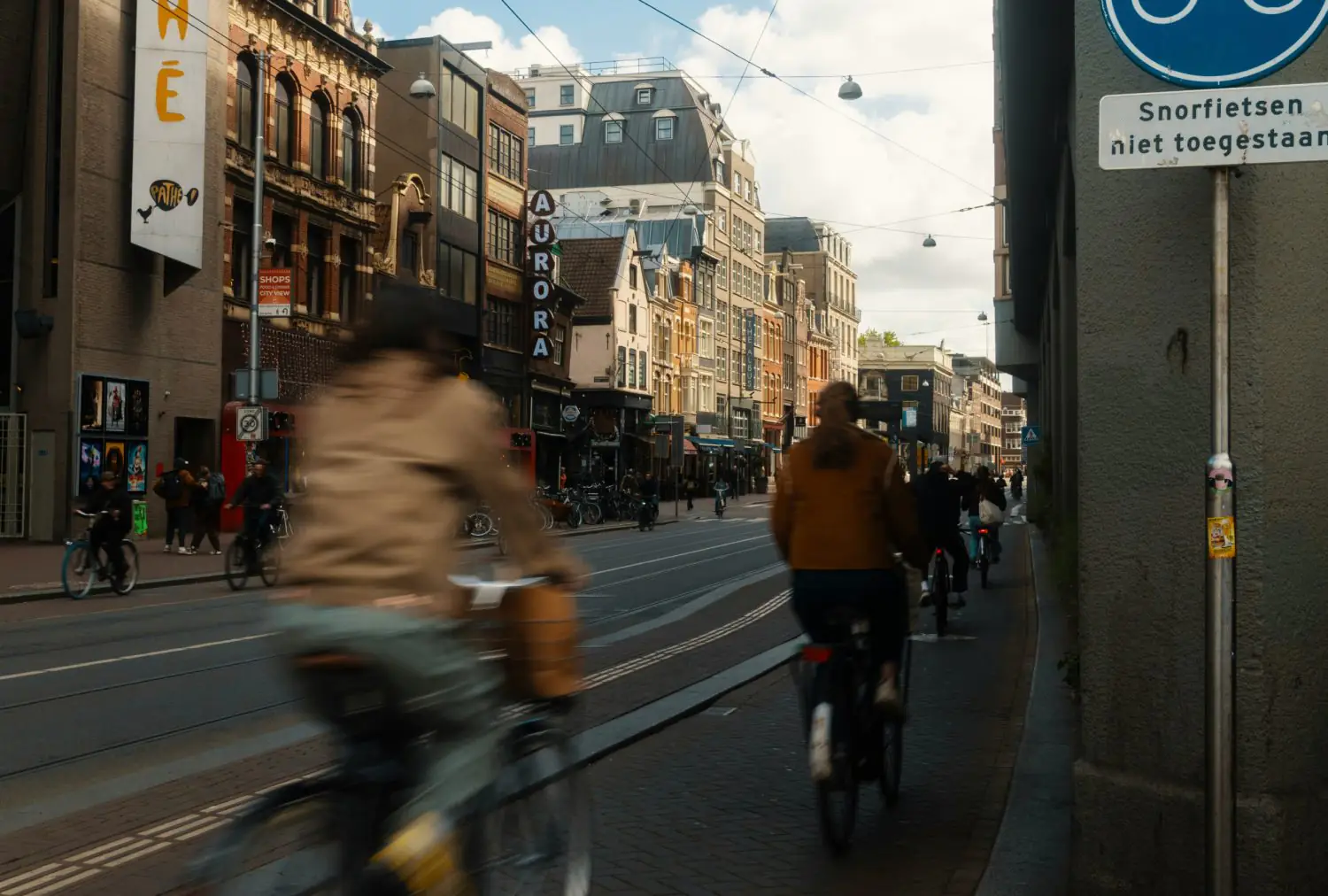
Cycling infrastructure is another essential element of calmer streets. Amsterdam is perhaps Europe’s most famous example.
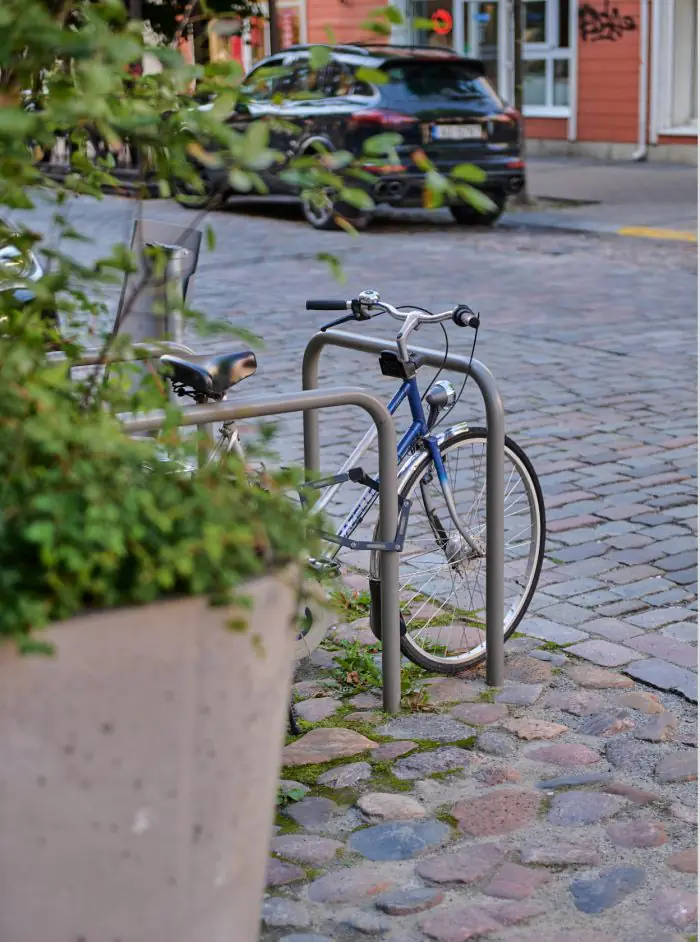
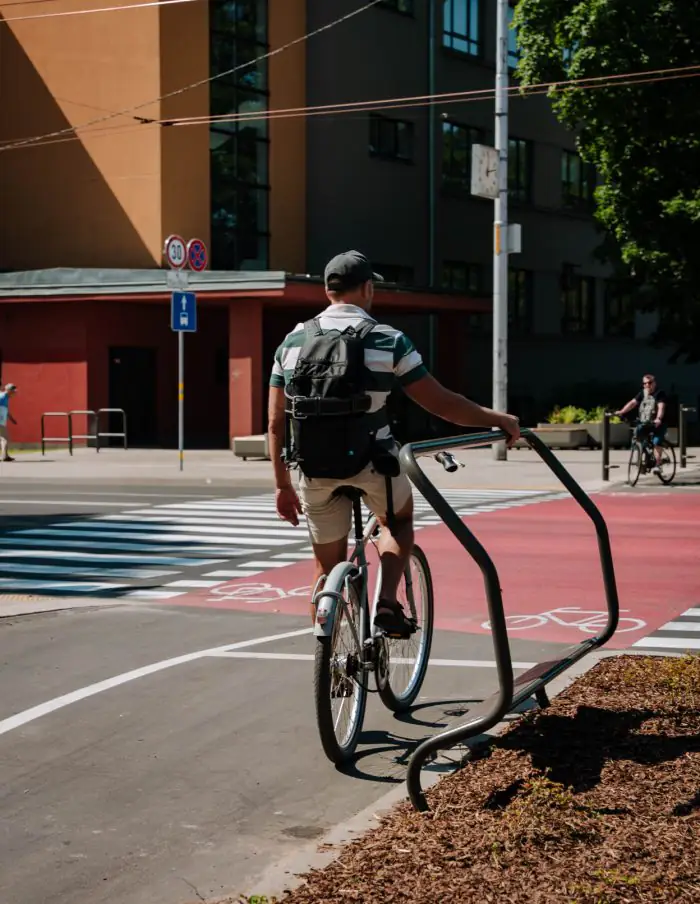
Cycling is fully integrated into the city’s transport system through an extensive network of protected cycle lanes, dedicated traffic signals, convenient bicycle parking, and priority for cyclists at many intersections.
Is Riga Ready to Reduce Car Dominance?
In recent years, the safety of Riga’s streets has become an increasingly frequent topic of public discussion. Latvia continues to rank among the EU countries with relatively high road fatality rates. According to official statistics, 108 people lost their lives on Latvian roads in 2025, compared with the EU average of 44 fatalities per one million inhabitants. City authorities have introduced a range of initiatives aimed at improving road safety, yet many of these measures have sparked public debate and political controversy.
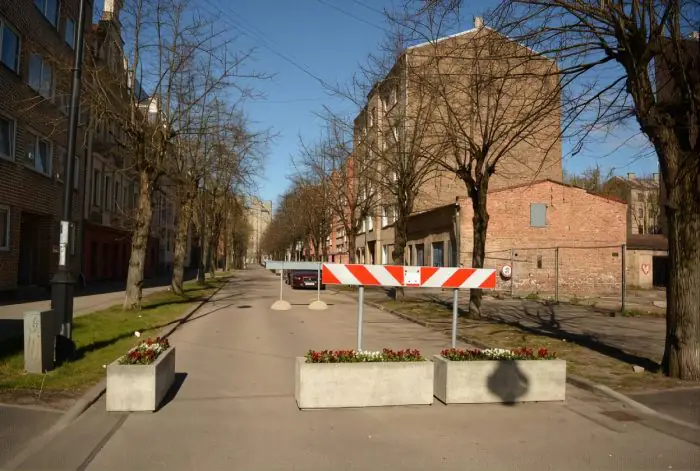
One of the most widely discussed examples is Grīziņkalns, where Riga City Council attempted to reduce through traffic by introducing physical restrictions known as modal filters. The project drew strong criticism from some residents and drivers, who complained about longer detours, increased congestion, and insufficient public consultation. As a result, the municipality was forced to revise parts of the scheme and relocate some of its elements.
Another notable experiment was the temporary pedestrianisation of Tērbatas iela during the summer of 2020. The initiative generated lively debate: supporters praised the more pleasant public environment and increased street activity, while opponents pointed to reduced car accessibility and potential challenges for local businesses.

A less controversial example can be found around Āgenskalns Market. Following the area’s redevelopment, pedestrian routes were improved, crossings upgraded, and parking reorganised. Rather than restricting cars directly, the project focused on creating a safer and more attractive public realm where pedestrians naturally became the priority.
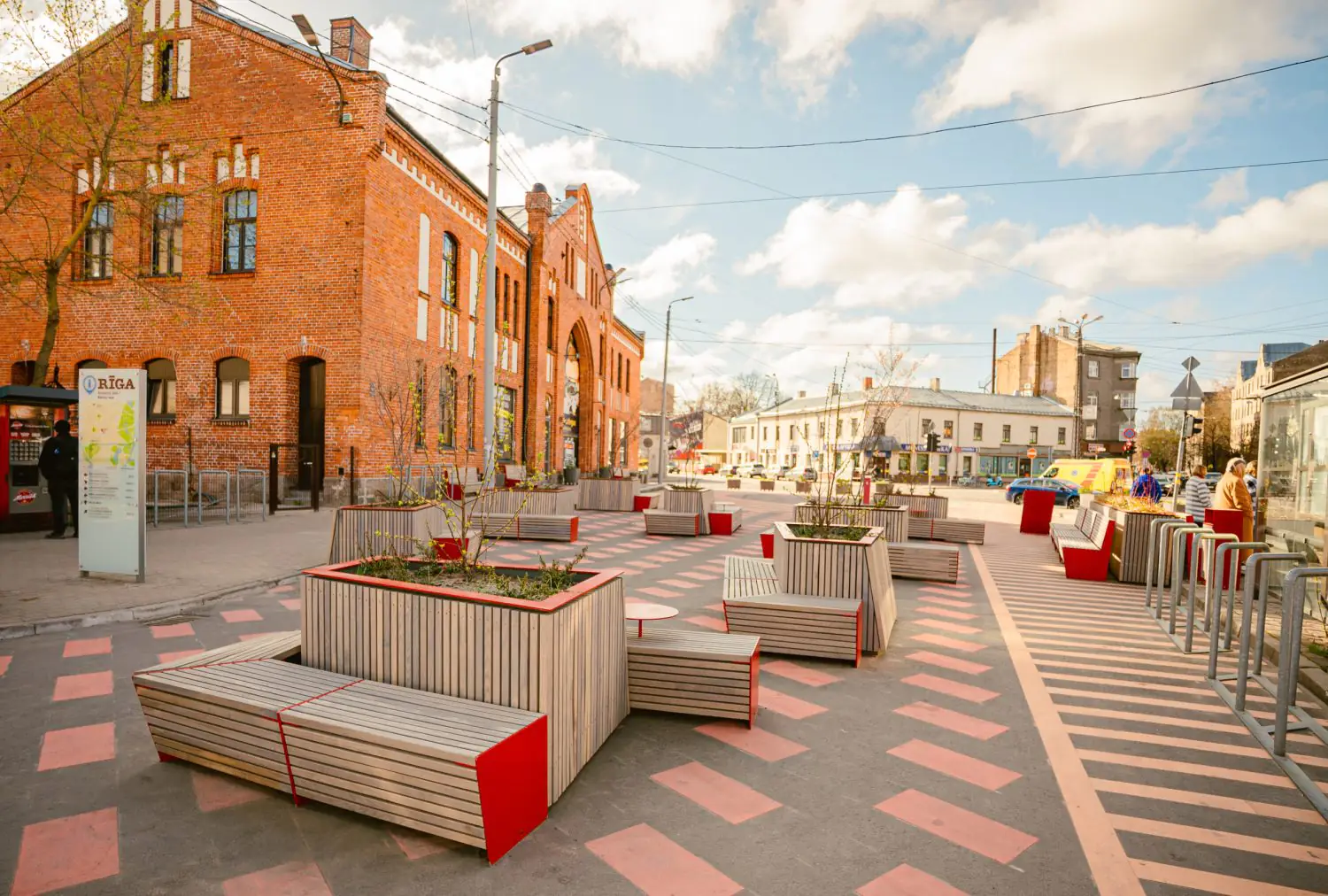
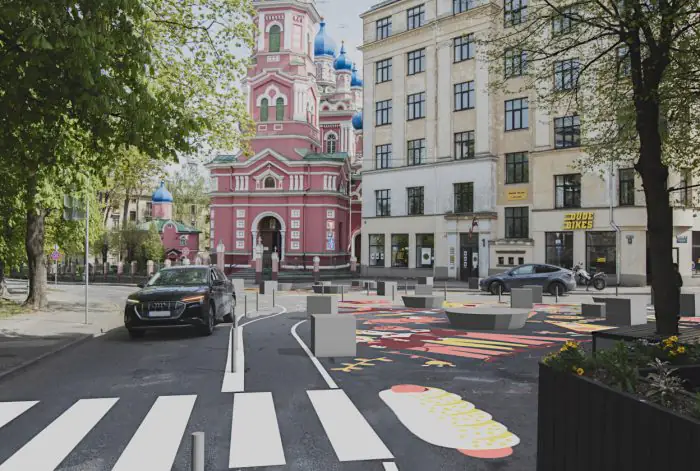
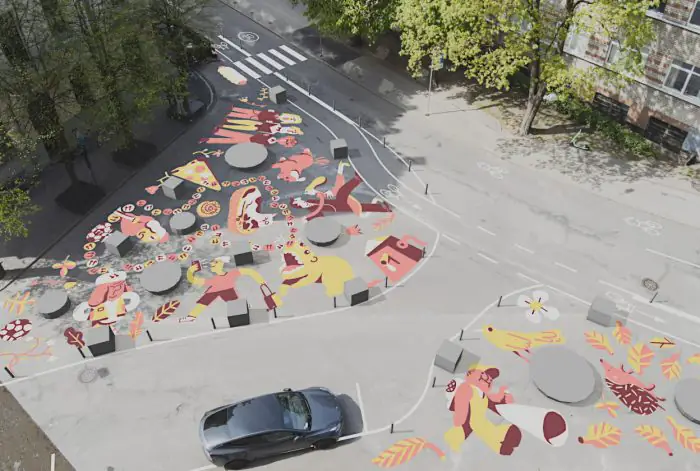
Today, Āgenskalns has become a new testing ground for urban mobility. In spring 2026, Riga City Council launched a European pilot project at the intersection of Meža iela and Puķu iela.
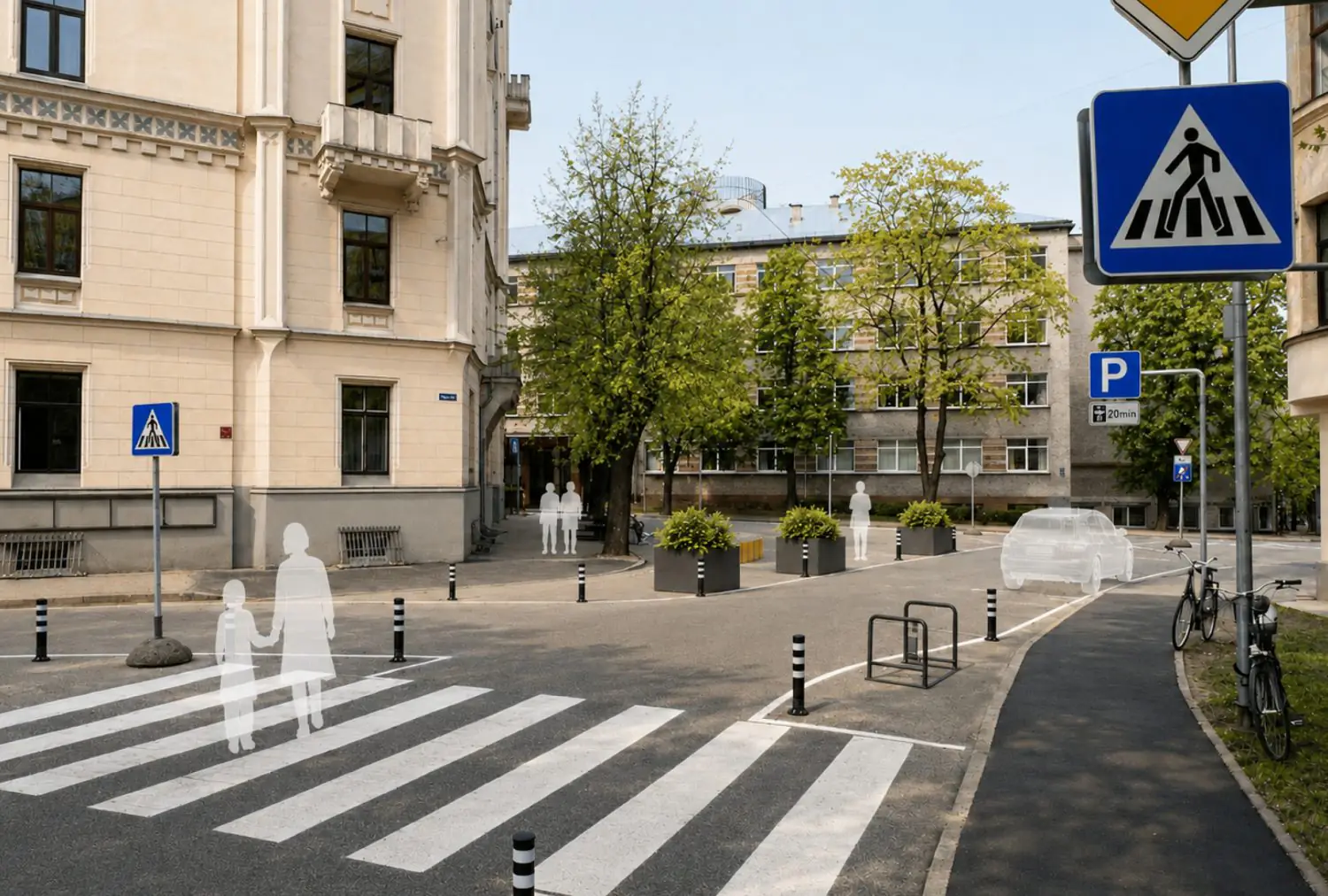
Its goal is to improve safety for pedestrians and cyclists without major reconstruction. The two-year project will collect data on traffic flows and road safety to evaluate the effectiveness of the interventions. Even before completion, however, the project has generated mixed reactions among local residents and businesses. Some fear that altering traffic patterns could increase congestion on neighbouring streets and create transport problems, particularly given the concentration of educational institutions in the area.
Why Traffic Calming Remains Controversial
Despite becoming increasingly common across Europe, traffic-calming measures almost always provoke criticism and public debate. Many drivers see them as making everyday travel less convenient, citing longer journey times, congestion, reduced parking, and less direct routes. Critics also argue that changes are sometimes introduced too quickly or without sufficient consultation with local communities.
Supporters, meanwhile, argue that resistance is often strongest during the initial stages of implementation and tends to diminish as people adapt. They also point to growing evidence from European cities showing that lower vehicle speeds and reduced through traffic create streets that are safer, quieter, and ultimately better places to live.