Museum of Underestimated Things
This museum’s story began at a landfill site.
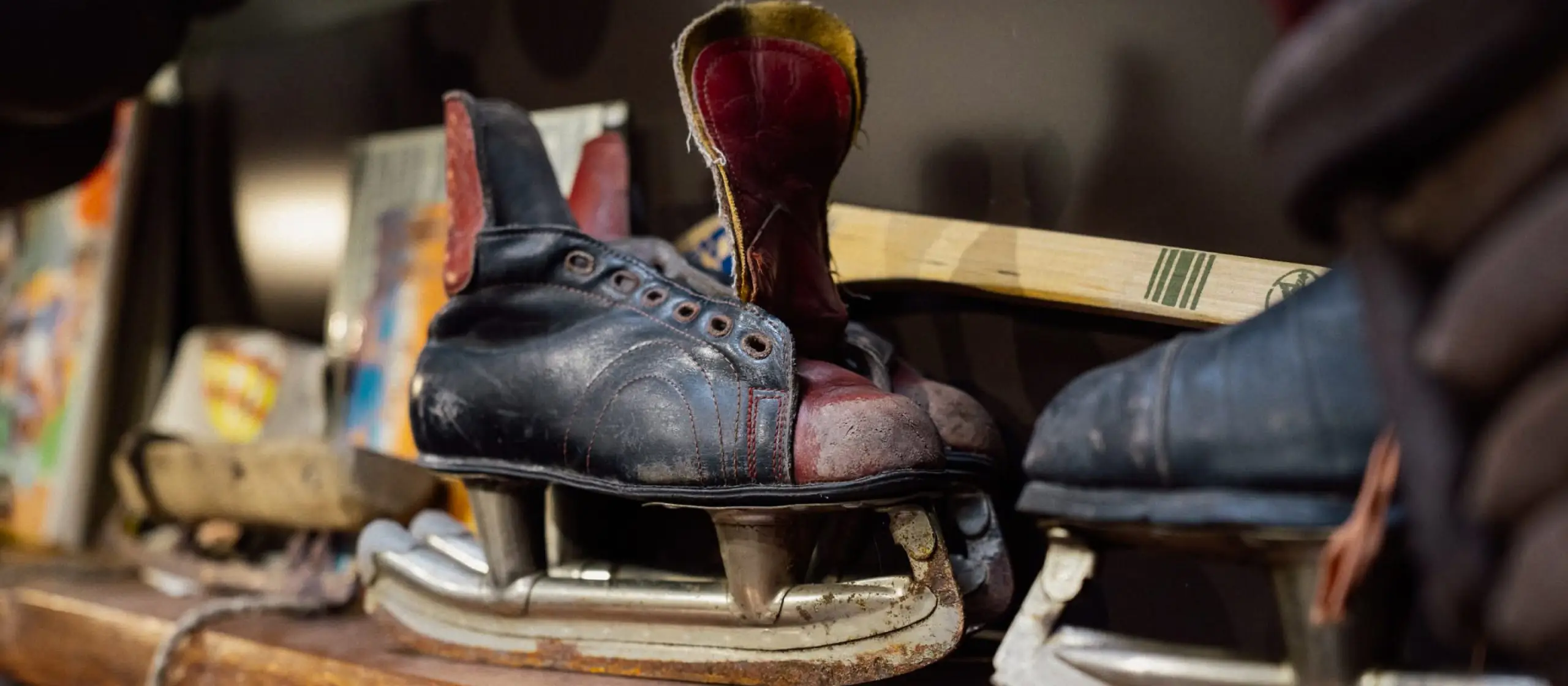
Employees at the Ķīvītes waste management site near Liepāja kept finding beautiful, curious and surprisingly valuable objects among the rubbish they were disposing of. Eventually, they decided to start saving them, and a collection slowly began to grow.
One of the first objects acquired by the museum was a large dowry chest, which remains one of the oldest pieces in the collection today. The collection soon expanded to include a landscape painting by Jānis Belte, a renowned Latvian artist of Livonian heritage.
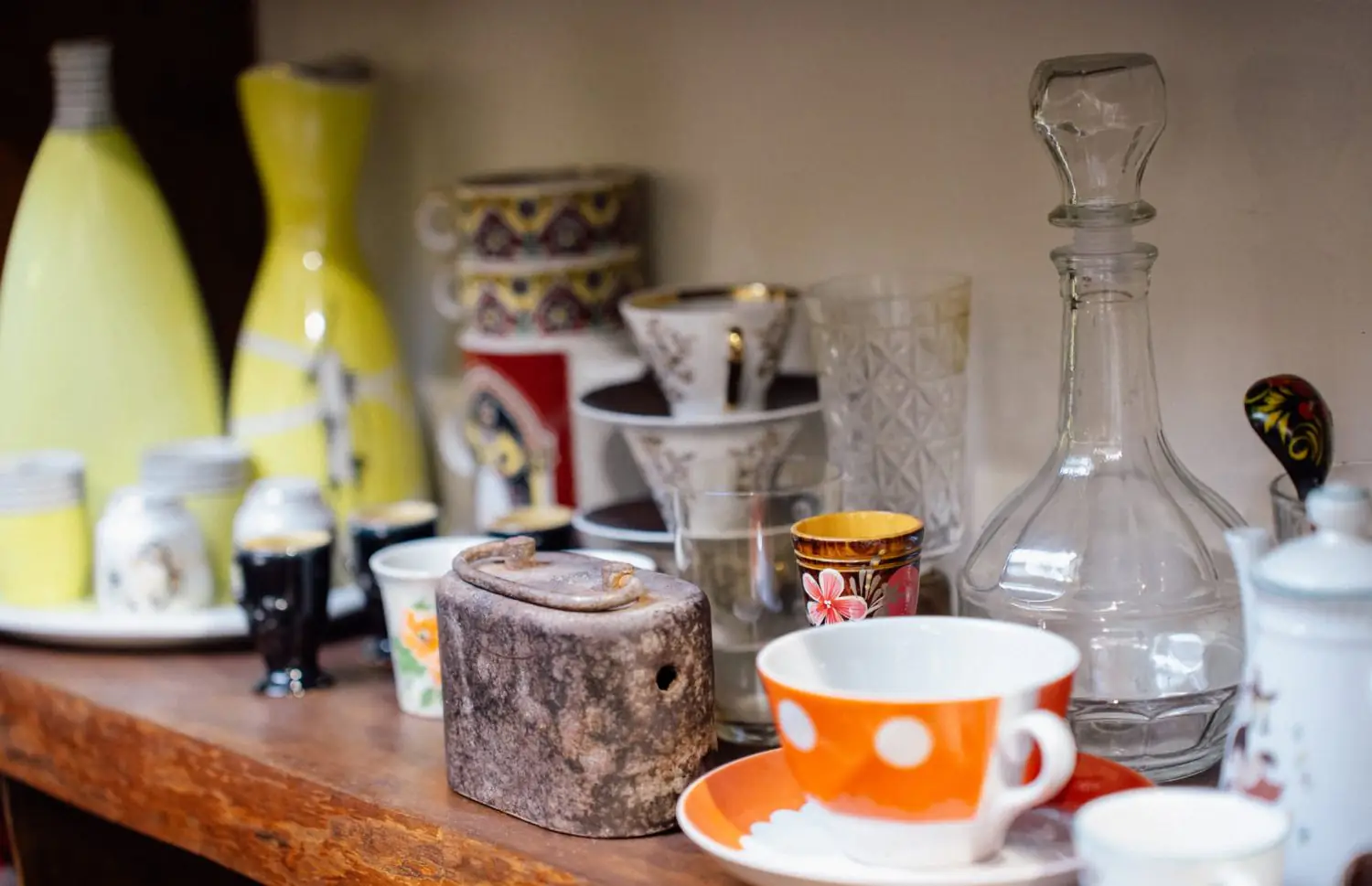
Today, the museum houses hundreds of artefacts, including straight razors, cigarette cases, a XIX century ladies’ dressing cabinet and typewriters. Walking through the collection evokes a sense of melancholy. Each object once belonged to someone, occupied a place in a home and bears traces of its former owner. However, this is precisely the purpose of the exhibition: to preserve these items for future generations and perhaps encourage visitors to think twice before discarding something.
The museum is located inside the administrative building of the landfill site. Admission is free, but advance booking is recommended by calling the customer service centre on +371 26446698. Dogs are welcome.
The Storm Museum
The history of seafaring in the Baltic Sea dates back thousands of years. Not every ship made it home safely. For many ships, the cold, unforgiving waters of the Baltic Sea became their final resting place.
However, sometimes the sea returns fragments of those stories to the shore.
This small museum in Jūrkalne specialises in exactly that. On display are items of fishing gear, tableware and personal belongings, as well as objects recovered from shipwrecks that ended up along Latvia’s coastline.
Here, the dual nature of the sea is particularly evident. While endless horizons, windswept beaches and dramatic waves may appear romantic to holidaymakers, they represented mortal danger for generations of sailors.
The museum is located on the second floor of the parish community centre in Jūrkalne, a building which was once a tavern. The exhibition itself is designed to resemble a sunken sailing boat.
Please note that the museum is only open from Friday to Sunday, from 11:00 to 16:00.
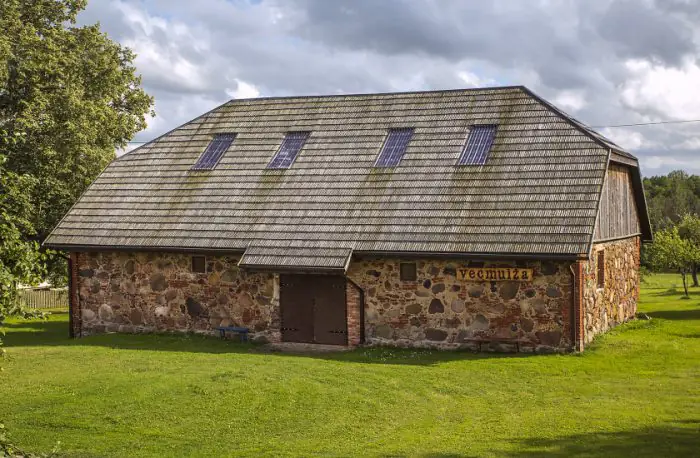
Vecmuiža
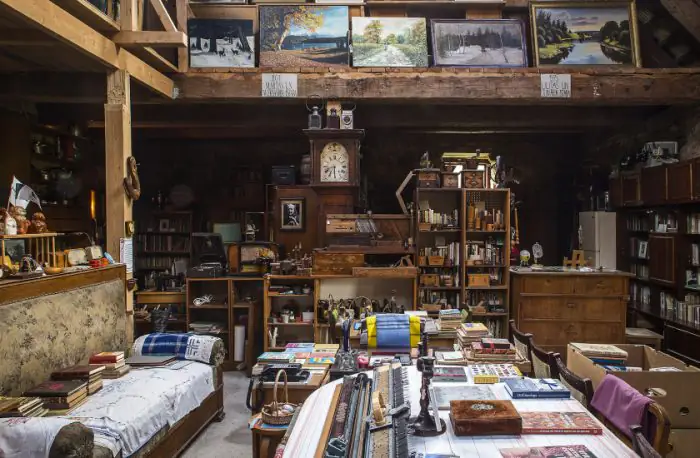
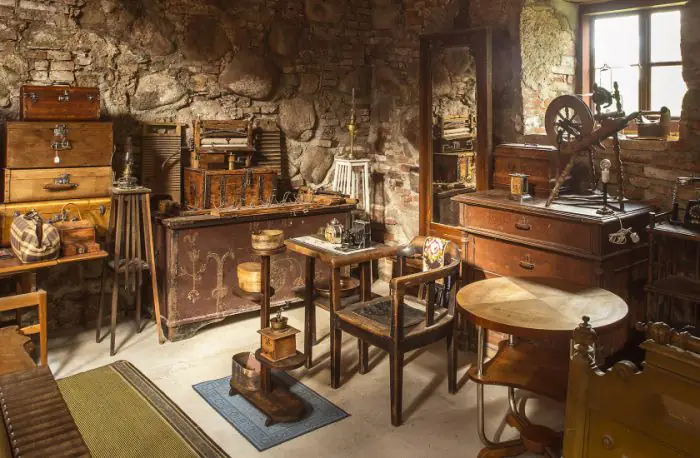
Not far from Cape Kolka, inside an old country house, you’ll find a small, yet deeply atmospheric, collection dedicated to Dundaga and the surrounding area.
Paintings hang alongside household objects, tools, photographs and historical documents. The individual exhibits matter less here than the overall experience of being immersed in a carefully preserved fragment of someone else’s past.
The museum was created by Gunārs Laicans, a passionate local historian and gifted storyteller. Interestingly, he does not refer to it as a museum, but as a memorial to the people who once lived here. He also leads tours of Dundaga and the surrounding area.
Visits should be arranged in advance by calling +371 29473828.
The Münchhausen Museum
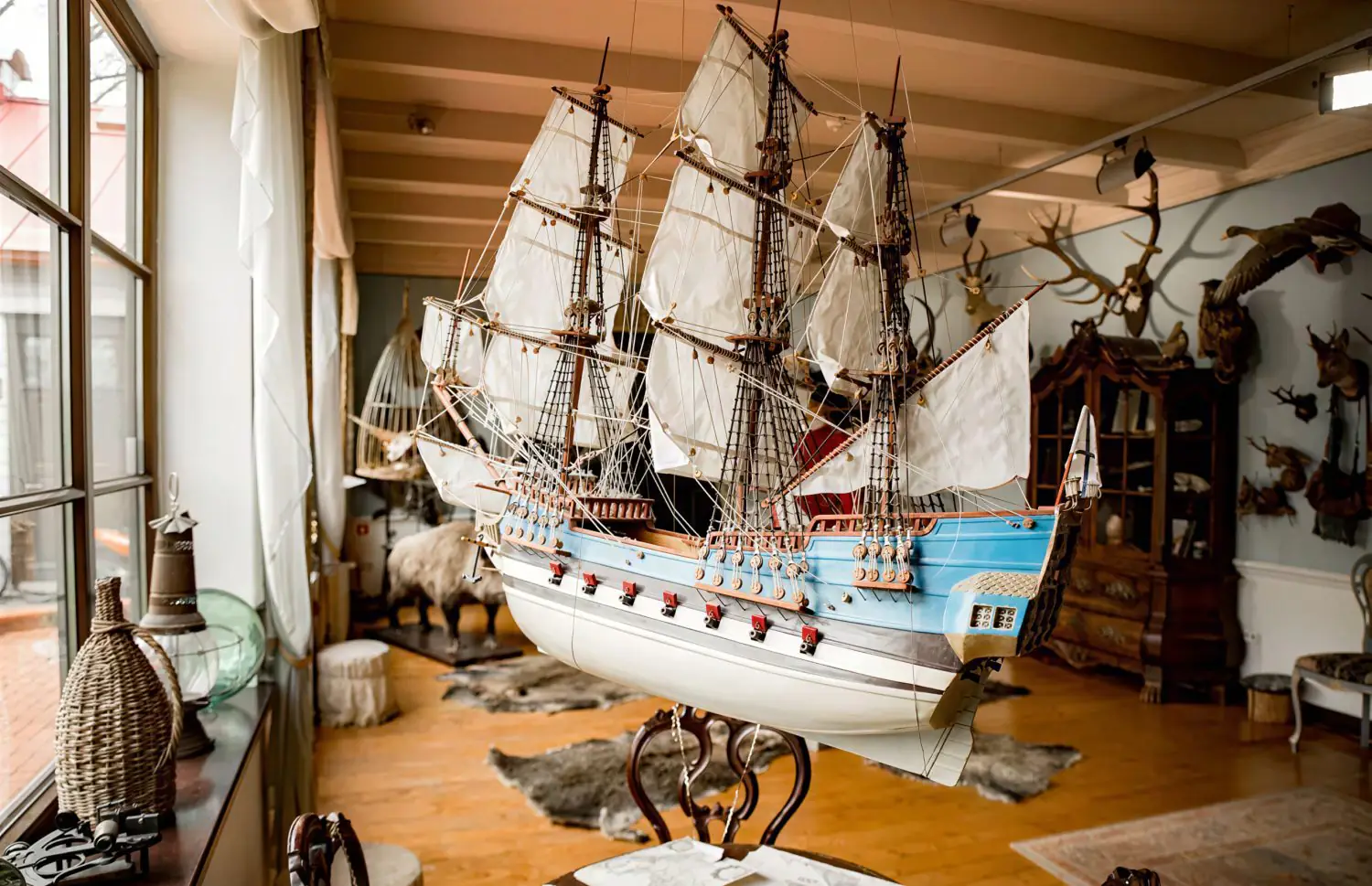
Yes, Baron Hieronymus von Münchhausen was a real person who lived in the eighteenth century, as well as a literary character.
He lived in Dunte on Latvia’s Vidzeme coast for several years after marrying the local noblewoman, Jacobine von Dunten. It was here that the legend of the world’s most famous truth-twisting storyteller truly began.
The exhibition skilfully navigates the line between fact and fiction. Immortal adventures such as flying on a cannonball and pulling oneself out of a swamp by one’s own hair sit alongside attempts to tell the story of the real man behind the myths.
Like any respectable manor house, the museum has its own resident cat. Winnie-the-Pooh, who has eyes of different colours, acts as the unofficial caretaker and can most often be found in the rooms dedicated to Jacobine and Münchhausen.
In 2017, a new gallery space was opened in an extension to the museum, dedicated to the remarkable legacy of the artist Edgars Vinters.
The Bicycle Museum
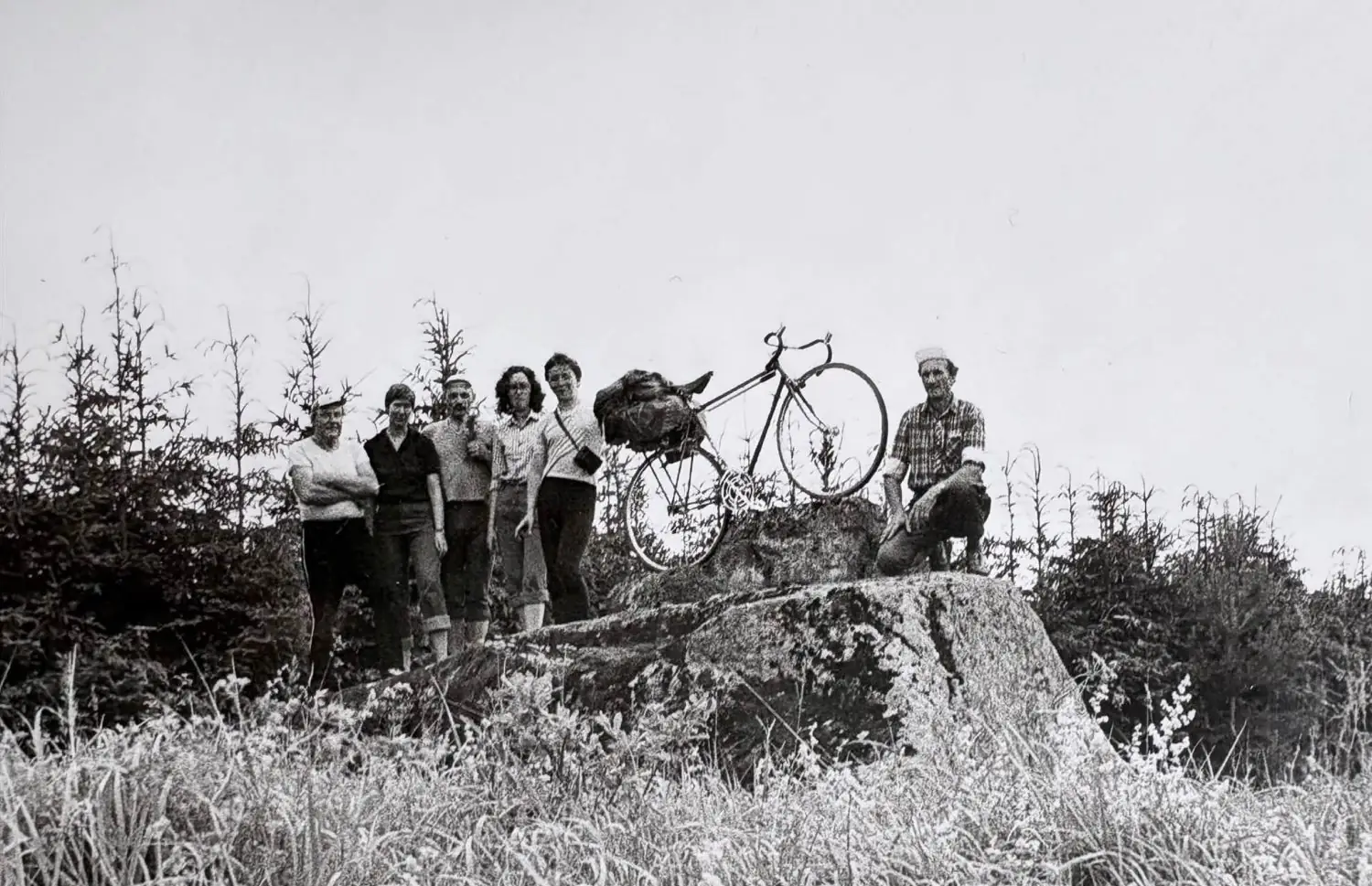
Mārtiņš Beličkis has spent the last twenty years collecting historic bicycles.
He travelled across Latvia, meeting people and uncovering the stories behind each bicycle. He was particularly fascinated by the craftsmanship evident in the bells, saddles, lanterns, decals and wheels—objects that were made with extraordinary care and beauty more than a century ago.
To Beličkis, every bicycle is a time capsule preserving stories about its owners and the era in which it was ridden.
Today, the collection is housed in its own building in Līgatne. Beličkis is always happy to share the stories behind the exhibits. The museum also operates a bicycle rental service and has plans to create cycling routes through Gauja National Park and open a repair workshop.
Aglona Bread Museum
One of Latvia’s most unique museums is located in Latgale, a short walk from the renowned Aglona Basilica.
Visitors are welcomed by the museum’s founder, Vija Kudiņa, who is dressed in a traditional Latgalian folk costume. Through songs and stories, she takes guests on a journey through the life cycle of grain, from the field to a warm loaf of bread.
After the storytelling comes the practical part. Visitors are invited to knead dough, bake their own loaf and take home freshly baked bread still warm from the oven.
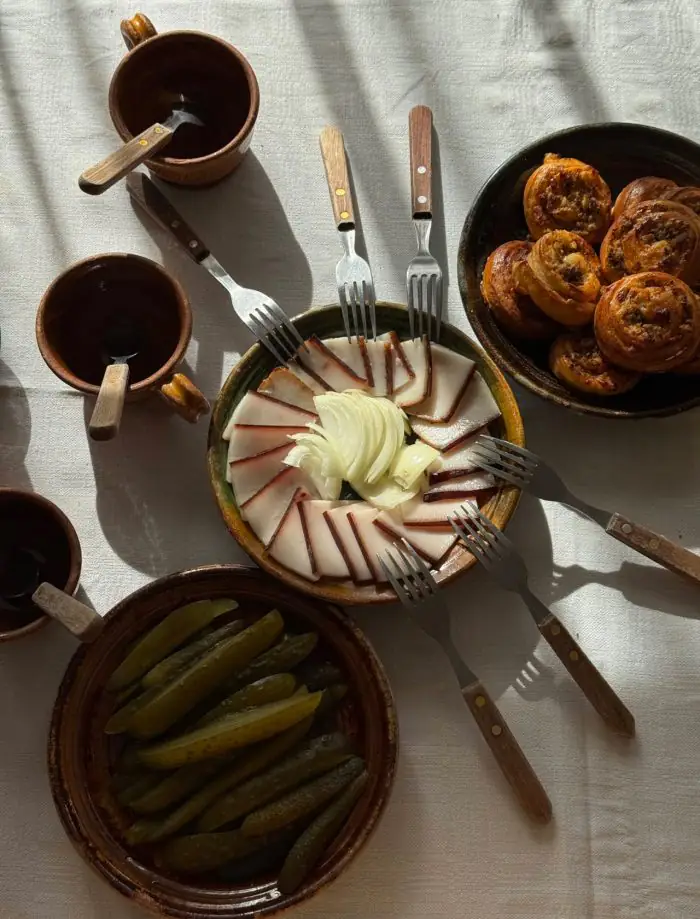
Perhaps the most memorable of all the museum’s exhibits is the smell of bread—one that cannot be photographed, collected, or forgotten.