The title of European Capital of Culture is usually associated with festivals, exhibitions and a local tourism boom. But behind this visible layer lies a much more complex and long-term process. For many cities, it is less a cultural event and more a tool for rethinking their role — within a region, a country, and Europe as a whole. Looking at the examples of Kaunas, Oulu, and Liepāja, we can see how differently this status can function: from working with collective memory to shaping regional identity and transforming the urban environment.
What is a European Capital of Culture?
The European Capital of Culture program was launched in 1985 as an initiative of the European Union. Each year, one or more cities are awarded the title of “cultural capital” for a year. Cities are selected through a competitive process: they submit applications outlining their cultural program and development strategy, followed by a multi-stage evaluation by European experts. Winning brings not only symbolic recognition but also access to funding, international partnerships and increased attention from cultural institutions and tourists.
Originally intended to showcase Europe’s cultural diversity, the program has gradually evolved into a tool of urban policy. In practice, it is not so much a “year of events” as a long preparation process lasting five to seven years, involving program development, investment attraction and infrastructure changes. The title year itself is more of a showcase — the visible tip of the iceberg — while real success is measured by what remains afterward: long-term changes in the city and its trajectory.
Kaunas: culture as a way to rethink identity
Kaunas, which held the European Capital of Culture title in 2022, built its program around two core ideas: engaging residents — especially young people — in cultural processes, and developing a “myth of the city” that connects its past, present and imagined future as a way of rethinking identity. These themes ran throughout the program and shaped its overall logic.
The concept of the “Kaunas myth” took shape through concrete initiatives. The Memory Office project focused on historical reflection, including a re-evaluation of the interwar period as a time of cultural flourishing. The Mythical Beast of Kaunas invited residents to share personal stories and urban legends, which were then woven into a collective narrative and visual projects. At the same time, design played a significant role, linked to the city’s status within the UNESCO Creative Cities Network, with a focus on inclusive and accessible urban space.
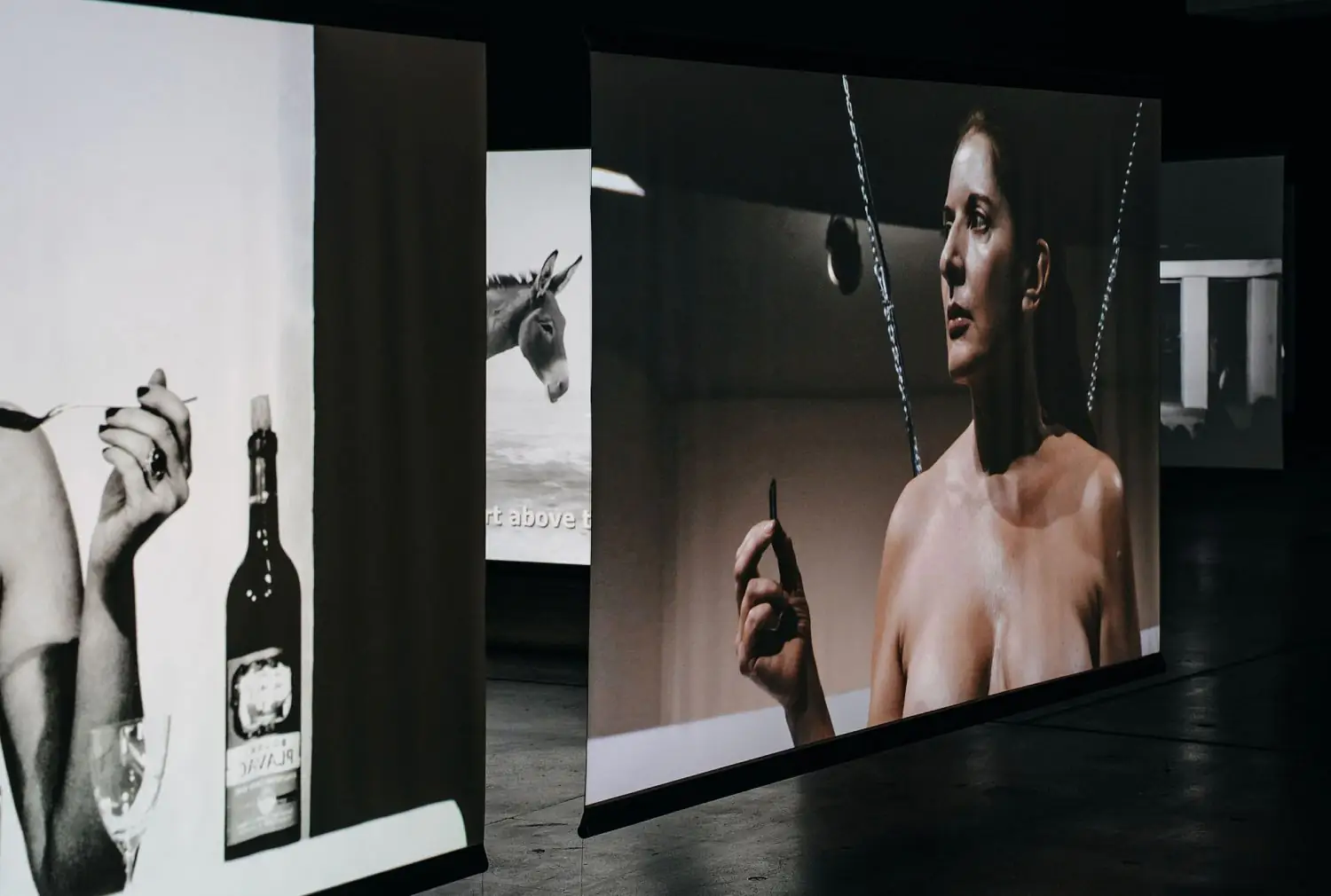
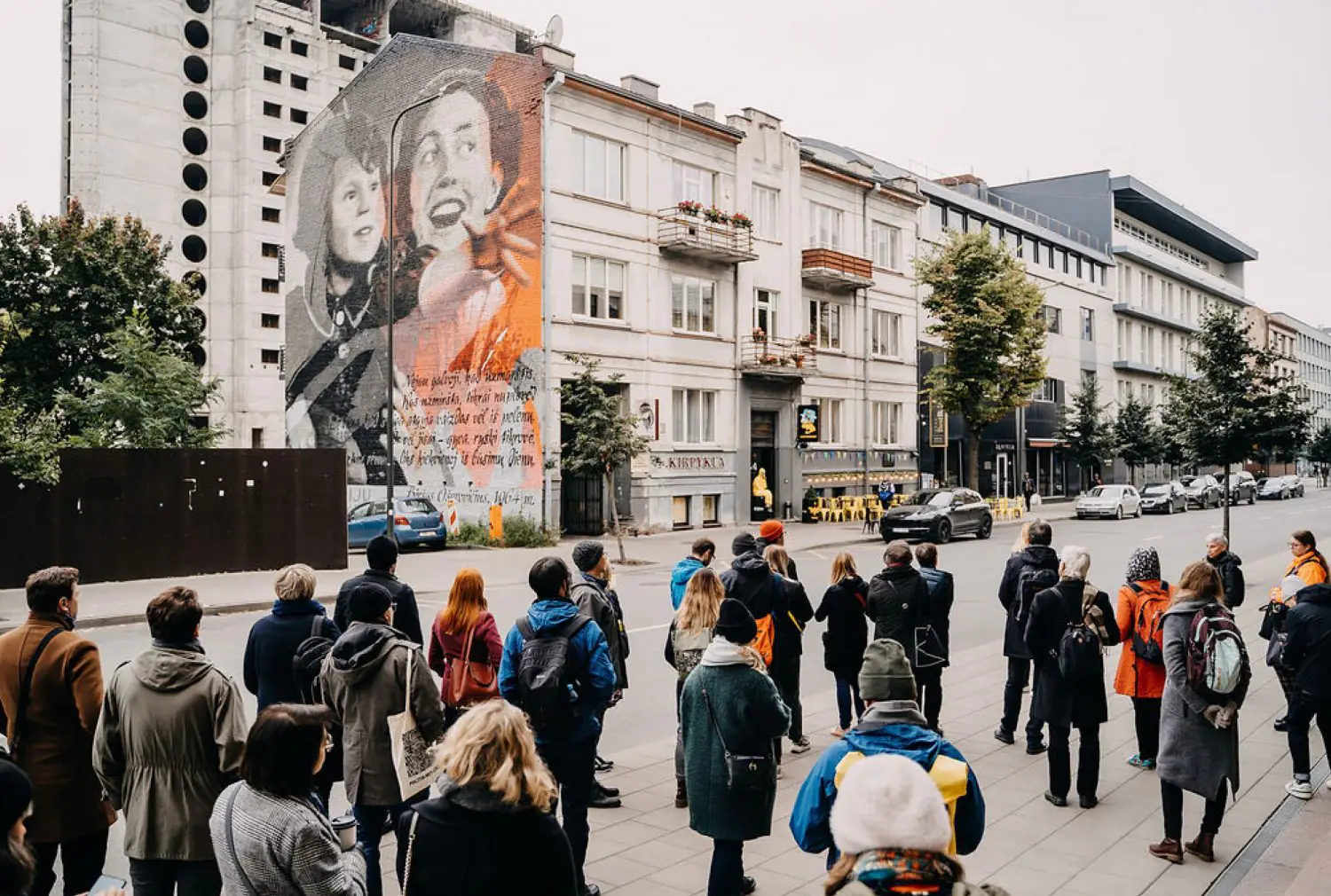
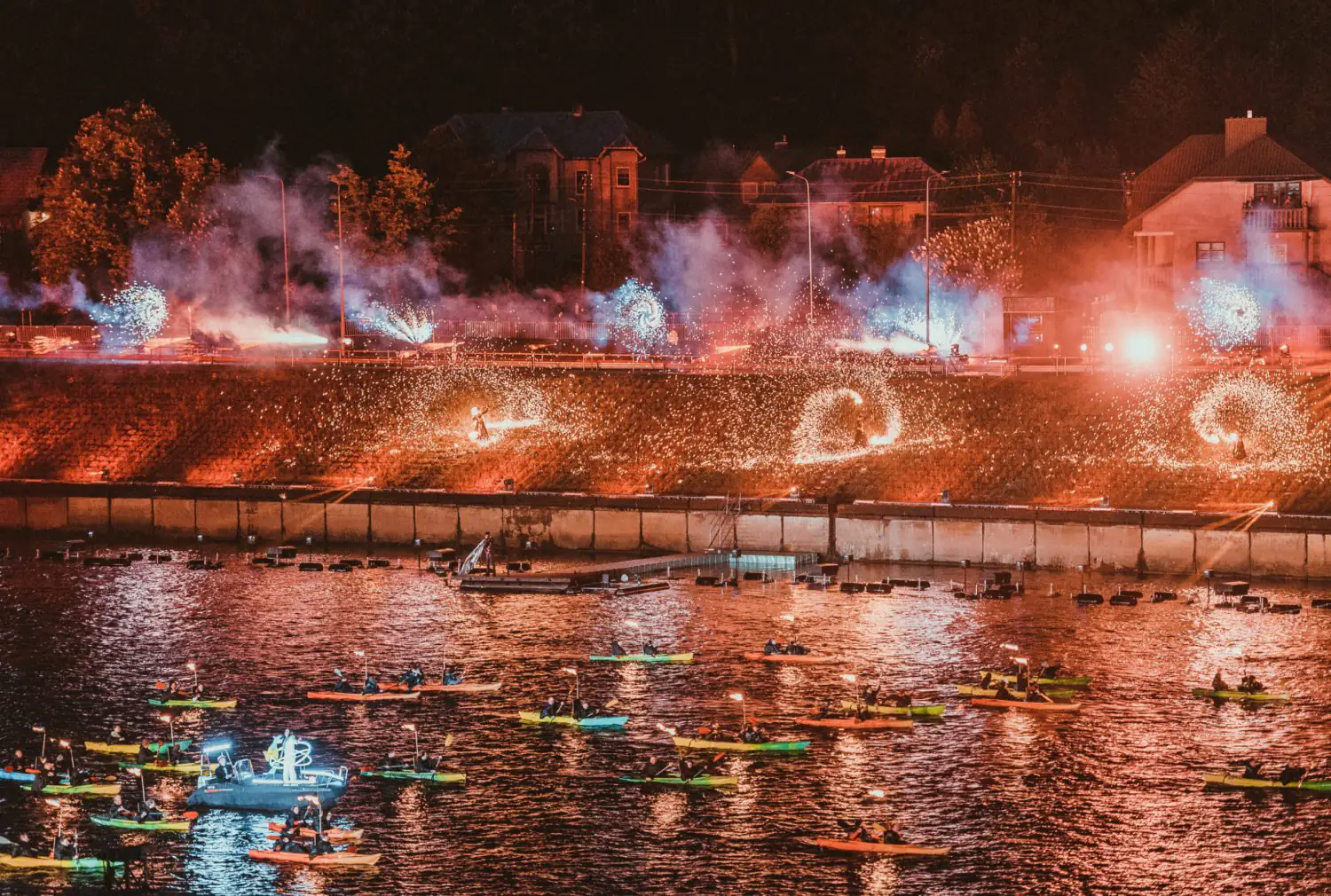
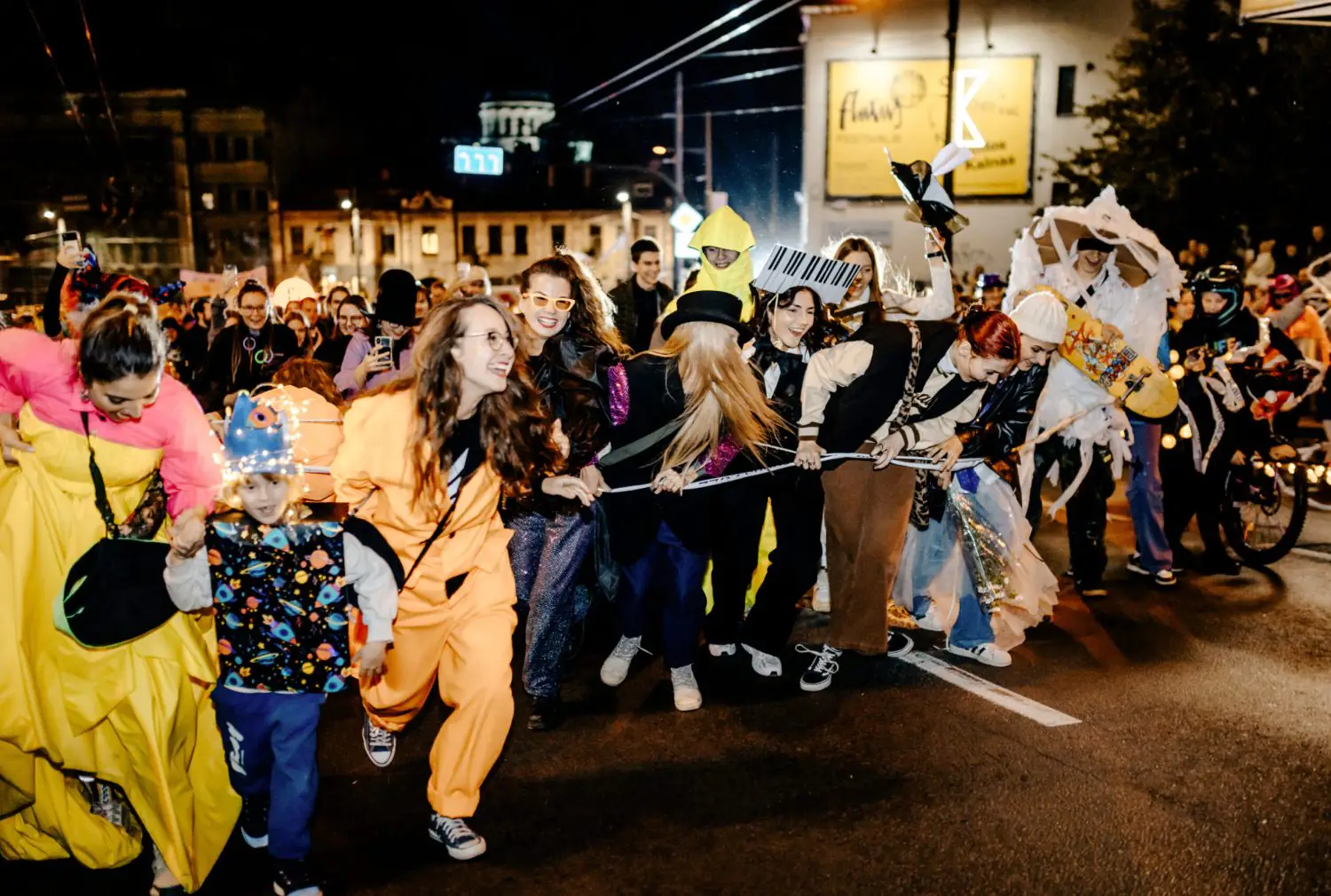
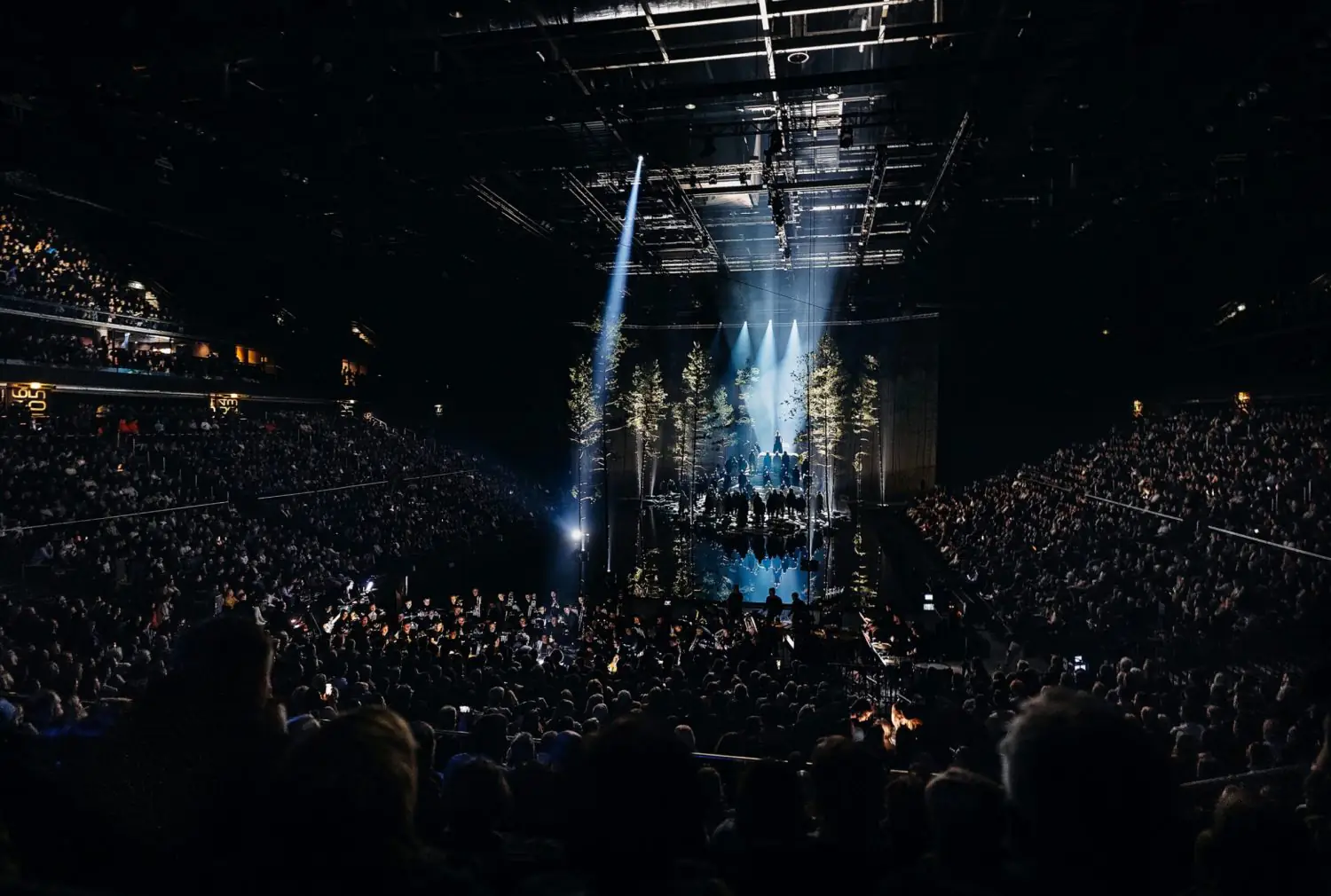
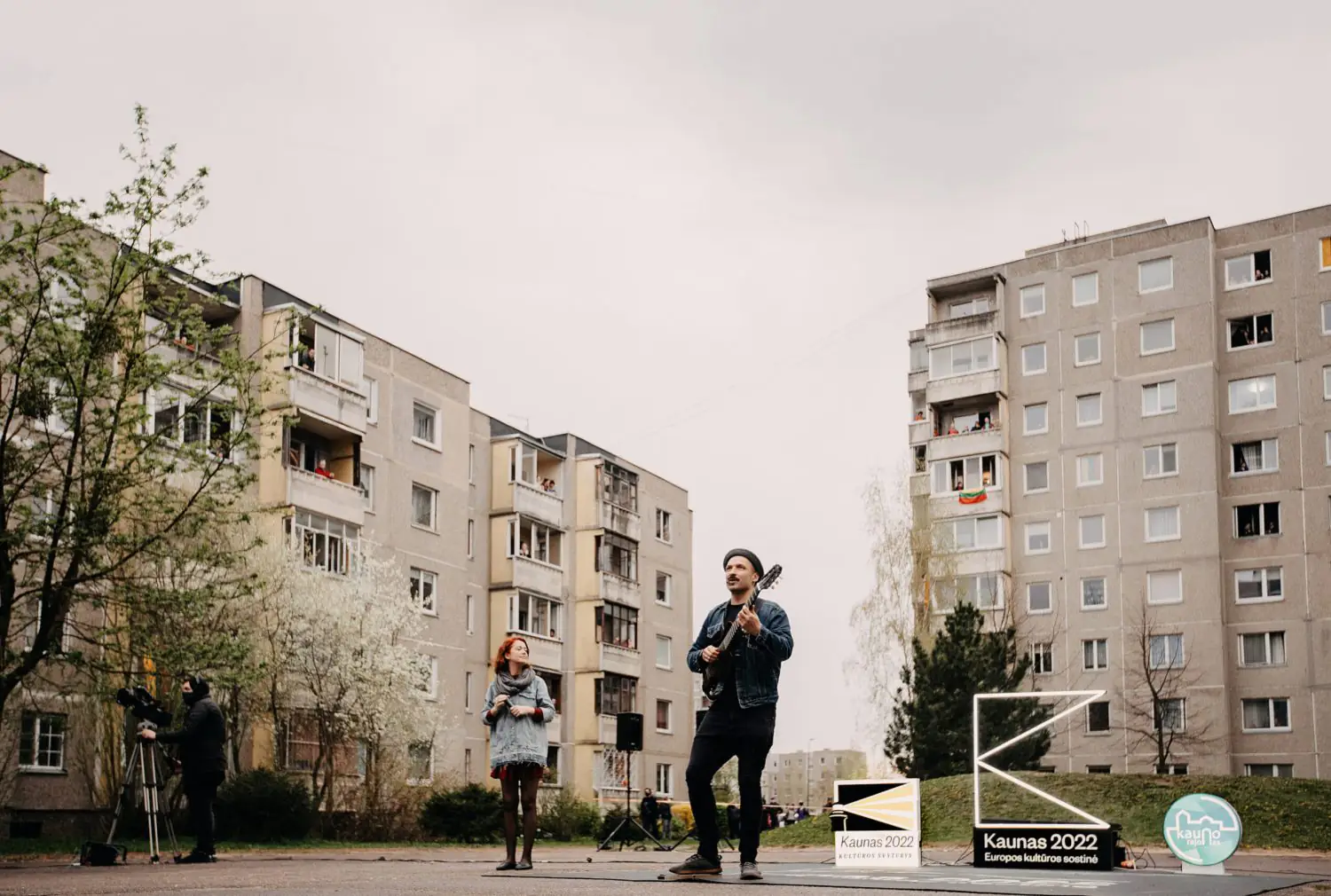
According to UNESCO, the program contributed to renewing the cultural environment, increasing civic participation, strengthening local communities, and boosting tourism after the pandemic. Importantly, many initiatives—from educational programs to local cultural projects — continued beyond 2022. Ultimately, the main impact was not the scale of events, but the creation of lasting practices of participation, professional networks and cultural infrastructure that continue to shape the city.
Oulu: from city to region
Oulu, the European Capital of Culture in 2026, represents a different approach — one that shifts the focus from a single city to a broader region. The program includes 39 neighboring municipalities in Northern Finland, forming a distributed cultural ecosystem rather than a centralized set of events.
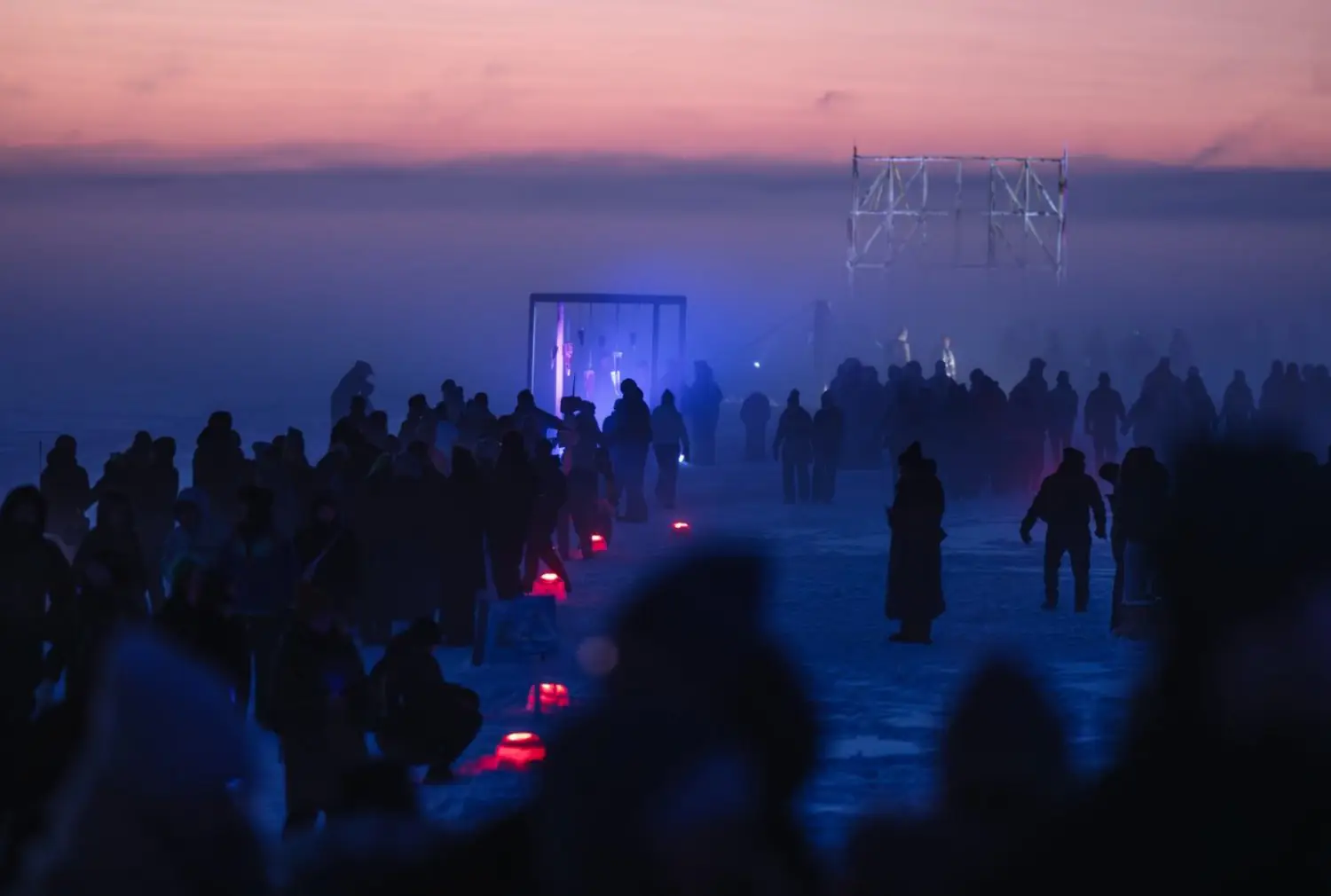
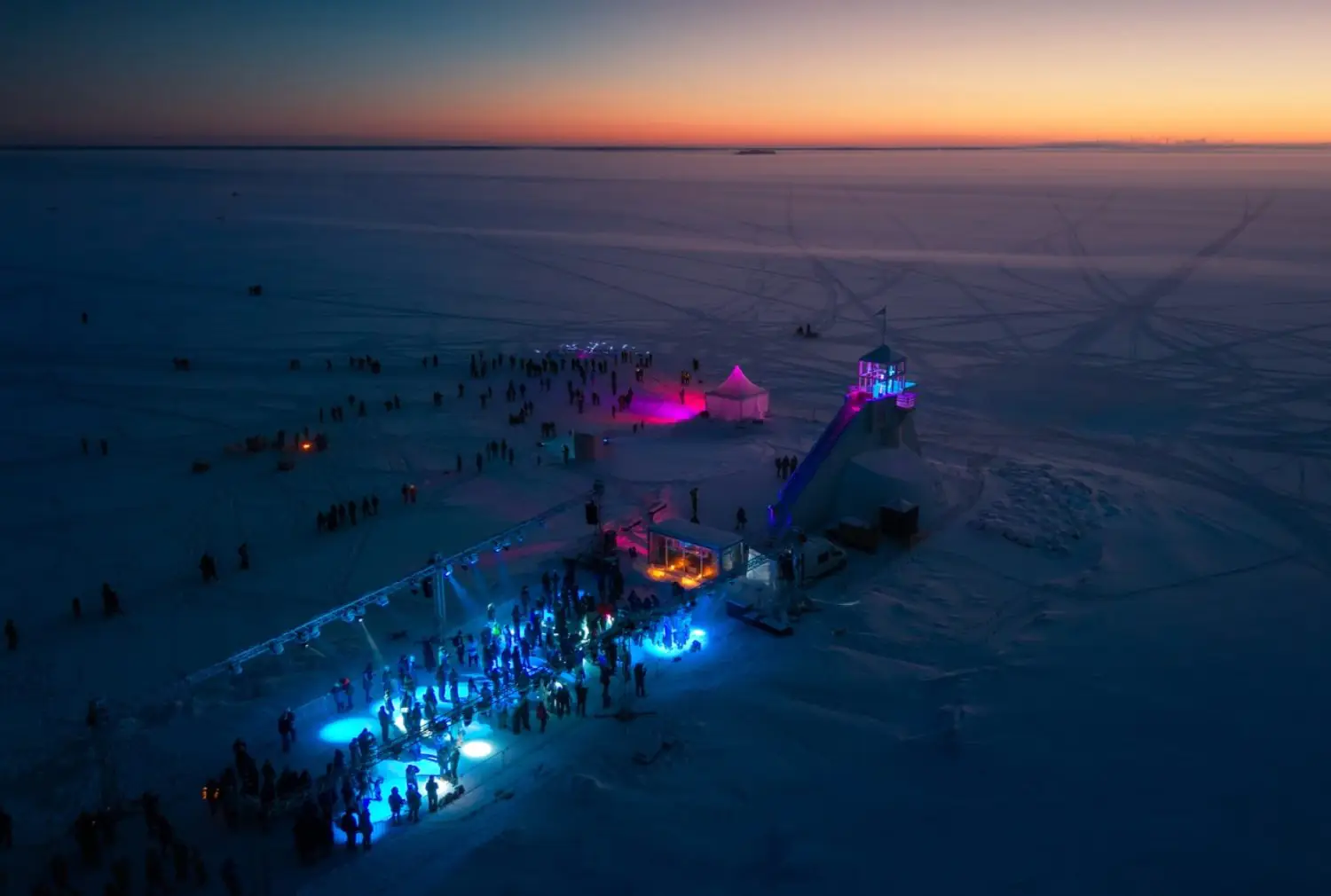
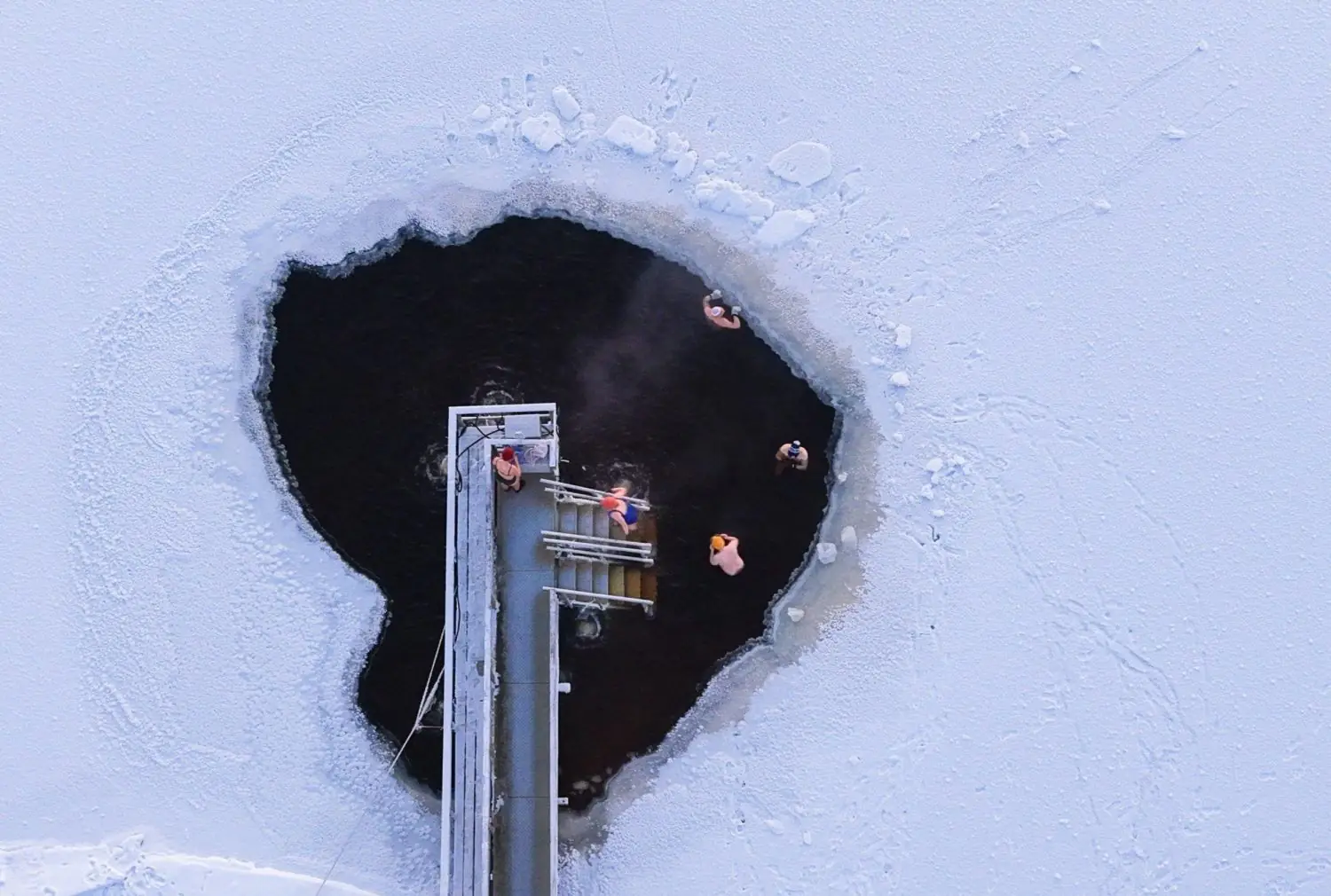
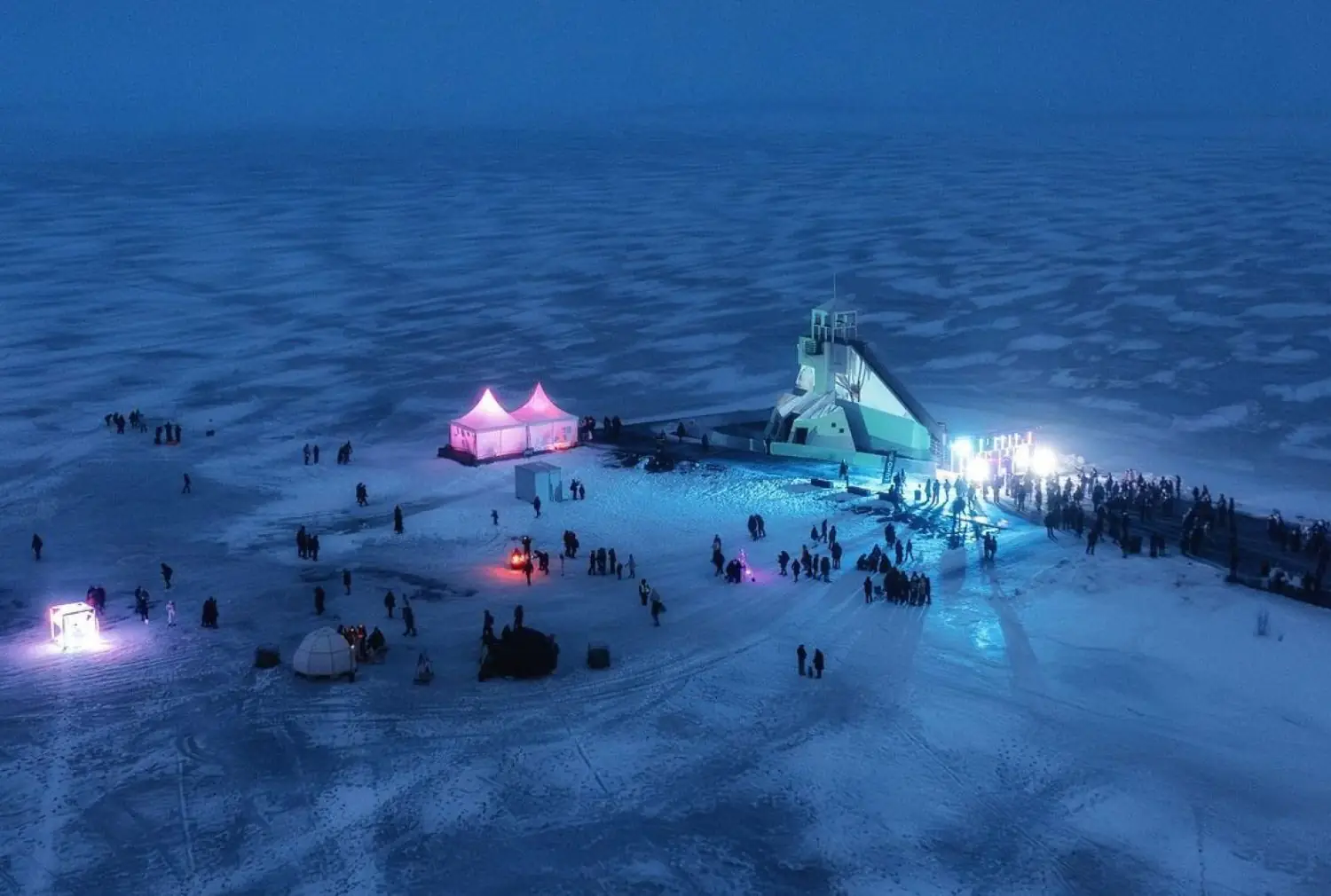
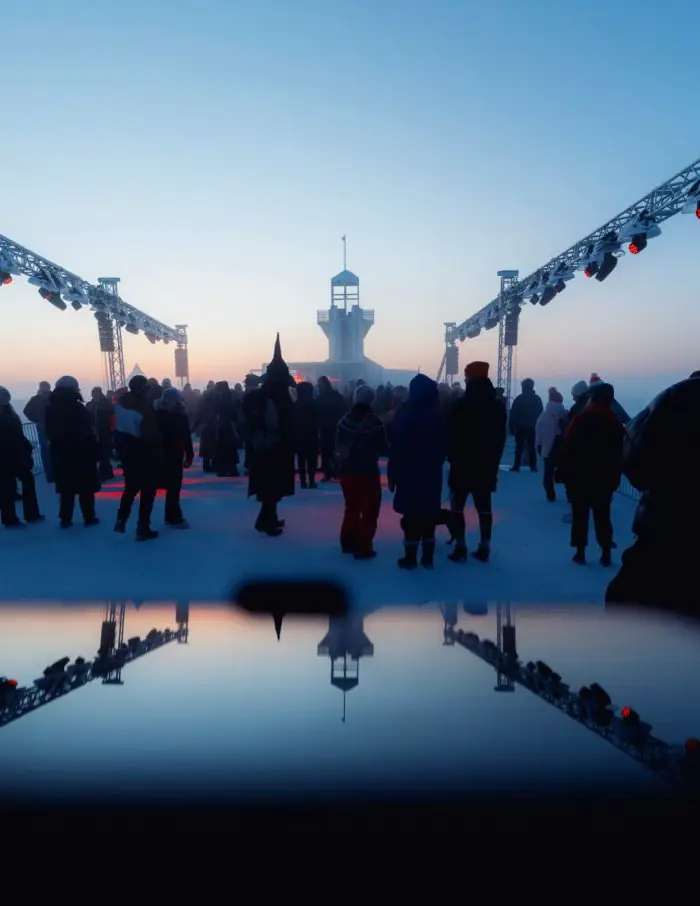
The overarching concept, Cultural Climate Change, brings together themes of ecology, northern identity and technological development. It is expressed through hundreds of projects and more than a thousand events spread across the region. Among them is the Frozen People festival, held on the frozen sea and closely tied to the natural environment, as well as Lumo projects that use light and digital technologies to create new forms of public art.
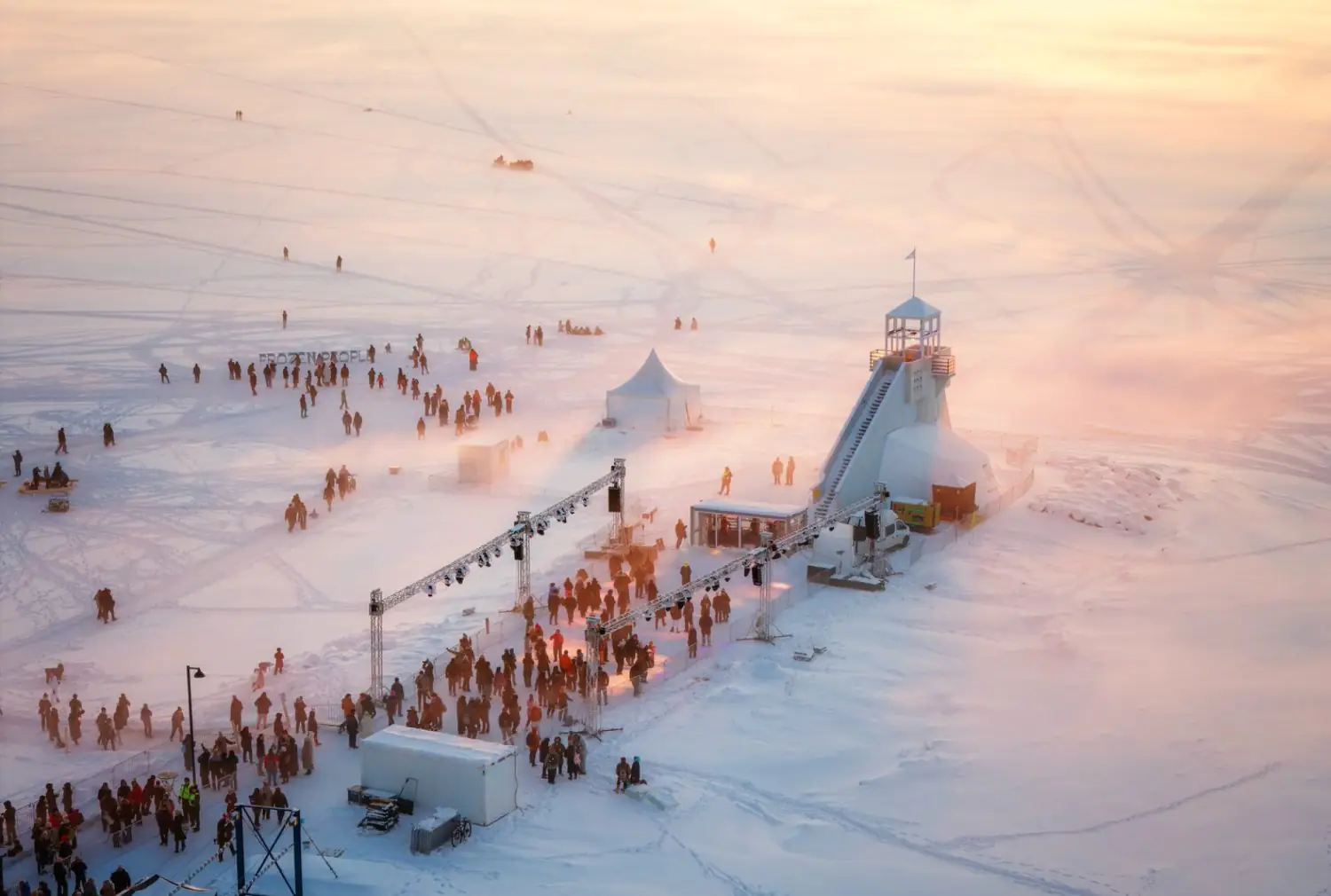
Another key initiative is Arctic Food Lab, which connects producers, restaurants and cultural institutions, treating gastronomy as an integral part of regional identity.
In Oulu’s case, culture becomes not just a tool for attracting attention to one city, but a way to connect a wider territory, strengthen regional identity and establish long-term collaboration between municipalities, cultural institutions and local communities.

Liepāja: preparation as a mechanism of change
Liepāja will become a European Capital of Culture in 2027, but preparations have been underway for several years. A large-scale cultural program is already taking shape: more than 500 events are planned for 2027 across the city and region, including exhibitions, concerts and interdisciplinary projects united under the concept of (un)rest. Major events include the Europa Cantat Festival, with over 3,000 participants, Opera by the Sea, Theatre Close Up and exhibitions featuring international artists.
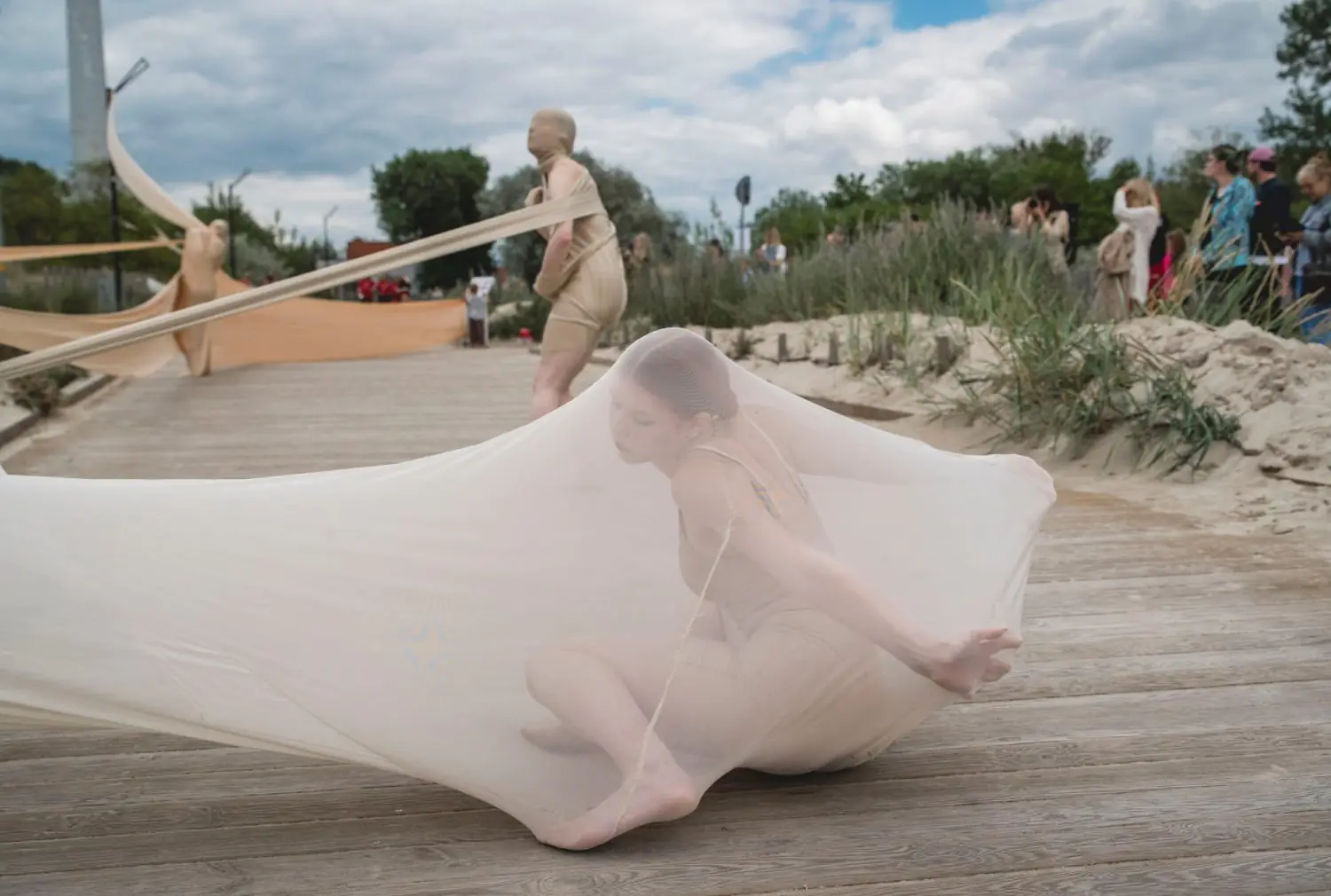
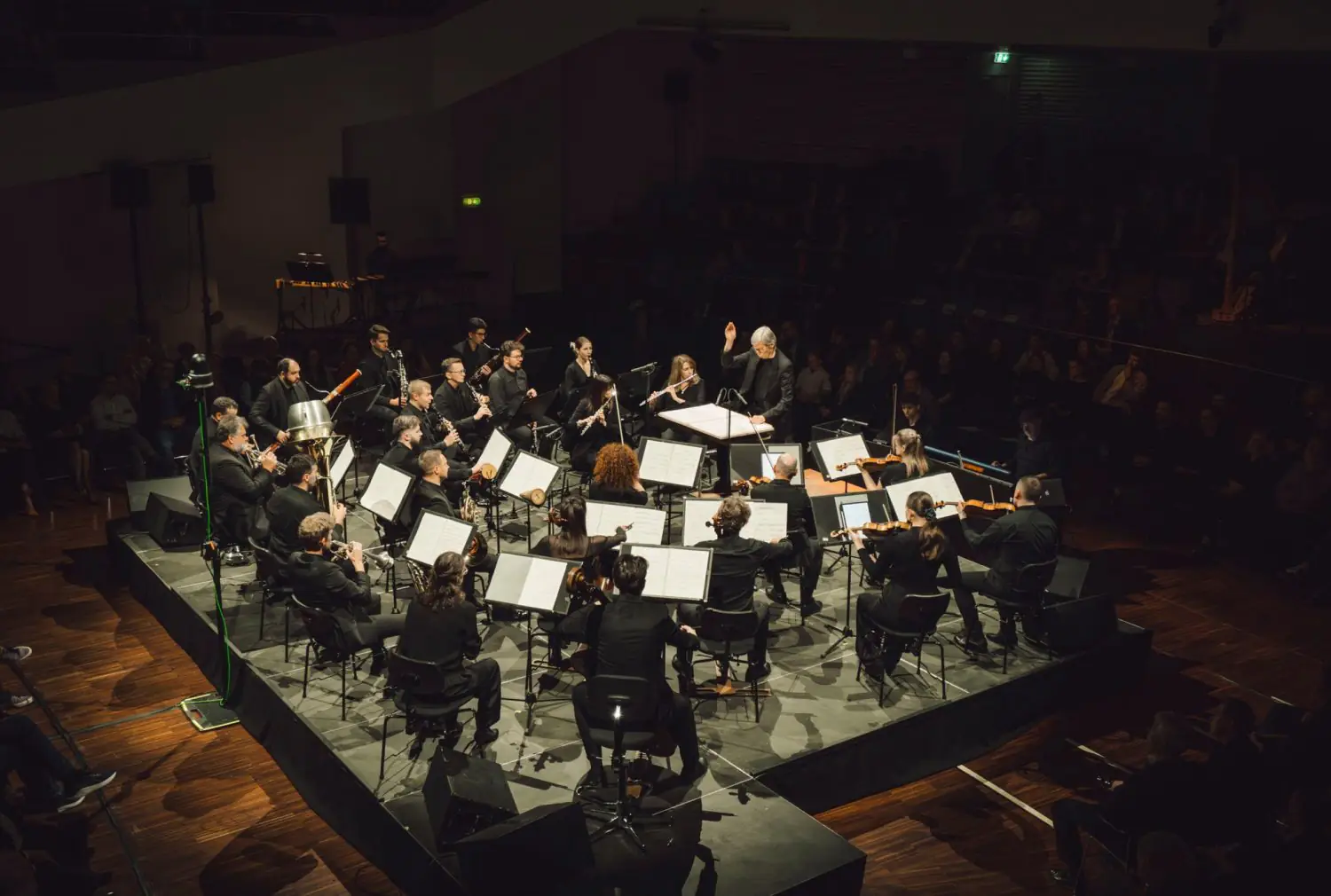
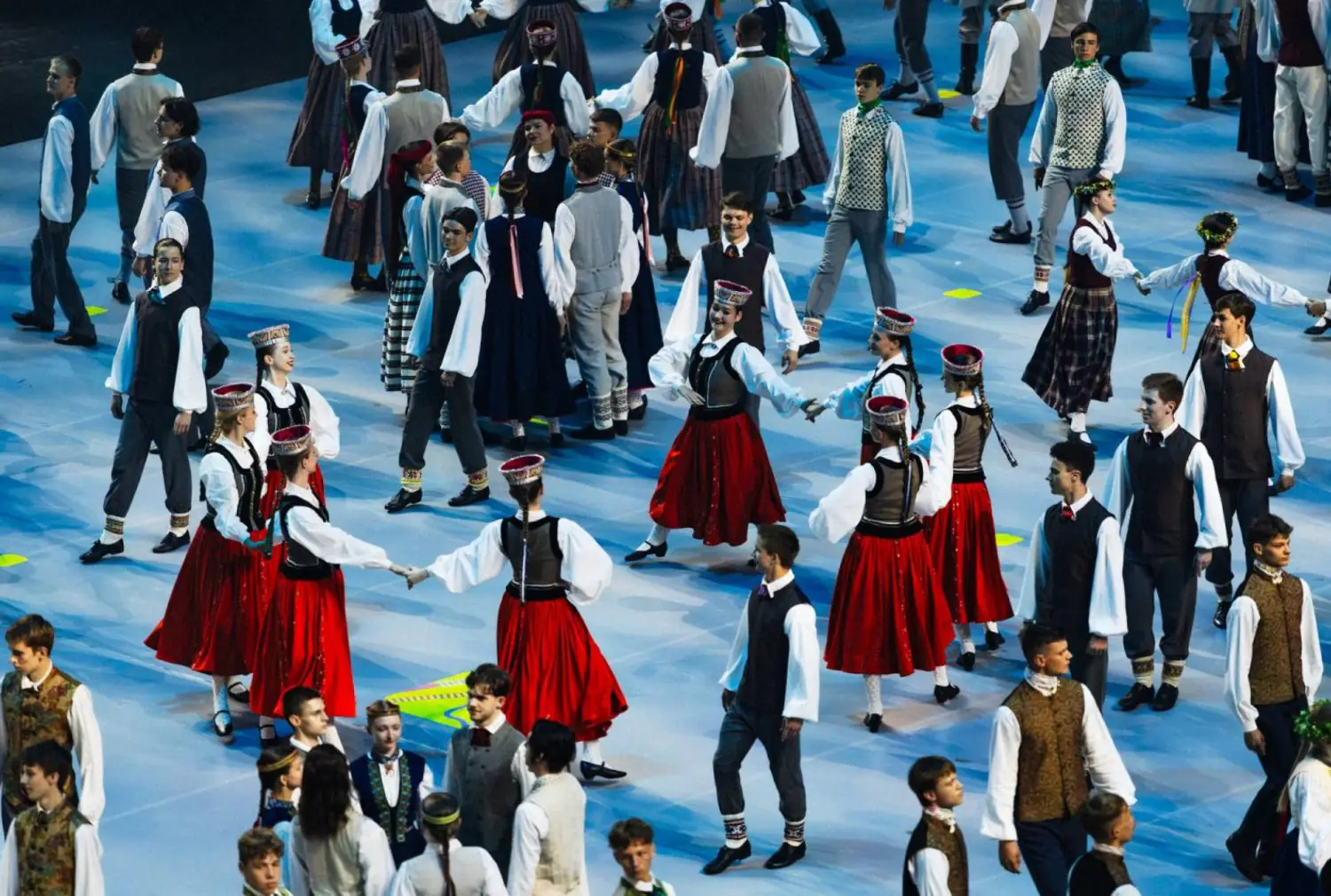
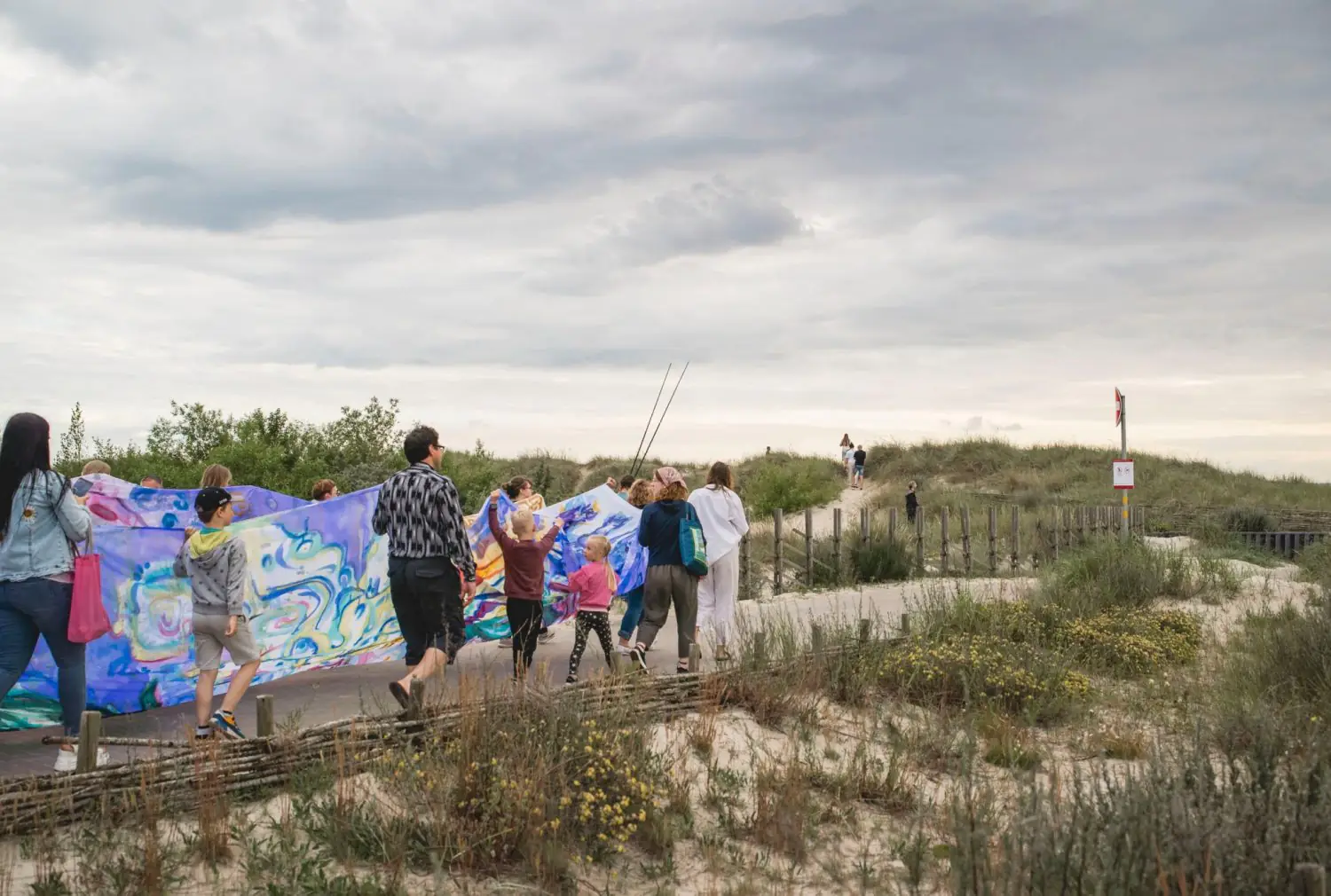
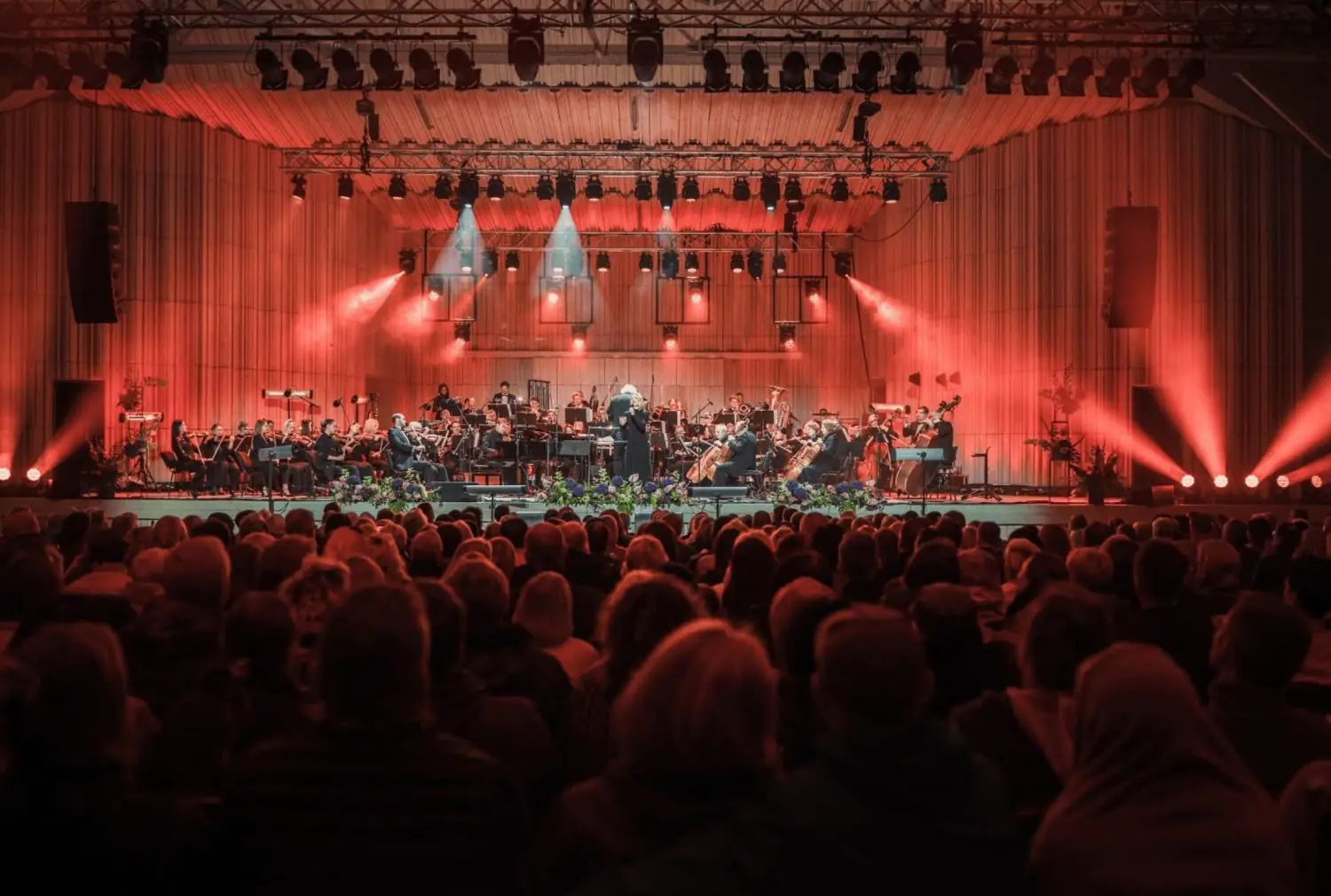
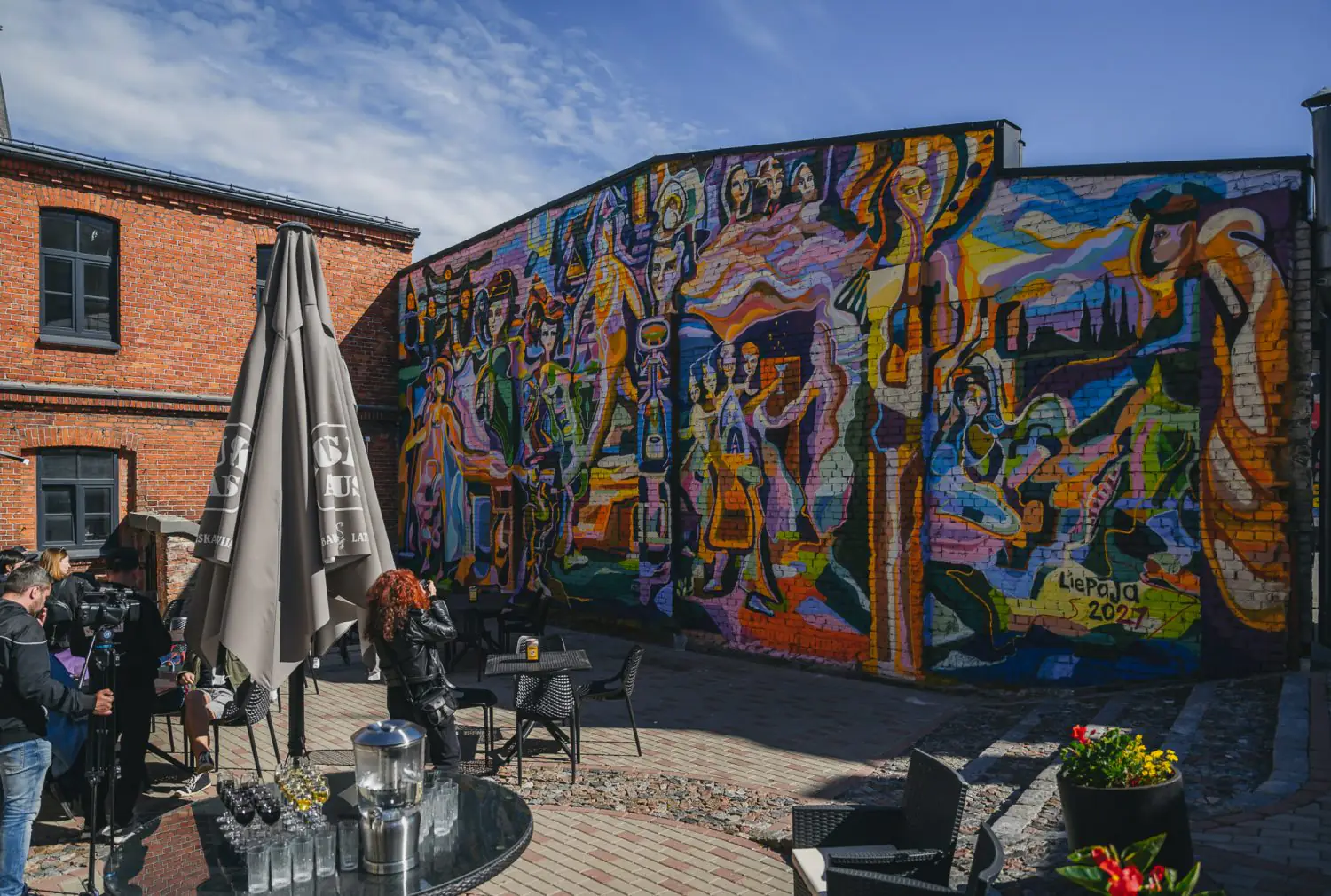
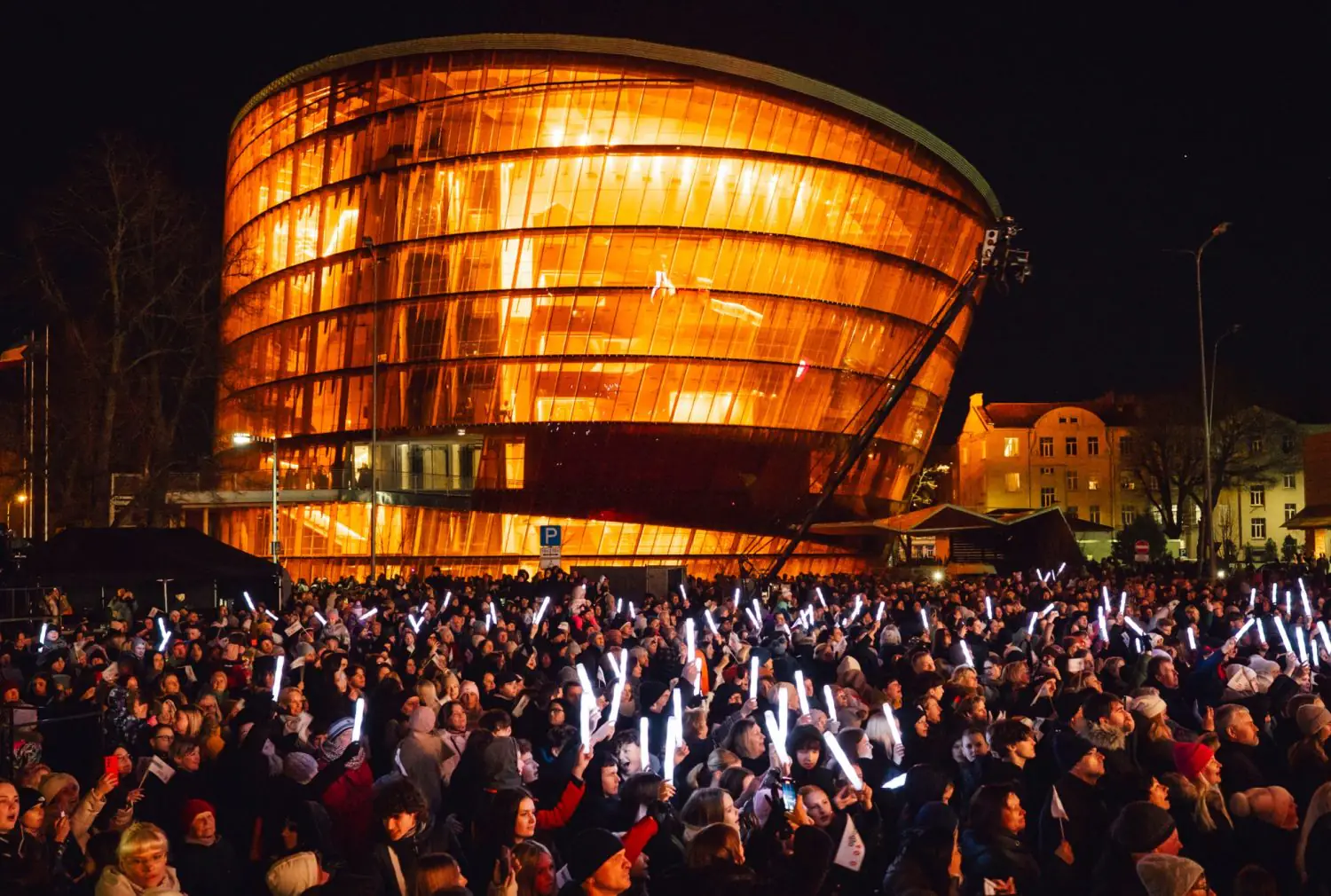
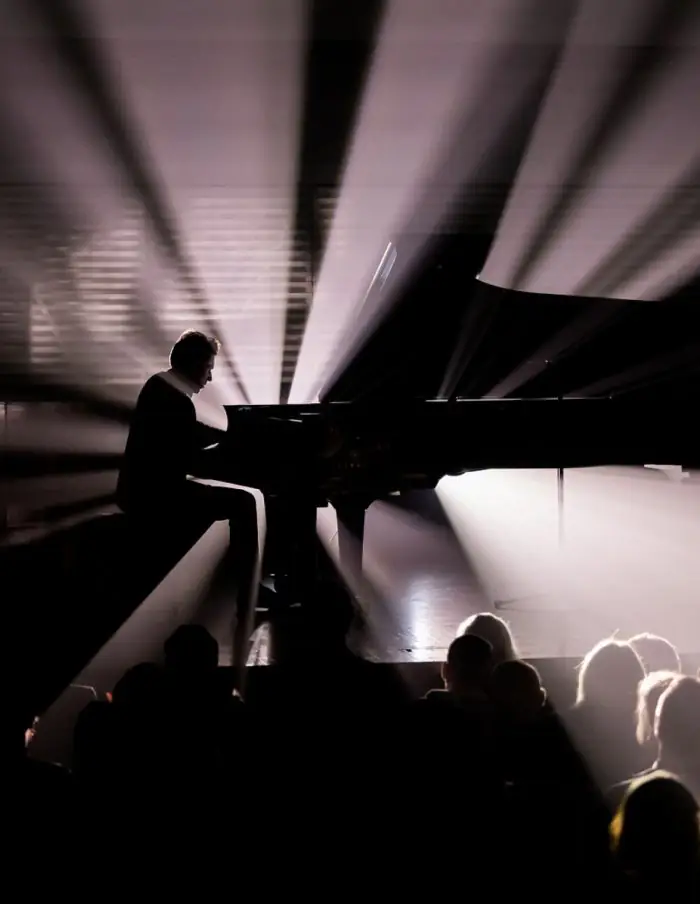

As early as 2025, 192 events were held as part of the preparation process, attracting more than 127,000 visitors offline — demonstrating that the cultural program begins long before the title year.
At the same time, the city is implementing structural changes. A municipal co-financing program for restoring historic buildings has been running for over a decade, resulting in the renovation of more than a hundred properties, including facade restoration, roof repairs and the reconstruction of architectural details. The program has been extended at least until 2027.
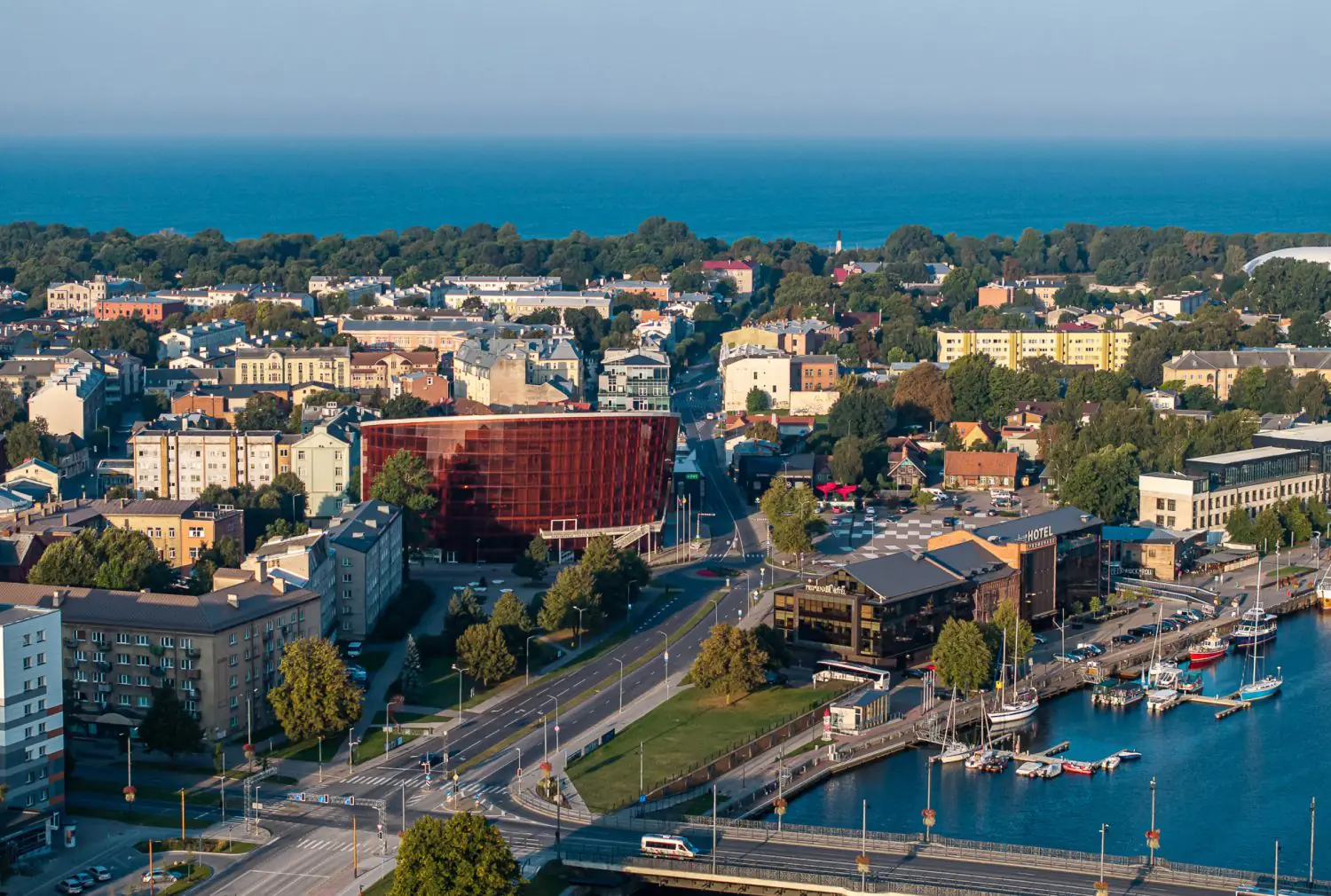
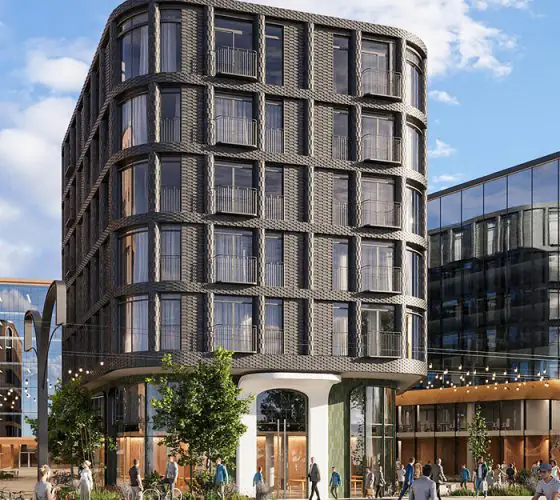
Alongside heritage preservation, new residential development is gaining momentum. The year 2025 marked a turning point, with multiple apartment projects launched simultaneously in different districts. Demand for high-quality, energy-efficient housing is strong, especially near the sea and in the city center. Over the next two years, more than 400 new apartments may enter the market, for both rent and purchase. The first projects are expected to be completed in autumn 2026, with others following in 2027.
Economic transformation is also underway. The former industrial site of Liepājas metalurgs is gradually being redeveloped into a modern business and production area focused on sustainability and technology, while the Karosta district is evolving into a cultural cluster. Preparation for 2027 is also driving investment in tourism infrastructure, including the expansion of the hotel sector.
The hospitality industry is becoming more active as well. With growing tourist interest and the upcoming title year, new projects are emerging and existing hotels are being renovated, often with private investment. This strengthens Liepāja’s position as a cultural destination.
Taken together, these developments show that in Liepāja’s case, culture is part of a broader strategy for transforming the urban environment.
From a cultural year to long-term change
It is important to note that the European Capital of Culture title itself does not guarantee specific outcomes. In Kaunas, it functioned as a tool for working with memory and engaging residents; in Oulu, as a way to unite a region around a shared identity; and in Liepāja, it is likely to act as part of a wider transformation strategy, where culture goes hand in hand with infrastructure, housing and urban development.
The key question is not what happens during the “cultural year,” but what processes a city manages to initiate before it — and whether it can sustain them afterward.