Gentrification is the complex transformation of a neighbourhood with an industrial or disadvantaged past: its function changes, new residents and businesses arrive, the quality of the area improves, and property values rise. Along with these changes, perceptions shift as well — former industrial areas become fully integrated urban neighbourhoods.
Which areas are undergoing this transformation today? Which projects are driving change, and what exactly makes these locations attractive to new residents and investors? We explore these questions through the example of Riga together with representatives of the real estate industry, including Latio and market analyst Ksenija Ievleva.
Why the Process Is Slower in Latvia
Gentrification in Riga is progressing considerably more slowly than in major Western cities. A number of factors contribute to this — relatively low levels of social segregation, a high proportion of homeowners, and the legacy of Soviet-era development, which prevented many neighbourhoods from developing a strong and distinctive identity. Nevertheless, the Latvian capital already has neighbourhoods that have changed noticeably in recent years, while others are still waiting for their moment, notes Latio market analyst Ksenija Ievleva.
Ievleva points out that, first and foremost, Riga lacks a strong division between affluent and disadvantaged neighbourhoods. In a relatively small country, different social groups constantly interact within the same urban environment. There are no clearly defined ghettos or areas inhabited exclusively by low-income residents or migrants.
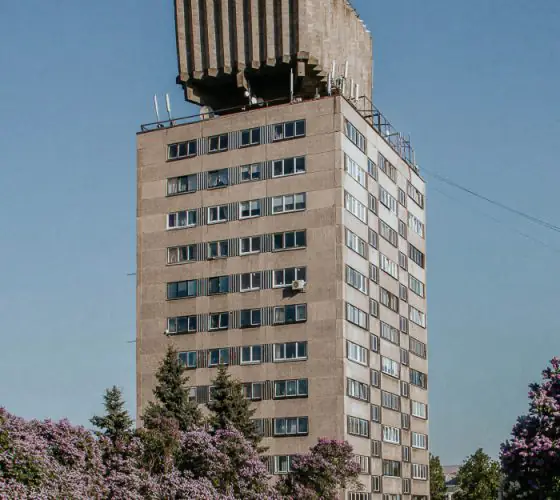
The second reason is Soviet-era standardisation. The mass construction of standardised apartment blocks during the Soviet period deprived many neighbourhoods of their individuality. The same Series 119 apartment buildings appeared in Purvciems, Imanta, and other residential districts.
As a result, many areas struggle to develop their own identity — both architectural and emotional. Today, this can be considered one of the city’s major challenges from an architectural perspective.
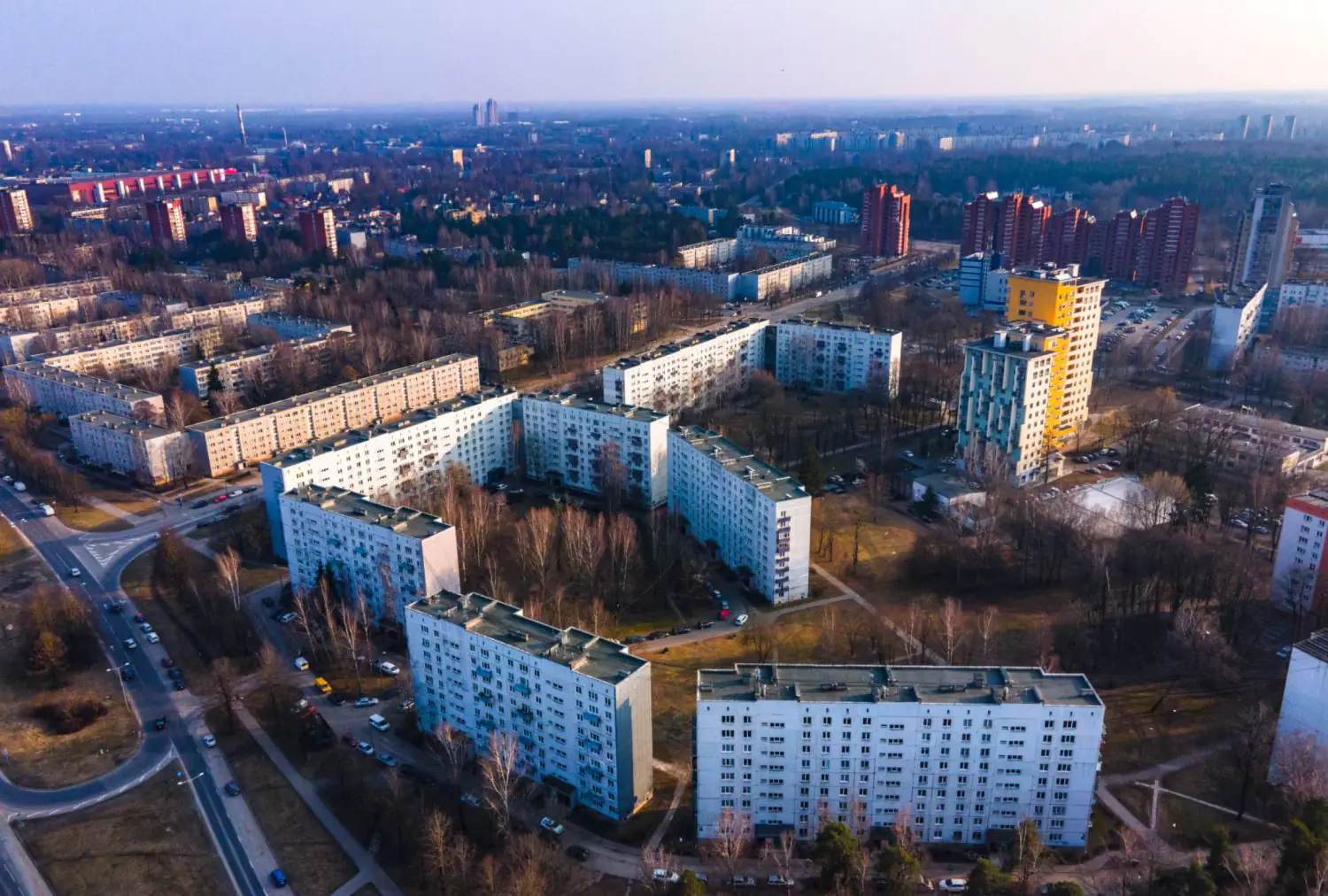

Privatisation has also left its mark. After Latvia regained independence, residents were given the opportunity to privatise their apartments. As a result, the majority of people in Latvia became homeowners. In Germany, around half of the population rents their homes, while in Riga the figure is only around 18%. This reduces residential mobility, as homeowners are less likely to move from one neighbourhood to another.
– says Ksenija Ievleva, identifying the third reason for the relatively slow pace of gentrification.
Over the past five to ten years, Riga has also been experiencing another process — suburbanisation. More affluent Riga residents are increasingly moving to the surrounding areas, such as Mārupe, Ķekava, and Sigulda. As a result, part of the city’s higher-income population is moving not into central neighbourhoods, but beyond Riga’s boundaries.
Where Gentrification Is Already Visible in Riga
Ķīpsala
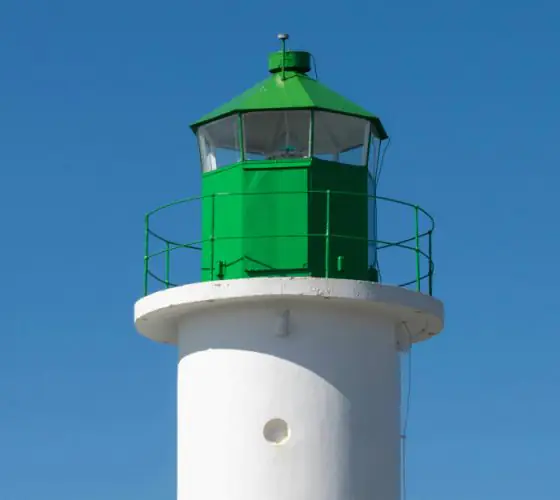
Ķīpsala is one of Riga’s clearest examples. The renovation of the former Gypsum Factory transformed industrial spaces into attractive loft-style apartments.
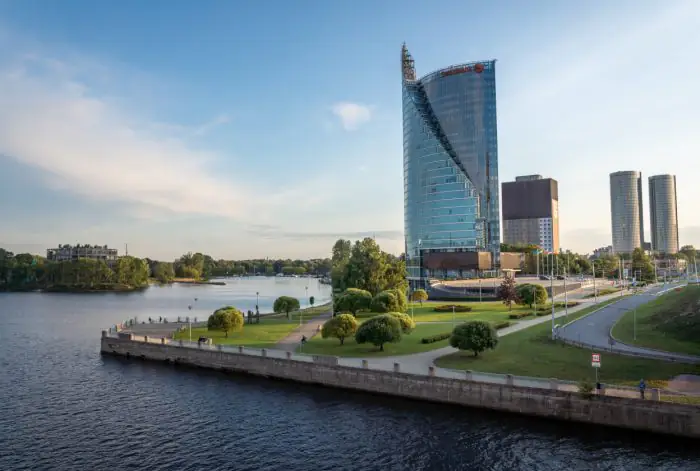
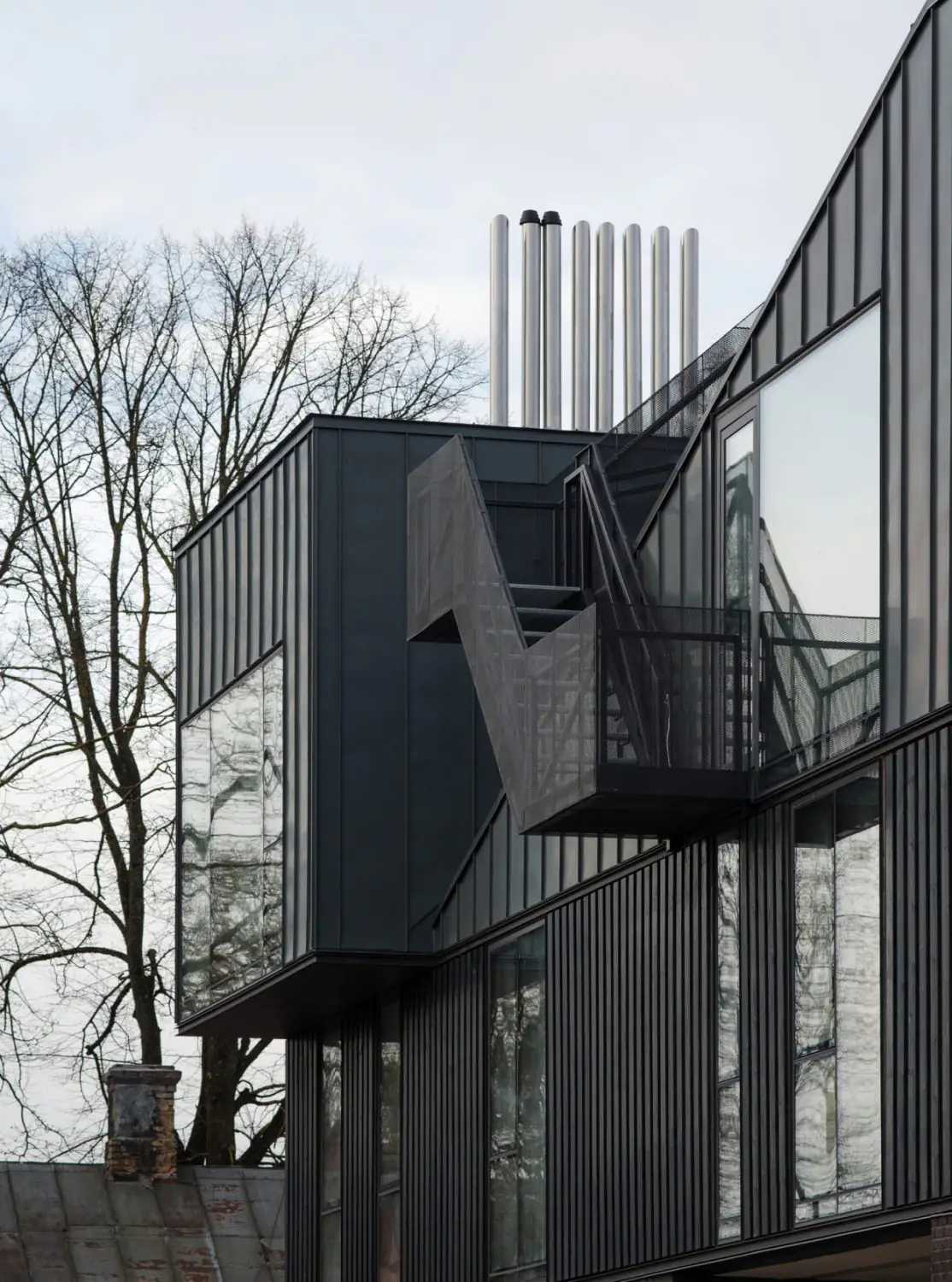
Afterward, restaurants, private housing projects and modern architecture began to develop. A district considered low-prestige just 30 years ago is today one of the most expensive places in Riga.
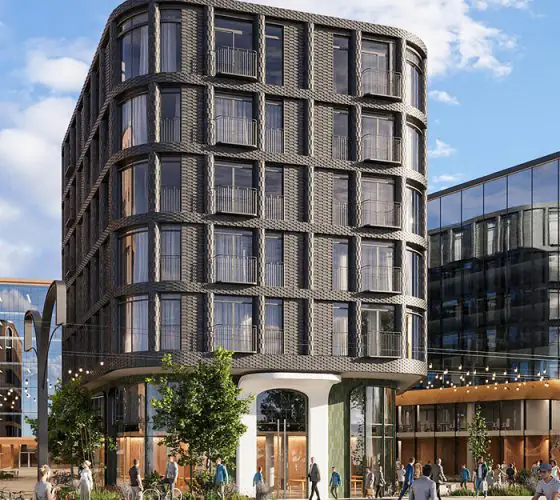
The architecture of the new buildings appears slightly futuristic, while still respecting the atmosphere of Ķīpsala, where new developments coexist alongside restored historic buildings.
Grīziņkalns
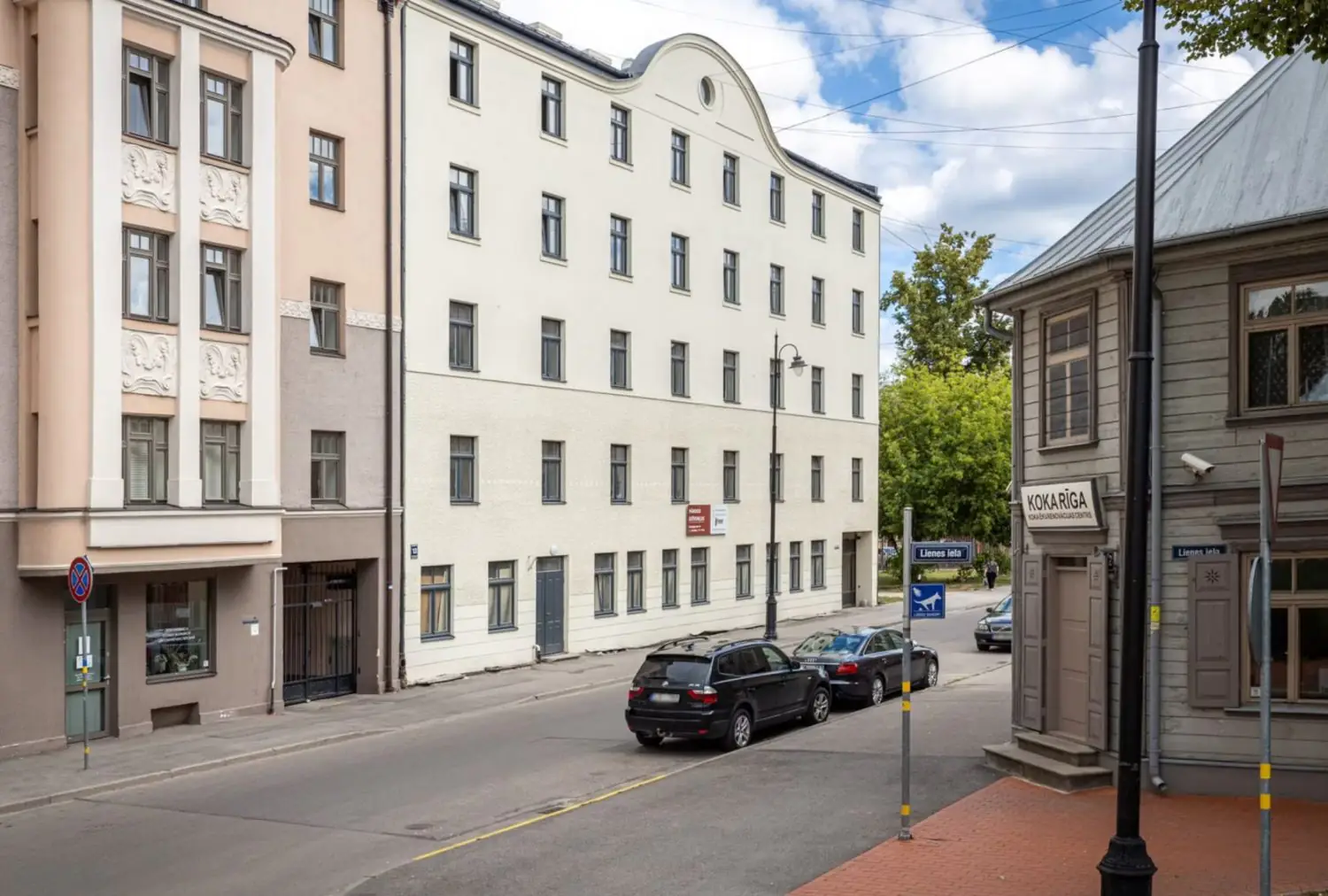
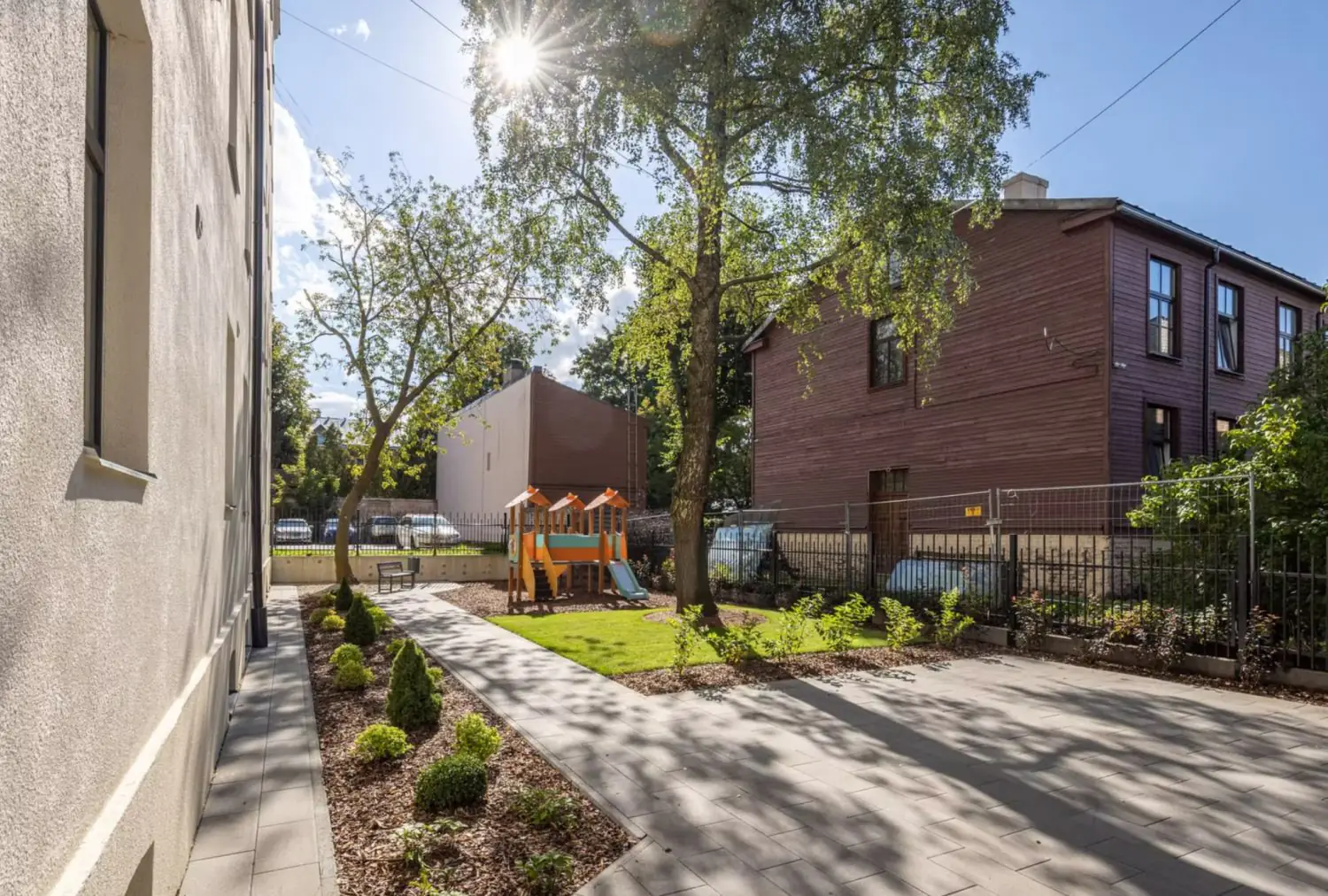
Grīziņkalns was considered a troubled district in the 1990s, associated with high crime levels and social problems. The area contained communal apartments, crime and significant social issues.
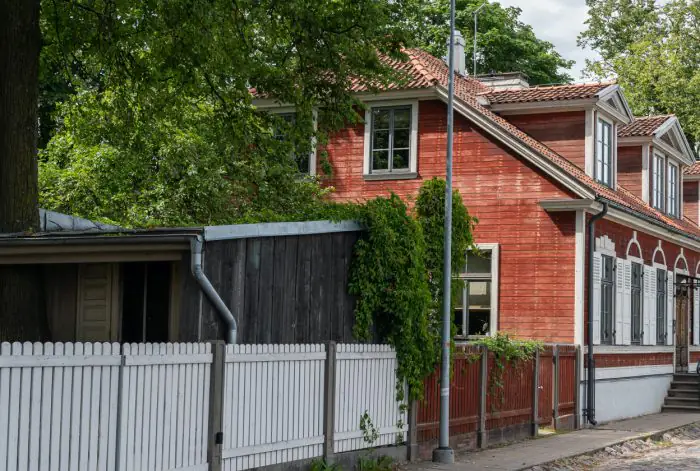
The situation began to change after the renovation of the park. The neighborhood became more attractive for families, athletes and young residents. Interest also grew in historic wooden houses and the green environment.
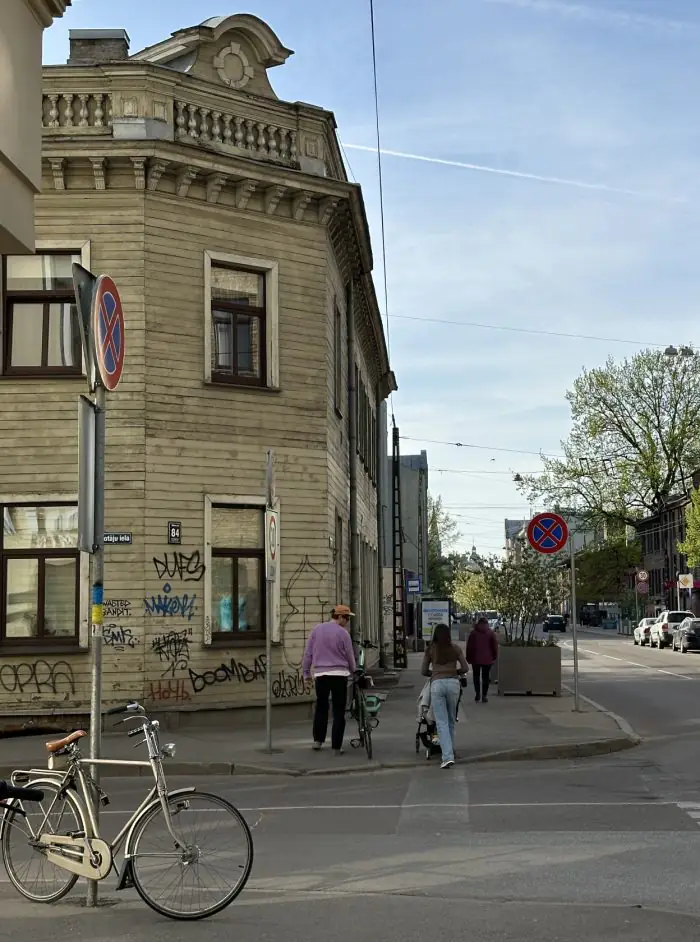
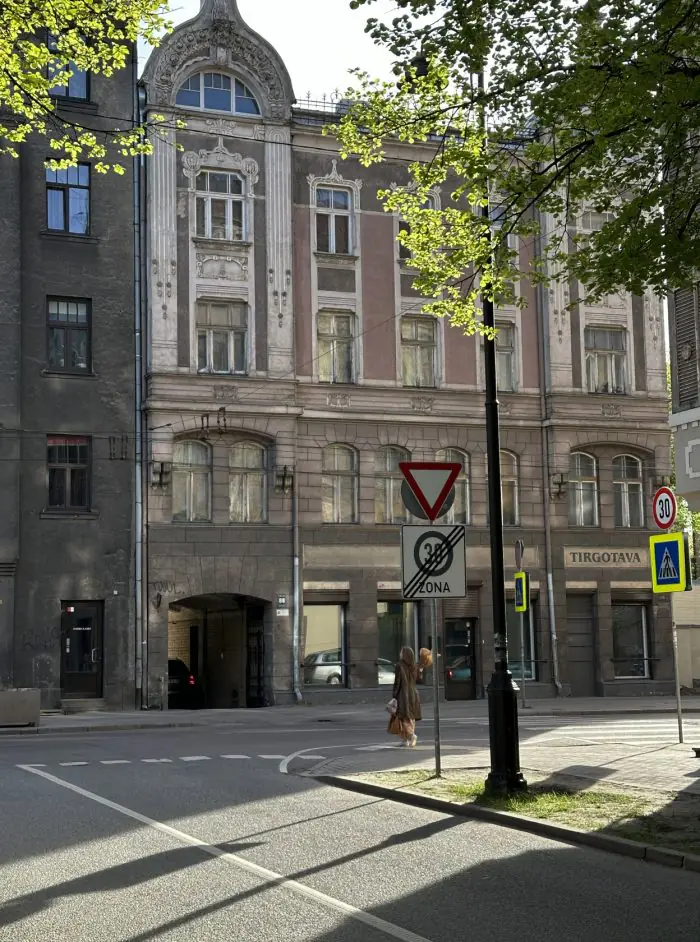
Today, Krāsotāju and Artilērijas streets are already perceived as promising urban areas with strong potential for rising real estate prices — largely thanks to the same wooden architecture, now being renovated.
Kalnciema Quarter
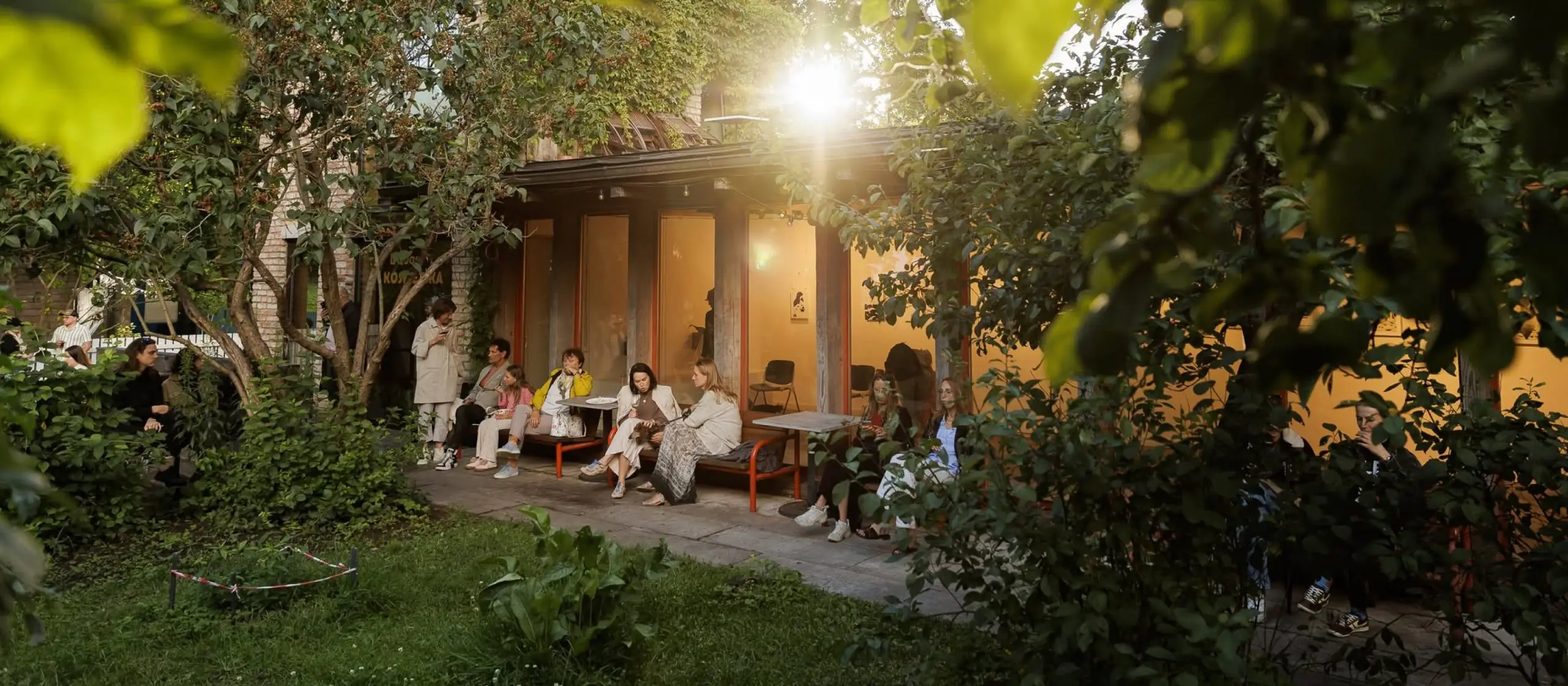
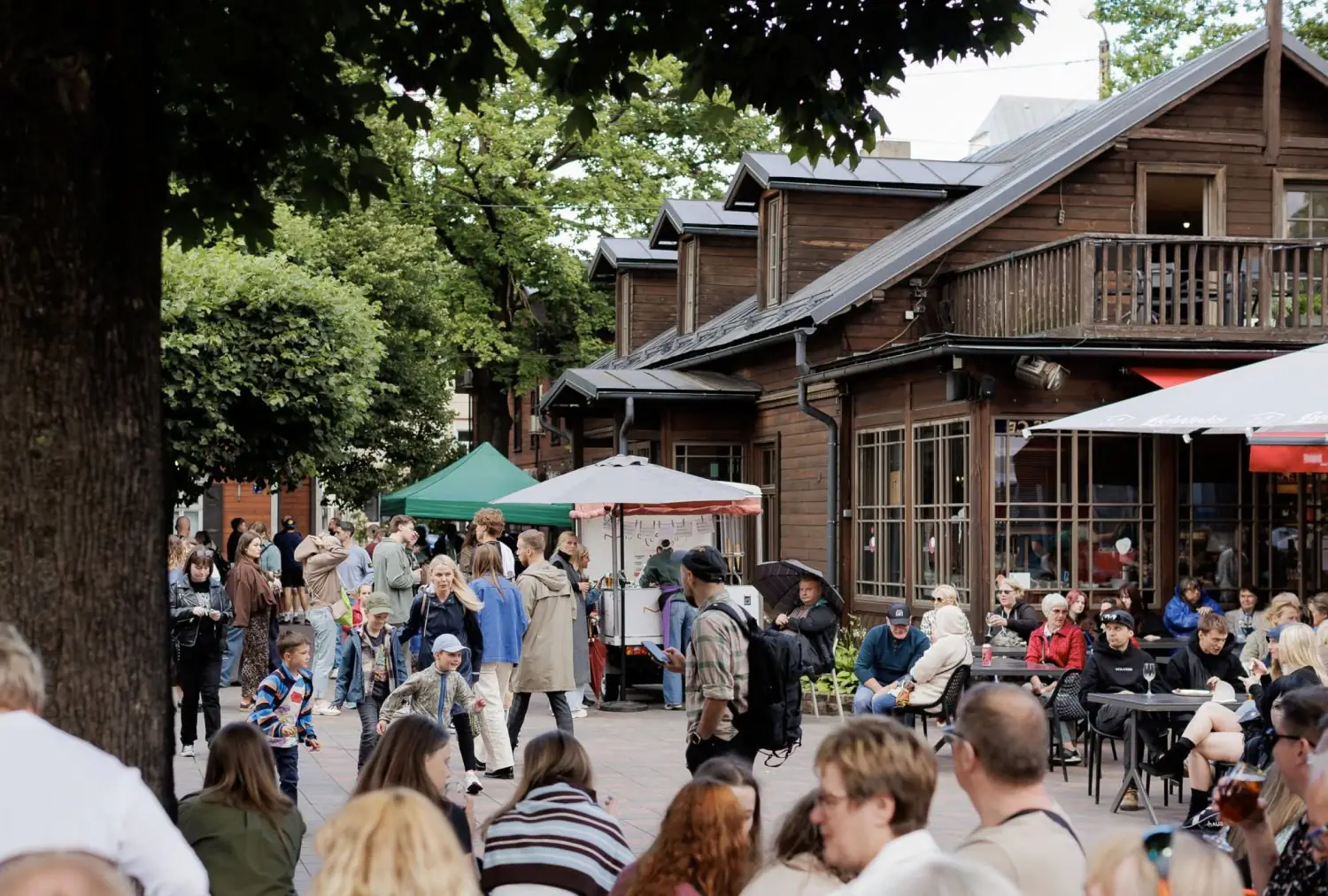
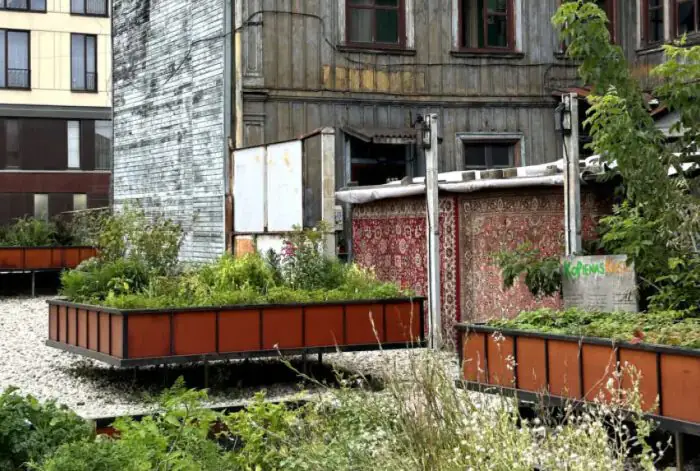
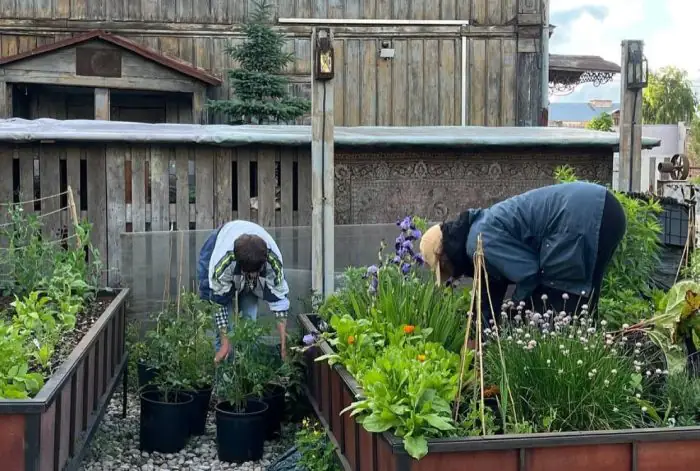
Kalnciema Quarter became an example of how a single initiative can change the perception of an entire district.
Brothers Mārtiņš and Kārlis Dembergs attracted investments for the restoration of historic wooden houses. Gradually, cultural events, restaurants and new businesses began developing around the project.
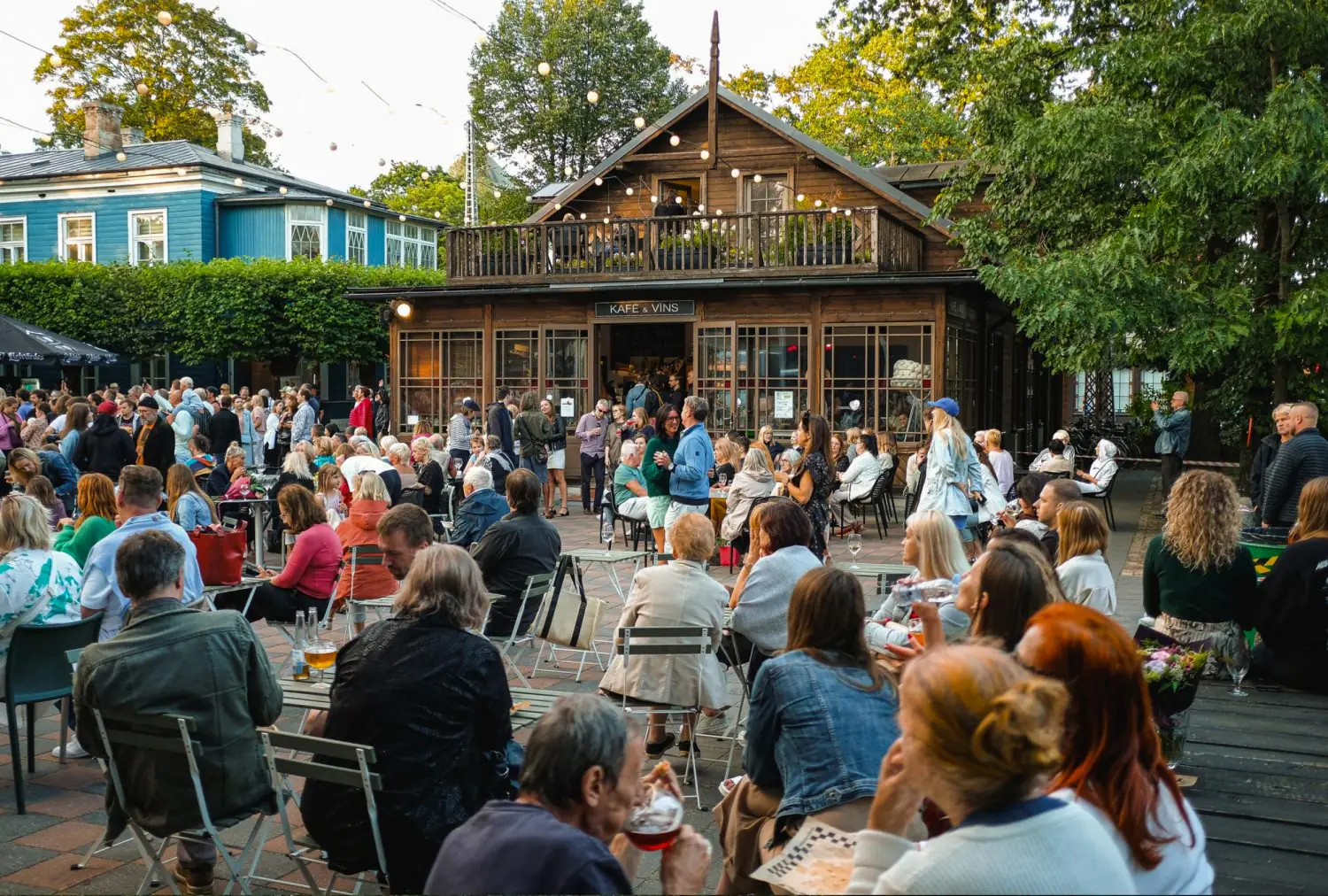
The restored wooden houses stand out because of their unique architecture, characteristic only of this district. In addition, Kalnciema Quarter is located on one of the main routes between the airport and Riga city center, frequently used by official delegations.
Today, Kalnciema Quarter is considered one of the symbols of modern Riga.
HOW HAVE HOUSING PRICES CHANGED?
Average prices, 2020–2026, €/m²
| Pētersala–Andrejsala | ||
| Pre-war houses | €1,100 → €1,650/m² | +50% |
| New builds, primary market | €2,151 → €3,800/m² | +77% |
| Āgenskalns | ||
| Wooden houses | €780 → €1,450/m² | +86% |
| Renovated properties, primary market | €1,700 → €2,600/m² | +53% |
| Pre-war properties | €1,100 → €1,675/m² | +52% |
| Grīziņkalns | ||
| Renovated projects, primary market | €1,890 → €2,700/m² | +43% |
| Pre-war properties | €1,250 → €1,490/m² | +19% |
| Serial housing | €1,045 → €1,390/m² | +33% |
Overall average price growth in Riga over 6 years: +24%
Which Districts Could Be Next
Latgales priekšpilsēta
Latgales priekšpilsēta is currently considered one of the most undervalued territories with strong gentrification potential.
The district has preserved historic architecture, high ceilings, architectural details and a student environment.

If larger investments and quality renovation projects arrive, Lastādija could follow the path of Kalnciema Quarter.
Torņakalns, Zasulauks and Šampēteris
Torņakalns, Zasulauks and Šampēteris still remain undervalued.
Šampēteris, also known as Depo, is considered especially interesting. The district contains many empty industrial spaces that can be transformed into lofts. Its green environment and historical atmosphere create strong potential for rising real estate prices.
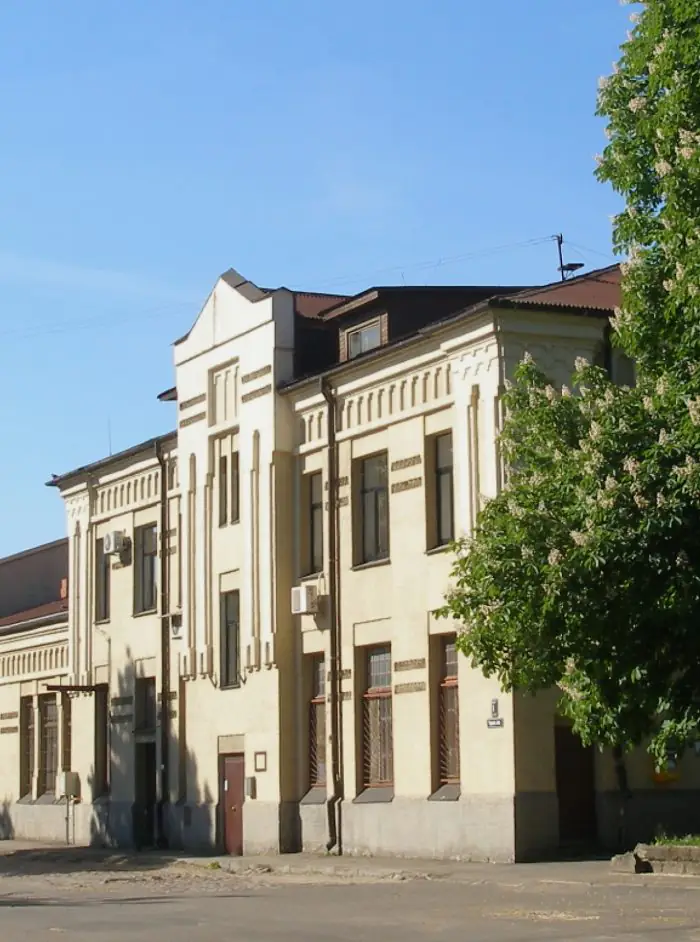
Meanwhile, Zasulauks is becoming attractive thanks to railway infrastructure and quick access to the city center. The district still remains significantly cheaper than many central quarters of Riga.
Āgenskalns
At the same time, Riga has neighbourhoods that have maintained their distinctive status for decades. One example is the authentic neighbourhood of Āgenskalns. Thanks to its historic architecture, Soviet-era standardised apartment blocks have had little impact on the area’s atmosphere. Its green surroundings, proximity to the Daugava, and historic character make the neighbourhood attractive to young families and buyers in the mid- and high-end housing segments.
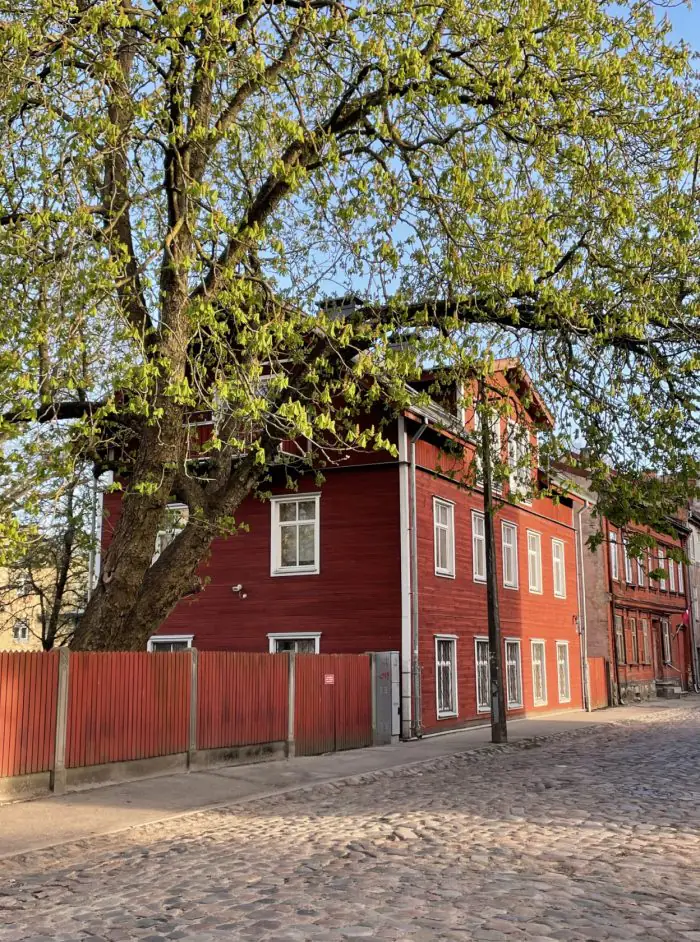
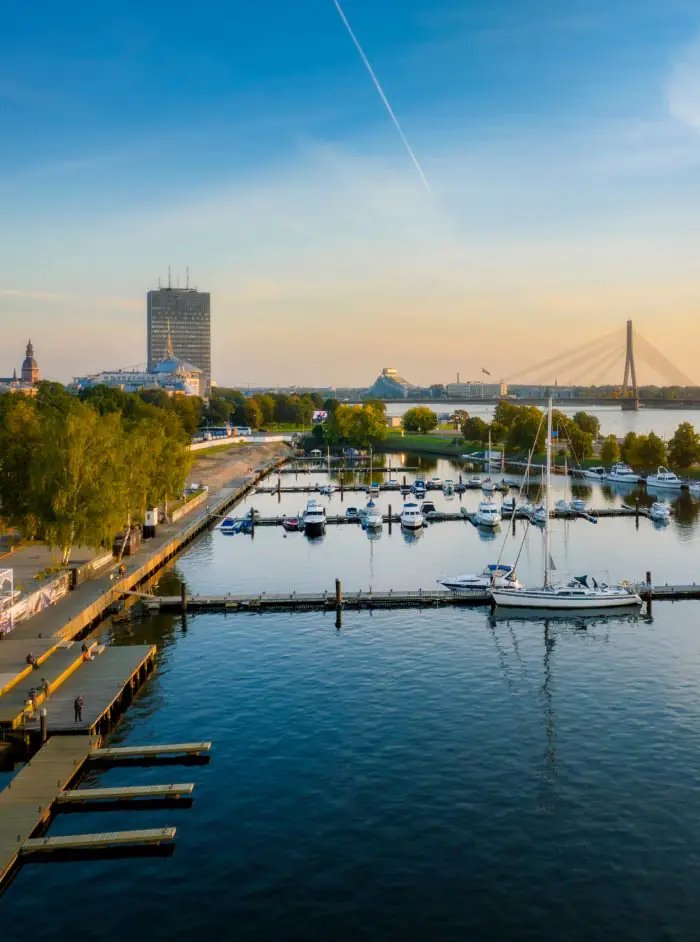

Voleri is also considered unexpectedly promising in terms of future transformation, although the area currently remains largely overlooked by investors. In addition, interest in Riga’s central neighbourhoods has grown noticeably over the past year — including Avoti, Brasa, the historic centre, and especially Pētersala-Andrejsala. The latter benefits significantly from the so-called waterfront effect — its proximity to the water and waterfront areas, as well as the potential to develop a modern urban environment along the river
– Ksenija Ievleva, Market Analyst at Latio.