S&T Syndicate
LAYERED GROOVE
The Squirrel & Turtle Syndicate has been known to Latvian listeners since 2005. Two friends, Rihards Vāvere and Mārtiņš Jurjāns (the aforementioned Squirrel and Turtle), started as the S&T duo. Over time, other musicians gradually joined the band, and the duo evolved into a full-fledged Syndicate. Today, alongside Rihards and Mārtiņš, the lineup includes Oto Andreļūns, Kaspars Lastovskis, Ernests Rasa, and Kaspars Balodis.
Instrumental fusion is probably the most accurate description of the genre S&T Syndicate works in. In their music, the band skillfully combines elements of jazz, funk, drum and bass, and ambient music. The musicians themselves say they serve up jazz “with different sauces,” combining jazz harmony, improvisation, and the energy of funk and rock with synthesizer, sequencer, and electronic elements.
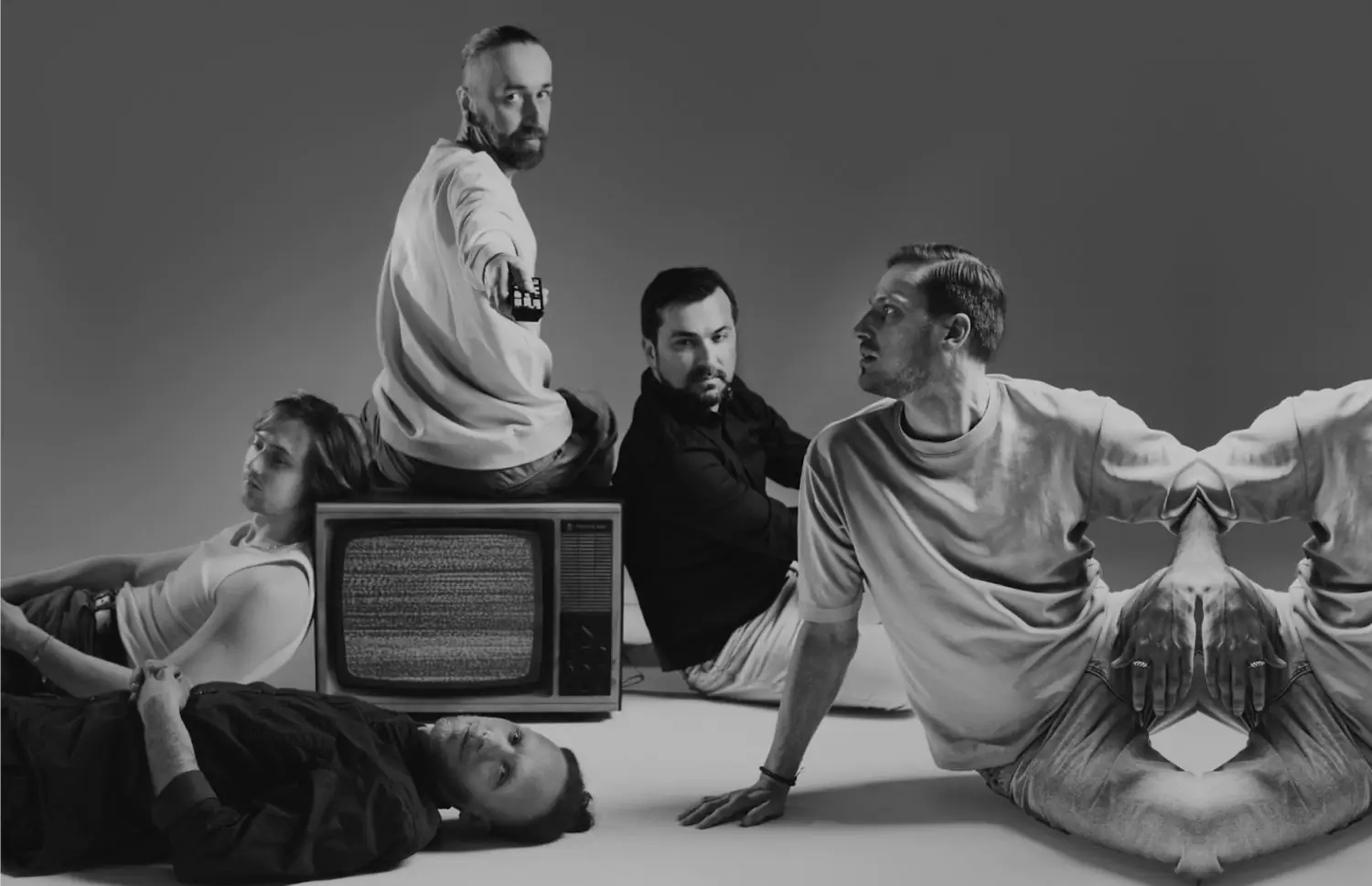
“Our music is like pictures or illustrations of thoughts that wander through your head when you dream or get lost in your thoughts”
Perhaps what sets S&T Syndicate apart most from other Latvian instrumental projects is their attitude toward how music can be listened to and experienced. The musicians want to free instrumental music from its familiar status as background sound—the kind that plays somewhere in the background at a restaurant, in an elevator, or while you’re waiting on hold.
Sometimes, they take this idea quite literally. For example, in 2022, alongside the release of Elevator Music 2.1, their second studio album, the band launched a phone number where listeners could hear the entire record for free. One other curious thing about this album is its title; here, the musicians wanted to play with an idea of music you normally listen to while waiting for an operator to answer. Except here, the music itself became the operator.
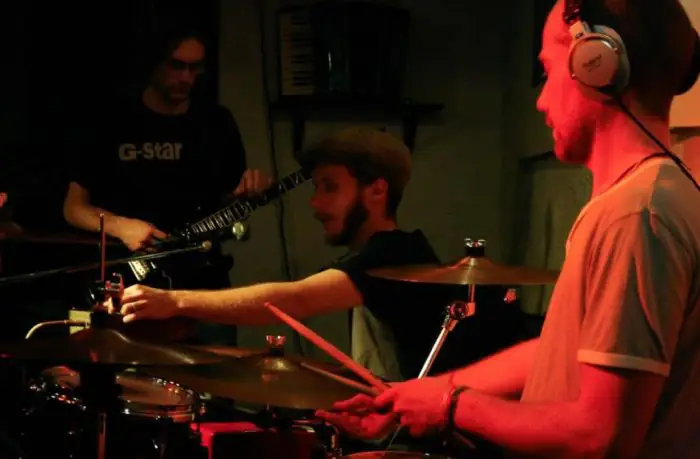
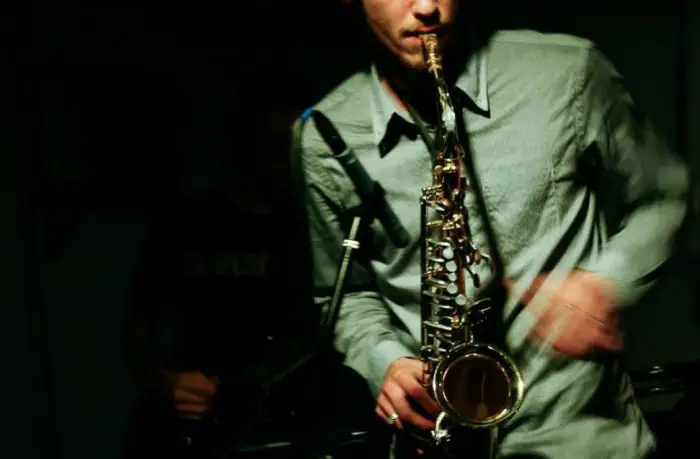
Each of S&T Syndicate’s three albums is a separate thematic project. Interaction, released five years before Elevator Music 2.1, explores the very process of making music and the unique state of mind that emerges through collaboration. Their latest release, Empty TV (2026), turns to another defining feature of our time: information overload. The musicians invite listeners to slow down for a while, catch their breath, and, for example, listen to a nine-minute composition without feeling the need to rush.
In this sense, S&T Syndicate’s music can be perceived as a primed canvas: the band provides the foundation, and then each listener adds something of their own to it—their own story, mood, and various emotional experiences.
Rihards Lībietis & Rihards Libietis Orchestra
“WE WRITE MUSIC TO CHANGE THE WORLD”
African, Middle Eastern, and Latvian folk music, jazz, and blues—all of these influences can be heard in the music of Rihards Libietis Orchestra. But the story of the band begins much earlier, with a big dream of its founder, guitarist and composer Rihards Lībietis.
In 2007, while still at school, Rihards picked up a guitar for the first time. He taught himself to play through YouTube videos, spending hours working out parts by Guns N’ Roses, Deep Purple, Led Zeppelin, and Pink Floyd on a nylon-string acoustic guitar. “If I’m lucky and work hard, maybe music really can become something I make a living from,” he thought at the time.
In 2015, Rihards founded Rihards Libietis Orchestra. Today, it is his main project: he is joined by bassist Jānis Polis, drummer Matīss Repsis, guitarist Gints Smukais, and cellist Erna Daugaveta. At the same time, the musician works on other projects, including Rihards Lībietis OrchesTrio, where he plays alongside Toms Kursītis and Dairis Petrauskis. Rihards also composes music for theatre and film.
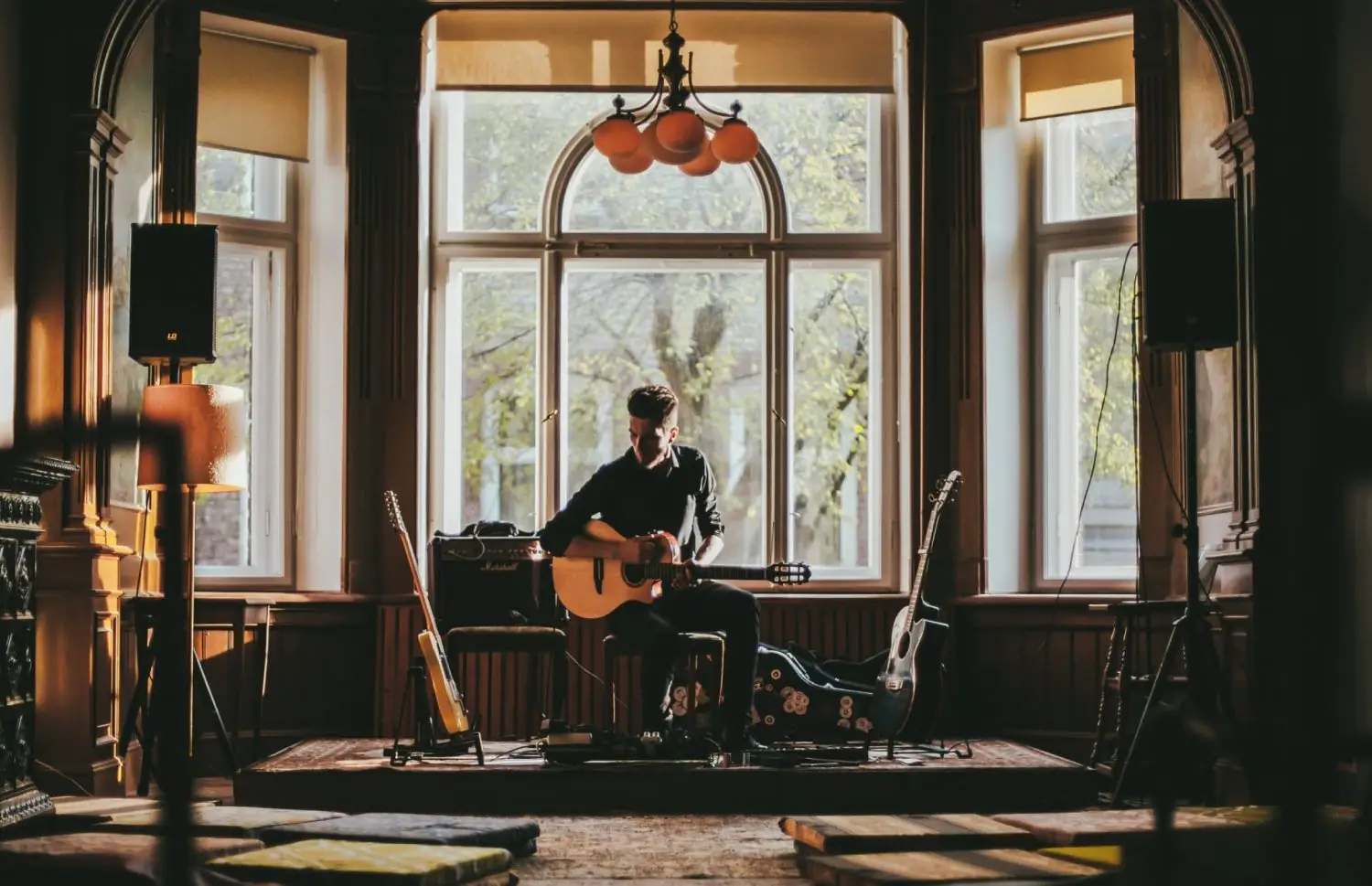
The musicians of Rihards Libietis Orchestra have often said that they create music to change the world. Sounds ambitious, but when you listen closely to how their compositions are constructed, it becomes clear that the phrase reflects a very specific approach.
The work on a new piece of music begins with context—with what the musicians call a secret, or an idea they embed within the composition. The listener is left to sense it and decipher it in their own way. Even the titles play a role here: they are not meant to explain everything in advance, but rather to leave a small thread connecting the musicians’ experience with that of the listener.
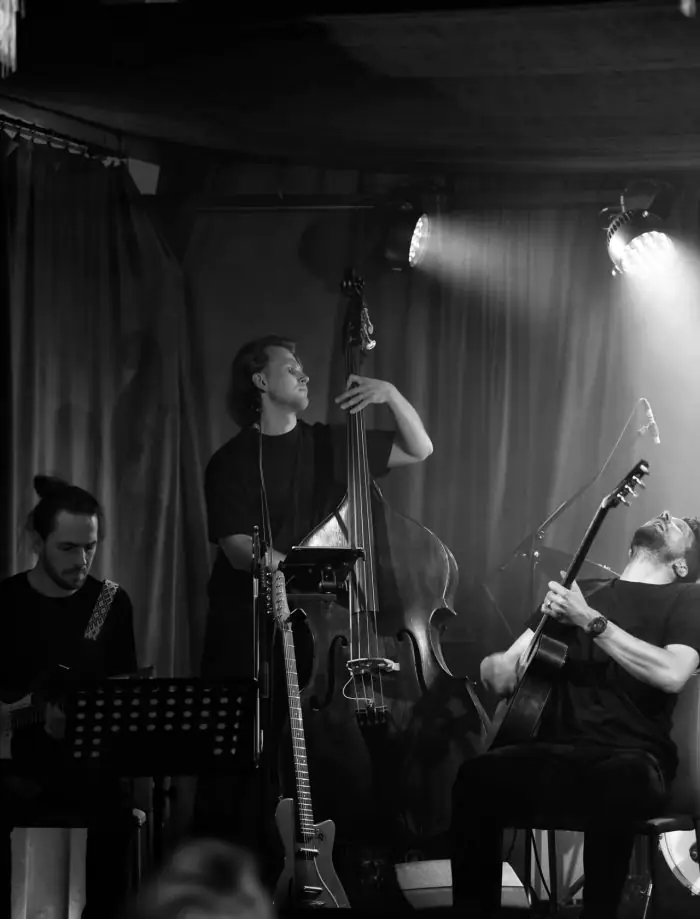
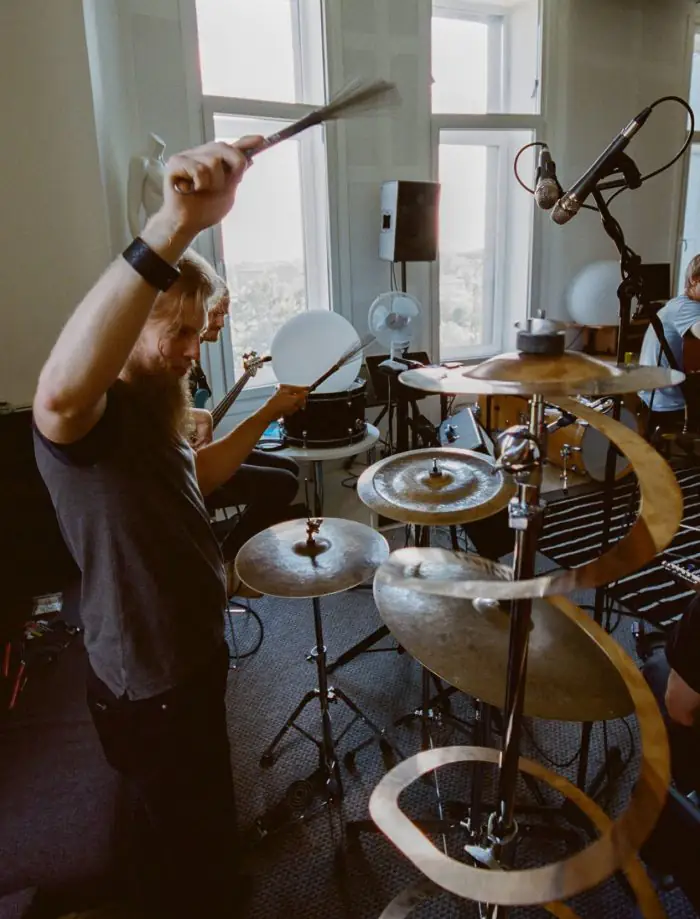
“Music is a wonderful means of communication: it can express things that are sometimes too difficult to put into words.”
In this sense, Rihards Lībietis is something of a musical chronicler. His eight albums, recorded both as solo works and with Rihards Libietis Orchestra and his other projects, capture different states of the human experience and different moments in time.
Lines and Miniatures is about striving toward the light despite the challenges of the modern world. Willful Blindness explores our responsibility to ourselves and our ability to believe in our own strength, even when we underestimate it ourselves. And Scream, Breathe, Cry simply invites us to stop for a while: to imagine ourselves on a misty riverbank, at the top of a mountain, or somewhere else we particularly wish we could be right now.
Perhaps that is precisely the idea behind Rihards Lībietis’s music: not so much to tell the listener a finished story as to create a space in which they can hear their own.
Melo-M
THE MAGIC OF THREE CELLOS
Think of your favorite song. Now imagine that all the instruments in the world, except three cellos, suddenly disappear. Would your song sound just as beautiful? We are convinced it would—provided those cellos are in the hands of Kārlis Auzāns, Miķelis Dobičins, and Jānis Pauls.
In the early 2000s, Kārlis Auzāns, now a renowned Latvian multi-instrumentalist and composer who writes music for film, theatre, and television, began wondering: what if you take cello beyond the boundaries of classical music and use it to play, say, pop and rock? And what if you continue that experiment on an international level? So in 2005, together with two other cellists, Miķelis Dobičins and Jānis Pauls, he founded Melo-M. Three cellos became the foundation of a project conceived as an experiment from the very beginning: the musicians wanted to erase the boundary between classical and popular music and show that classical instruments can sound and be perceived so much differently.
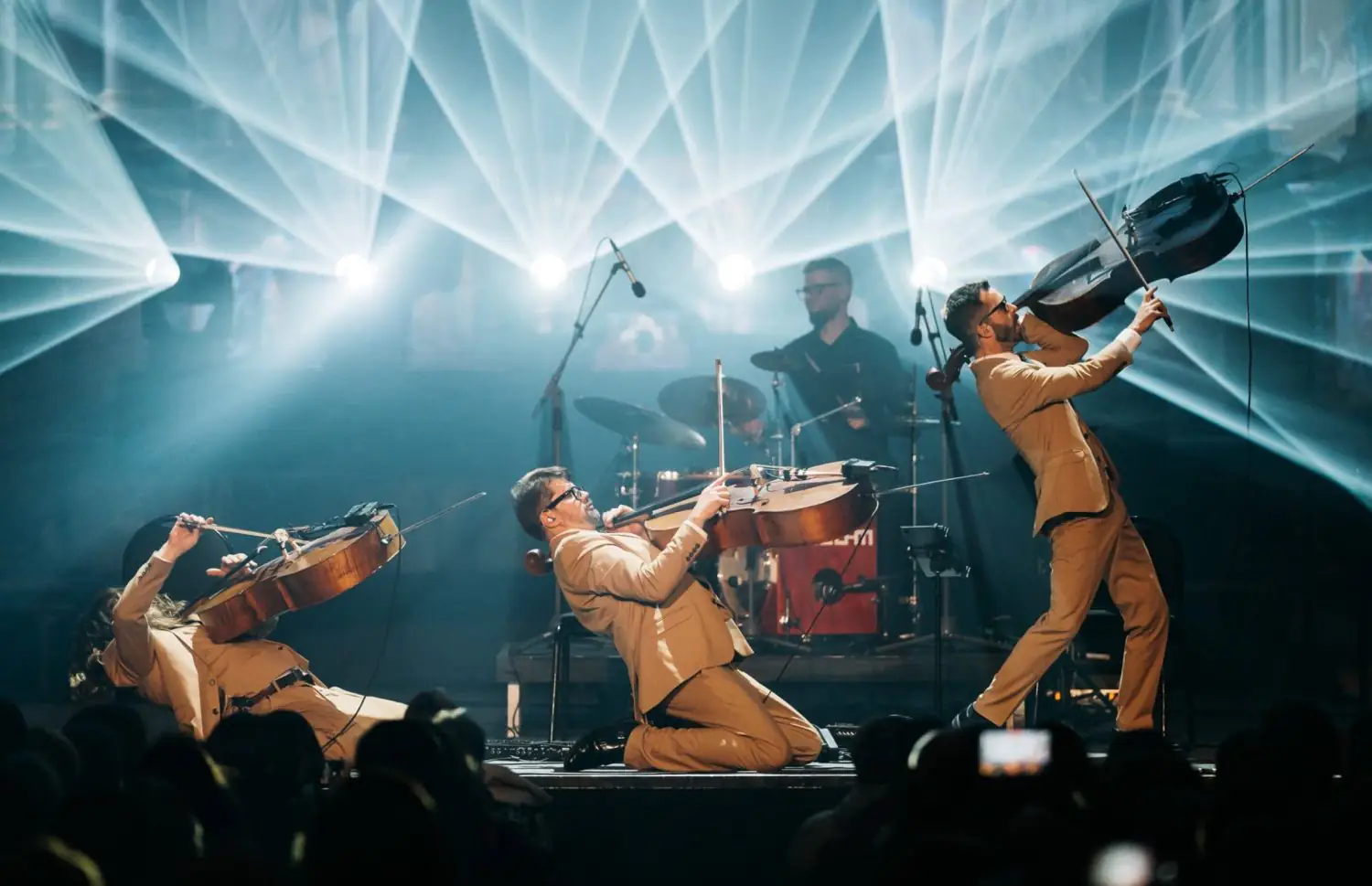
And it turned out that three cellos can actually do quite a lot. Starting out with rock versions of well-known Latvian songs, Melo-M gradually expanded its repertoire to music from a wide range of genres. Today, it features unusual arrangements of international hits, from The Final Countdown by Europe to No Surprises by Radiohead and Clocks by Coldplay. In recent years, the musicians have also increasingly turned to their own compositions: the album From the Forest We Come consists entirely of original music.
“We can transform ourselves into anyone—we can be very serious and respectable, and at the same time we know how to have a good bit of fun and mischief”
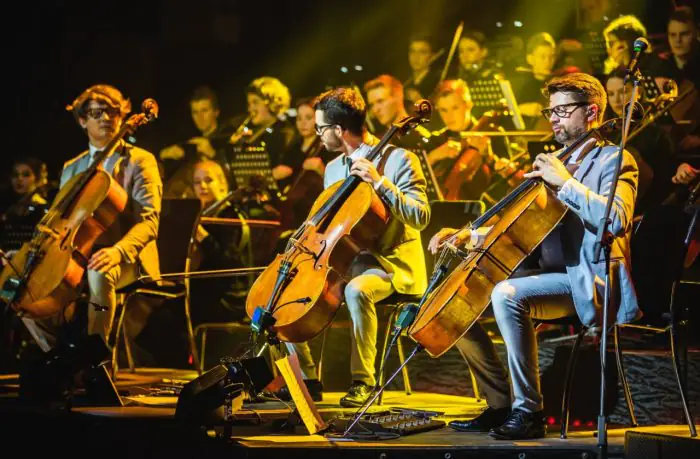
Over time, the three cellos have been joined by drums, and since 2015, Melo-M has also been putting on Melo-M Mega Orchestra concerts that bring hundreds of cellists of all ages together on a single stage. Yes, hundreds of cellos on one stage. Try to listen to The Beatles’ Come Together performed this way. It’s beautiful!
Cello is often said to be one of the instruments closest to the human voice. Melo-M made this voice reach not only fans of classical music.
Deniss Pashkevich
Deniss Pashkevich is a musician who needs no introduction to many people. A saxophonist, flutist, and composer, he is one of the driving forces behind Latvia’s jazz scene. Today, his main instrument is saxophone, but few people know that piano and flute are the two instruments that Deniss began his musical journey with. He had to switch from piano to flute because of a serious hand injury, while his move from flute to saxophone came after he fell in love with improvisation and jazz. “He hit me with Coltrane.” This is how Deniss once recalled his teacher Vladimir Kolpakov, a guru who became his main guide into the world of jazz and improvisation.
Today, Deniss himself has become that kind of guide, having long established a reputation as one of the country’s most influential jazz musicians and educators. It would be difficult to list all of his musical achievements: to date, his résumé includes dozens of released albums and collaborations with world-renowned jazz musicians such as Tim Miller, Randy Brecker, Tim Hagans, and Jacky Terrasson, among many others. Deniss is also the founder of the Deniss Pashkevich Quartet, DP Trio, the Jazz Room Fest festival, and the Riga Room Records label.
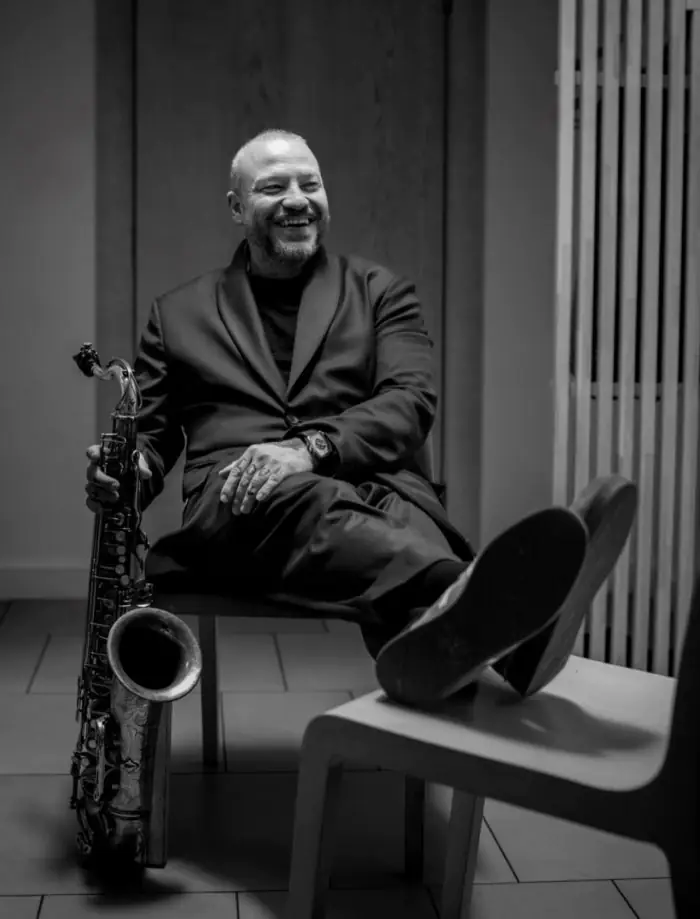
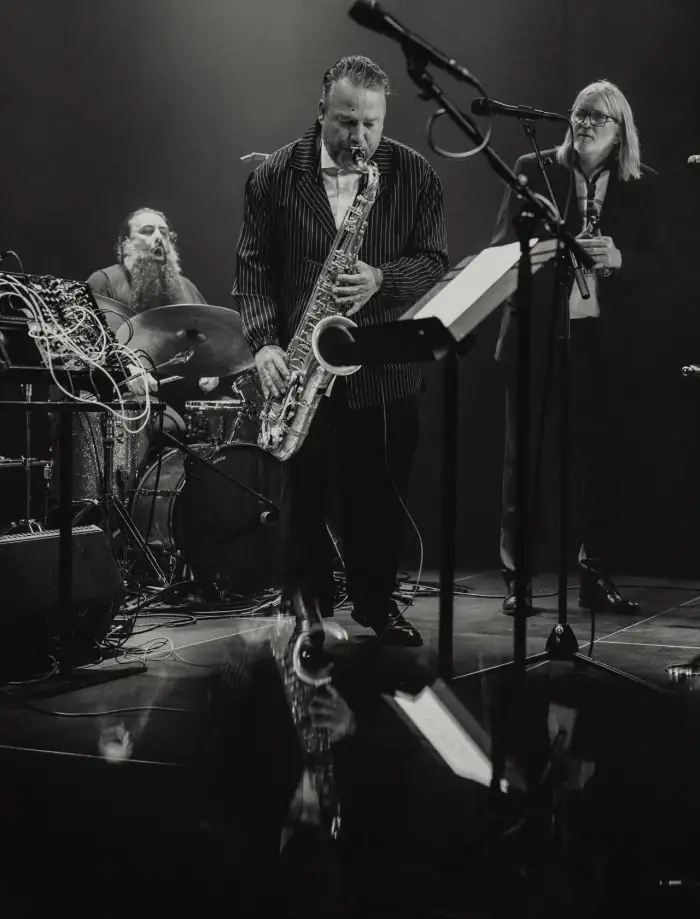
The musician himself describes his music as “a combination of jazz traditions with new, innovative means of self-expression.” He creates intellectually sophisticated, meticulously crafted music, incorporating modern harmonies and masterfully combining them with free improvisation. And his approach to the saxophone is equally unique: in a 2019 review for DownBeat magazine, Anthony Dean-Harris compared Pashkevich’s saxophone to an airplane “gliding through turbulence.” We absolutely agree with this comparison.
Toms Rudzinskis & Toms Rudzinskis Quartet
YOU JUST BREAK THE FLOW
Composer, saxophonist, and educator Toms Rudzinskis is another key figure in Latvia’s contemporary jazz scene. He once traded classical saxophone for jazz—and now creates something truly magical with the instrument.
Toms is a master of improvisation. As a teenager, he was inspired by the music of Tom Brown—and decided to create something equally beautiful and “literally out of nothing.” That was how he understood improvisation at the time. For many years, Toms had been trying to develop his own formula for improvisation, striving for greater freedom and creativity in performance. Eventually, he came to the conclusion that “the key to creativity and improvisation is simply being in the moment, simply being here and now.” If you listen to his music, you will inevitably find yourself returning to that “here and now.”
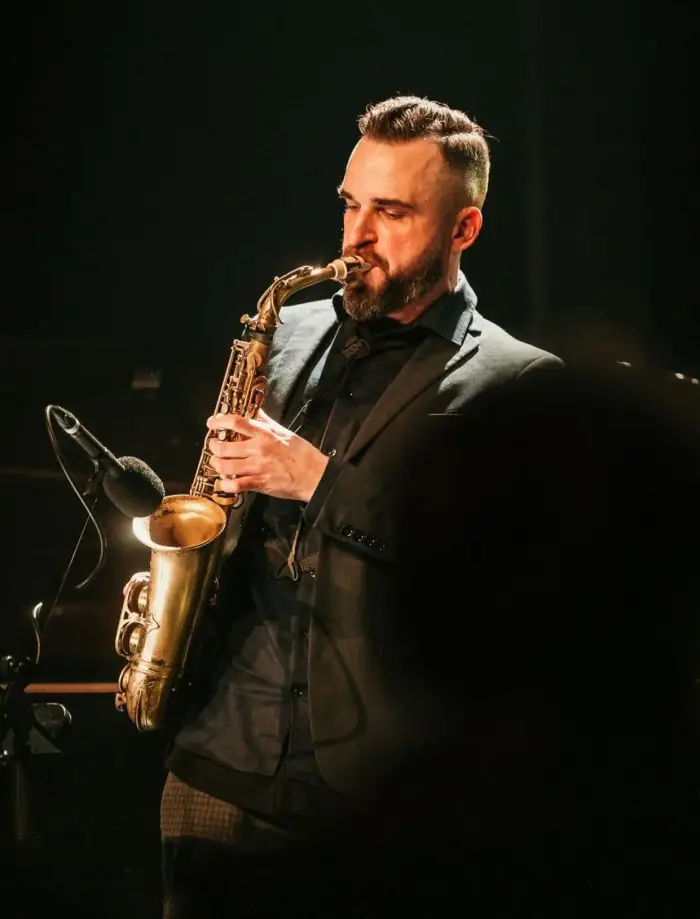
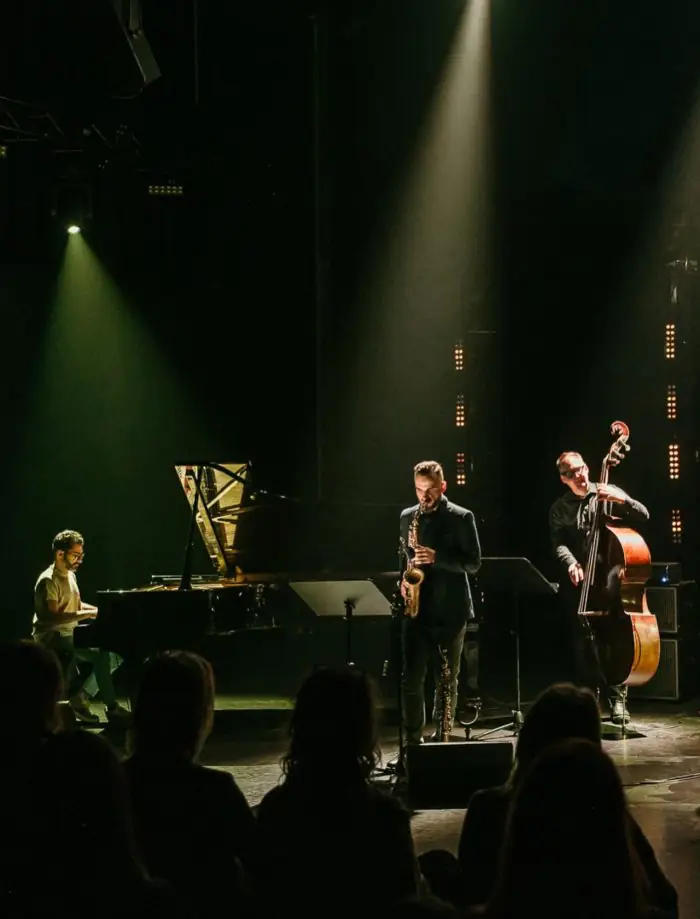
In 2011, while still studying at the Conservatory of Amsterdam, Toms founded his own band, the Toms Rudzinskis Quartet. The quartet’s lineup has changed over the years, but today its core members, alongside Toms, are keyboardist Alex Koo, double bassist Igor Spalatti, and drummer Ivars Arutyunyan. The music they create is jazz infused with different influences depending on the composition, ranging from post-bop to classical music. In 2025, their second album Interception won the Golden Microphone award for Jazz Album of the Year. The musicians tour extensively around the world, while in Latvia they can most often be heard in the intimate setting of M/Darbnīca.
Very Cool People
MAKING SERIOUS MUSIC ACCESSIBLE TO EVERYONE
In 2007, guitarist Elvis Grafcov’s desire to “bring jazz and funk back to the dance floor” inspired him to form his own band. Nearly twenty years later, he and his team—Māris Vitkus, Jānis Olekšs, Andris Buiķis, Māris Jēkabsons, Oskars Ozoliņš, Laura Rozenberga and Kristaps Lubovs—continue to create music that the musicians themselves describe as “an injection of funk and soul combined with jazz, surf, and klezmer.” In other words, very positive music.
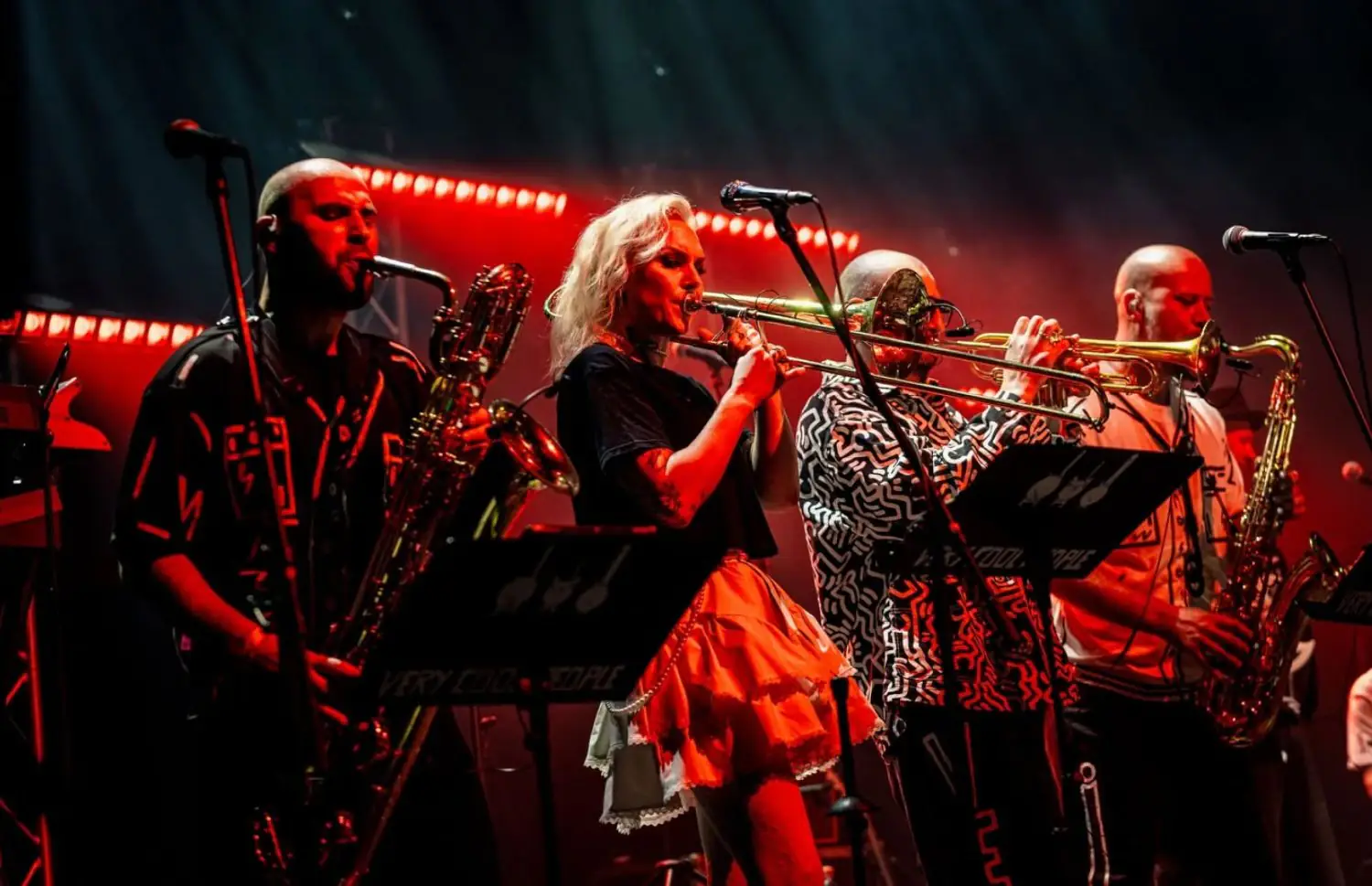
“They create a sparkling cocktail of funk, jazz, and blues, adding other spices known only to them.”
MŪZIKAS SAULE
At first, the band performed exclusively instrumental music, but over time, vocals began to appear more and more frequently on their albums—of which they now have ten. This led to collaborations with some of Latvia’s best-known vocalists, from Žoržs Siksna to Aija Andrejeva and Evilena Protektore. In 2018, they recorded their first joint single, Pa apli, with rappers ansis and Edavārdi. Listen to how it sounds—we bet you don’t hear a combination of jazz-funk and rap so often.
In 2024, Very Cool People released the album Dzīvs, adding fiery, juicy electronic rhythms to their familiar instrumental sound. And this is, in fact, one of the band’s defining characteristics: while remaining devoted to the finest traditions of funk and jazz, they are never afraid to experiment and constantly surprise listeners with unexpected musical combinations. Listening to their music, we can’t help but think of Louis Armstrong’s words: “What we play is life.”
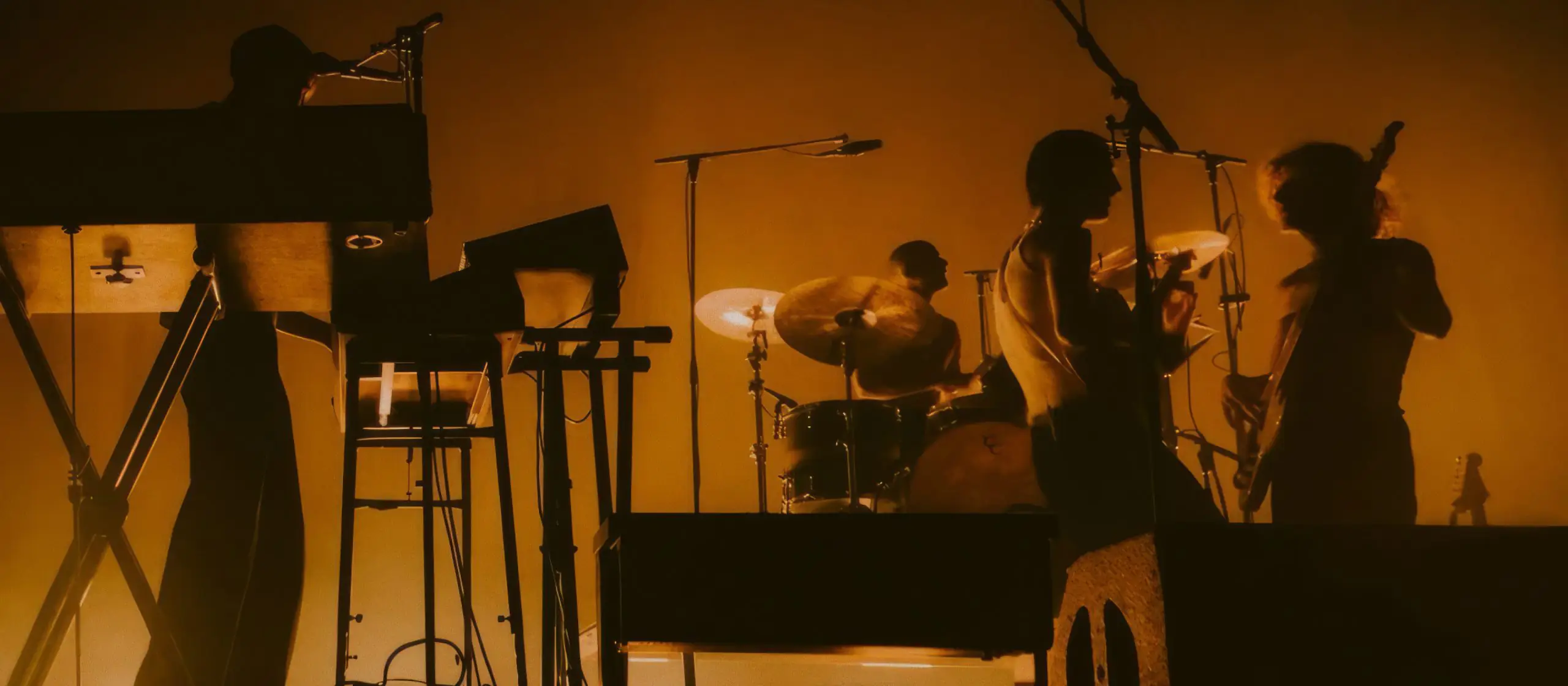
No selection can fully capture all the talented Latvian musicians—both established and emerging—who have devoted themselves to instrumental music. We recommend keeping an eye on the event announcements from M/Darbnīca, Masa Studija, Kultūrbārs, and other wonderful venues. Every week, they host concerts by musicians who may well find an important place in your heart—and in your playlist.