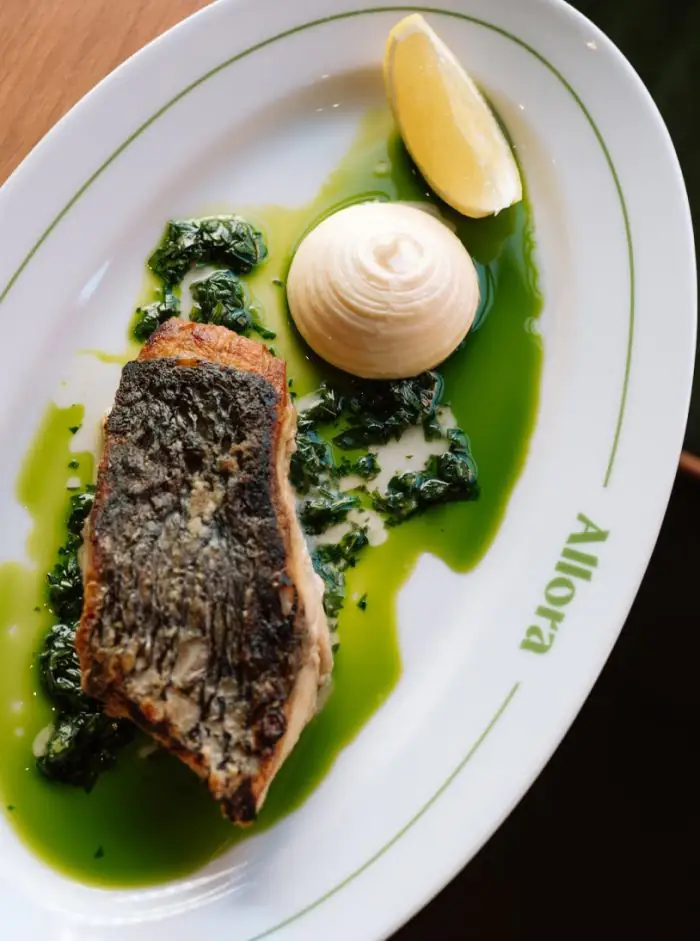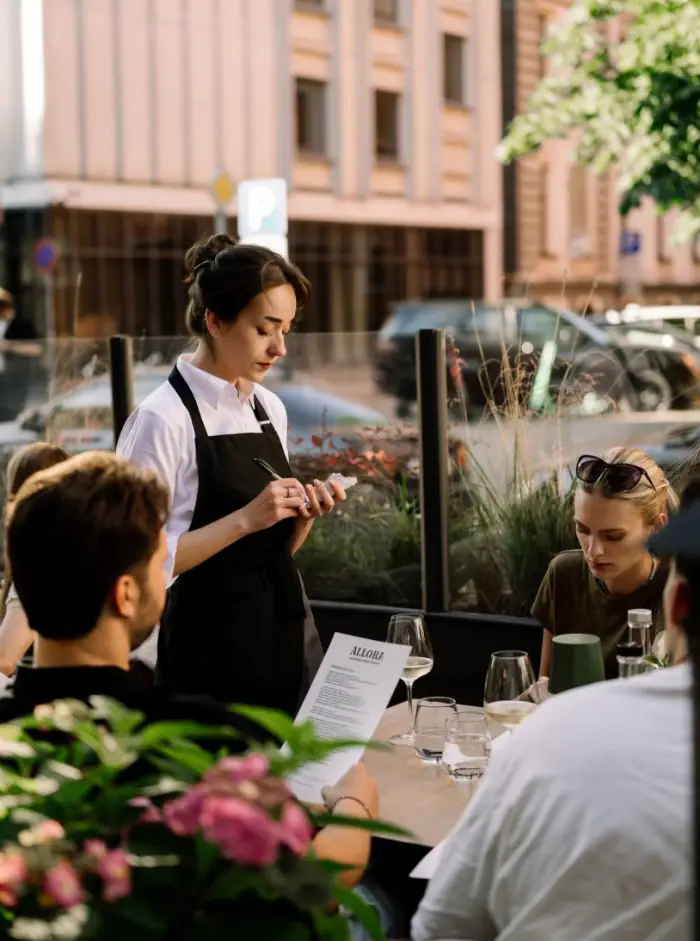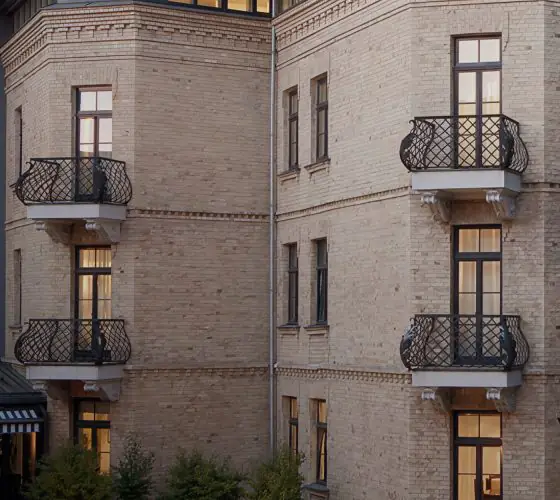
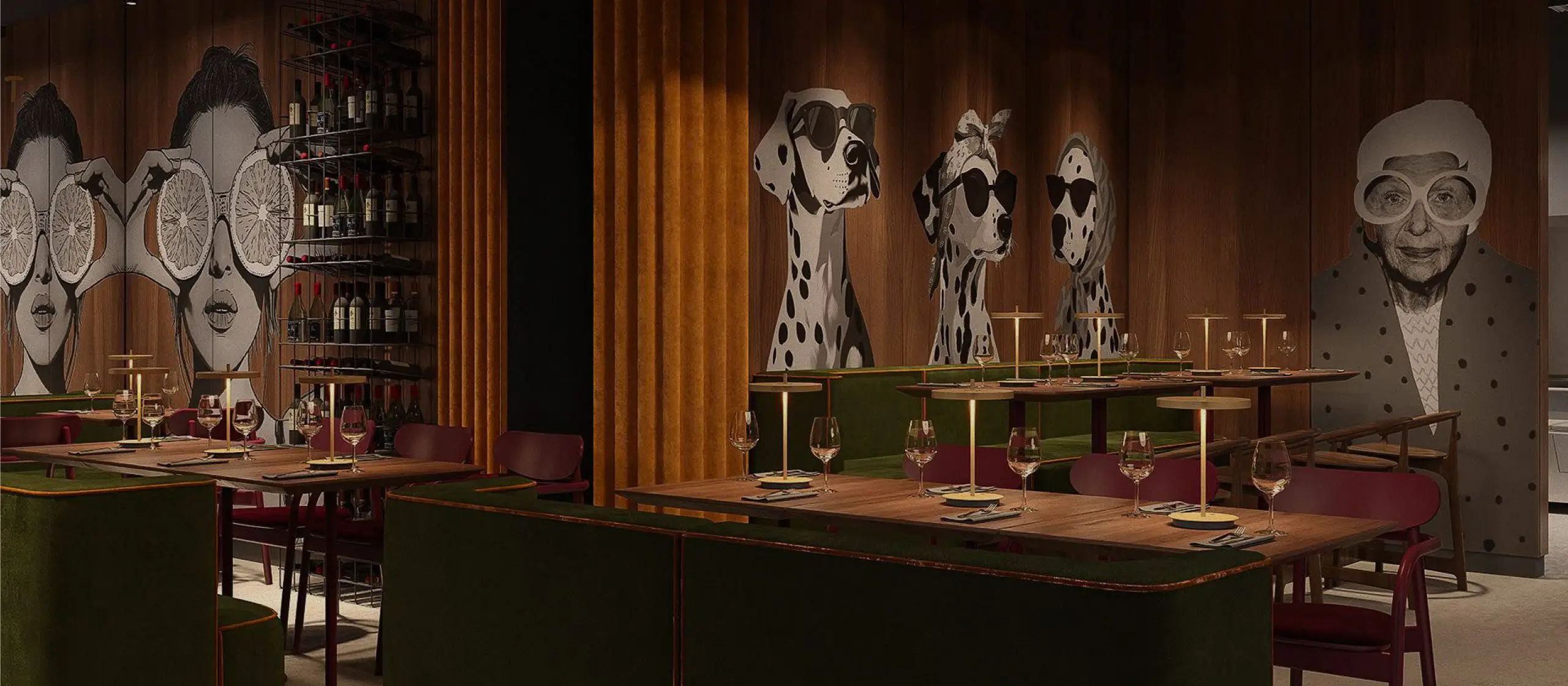
Following the transformation, Allora celebrated its new beginning with a grand opening this July. The restaurant now feels more vibrant and expressive, bringing together Italian and Spanish influences with carefully sourced local produce and a menu that changes with the seasons.
At the table, the focus is on variety—from generous plates to ingredient-led dishes and comforting Mediterranean favourites, with enough spontaneity to keep things interesting. The result feels thoughtful, warm and quietly confident—a place that has clearly found its own rhythm.
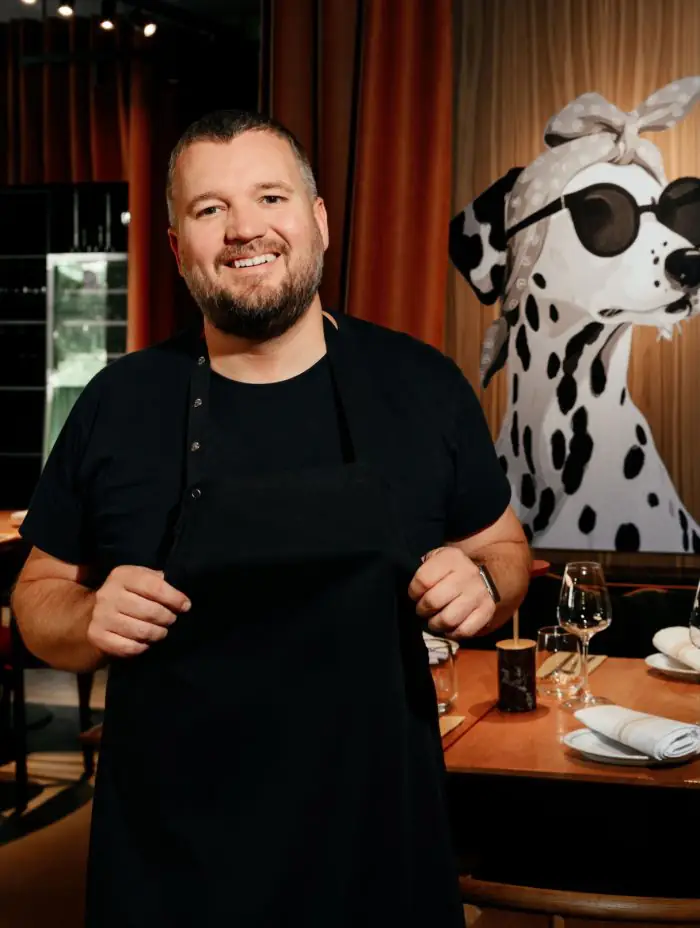
It’s fair to say that Allora was a very different restaurant before you came on board, right?
Chef: Right. The restaurant used to be Italian, with a stronger focus on pasta—more of a classic osteria. Once the ownership changed and I was invited to join, I had the opportunity to bring more of my own vision to the restaurant.
Of course, I could have kept working with the previous menu, but that felt strange. someone else’s menuWhen a new chef comes in, the menu should change too.
Allora is now a Mediterranean restaurant. Why did you choose this particular concept, especially here in Riga?
Chef: Well, the restaurant was already Italian, and we wanted to continue in that direction.
I wanted the flavours to feel more Mediterranean: more olive oil, less butter; more olives, anchovies and citrus; more freshness and brightness. I personally love both Spain and Italy, so I wanted to bring the two together while keeping the flavours authentic and vibrant.
That’s also why the menu changes with the seasons, with something new whenever possible. Winter will probably be more challenging, when there’s less local produce available, but we’ll find a way to work around that. We can use pickled and preserved ingredients as well.
Was the choice of this concept influenced by your previous experience? And could you tell us a little about your background?
Chef: I lived and worked in Copenhagen. I first went there for a stage—a kitchen internship—at Noma, which by then had already been named the best restaurant in the world several times. Afterwards, I worked at a modern Danish restaurant with a strong focus on fermentation and pickling.
What I learned there was that the best cooking starts with the finest seasonal and local ingredients available.
That’s still how I work today. I buy something fresh every day—local vegetables, berries, whatever is at its best at that particular moment.
There I also opened a small pintxo bar—a place for snacks, anchovies and all kinds of pintxos. A pintxo is something small, usually served on a piece of bread or on a skewer.
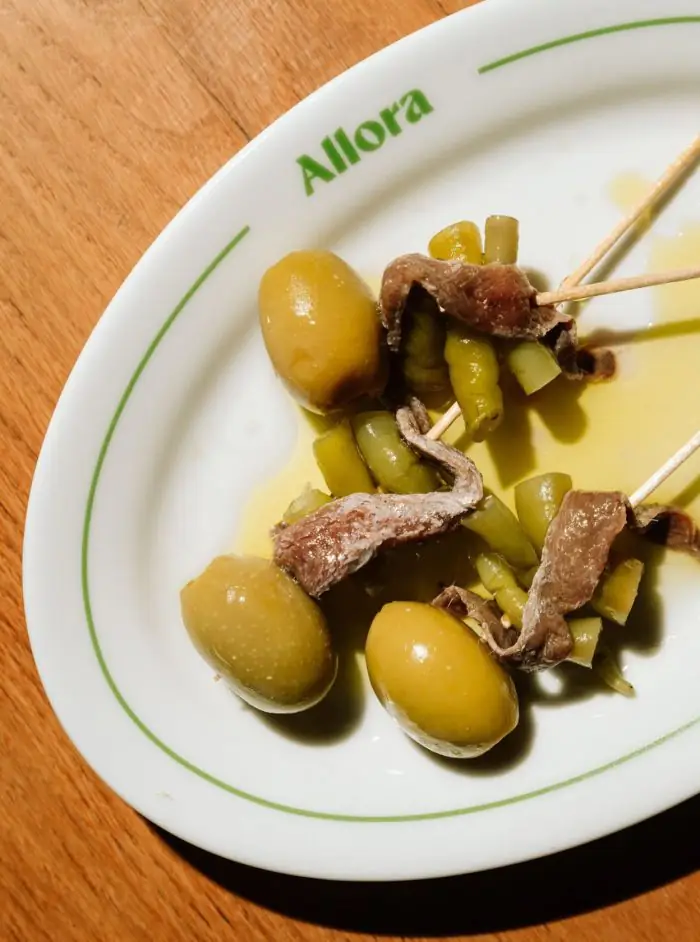
By the way, now we have a gilda on our menu at Allora. Gilda is considered the first pintxo ever created in the Basque Country: an olive, a Cantabrian anchovy and a pickled green pepper. Simple, but good!
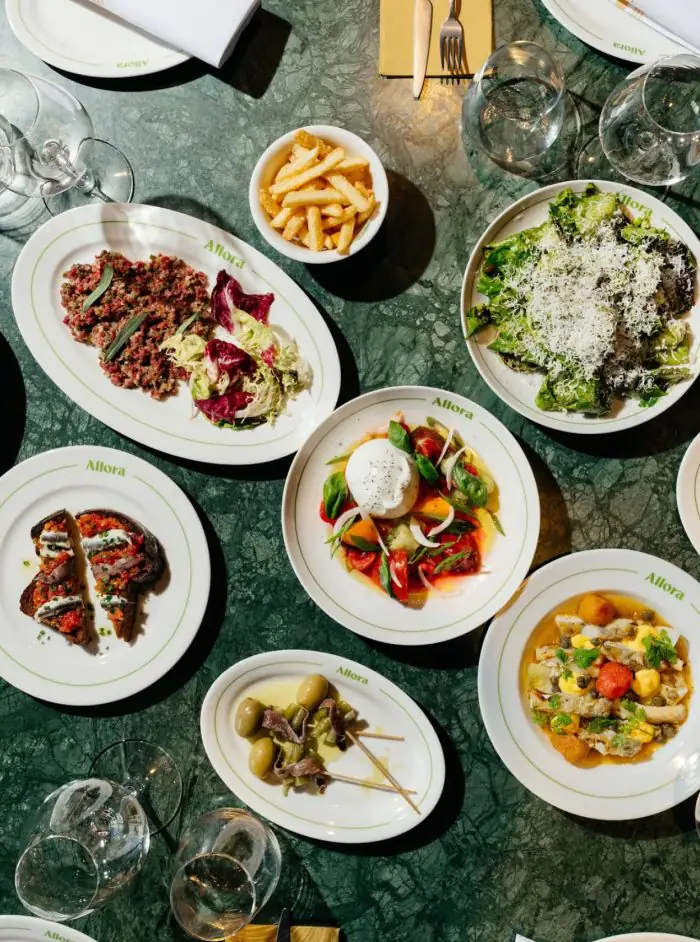
Sounds delicious! Let’s talk a little more about the food. How is the menu at Allora structured, and what can guests expect to find?
Chef: The first section of the menu is made up of small snacks that can be served quickly—perhaps with a glass of wine while you wait for the rest of the dishes. That’s how I like to eat myself, too: I want people to share food, and when I go to a restaurant, I prefer to order several different dishes for the table so that everyone can try a bit of everything.
Then we move on to the main courses, side dishes and, of course, desserts.
The menu is always flexible: we can replace a dish, add something new, or run a special whenever I come across an interesting ingredient that I want to work with.
There should be something for everyone—fish, vegetarian dishes, meat, and something a little more substantial. I think around 30 items on the menu is enough.
Is there one dish you’d single out—perhaps a personal favourite or one with a story behind it?
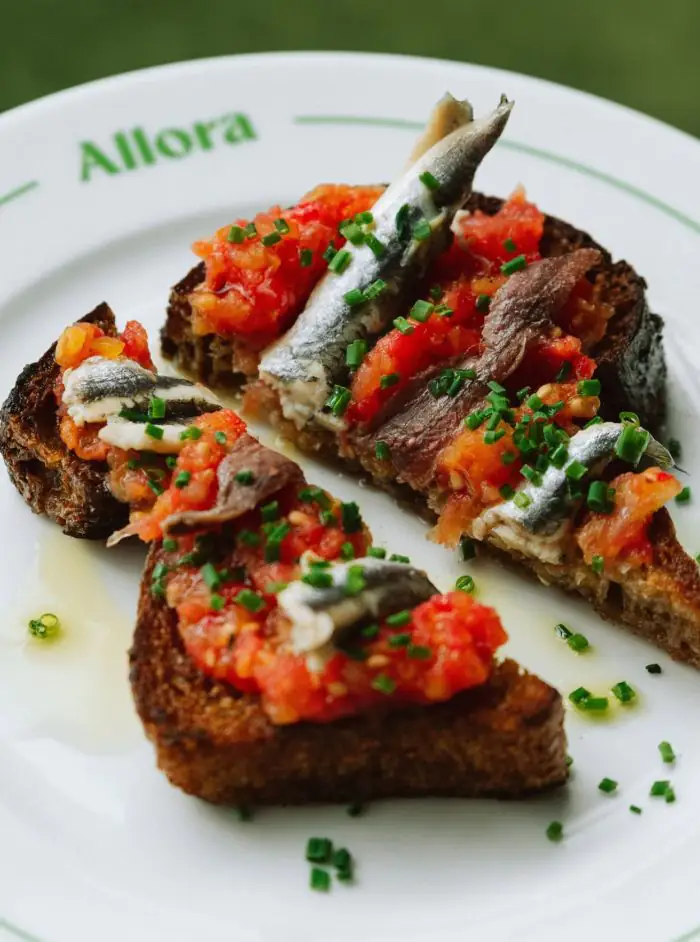
Chef: One of my favourites comes from childhood: bread with tomatoes. Even now, in summer, when tomatoes are in season, it’s still one of the simplest things I love: toasted bread rubbed with garlic, topped with tomatoes and a little salt. Nothing else.
Our version here is quite similar. We make the sourdough bread ourselves using a blend of wheat and rye flour. We bake it fresh every morning, then toast it in butter with a little garlic.
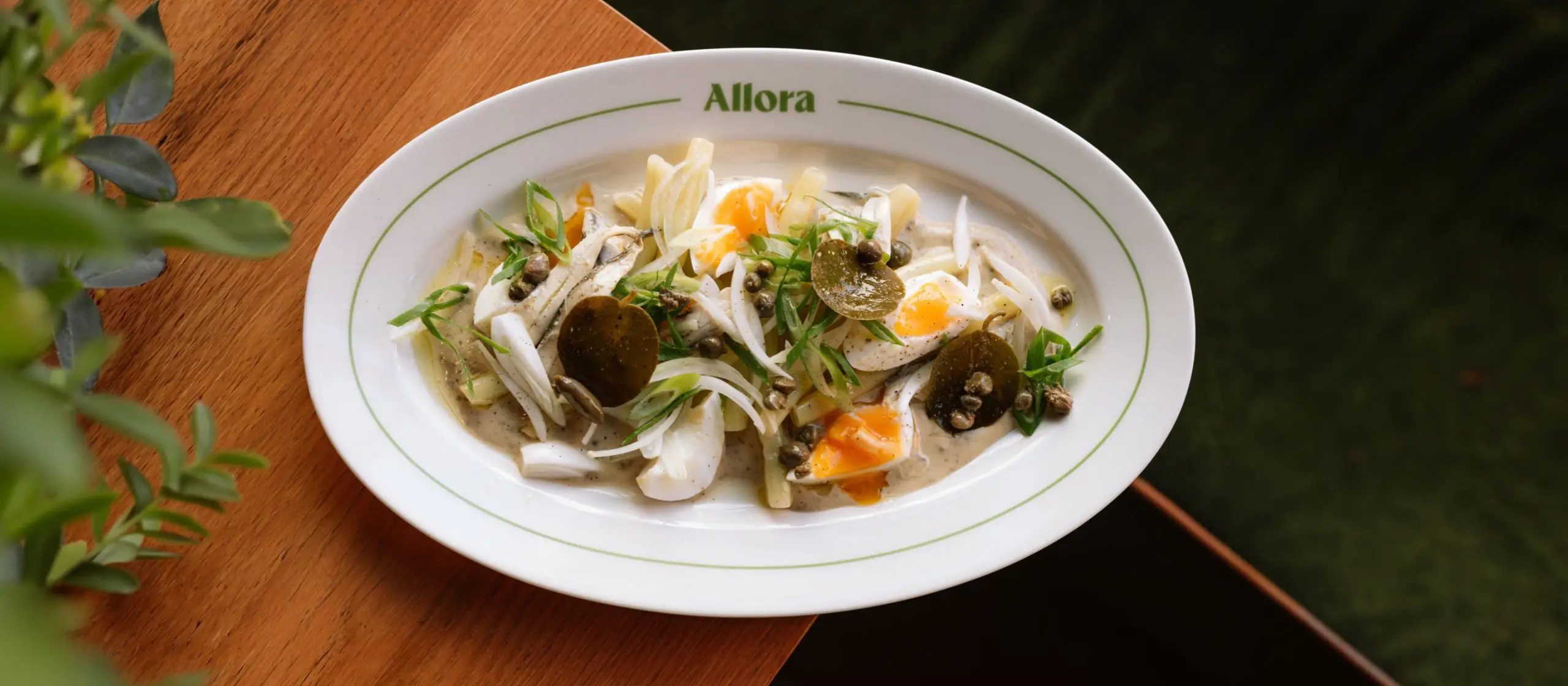
We grate local tomatoes in the style of Spanish pan con tomate, drain off the excess liquid, and mix the pulp with olive oil. Then we add two kinds of anchovies: white anchovies marinated in vinegar and classic salt-cured, fermented anchovies.
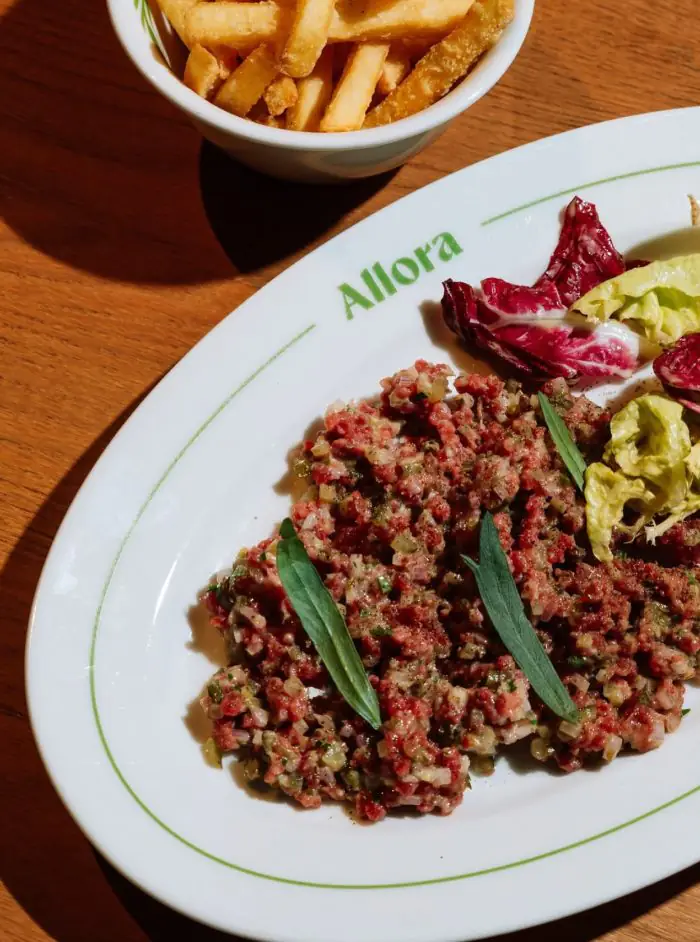
Another dish I love and often make at home is a classic beef tartare. Our recipe is based on the traditional French version, and we grind the beef rather than chop it by hand.
We add capers from Pantelleria, a small Italian island known for producing some of the best capers in the world. The tartare also includes shallots, parsley, tomato sauce, egg yolk, anchovies and various seasonings—around 12 ingredients altogether.
I also enjoy serving whole fish in a Spanish style: garlic, olive oil, and a little fish stock.
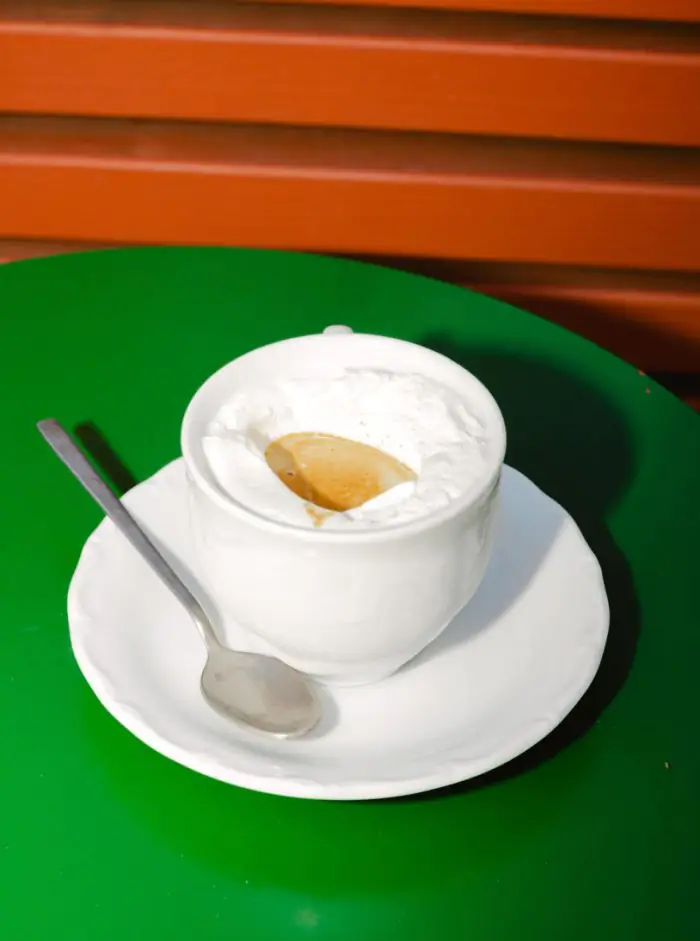
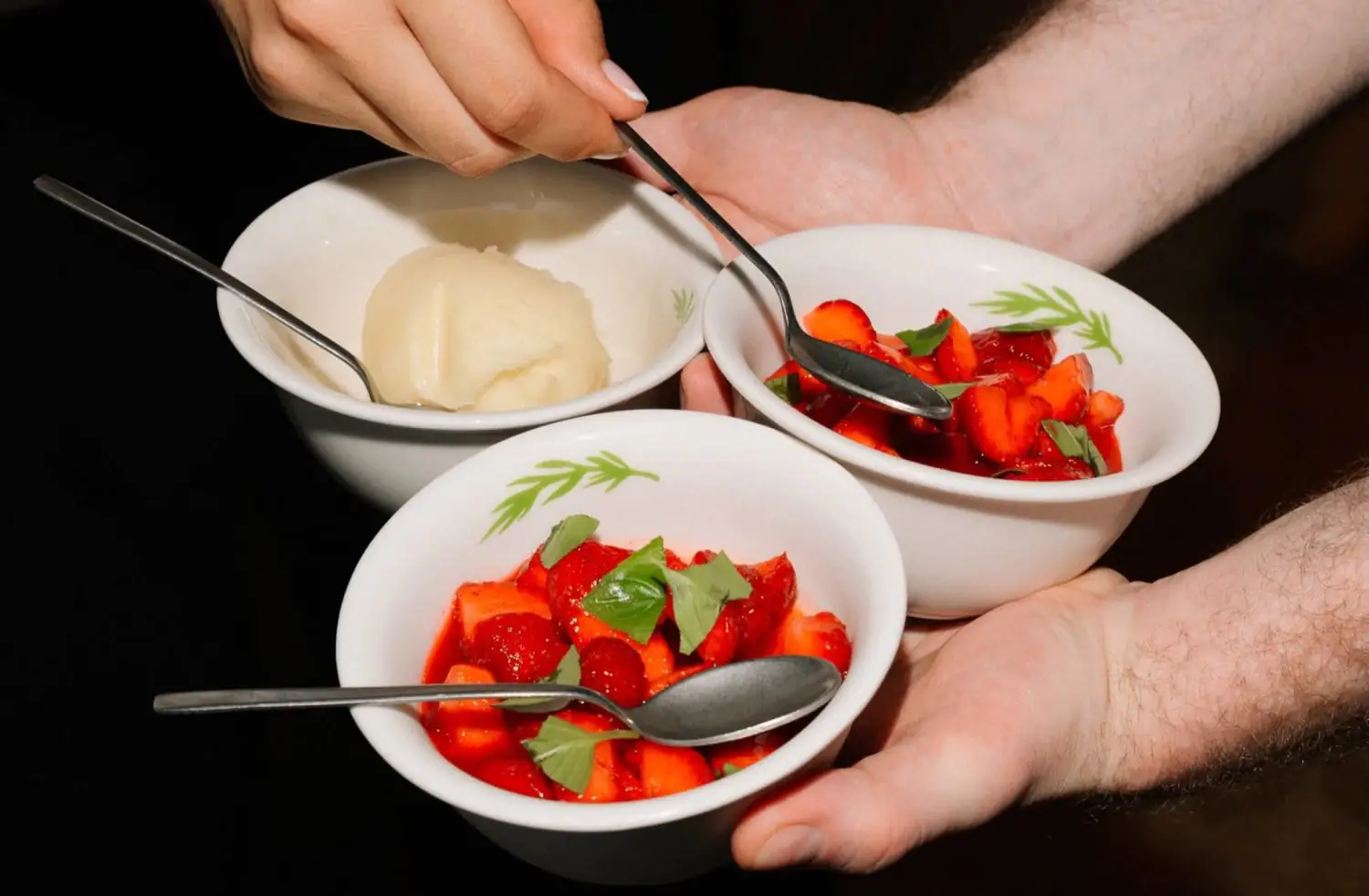
As for the desserts, the most interesting one for me is the meadowsweet panna cotta. The meadowsweet season is very short—only about two weeks—and it has a fascinating flavour: slightly almondy, almost like marzipan, with notes reminiscent of tonka bean and vanilla.
What are the key ingredients of a successful restaurant?
Chef: For me personally, the team always comes first. It’s the hardest part to get right, but also the most important.
There’s also a rule of thumb I follow: 50% is the food, 20% is the service, another 20% is the drinks, and the remaining 10% is the interior and atmosphere.
And finally, what would you like guests to feel when they leave Allora?
Chef: Of course, guests should feel that they’ve been well looked after. Above all, they should feel that they ate well, enjoyed their time here, and simply want to come back — that’s the most important thing.
And yes, you can usually sense it when guests say goodbye. If they thank you and leave happy after enjoying their meal, you know you’ve done everything right.