September
EAT GINGERBREAD AT MIĶEĻI
This year, the autumn equinox falls on the night of 23 September. In Latvian tradition, this time of year is associated with Miķeļi, a celebration marking the end of the harvest season and the sun’s transition towards winter. Following the arrival of Christianity, the feast became associated with 29 September.
Harvest fairs lie at the heart of the celebrations. On September 26, Riga’s Old Town will play host to a market featuring farmers from across Latvia. Elsewhere in the country, women will be baking bread while men serve homemade beer.
The traditional dish in the Kurzeme villages is sklandrausis or žograusis: small rye pastry baskets filled with a sweet mixture. They are sometimes referred to as ‘Sklānde gingerbreads’ in Russian. You can read more about the traditions, celebrations and rituals of rural Latvia in this article.
GATHER THE HARVEST
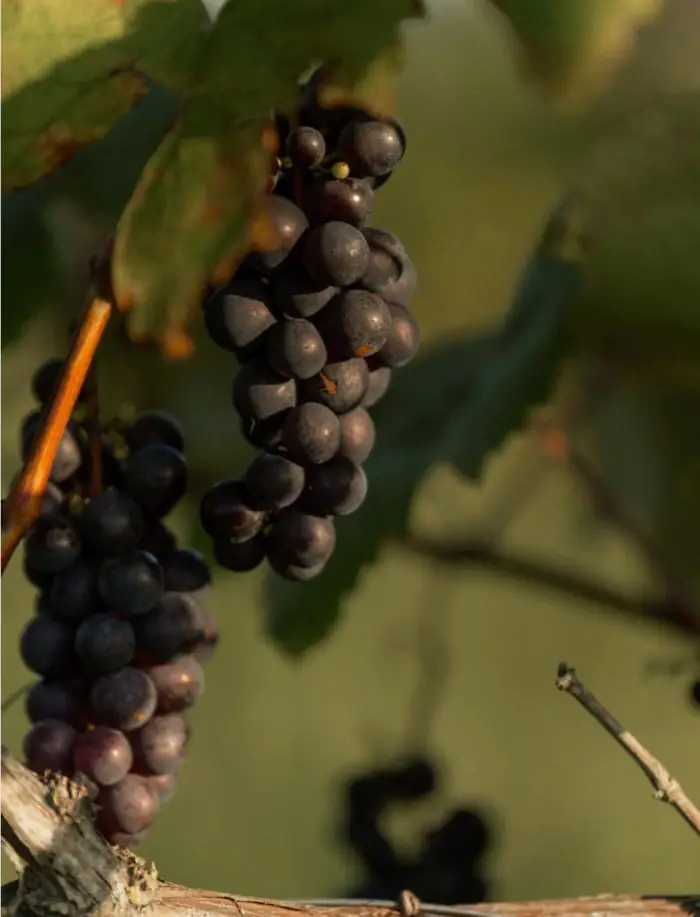
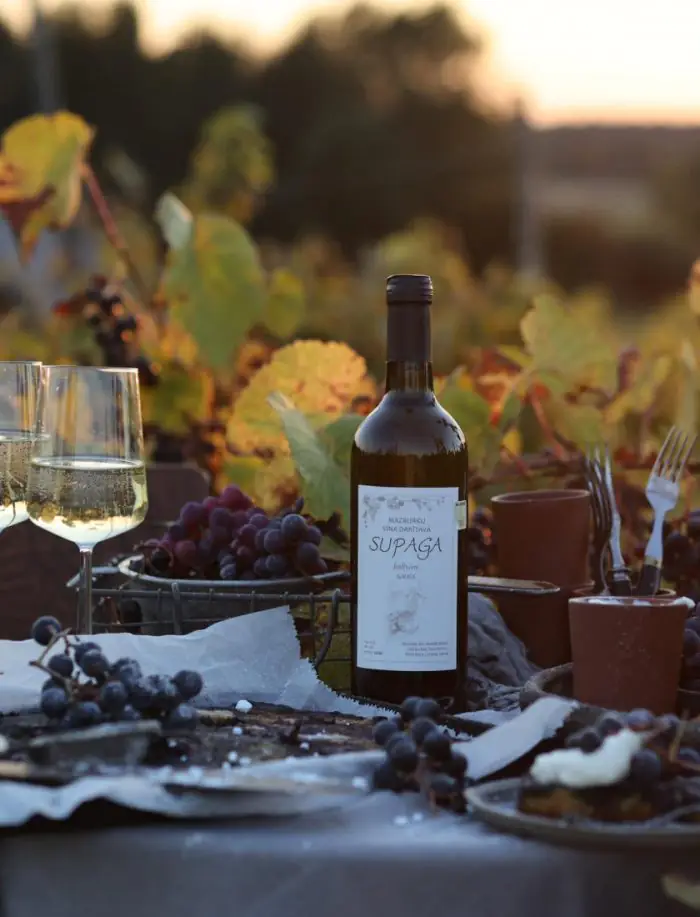
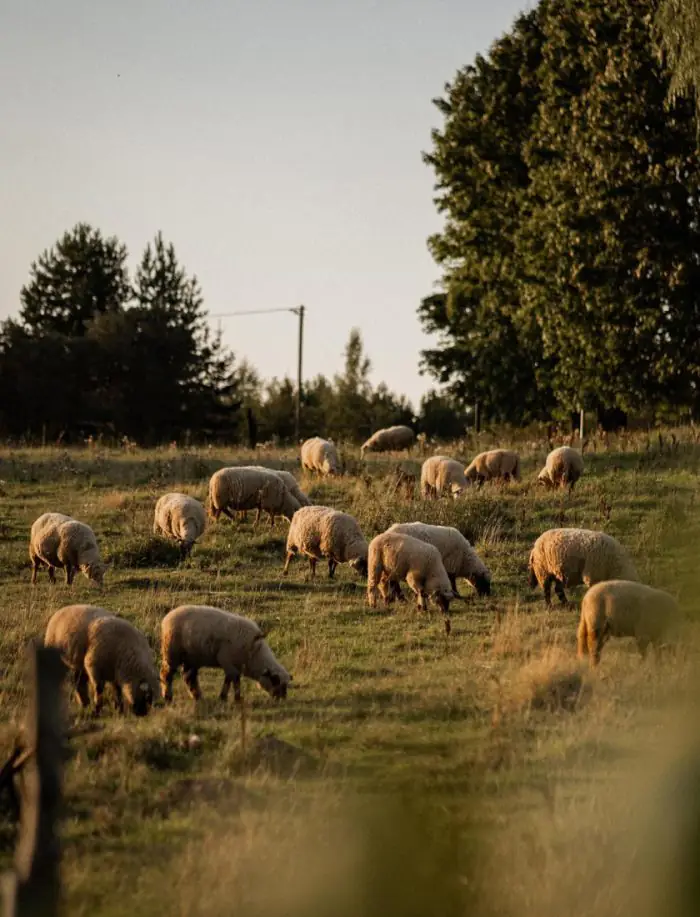
Even if you don’t have a garden of your own, you can still join the harvest. Mazburkas is a winery located along the A10 Riga–Ventspils highway where around 60 grape varieties are grown. Tours include a walk through the vineyards, a wine tasting session, and an introduction to the farm’s history. During harvest season, visitors can help with the grape picking and meet the resident flock of sheep.
Alternatively, you can stay on the property in wooden cabins surrounded by fields. Before heading home, why not pick up a bottle of local wine, some fresh lamb from the farm, or some grapes from the latest harvest? In our story about local winemaking, we explore how Latvia manages to grow grapes despite its northern climate.
GO MUSHROOM AND BERRY PICKING
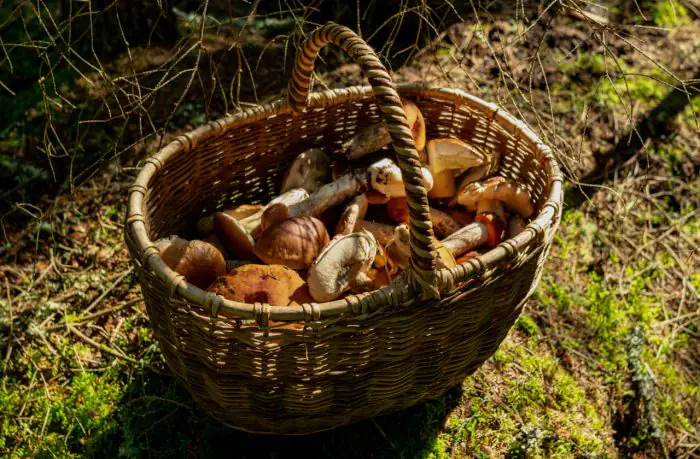
According to a Norstat survey, 91% of Latvia’s residents have picked mushrooms at least once, while around a third do so regularly. The forests managed by Latvijas Valsts Meži and Rīgas Meži are popular places to forage, where mushroom picking is usually free of charge. The Gauja National Park, the area around Tukums and the Amata Valley are among the best-known spots.
If you would like to combine foraging with hiking, we have compiled a separate guide featuring some of Latvia’s nature trails.
October
WATCH THE BIRDS HEAD SOUTH
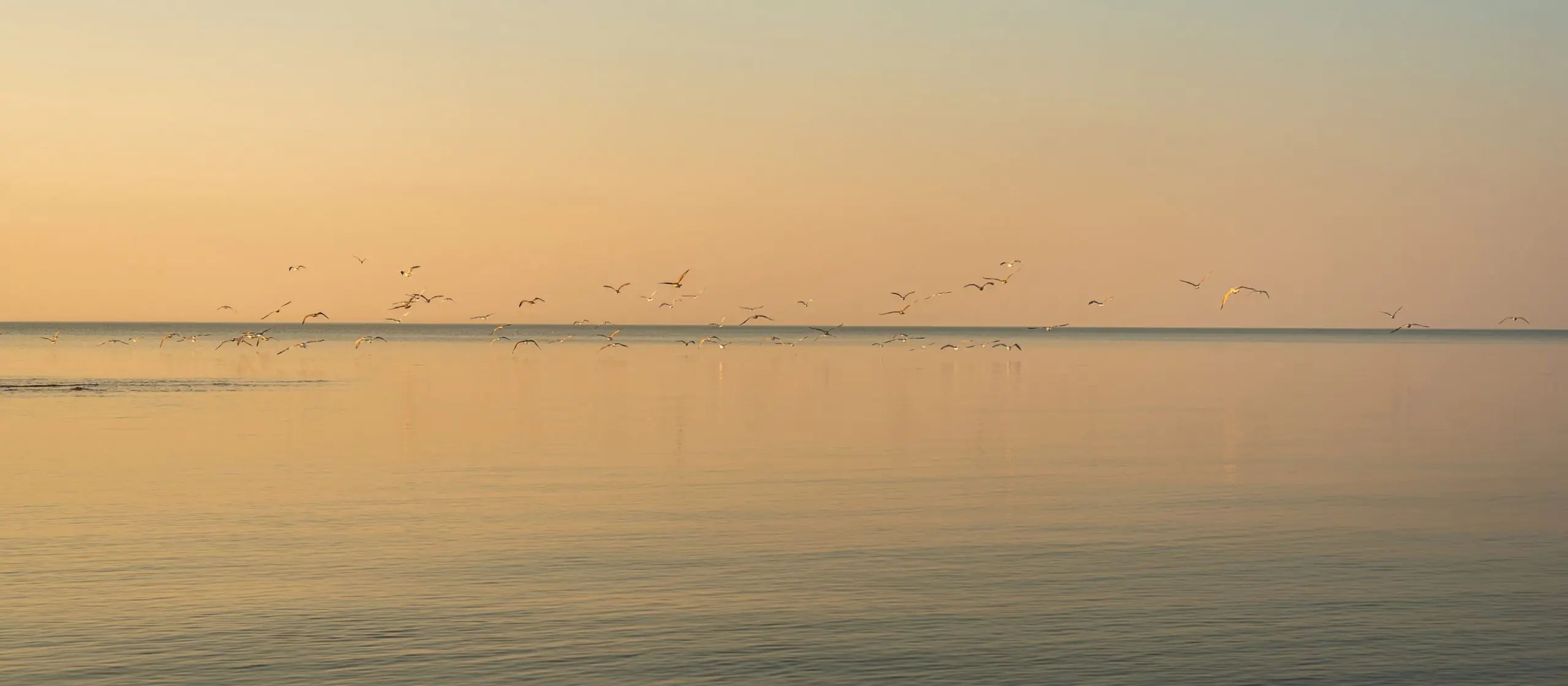
October is one of the best times of the year to watch birds on the move. Cranes and geese can be seen crossing the Latvian sky in V-shaped formations, while large flocks gather in the fields before setting off on their long journey.
Sunrise is the best time for birdwatching, especially on dry, still days.
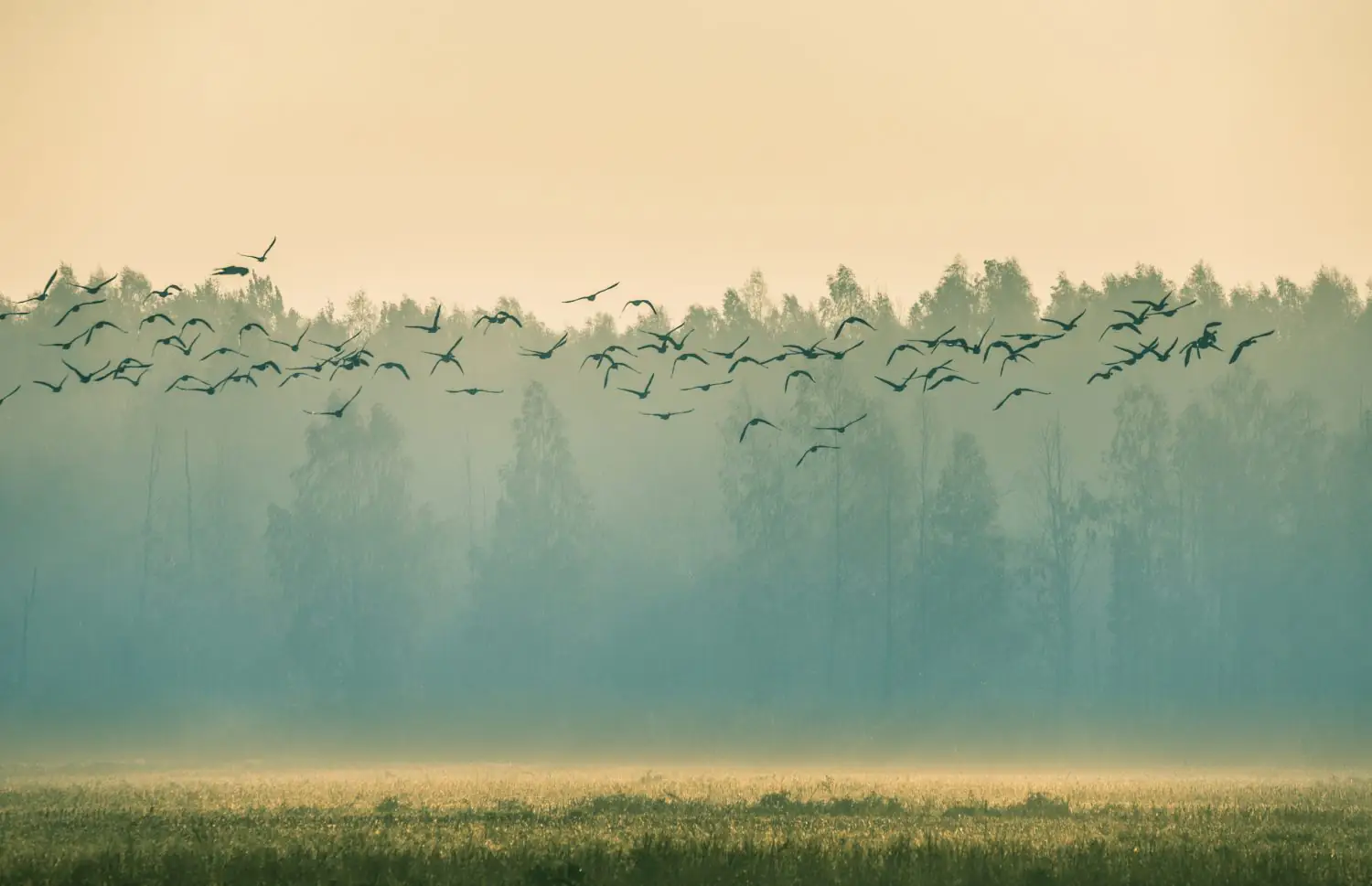
Pape in southern Kurzeme is one of the key places to see the autumn migration. A major migration route runs between the sea and the lake here. To avoid long stretches of open water, birds gather along this narrow strip of land, creating an impressive spectacle.
The Pape ornithological station has been operating since 1966. It is the only station in Latvia where migrating birds are ringed, and is open to visitors from August to mid-November. Pape can also be reached via the Baltic Coastal Hiking Route E9, one of Latvia’s most interesting long-distance walking routes.
WATCH FESTIVAL FILMS
From 15 to 25 October, Riga will host the Riga International Film Festival (RIGA IFF), which will feature more than 100 screenings over the course of ten days. The festival showcases films from around the globe and has long expanded beyond the traditional cinema experience.
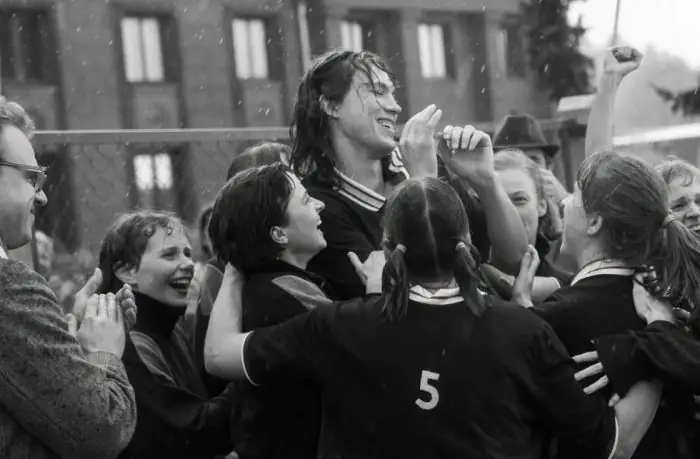
The main competition features nine films from Denmark, Latvia, Lithuania, Estonia, Germany and Sweden. The festival opens with Woman Unknown, directed by the Danish filmmaker May el-Toukhy. Filmed in Riga, this is the first Latvian co-production to be selected for the main competition at the Venice Film Festival.
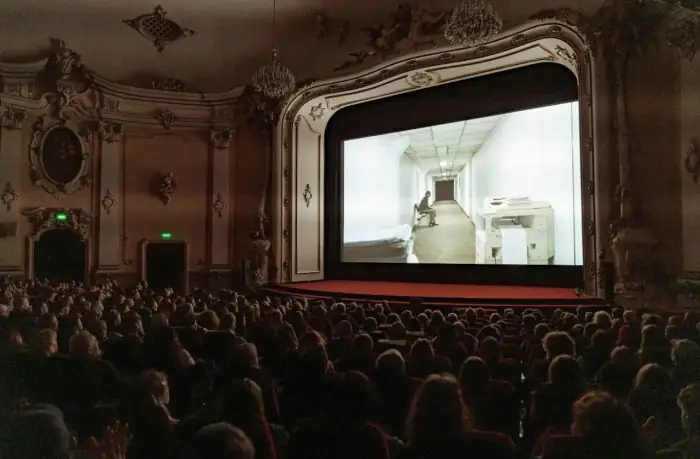
The main competition films are screened at the Splendid Palace, one of the most beautiful cinemas in the Baltic region. Opened in 1923, it was the region’s first purpose-built cinema — and the building alone is worth a visit, even if you don’t usually go to the cinema.
TAKE IN KULDĪGA
Kuldīga is a particularly appealing destination for a weekend getaway in autumn.
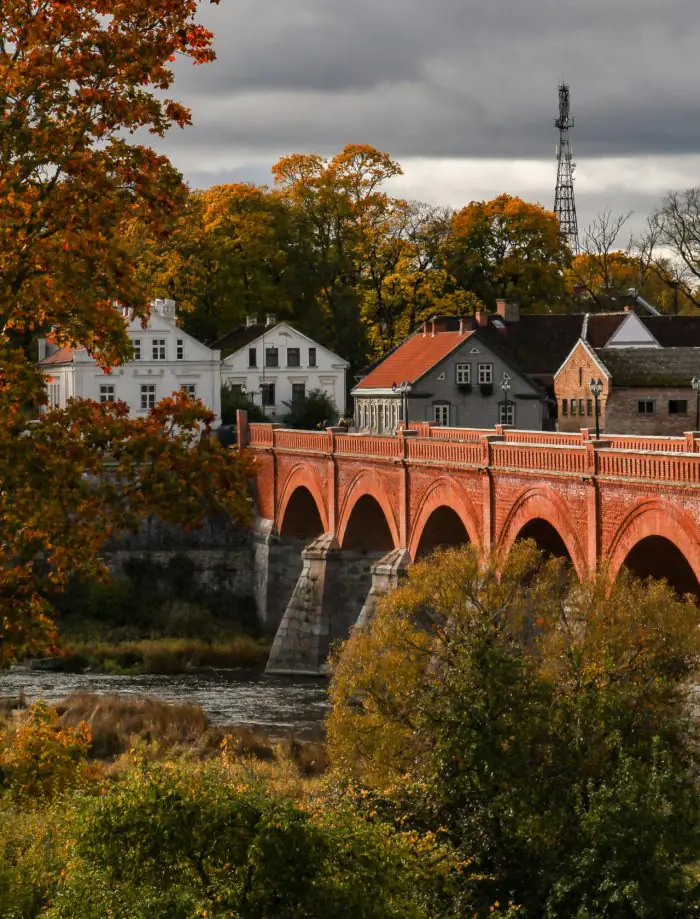
The yellow leaves contrast beautifully with the red-tiled roofs, and the narrow streets of the Old Town look much as they did a century ago. In 2023, Kuldīga’s historic centre was added to the UNESCO World Heritage List. We explored its architectural heritage and the journey to UNESCO status in this article.
One of the best viewpoints is the small bridge on Baznīcas Street, which overlooks the winding Alekšupīte river, old houses, and the tower of St Catherine’s Church.
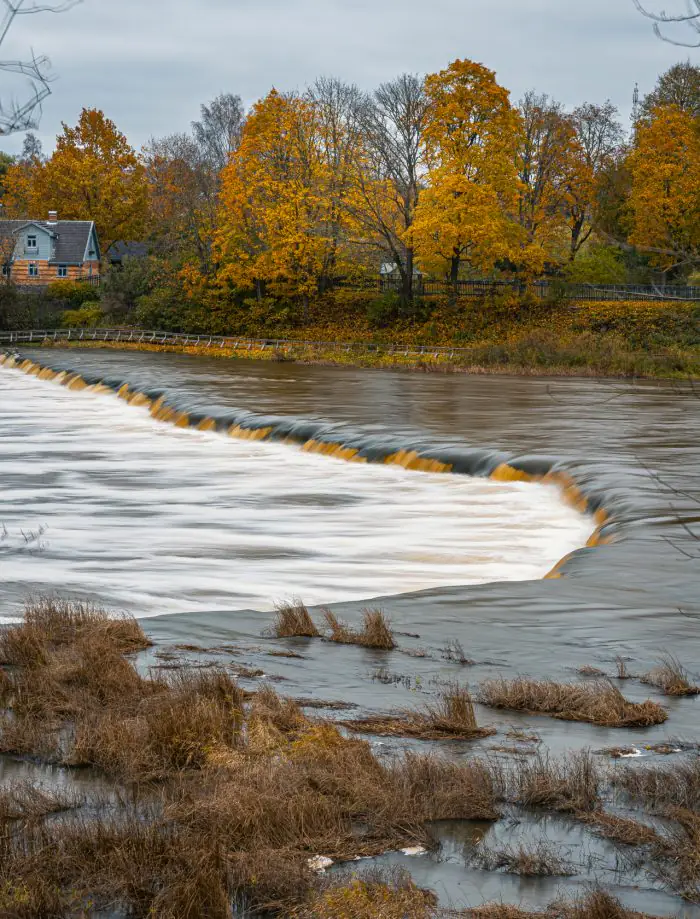
If the weather turns, climb the tower of the former needle factory to enjoy a view of the town. The more adventurous can even take a dip at the Venta waterfall in mid-October. It is considered the widest waterfall in Europe.
November
TAKE A TRADITIONAL LATVIAN SAUNA
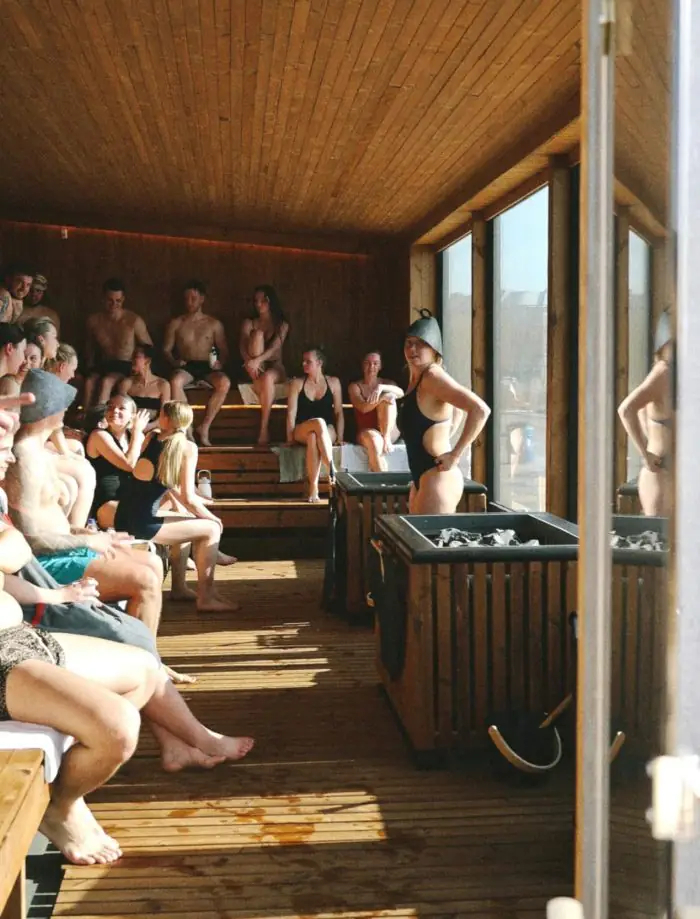
The Latvian sauna tradition was added to Latvia’s National Inventory of Intangible Cultural Heritage in September 2025. This tradition comprises four essential elements. The first is fire: the sauna must be heated with wood rather than electricity. Water: Latvians traditionally use considerably more water than their northern neighbours. The third element is plants, specifically birch whisks woven with medicinal herbs such as wormwood, mint, tansy and yarrow. And the last one is a family: in Latvia, the sauna is first and foremost a family tradition.
Early November is considered a particularly suitable time for sauna rituals. The period known as Veļu laiks continues until 10 November—a time when, according to traditional beliefs, the souls of ancestors return home. In the past, a heated sauna, warm water and clean towels were left ready for them.
Today, you can experience this tradition in the city, too—for example, at the recently opened Miers social sauna or at one of Riga’s many other saunas. Our guide to the city’s saunas features ten places to steam and unwind in Riga.
MAKE A CANDLE AT A BEEKEEPING FARM
In November, daylight hours in Riga shrink by almost two hours. On 1 November, the sun shines for around nine hours, whereas by the end of the month, there are just over seven hours of daylight.
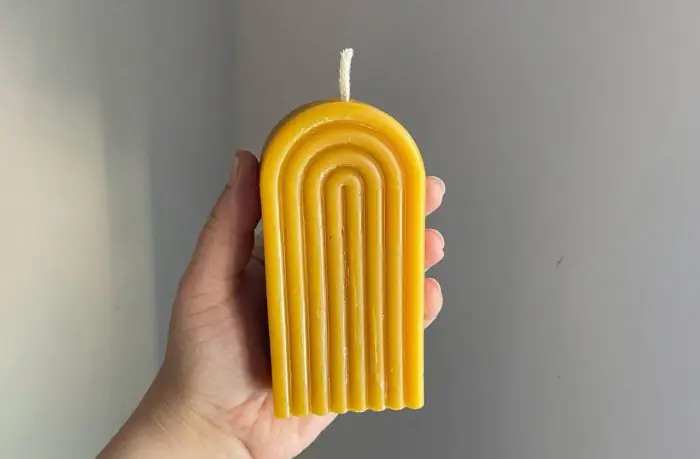
It is therefore no surprise that candles feel especially fitting at this time of year. During Veļu Laiks, candles and wooden splints were lit in memory of ancestors. On 11 November, Lāčplēsis Day, thousands of candles are placed along the walls of Riga Castle — a tradition that began in 1988.
You can make your own candle at Bites Bandeniekos in the Talsi region. The farm works with beeswax from its own hives and runs workshops for visitors. Afterwards, you can sample products from the apiary, browse the small shop, or relax in the sauna and plunge pool.
LOOK FOR AMBER
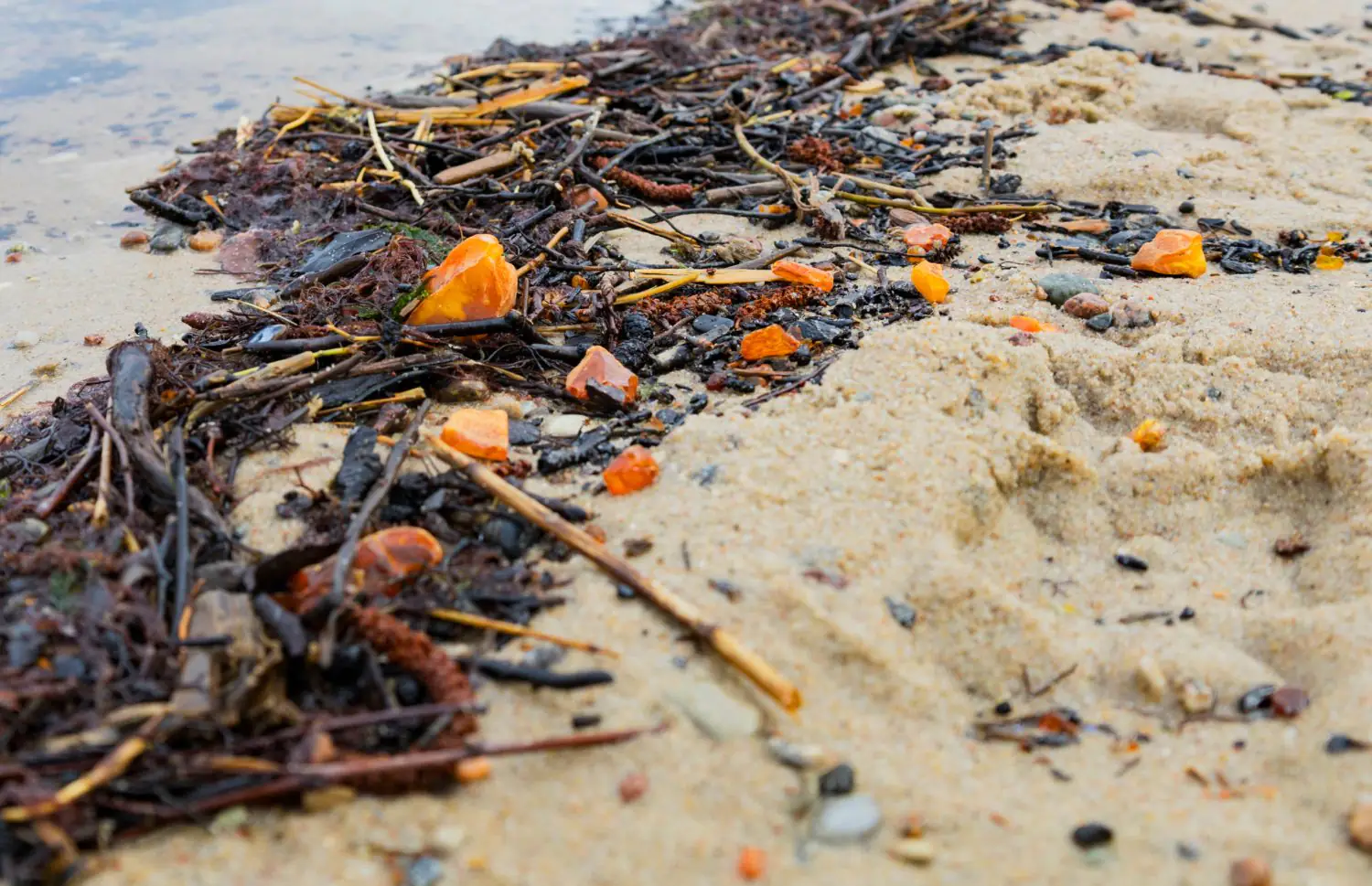
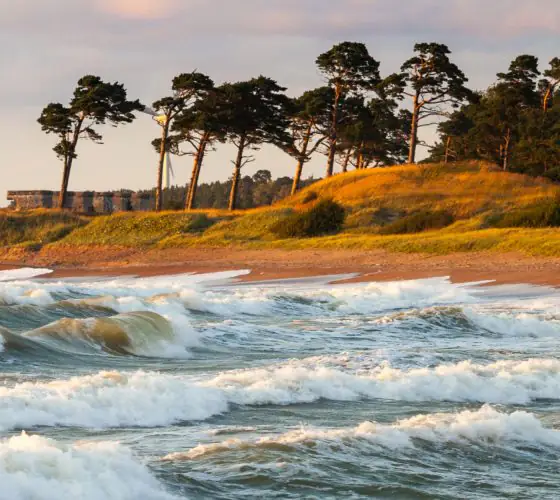
The best time to look for amber along the Kurzeme coast is after a strong storm.
Around Pāvilosta, amber is most often brought ashore by north-westerly winds. In contrast, around Liepāja, the season for larger finds continues throughout autumn and winter. Look among the seaweed washed up on the shore, as this is where small pieces of Baltic gold are most likely to get caught.
During a storm, keep well away from the water, as waves can erode the shoreline and cause coastal cliffs to become unstable.
After a long walk, warm up at the Great Amber concert hall in Liepāja. Designed by Austrian architect Volker Giencke in 2003, the building’s orange glass façade references amber, one of the defining symbols of Latvia’s coastline.