Why We Are Talking About Protein Again
In recent years, protein has become a prominent topic in conversations about nutrition. Protein products have moved well beyond the gym, and consumers are paying more attention not only to calorie counts but also to ingredients. Yet protein is not the first trend to capture the food industry’s attention. Over the years, the market has embraced fat-free, sugar-free and gluten-free products. What makes the current wave different?
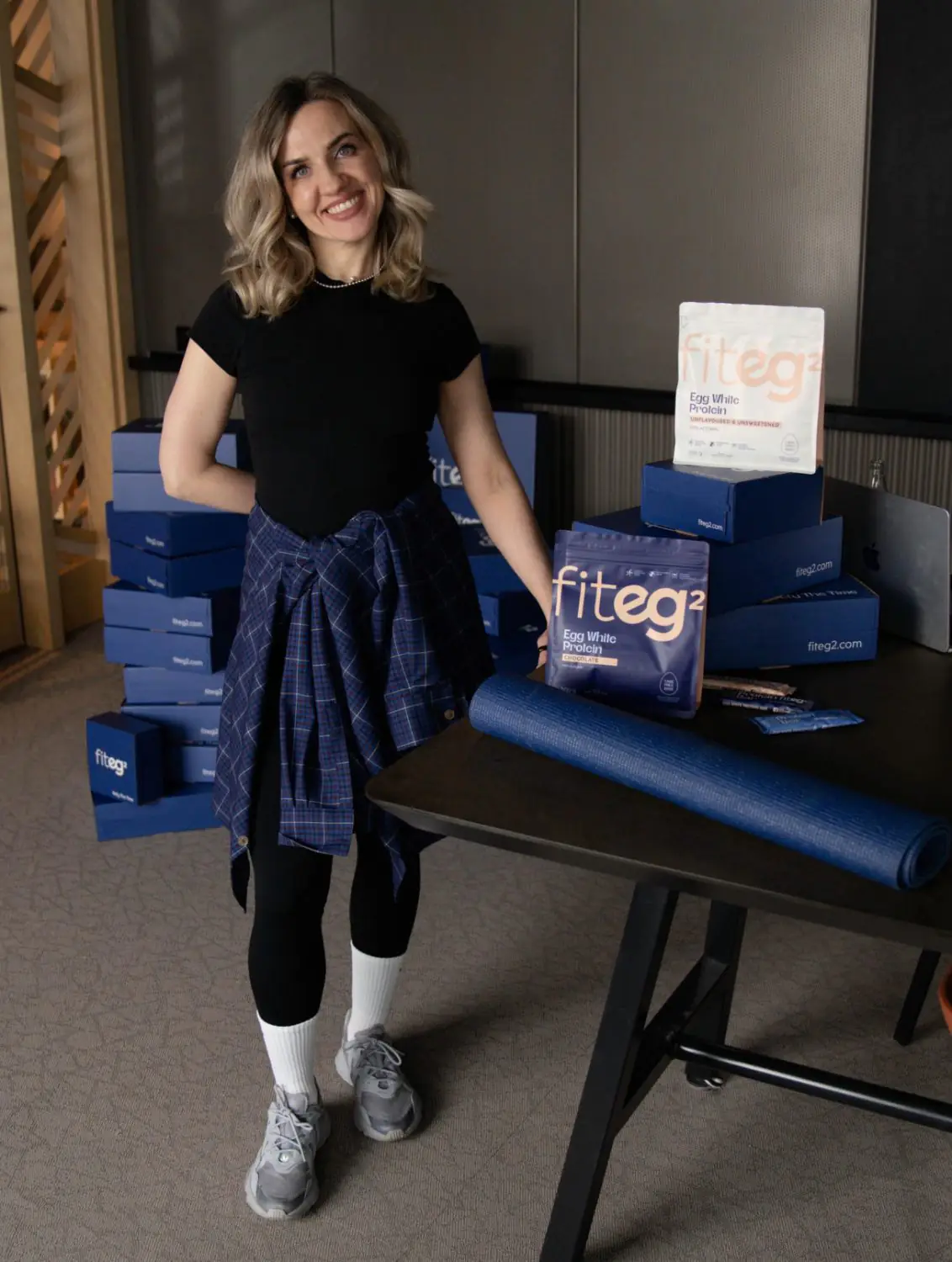
Olga Stepanova: “New trends are constantly emerging in the food industry. I was there when everyone was looking for zero-fat and sugar-free products, and then came other trends. The protein boom has been going on for several years now, and I believe there is something rational behind it: it encourages people to pay closer attention to what they eat and think about the composition of their diet. Of course, like any trend, it can be taken to extremes. But interest in protein itself is more than just another passing fascination with an ingredient. It is a trend I would definitely call justified and healthy.”
As we enter what might be called the age of protein awareness, there is growing interest in finding new ways to use familiar foods. Milk has long been the foundation of an entire industry built around protein products. Eggs, by contrast, have remained primarily what they have been for generations: an affordable breakfast staple and an ingredient in home cooking.
For Olga, who has fourteen years of experience in product development across the food industry, dietary supplements and sports nutrition, exploring eggs from a different perspective was a conscious professional choice.
Olga Stepanova: “When I joined Agrova, and Fiteg² came along a little later, I wanted to understand what else could be made from eggs. I didn’t want to take an existing product and simply make a few changes to it. I wanted to study the raw material itself: the properties of eggs, the potential of their different components, processing methods and shelf-life considerations. For about a year and a half, we researched what we could obtain from this product and how its properties could be used in new categories. For me, it was the beginning of a major research process,” she explains.
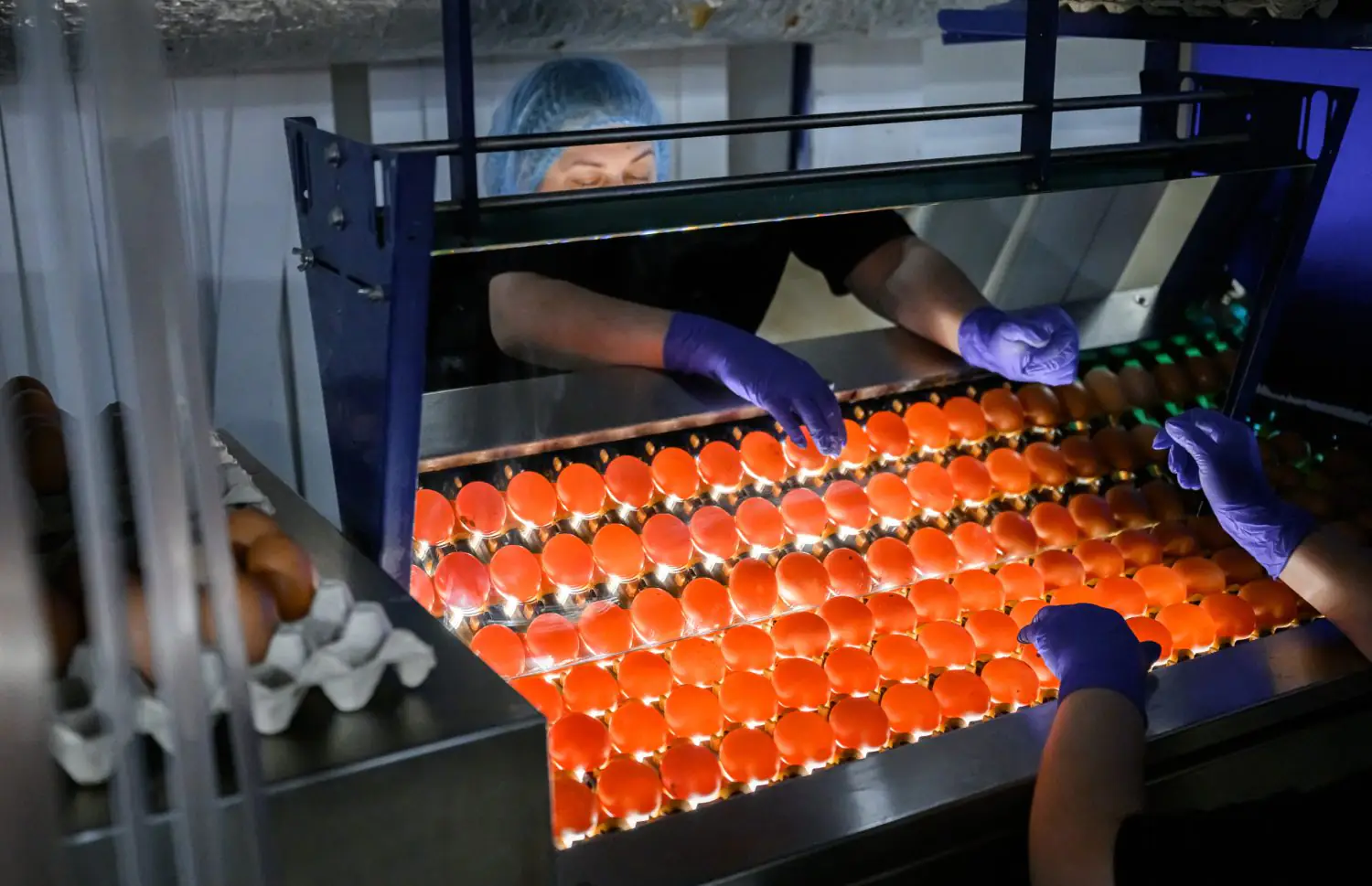
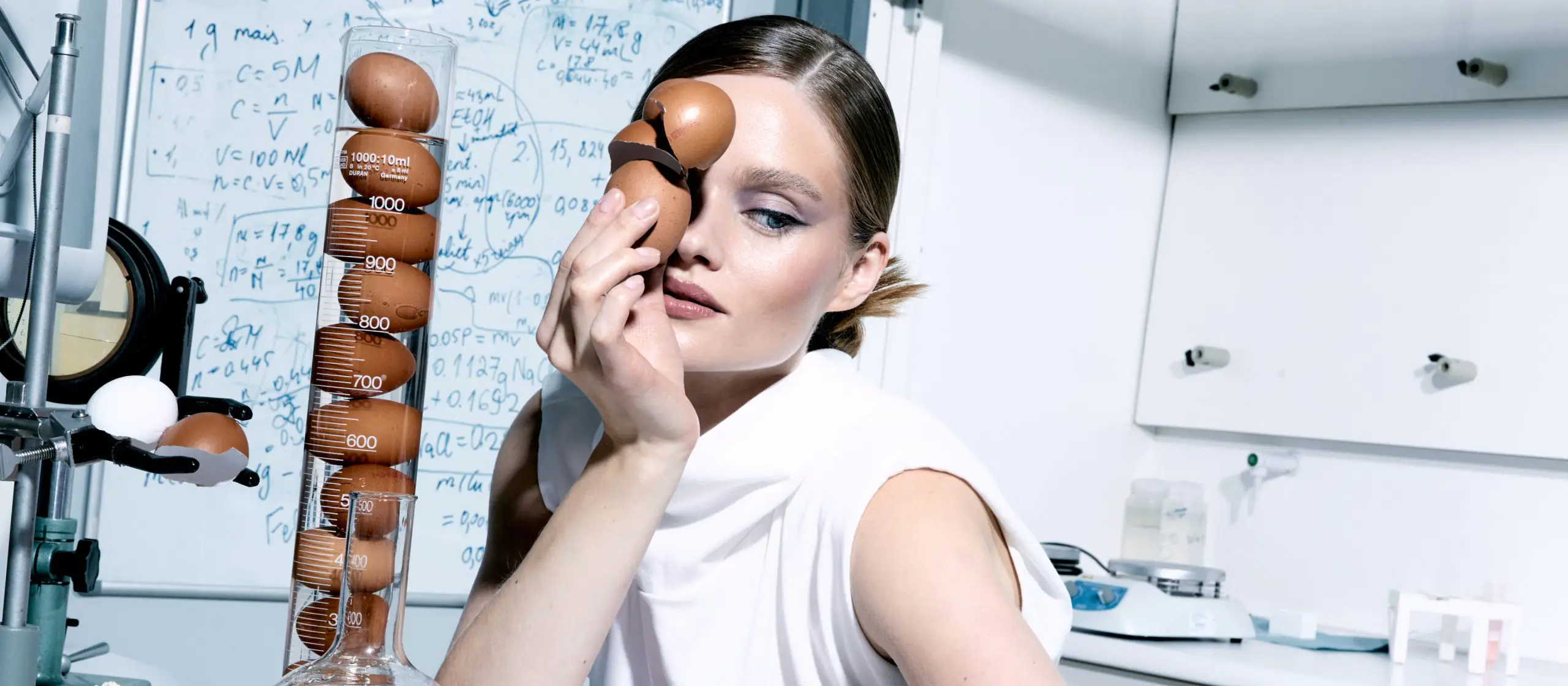
Through this work, the egg revealed itself not as a single product but as a system of different components, each with its own potential. Egg white became the basis for protein powders, while the membrane beneath the eggshell became a source of collagen. The yolk and the shell itself remain areas of ongoing research for the company.
Olga Stepanova: “When we talk about eggs, it is important not to limit ourselves to the white or the yolk alone. Eggs contain different components, each with its own properties. Egg white, for example, is interesting primarily as a source of protein, while the membrane beneath the shell contains collagen and other compounds. Nature has already created this complex structure, and our task is to understand what it can offer. We want to explore different parts of the egg and show how each of them can be put to use.”
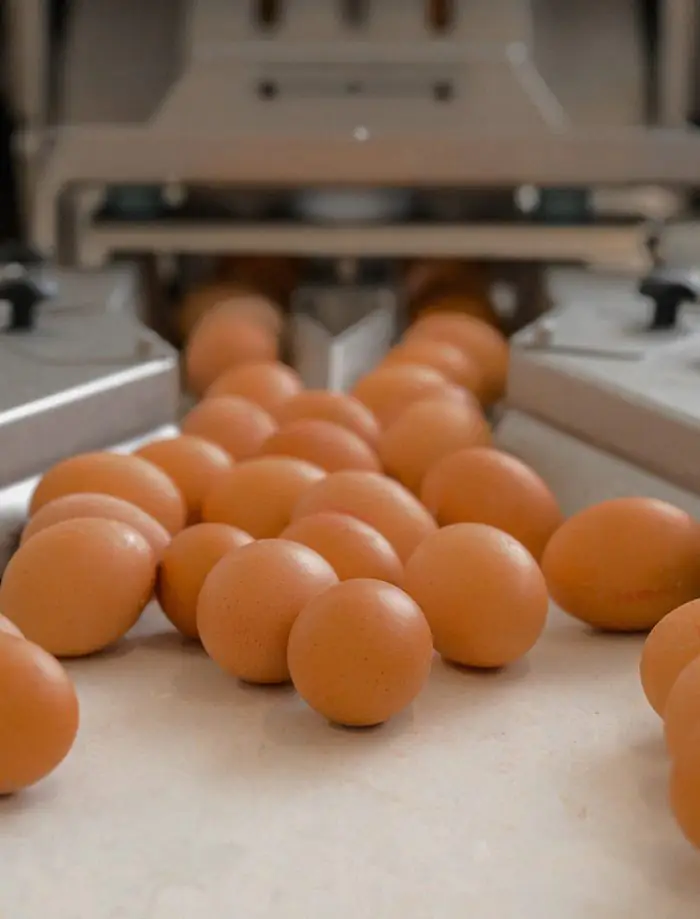
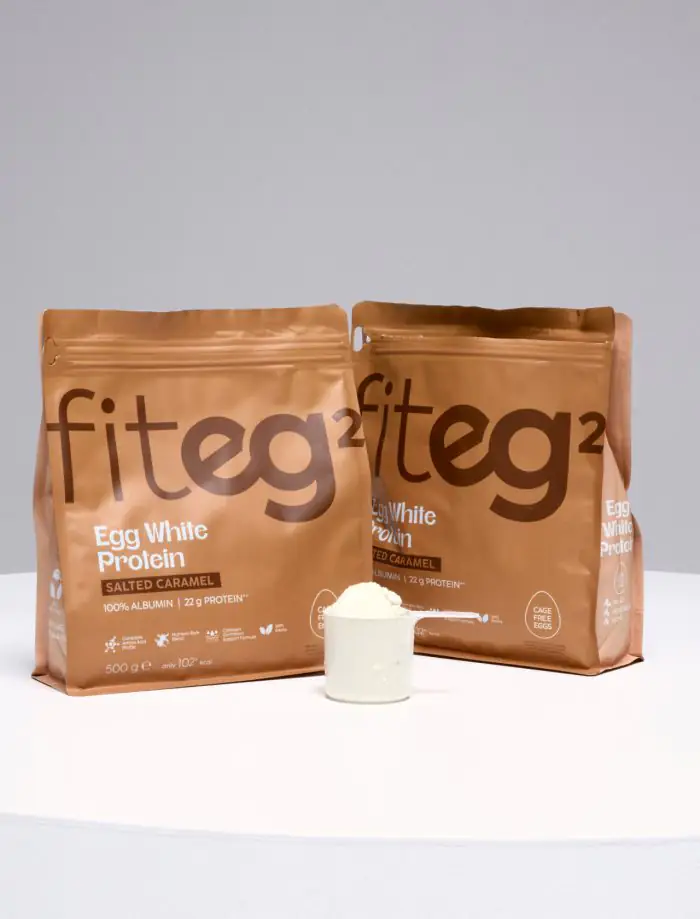
One of the most unusual areas of this work is collagen derived from the eggshell membrane. According to Olga, supplements made from this raw material are still relatively rare on the market. What makes the membrane distinctive is that it is more than just a source of collagen: it is a natural structure that also contains other compounds, including glucosamine, chondroitin and hyaluronic acid. Rather than adding each of these components separately, Fiteg² works with the combination already present in the original raw material.
Fiteg² offers its collagen in capsule form. When developing the Beauty formula, the team supplemented the composition with selected vitamins and minerals. Olga also notes that research into eggshell membrane supplements includes clinical studies examining their use in supporting musculoskeletal health, as well as the health of skin, hair and nails. At the same time, she emphasises that dietary supplements are no substitute for a balanced diet with sufficient protein.

The idea of exploring the potential of a simple egg lies at the heart of Fiteg², an innovation brand developed by Agrova Group. Its slogan, “We Unlock the Superpower of the Egg—for All”, reflects the ambition to reveal the egg’s potential beyond its familiar place in the grocery aisle.
What Is Really in Protein Powder?
The word “protein” can sometimes make a product sound artificial or complicated. Packaging often features long ingredient lists, while prices can vary considerably from one product to another. It is no wonder consumers may find it difficult to understand what they are buying and what they are paying for.
The basic process behind egg-white protein powder is relatively straightforward. As Olga explains, the egg white undergoes several stages of heat treatment, is dried using spray drying and is pasteurised to produce a powder. In other words, the product is not built around a long list of additives but starts with a familiar ingredient that has been processed.
Olga Stepanova: “To put it in the simplest terms, you take an egg and boil it—the white becomes solid. To turn it into a powder, you need to process and dry the white. Of course, industrial production involves specific technological requirements, but that is the basic principle. You don’t have to transform egg white into something completely different to make a powder. I think it is important for people to understand that behind the familiar word ‘protein’ there can be a perfectly straightforward product.”

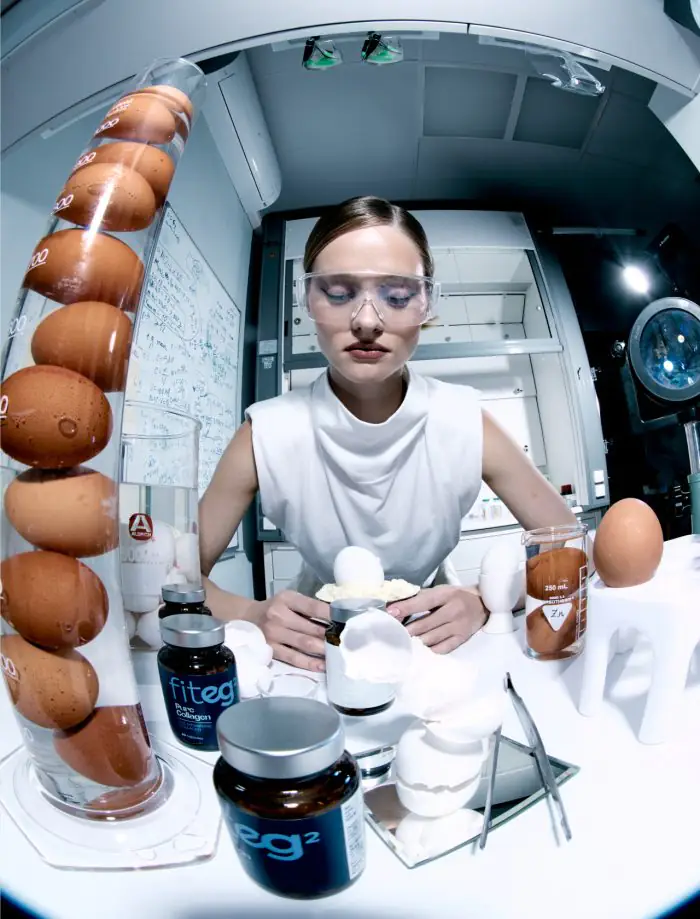
However, a simple underlying process does not mean that production costs nothing. Processing technology, composition and the characteristics of the finished product all affect quality. Price alone does not tell the whole story, but it is unrealistic to expect every protein powder to cost the same.
Olga recommends starting by reading the label carefully and looking first at what the product is intended to provide: how much protein the powder contains and which ingredients have been added.
Olga Stepanova: “I would start by looking at the amount of protein per 100 grams. If you are buying protein powder, it makes sense to understand what proportion of the product is actually protein and what accounts for the rest. If you need carbohydrates, for example, you can get them from fruit or other foods and add them to your drink yourself. There isn’t always a reason to buy a powder with everything mixed in already.”
There are other details Olga recommends paying attention to. In particular, she considers excessive fat undesirable in a product intended primarily as a source of protein, and advises checking which sweeteners are used. Added sugar is another point to consider.
Olga Stepanova: “For me, added sugar in protein powder is a serious reason to take a closer look at the product. If the main purpose of the powder is to provide protein, I want to understand why sugar has been added and what role it plays. The same applies to long lists of additional ingredients. When a product contains a lot of vitamins, minerals and other components, it is worth asking whether they are really needed in that particular product or whether they simply make the packaging more appealing.”
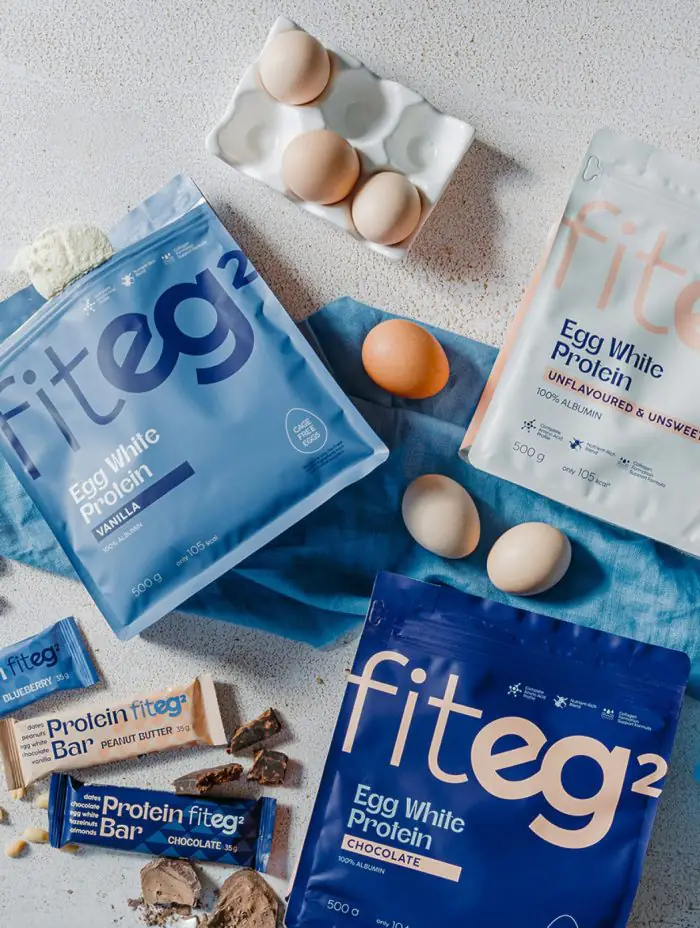
Fiteg², for example, uses stevia as a sweetener, but also offers an unsweetened version for those who prefer to adjust the taste themselves. According to the team, its protein powders contain around 80% protein per 100 grams.
The same principle of keeping ingredients understandable underpins the company’s protein bars. When Olga looked more closely at the range of products in this category, she found that promises of high protein content often came with ingredient lists that were not particularly easy for an everyday consumer to make sense of.
Olga Stepanova: “I wanted to create a bar that didn’t need a lot of explaining. You open the wrapper and see familiar ingredients: dried fruit, nuts and berries. They provide flavour and complement a product that contains protein. For me, it was important not simply to put the word ‘protein’ on the packaging, but to create a product whose concept and ingredients made sense together.”
How an Idea Becomes a Product
Olga admits that after many years in the food industry, she has developed a particular habit: whenever she travels, she makes a point of visiting grocery stores. For a product developer, this is more than a way to discover local food. It is an opportunity to observe the market up close—what new products are appearing, how tastes are changing, what manufacturers are offering consumers and how they are presenting their ideas.
Olga Stepanova: “I regularly attend major food trade fairs, follow developments in different markets and try to look at products not only through the eyes of a developer but also as a consumer. It is important to understand what people are actually looking for, which formats are convenient for them and which flavours are becoming popular. At the same time, you cannot rely only on the people around you. Sometimes it feels as though everyone you know exercises, eats healthily and reads ingredient labels carefully, but that may simply be the small circle you move in rather than a reflection of the market as a whole.”
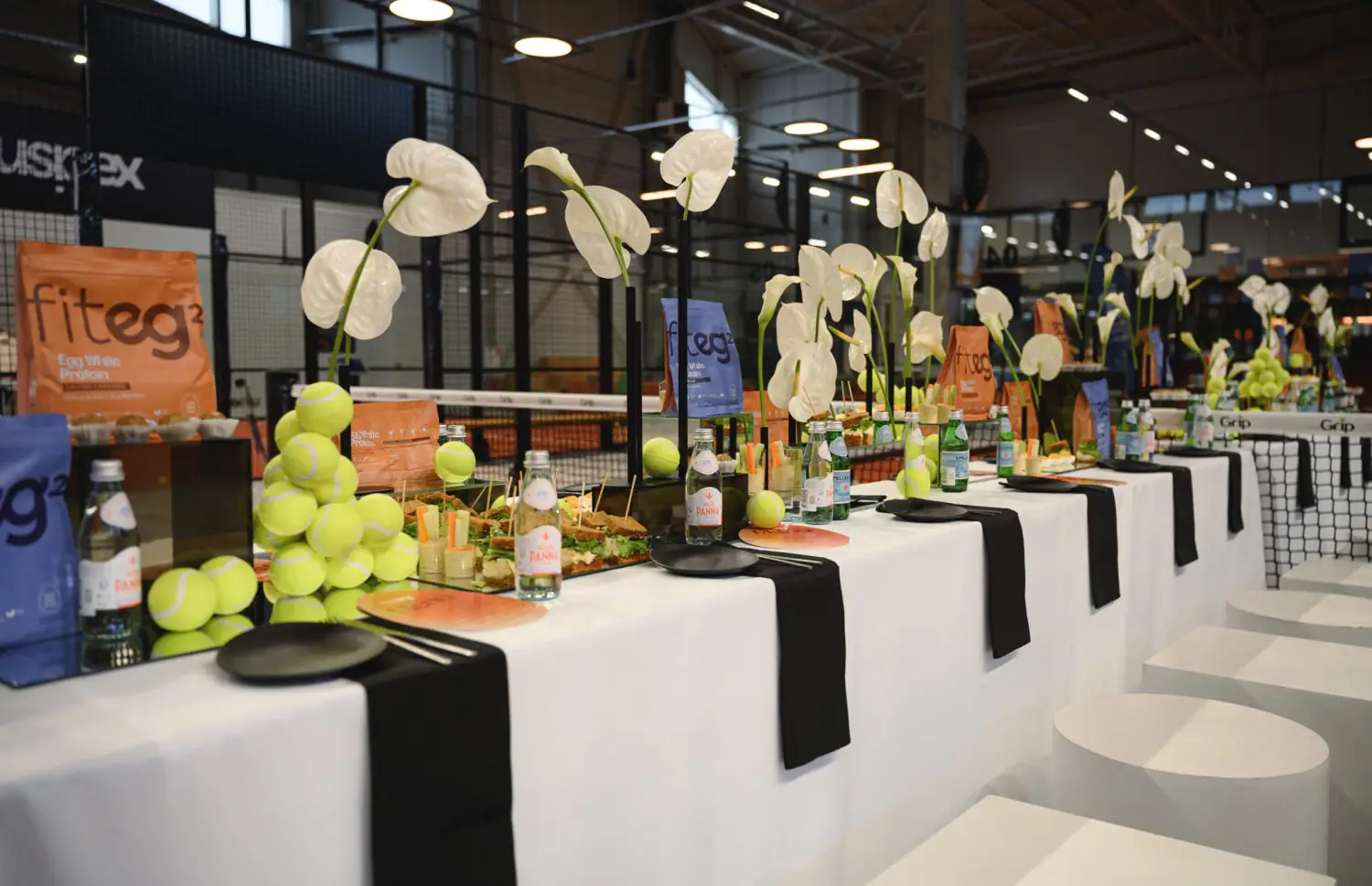
When developing a new product, the team considers not only consumer preferences but also the wider context: price point, regulatory requirements, production processes, shelf life and packaging. International trade fairs and observations of different markets help identify emerging directions, but not every trend translates into lasting demand. The challenge is not simply to follow what is fashionable, but to assess whether an idea meets a genuine consumer need.
Some decisions grow out of small but very specific requests. Fiteg² initially offered its protein powders in 500-gram packages. Single-serving sachets were introduced later, in response to customer requests.

Viktoria Gulbe: “We realised that people care not only about what is inside the packaging, but also about how convenient the product is to use. Someone going away on a business trip, for example, can pack a few individual sachets in their hand luggage, add the powder to a shaker and prepare a drink wherever it is convenient. There is no need to carry a large package every time. It is a simple solution, but it came directly from our customers’ requests.”
Customer feedback also helps the company make decisions about design. The look of the protein powder packaging, for example, was chosen by customers themselves, who voted for one of the proposed options. This gives consumers a role in the product’s development, allowing them to influence how it will look on the shelf.
Viktoria Gulbe: “At the same time, it is important to keep finding a balance between an interesting idea and a proposition people can understand. A product that is too unusual can be difficult to explain, which means that even a good development may remain a niche offering. Innovation needs to address a clear need. That is when a product becomes part of everyday life rather than simply an interesting experiment.”
From Sports Nutrition to Everyday Habits
One of Fiteg²’s goals is to broaden the idea of who might benefit from protein and how it can be used. In the public imagination, protein is still often associated with the gym, even though the product itself is not tied to any particular type of activity or lifestyle.
Olga Stepanova: “Our task is to explain that protein is not just for athletes. People have different habits and needs: some exercise, some work long hours and don’t always have time for a proper meal, some simply pay attention to how much protein they get in their diet, while others just want to feel healthier. We want people to understand that protein can be part of everyday eating, rather than something reserved for a special group of people.”
Viktoria adds that the company tries to demonstrate different ways of using its products. Protein can be added not only to shakes but also to other drinks. In summer, for example, Fiteg² received enquiries about non-alcoholic protein cocktails. A collaboration with the Latvian coffee chain Rocket Bean also resulted in protein iced coffee and vanilla iced matcha.
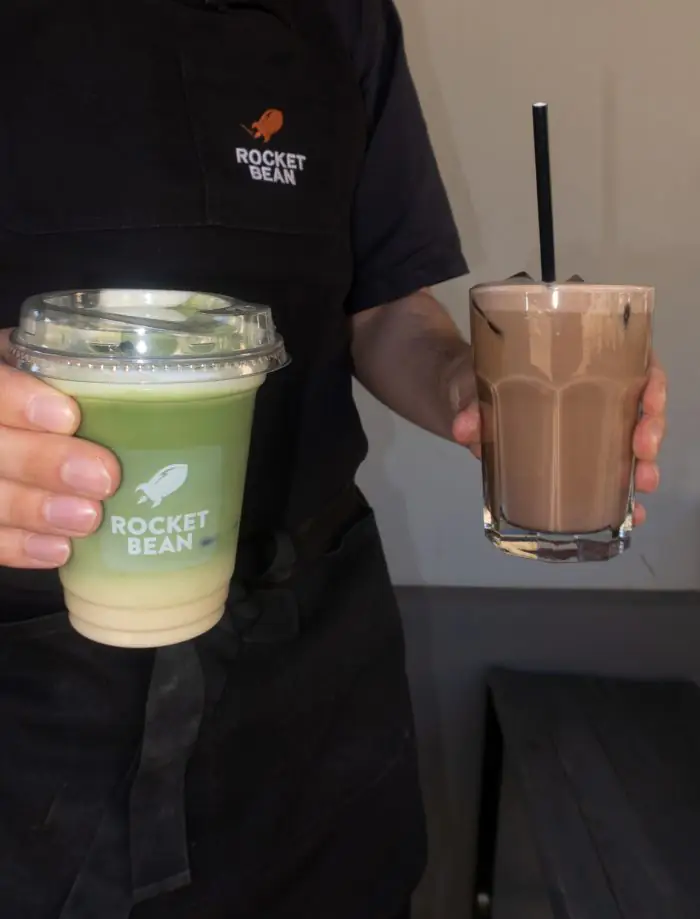

Viktoria Gulbe: “I like seeing a product move beyond the category in which people are used to finding it. We no longer see protein exclusively as something you mix in a shaker after a workout. People are looking for different ways to incorporate it into their routines, including through coffee or cocktails. For us, this is an opportunity to reach a wider audience and show that a product can have more than one use.”
Broadening these familiar uses is also connected to how the team builds brand awareness. Fiteg² runs blogs and social media channels across different markets, takes part in industry events and engages with audiences interested in nutrition, physical activity and self-care. The aim is not only to talk about individual products, but also to make the subject of protein easier to understand.
Latvian Roots and International Ambitions
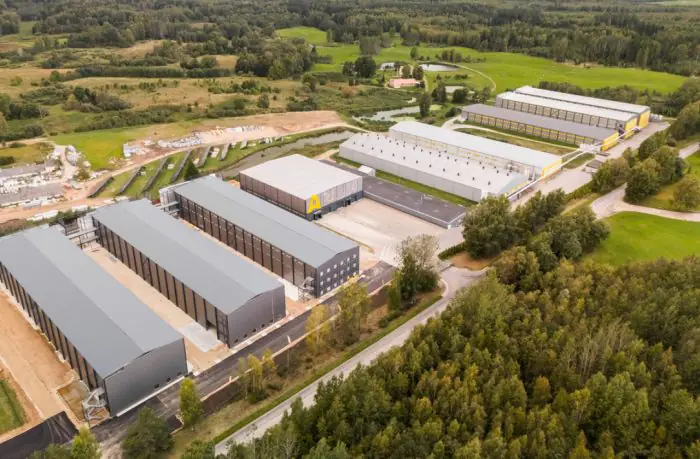
Behind Fiteg² is Agrova Group, an international agri-food group whose core business centres on eggs and egg-based products. Its Latvian story is closely linked to Alūksnes Putnu Ferma, the oldest poultry farm in Latvia and the Baltics, which celebrates its 65th anniversary in 2026. The group’s main activities include producing eggs for the retail market and egg mass for the baking and confectionery industries.
In 2025, the group acquired the British company Sunrise Eggs, which also has a long history. But for Viktoria, developing Fiteg² is about more than expanding the business: it offers a way to bring a product rooted in decades of experience with eggs to the international market.
Viktoria Gulbe: “For us, it matters that Fiteg² has grown out of a business that truly understands eggs. We have production facilities, experience and years of accumulated knowledge about the product behind us. We are not starting with an abstract idea of something we might manufacture. We are working with what we know well and looking for new ways to use it. I would really like the brand’s Latvian origins to be part of its story, rather than just a line on the packaging.”
She believes it is particularly important for a small country not only to produce quality goods for its domestic market, but also to find ways to bring its innovations abroad. Fiteg² benefits from the format of its products: unlike fresh eggs, powders and dietary supplements are easier to store and transport over long distances.

The company already operates in the Baltic markets and is expanding its international presence. One of its recent milestones was entering Amazon in the United Kingdom. But the brand’s development is not limited to sales. The team also aims to explain how egg-based products can be used in everyday nutrition and find new ways to introduce them to consumers.
For Viktoria, it is important that the brand’s international ambitions remain connected to the place where it all began.
Viktoria Gulbe: “We are a small country, and I think it is especially important to show that products with international appeal can be developed here, too. We have experience, production facilities and knowledge of eggs, and these give us a foundation for creating something new. I am proud that Fiteg² was born in Latvia and builds on the heritage of Alūksnes Putnu Ferma. The brand has roots, and those roots give it the opportunity to move forward.”
A Familiar Product, New Possibilities
Eggs have a long history and a firmly established place in everyday life. Discovering new possibilities does not necessarily mean abandoning the familiar. Sometimes, all it takes is a closer look at something we have known for generations.
Viktoria Gulbe: “We want to show that eggs can be much more than a product we buy at the supermarket and cook at home. They have different properties, different components and many possible applications. For us, it is important not simply to create something new, but to make these products understandable to people. We want consumers to be able to work out what they are choosing, why they might need it and how they can use it in their lives.”
Perhaps this is one of the interesting challenges facing the food industry today: not only to invent new products, but also to discover new potential in those that have been part of our lives for generations.