pas de marque
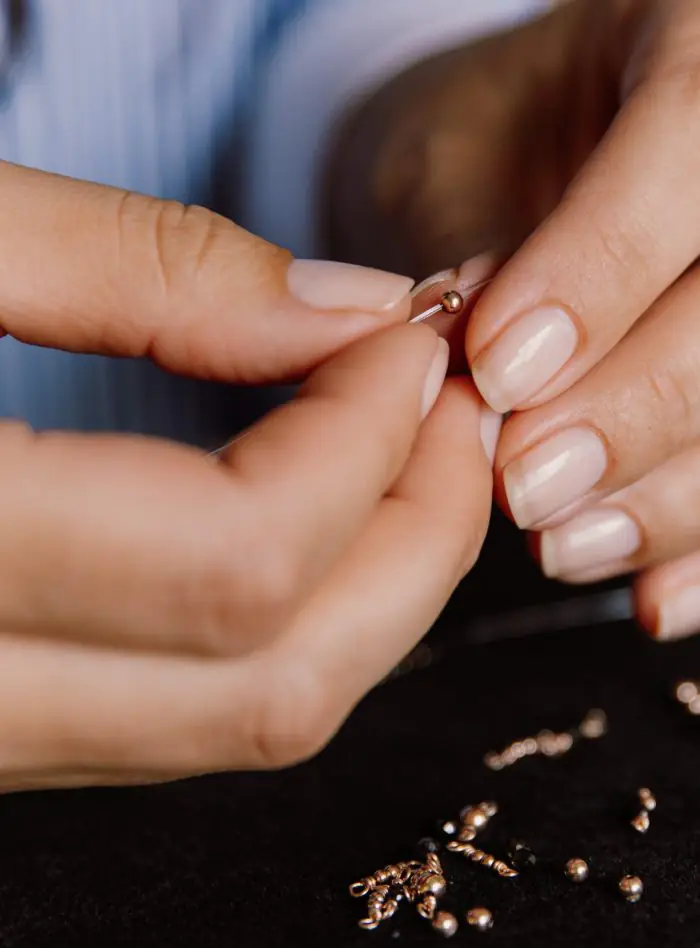
Close to the skin. Close to the moment.
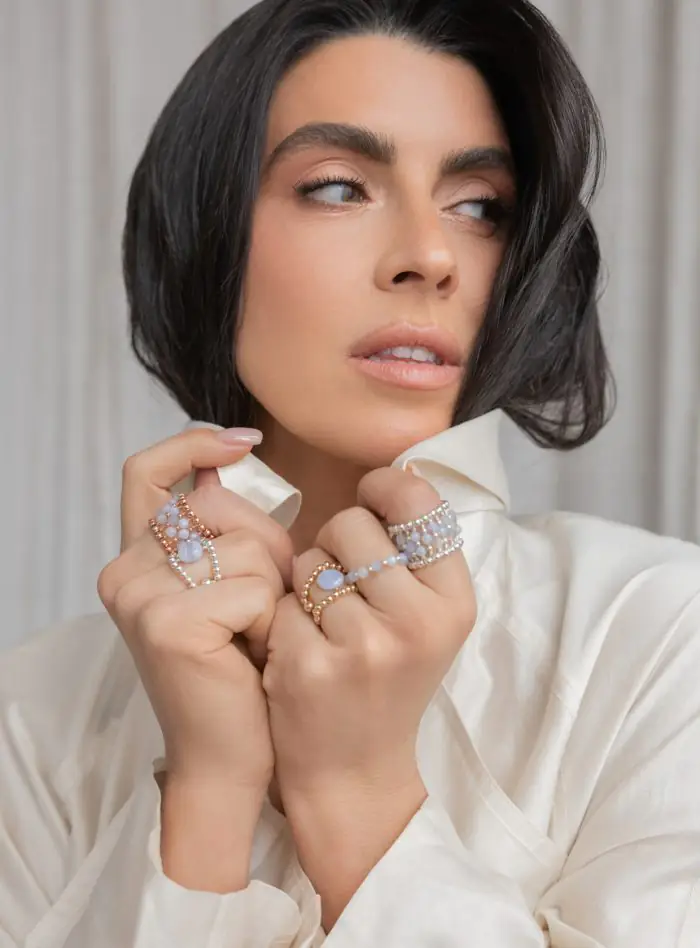
“At about five years old, I learned to make jewelry from beads. It became my main hobby. At some point, I realized I could turn this passion into a business,” recalls Olga Muhina, founder of the jewelry brand pas de marque, which launched in 2014. Over time, beads gave way to freshwater pearls and semi-precious stones—from malachite and zircon to blue agate and black onyx. Olga dreamed of creating handmade jewelry from quality materials while keeping it in a more accessible price range, and for over a decade, she’s been consistently bringing that vision to life. The early pas de marque collections were bold and dressy—chunky, layered pieces that felt more suited to a gala dinner or a special occasion than everyday wear.
Today, the brand has moved in the opposite direction. Its collections now feature clean, versatile pieces that can be worn every day—to the office, on a walk, at the beach, or over dinner with friends.
These are pieces that don’t try to grab attention at any cost. Instead, they become something personal—a small symbol or reminder whose meaning matters first and foremost to the person wearing it.
Ledene
If you are an artist, you have been chosen to feel a little more.
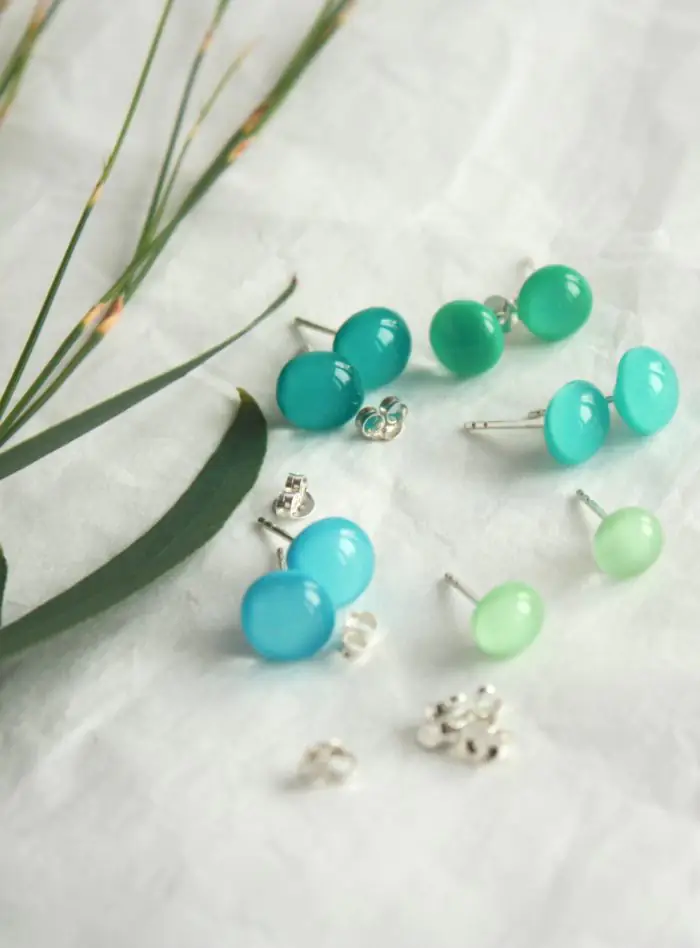
The brand’s founder, Marta Ģibiete, came to jewelry art through artistic glass. After graduating from the Art Academy of Latvia, she began creating glass sculptures and art objects, and in 2014 launched her own jewelry line.
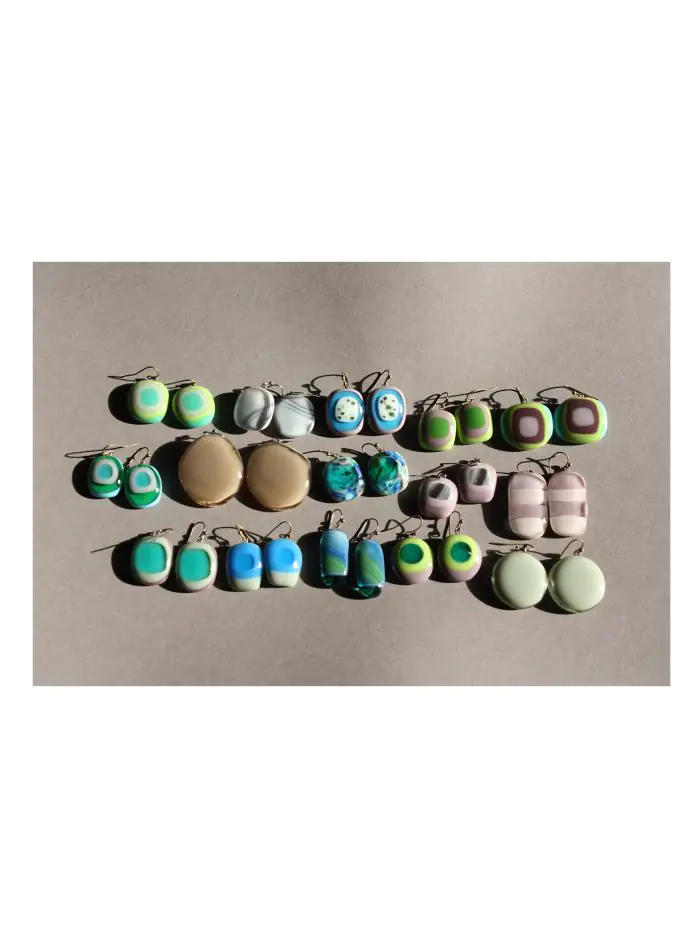
The brand’s defining feature is its work with colour. Ledene earrings, pendants, and decorative objects are assembled by hand using the fusing technique, where multi-coloured glass elements are fused together into a single, beautiful piece.
Today, the brand’s collections include both minimalist jewelry, interior objects, as well as a variety of small items that, according to the founder, are designed to bring joy to everyday life.
Lorencs Jewelry
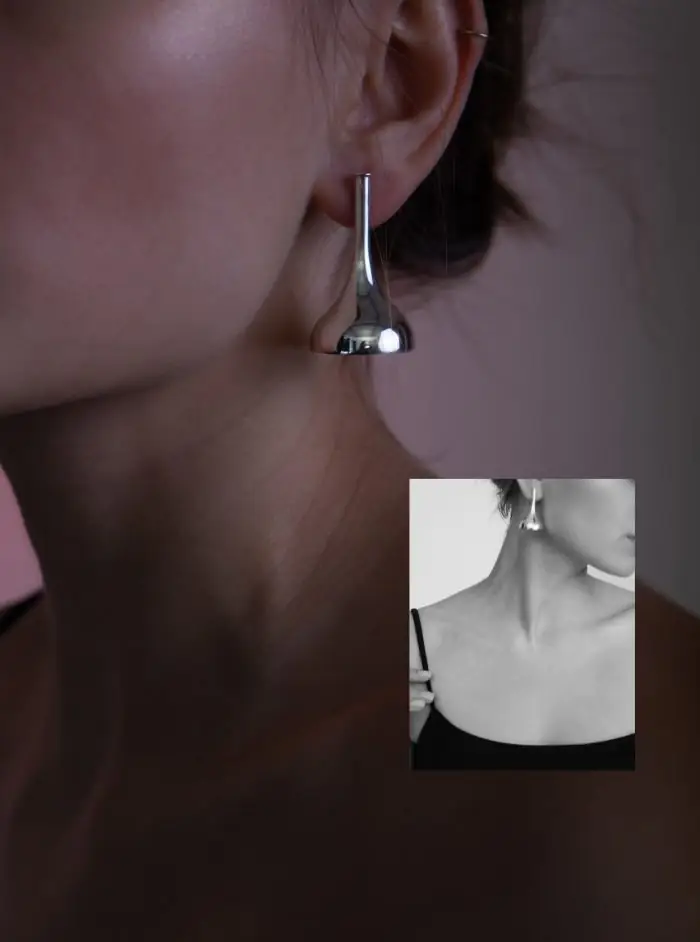
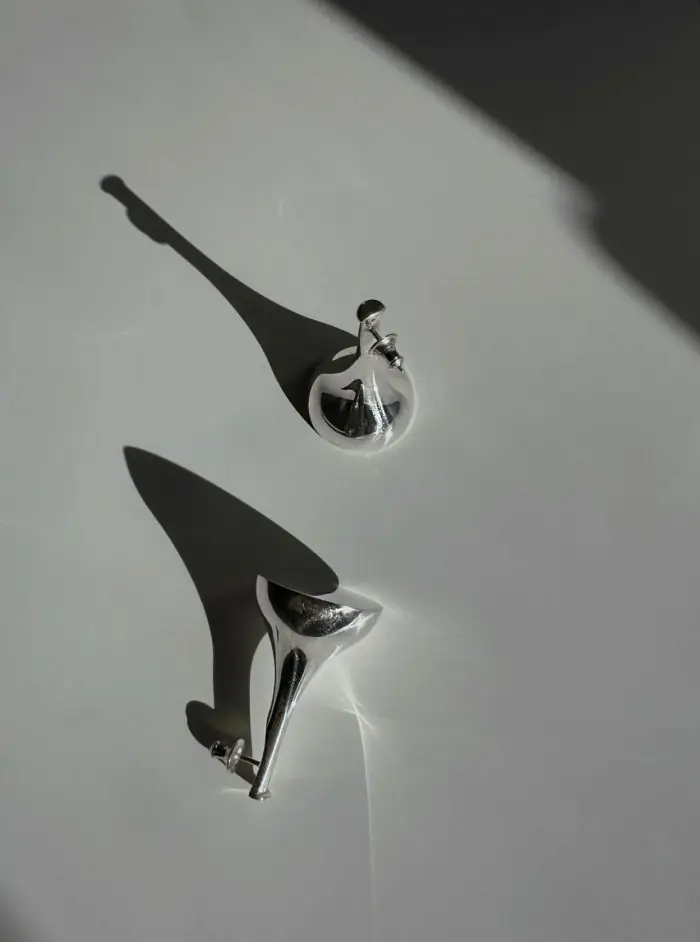
Aldis Lorencs has been creating jewelry for several decades. A graduate of the Art Academy of Latvia, he is known for his distinctive approach to design—rooted in clean lines, geometry, and restrained aesthetics.
The core of the Lorencs Jewelry collections consists of silver pieces with almost no decorative excess. Instead, the focus is on form, proportion, and detail.
It’s this timelessness that has made Aldis Lorencs’ work interesting not only to contemporary design enthusiasts but also to collectors who follow the development of Baltic jewelry art.
Glass Berries
“I believe the future of design lies in creating objects that have meaning, are durable, and of high quality.”
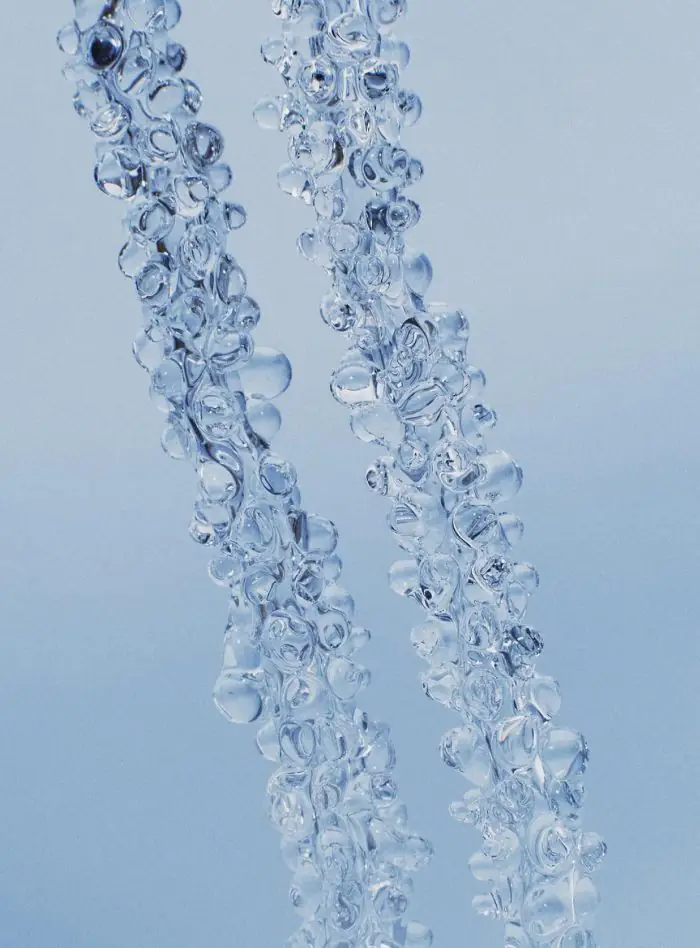
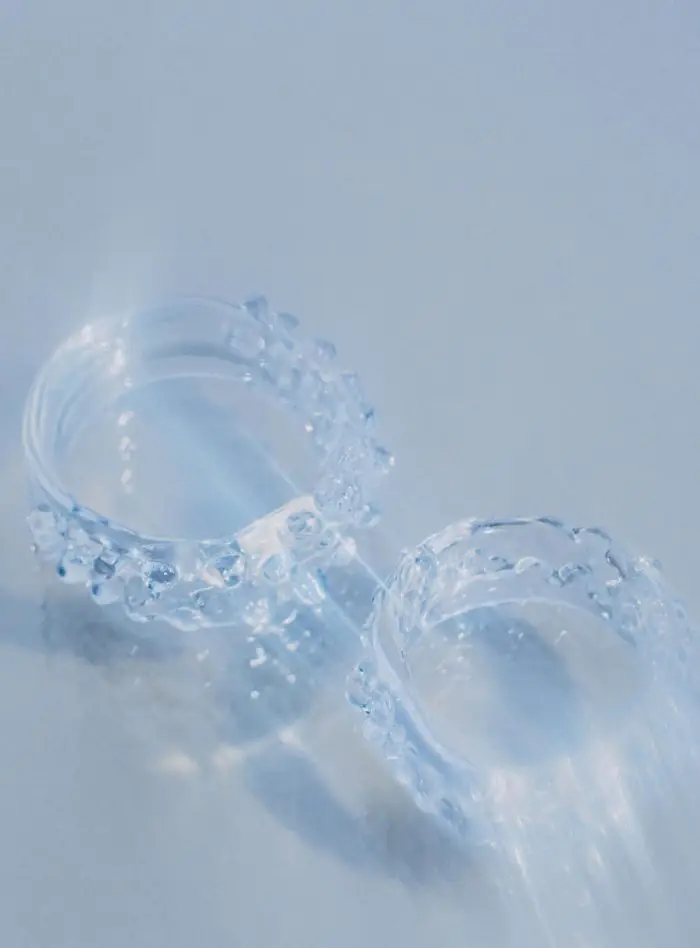
Glass is one of the oldest materials used in jewelry-making, valued by people for centuries for its beauty and versatility. For Glass Berries founder Ieva Birģele, it became a lifelong fascination that eventually shaped her creative practice.
What drew her to glass was its unique duality—delicate yet durable, fragile yet remarkably strong. Today, Ieva works at the intersection of design and art, creating not only jewelry but also glass objects, sculptures, and artworks that have been exhibited at design events and exhibitions in Latvia and abroad.
Glass Berries is defined by sculptural forms, clean lines, and a soft colour palette often inspired by pastel tones. Every piece is handcrafted using a traditional glassworking technique in which the material is heated to around 1,000 degrees Celsius before being carefully shaped by hand.
Longevity lies at the heart of the brand. Rather than following seasonal trends, Glass Berries creates pieces designed to remain relevant for years to come—both through their timeless aesthetic and the enduring qualities of the material itself.
RO STUDIO
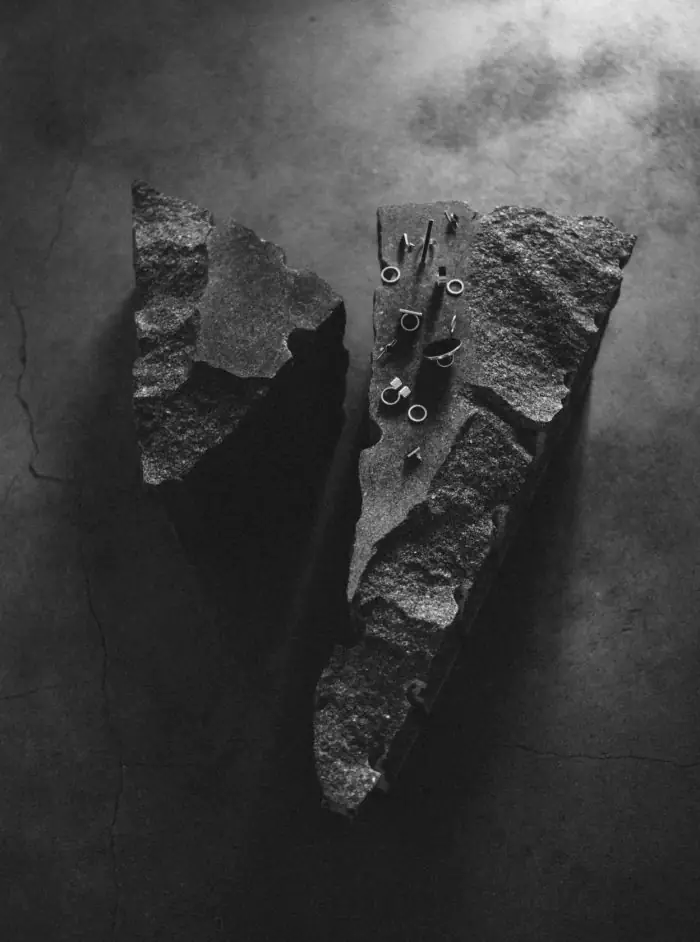

Jewelry is a very intimate object, almost like a second skin. In my opinion, a person and a piece of jewelry are one,” says Terēze Jaunzeme-Pētersone, co-founder of RO STUDIO. Founded in 2020, the brand was born from the creative union of two artists, Terēze and Roberts. Today, RO STUDIO is based in Riga at Miera iela 50, where they design and handcraft their jewelry together with their team.
From silver and gold to pieces accented with ethically sourced natural and precious stones, RO STUDIO jewelry is made by hand. Clean lines, architectural presence, and timeless elegance with an edge. Designed as a natural extension of the person, the jewelry is made to be felt and lived in. Alongside its own collections, RO STUDIO also creates private commissions, including engagement rings and wedding bands.
At RO STUDIO, every stage of production takes place under one roof. Separated from the shop by large glass doors, the workshop remains visible to visitors, making the process behind each piece part of the experience.
Baltu Rotas
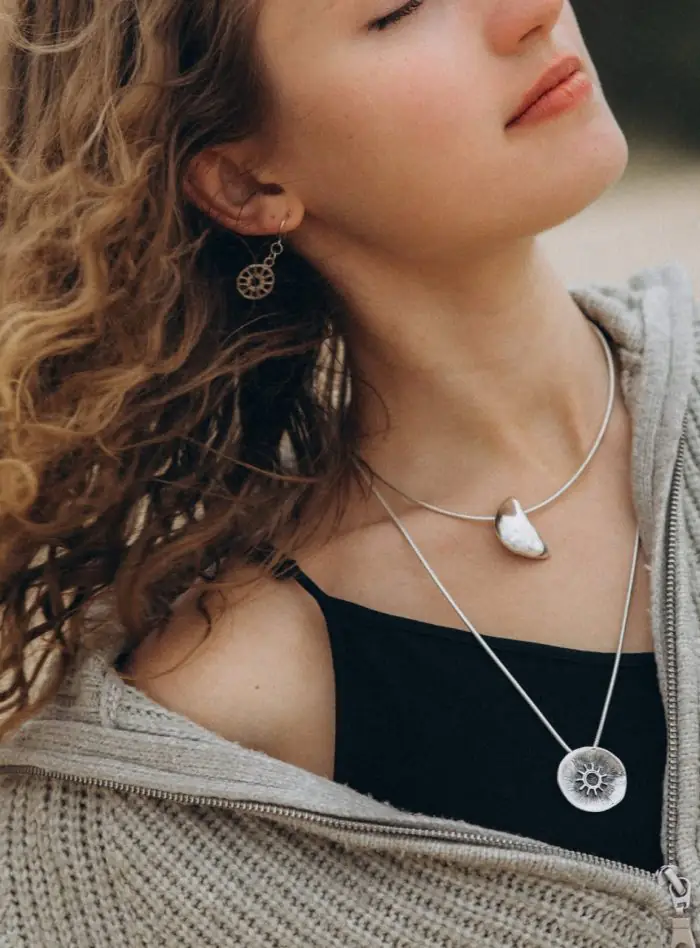
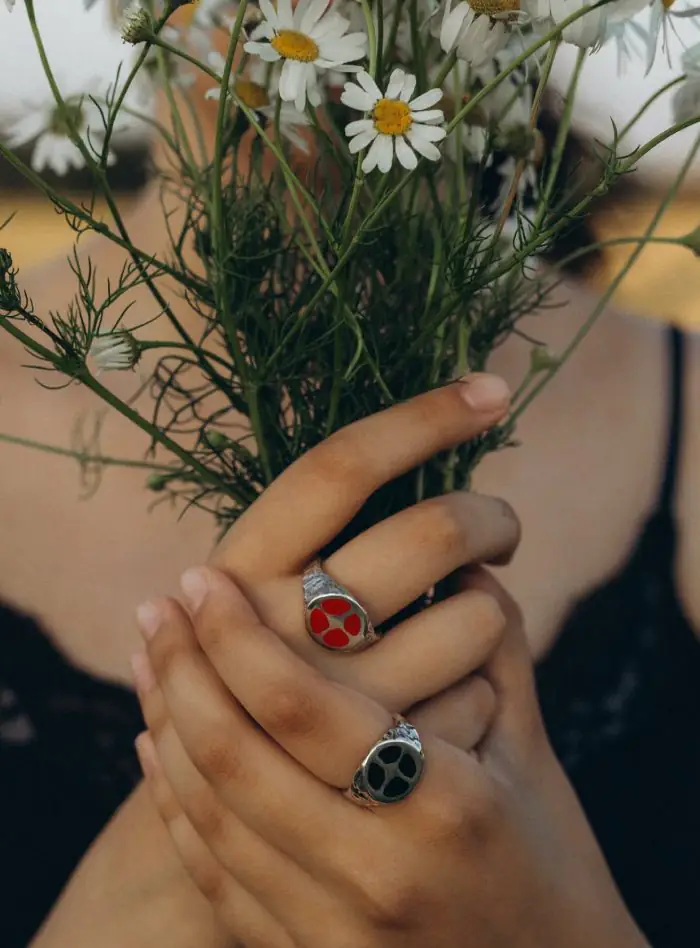
Wear your roots as an ornament.
Founded in 1994, Baltu Rotas has been creating jewelry inspired by Baltic history, Latvian nature, and traditional symbolism for over thirty years. Its founders, Vitauts and Inita Straupe, together with a team of craftspeople, turn to archaeological finds and ancient ornaments, reinterpreting them in contemporary jewelry design.
The brand’s collections include both historical reconstructions and more modern takes on traditional symbols—pendants with sun signs, pieces with plant motifs, and designs inspired by ancient Baltic adornments.
What sets them apart is the attention not just to form, but to meaning. Each piece comes with a story or description that reveals its symbolism and connection to nature, culture, and folk traditions. That’s why Baltu Rotas pieces often feel less like jewelry and more like personal talismans—reminders of where you come from.
One of their collections is dedicated to the birch tree—a tree traditionally associated in Latvian culture with vitality, renewal, and the bond between people and nature. Here’s how the designers describe it:
“This collection is about the foliage you can shelter under on a warm summer rain—and listen to the birds chirping above. About that incredible feeling when you press your back against the trunk and hear the rustle of leaves. About how to feel the tree and the pulsing life within it. How to reach, like leaves, toward the light, and grow peace within yourself.”
Skaista Rota
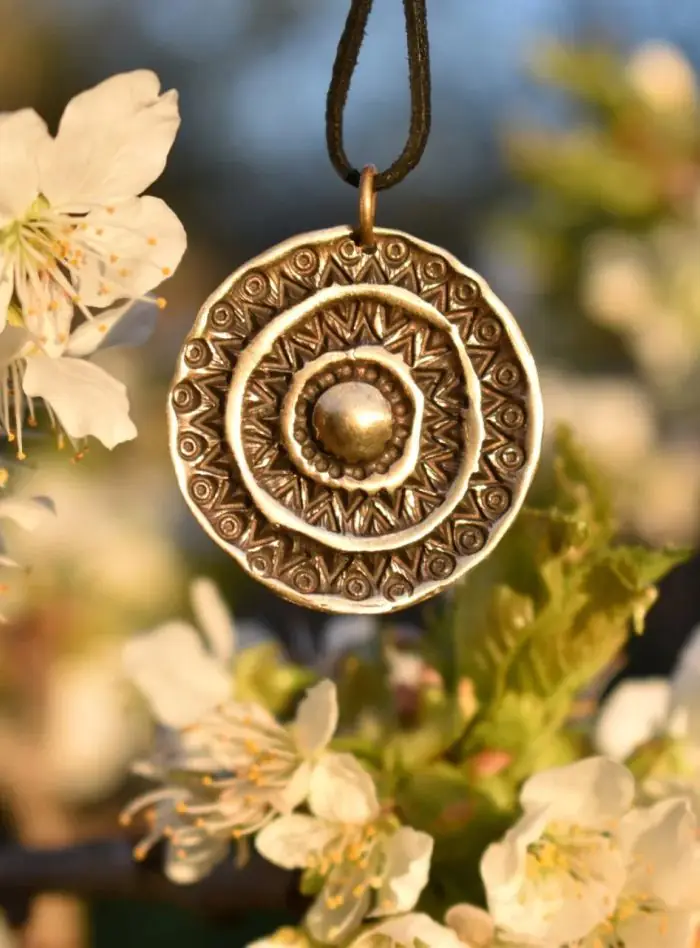
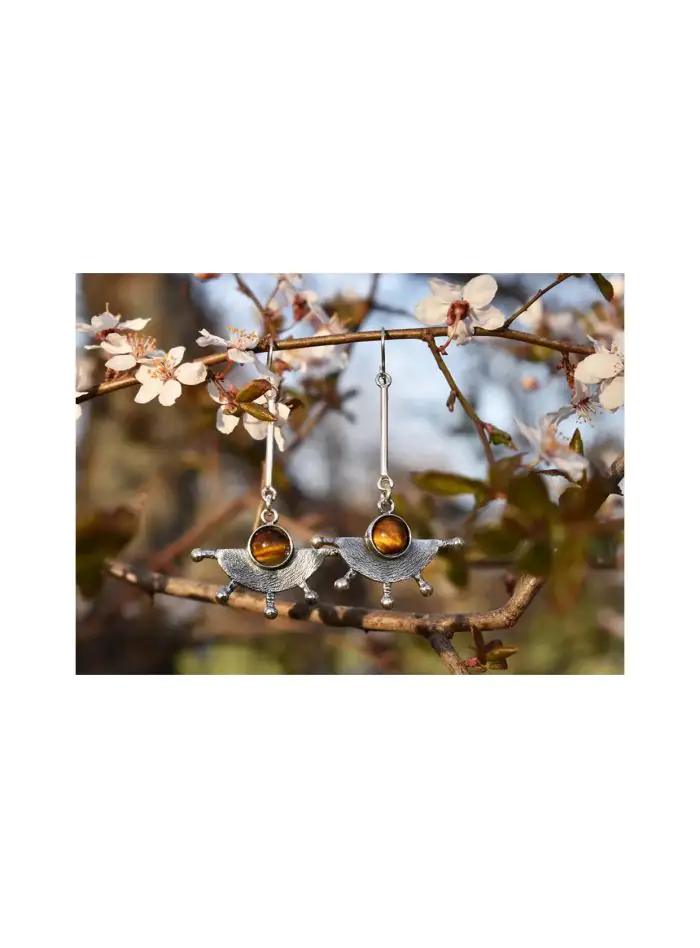
The jewelry itself may not be as meaningful as the moment it becomes part of a story.
Skaista Rota is another Latvian jewelry brand where a love for tradition meets a contemporary reading of it. The brand’s founder and master jeweler, Edgars Skulte, describes his work this way: “My jewelry is chosen by creative individuals, wonderful homemakers, strong men, intellectual artists, feminine women, wealthy and simple gentlemen, couples in love, and fragile girls. My clients are as diverse as the jewelry I create.”
The brand’s studio-shop at Blaumaņa 16/18 is loved by folklore enthusiasts as well as those who appreciate symbolism, unconventional forms, and the value of handmade craftsmanship. You can order pieces online, but we’d recommend stopping by the shop—the staff will gladly share the story behind each symbol and help you find something that truly resonates with your inner world.
VERBA
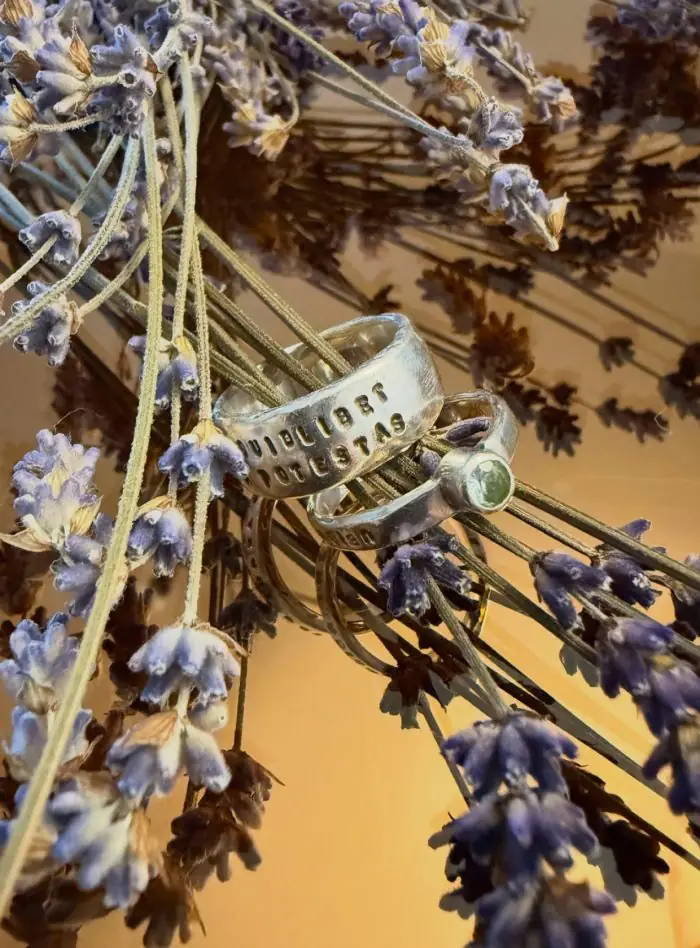
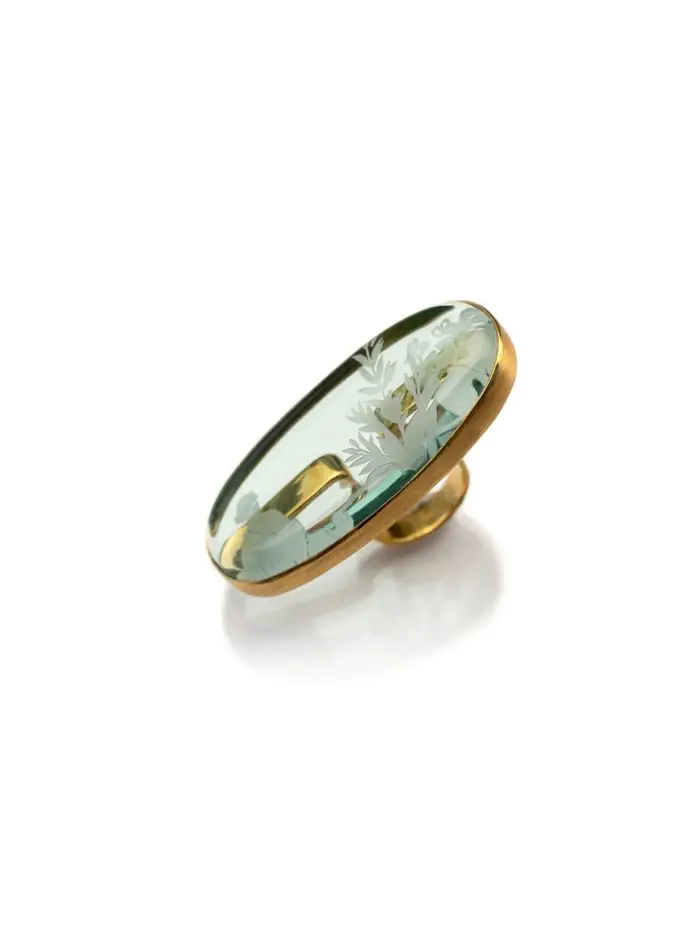
adbibere verba puro pectore
You’ve just read a Latin phrase that roughly translates as: “Receive words with a pure heart.” Verba—Latin for “words”—is the main source of inspiration for the brand’s founder, designer Anna Fanigina.
Since 2001, the brand has been creating jewelry with Latin phrases and aphorisms, turning rings, pendants, and bracelets into personal messages. Carpe Diem, Tempore Certo, Meta Vita—each inscription becomes part of the story of the person who chooses it.
If a ready-made phrase doesn’t quite resonate, the brand offers the option to create your own. That’s why VERBA pieces often feel less like decorative objects and more like a way to hold onto an important thought or a reminder of a meaningful moment.
Rozenthal
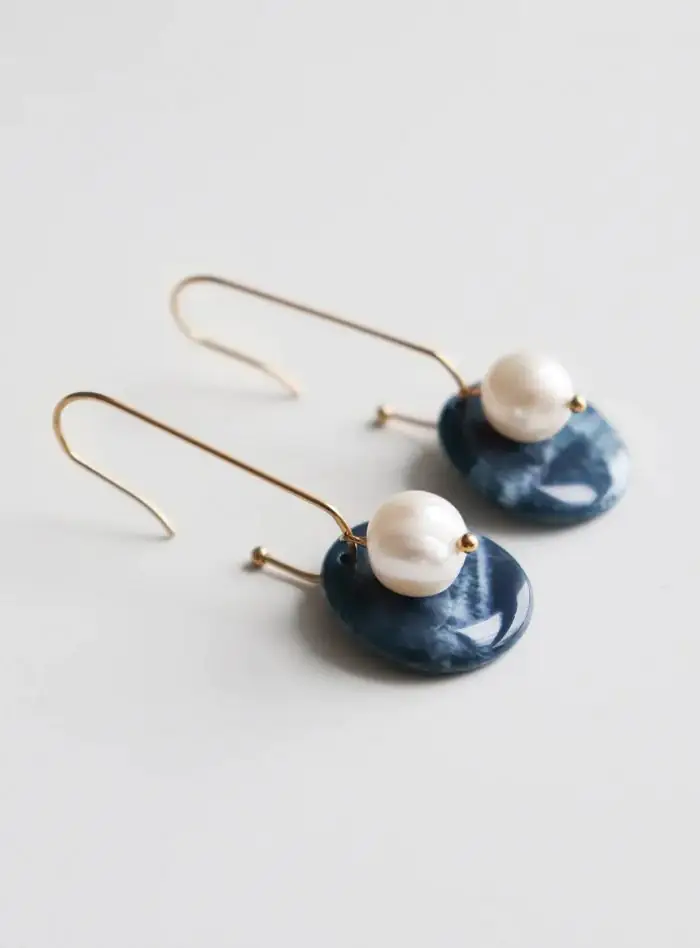
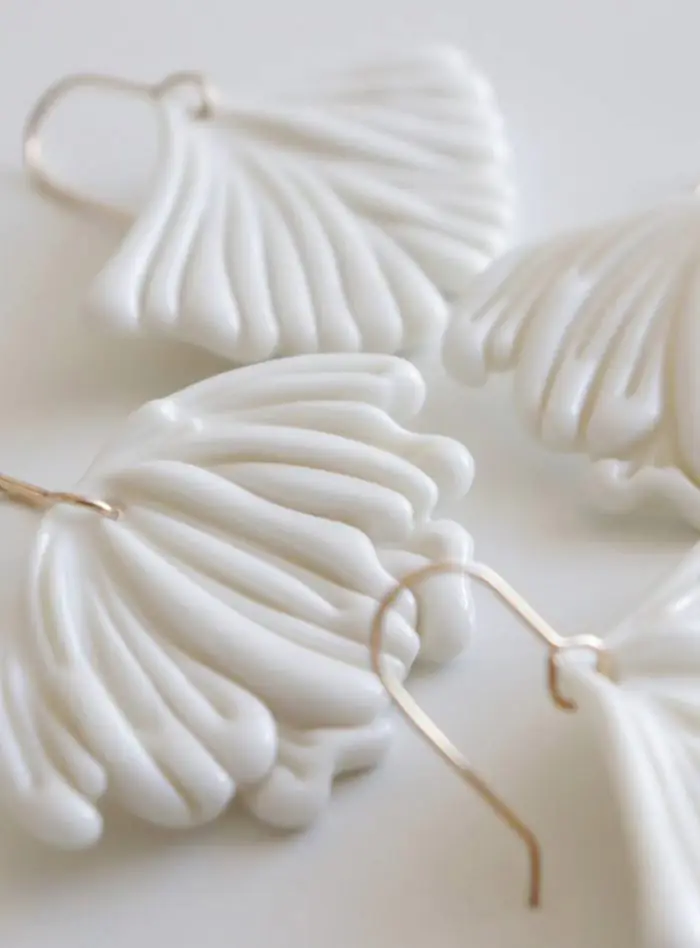
Porcelain is rarely associated with contemporary jewelry art. The idea that this material could be used for adornments has been around for quite some time, but it wasn’t until the early 18th century that it began to be actively applied in jewelry-making. A little over three centuries later, porcelain has become more accessible—and continues to inspire jewelers and designers around the world to experiment. This very material became the foundation of Rozenthal Jewelry, founded in 2016 by artist Madara Rozentāle.
A graduate of the Art Academy of Latvia, she works with porcelain as a fully-fledged jewelry material, creating minimalist earrings, rings, and pendants. Clean, understated forms are combined here with handcraftsmanship, precious finishes, and attention to detail.
Sustainability is also a key part of their approach. The Astille collection, for instance, is made from recycled porcelain, giving production leftovers a second life as new pieces.
The brand’s cozy studio regularly hosts creative workshops—so feel free to drop by if you want to see the process of making these unique pieces (along with all sorts of plates and cups) with your own eyes, or even create something of your own with your own hands.
Dos Adornments
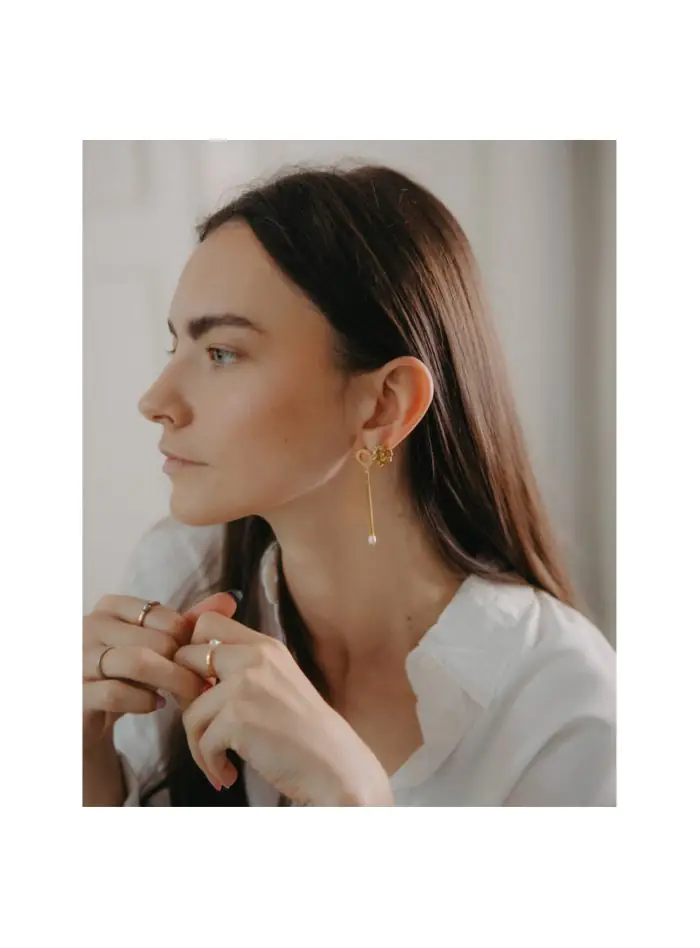
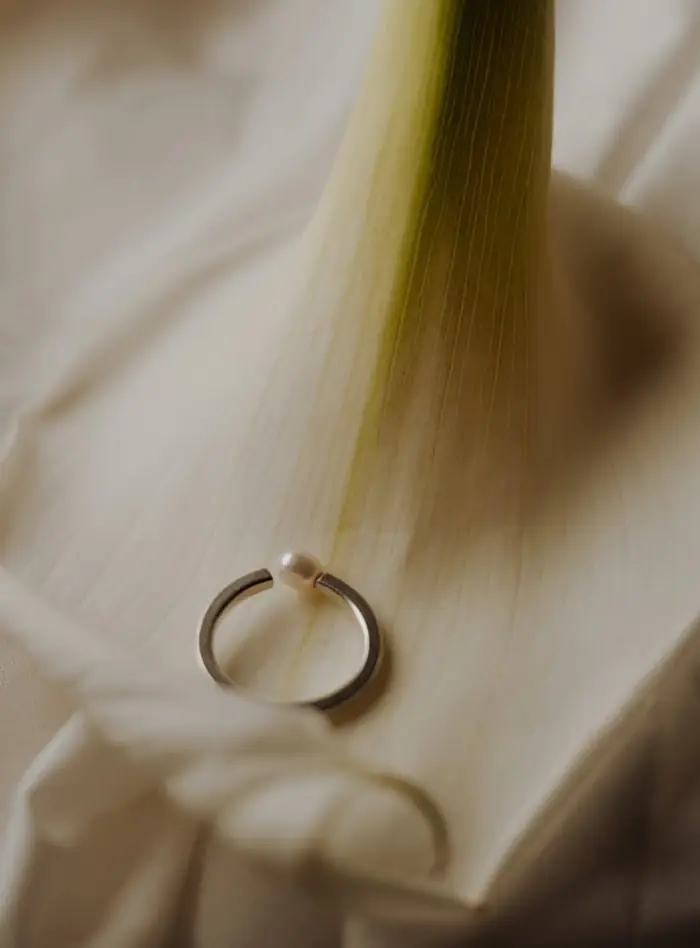
Jewelry pieces made to be cherished forever.
Founded in 2021, Dos Adornments emerged from a desire to create jewelry in a more responsible way. Its founder, Rasma Pušpure, works primarily with recycled precious metals and carefully selected stones, paying close attention to the origin of materials.
But sustainability is only part of the brand’s philosophy. Equally important is the idea of conscious consumption and longevity. Instead of chasing fast-changing trends, Dos Adornments focuses on pieces that remain relevant for years and can be passed down from generation to generation.
For those who value production transparency and contemporary minimalism, the brand has become one of the most exciting new names on the Latvian jewelry scene.
Odd Jewelry

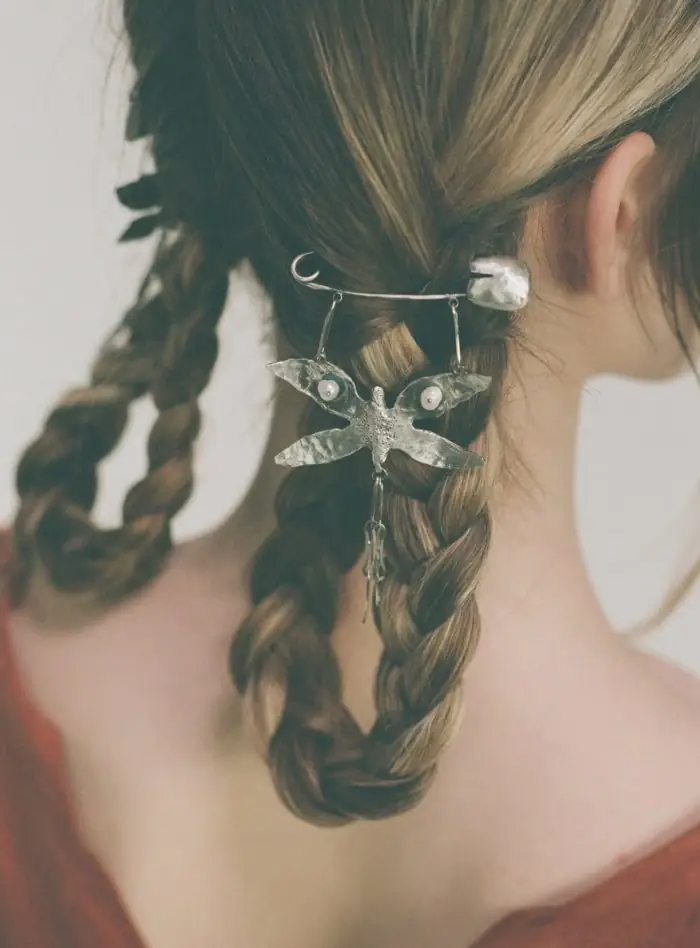
Handmade jewelry crafted with imperfection.
“You have some kind of beautiful madness, not jewelry.” That’s a comment a user once left under an Odd Jewelry Instagram post.
The name Odd Jewelry speaks for itself. Its founder, Julia Kravtsova, creates pieces inspired by fairy tales, myths, and natural imagery. Orchids, wolves, hearts, plants, and fantastical creatures appear in the collections, transformed into rings, earrings, pendants, and brooches. Each piece bears the marks of handcraftsmanship and intentional imperfection—which becomes part of its character.
Julia describes her work this way: “They often resemble fragments of forgotten legends—mysterious, imperfect, and full of life. These aren’t just ornaments, but small artifacts meant to be worn, touched, and lived with.”
The brand’s range now includes nearly 150 curiosities—from earrings and pendants to brooches, hairpins, and even spoons—made primarily from silver and a wide variety of stones and minerals.