What is birdwatching?
Birdwatching, or birding (today, these two terms are used interchangeably), is the practice of observing birds in their natural habitats. In its simplest form, it means heading out to a park, forest, lakeshore, coastline or, truly, to any other place where it is possible to find birds, with binoculars, watching birds, observing their behavior, and trying to identify species you encounter. Many birders also keep personal life lists and record memorable sightings. It’s a bit like shinrin-yoku, except your attention is focused on birds.
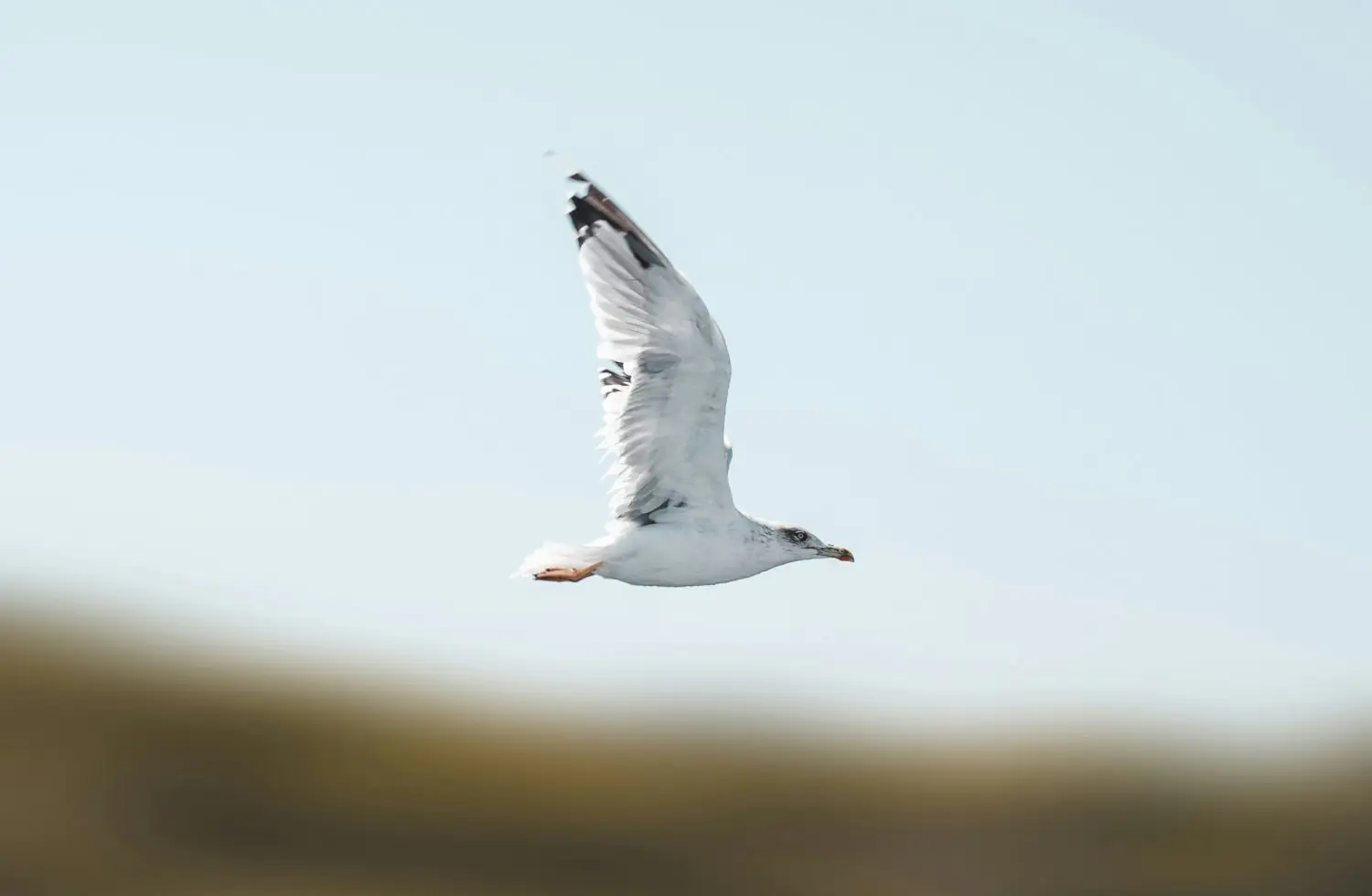
Here’s how it usually works: a beginner spots a bird, enjoys watching it through binoculars, and tries to figure out what species it is. A more experienced birder can identify it almost instantly and even share a few interesting facts about it. And a true expert can recognize most birds before even seeing them—simply by their songs and calls.
“For me, birdwatching is the best way to relax, clear my head, and forget my worries for a while. It’s both peaceful and exciting. Quiet breathing and adrenaline at the same time.”
Dace Rukšāne, writer
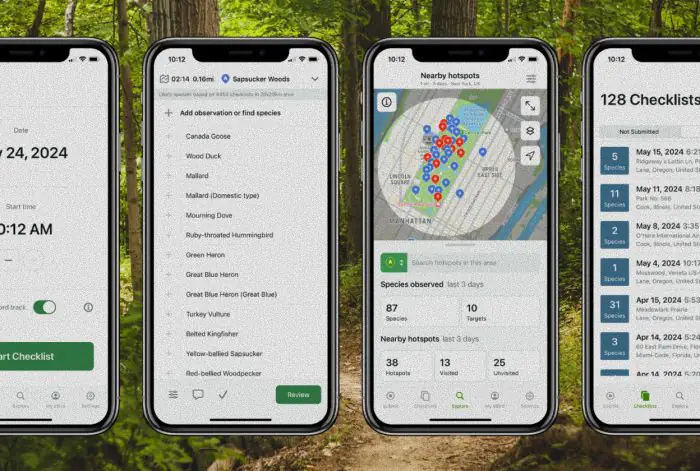
One of the most popular tools among birdwatchers worldwide is the eBird app. It allows users to keep track of the species they’ve seen, save observations, and mark sightings on a map.
“When you’re birdwatching, you truly feel present in the moment. It’s one of the few activities where calmness and patience are rewarded. It’s wonderful for your mental health—a real stress reliever.”
Birdwatcher Clare McGann
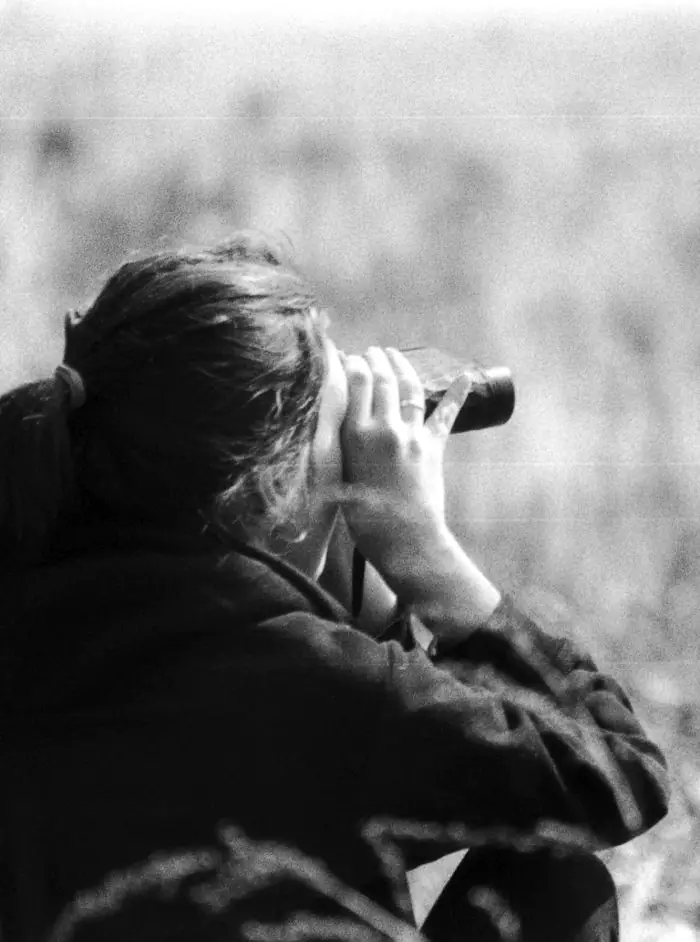

If you’re just getting started, here are a few simple tips:
- Bring binoculars. Models with 10×40 or 10×42 magnification are considered the gold standard among birdwatchers, though 8×40 or 8×42 binoculars are also excellent choices.
- Go out early in the morning or later in the evening. Birds tend to be less active during the middle of the day.
- Even if you’re heading out birdwatching for the very first time, we recommend downloading Merlin Bird ID—an excellent, user-friendly app developed by the Cornell Lab of Ornithology. This free, beautifully designed field guide can identify birds by both their appearance and their songs and calls.
- If you’re especially interested in bird sounds, try BirdNET. It’s often described as the birdwatching equivalent of Shazam.
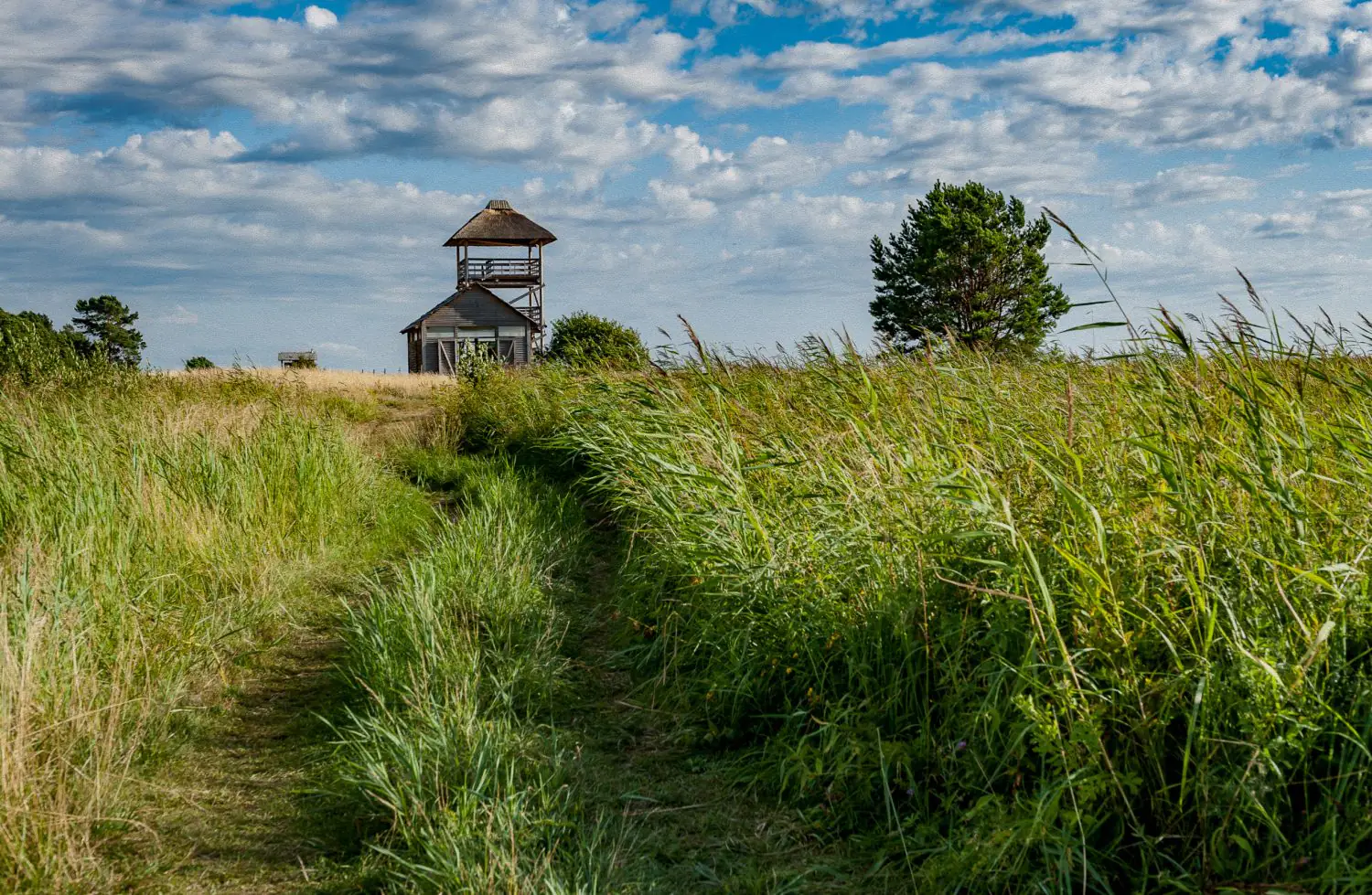
In recent years, group birdwatching has become increasingly popular in Latvia. People gather together to observe birds, slow down, and reconnect with nature. These walks are usually led by experienced guides who help participants spot birds, identify species, and learn more about their feathered lives.
If you speak Latvian, it’s worth following the events organized by the Latvian Ornithological Society. The organization regularly hosts guided birdwatching walks for adults and children, family-friendly lectures and practical workshops.
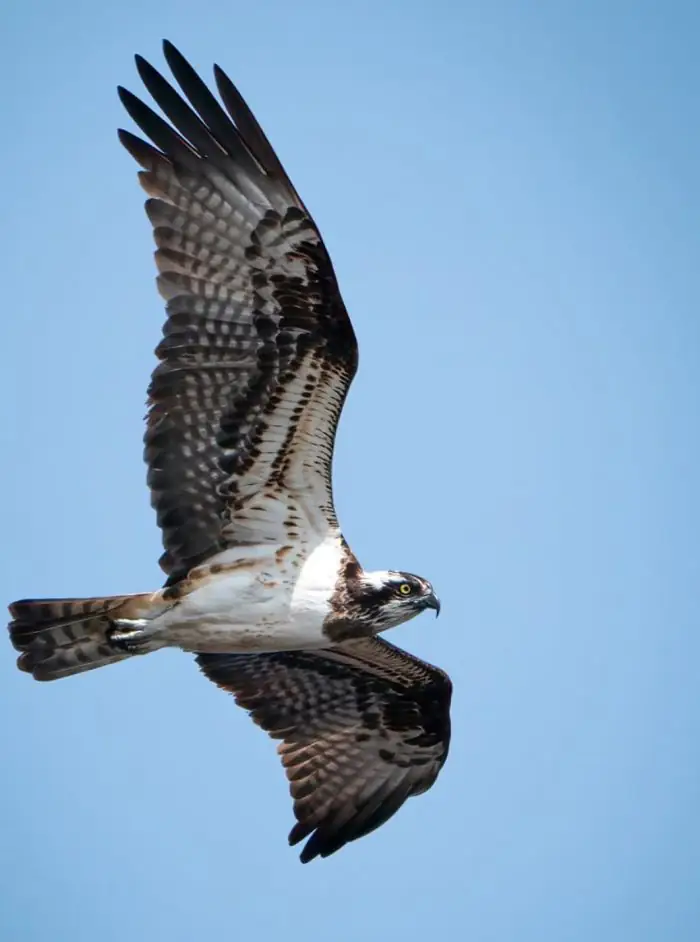
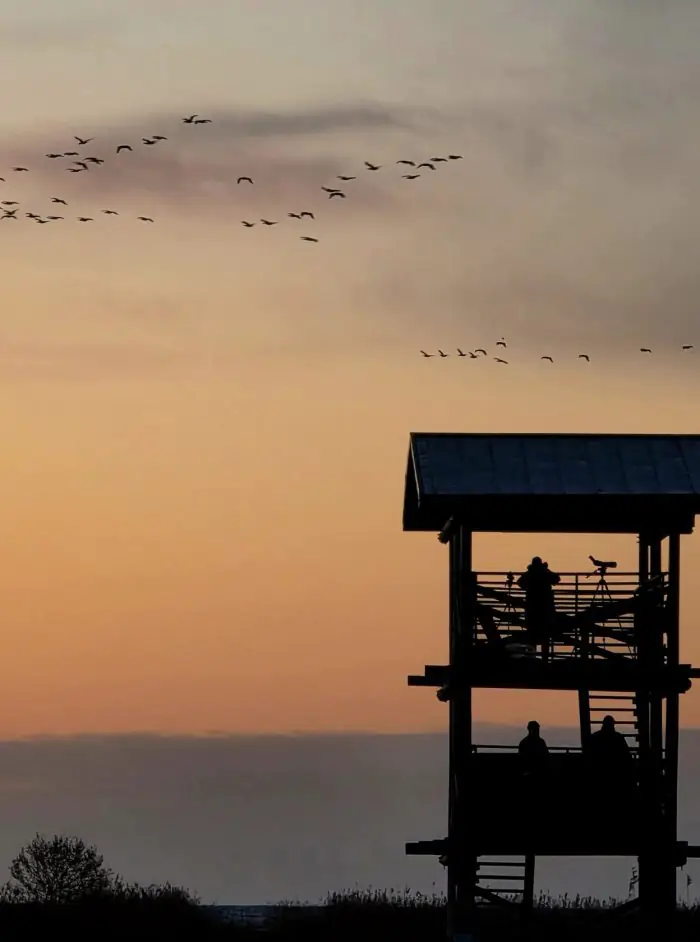
For our Russian-speaking readers we highly recommend “Северный глупыш”—a birdwatching project led by experienced birder Sasha Borzenko. Together with his team, he regularly organizes engaging birdwatching walks and trips for participants of all levels of experience, both across Latvia and abroad. Sasha also keeps a fascinating birdwatching journal and, together with ornithologist Nika Samotskaya, hosts the “Витю видел?” podcast. By the way, here you can also find practical advice on how to prepare for your very first birdwatching walk.
Now that you know a little bit more about birdwatching, it’s time to discover where you can head for your first adventure.

Along a Major Migration Flyway
Latvia is widely regarded as one of the best birdwatching destinations in Northern Europe. The country lies along the East-Atlantic Flyway, one of Europe’s major bird migration routes, making it an excellent place for observing birds almost year-round. The best time for birdwatching is, of course, spring and early autumn, when migration and breeding are in full swing. But even in summer, the abundance of birdlife is sure to impress.
Place № 1. Lake Engure
Kurzeme
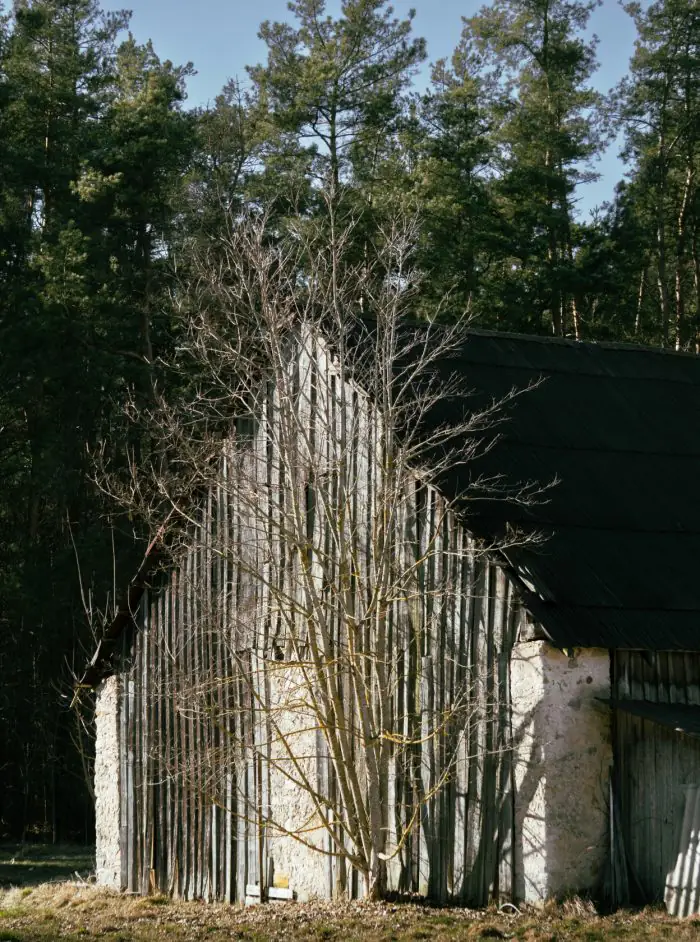
Lake Engure is located in the wonderful and well-known Lake Engure Nature Park—one of Latvia’s richest areas for biodiversity—and spans the area from Engure to Mērsrags.

Engure is the largest lagoon-type lake in Latvia: more than four thousand years ago, this landscape formed part of the Littorina Sea lagoon—an evocative piece of history that’s easy to imagine as you stroll along its shores.
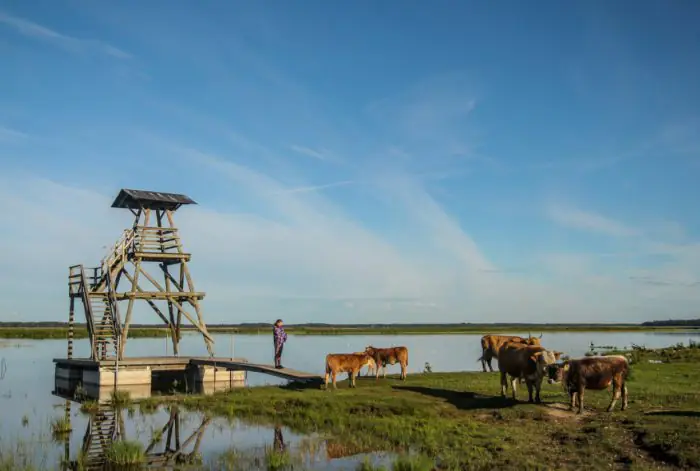
Birds are not the only reason for visiting this magical place: the nature park is home to Latvia’s only Orchid Trail, especially beautiful during the flowering season from mid-June to mid-July, and Polish koniks and the famous blue cows grazing in the lakeshore are sure to impress.
About 186 bird species have been recorded in the park, but during migration almost 80% of all species found in Latvia can be seen here. In 1957, the park became home to the field station of the Ornithology’s Laboratory of the Institute of Biology, which remains one of the country’s leading centres for bird research.
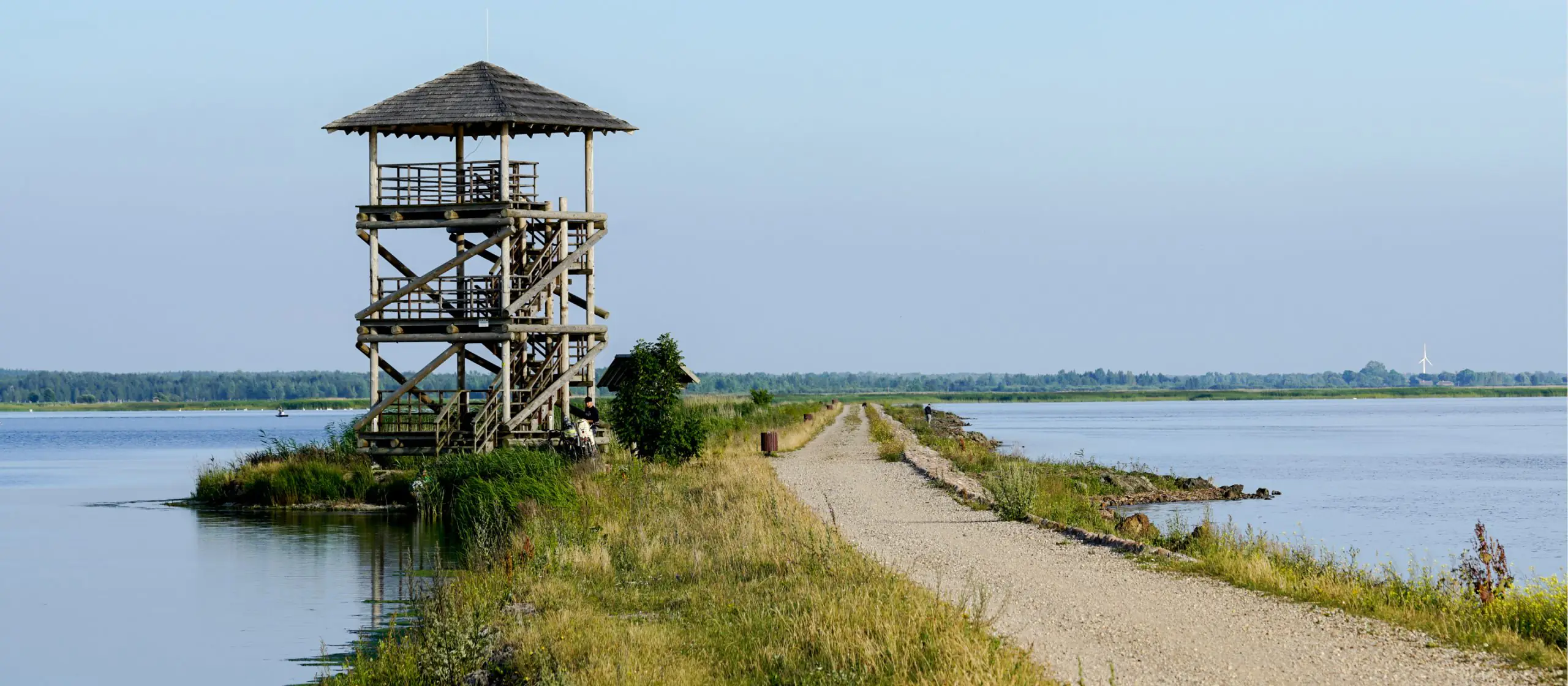
It was here, in the 1960s, that researchers developed a pioneering method for ringing newly hatched ducklings—a technique that was later adopted by ornithologists around the world. A birdwatching tower overlooking the lake offers sweeping views across its central part, providing an excellent vantage point for observing the many birds that gather along its shores.
Birds you can meet here in summer (among many others):
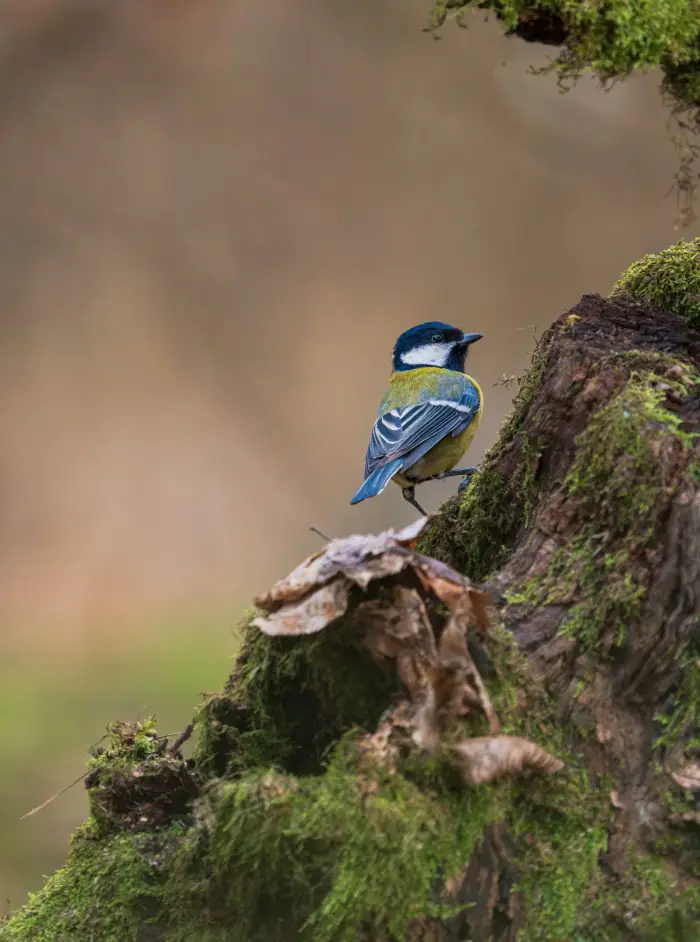
- Warbler
- Bean goose
Place #2. Lake Kaņieris
Kurzeme
Close to Lake Engure lies another destination that birdwatchers consider a must-visit. Lake Kaņieris is home to 237 recorded bird species—more than half of all the bird species found in Latvia.
The best way to explore the lake is by renting a boat from the local boat station and heading toward one of its 14 islands. Along the way you’ll be accompanied by waterbirds, and if you’re lucky, you’ll hear the deep, booming call of the Great Bittern echoing from the reed beds—a sound unlike any other.
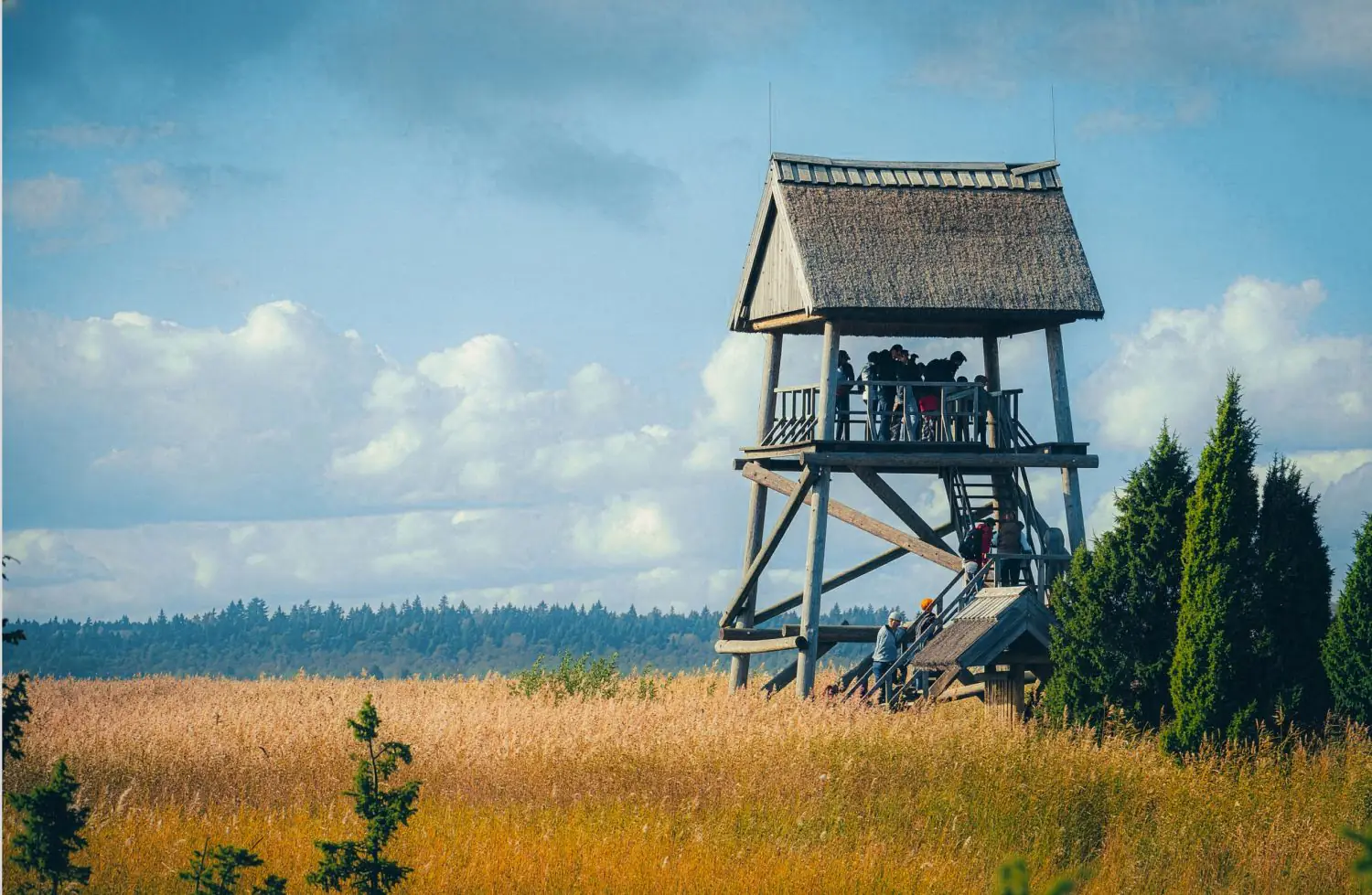
Three observation towers have been built along the shore, each offering a different perspective of the lake and its surrounding wetlands. If time allows, it’s well worth visiting all three.
Birds you can meet here in summer (among many others):
- Great egret
- Great crested grebe
Place #3. Mērsrags Beach
Kurzeme
Our next stop is the coastal section of Lake Engure Nature Park. Here you’ll find Mērsrags, Latvia’s second-largest cape and one of the country’s finest birdwatching locations along the Baltic coast.
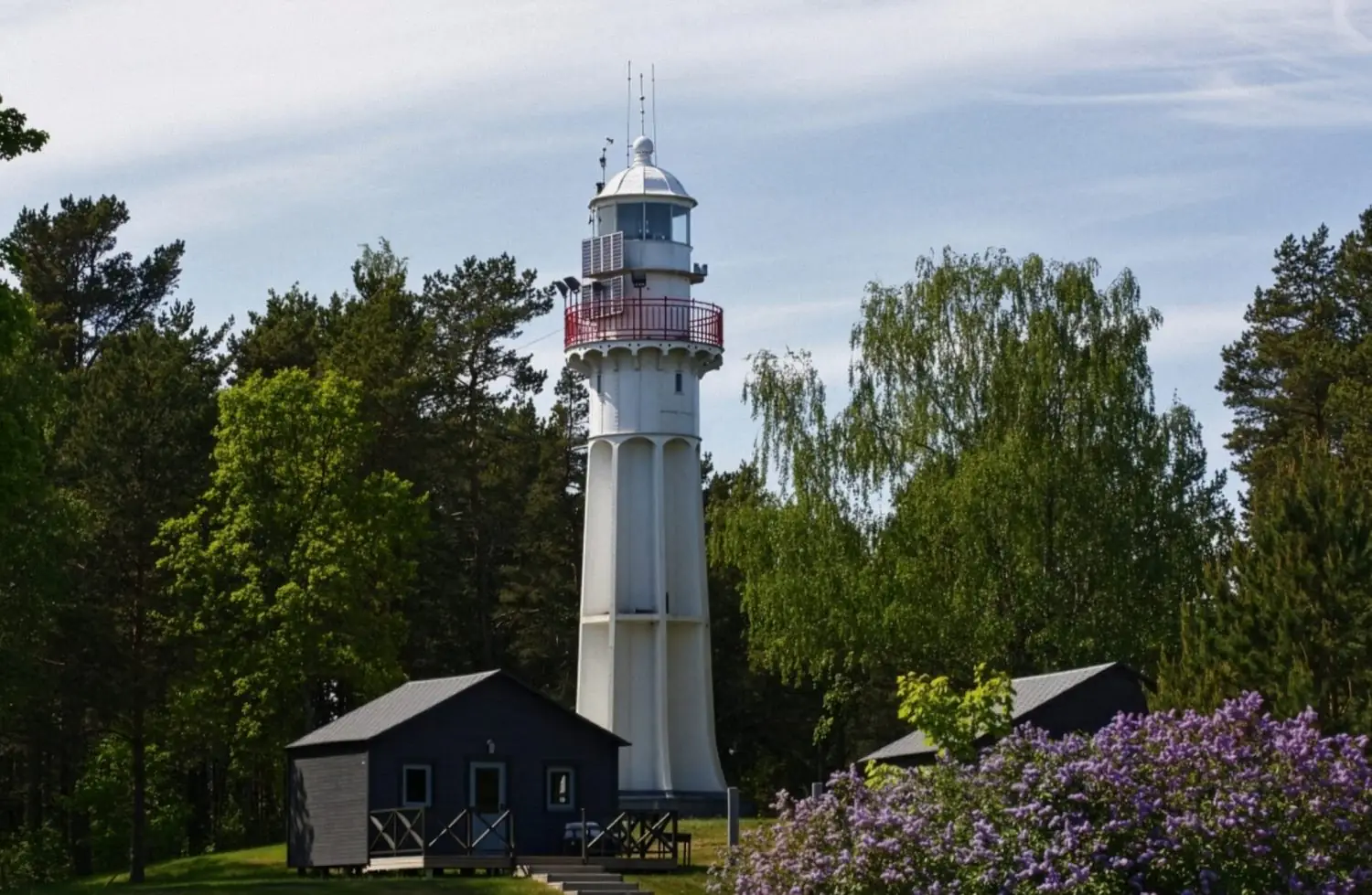
The area’s defining feature is its coastal meadows—a rare ecosystem on Latvia’s shoreline. The best place to begin your visit is the observation tower, where you can enjoy sweeping views of an unusual landscape in which reed beds and green meadows gradually give way to the sea.
This diverse habitat attracts a remarkable variety of birdlife. Herons, cormorants, yellowhammers and dozens of other species can all be spotted here. A forty-minute walk or about a ten-minute drive away, next to the Mērsrags Lighthouse, is another, equally famous observation tower. Be sure to visit it, too.
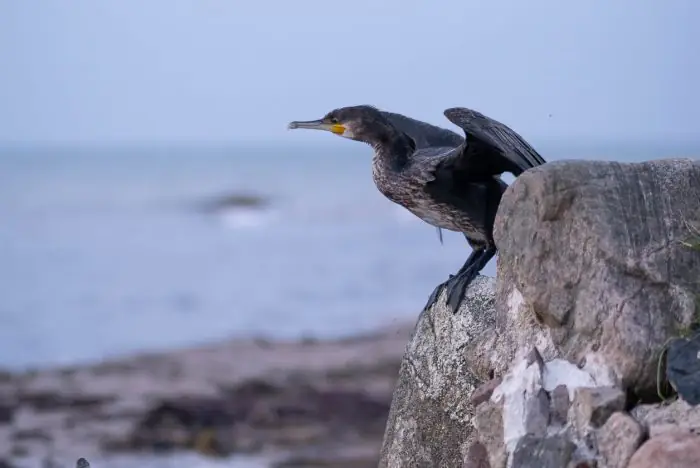
Birds you can meet here in summer (among many others):
- Great cormorant
- Great reed warbler
Place #4. Randu Meadows
Vidzeme
If you enjoyed the coastal meadows of Mērsrags, continue your journey along Latvia’s north-eastern coast. The Randu Meadows stretch for nearly nine kilometres between Ainaži and Kuiviži and form part of the Natura 2000 network, which protects Europe’s most valuable natural areas.
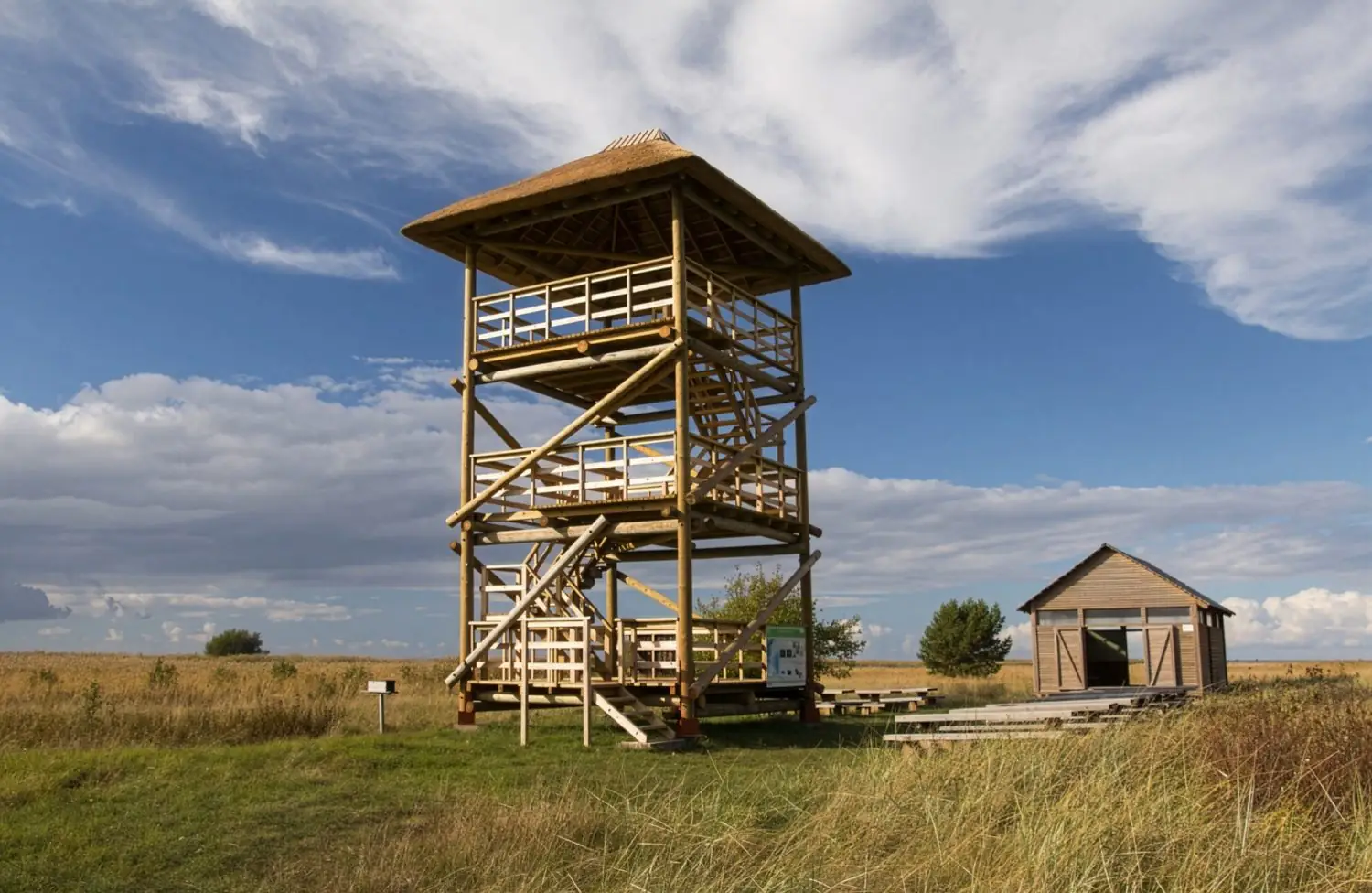
To maximise your chances of seeing birds, make your way to the observation tower. The walk there is an attraction in itself: a wooden boardwalk first winds through the forest before crossing meadows and marshland. After just 1.5 kilometres, you’ll reach the tower.
Information boards near the viewing platform provide insights into the area’s wildlife and habitats. And don’t be surprised if you encounter more than just birds along the way.
Birds you can meet here in summer (among many others):
- Common Sandpiper
- Spotted crake
Place #5. Lake Lubāns and the Lubāns Wetlands
Latgale
The final stop on our route is Lake Lubāns, Latvia’s largest lake, and the vast wetlands that surround it. In addition to the lake itself, this unique landscape includes marshes, Akmeņsala Island, wet meadows and forests.

Every year, thousands of birds feed and nest here, including the Osprey, Great Bittern and White-tailed Eagle. It’s no coincidence that Latvian ornithologists refer to Lubāns as the country’s birdwatching capital—257 bird species have been recorded here.
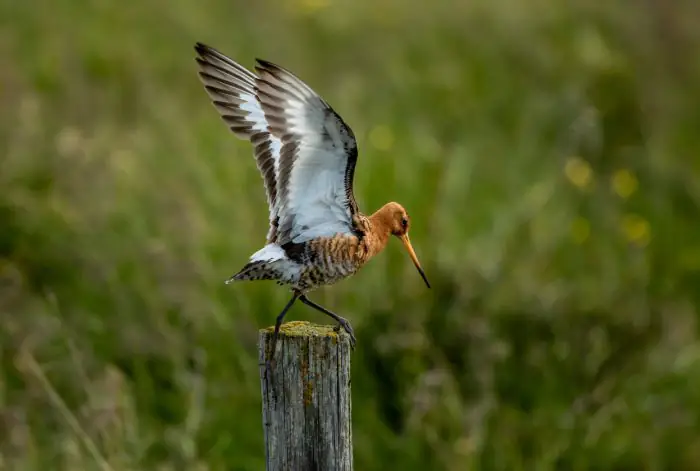
Here, you can observe birds literally from anywhere, but if you want to fully appreciate the site’s grandeur, head to the observation tower; fortunately, there are six in the area. If you don’t have binoculars with you, no problem: rent them at this information center and embark on a well-deserved natural meditation. Here’s a map of possible routes. We hope you spot a kingfisher along the way.
Birds you can meet here in summer (among many others):
- Common Kingfisher
- Great snipe