Approaches to former religious sites vary greatly across Northern Europe. This is partly because the process of secularisation has progressed further in Scandinavia than in the Baltic states. In Denmark, for example, around 200 church buildings have been officially designated as ‘redundant churches’. Once granted this legal status, if the parish can no longer afford to maintain the church, it is sold. While the facades remain intact, the interiors may be completely repurposed to house offices, public spaces or residential units.
The situation in the Baltic region is more complex. Here, the decline in parish numbers is exacerbated by the historical trauma of the Soviet era, during which time churches were converted into warehouses, gyms or cinemas. Consequently, the reverse process is often taking place today: restoration and the return of churches to their sacred function. In Karosta, for example, a military port near Liepāja, the Orthodox Naval Cathedral, which was built in 1903, was used by the Soviet military as a warehouse for decades, but has now been fully restored.
Nevertheless, even restored temples rarely remain purely religious sites.
Museums and concert halls
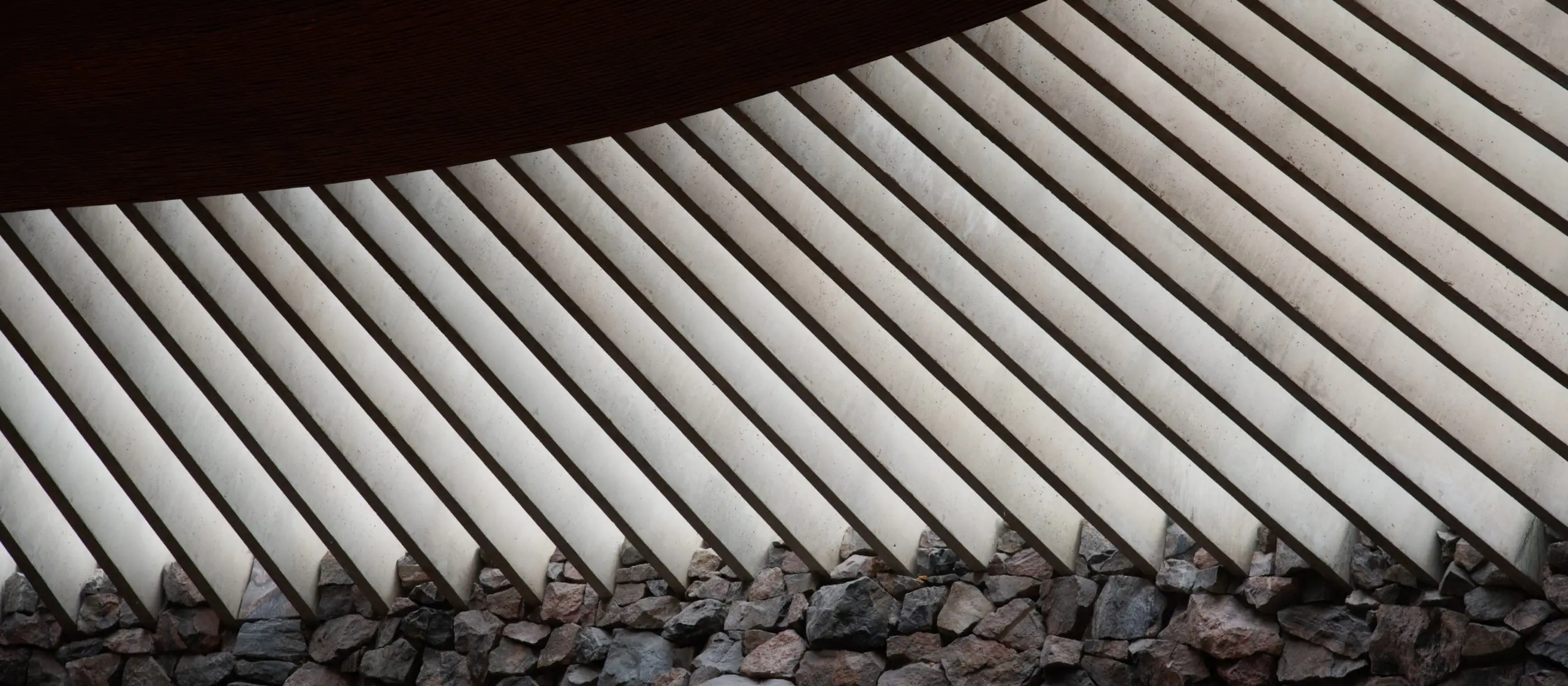
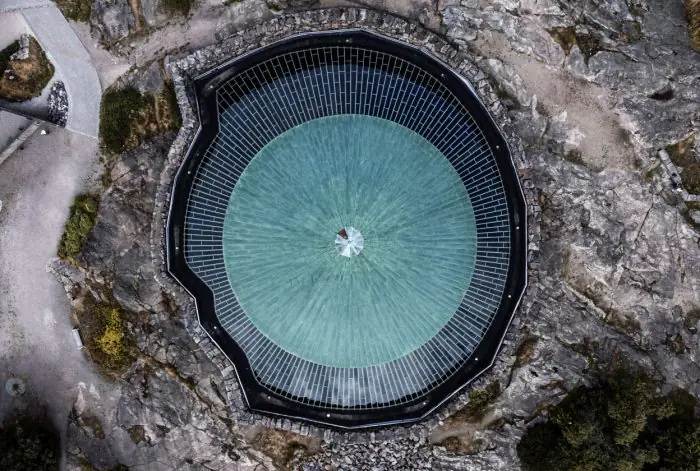
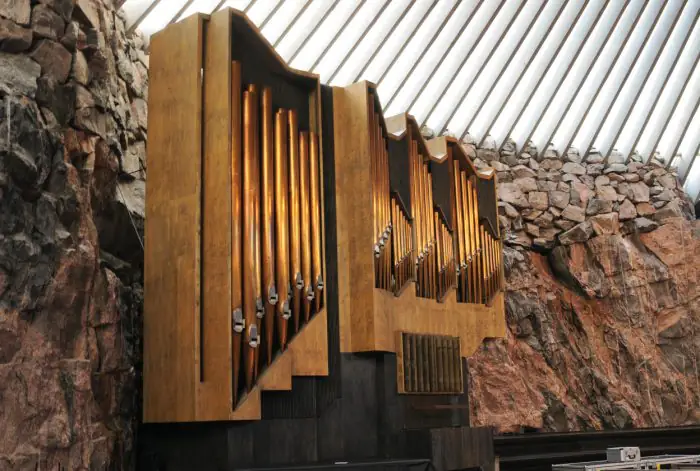
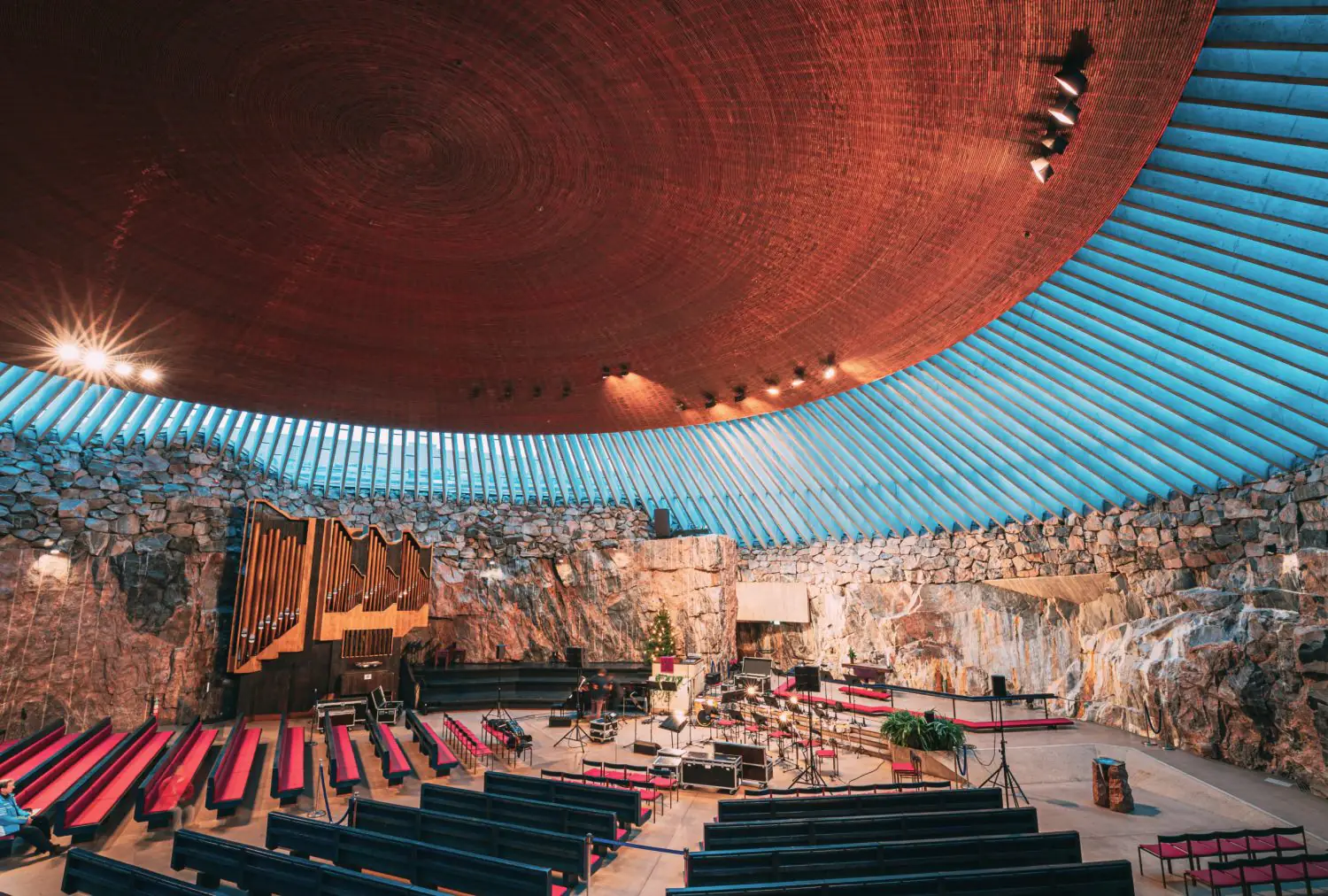
The gentlest and least contentious option is to convert the church into a cultural venue. A prime example of this is the Temppeliaukio Church (1969) in Helsinki, which was designed by brothers Timo and Tuomo Suomalainen. This late modernist church, hewn from rock, continues to serve as a place of worship while also functioning as one of the city’s main concert venues.
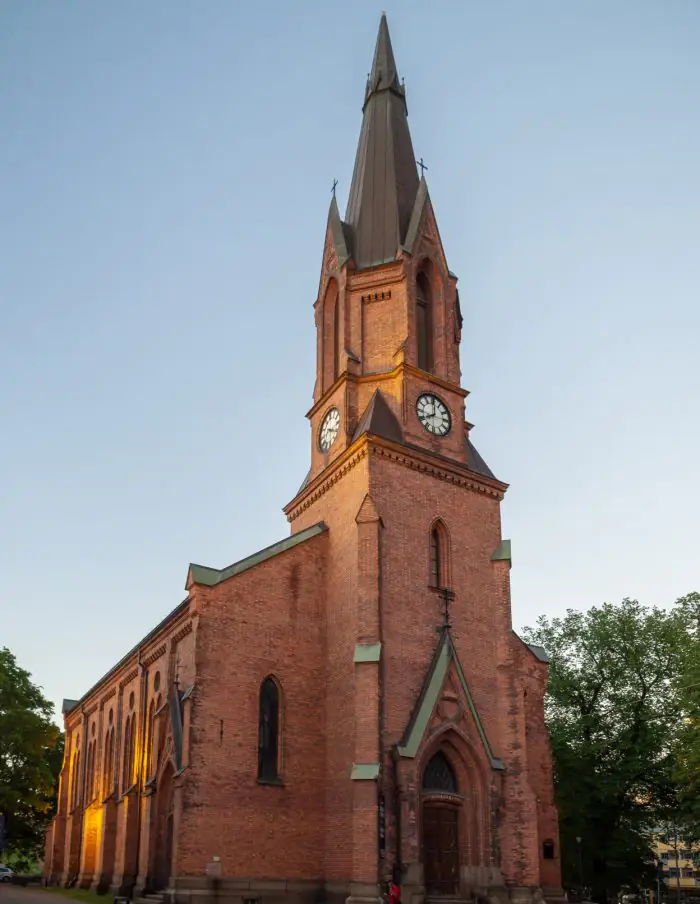
At Kulturkirken Jakob (St James’s Church of Culture) in Oslo, they have taken things a step further. No services are held here, yet this building from the 1880s has become a hub for avant-garde culture, hosting everything from experimental music to dance performances. Meanwhile, the interior has remained virtually unchanged, providing a striking backdrop for contemporary art.
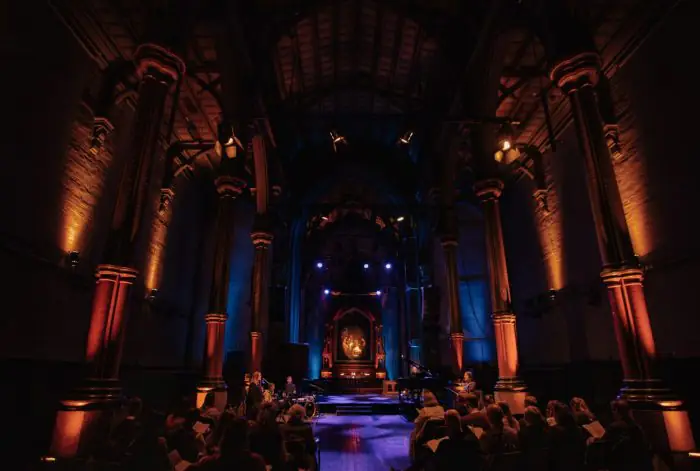
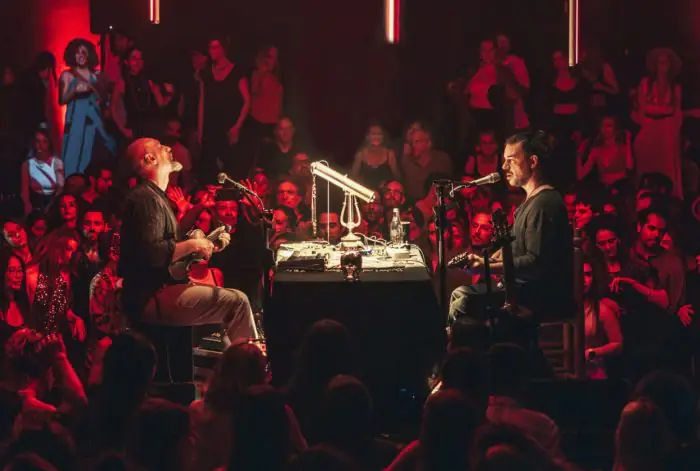
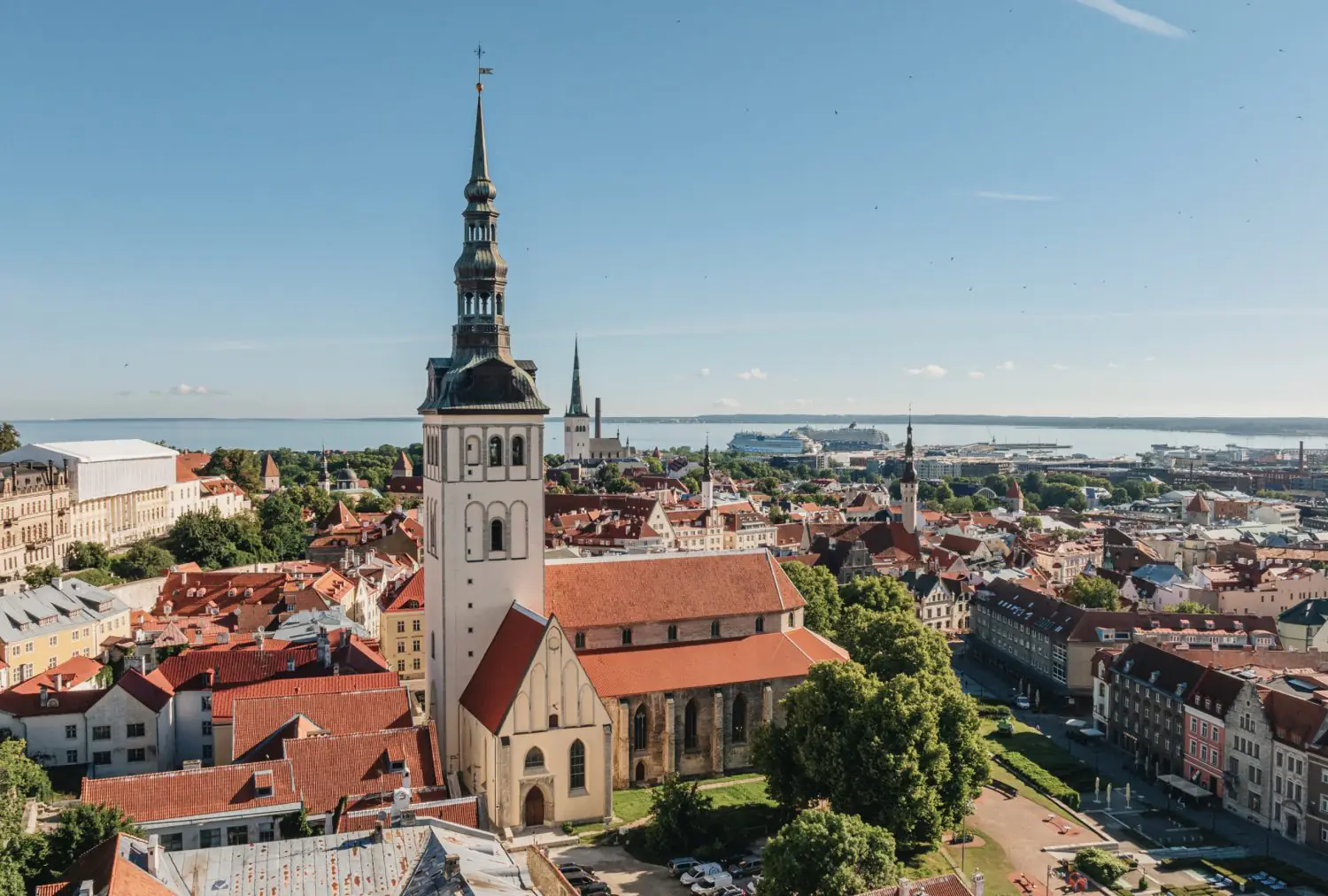
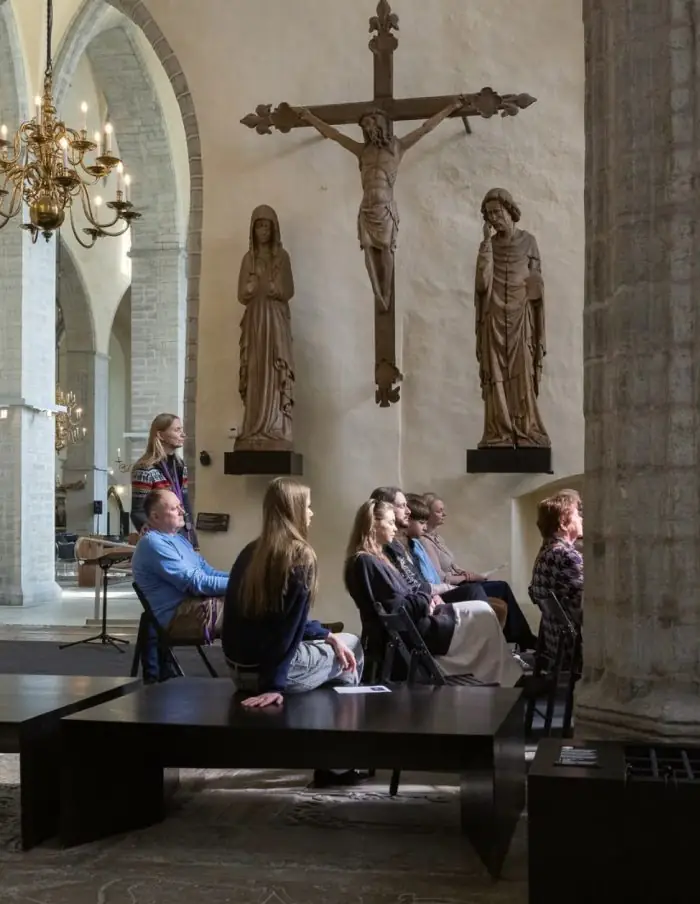
In Tallinn, the 13th-century Niguliste Church was converted into a branch of the Estonian Art Museum following its restoration. The church hosts concerts featuring organ and medieval music, and displays a painting depicting the Danse macabre, or ‘dance of death’, a subject rarely seen in the region.
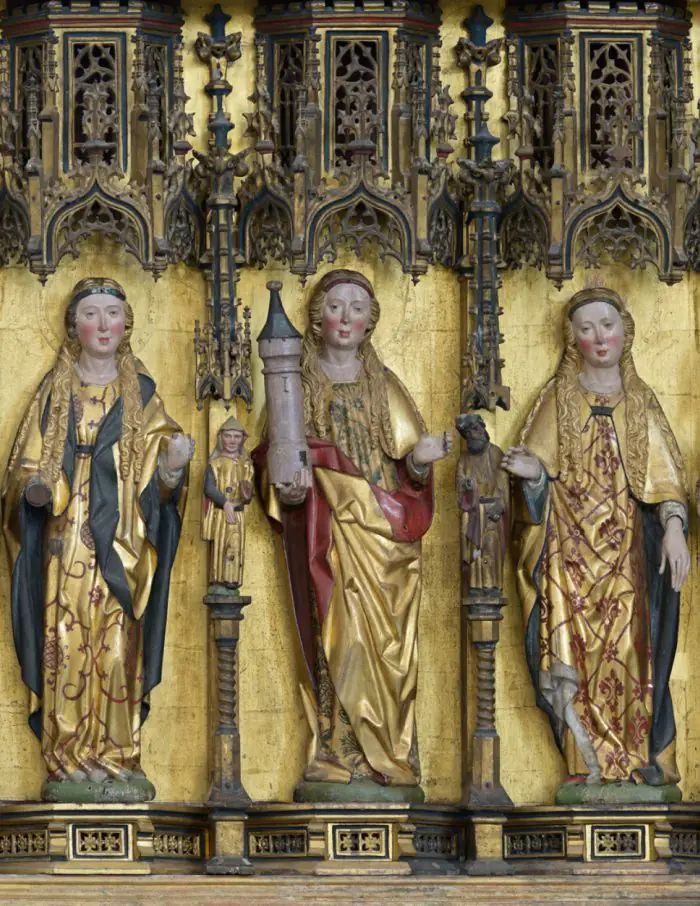
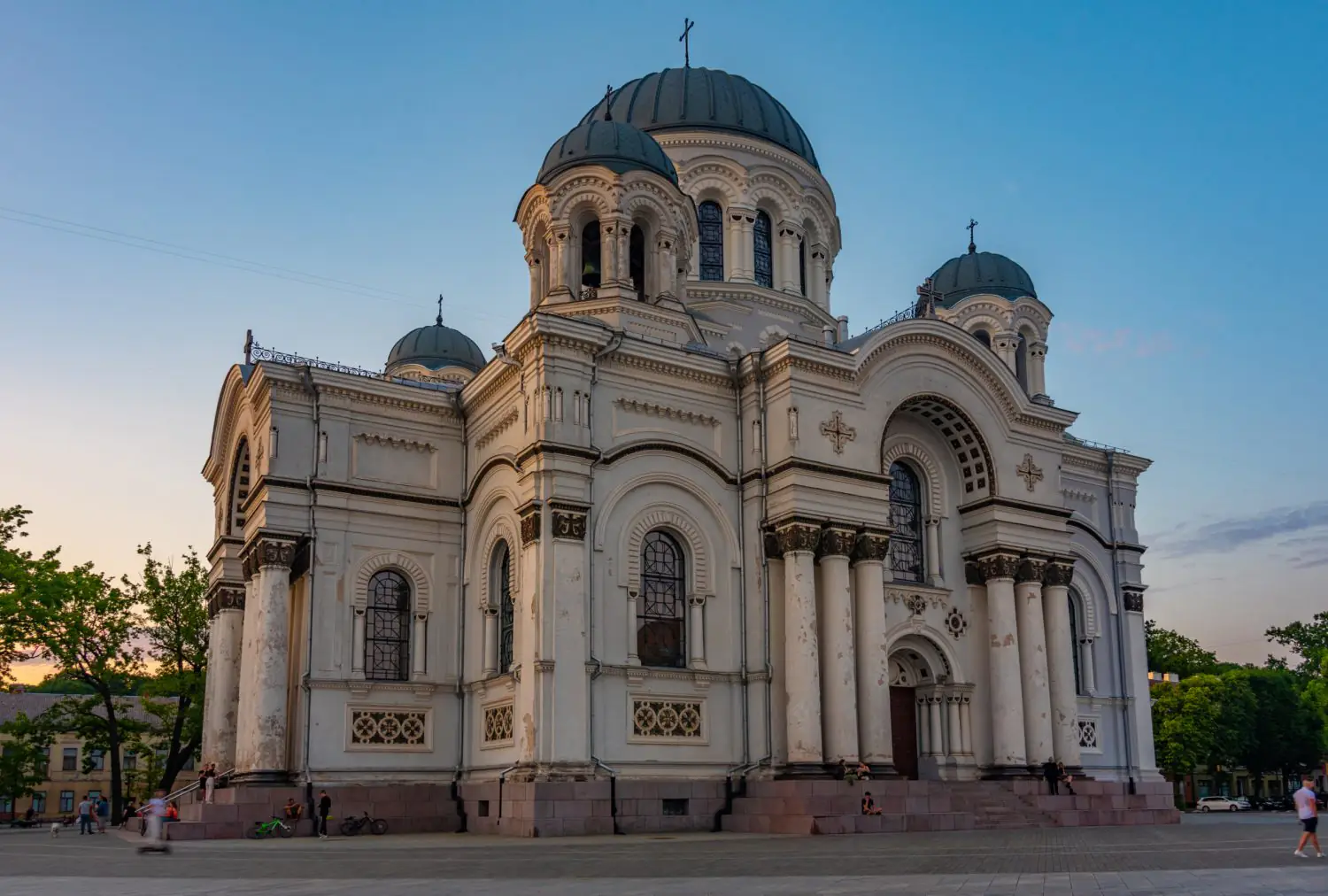
The example of Kaunas is also revealing: a museum for the blind featuring tactile exhibits has been established in the basement of the active Cathedral of St. Michael the Archangel — an inclusive space that transforms the perception of church basements.
Sports and leisure
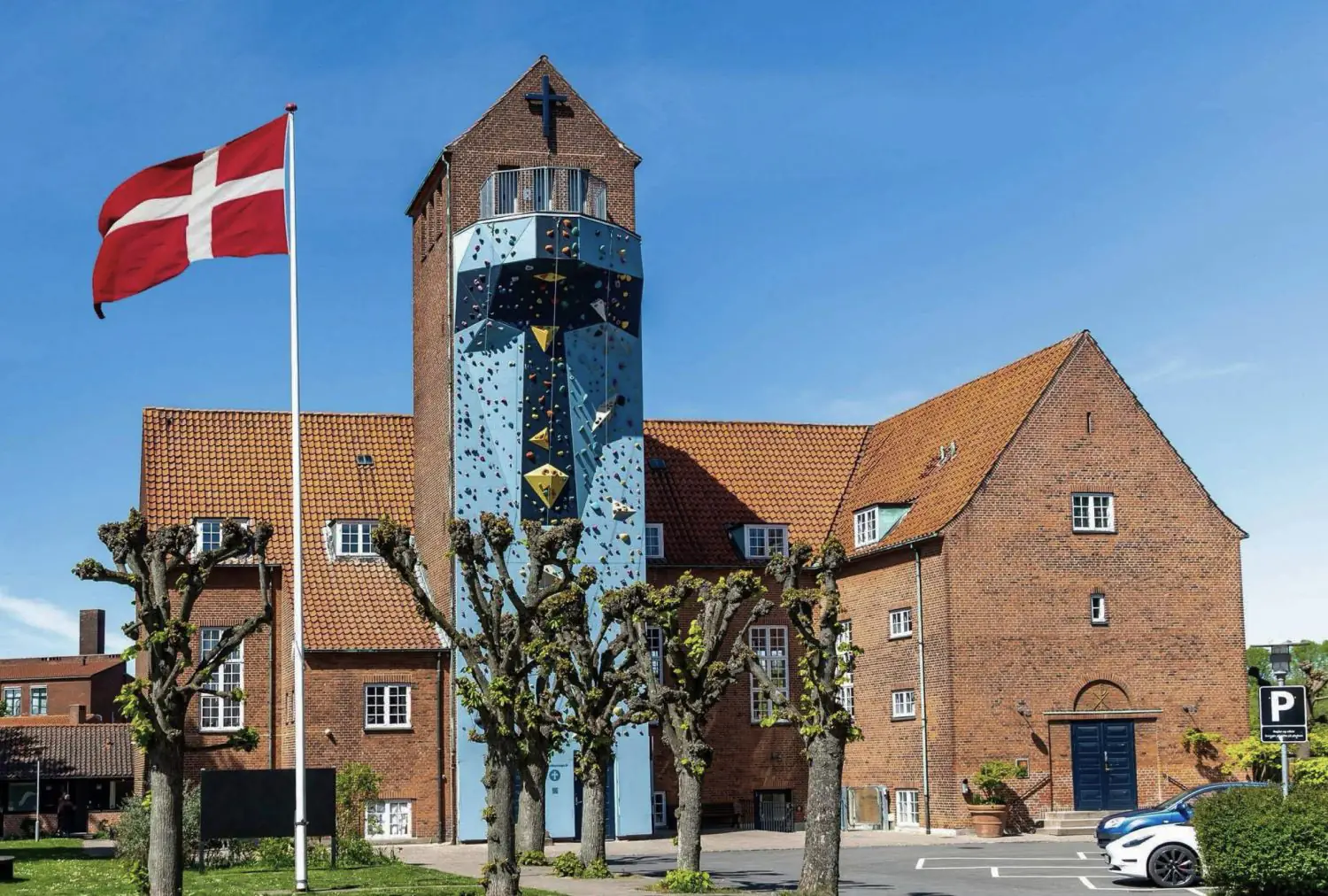
Denmark, a country where opinion polls show a steady decline in church attendance year after year (only around 10% of citizens regularly attend services), is proposing radical projects to reimagine churches. In an effort to engage people, new sensory and physical experiences are being offered: for instance, the tower of the former Frederiksholm Church (1922) has been converted into a 15.5-metre-high climbing wall. Meanwhile, the church remains active.
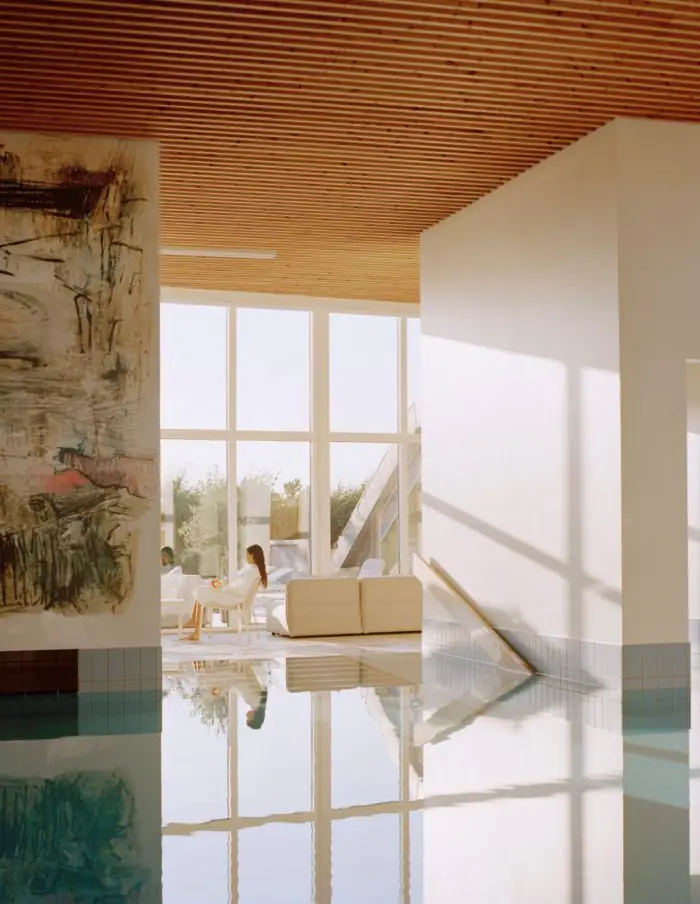
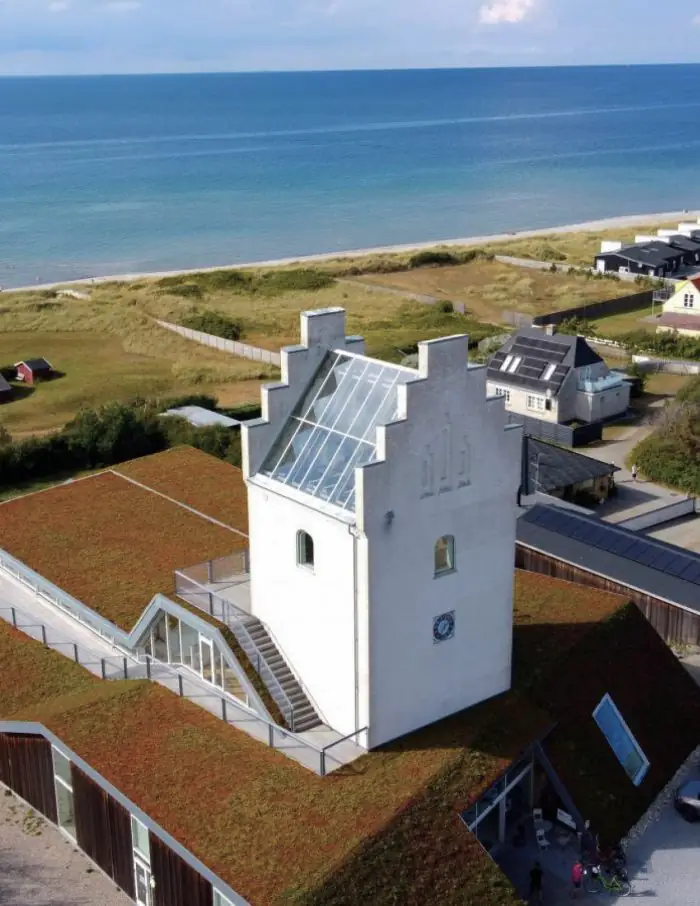
Another striking example is the Læsø Kur spa complex, which is housed in a former coastal church dating back to the 1950s. Nature played a decisive role in its transformation. Over time, shifting sands slowly engulfed the church and, by the 21st century, it had been completely buried, resulting in its permanent closure. During the renovation, the nave was replaced with a new structure inspired by the shape of coastal dunes, while the tower was preserved as a visual landmark. The logic behind the transformation is intriguing: both the church and the spa appeal to a similar state of mind, offering peace, focus and an escape from everyday life.
Gastronomy and entertainment
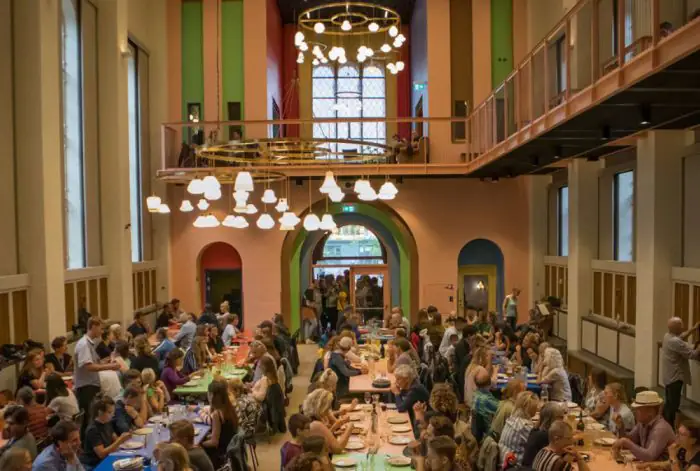
The most socially engaging projects focus on gastronomy and informal public spaces. For example, Absalon Church (1926) in Copenhagen has become a recreational space, hosting communal dinners, yoga classes and ping-pong tournaments. While its function has changed, the idea of the church as a community gathering place has been preserved, albeit without religious overtones.
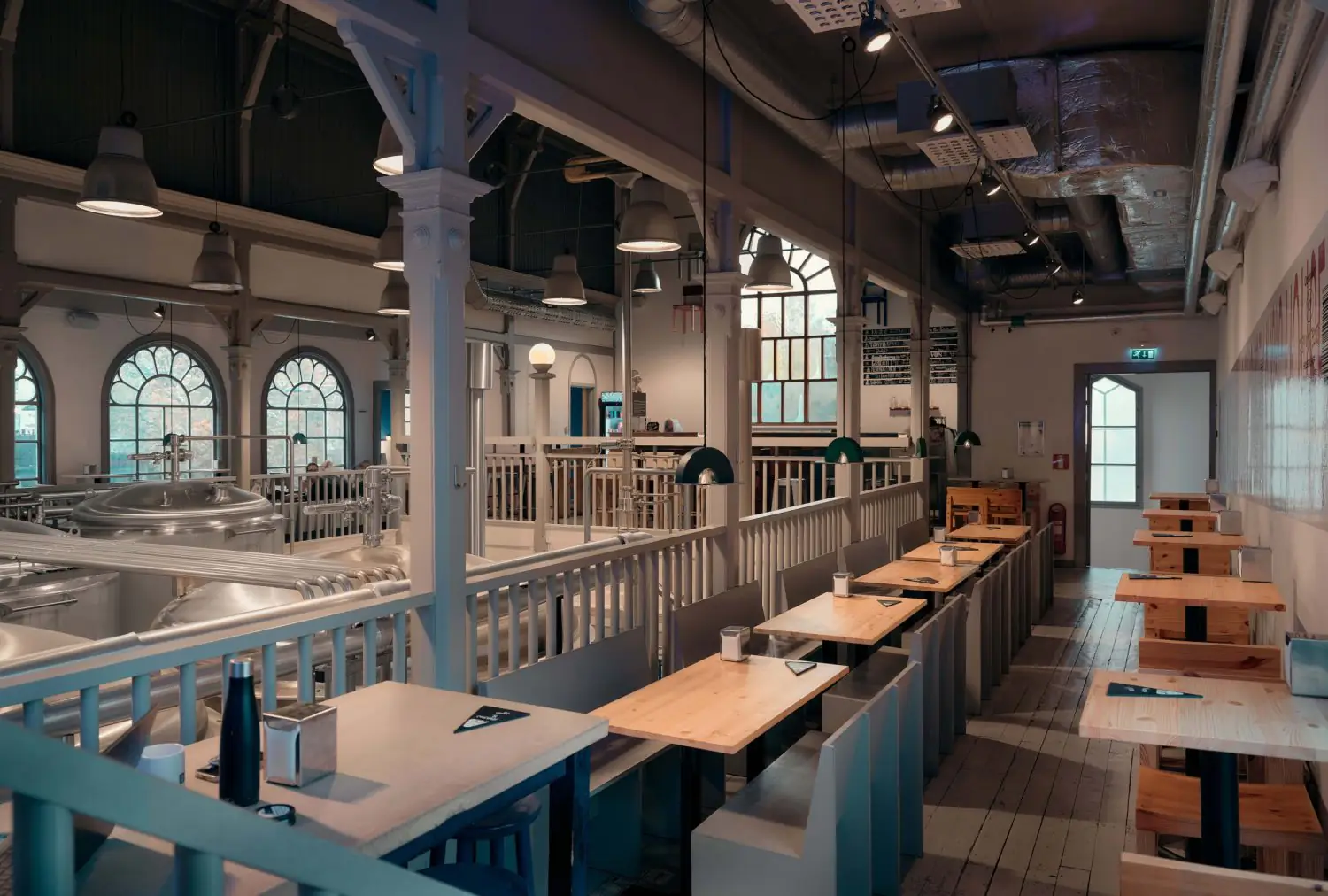
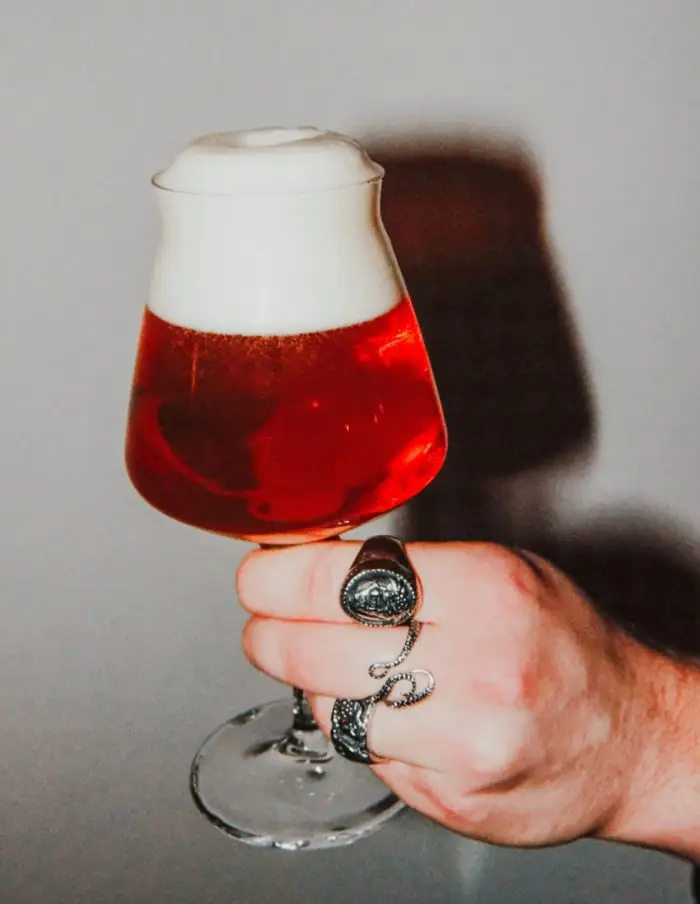
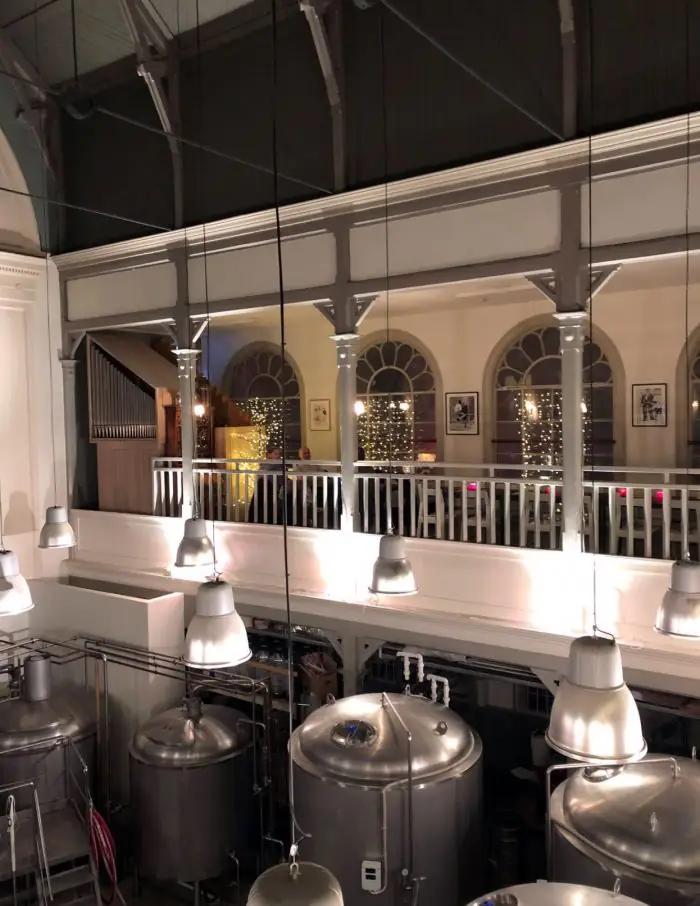
A bolder example is Stockholm’s Omnipollos kyrka, a former church converted into a craft brewery and bar in 2008. The beer maturation tanks occupy the nave, and the bar is located where the choir lofts once stood. Here, classical architecture engages in a lively dialogue with neon lights and contemporary art.
Housing
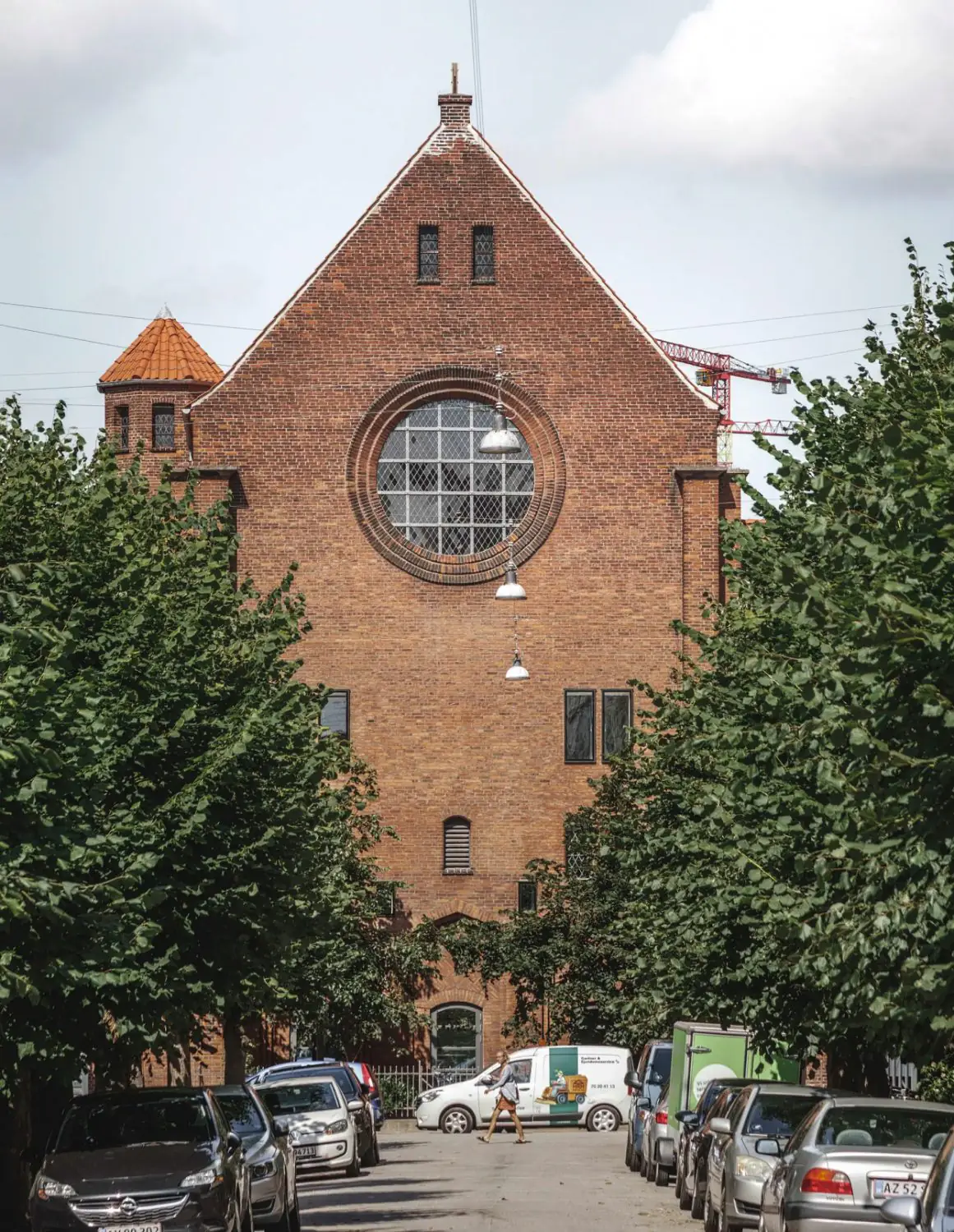
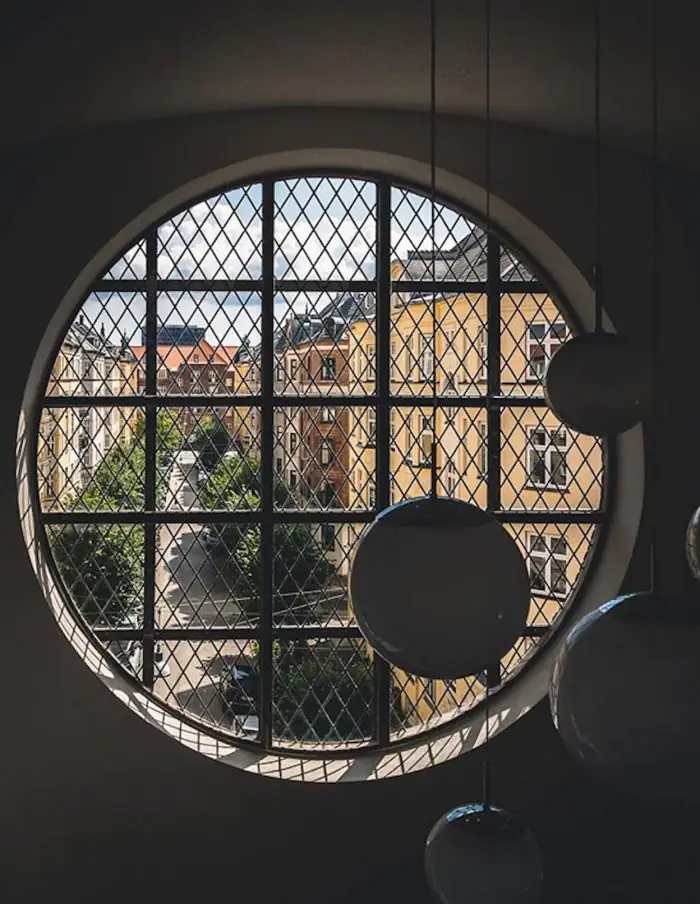
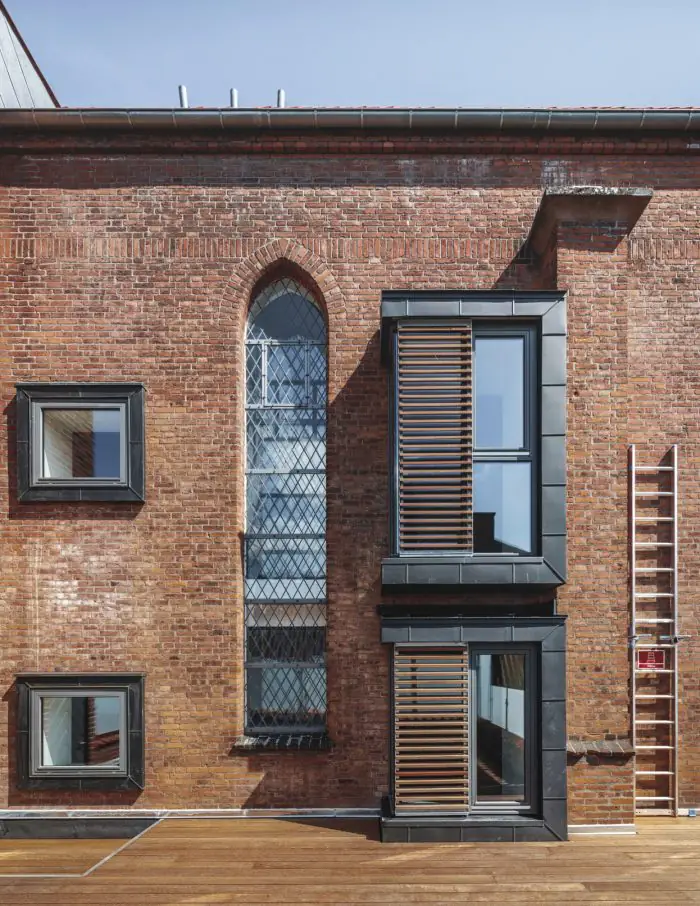
Another example from Denmark is worth mentioning here: in 2017, the former Samuel’s Church (built in 1936) in the Nørrebro district of Copenhagen became the country’s first church to be converted into housing. It now contains a dormitory comprising 34 student apartments. During the renovation, architects Arkitektbutikken and Sophus Søbye Arkitekter preserved the vaulted ceilings and historic brickwork, distributing the living spaces across four levels named after the original sections of the church (‘Crypt’, ‘Nave’, ‘Gallery’ and ‘Vault’). The 1,742-square-metre building comprises private residences as well as communal areas, including a rooftop terrace and a green courtyard, which encourage a sense of community and social interaction.