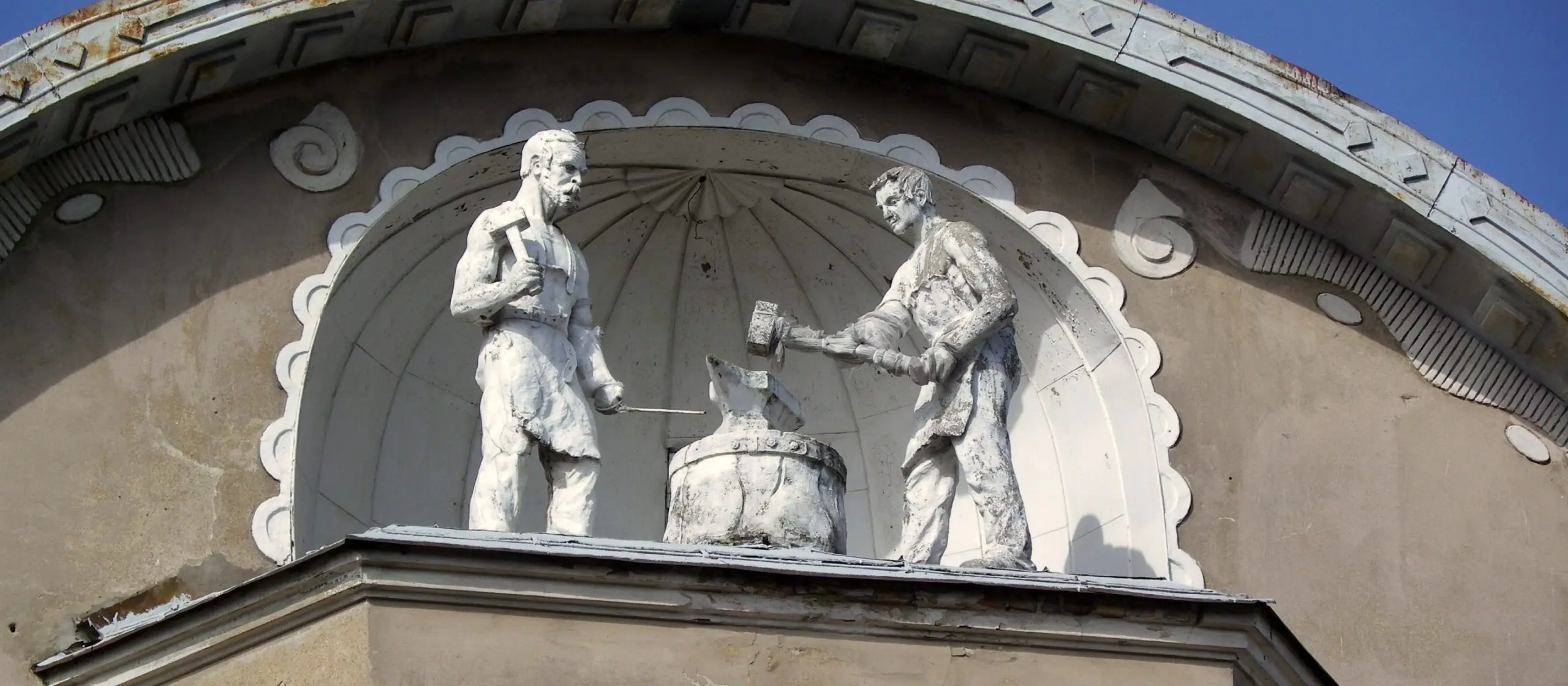
One of the neighborhood’s most impressive cultural landmarks is the Riga Military Hospital. Built between 1750 and 1754, it once had the capacity to accommodate up to 1,000 patients. Although the building no longer serves its original purpose, it has significantly influenced the district’s layout. In honor of this landmark, one of Brasa’s main thoroughfares was named Hospitāļu Street.
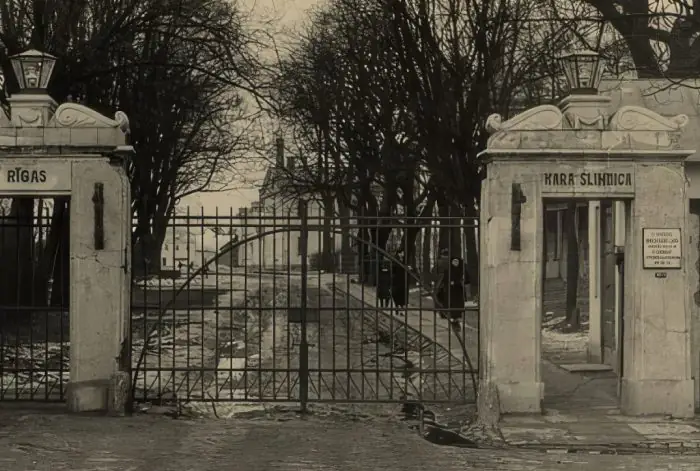
A major turning point in the neighborhood’s development was the construction of the Riga–Skulte railway line in 1872. Brasa gained its own station, which was initially named after the Military Hospital. The proximity of the railroad allowed the area to rapidly transform from a city outskirts into a major industrial hub and an integral part of Riga’s urban landscape.
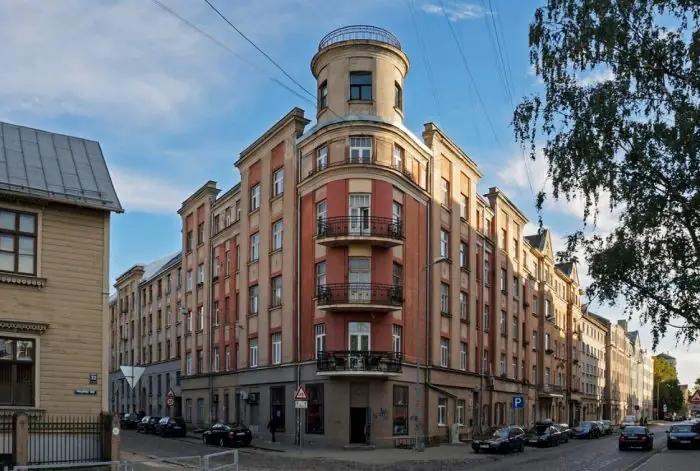
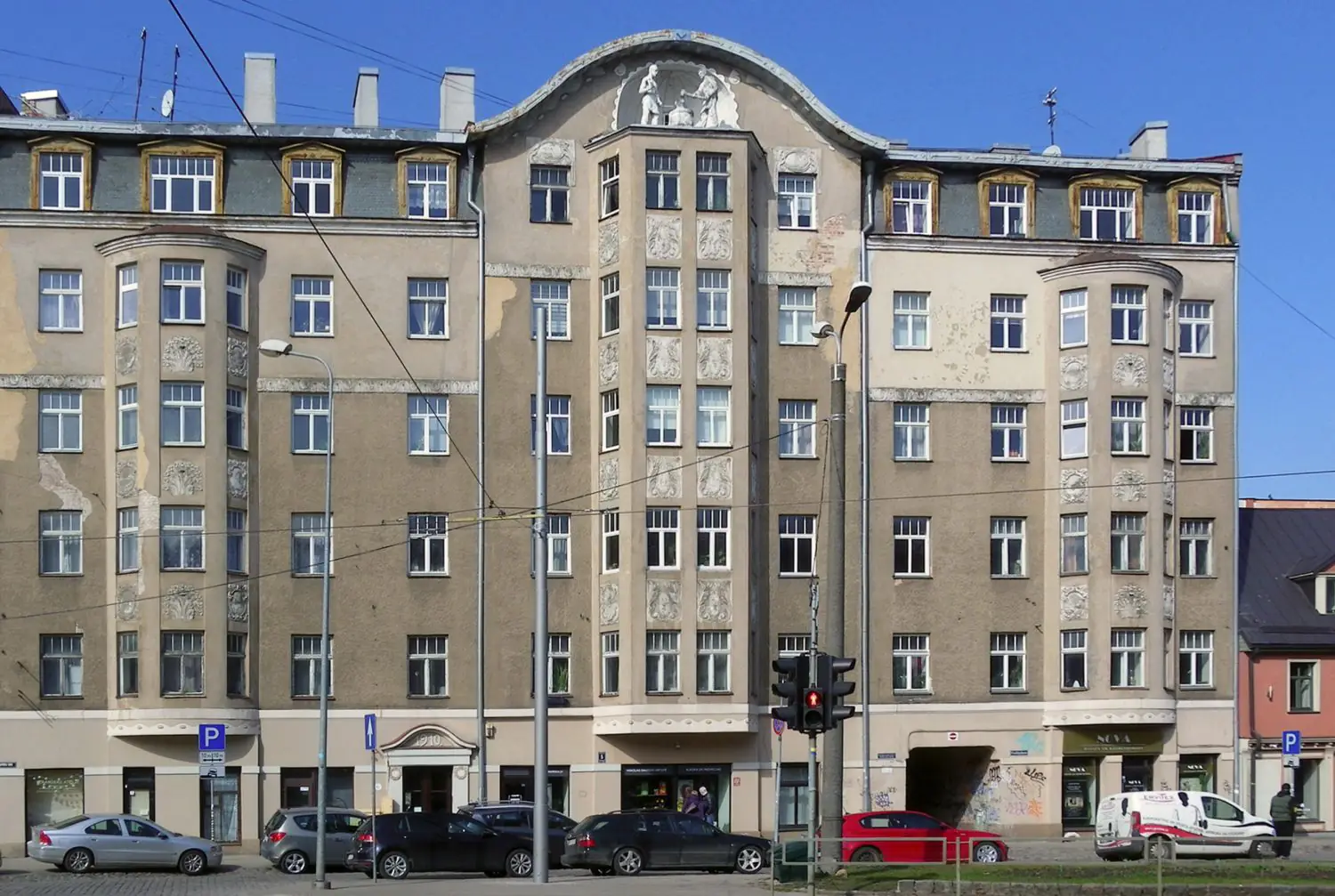
Alongside these developments, in 1863 the City of Riga authorized the construction of stone buildings outside the city walls. This gave impetus to the construction of several luxurious apartment buildings in Brasa as well, which began to appear alongside the existing wooden workers’ housing, such as on Mēness Street. It is precisely this contrast between industrial history, peaceful green spaces, and architectural layers ranging from simple wooden buildings to luxurious brick facades that shapes Brasa’s multi-layered identity within the urban landscape.
Culture, green spaces, and transportation hubs
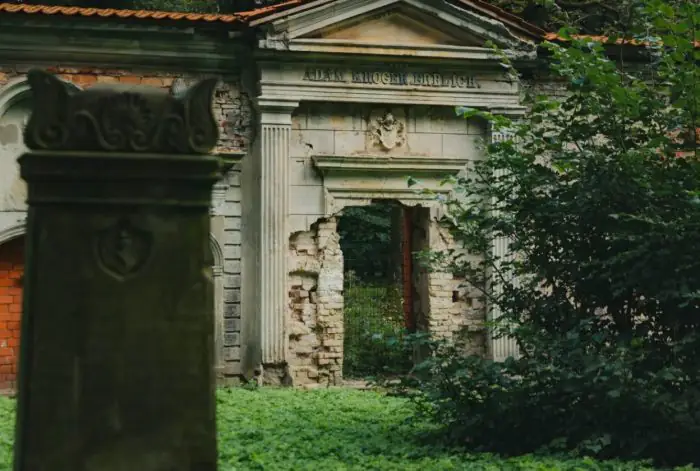
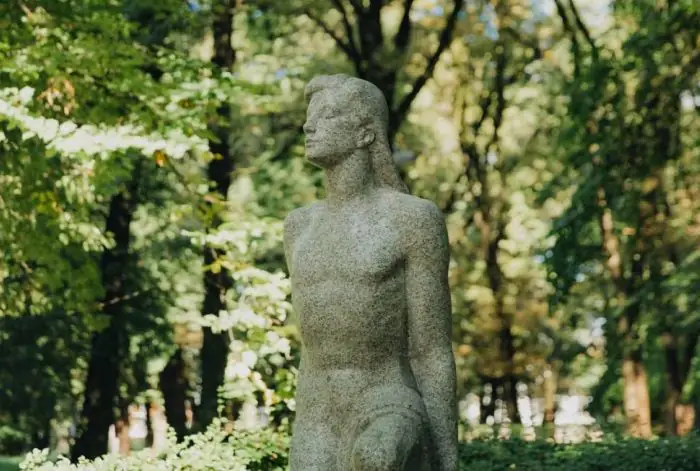
For many residents of Riga, the Great Cemetery is the neighborhood’s most recognizable landmark. Over the course of more than two centuries, this 22-hectare site has become the final resting place for many significant people to the city’s history. Since 1958, when burials ceased, the cemetery has gradually transformed into a memorial park—a unique place where cultural and historical heritage blends with peaceful leisure.
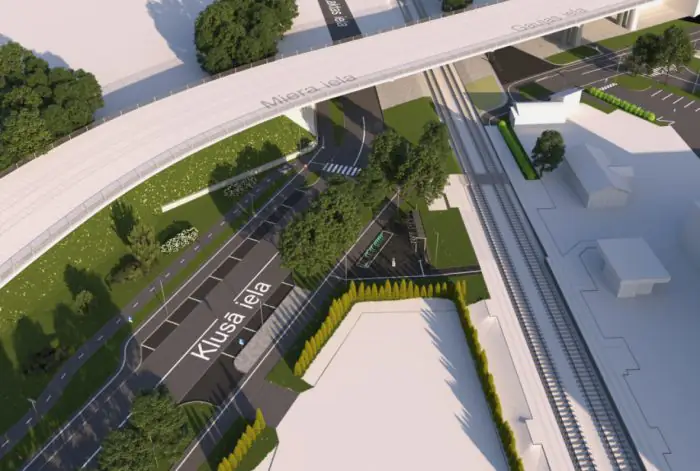
A breath of fresh air has also swept through the railway heritage. The Brasa railway overpass has been rebuilt and a mobility hub has been established at the station, continuing efforts to integrate such hubs into the cityscape. These improvements have spurred the growth of infrastructure for pedestrians and cyclists, while also facilitating access to train service. Also worth noting is the convenient tram line, which provides Brasa with a fast connection to both the city center and Riga’s largest green space—Mežaparks.
Finally, much like elsewhere in Riga, Brasa’s industrial heritage is undergoing a reinterpretation. The most striking example is the former Tobacco Factory quarter. After its renovation, the New Riga Theater found a temporary home here for several years, and now the Latvian Academy of Culture is taking over. Through a project developed by the architectural firm NRJA, a modern study center is being built, to which the academy plans to fully relocate its educational activities. As a result, the neighborhood will gain not only a new architectural landmark but also a vibrant academic and creative environment brought by students and faculty.
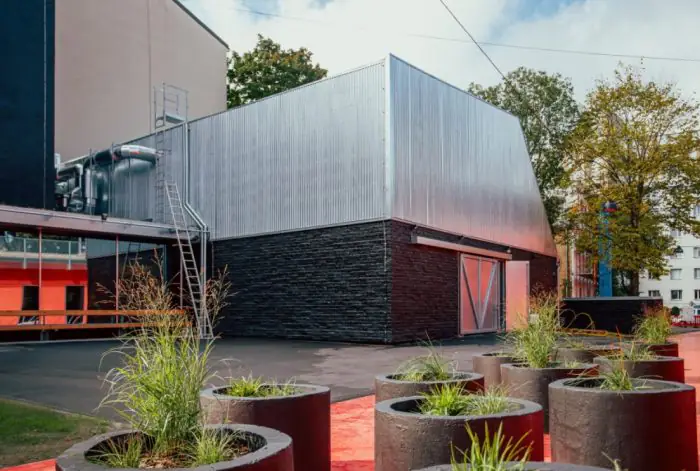
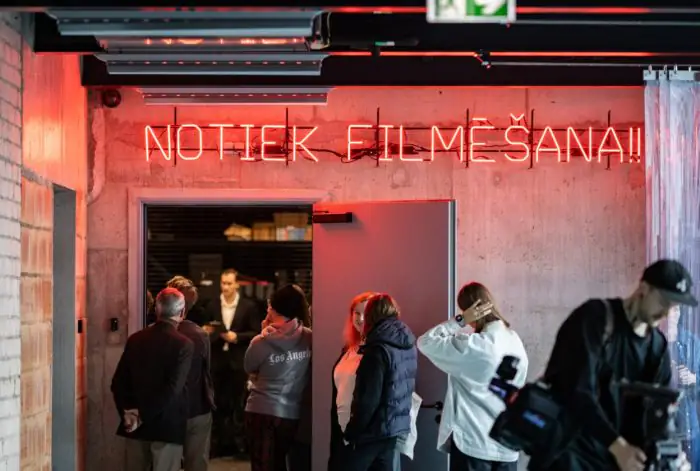
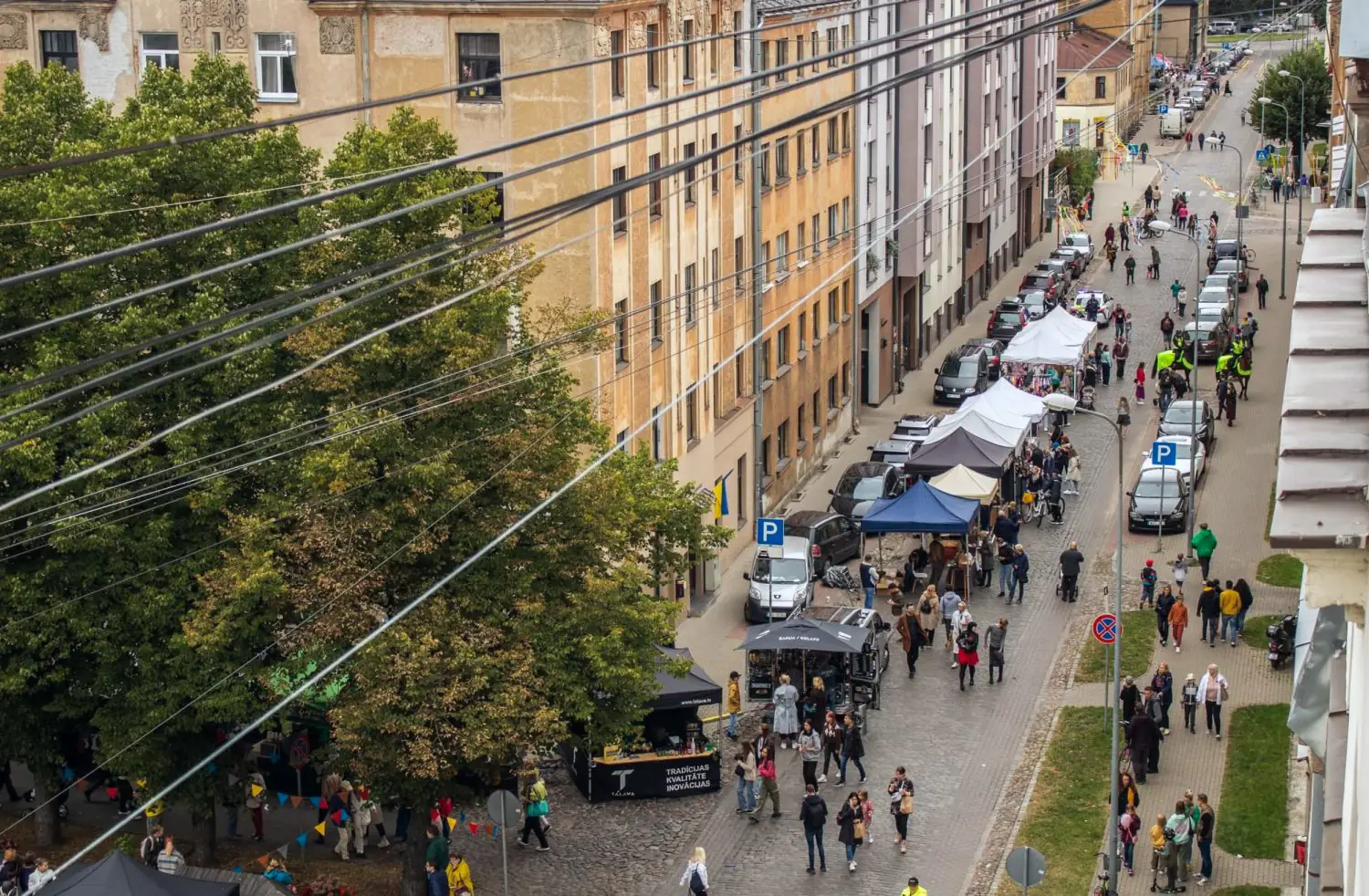
The vibrancy of Brasa is significantly influenced by its proximity to Miera Street, which in recent years has become one of Riga’s most popular creative hubs. This street is no longer a transit one but has become a gathering place where cozy cafes, alternative shops, and galleries blend with Riga’s historic architecture. The energy of Miera Street naturally spills over into the Brasa neighborhood, giving it a modern, free-spirited vibe. This creative atmosphere is further enhanced by the local community’s activities, most vividly demonstrated by the annual Brasa Festival. During the festival, the neighborhood’s streets are transformed for a day into a vibrant cultural stage, where creative workshops and neighborhood initiatives highlight the area’s open and friendly character.
The future of Brasa
Alongside public improvement projects, there has also been growing interest from private investors. The proximity to the city center has spurred the development of commercial activity. One example is the Barona Quarter, which serves as a vibrant business hub on the border between Brasa and the city center. Similarly, over the past few decades, construction of new residential spaces has continued along Miera Street. This street not only provides convenient access but has also become a popular leisure area for Riga residents and visitors alike, thanks to its cafes, bars, and creative cultural venues.
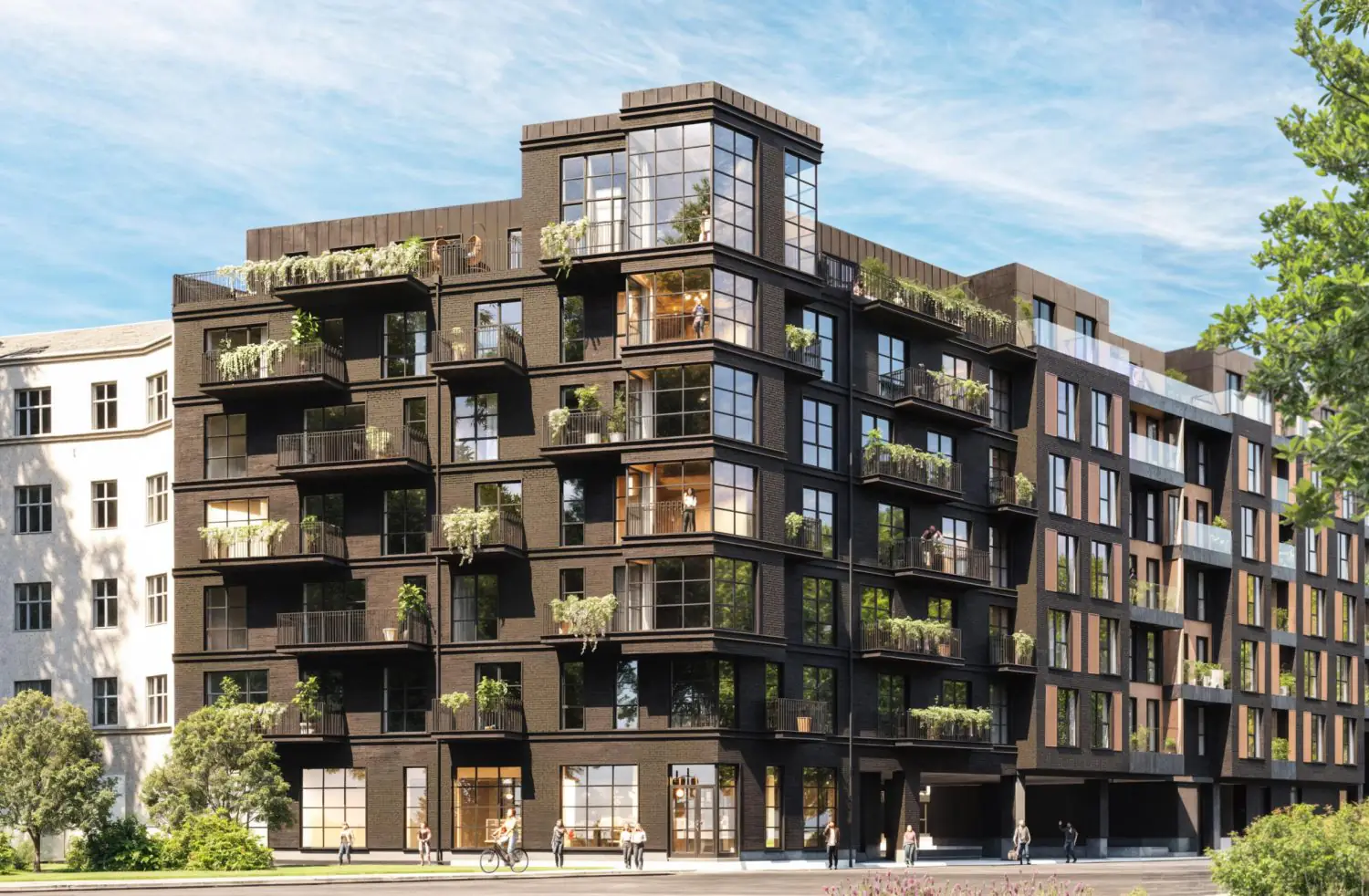
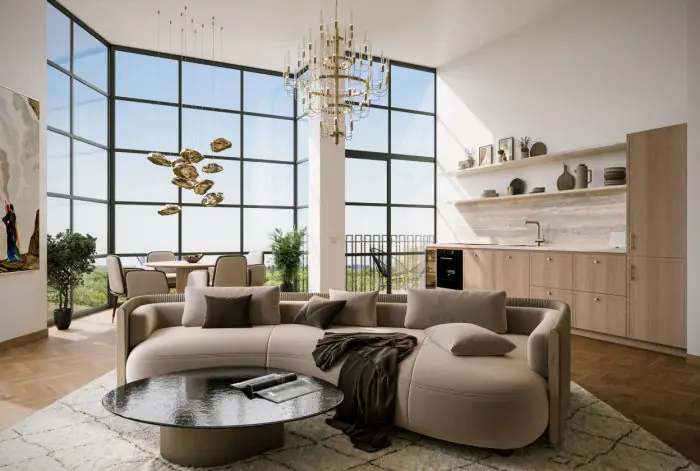
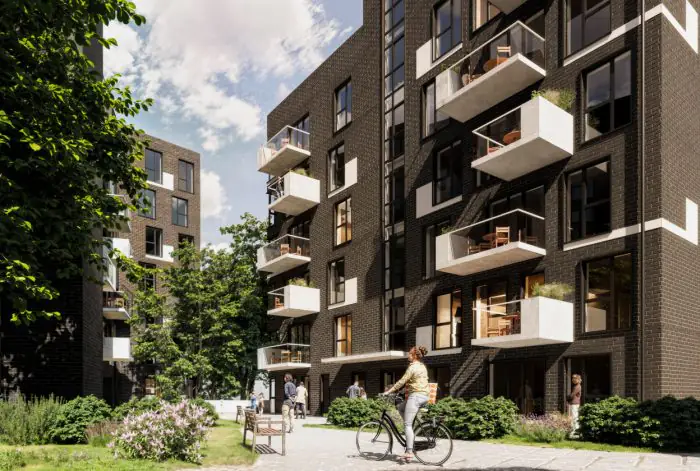
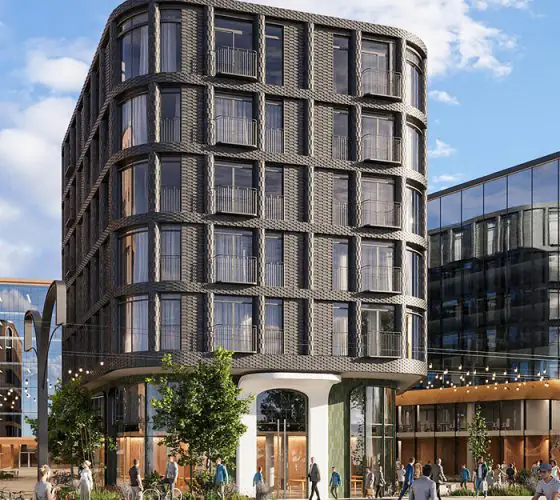
The Miera Residences project, a joint venture between real estate developers Invego and Reterra, recently received a building permit. It skillfully captures the character of Brasa, offering both the vibrancy of Miera Street and proximity to the city center, as well as privacy in a landscaped courtyard with a playground.
The apartments are positioned as “premium comfort” level residences, thus continuing the city’s tradition of historic buildings and offering spacious rooms with the high ceilings characteristic of Riga’s city center.