In the Nordic countries, wood was for centuries the most accessible and practical building material — it retained heat well, allowed houses to be built quickly, and coped better with the harsh climate and humidity. In northern architecture, however, wood is not merely a practical choice but part of a cultural tradition.
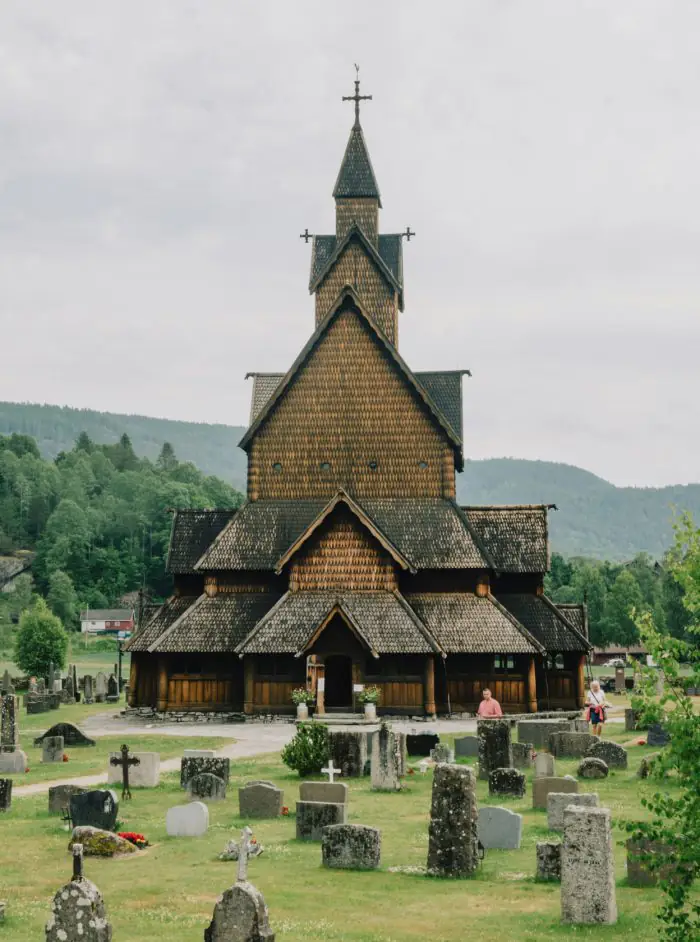
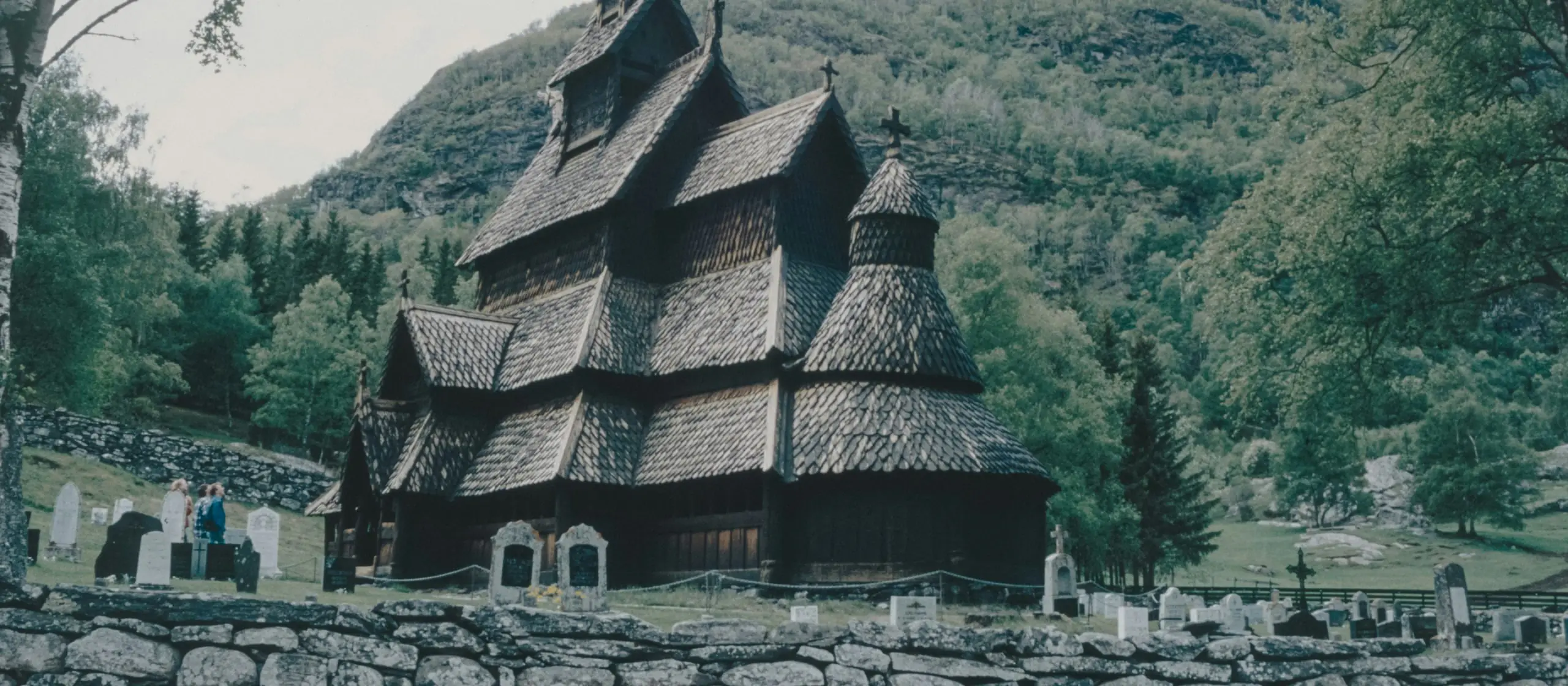
Many construction techniques in northern architecture have their roots in shipbuilding — methods gradually migrating from one field to another. Medieval wooden architecture reached its highest expression in the Norwegian stave churches — unique wooden churches from the 12th and 13th centuries. Stave churches simultaneously evoke both a temple and a ship.
By the 19th century, Europe was industrializing rapidly. Stone, brick, and later concrete became symbols of progress and the modern city. Yet it was precisely during this period that the Nordic countries began to rediscover wood—no longer as a material of necessity, but as part of national culture. This gave rise to Nordic National Romanticism. In Finland, Norway, and Sweden, wooden villas and sanatoriums were built, inspired by old rural vernacular buildings and the natural landscape.
Today, wood in Nordic architecture is experiencing a new chapter—now as an ecological and technologically advanced material. In Sweden, Norway, and Finland, multi-storey timber buildings, schools, libraries, and even high-rise structures are being built with increasing frequency. For the Nordic countries, this is not a return to the past, but an attempt to reconcile tradition with contemporary environmental demands: wood reduces the carbon footprint of construction and remains an integral part of local architecture.
Few interesting examples:
Mjøstårnet
Address: Norway
Mjøstårnet is an 18-storey mixed-use timber skyscraper standing 85.4 metres tall, located in the Norwegian town of Brumunddal. Upon opening in 2019, it was officially recognized as the tallest wooden building in the world, though in 2022 that title passed to the American project Ascent MKE.
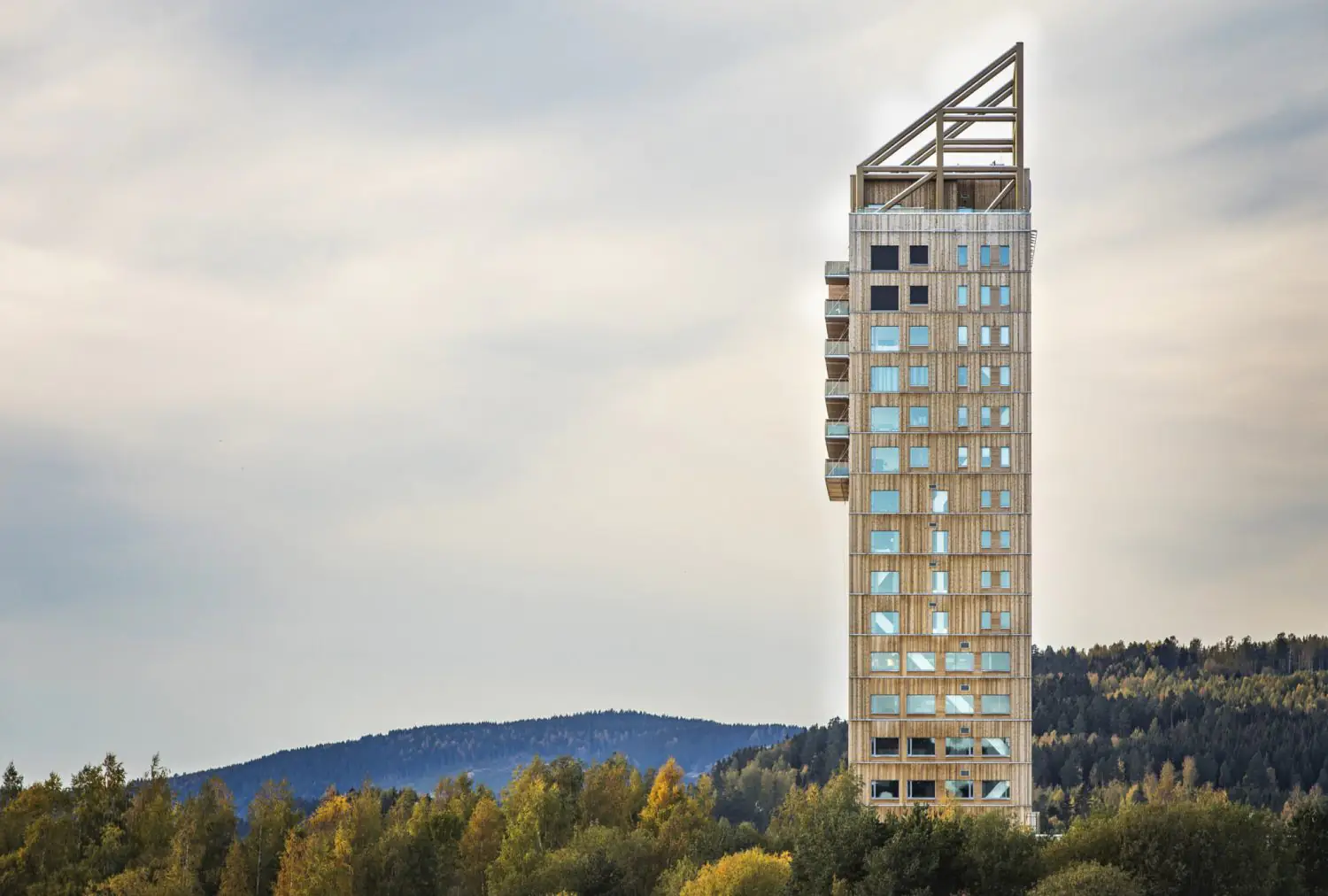
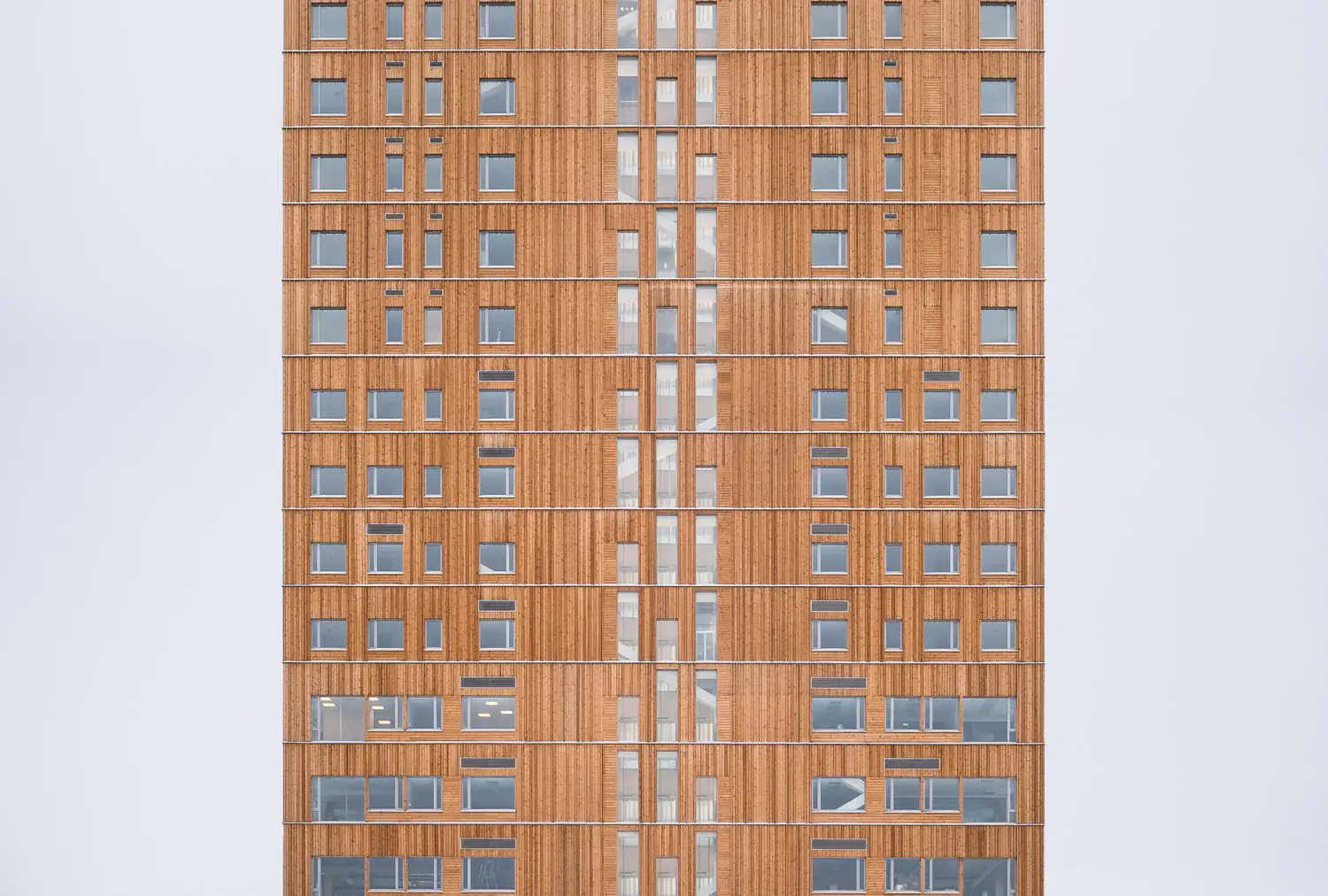
The tower has a total floor area of approximately 11,300 square metres, housing apartments, a hotel, offices, a restaurant, public spaces, and a terrace. The majority of the structure is built from locally sourced renewable materials, with the primary load-bearing system consisting of glued laminated timber (glulam) and cross-laminated timber (CLT) panels. Assembly of the main structure took around eighteen months — considered an exceptionally short timeframe for a building of this height.
Sara Kulturhus
Address: Sweden
Architecture firm White Arkitekter constructed a twenty-storey cultural and entertainment complex with a hotel in the city of Skellefteå, making it one of the largest timber complexes in the world. The record, however, was of little interest to its creators—their goal was to erect an energy-efficient building with minimal environmental impact.
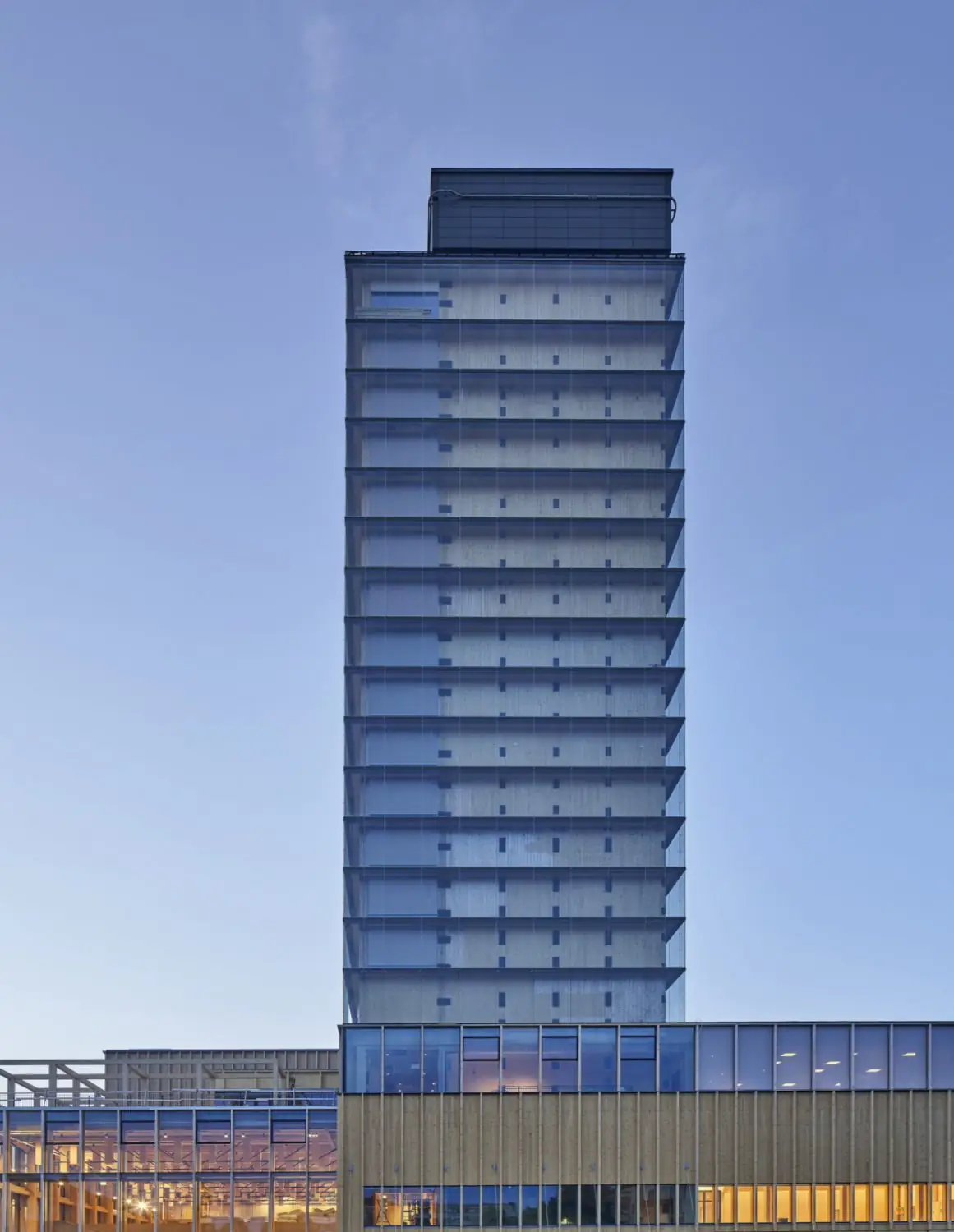
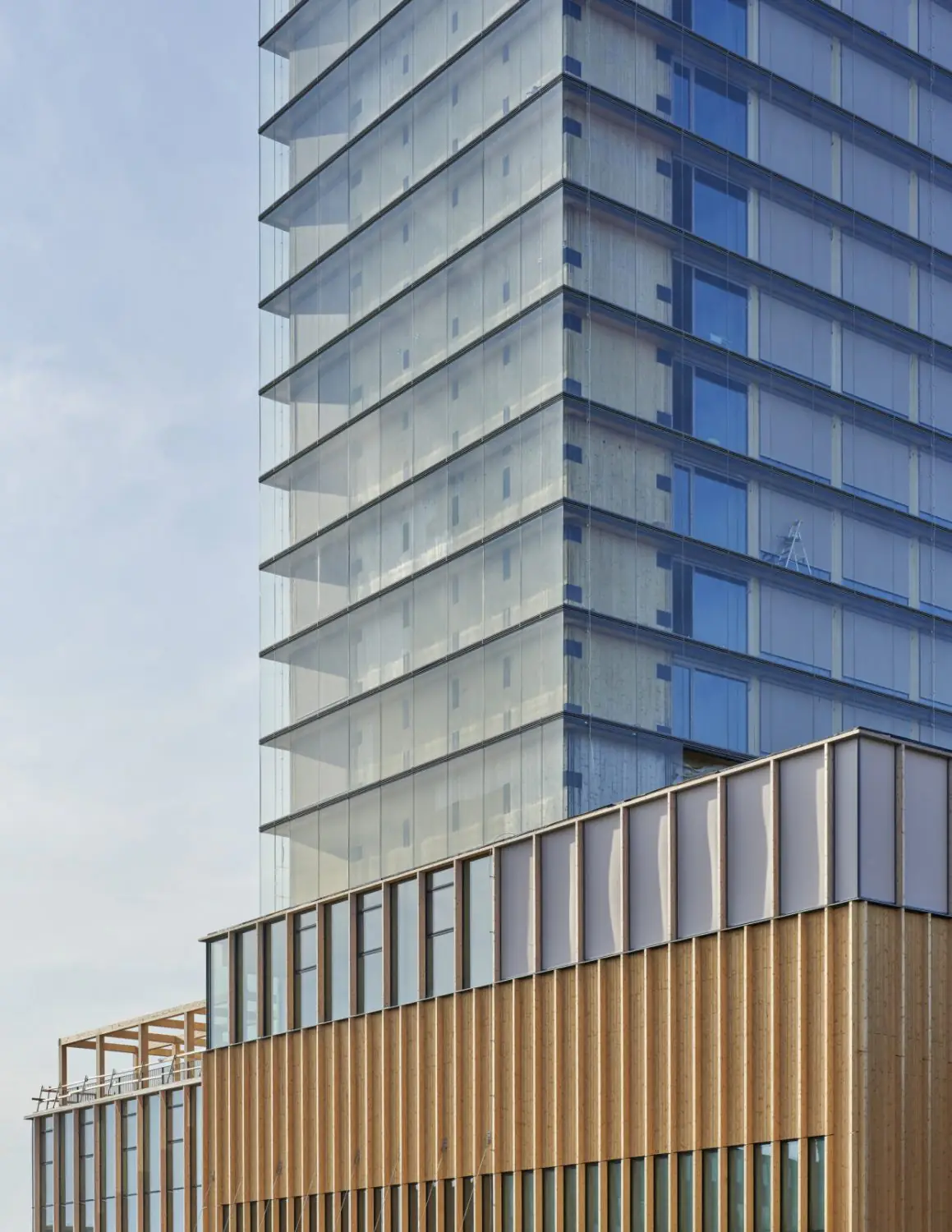
The project became one of the most successful examples of green architecture: it used locally sourced timber (harvested from a sawmill 50 km from the construction site) which, according to the creators, absorbed nearly 10,000 tonnes of CO₂ during the trees’ growth. The building has an expected lifespan of around 100 years, after which almost all of its components can be recycled or reused.
Oodi
Address: Finland
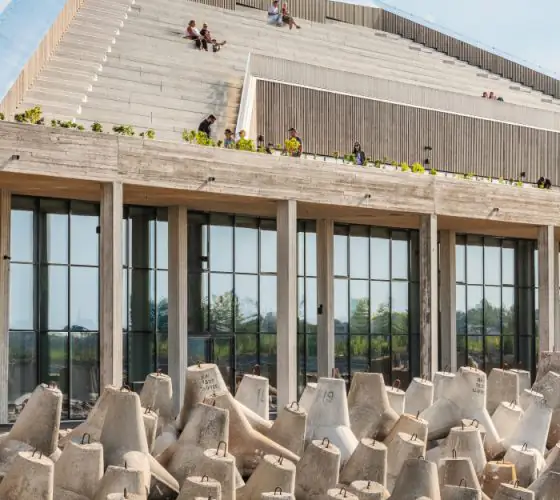
Oodi is Finland’s most celebrated library. The building, with a floor area of approximately 17,000 square metres, was constructed to meet stringent energy efficiency requirements. The concept of Oodi is broadly grounded in combining ecological principles, technological innovation, and accessibility.
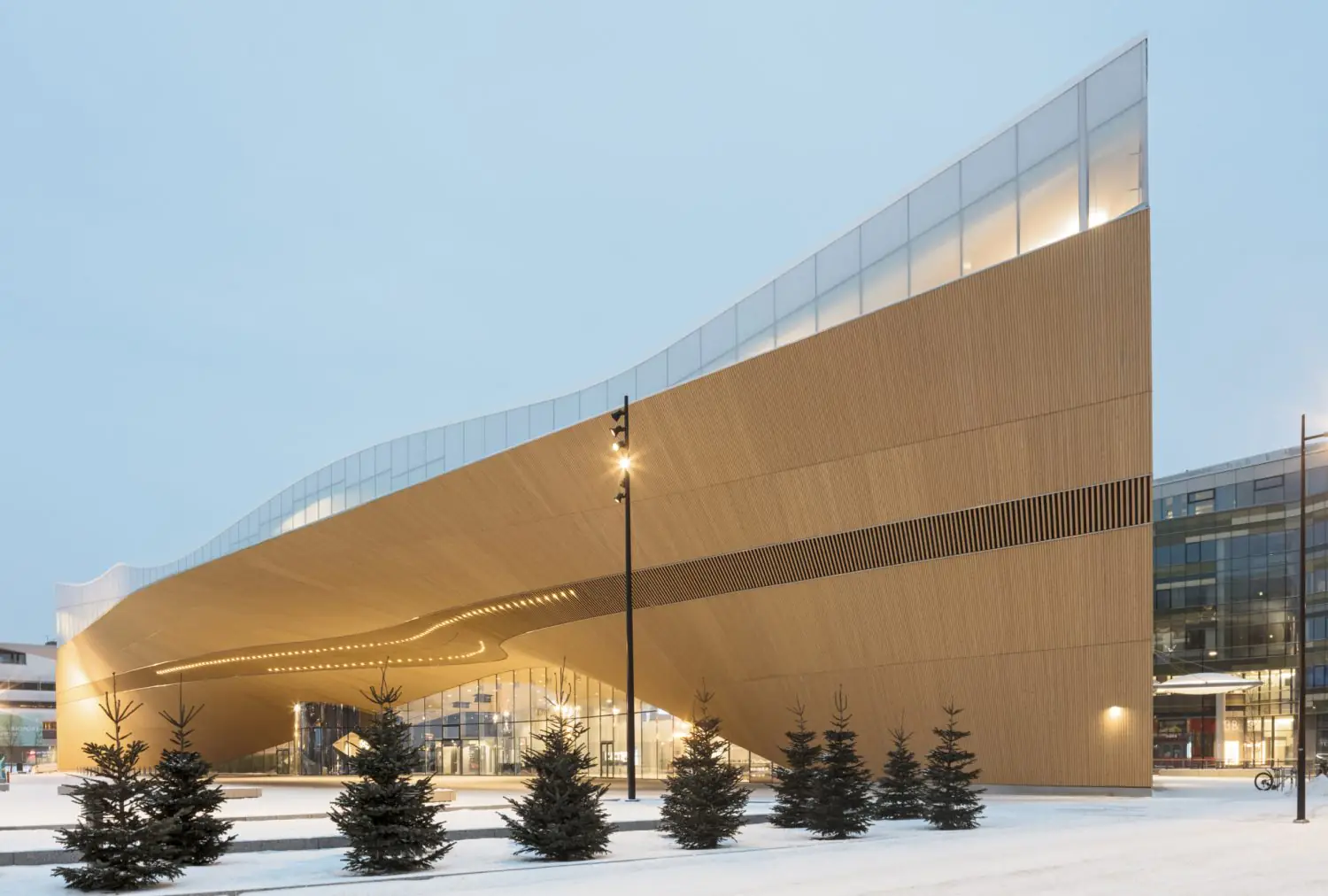
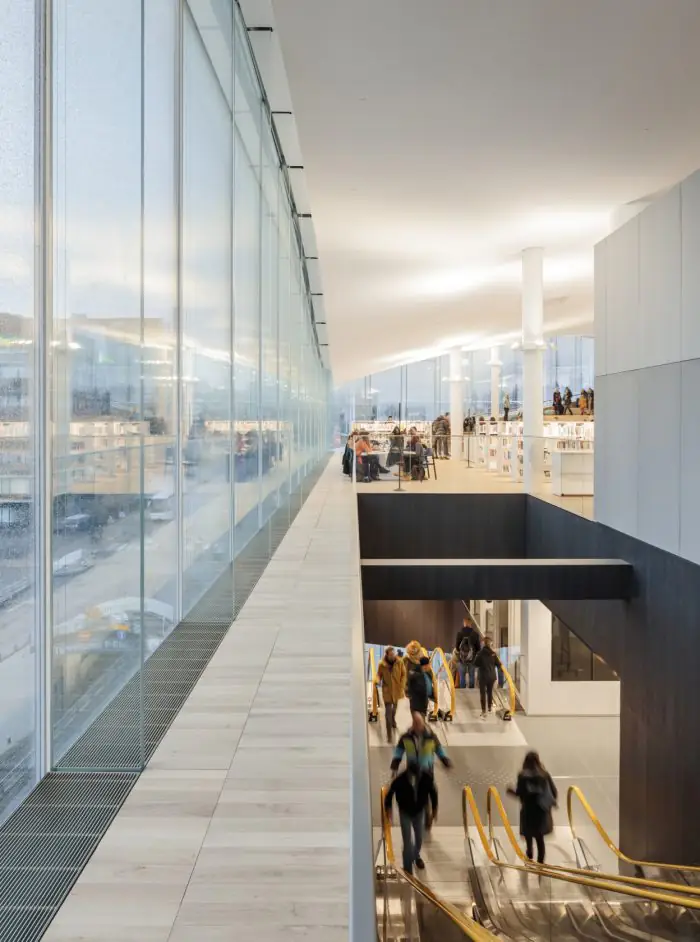
The primary materials used in construction were glass, steel, and timber. Local spruce was used for the facade cladding. Today it stands as one of the leading symbols of contemporary sustainable architecture in Northern Europe.
Fahle Terrassid
Address: Estonia
Fahle Terrassid is Estonia’s first high-rise timber office complex, which we have previously covered.
The 33.6-metre-tall building combines glued timber, concrete, and glass facades, showcasing a modern approach to sustainable urban architecture.
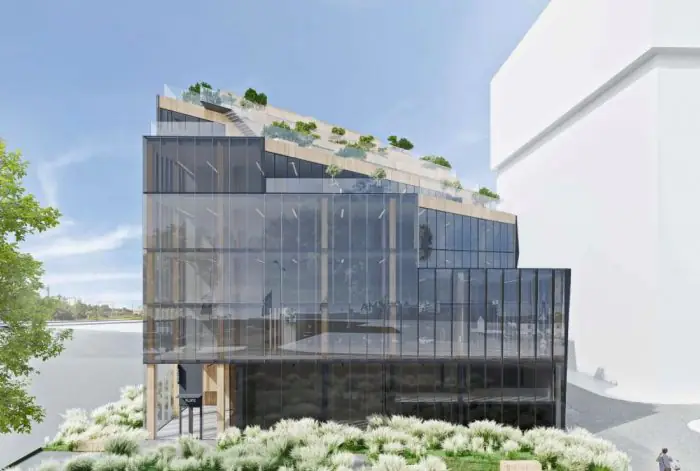
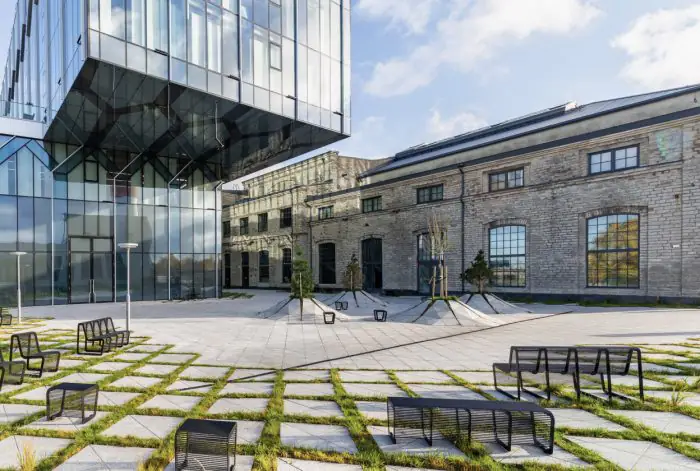
The project features solar panels, rainwater harvesting systems, natural lighting, and green terraces with views over the city. The complex is being built in central Tallinn and will form part of the Fahle quarter — a contemporary urban district with offices and restaurants. Completion is scheduled for summer 2026.
AVOTI Office
Address: Latvia
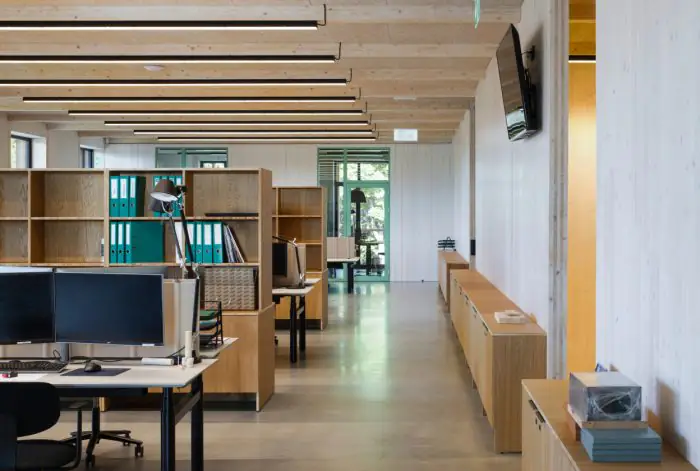
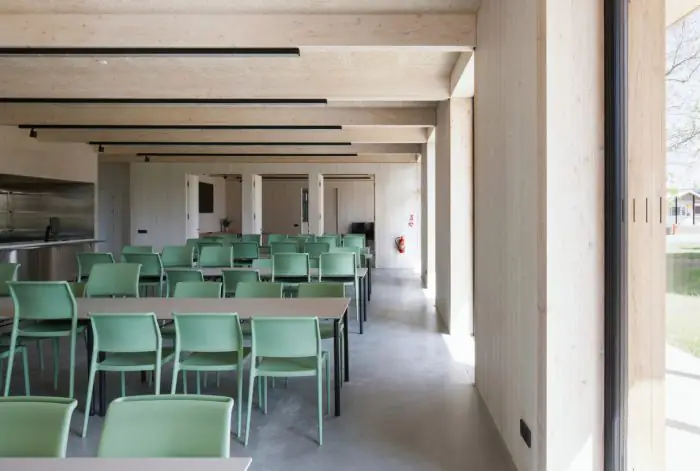
This administrative building is located in the village of Lizums, in Gulbene County. It serves as the main office of AVOTI, a major woodworking company that works with large international furniture retailers.
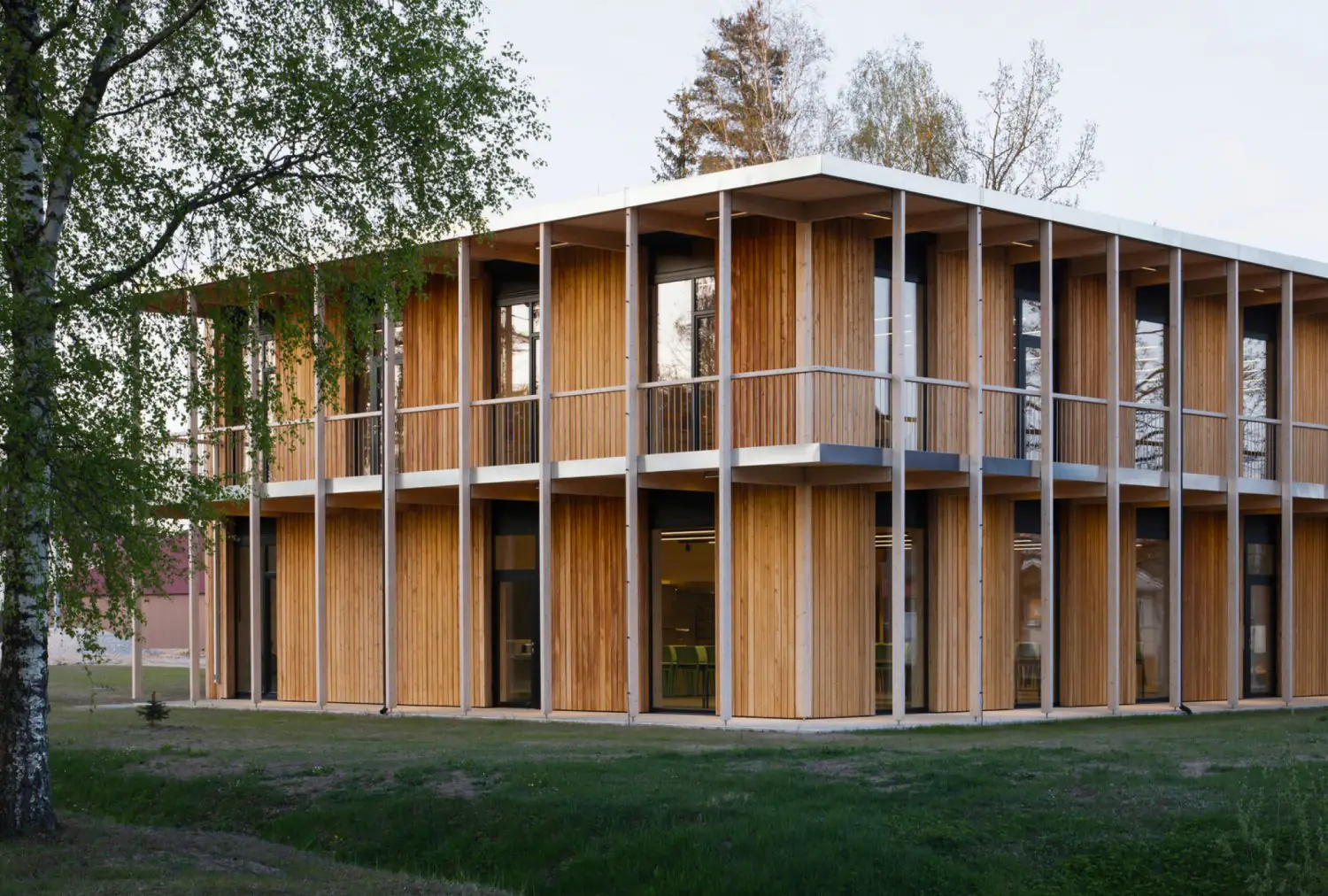
Built in 2022–2023 and designed by the well-known architecture firm MADE arhitekti, the project received the Latvian Annual Architecture Award and was nominated for the prestigious European Mies van der Rohe Award 2024. The project is entirely grounded in the principles of sustainable timber architecture: it employs CLT structures, natural materials, and a contemporary minimalist design, with careful attention paid to reducing the building’s carbon footprint.
Why Wood Matters for Cities
According to UN data, the construction sector today accounts for nearly 40% of global CO₂ emissions, with a significant share coming from the production of concrete and steel. Against this backdrop, timber is seen as one avenue for reducing the carbon footprint of urban construction — particularly in countries with sustainable forestry practices and controlled logging.
That said, large-scale timber construction remains a subject of debate: architects and environmentalists continue to argue over fire safety, the true carbon impact, and the sustainability of timber harvesting as demand for wood grows.