Dzirciems holds a unique place in the capital: its green parks, Riga’s highest peak (Dzegužkalns), manors with a rich history, a vibrant student presence, and a well-thought-out, convenient infrastructure make this area excellent for both living and future investments.
Dzegužkalns
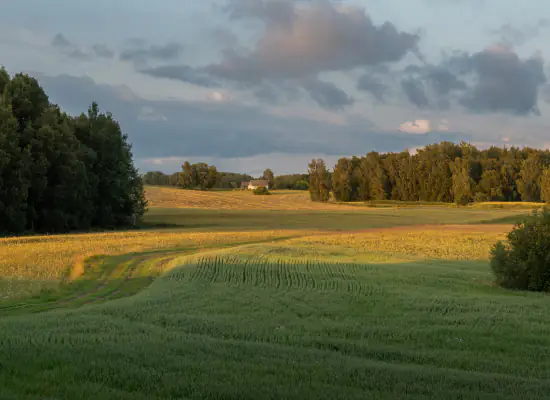
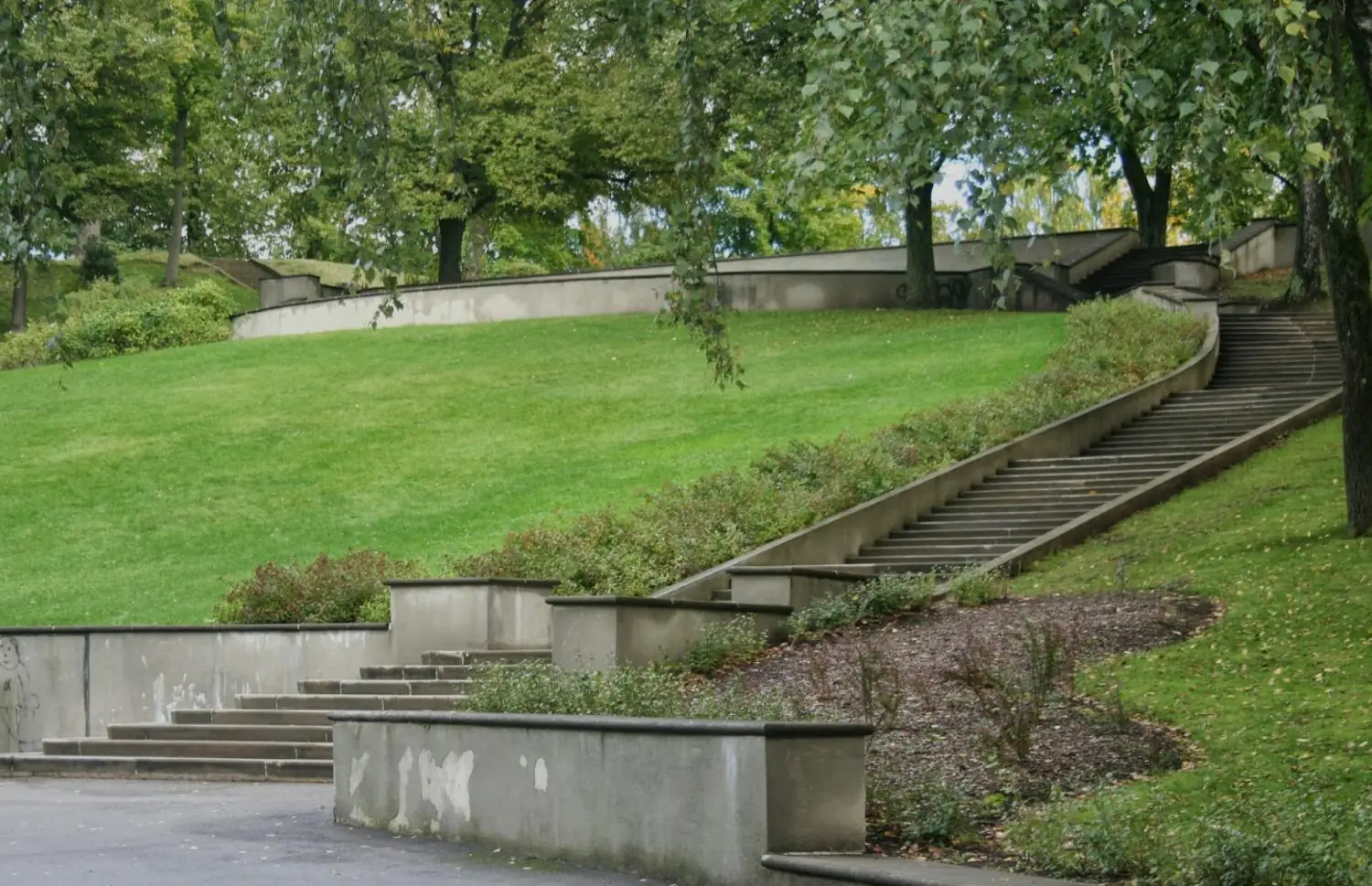
Dzegužkalns is not only one of Dzirciems’ most recognizable landmarks but also Riga’s highest natural peak (28 meters). The park developed in a hilly area formed by an ancient sand dune. Historical records show that the Riga City Council once granted permission to establish a cemetery here for the city’s poorest residents. The cemetery ceased operations entirely at the beginning of the 20th century, and its historical presence is marked by a memorial stone dedicated in the park.
Dzegužkalns is one of Riga’s most popular recreational spots. It is not just the city’s highest point, but also a place steeped in history. Landscaping of the park territory began as early as the 19th century, significantly improving the area. An open-air stage was built, greenery and pathways were laid out, and comfortable steps were installed to allow visitors to enjoy views of the Old Riga church towers from the peak of Dzegužkalns.
Ancient sources mention this location as a favorite gathering place for city dwellers to celebrate the summer solstice. Today, Dzegužkalns has reclaimed its renown as one of the best locations for celebrating the Līgo festival, and its open-air stage hosts an extensive program of public concerts during the summer.
Consequently, this site has become more than just a favorite spot for city strolls; it is a place where the synergy of nature and human creativity successfully thrives.
Pārdaugava Manors and Industrial History
In the 16th century, this area lay outside the city borders, and the development of suburban manors—characteristic of Pārdaugava—began to take shape here. These manors were not merely agricultural units but cultural and architectural focal points that strongly defined the surrounding urban landscape and its evolution. Although some of these manors are located outside the modern boundaries of Dzirciems today, they played a vital role in the development of this part of the city.
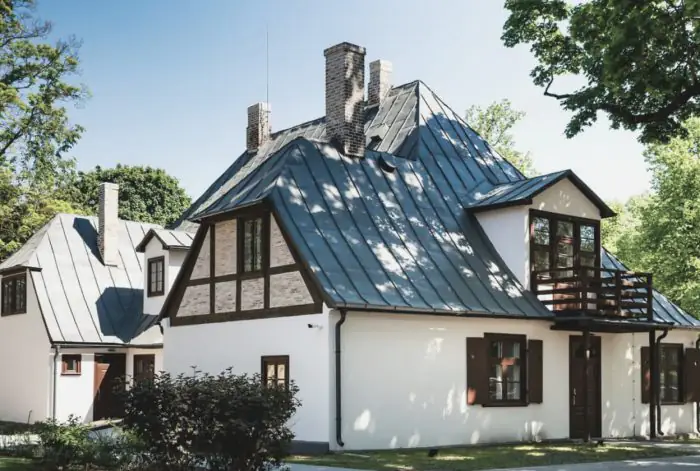
The most notable among them in the neighboring Iļģuciems area is Nordeķi Manor, whose buildings have survived to this day and recently underwent restoration. Its historical ensemble is one of the rare gems of wooden Baroque architecture in Riga. Today, thanks to a private initiative, it has regained its historical appearance. The park adjacent to the manor has also been preserved. In the context of Dzirciems’ history, the former Zasu Manor (Zasumuiža) must also be mentioned, as it played a significant role in the further development and industrialization of Dzirciems.
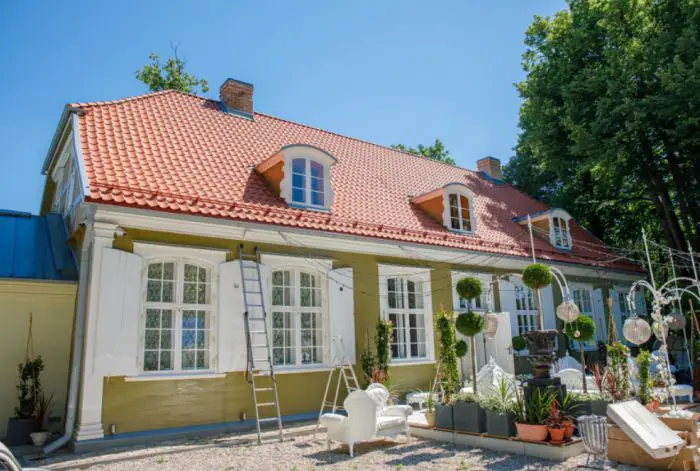
Dzirciems was one of the first places in Pārdaugava where serious industrial manufacturing began to develop. In the late 19th and early 20th centuries, the territory became a distinctly industrial zone where, alongside sawmills, textile manufactories, and breweries, metalworking and mechanical engineering expanded rapidly. This boom was directly fueled by the proximity of the Daugavgrīva port and changes in building regulations, which finally permitted the construction of permanent masonry buildings in the suburbs. This industrialization partially obstructed and altered the classic Old Town panorama that had previously opened up unobstructed from Dzegužkalns, thus symbolically marking the beginning of a new era in Pārdaugava.
The Interplay of Education and Culture
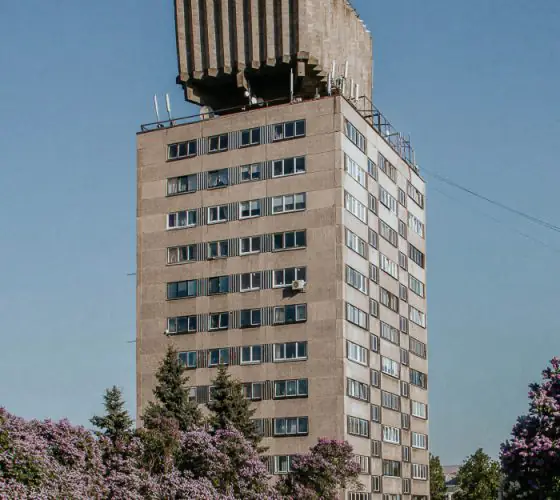
Today, Dzirciems can be described as a student Mecca. The central catalyst in this process is the main building of Rīga Stradiņš University (RSU) on Dzirciema Street. After World War II, a rising demand for qualified medical professionals created a need for a modern and spacious academic base. The first step in developing this territory was the opening of the Institute of Stomatology in 1970 (at 20 Dzirciema Street), followed by the construction of the impressive central building. Designed by architect Visvaldis Čikste, the foundation stone of the complex was laid in late 1981, and it officially opened its doors in the autumn of 1987, providing more than 1,000 rooms for lecture halls and laboratories.
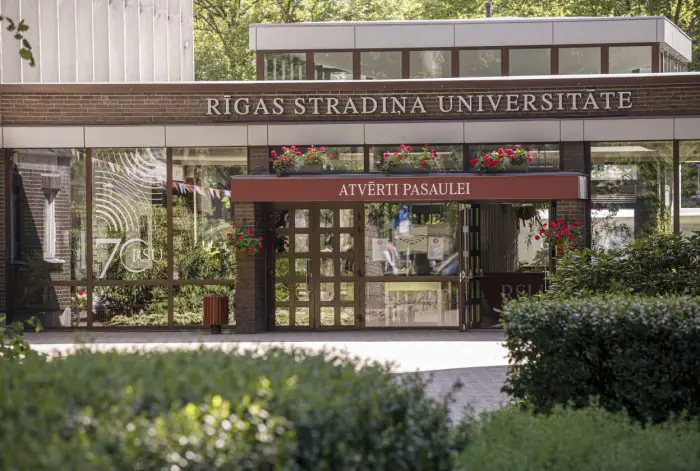
With its vast open spaces and excellent accessibility, the Dzirciems neighborhood became the ideal location for a new type of academic complex. Consequently, Dzirciems occupies a significant portion of Riga’s so-called “Knowledge Mile.”
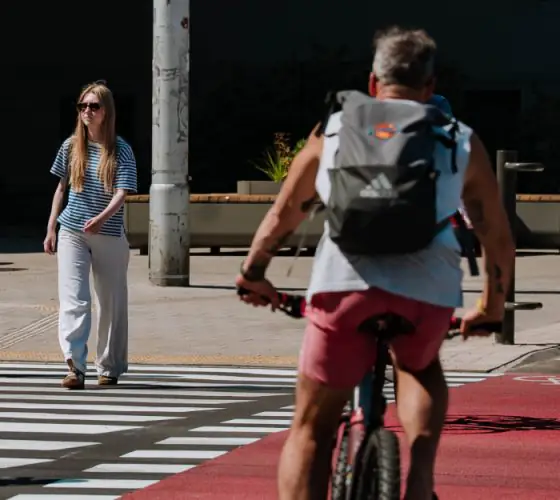
The proximity of Ķīpsala with its RTU (Riga Technical University) faculties, well-developed public transport, and bicycle lanes make this district highly attractive and convenient for students, which in turn benefits long-term apartment rentals in the area.
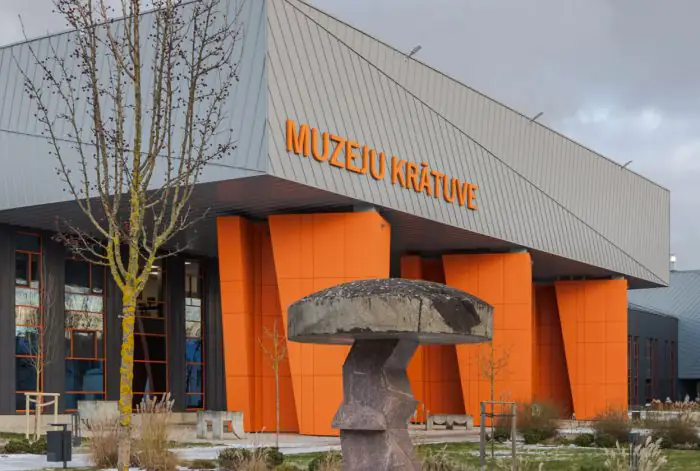
The newest and one of the most grand additions to Dzirciems’ infrastructure is the Museum Repository (Muzeju krātuve) on Pulka Street. The repository is unique not only within Latvia but across the Baltic region, as it consolidates the collections of four state-level museums under one roof. The construction and opening of the Museum Repository have provided a fresh impetus for the revival of the Pulka Street surroundings, attracting cultural tourists and researchers, and thereby further strengthening Dzirciems’ status as a multifaceted urban center.
Contemporary Features of the Neighborhood
As industrial heritage, residential blocks, and essential urban functionality converge in Dzirciems, elements of contemporary urban environments and architecture are taking root.
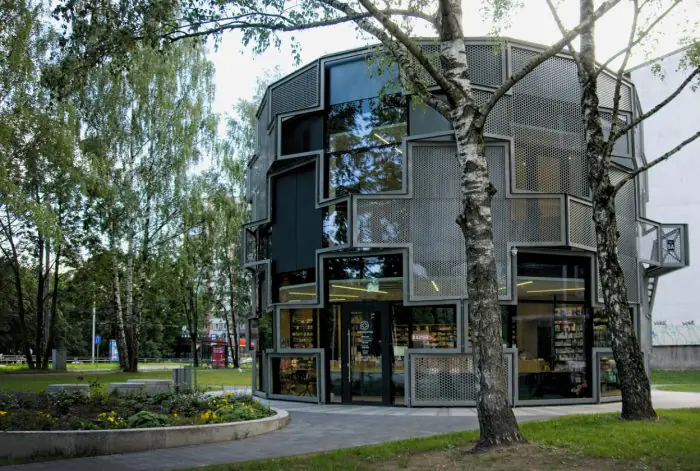
A striking example of this development is the Dzirciems Pharmacy (Dzirciema aptieka). The pharmacy not only serves local consumers functionally but has also gained global recognition, receiving the prestigious UNESCO World Prize for Architecture (Prix Versailles) in 2021. This building demonstrates how small-scale architecture can organically integrate into the cityscape, remain functional, and enhance the overall urban environment.
Alongside such small architectural gems, Dzirciems is also witnessing the entry of major retail chains, such as Lidl. Currently, the demolition of the former Rimi building is underway; while this transition raised some concerns among local residents, the project developers promise to introduce modern, energy-efficient solutions to this previously abandoned site.
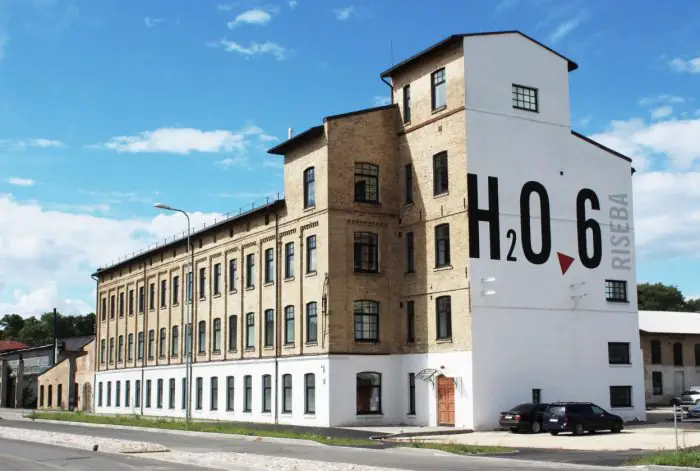
One must also mention “H2O 6” quarter, which has transformed an industrial property into one of the cultural anchors of the district. As another example of the rebirth of historical industrial heritage, we can look at the current redevelopment at 52 Slokas Street. The former factory grounds will be transformed into modern commercial spaces and apartments, preserving the classic brick aesthetics while providing the necessary infrastructure for businesses and residential living in the immediate vicinity of RSU.
The example of Dzirciems clearly shows that the synergy of innovative solutions and thoughtful functionality in smaller-scale projects is the primary indicator of a neighborhood’s modern development and appeal.
The Future of the Neighborhood
In recent years, the attractiveness and quality of life in the Dzirciems and Dzegužkalns area have been significantly enhanced by the targeted development of new residential projects, which are transforming the existing urban landscape into a modern and sustainable space.
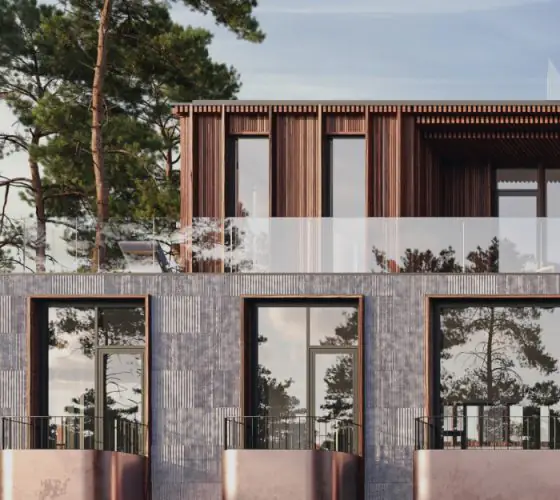
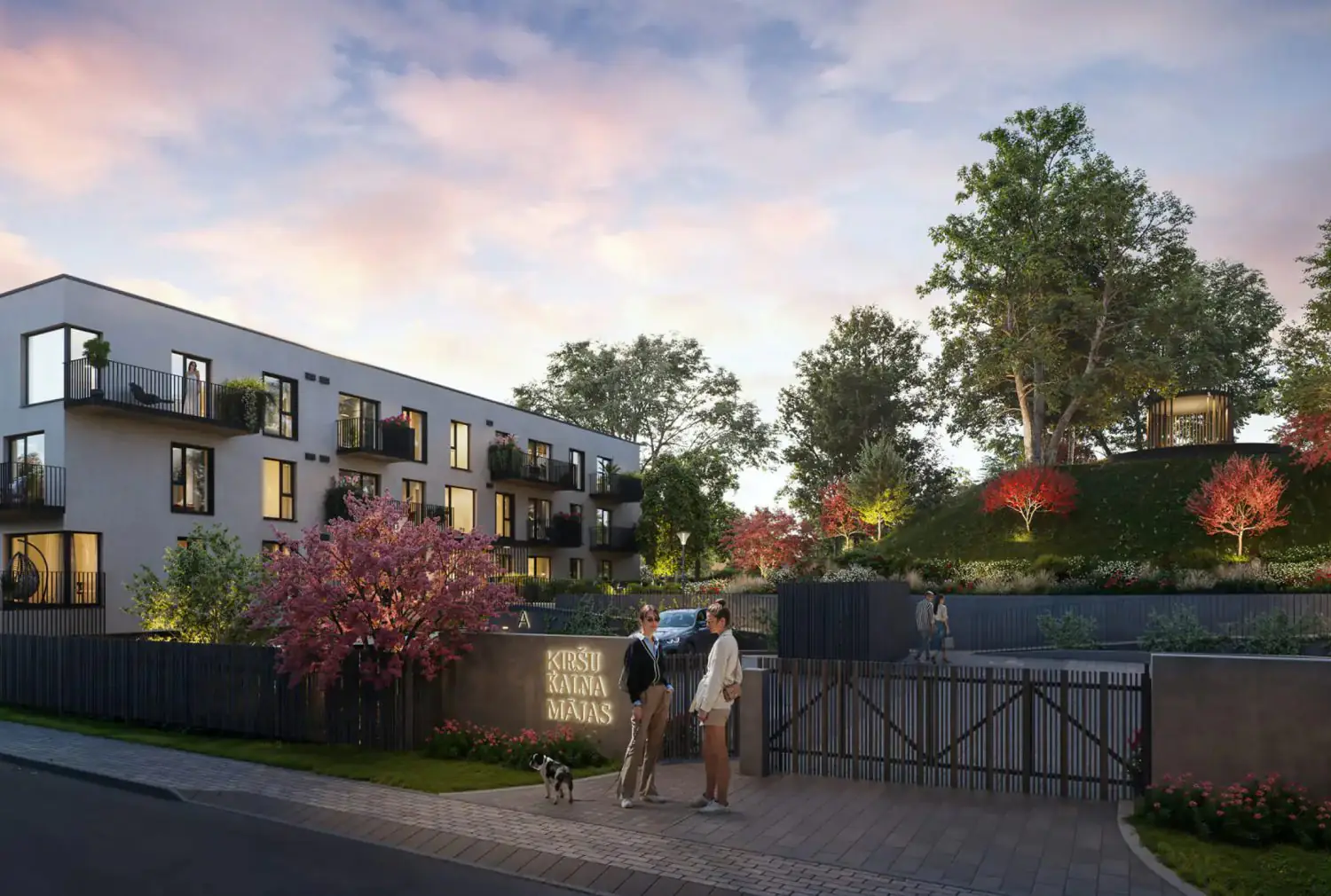
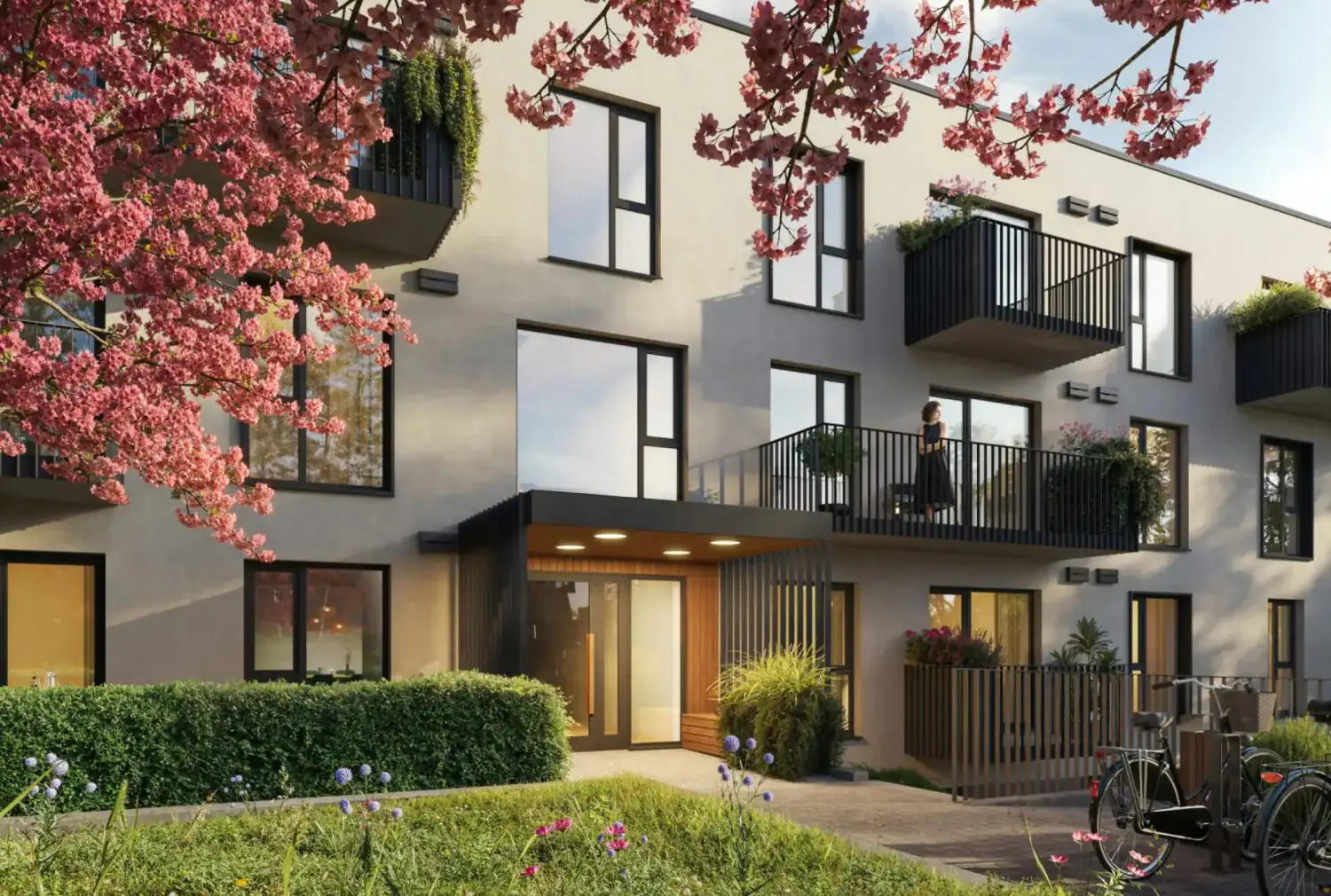
One of the most prominent examples is the upcoming Ķiršu Kalna Mājas (Cherry Hill Homes) by the developer Hepsor. Featuring two A+ energy-efficiency buildings and 54 apartments, this project offers harmonious living in a green environment, combining well-thought-out comfort with strategic proximity to the city’s educational centers and the airport.

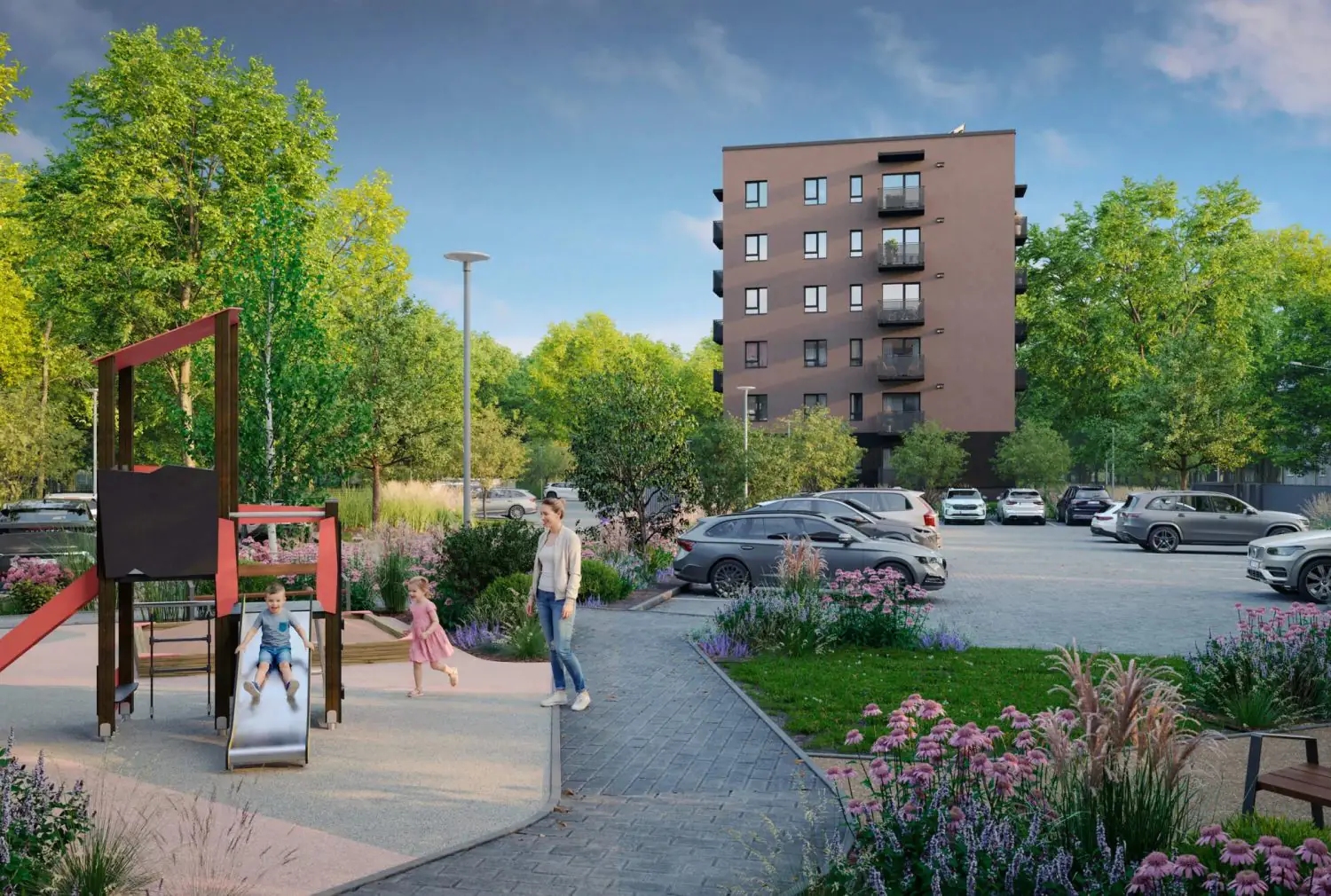
A similar emphasis on a well-landscaped and secure environment is offered by the Dzirciema pagalms (Dzirciems Courtyard) project by Bonava. It focuses on a modern family housing concept, where special emphasis is placed on shared outdoor spaces to foster the well-being of the local community.
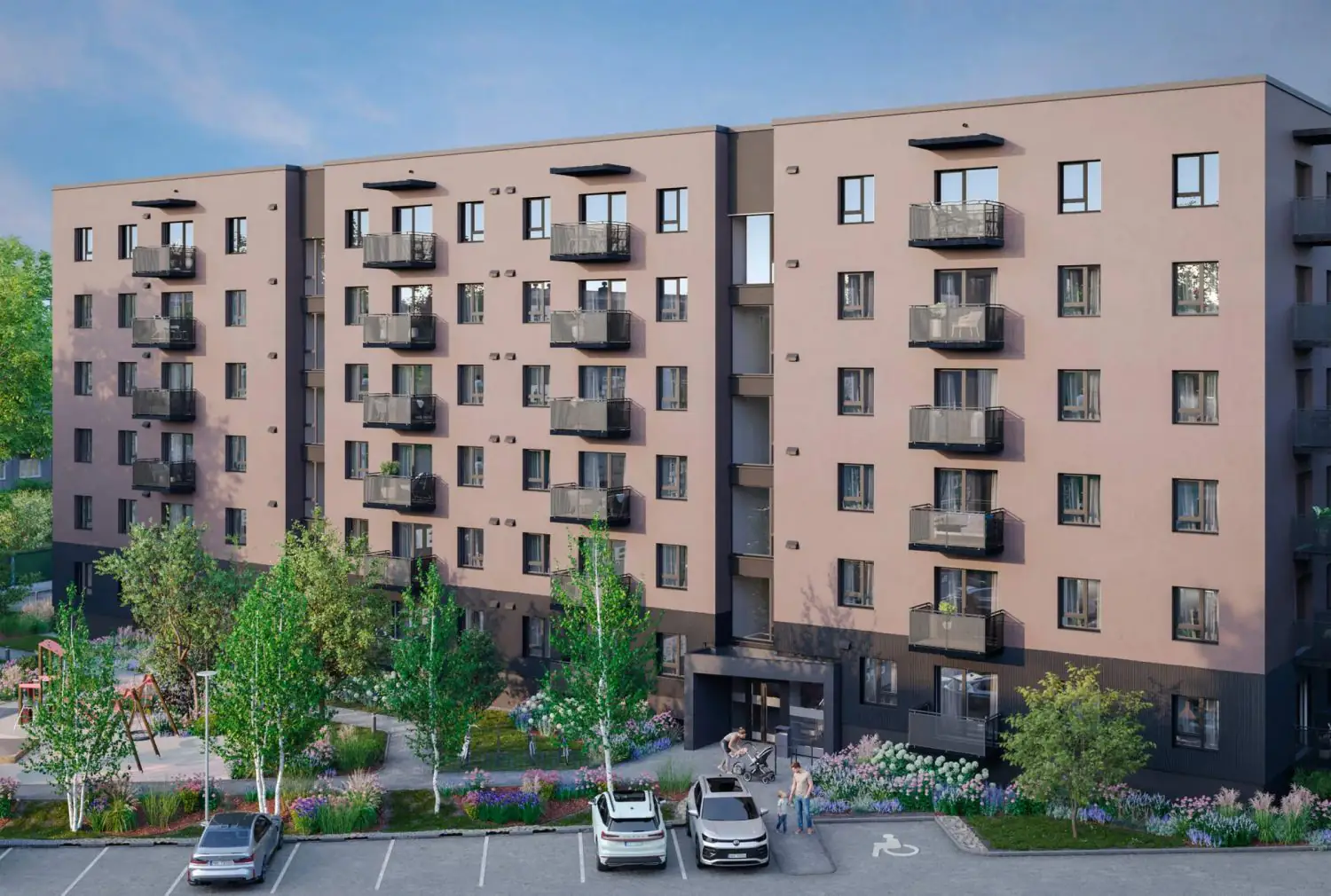
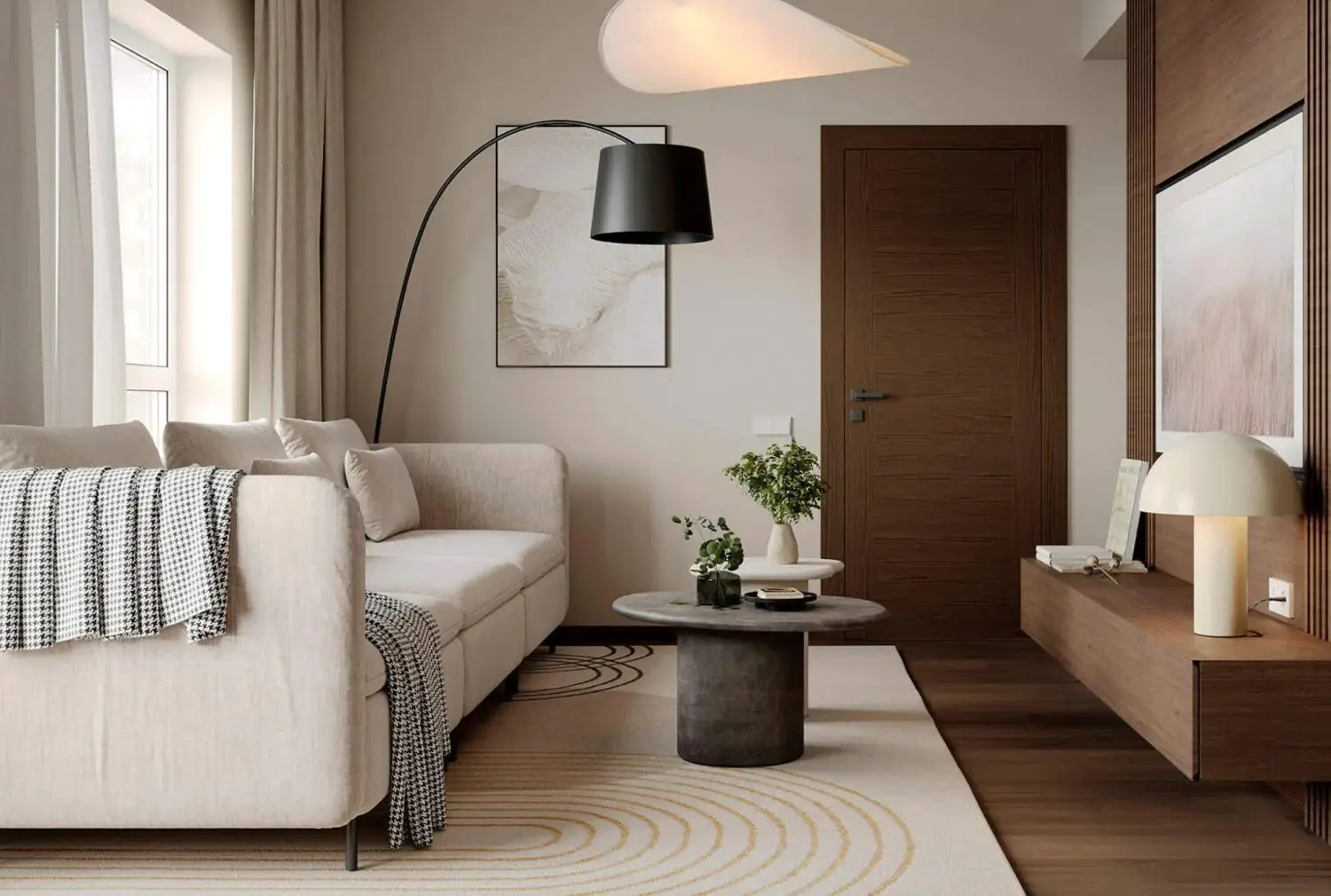
Meanwhile, the ambitious Zunda Quarter (Zund City Gardens)—even though its development plans are still crystallizing—highlights the massive potential of the border zone between Dzirciems and Āgenskalns. The design visions developed during the architecture competition for the revitalization of the Zunda waterfront indicate the city’s desire to turn this historically industrial zone into a modern, mixed-use business and residential district, which would grant Dzirciems direct access to the waterfront.
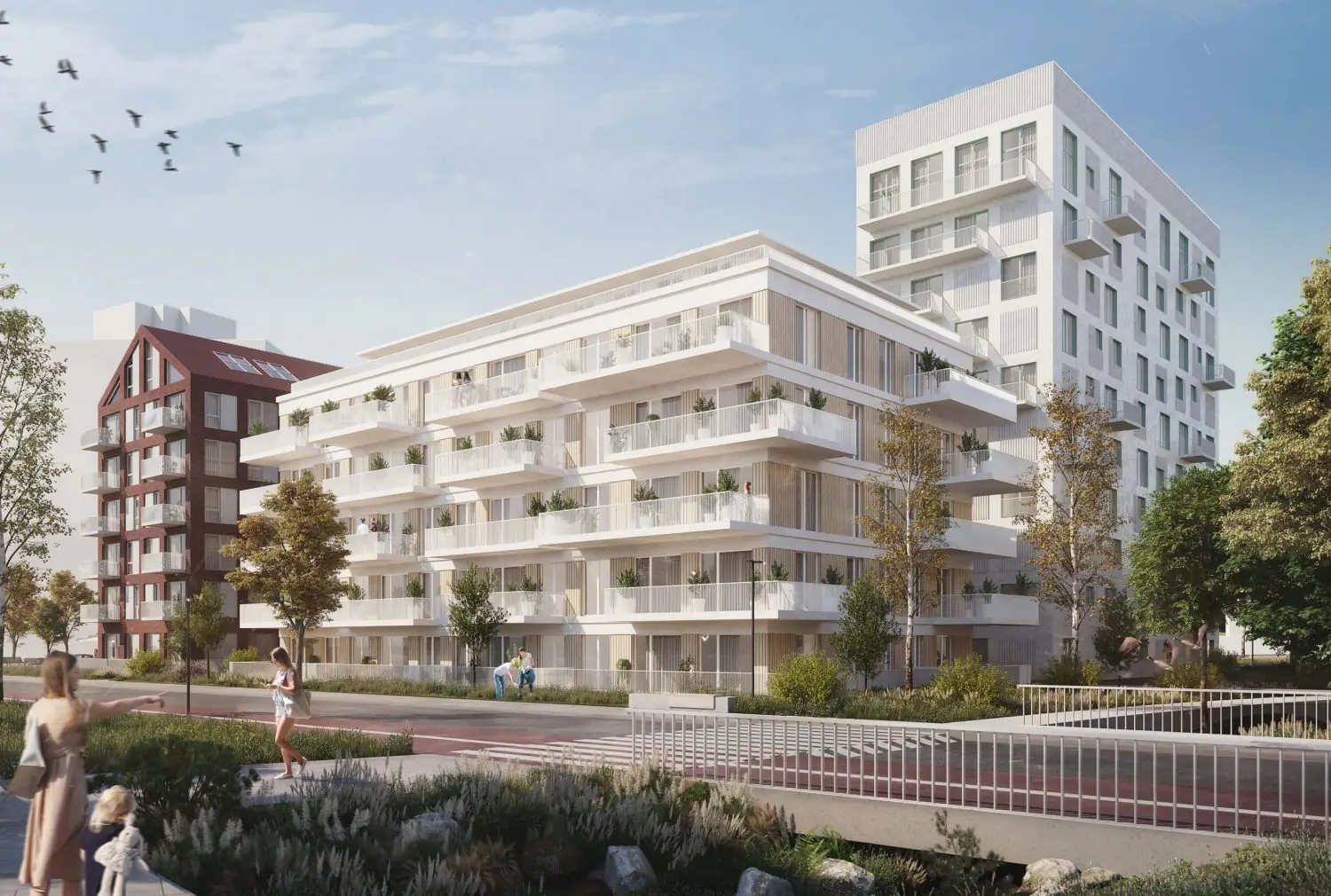
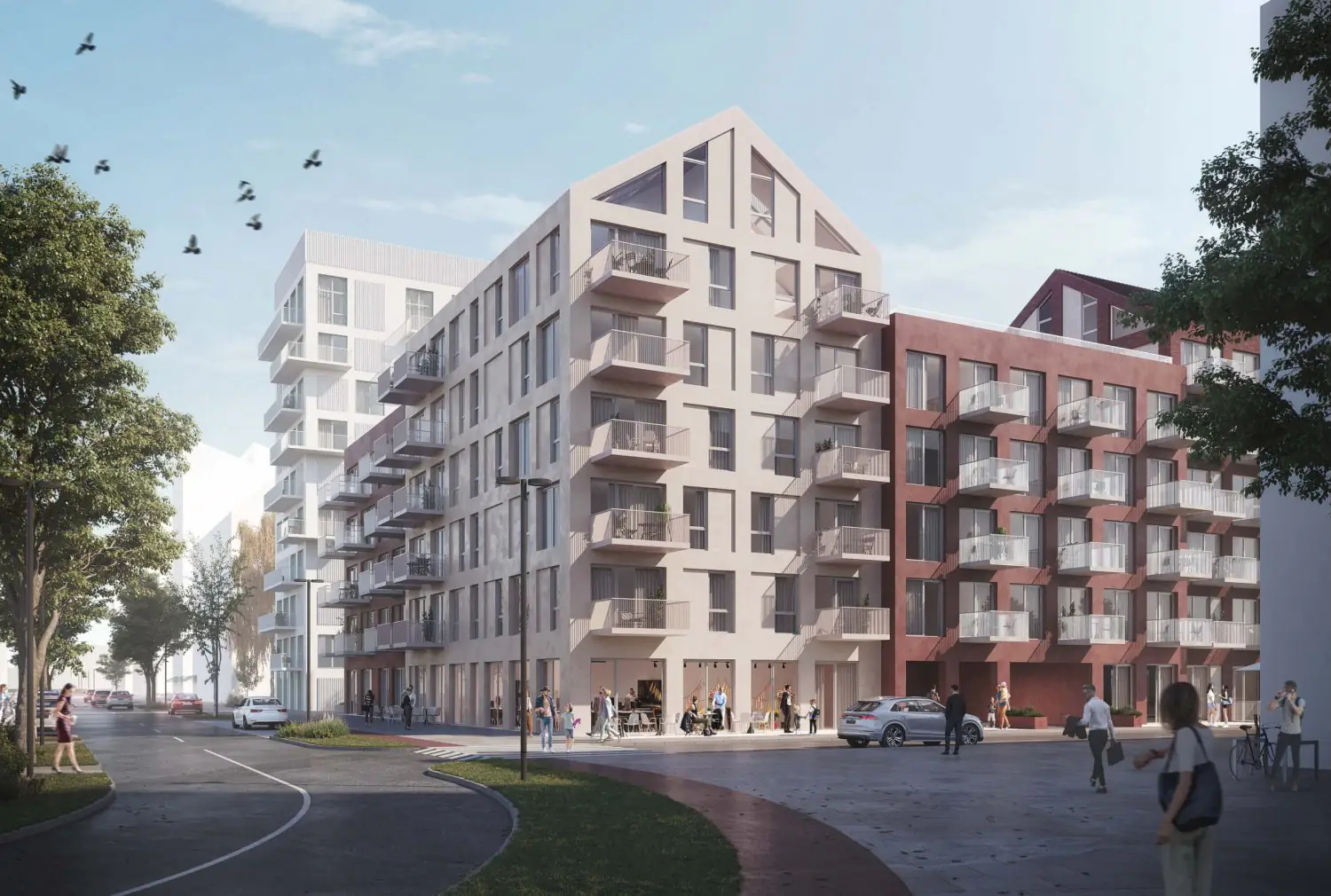
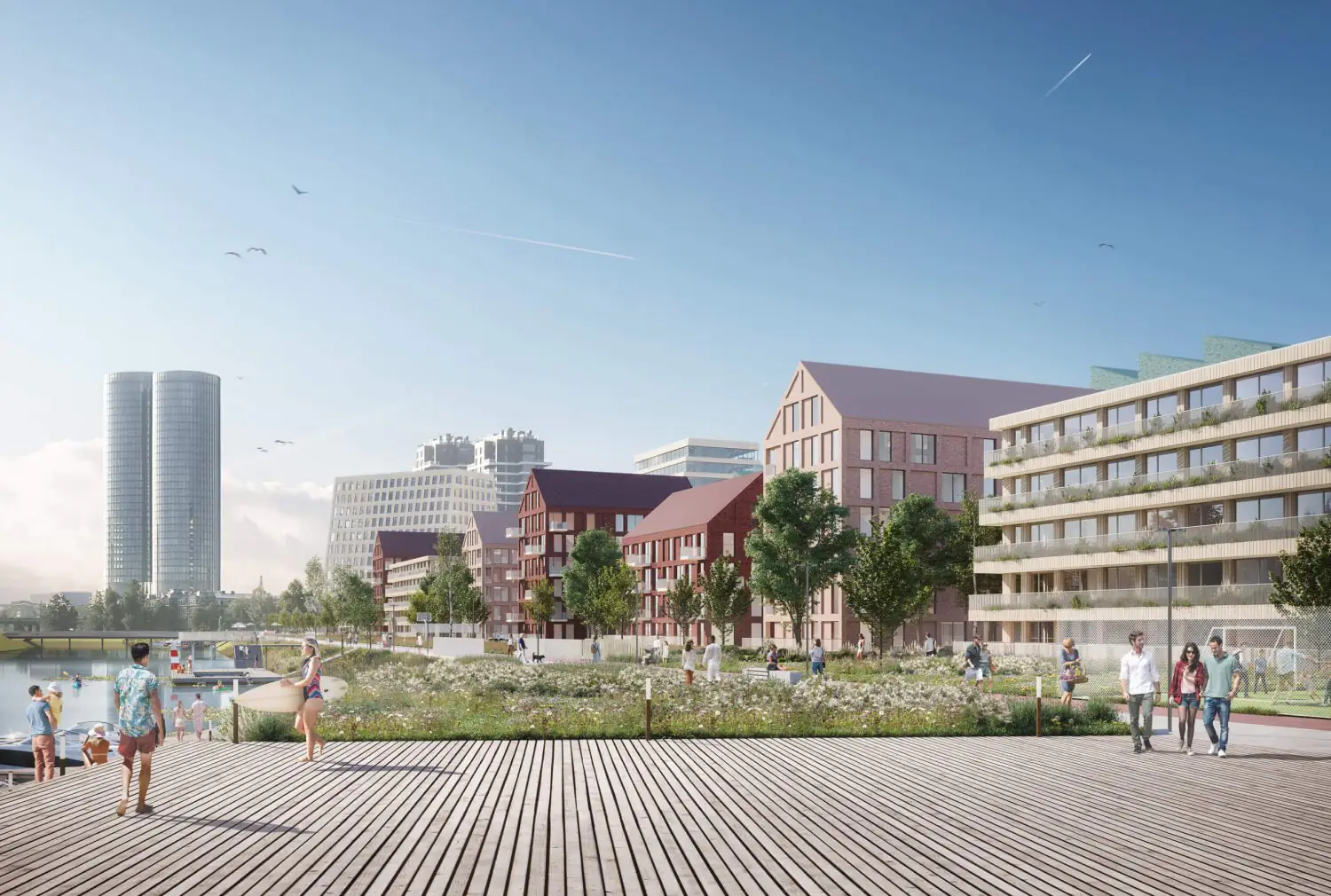
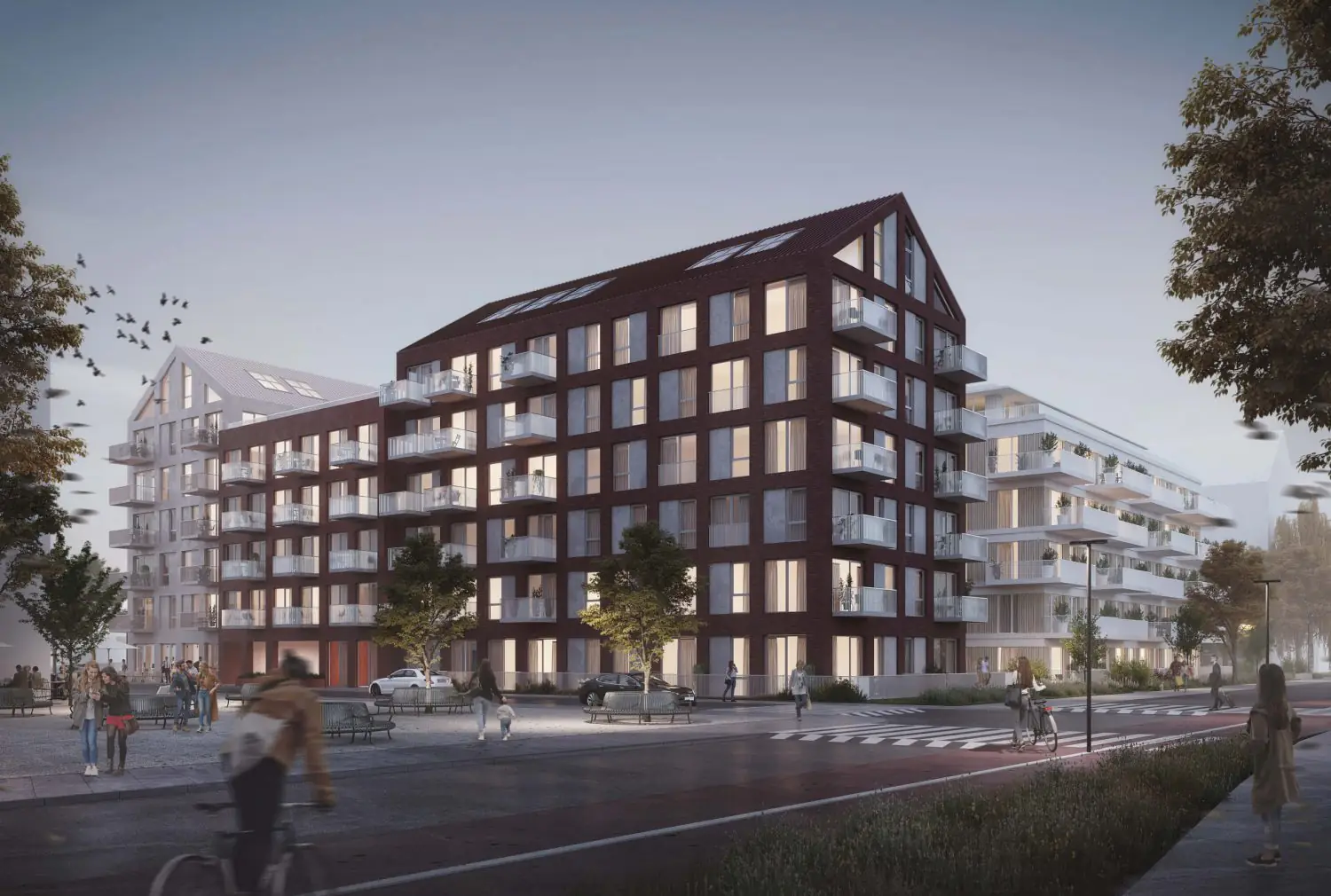
Dzirciems’ ability to organically merge its industrial heritage with green natural spaces, academic strength, and national-scale institutions (like the Museum Repository) creates a unique urban ecosystem. These new residential projects do not just provide modern housing; they serve as a testament to the district’s dynamic growth. Innovative architectural solutions and calculated functionality reinforce the roles of Dzirciems and Pārdaugava as strategically vital, high-value cores for Riga’s future development.