Great families — a great house
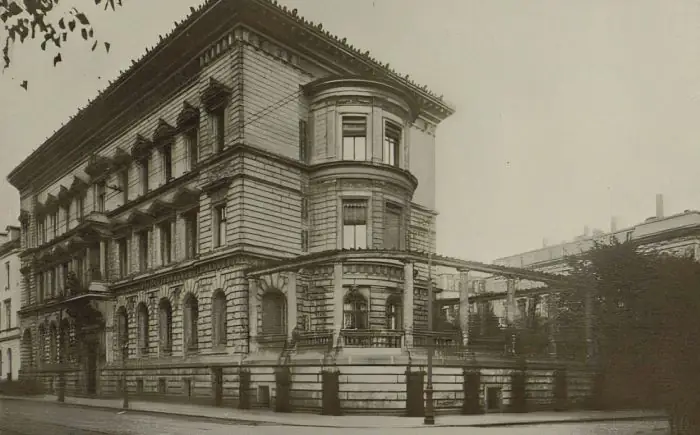
The building’s history dates back to 1876, when the Pfab family , who had become quite wealthy through trade in Riga , invited architects from Germany to design their urban property. Looking at the building today, one must imagine how it originally appeared in the cityscape, since at that time, beyond Riga’s city walls, there were not yet the brick buildings of Riga’s city center that we are familiar with today.
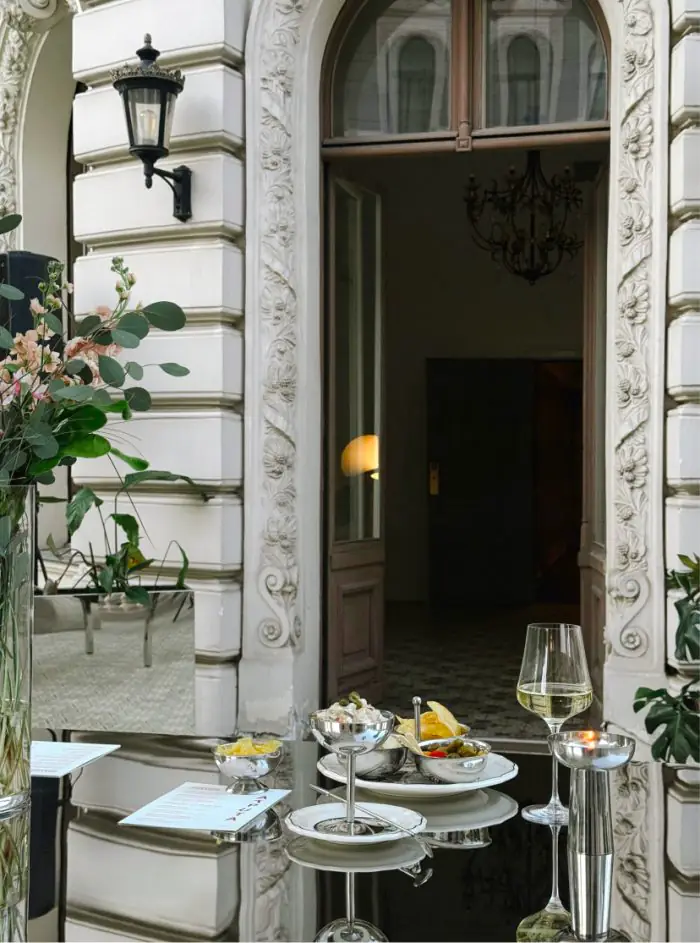
The townhouse features a variety of architectural styles, reflecting the popular eclectic trends of the time. The estate also included a stable, wine cellars, servants’ quarters, ice cellars, and other outbuildings necessary for the household.
It is noteworthy that, at the invitation of the Pfabs’ family, August Volz also arrived in Riga; he would later settle there and become one of the most influential sculptors in the city. The mansion’s opulence underscored the family’s inexhaustible wealth; however, as times and regimes changed, maintaining the large estate became a heavy burden, and in 1928 the mansion was sold to the Benjamins family.
The time of Benjamins
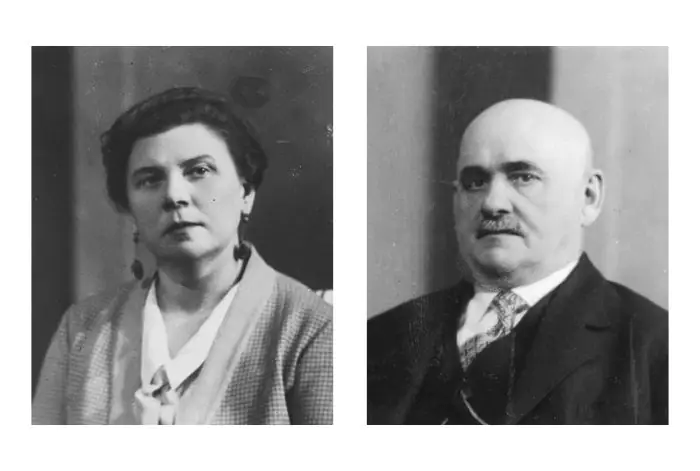
The Benjamin name was widely known during the interwar period and has regained public interest today thanks to literary works, film adaptations, and other public activities. Emīlija and Antons Benjamins were the most prominent owners of the Latvian press, with Emīlija becoming one of the wealthiest women in Europe. Immediately after acquiring the property, the family actively set about renovating the house to reflect the tastes of Latvia’s new elite.
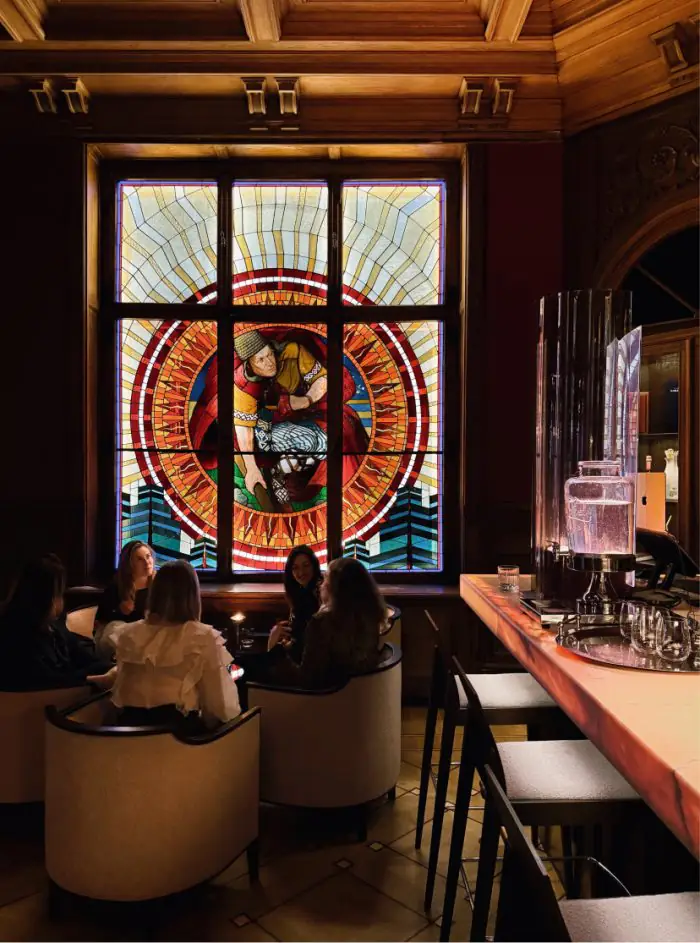
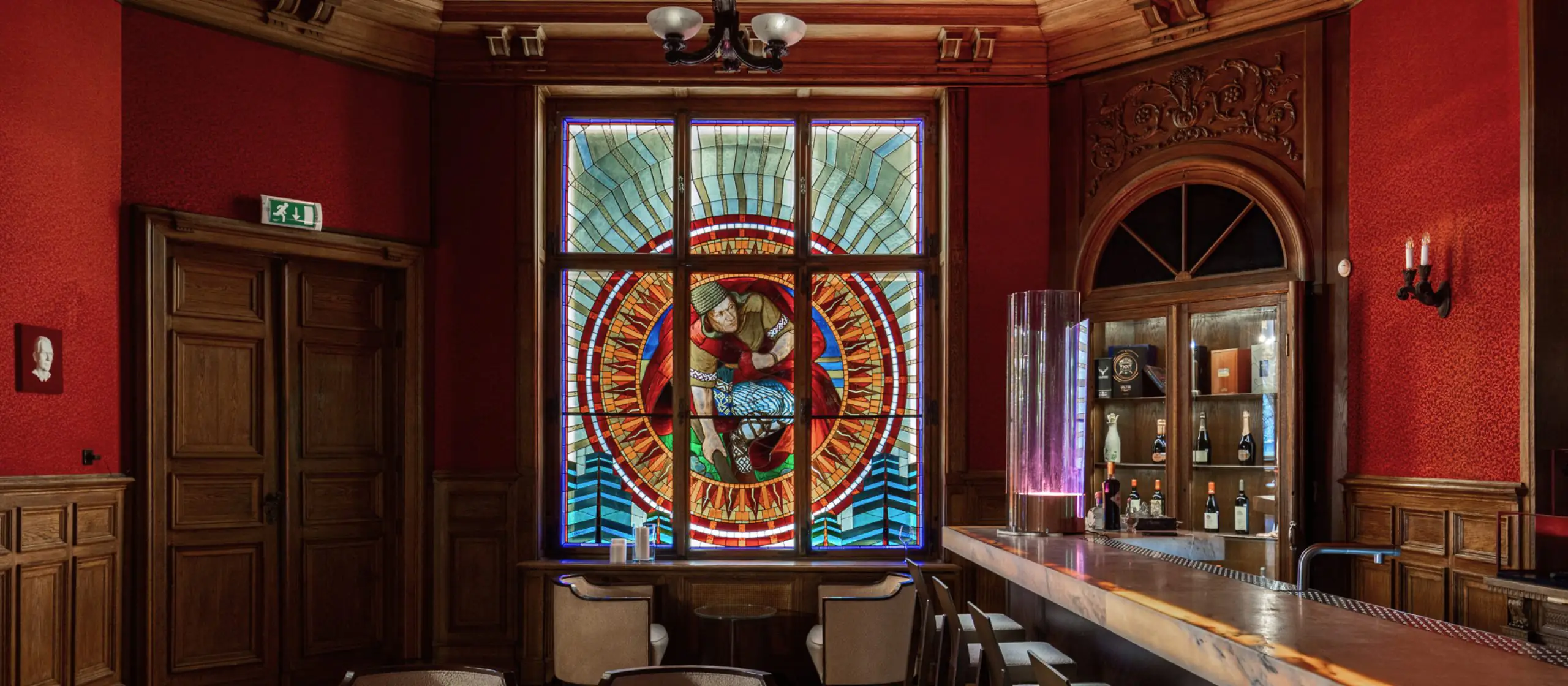
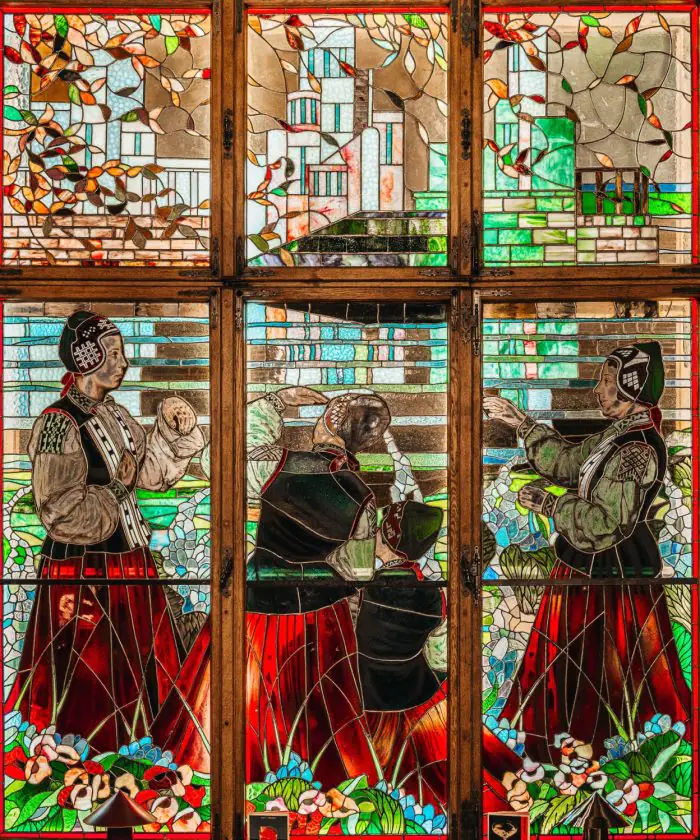
Kārlis Brencēns created stained-glass windows titled “Palace of Light” and “Lāčplēsis” for the dining room, the walls of the rooms were adorned with works by the latest Latvian artists, and the largest Murano glass chandelier in the Baltics was installed in the round hall. Emīlija Benjamiņa spared neither expense nor imagination to convince every guest of the Benjamiņš family’s wealth and influence. During the interwar period, the doors of this house were opened to the political and artistic elite; social events were held, and the house soon became widely known. However, the next chapter in the Benjamin family’s story was a dark one. Antons Benjamiņš passed away in 1939, but Emīlija endured the devastating consequences of war and occupation. In 1940, the Soviet occupation nationalized the house, and in 1941, Emīlija was deported, where she perished.
Creative and political resistance
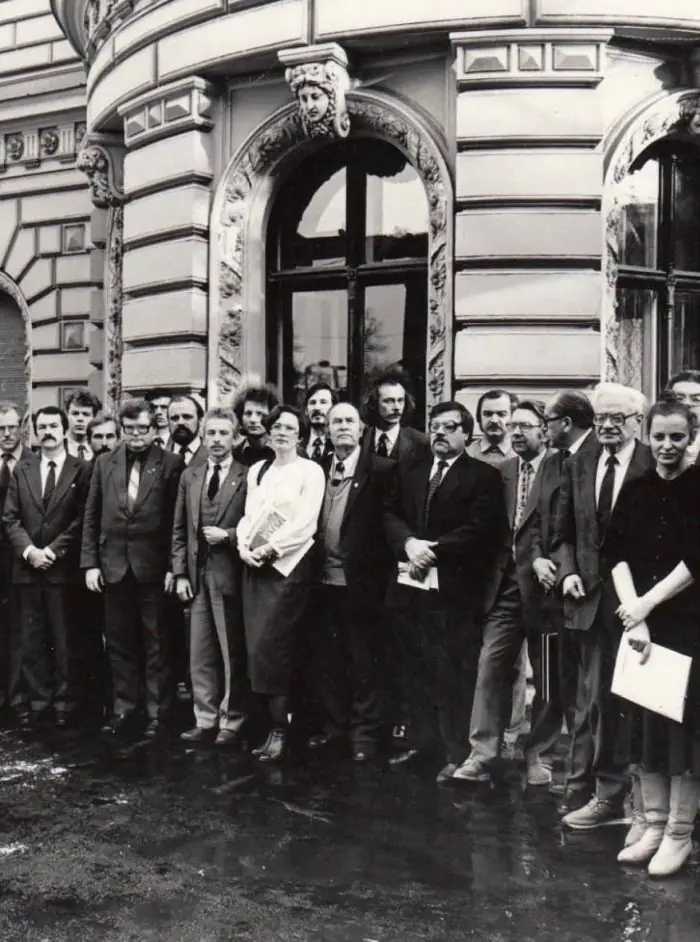
We can safely say that the building was fortunate in its future occupants. In 1945, the Union of Writers, Composers, and Artists began its work here. Although, in the shadow of the Stalinist era, artistic unions operated in close alignment with Soviet ideological dogmatism, over time a quiet yet unrelenting resistance to the regime emerged within their activities, which later bore its long-awaited results.
Seemingly continuing the Benjamins family tradition, this building continued to host the artistic elite as well as important foreign guests. The Union also maintained the house at its own expense in the 1980s, carrying out renovations, repairing the heating system, and taking care of the building’s overall condition. It is no coincidence that it was in this very house in 1988 that a meeting of the Artists’ Union took place, resulting in the decision by the Council of Creative Unions to organize the founding congress of the Popular Front of Latvia.
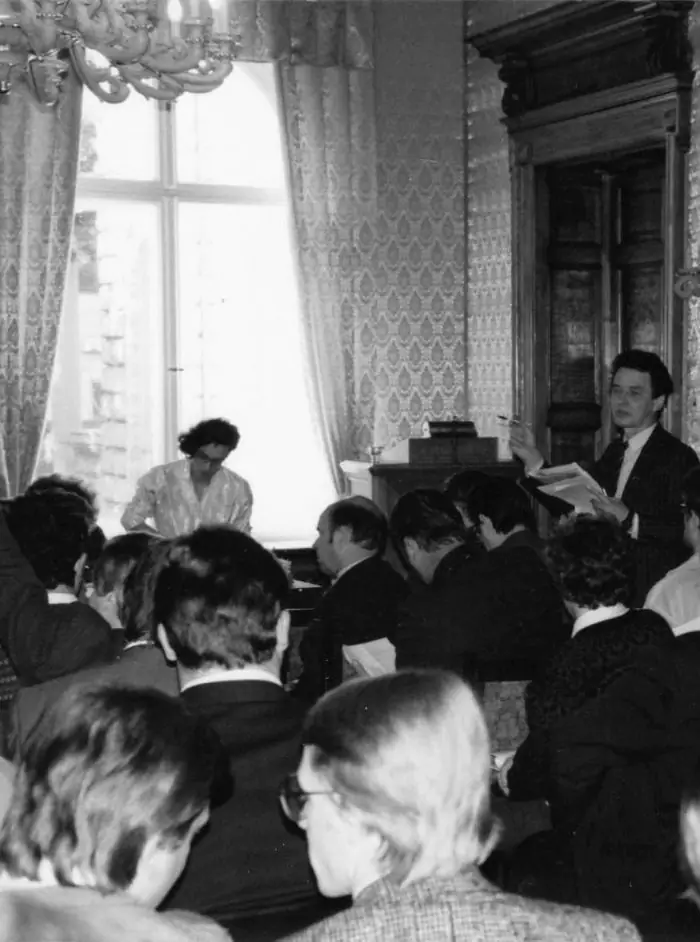
This was followed by the Singing Revolution, the Awakening, and the Barricades, when the building’s doors were wide open to those at the barricades so they could warm up and enjoy a bowl of hot soup. In the 1990s, creative unions were reorganized, a wave of privatization swept through the country, and the building changed hands several times. The Writers’ Union, for example, is currently located in the Riga Latvian Society House. However, the building’s cultural heritage was not forgotten.
In 2023, Dainis Īvāns and other representatives of the Popular Front of Latvia unveiled a commemorative plaque at the building’s entrance, marking the place where the idea of independence was reborn. Despite the consequences of the occupation, this building managed to preserve the dream of the Latvian statehood. Therefore, we can agree with artist Džemma Skulme, who experienced both the Benjamins and the Creative Union, as well as the times of the Awakening, and once told Latvian Radio: “It is like a second Freedom Monument.”
The future
Over the course of this century, the house has changed hands several times, until its keys finally ended up in the hands of Latvian entrepreneur Līva Jaunozola. The new owner hopes to put the house back on Latvia’s cultural map, and the first step has already been taken by restoring its original name, The Benjamin House.
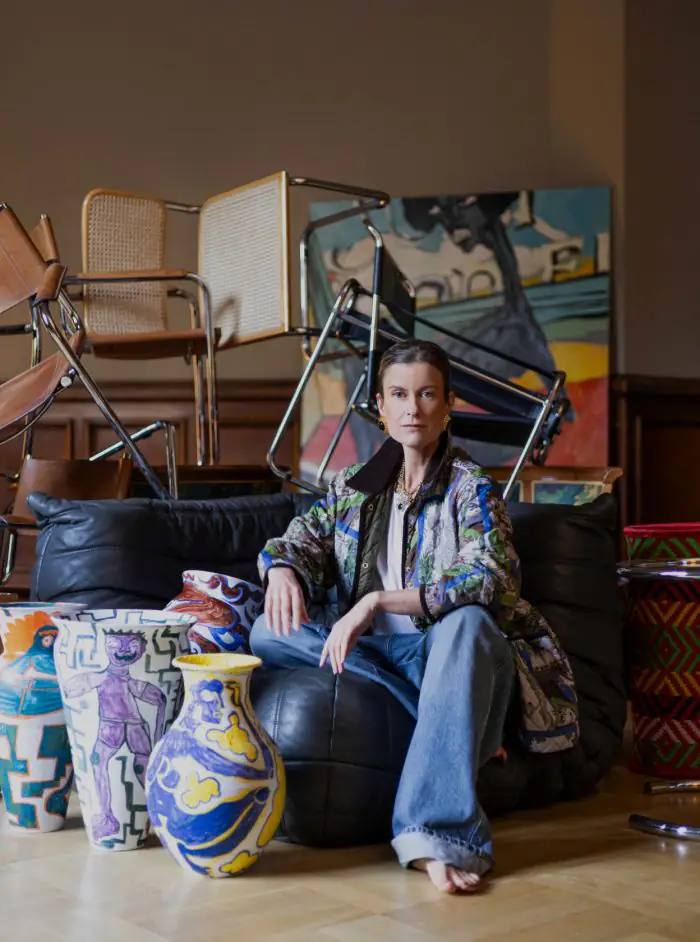
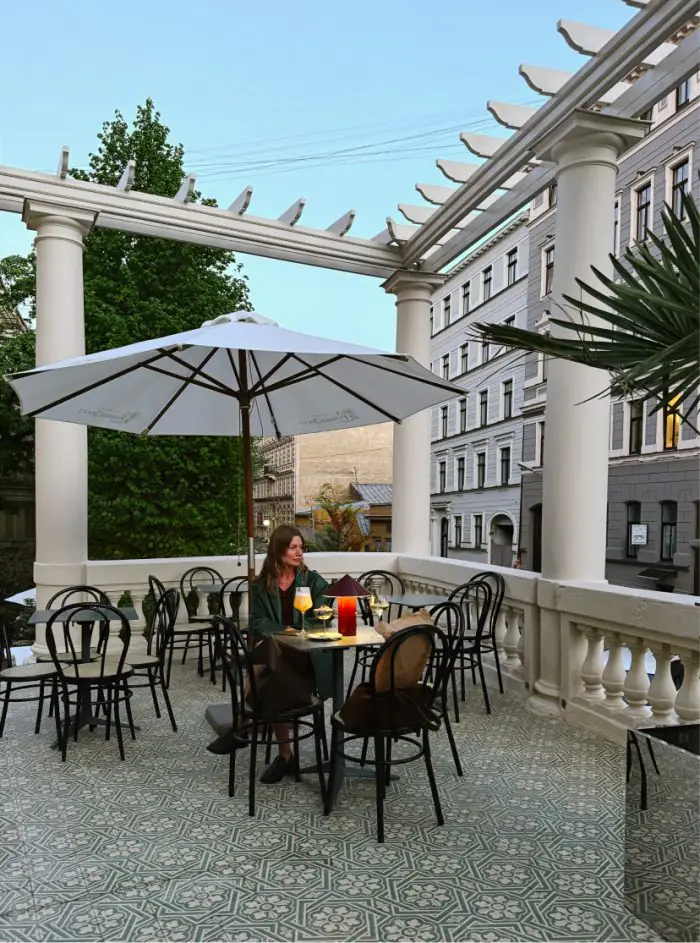
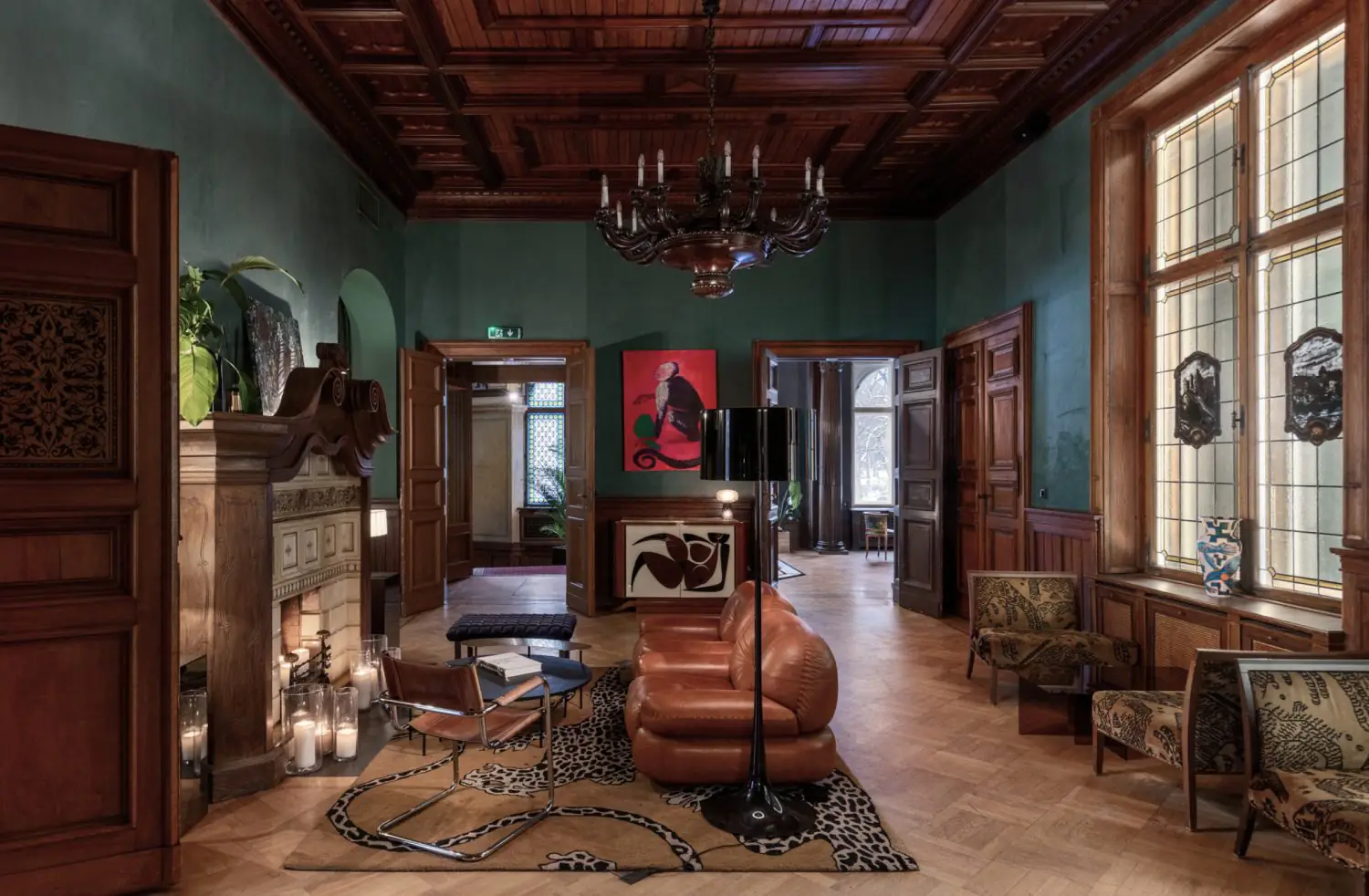
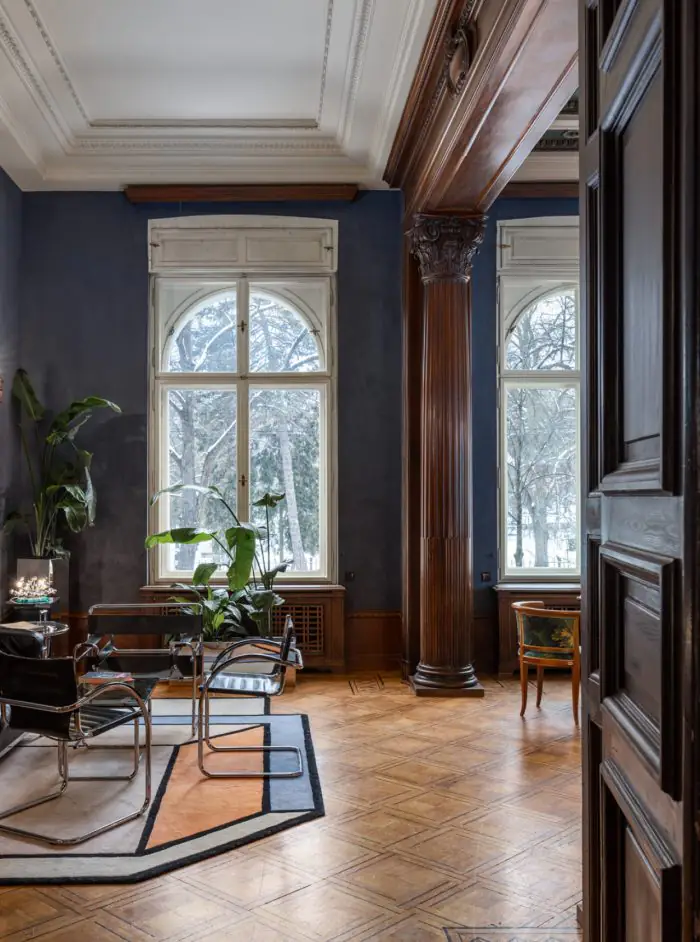
The former Benjamin dining room now houses a bar, whose cocktails are inspired by the Benjamin family’s story. The house’s courtyard has also been transformed into a relaxing garden with a fountain and a spacious terrace. The building’s spaces have hosted several significant cultural events, including the Riga IFF, the Art Academy’s carnival eve event and Riga Art Week afterparty. Also here is happening theater performances, as well as large-scale parties and corporate events. The building’s interior is complemented by accents of contemporary Latvian art and design icons. Alongside the bar and event spaces, the building’s other wing continues the hotel function introduced in the 21st century with 60 hotel rooms.
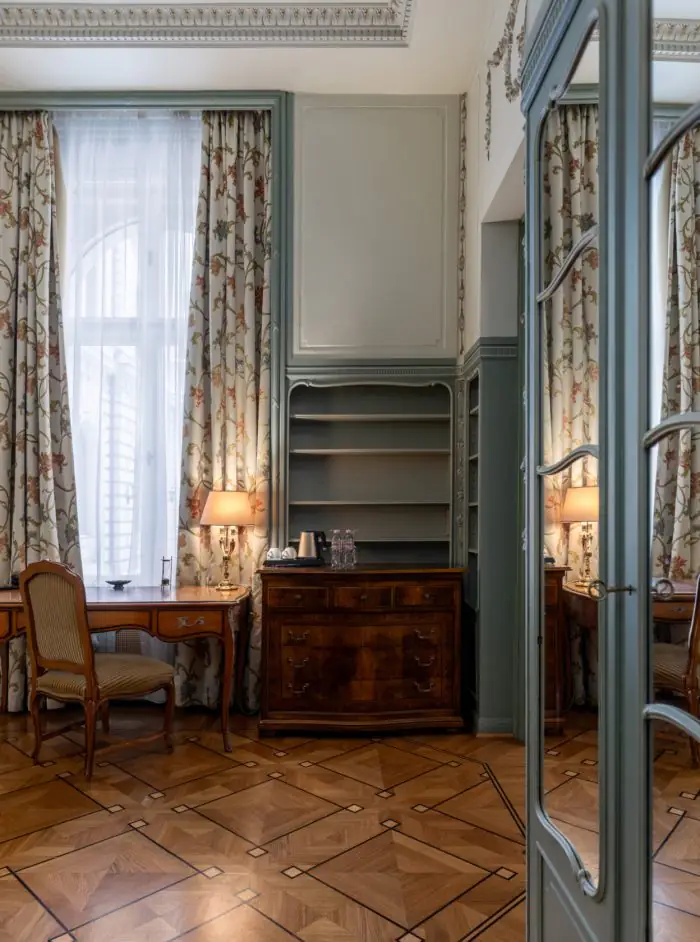
A similar arrangement echoes the building’s original layout, where the ground floor was intended for the family’s private use, while the upper floors were rented out as apartments. Today, the hotel offers accommodation in these very rooms.
Alongside preserving the building’s architectural value, it is important not to overlook the intangible cultural heritage that surrounds the history of this building. In collaboration with the Popular Front Museum, the first talk evenings have already taken place to remind listeners of the role that the Popular Front and the walls of this building played in the formation and restoration of Latvia.