Every city has undeveloped areas, such as vacant lots, abandoned construction sites and green spaces. These areas are referred to as ‘adjacent territory’. Urban meadows are often viewed precisely from this perspective: as a resource to be developed, or at best as a backdrop for a park.
However, the Latvian Fund for Nature (LFN)—a non-profit organisation that has been working to conserve Latvia’s natural environment for over 30 years—offers a different perspective on this part of the landscape. According to the LFN, meadows are part of a city’s critical infrastructure.
Meadows as an Ecosystem Service
In 2005, the United Nations published the Millennium Ecosystem Assessment, a report examining the impact of human activity on the environment. This marked the beginning of the widespread use of the term ‘ecosystem services’—that is, the benefits that humans derive from properly functioning natural ecosystems.

These can be grouped into four categories: provisioning, regulating, supporting and cultural.
Meadows are one of the best examples of all four categories: honey, hay and other products obtained from meadows have formed the basis of Northern Europe’s agrarian economy for centuries, thus contributing to the ‘provisioning’ category. Meadows play a vital role in soil formation, the nitrogen and carbon cycles, and maintaining biodiversity—this is their supporting role.
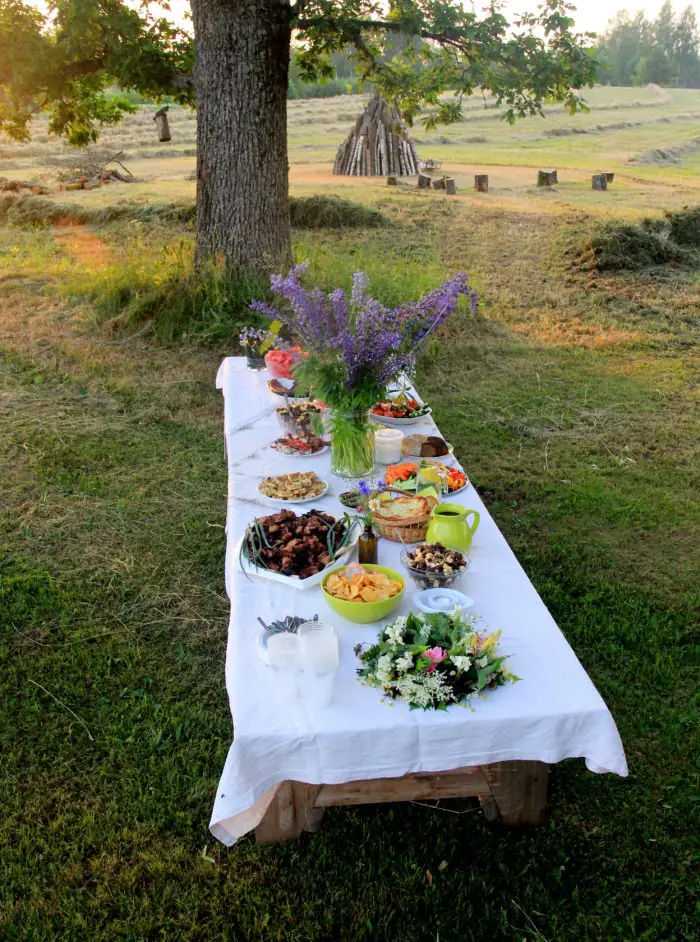
Furthermore, a flowering meadow is a recognisable feature of the Baltic landscape, and Latvian dainas and Ligo rituals involving wreaths of wildflowers serve as a form of collective memory.
Finally, meadows perform a regulatory function similar to that of hydraulic infrastructure: storm drains, local wastewater treatment plants, or flood retention basins. A dense turf cover absorbs precipitation and retains water in the soil, preventing it from draining away too quickly; in this way, it reduces the load on drainage systems. Second, the meadow acts as a filter: it traps nitrogen and phosphorus, reducing their concentration in waterways.
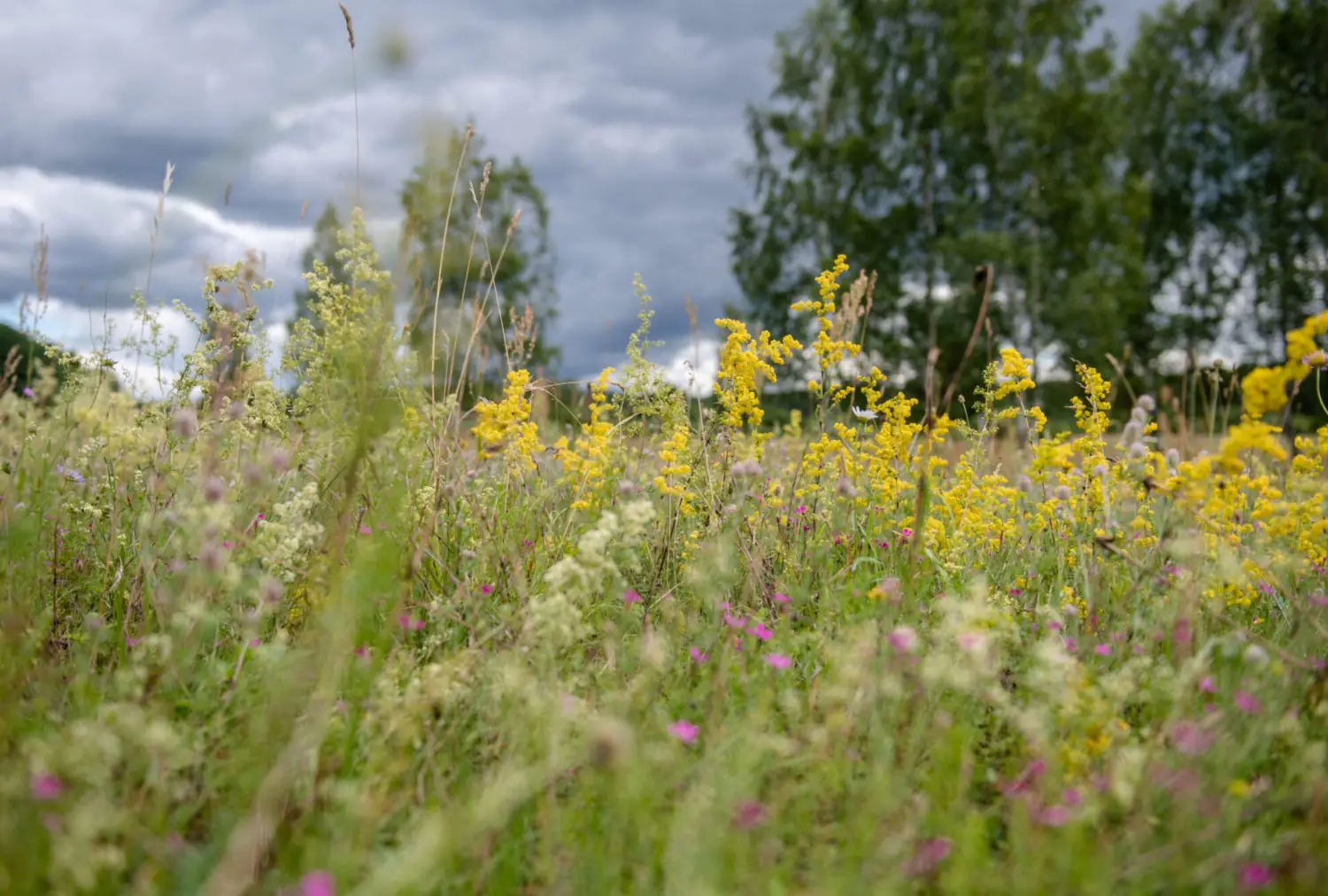
Unlike man-made structures, meadows do not require major repairs, expensive consumables or electricity. While they cannot be described as entirely ‘wild’ areas, they are semi-natural ecosystems that are maintained through regular mowing or livestock grazing.
In other words, they require infrastructure that needs maintenance, but this is fundamentally different from replacing concrete drainage channels. It requires a different kind of expertise, such as that possessed by farmers, herders or a local community capable of caring for the vegetation.
The Baltic Context
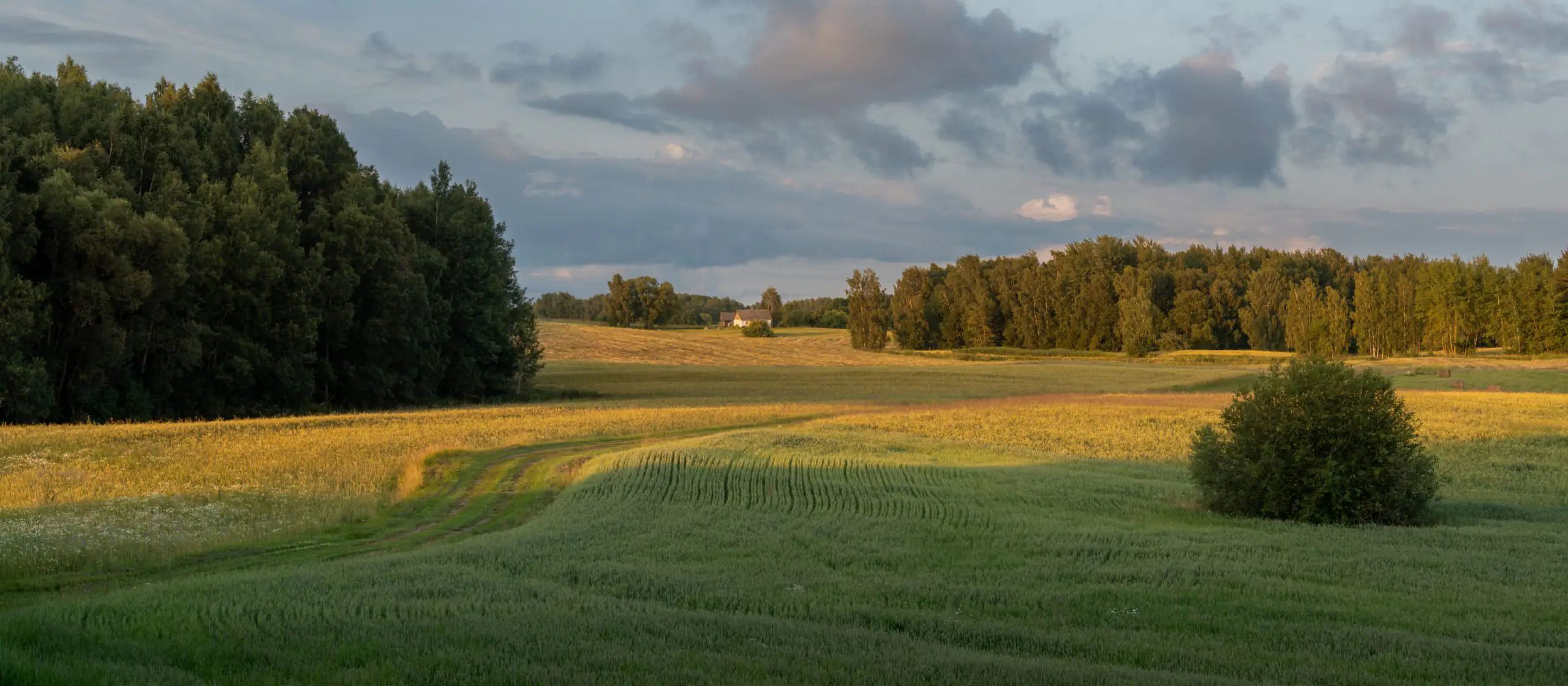
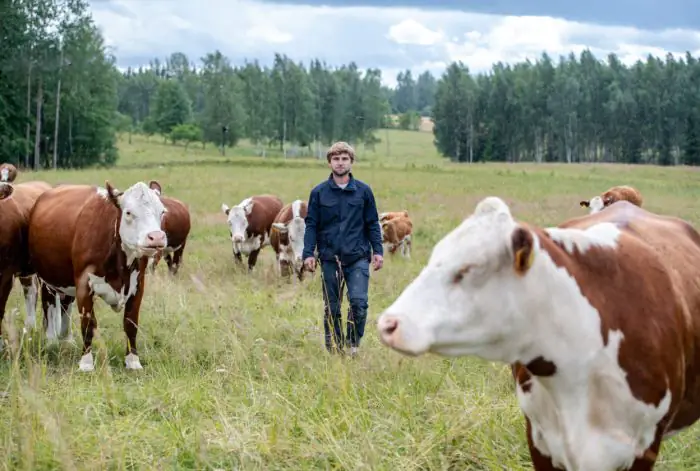
Despite their importance, meadows in Latvia are shrinking rapidly. According to the Latvian Fund for Nature, the country has lost almost all of its meadow ecosystems in recent decades. While these ecosystems covered one-third of Latvia’s territory at the beginning of the last century, the 2021 census found that only 0.9%, or 60,000 hectares, remain. Along with the meadows are disappearing the plants and animals that inhabit them, as well as part of Latvia’s past and its cultural and historical identity. According to the LFN, we may also be losing part of our future.
Products from natural pastures, such as meat, milk and honey, are increasingly valued around the world for their excellent nutritional value and taste. However, the potential of these products in Latvia remains largely unexplored.
In order to prevent the loss of this natural wealth, Latvia only needs to restore 3% of its natural meadows. Together with its GrassLIFE partners, LFN has already restored more than 5,000 hectares, including the lakeside meadows of Lake Engure and the Lielupe floodplain.
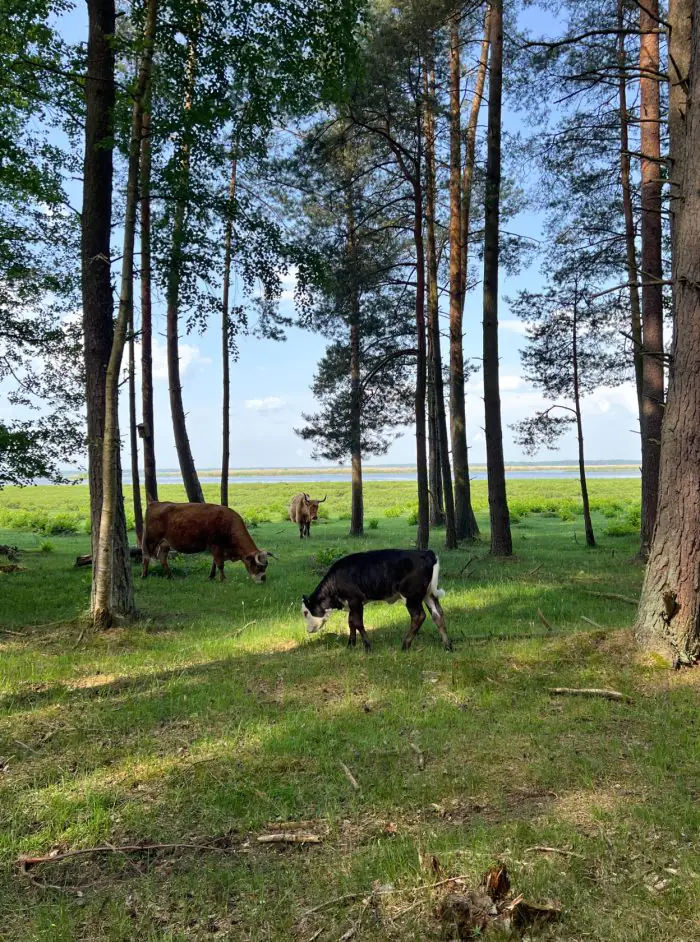
As well as people, a herd of Galloway cows is involved in this effort: during the grazing season, the herd travels across Latvia and grazes on the meadows.
Many of the region’s planning solutions, from climate adaptation in Riga to flood management in the Gauja and Dviete river valleys, rely on the historical functions of meadows, which have traditionally been provided free of charge or at a very modest cost. However, this advantage is not always exploited because grasslands cannot be officially commissioned by an acceptance committee and do not fit into the logic of capital projects with a clear life cycle. However, this is merely a formal obstacle, not a technical challenge.
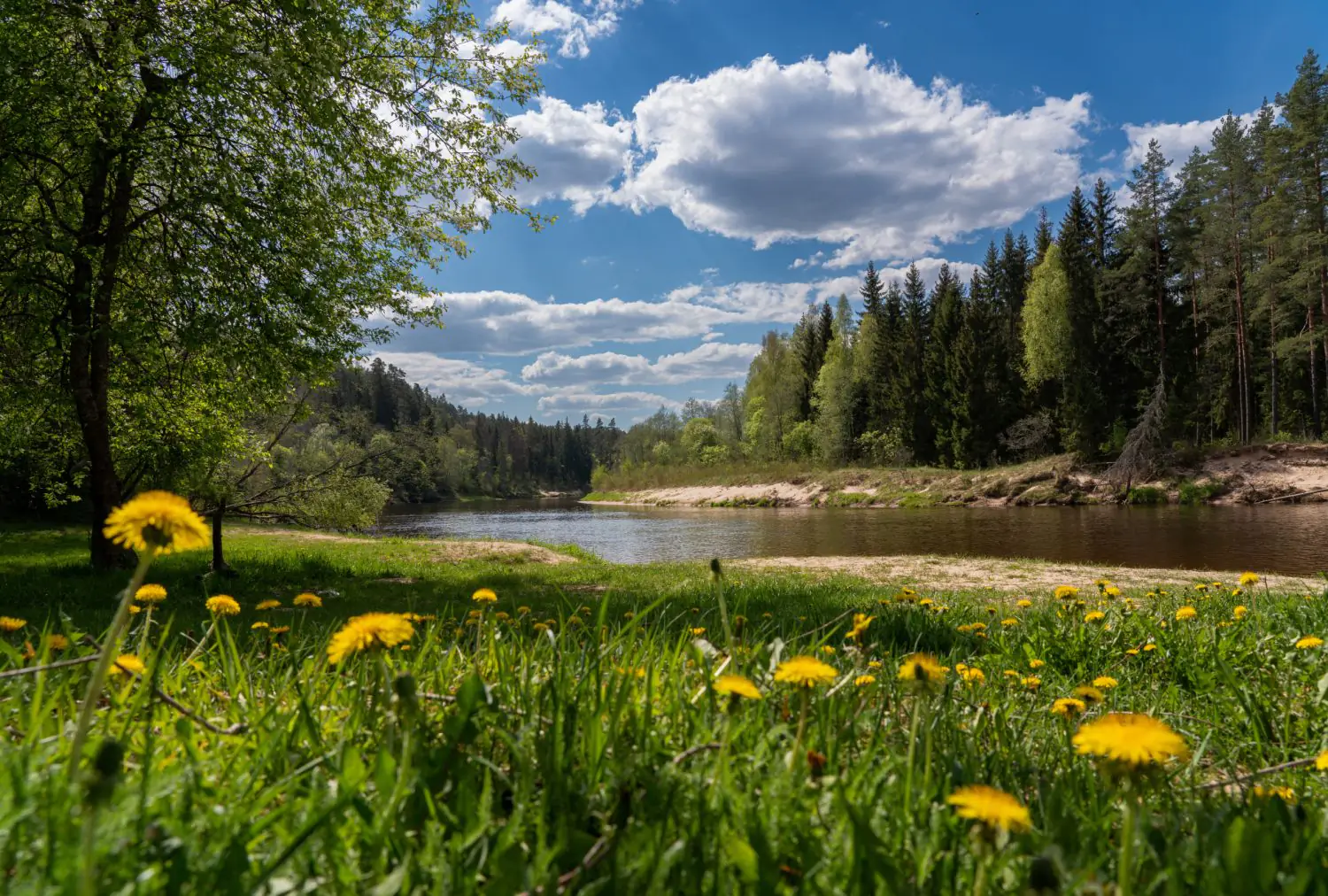
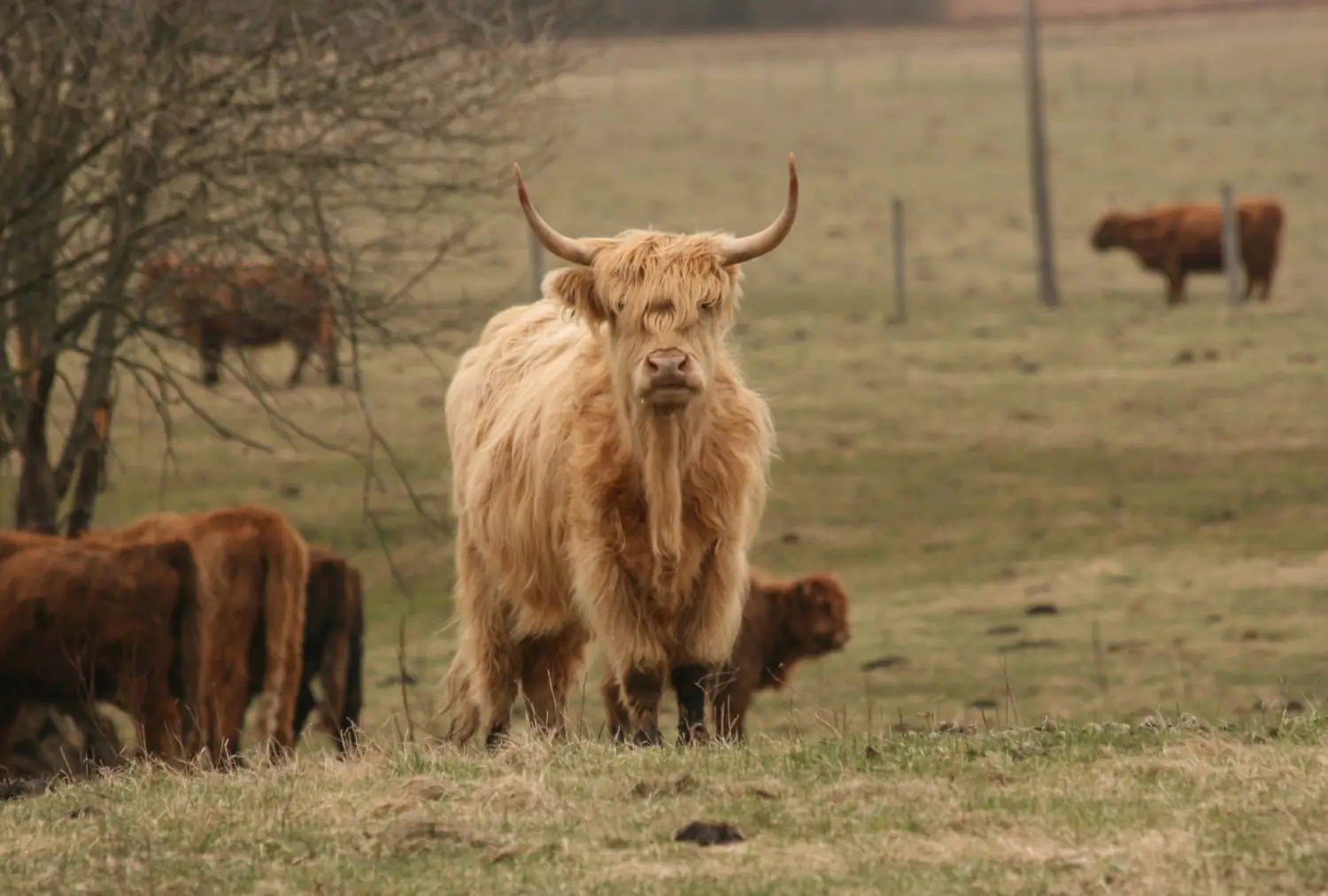
Architects and planners view cities from the perspective of water supply, sewers, roads and other infrastructure systems, among other things. The Latvian Fund for Nature’s meadow restoration programme adds another dimension to this picture: the biotic layer. In this context, meadows are a vital form of infrastructure: without them, the other systems will not function as well, and they will be more expensive to maintain.
Meadows in Riga
The Latvian Fund for Nature has successfully collaborated with the Riga City Council and neighbourhood associations for six years. Together, they have created dozens of oases for wild plants, and they plan to increase this number to 47 by 2027.
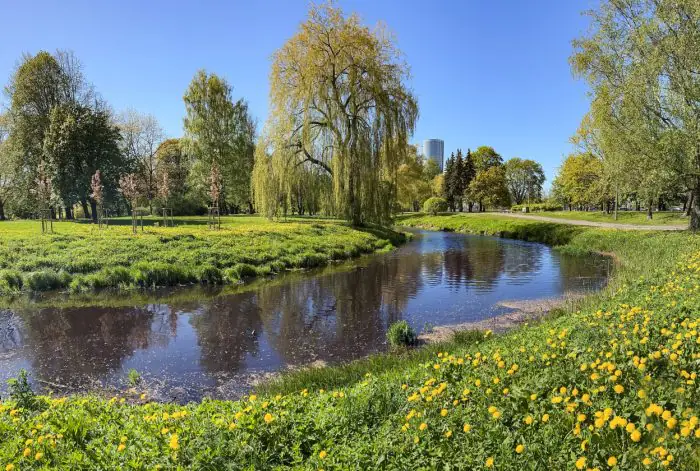
The city has embraced this initiative for several reasons. Firstly, as the foundation’s director Ruta Sniedze-Kretalova explained, they are easy to maintain: urban meadows are mown only once or twice a year and do not require watering or weeding. Secondly, the meadow creates a pleasant microclimate—as long as the grass isn’t cut, it fades less and retains more moisture, thereby cooling the ground in summer.
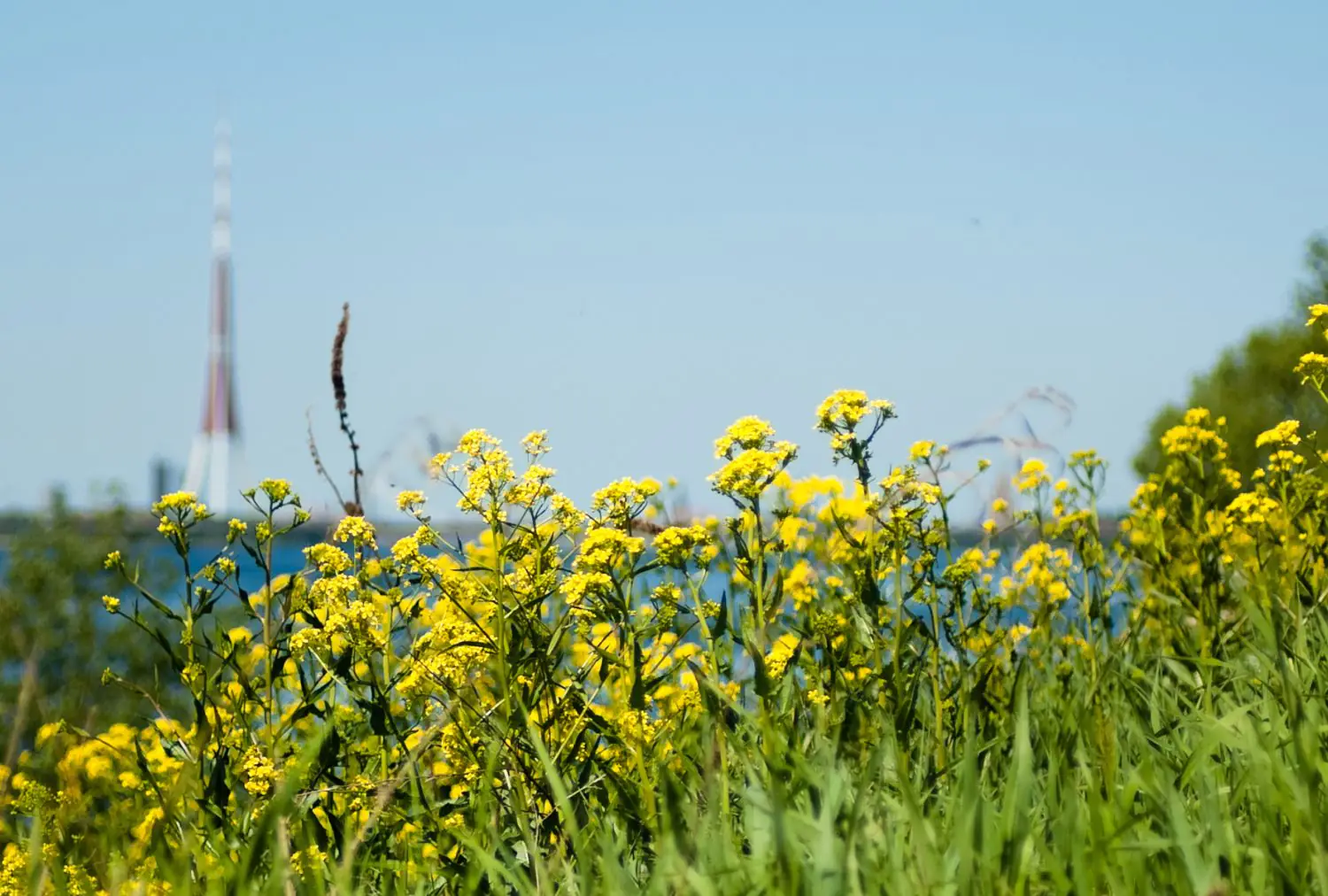
An urban meadow may not look very impressive immediately after the first seeding, but as Sniedze-Kretalova explains, within just a couple of years dozens of species of flowers will bloom there, including berry-bearing plants, sorrel, clover and daisies. Information stands are set up next to the meadows where visitors can find out more about the different plants.