Summer in Reverse
Last summer, Western Europe was marked by extreme heat. In June and July, average temperatures were 2.79°C above the climate norm. In France, one heatwave lasted 16 days, while extreme temperatures were also recorded in Spain, the UK, Switzerland and Belgium.
In Latvia, the picture was the opposite. The average temperature in July was +17.4°C, while rainfall was 63% above normal, making it one of the wettest Julys on record.
What may have felt like a disappointing summer for locals became an advantage for travellers from hotter countries. Instead of scorching resorts, tourists increasingly looked for milder weather, the sea, nature and the chance to spend the day outdoors. According to Polarsteps, 35% of British travellers planning a summer holiday chose a cooler destination, with more than one in five doing so for the first time.
Mabrian and Data Appeal point to a similar trend: amid rising temperatures and overtourism, interest in northern regions and nature-based travel has increased. Seasonality is shifting too, with some travellers avoiding the peak months of July and August and moving their trips into the shoulder seasons. Rather than simply reducing travel demand, extreme heat is gradually redistributing tourist flows across regions and seasons.
Now that the summer season is over, we asked experts whether this trend could become a real advantage for Latvia in the future—and whether there are already signs that travellers are beginning to see the Baltics as a Coolcation destination.
The New Geography of Travel
This year, Polarsteps launched its first Summer Heat Escape Index, comparing 25 European countries based on climate, forest coverage, population density and opportunities for outdoor recreation. Iceland topped the ranking, followed by Finland, Norway and Sweden. All three Baltic countries made the top 10: Estonia ranked fifth, Latvia sixth and Lithuania seventh.
Interest in the region is growing as well. According to Polarsteps, interest among its users increased by 20% for Lithuania, 13% for Latvia and 12% for Estonia. Travellers are choosing the Baltics not only for their milder climate, but also for fewer crowds and the opportunity to combine cities, nature and the coast in a single trip.
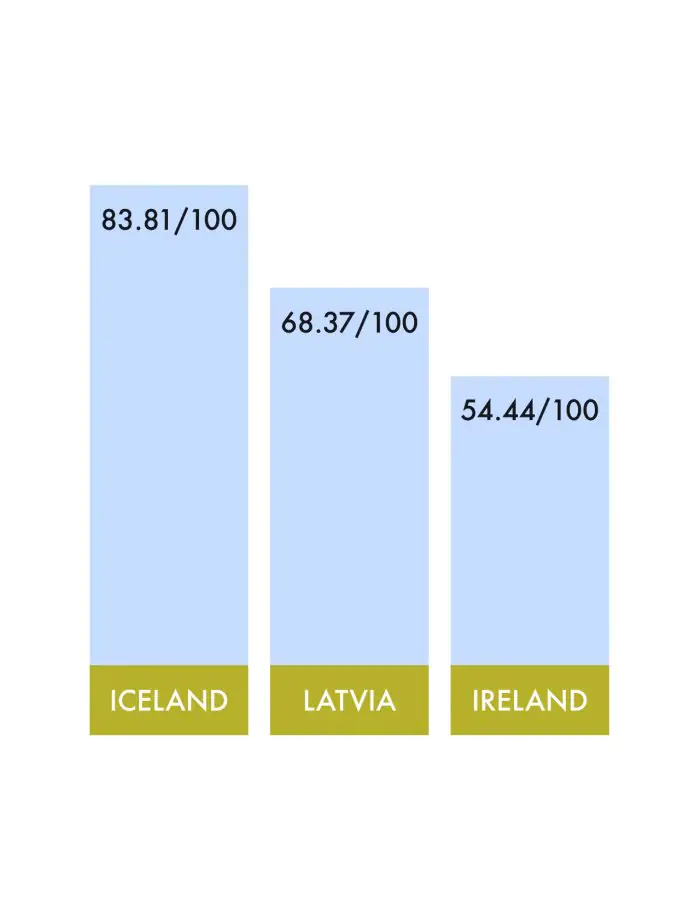
- Iceland: 83.81/100
- Finland: 77.02/100
- Norway: 76.06/100
- Sweden: 75.14/100
- Estonia: 72.18/100
- Latvia: 68.37/100
- Lithuania: 65.27/100
- Switzerland: 60.10/100
- Ireland: 54.44/100
- United Kingdom: 50.74/100
Latvia is also appearing in international Coolcation round-ups: Time Out included the country among its European destinations for a cooler August escape.
The Demand for Cooler Escapes
The Investment and Development Agency of Latvia (LIAA) is also seeing growing interest in the country as a summer destination with a milder climate.
“This is confirmed by both international media interest and tourism data. For example, in July 2026, tourist accommodation establishments in Latvia welcomed 7,200 visitors from Spain, 5,000 from Italy and 4,700 from France.”
IEVA JĀGERE, DIRECTOR OF LIAA
However, it is still too early to link these figures directly to Europe’s extreme heat: tourism statistics do not reveal travellers’ motivations.
Andris Kalniņš, President of the Latvian Hotel and Restaurant Association, makes the same point. According to him, hotel occupancy and the number of international guests are gradually increasing, as is interest from Southern Europe. However, hotels do not systematically track avoiding extreme heat as a reason for travel.
Overall tourism figures do not yet indicate a Coolcation boom either. Around 750,000 guests stayed in Latvia’s tourist accommodation establishments in the second quarter of 2026, up 1.2% year on year. In June, however, the number of international guests increased by 4% compared with June 2025.
For now, it is more accurate to speak of growing potential rather than a proven Coolcation effect.
More Than Just the Weather
A cool July is not a tourism product in itself. Competition for travellers looking to escape the heat of Southern Europe is strong—from Scandinavia and Iceland to destinations across Central and Western Europe.
That is why LIAA does not build its communication around temperature alone.
“We highlight not only the pleasant summer climate, but the entire travel experience—long summer days, nature, the sea, a wide range of gastronomy, Riga’s cultural life and the short distances between cities and nature destinations.”
IEVA JĀGERE, DIRECTOR OF LIAA
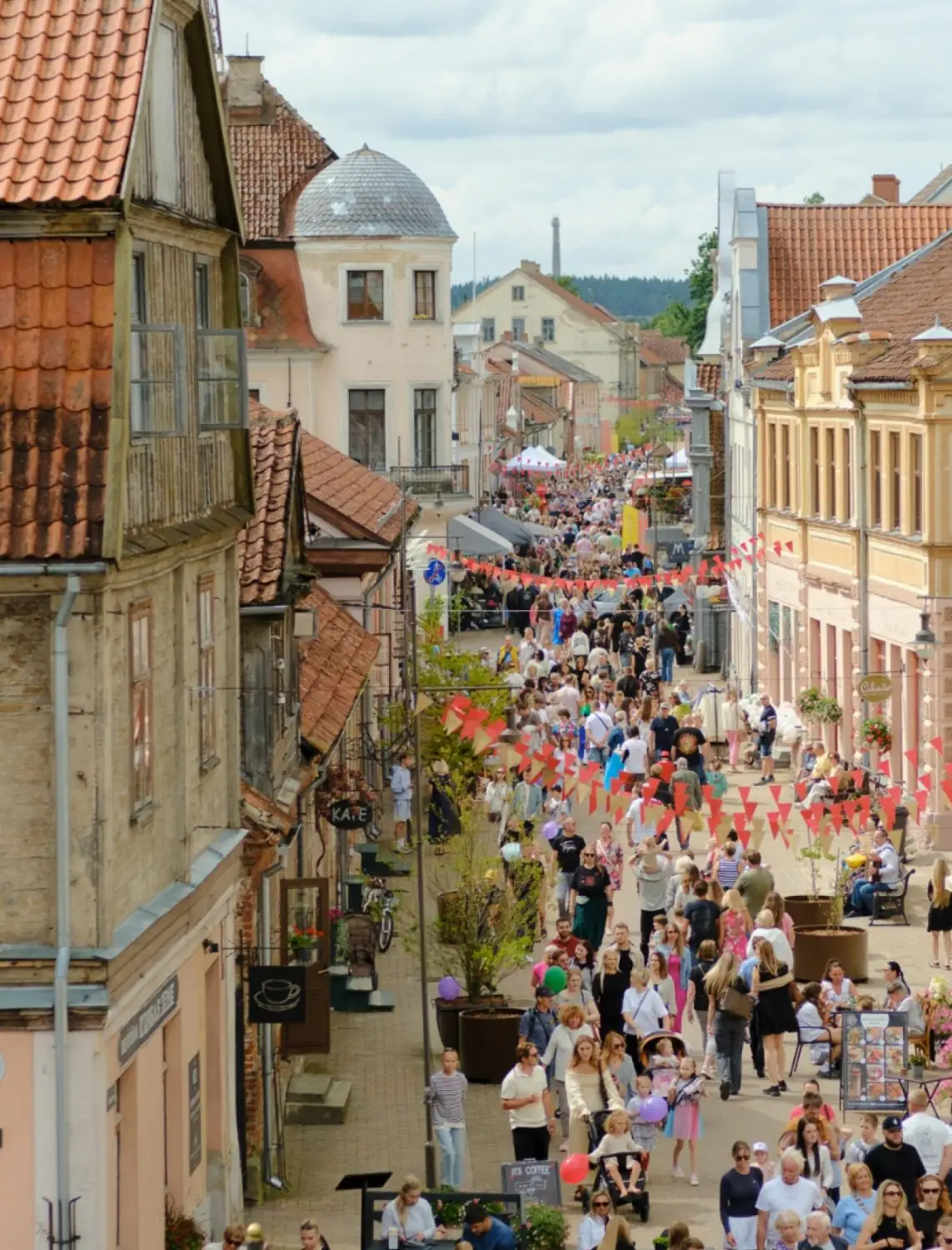
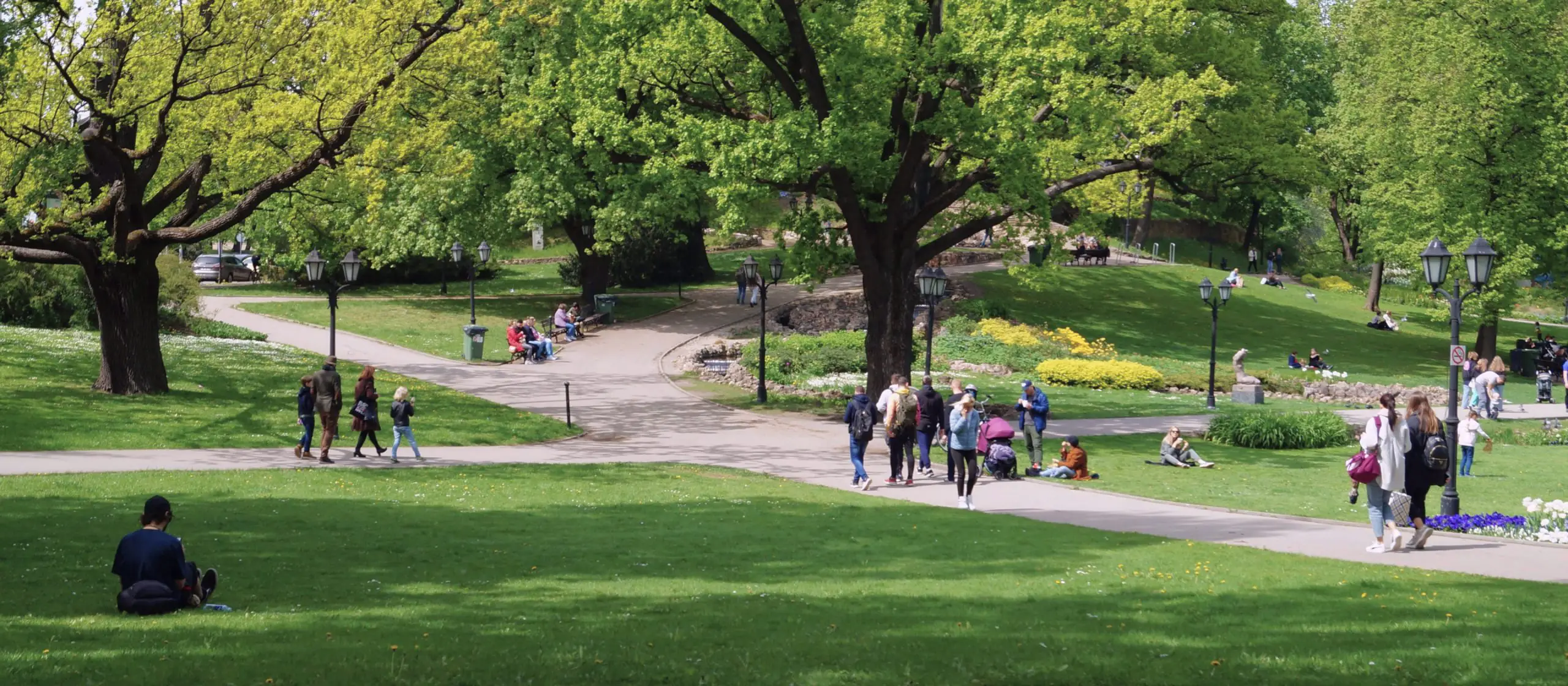
Riga makes it easy to combine a city break with the sea and nature without long journeys. A few days can include the Old Town, Art Nouveau districts, the Central Market, a walk along the city canal or the Daugava, with Jūrmala easily added to the itinerary.
For Coolcation travellers, it is not just about temperature. It is also about being able to spend a summer day outdoors—walking, cycling, sitting on a terrace or attending events without having to escape the heat.
Latvia welcomes tourists from Germany, France, Spain and Italy, while interest from travellers from the UAE, Kuwait, Qatar and Bahrain has also been growing rapidly. Visitors from hotter countries are attracted by the sandy beaches, pine forests and green Riga. They also appreciate the cleanliness, safety, quality of hotels and restaurants, and the absence of overtourism. Here, travellers can combine Riga, the coast and nature while avoiding the crowds typical of many popular European destinations.
“This summer, we welcomed Europeans who knew little about our country but chose it based on the weather forecast. This was particularly true of older travellers who struggle with the heat: some were ready to travel almost into the unknown, with comfortable temperatures becoming the main reason for their choice. Sweden, Norway and Finland are still much better known as Coolcation destinations, but if periods of extreme heat in Europe become longer, interest in the Baltic countries will grow as well.”
VLADISLAV KORYAGIN, HEAD OF BALTIC TRAVEL GROUP
At the same time, Koryagin notes that Latvia still lags behind its northern competitors in promotion, with relatively limited public investment in marketing the country as a tourism destination. Inbound tourism has yet to return to 2019 levels, while visitors from Western Europe and the Gulf states have not yet compensated for the loss of the eastern tourism market.
Meanwhile, Riga is becoming more visible as a winter destination. Interest in its Christmas markets is growing, with increasing numbers of international visitors coming to the city each December.
The Advantage No One Expected
Among the reasons why Latvia’s inbound tourism has still not fully returned to pre-pandemic levels, Andris Kalniņš points to the geopolitical situation and insufficient investment in international tourism marketing.
“We are competing not only with Lithuania and Estonia, but effectively with the whole of Europe. Without sufficient, consistent and long-term promotion of Latvia in international markets, it is very difficult to succeed in this competition.”
ANDRIS KALNIŅŠ, PRESIDENT OF ASSOCIATION OF HOTELS AND RESTAURANTS IN LATVIA
At the same time, he sees Coolcation as a real opportunity for the region.
“We have relatively mild summers, nature, the Baltic Sea, Riga and good tourism infrastructure. As summers in Southern Europe become increasingly hot, Latvia has an opportunity to position itself much more actively as a high-quality and comfortable summer destination. However, to turn this potential into real growth in visitor numbers and hotel occupancy, having a good product is not enough—it needs to be actively promoted in priority international markets.”
ANDRIS KALNIŅŠ, PRESIDENT OF ASSOCIATION OF HOTELS AND RESTAURANTS IN LATVIA
LIAA notes that the impact could extend beyond tourism. Quality of life, a green and uncrowded environment, climate resilience and the ability to attract international talent are becoming increasingly important.
“Coolcation is more than just a trendy tourism term. It draws attention to qualities that, in the long term, make Latvia more attractive as a place to live, work and invest.”
IEVA JĀGERE, DIRECTOR OF LIAA
In fact, what was once perceived as a disadvantage of a northern region could gradually become one of its advantages, she adds.