Generation Z (born between 1997 and 2012) makes up a growing share of society and is expected to account for 30% of the global workforce by 2030. In Latvia, nearly 15% of the working-age population already belongs to Gen Z—a generation that has grown up in the digital era and whose expectations are reshaping the workplace. According to data from Latvia’s Central Statistical Bureau (CSP), more than 170,000 Latvians aged 20–29 belong to Gen Z. They are an important part of today’s labour market, and, contrary to common stereotypes, they do want to work from the office—but only if the office meets their needs. The expectations of young professionals are influencing employers, real estate developers, and office architects alike.
Global studies and surveys show that, compared to other generations, Gen Z has the strongest preference for working from the office. For example, a May 2025 survey by the global consulting firm Gallup found that only 23% of Gen Z employees with hybrid work options would choose to work fully remotely—the lowest share among all generations. Gallup’s 2026 research also found that Gen Z (44%) and remote workers (41%) are the groups most likely to say they have lost their sense of belonging at work, because the working environment feels isolated and impersonal.
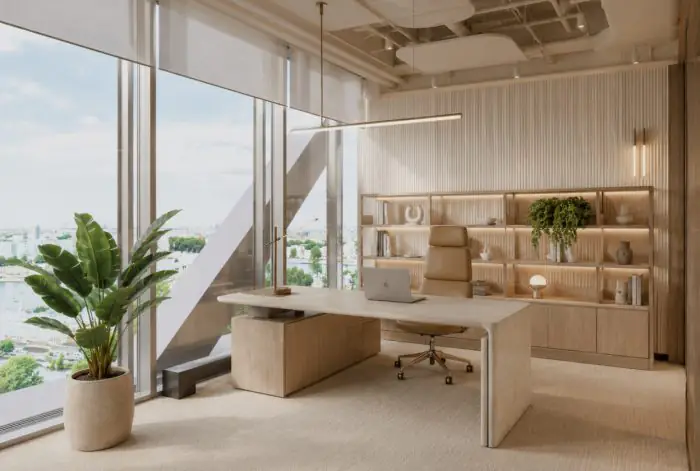
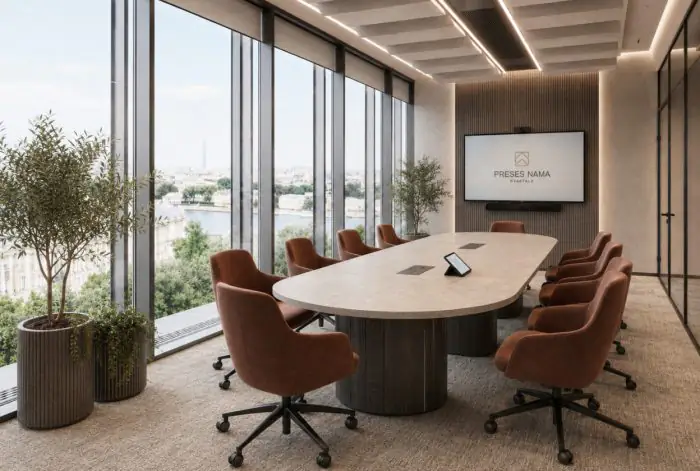
Meanwhile, Deloitte’s 2026 Global Gen Z and Millennial Survey found that, alongside meaningful work, one of the qualities Gen Z values most in a workplace is the chance to build real human connections and friendships with colleagues. This shift is directly shaping how modern offices are designed and fitted out.
The office is no longer simply a place to do work—it is becoming a space that offers experiences, supports wellbeing, strengthens a sense of belonging, and supports professional growth.
What Is Happening in Latvia?
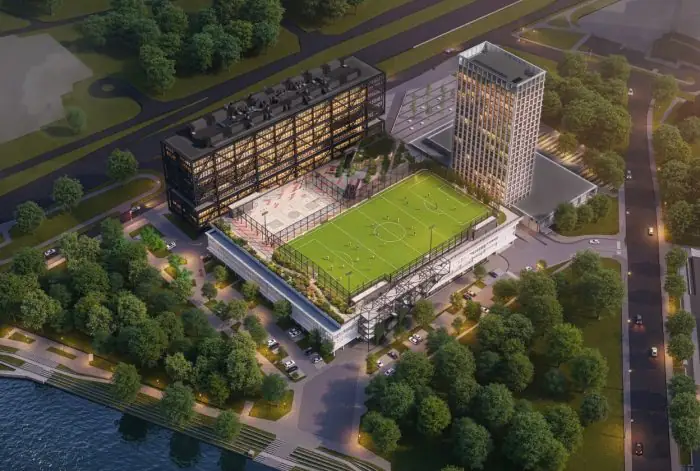
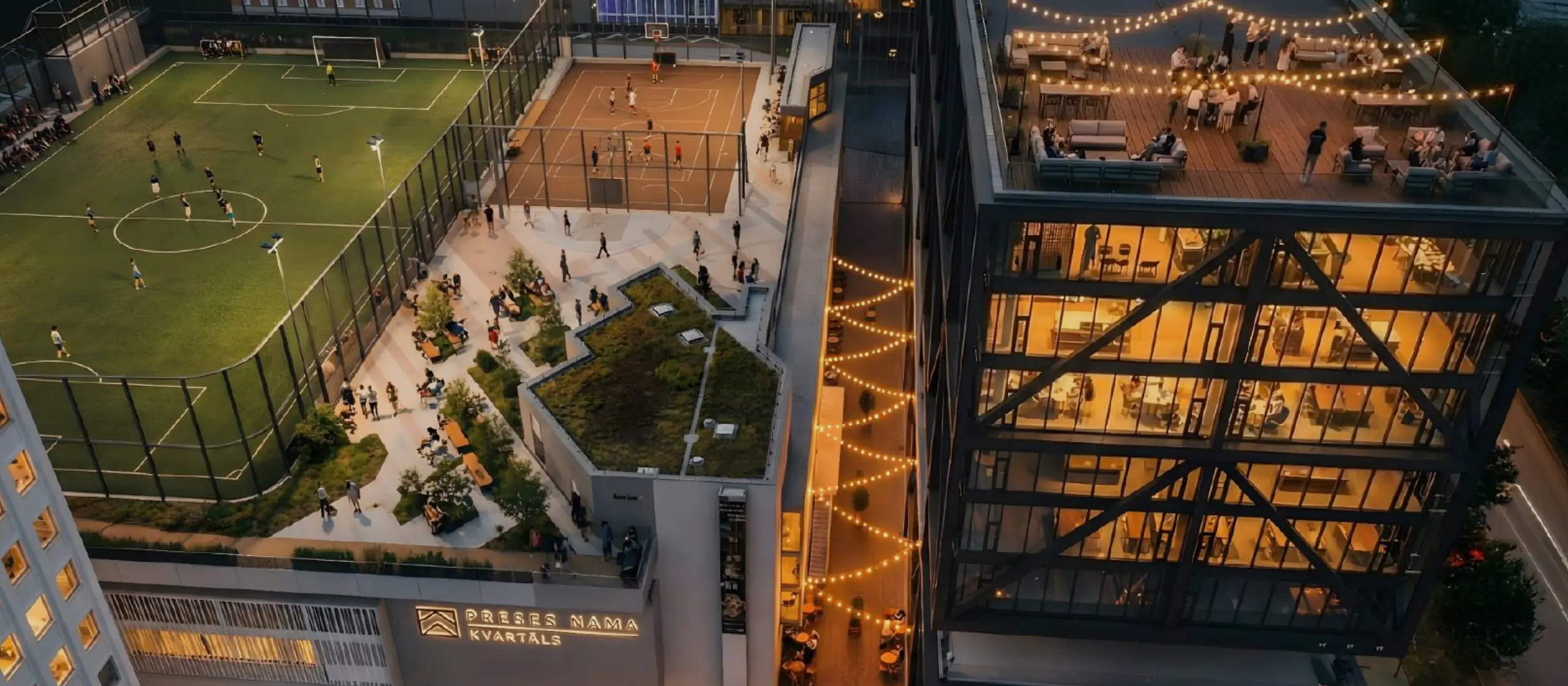
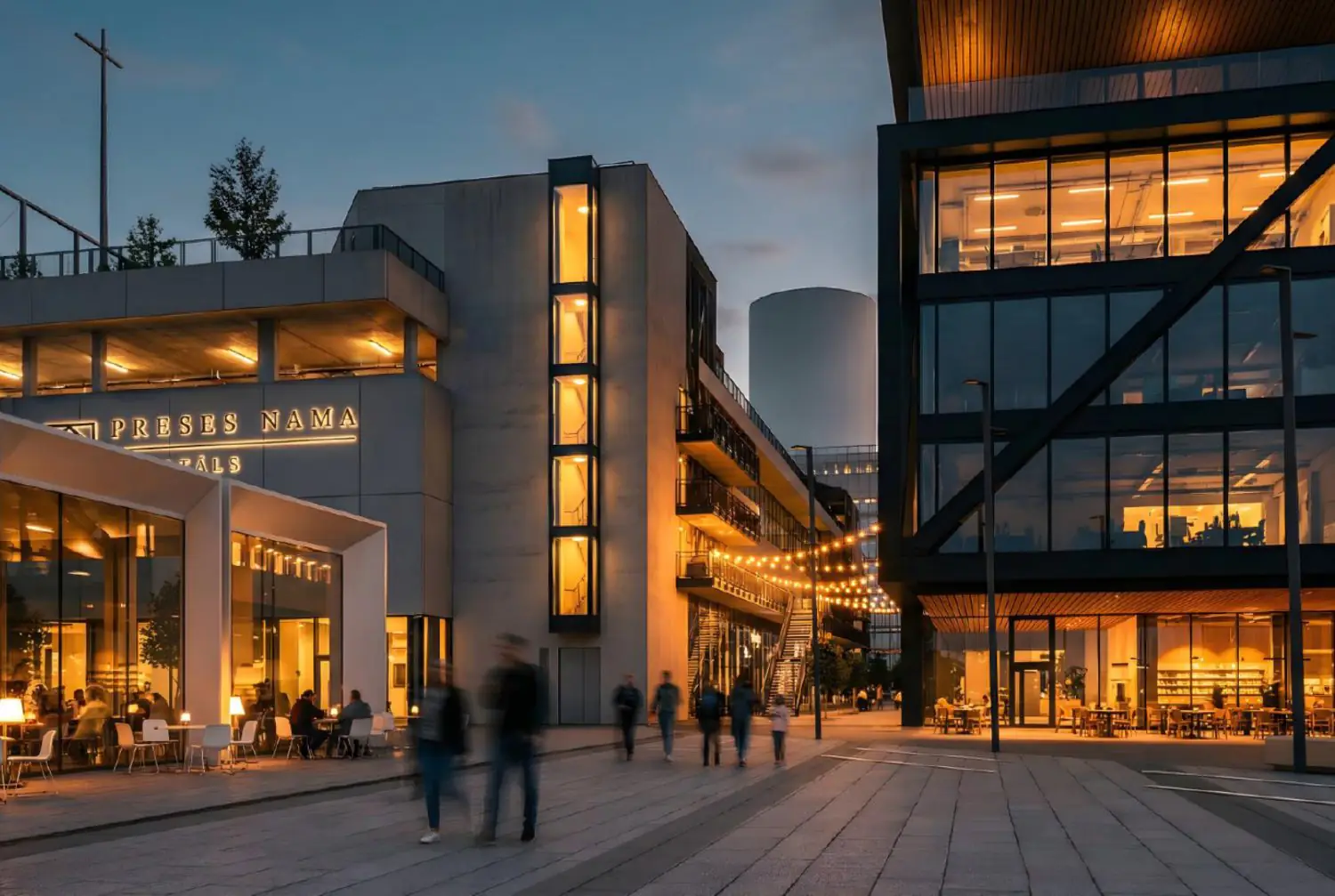
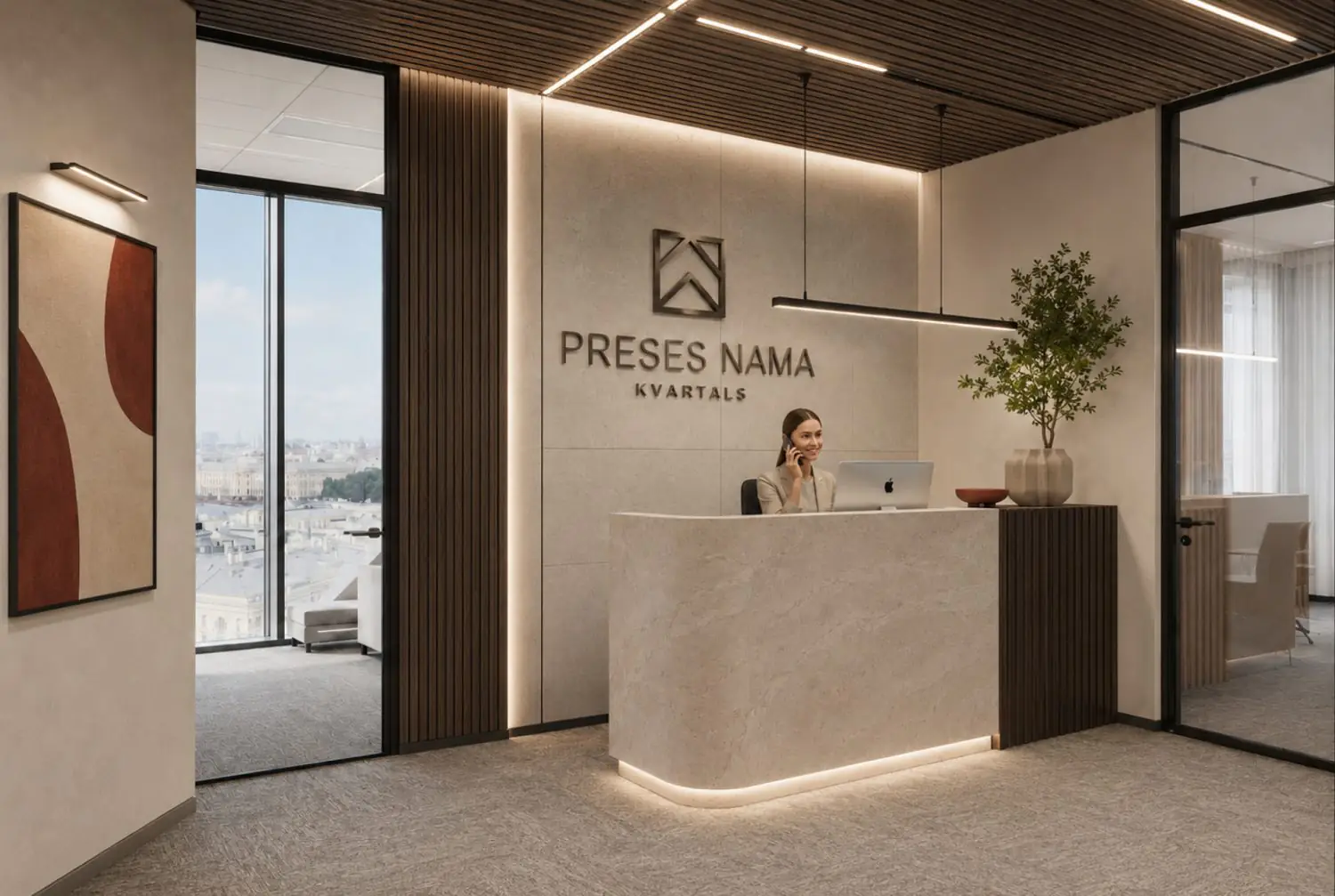
According to Jekaterina Zariņa, Leasing Manager at Preses Nama Kvartāls—one of Riga’s largest upcoming office developments—these global trends are already shaping how companies in Latvia choose and plan their office spaces.

Leasing Manager at Preses Nama Kvartāls
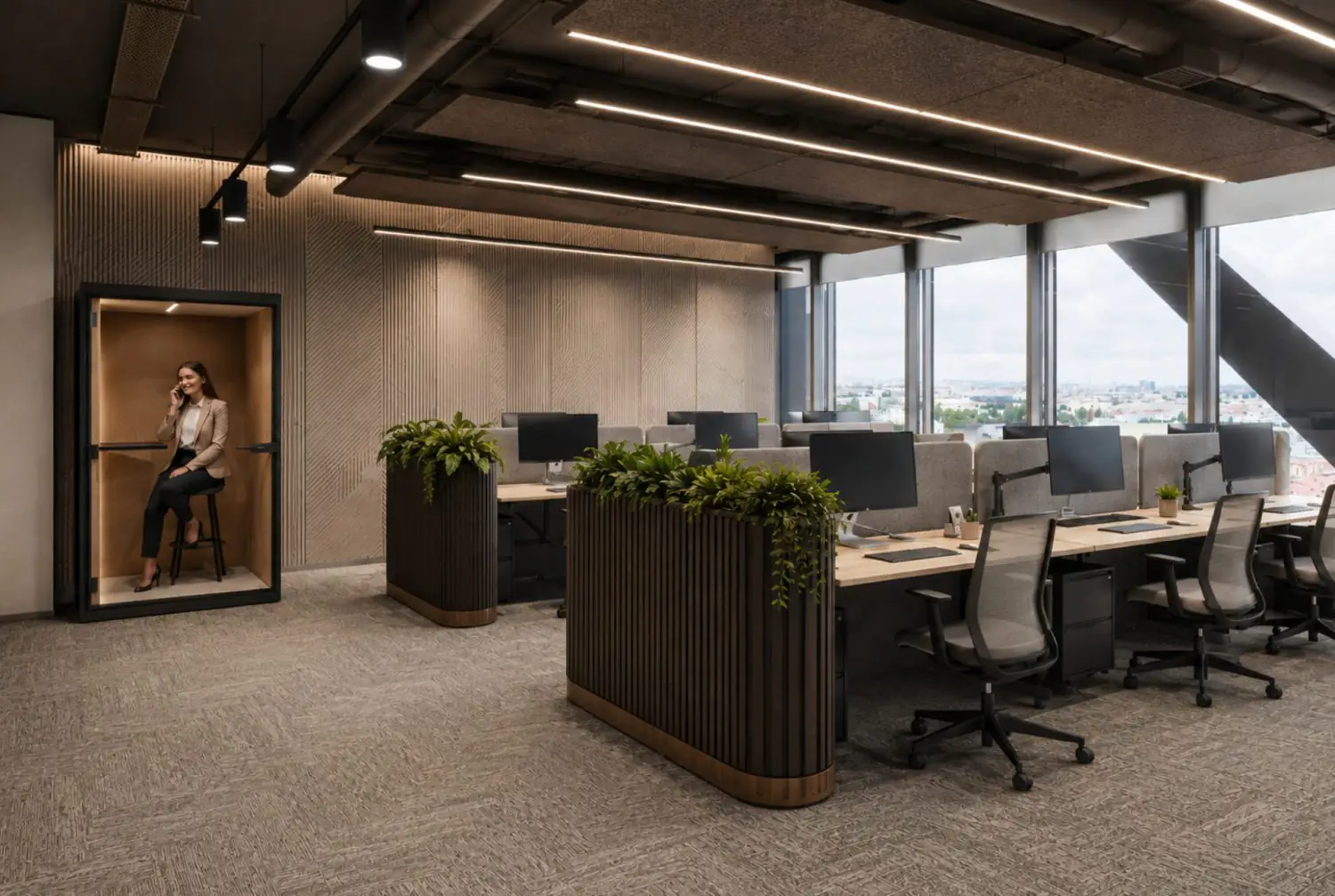
“Companies that are targeting younger talent and planning for long-term growth are adapting their office layouts and interior design so that workplaces are not only highly functional but also offer the kind of experience young professionals are looking for. More attention is being paid to how space is structured—creating open, transparent, collaborative areas while also providing space for social interaction, relaxation, privacy, and quiet, focused work, where employees can recharge or concentrate,” says Jekaterina Zariņa.
One example is Deloitte, which will move its Latvian operations to Preses Nama Kvartāls. The company is already designing its new office around the needs of today’s workforce.
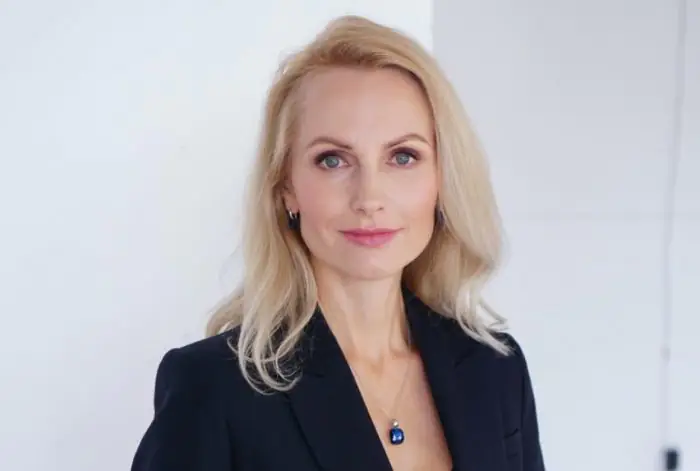
Kristīne Jarve, Managing Partner of Deloitte in the Baltics, points out that a modern workplace is not defined only by technology or office design—it is centred on people.
“Our new office has been designed not only for the way we work today, but also for how employees’ needs and expectations will change in the future. In planning Deloitte’s new office, we recognised that modern work is no longer tied to a single physical workplace. The office is being built as part of a wider employee experience,” she explains.
Managing Partner
From Flexible Desks to Personalised Work Experiences
Flexible desk policies, where employees don’t have a fixed workstation, have become increasingly common in recent years, driven by the wider adoption of hybrid and remote work. However, Gen Z places greater value on being able to personalise their workspace, since it creates a stronger sense of stability and belonging.
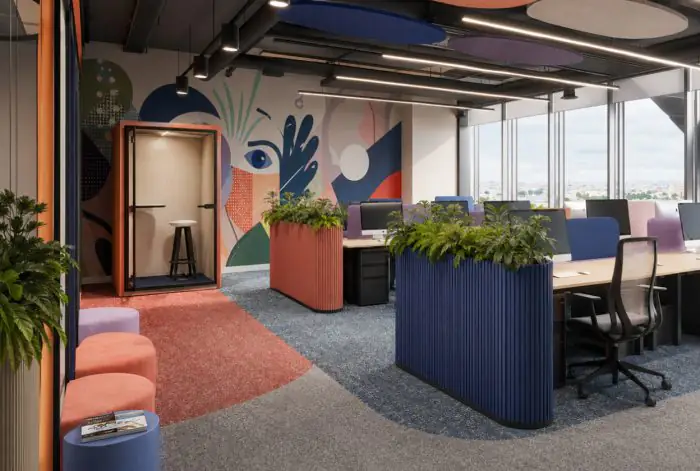
As a result, offices are increasingly adding more enclosed workstations, greater spacing between desks, and better visual and sound privacy. At the same time, traditional open-plan offices are being reorganised into clearly zoned areas using glass partitions and other design solutions. Dedicated spaces are also being added, including private rooms for online meetings, quiet rooms for focused work, and other specialised work areas.
Kristīne Jarve notes:
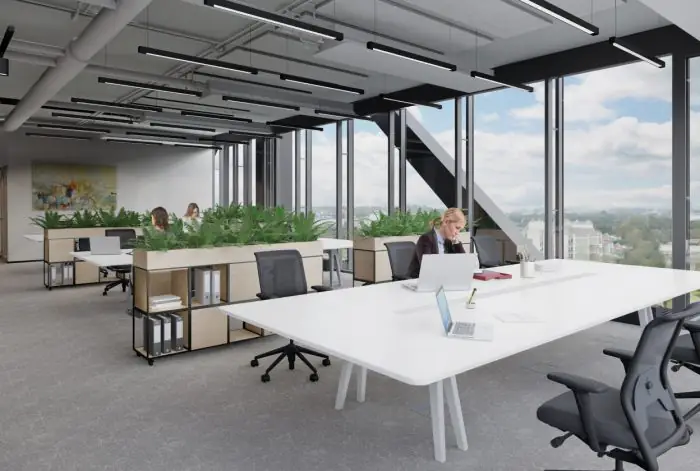
“The design and layout of Deloitte’s new Riga office already reflect many of the latest global workplace trends. The office includes a range of spaces for different needs—areas for focused individual work, team collaboration, meetings, and informal conversations. We also recognise that work today goes beyond a single physical location, so we are designing the office as part of a wider work experience, where face-to-face and digital collaboration complement each other.”
More Than Just a Kitchen: Coffee Bars, Tea Corners and Social Spaces
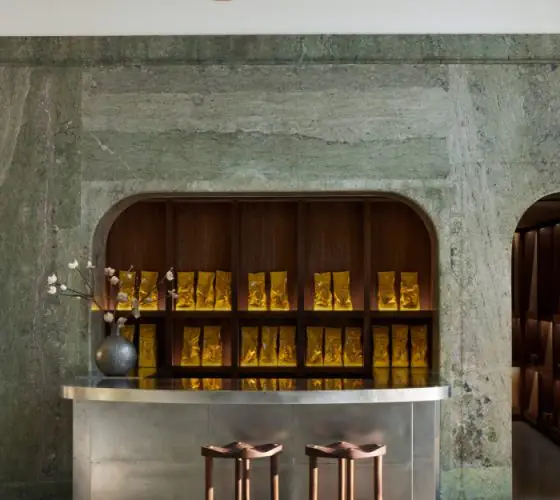
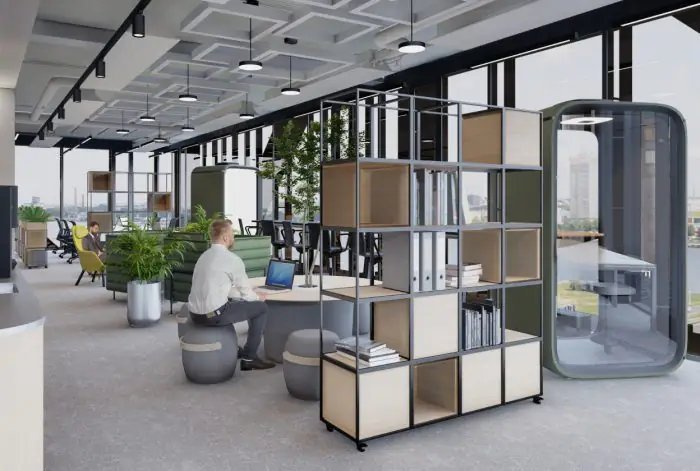
One of the most visible trends in office planning is the growth and variety of shared spaces. While offices once only needed a small kitchenette with a coffee machine, fridge and table, today’s workplaces increasingly feature dedicated coffee and tea stations, snack bars, informal lounge areas, and flexible meeting spaces.
This reflects employees’ growing need for real human interaction, and office designers and developers are building these spaces in from the earliest planning stages.
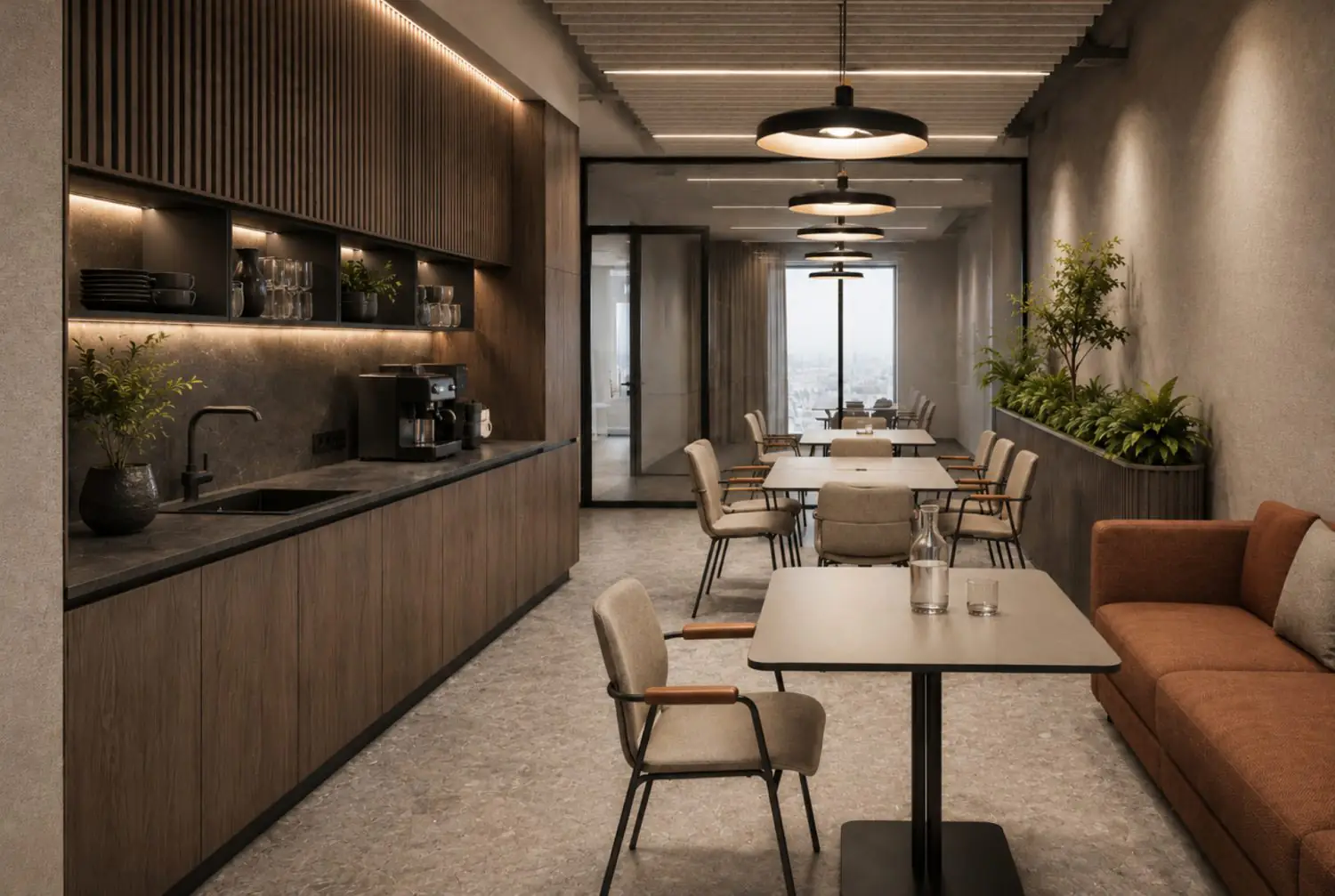
Kristīne Jarve points to another key finding from Deloitte’s 2026 Gen Z and Millennial Survey on the importance of workplace friendships.
“Employees who build strong relationships with colleagues are not only happier, but are also much more likely to stay with an organisation long-term. This shows that successful workplaces are not built by processes, technology, or office design alone—they are built through human relationships and a genuine sense of belonging. That is why, when designing our new office, we focused not only on creating a place to work, but also on creating a space where people come together—our employees, clients, and business partners. These human connections ultimately lead to stronger engagement, more united teams, and shared growth.”
Sustainability Certification: A Reflection of Values and Wellbeing
Gen Z pays close attention to company values and sustainability, which makes internationally recognised building certifications such as BREEAM and LEED an increasingly important factor when they evaluate a potential employer.
For young professionals, however, sustainability is about more than environmental responsibility or company reputation. Buildings that meet international sustainability standards also offer healthier everyday working conditions, including better ventilation, stable indoor temperatures, better lighting, and better sound insulation—all of which directly support employee health and wellbeing.
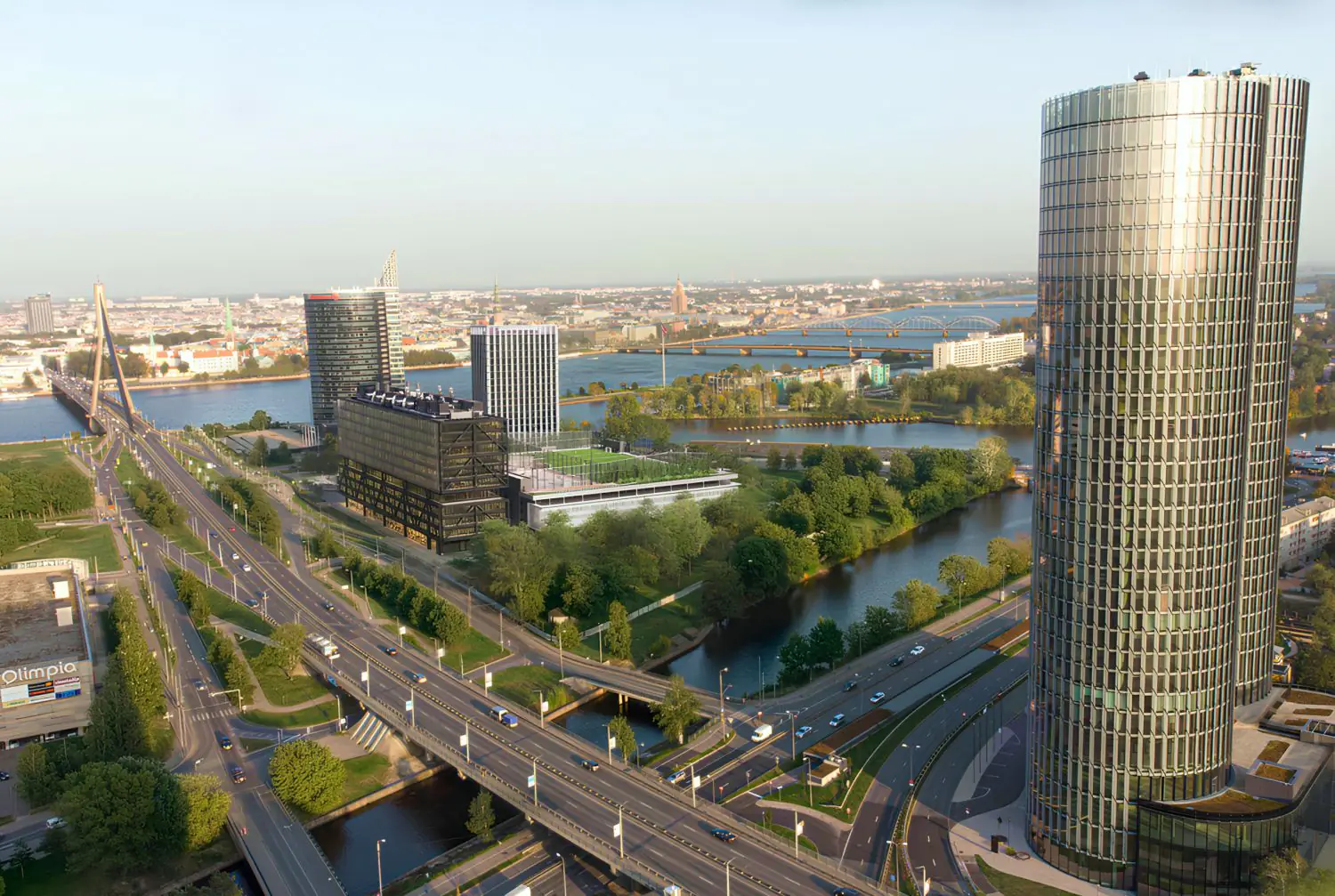
The office tower at Preses Nama Kvartāls has been designed as a nearly zero-energy building (meaning it uses very little outside energy to heat, cool, and light the building) and is aiming for BREEAM Excellent certification. Along with advanced temperature control, the building will also regulate indoor humidity, while meeting rooms will have CO₂ sensors to ensure good air quality.
Wellbeing Infrastructure and Biophilic Design
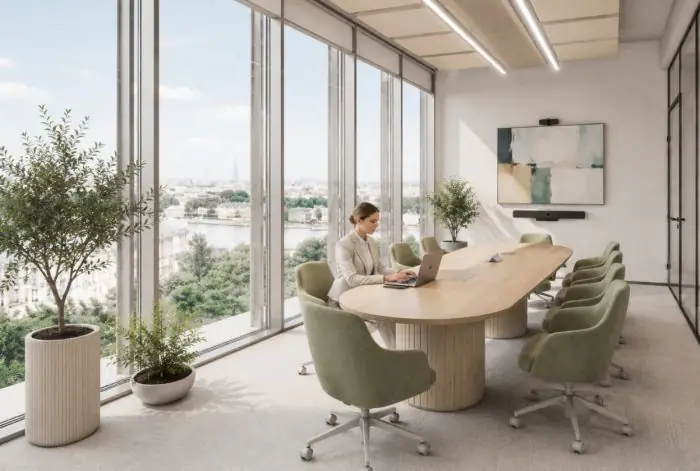
Gen Z expects the workplace not only to support productivity but also to support wellbeing. Quiet spaces and relaxation areas have therefore become just as important as areas for collaboration, helping employees restore focus and reduce stress.
Natural daylight, indoor greenery, good air circulation, and other elements of biophilic design (design inspired by nature) are increasingly becoming standard features in offices built for the future workforce.
Supporting Healthy Lifestyles
Infrastructure that supports physical wellbeing is also becoming an important factor.
“Tenants increasingly ask whether there is a gym in or near the building, and whether the office centre includes showers, bicycle parking, and other facilities that help people keep up healthy daily routines. Young professionals want workplaces that support a balanced lifestyle beyond their day-to-day work. Today’s office is designed as part of a wider urban ecosystem, where employees have easy access to sports and leisure opportunities. In addition to existing infrastructure, more than 14,000 square metres of landscaped outdoor space with recreation and activity areas will be created next to Preses Nama Kvartāls, close to the Daugava Canal,” says Jekaterina Zariņa.