Address: Lielirbes iela 7, Riga
The Advantage of the Left Bank
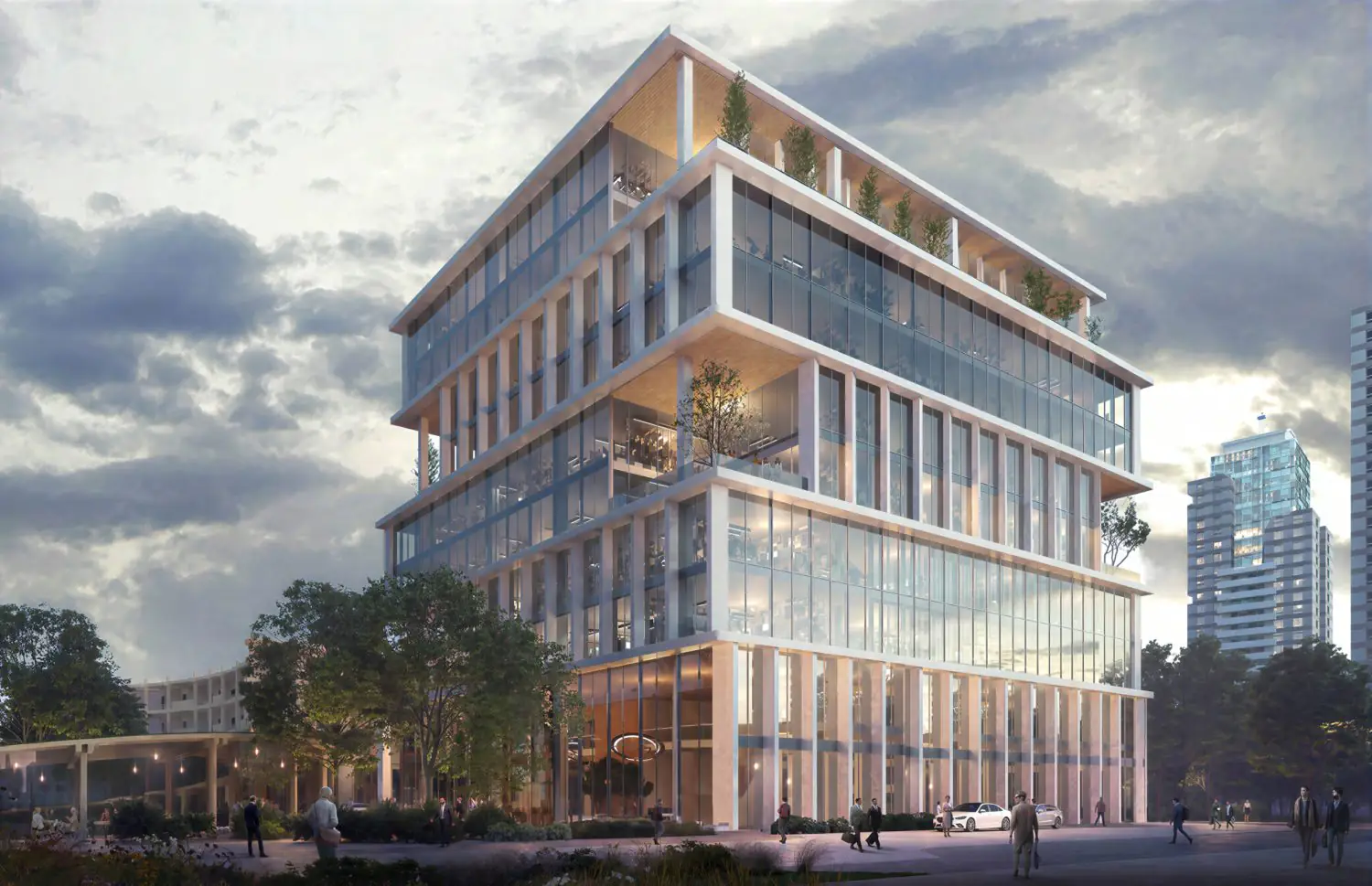
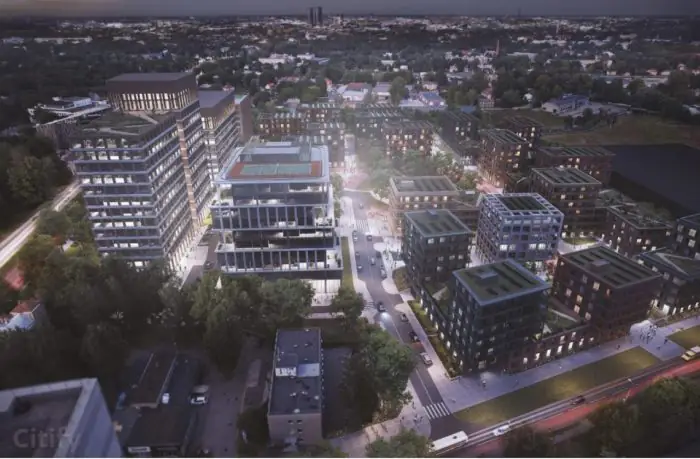
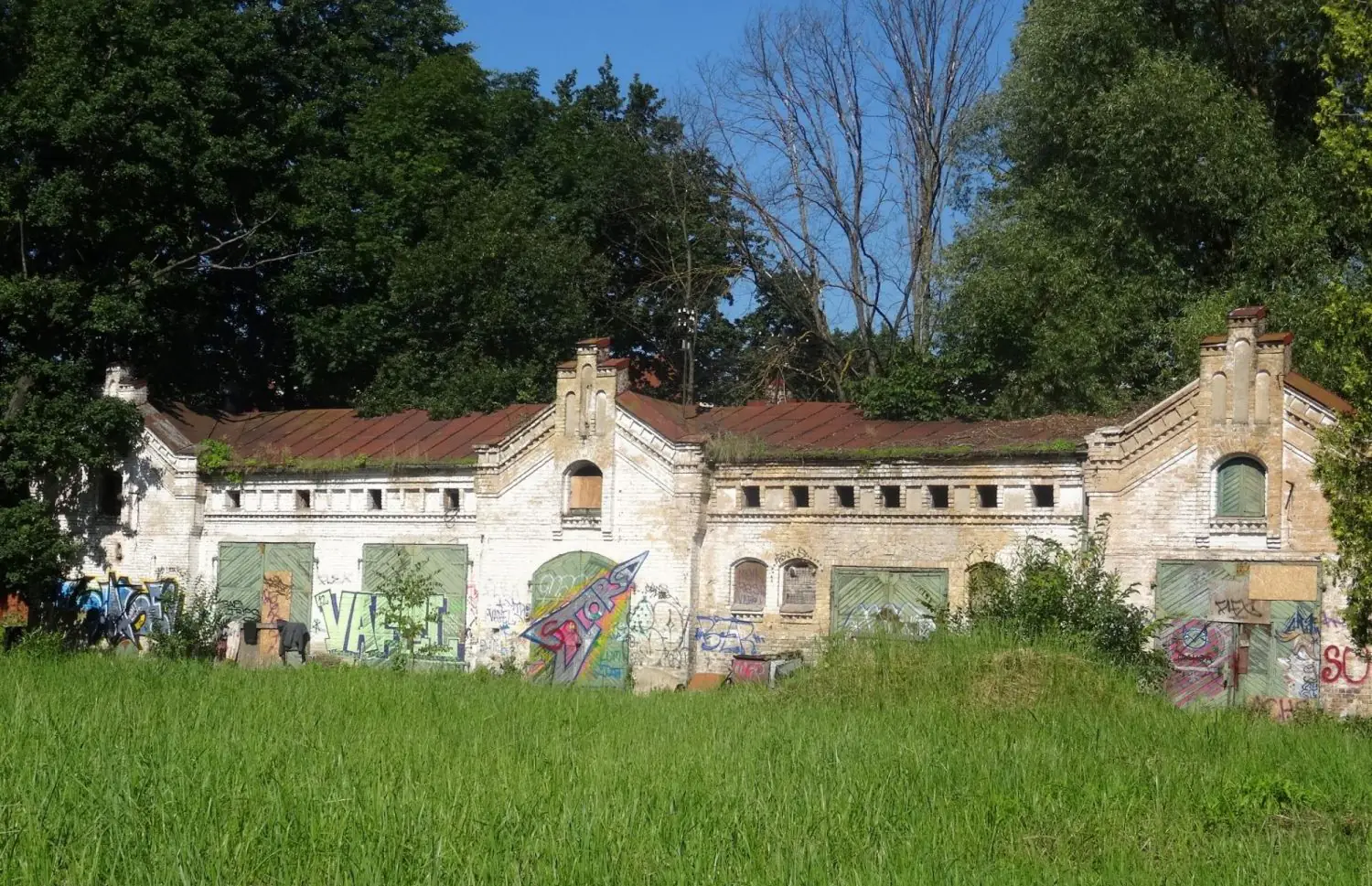
The development covers 7,2 hectares on Lielirbes iela, acquired by Capitalica Residential from SBA Urban. The total development area will exceed 100,000 m², with around 33,000 m² dedicated to green and public spaces.
The master plan for the site was developed by the international architecture firm Gensler in collaboration with Vilnis Mičulis Architects. Capitalica commissioned RUUME arhitekti to develop the architectural concept for the new quarter.
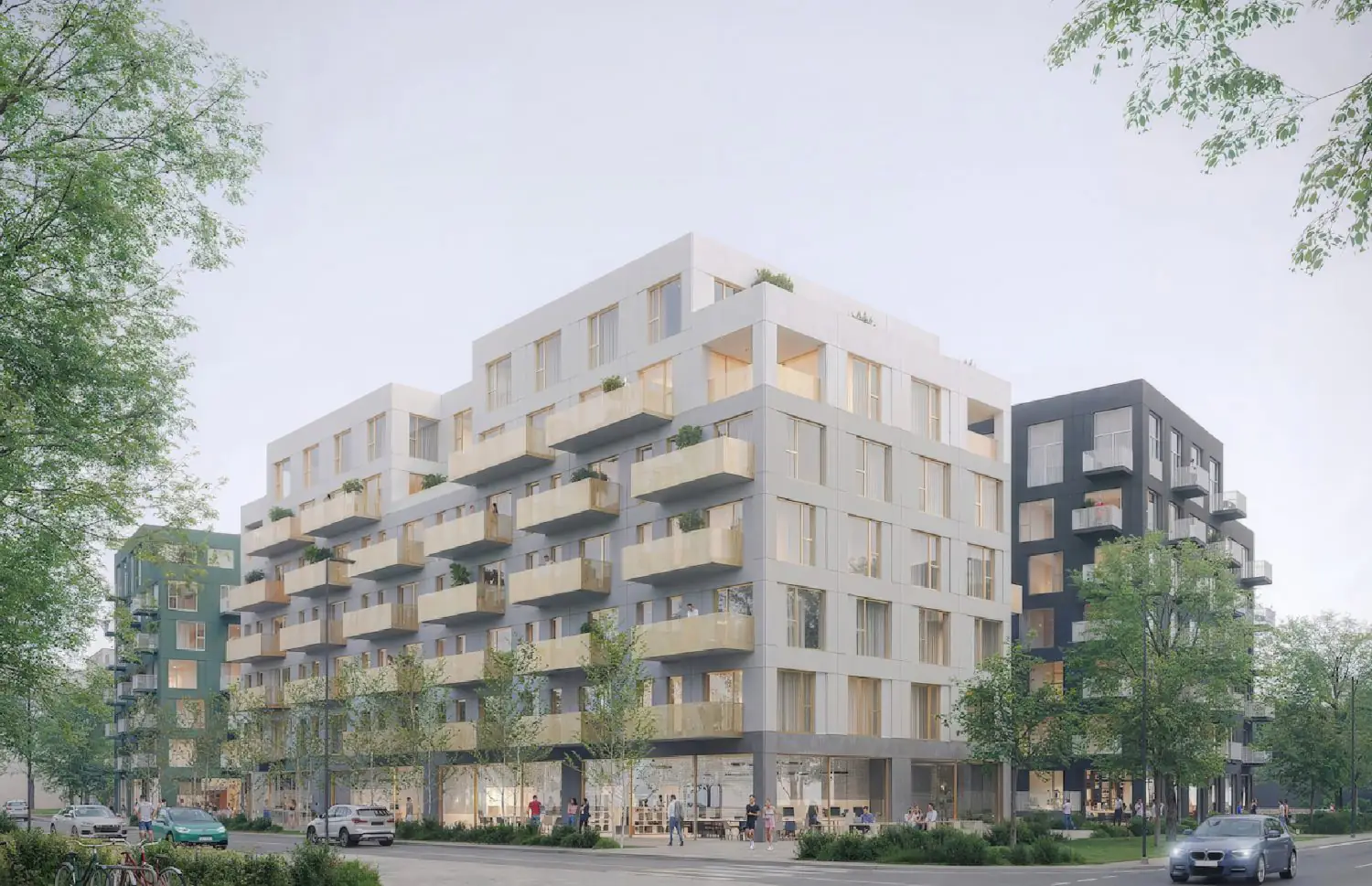
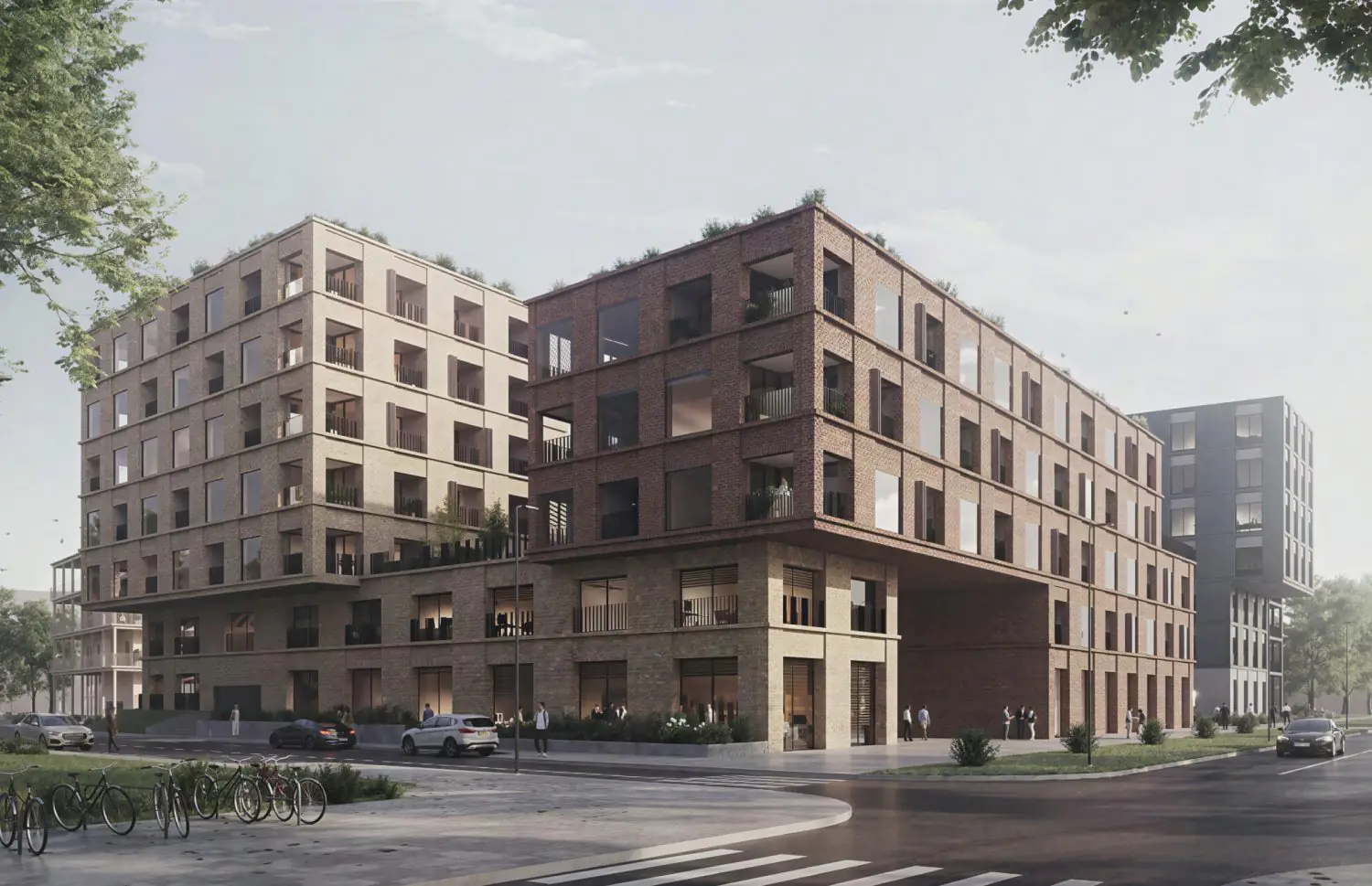
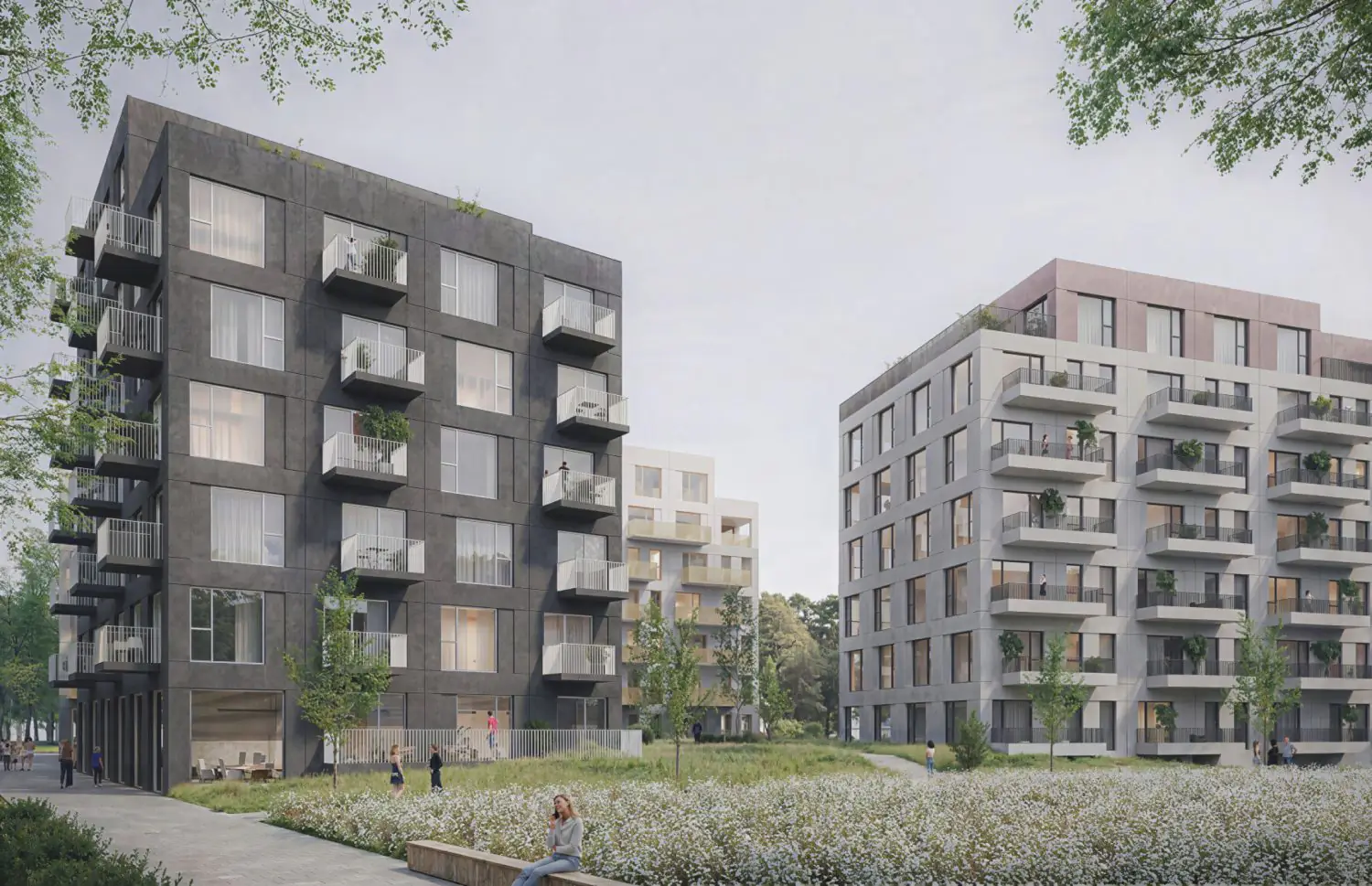
Why did you choose to invest specifically in Pārdaugava? What convinced you of this area’s long-term potential?
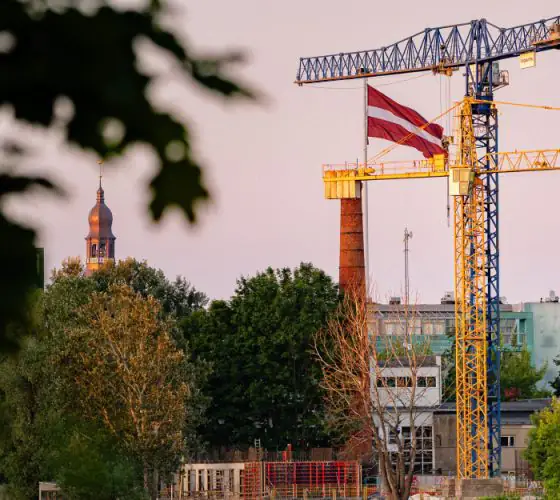
Capitalica: We know Riga well and believe in its potential. Our Verde office complex in Skanste has demonstrated strong demand for modern, sustainable real estate. Pārdaugava is one of the city’s most underserved yet best-connected areas: historic, green, close to the city center, the airport and Jūrmala, and adjacent to established neighborhoods such as Āgenskalns and Imanta. Our site is a large, contiguous former industrial plot with an approved detailed plan and mixed-use zone—a rare combination in Riga that allows us to create an entire district rather than a single building. This scale, location, and planning readiness give the project a strong long-term foundation.
Do you believe Pārdaugava is entering a new stage of development? What are the main factors driving this transformation?
Capitalica: Yes. It is supported by the strong recovery of Riga’s housing market, with prices rising by roughly 10% in 2025–2026; a shortage of modern, energy-efficient homes compared with the ageing Soviet-era housing stock; easing mortgage conditions; and growing demand for walkable, green, mixed-use, high-quality neighborhoods. Pārdaugava particularly benefits from increasing interest in authentic areas such as Āgenskalns, as well as spillover demand as the city center and Skanste continue to develop.
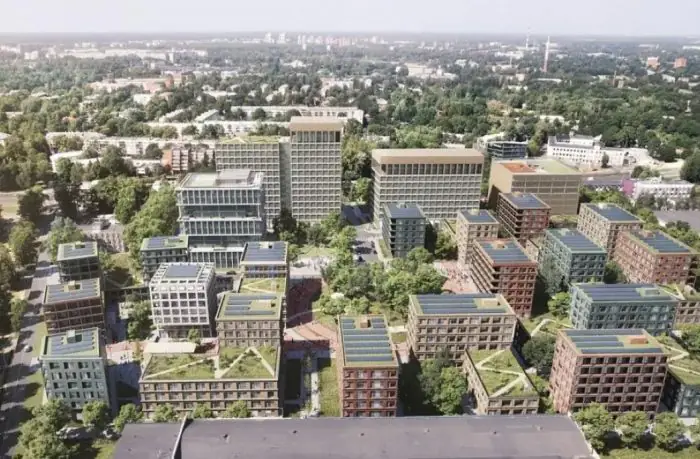
How do you assess the corridor between Riga city center and the airport? Do you see it becoming one of the city’s key development axes in the coming years?
Capitalica: We see this as one of Riga’s key future development axes. It connects the historic center, emerging business districts, Riga’s airport, Jūrmala and Mārupe—a natural growth corridor for both residents and businesses. Our site is located at its gateway, within the “city gates” identified in Riga’s territorial plan, which is central to our investment thesis. Its connectivity makes it particularly well suited for a mixed-use “city within a city“ district.
From Industrial Site to a “City Within a City”
Could you tell us more about the project itself? What is its main vision, and what will make it different from other new developments in Riga?
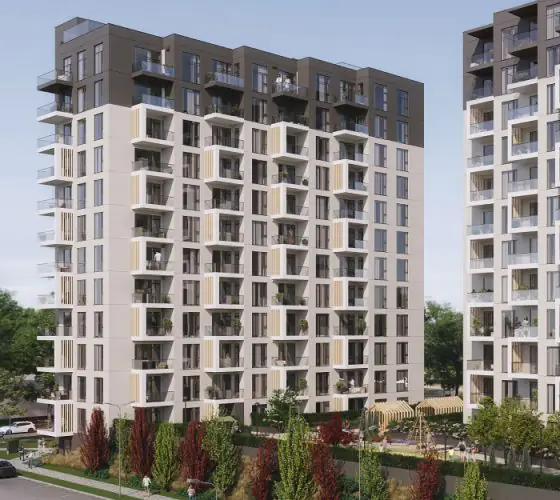
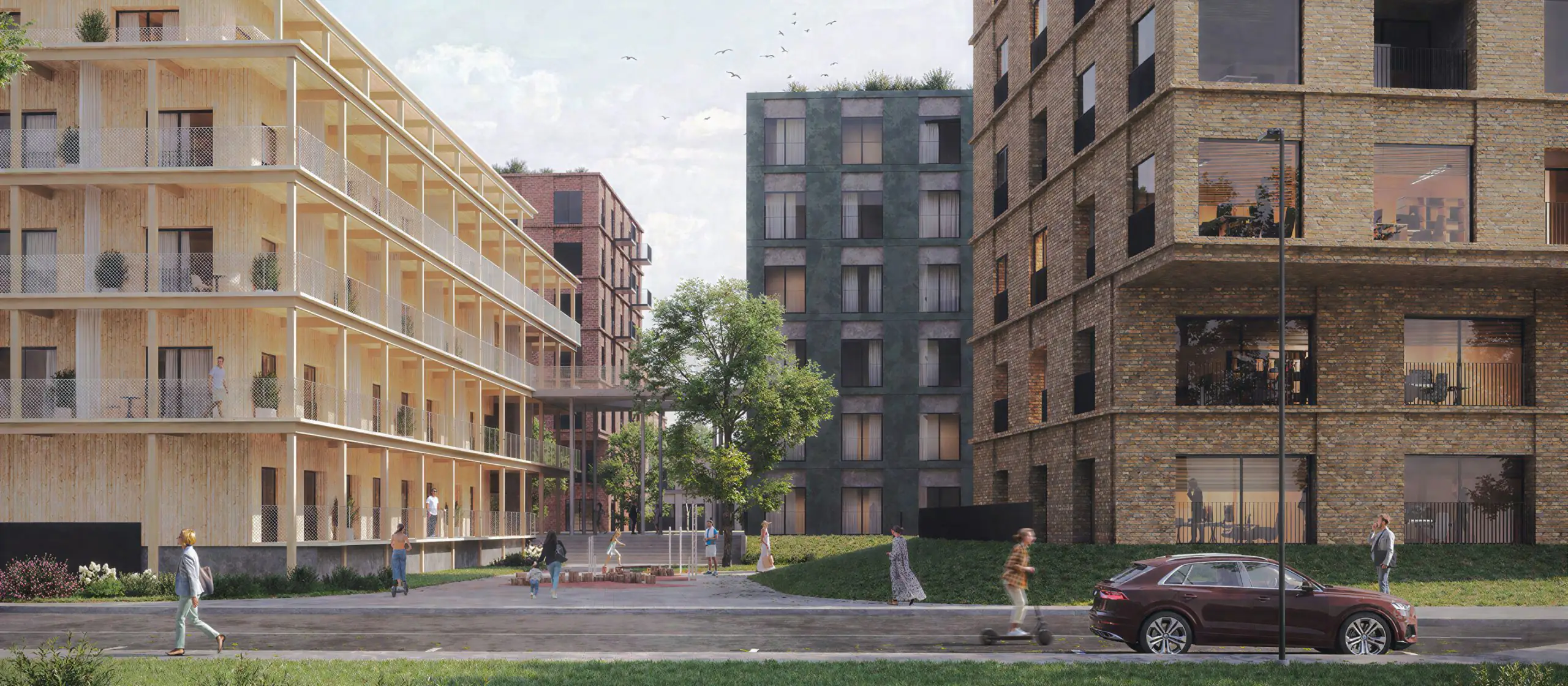
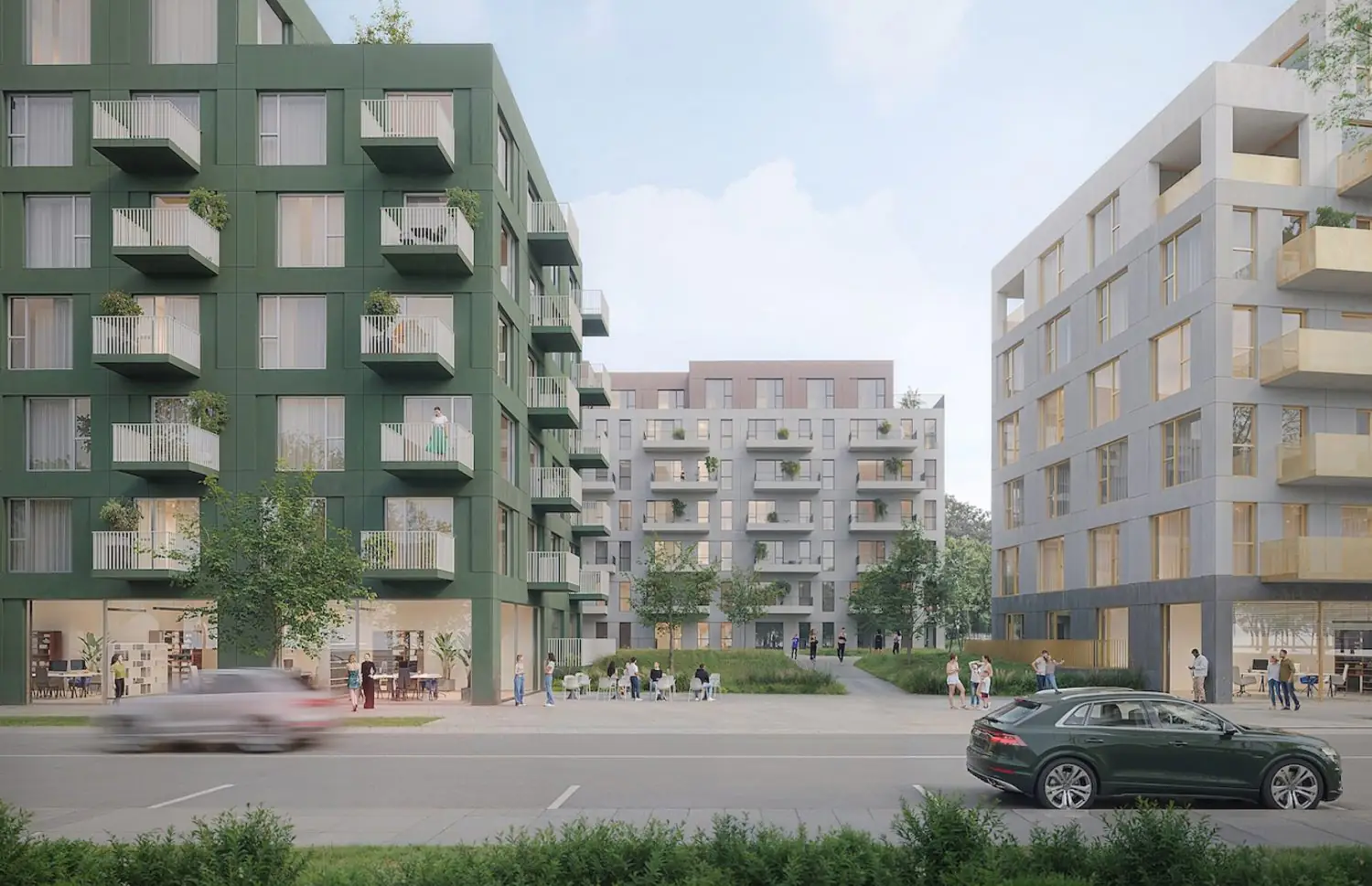
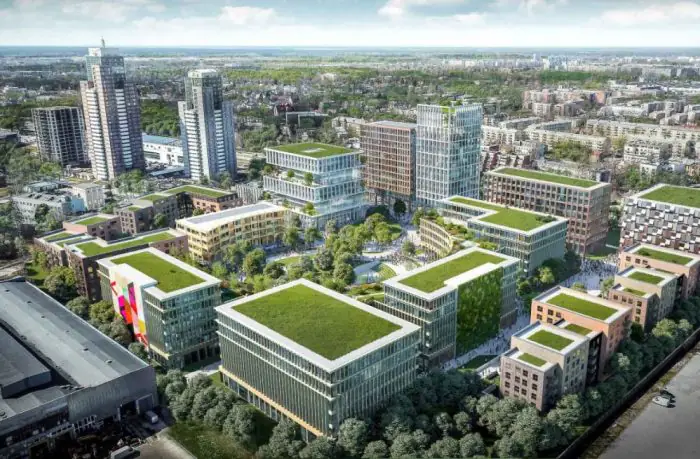
Capitalica: It is a contemporary, human-scale district built around place, park and people—not a collection of standalone blocks. The approximately 100,000 m² mixed-use development will be structured around a continuous green spine, a central public square, distinctive gateway architecture and fine-grained, plot-by-plot development. What sets it apart is the ambition to create a genuine neighborhood with its own identity and community on a regenerated brownfield site, rather than simply delivering a single real estate product. The vision is to create a city within a city with everything needed for everyday life.
What functions will the new district combine? How do you balance residential, office, commercial, public and recreational spaces?
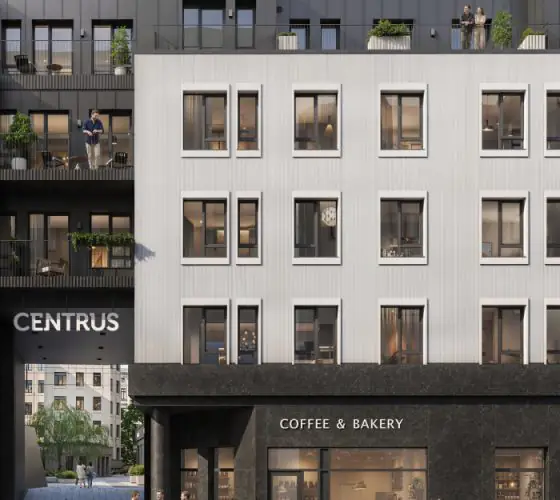
Capitalica: Residential will form the backbone of the district, complemented by office and other commercial space, ground-floor retail and services, as well as generous public and recreational areas—around 33,000 m² of green and public space. These functions will be phased and layered to ensure the district remains active throughout the day and becomes self-sustaining rather than mono functional. The balance of uses will evolve together with the district, ensuring that residential, work, services and leisure complement one another.
The development will include its own kindergarten and a medical facility. Its central elements will be a green corridor and a public square, while the site will be developed in phases, plot by plot.
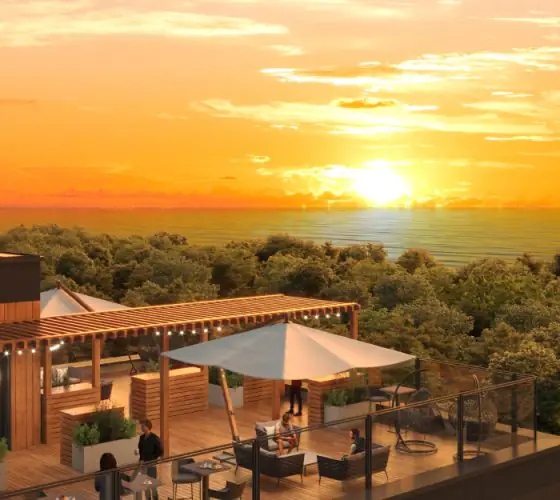
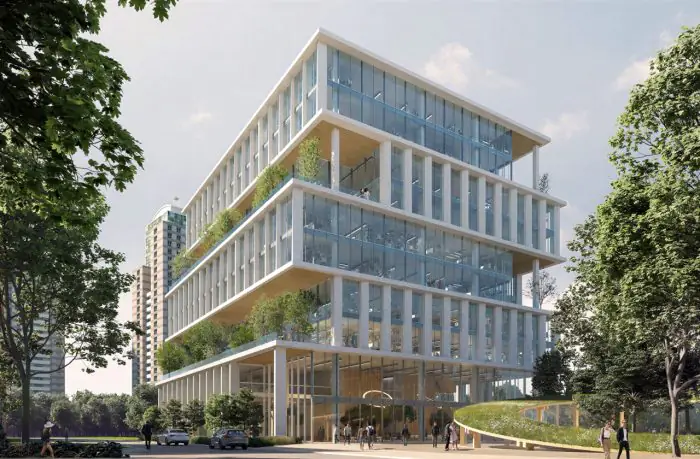
At the heart of the masterplan are a continuous green spine, a public square and people-oriented development. The district is designed to bring together homes, workplaces, retail, services and leisure.
What are the project’s main development phases and timeline? When can residents expect to see the first results?
Capitalica: The district will be delivered in stages through to approximately 2035 and beyond. Phase one will be residential and is expected to begin within one year. Alongside construction, we will activate the site through placemaking initiatives and public events. Construction of the first stage is planned to begin in Q3 2027. The first visible results will therefore come not only through construction, but also through the early activation of the site and public realm.
Public Realm First, Buildings Second
Residential development will form the first phase. Construction of the first stage is planned to begin in Q3 2027, while the district as a whole will be developed gradually through approximately 2035 and beyond.
Even before the main construction begins, the site is expected to open up to the city through public events and placemaking initiatives.
Who do you see as the future residents, tenants and users of the district? Is the project aimed primarily at local residents, international businesses, or both?
Capitalica: Both local and international audiences. We envisage a multi-generational community of young professionals, growing families, active seniors and business owners, alongside companies and talent drawn to the innovation quarter and a green, well-connected location near the city center and the airport. Many buyers will likely be Riga’s residents moving up from older Soviet-era apartments or relocating from the suburbs, as well as people choosing a higher quality of life in a well-developed district.
What role will public spaces play within the development? How do you plan to create a district that becomes an integrated part of the city rather than a standalone project?
Capitalica: Public space lies at the heart of the project: a public square, walkable streets, cycling links and a green spine connecting with surrounding neighborhoods. We would also like to see this idea develop into a wider Pārdaugava green loop. By prioritizing the public realm and placemaking before and during construction, the district will become part of the city from the outset rather than turning its back on it.
Sustainability, mixed-use neighbourhoods and the “15-minute city” are major trends in urban development today. How are these principles reflected in your project?
Capitalica: These principles are central to the concept. The project will include energy-efficient, certification-oriented buildings, in line with the green approach we have applied at Verde; prioritize walking and cycling while reducing surface parking; and offer a genuine mix of homes, workplaces, services and green space within easy reach – the essence of a 15-minute neighborhood.
How the District Could Change Pārdaugava
In your opinion, how will this project influence the surrounding area, including the real estate market, business environment, mobility and quality of life?
Capitalica: We expect it to strengthen the wider neighborhood by bringing new-quality housing and jobs, more services and amenities, improved mobility and a stronger sense of place. A well-executed anchor project typically supports neighboring property values and attracts further investment—much as Verde did for Skanste. It should also improve quality of life by creating more walkable public spaces and everyday services, while contributing to a more active local business environment.
How do you envision Pārdaugava in 10–15 years? What changes do you believe are still ahead?
Capitalica: We see it maturing into one of Riga’s most desirable, green and well-connected areas: denser and more urban where appropriate, better connected across the river and railway, and with our district established as a recognizable destination and community hub. We believe the area still has considerable potential for further regeneration, new services and stronger connections to the rest of the city.
Why Investors Choose Rīga
As an international investor, how do you assess Riga’s competitiveness within the Baltic region? What makes the city attractive for investment, and where do you still see room for improvement?
Capitalica: Riga offers attractive value and yields—Baltic yields rarely fall below 7%—as well as a central location and clear demand for modern, sustainable real estate. For an investor active across the Baltic region, Riga offers an attractive combination of market scale, pricing and long-term development potential. There is still room to deepen local capital markets, make permitting faster and more predictable, and expand institutional rental housing. These areas are gradually improving.
In recent years, developers have faced high interest rates, rising construction costs and economic uncertainty. Why do you believe now is the right time to launch such an ambitious project?
Capitalica: Because the cycle has turned. The market is recovering from historic lows, interest rates have eased, and quality new supply remains scarce. This means that well-located projects delivered over the coming years can meet growing demand. Large districts are built over a decade: starting now, in phases, allows us to build counter-cyclically and be ready as the recovery continues.
Looking beyond this development, does Capitalica see opportunities for further investments in Latvia? Could you share your long-term vision for the Latvian market and any future projects you may be considering?
Capitalica: Yes. We are already expanding Verde and are now entering the residential market with this district. We see Latvia as a core, long-term market and will continue to pursue sustainable office, residential and mixed-use opportunities here. Our focus is on projects where we can create lasting value through quality, sustainability and a clear contribution to the city’s development.